


Motorcyle Strap Basics Every Rider Should Master
If you have hauled motorcycles long enough, you learn quickly that a motorcyle strap is not just another accessory. It is a critical piece of safety equipment. One weak strap or one bad tie point can turn a routine drive into an expensive mistake.
I have transported motorcycles for years. Dirt bikes, sport bikes, cruisers, track bikes, and daily riders. Short trips across town and long hauls across multiple states. Over time, you stop trusting shortcuts and start trusting proven methods and reliable gear.
In this guide, you will learn exactly how a motorcyle strap works, how to secure your bike step by step, common mistakes riders make, and how to choose the right PowerTye products for your setup. This is written in a practical, experienced-rider voice for people who want their bikes to arrive exactly as they left.
How a Motorcyle Strap System Works
A motorcyle strap system is designed to keep a motorcycle upright and immobile during transport. Motorcycles are tall, narrow, and top-heavy, which makes them sensitive to movement on trailers and in truck beds.
A proper strap setup controls movement in every direction:
-
Forward movement under braking
-
Rearward movement under acceleration
-
Side-to-side movement during turns
-
Vertical bounce over bumps
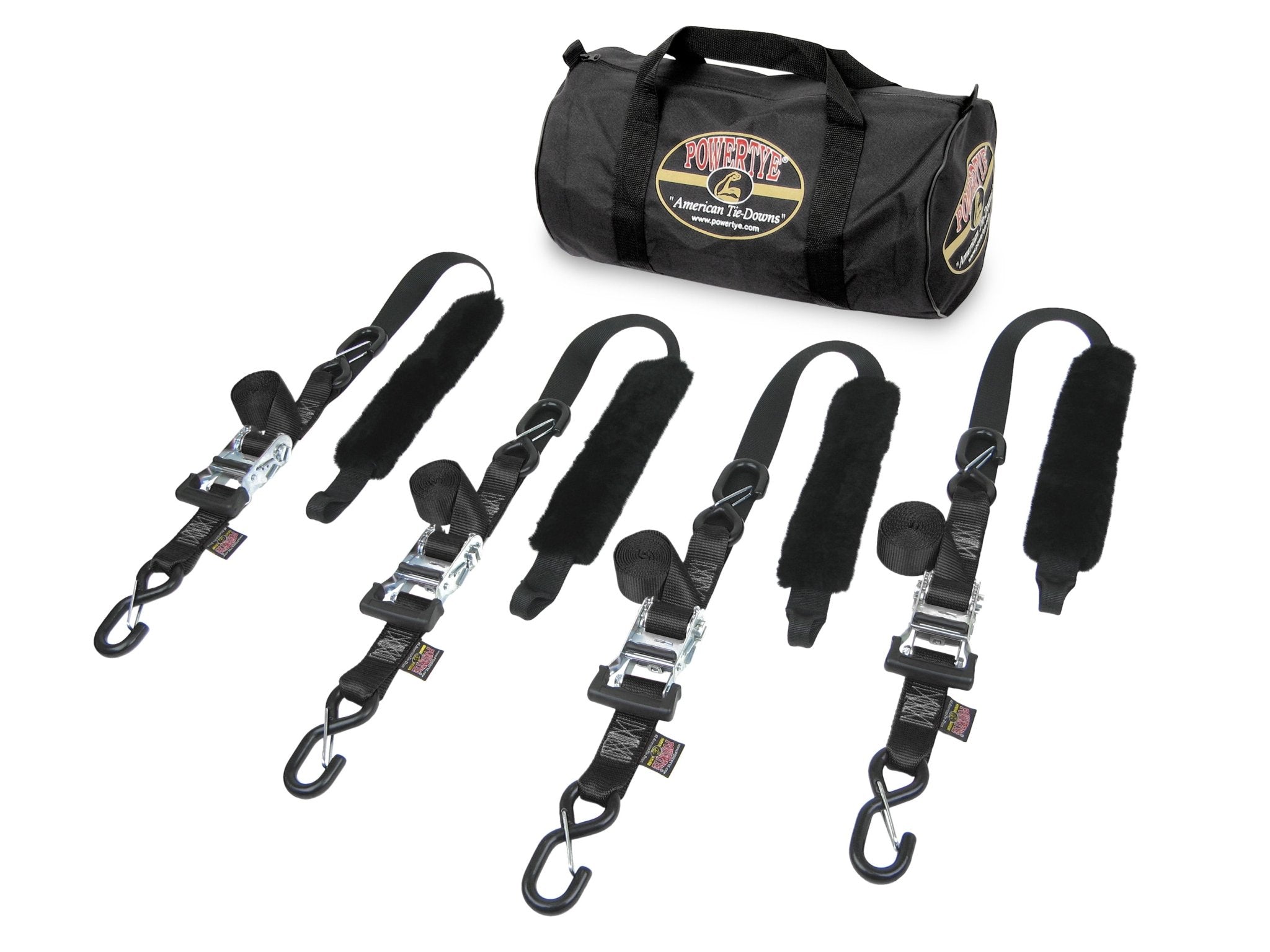
Most secure setups use four points of contact. Two straps at the front of the bike and two at the rear. The front straps do most of the work. They stabilize the bike and preload the suspension slightly. The rear straps add balance and prevent lateral movement.
PowerTye motorcyle strap products are designed to apply controlled tension without damaging handlebars, frames, or suspension components when used correctly.
Why the Right Motorcyle Strap Matters
Motorcycles are not forgiving loads. A small amount of movement at the base turns into a lot of movement at the handlebars. That leverage is what causes bikes to tip, straps to loosen, and damage to happen.
Using the wrong strap or poor technique can lead to:
-
Bent handlebars
-
Blown fork seals
-
Scratched paint and frames
-
Bikes falling over during transport
A quality motorcyle strap combined with the right technique removes stress from the process and lets you focus on the road instead of constantly checking mirrors.
Step-by-Step: How to Secure a Motorcycle with a Motorcyle Strap
Step 1: Position the Motorcycle Correctly
Start by positioning the bike where it will be transported. Center it on the trailer or in the truck bed. If you use a wheel chock or front stop, roll the front tire in until it is firmly seated.
If no chock is present, have a helper hold the bike upright while you attach the first straps.
Proper positioning makes everything else easier and safer.
Step 2: Install Soft Ties on the Front of the Bike
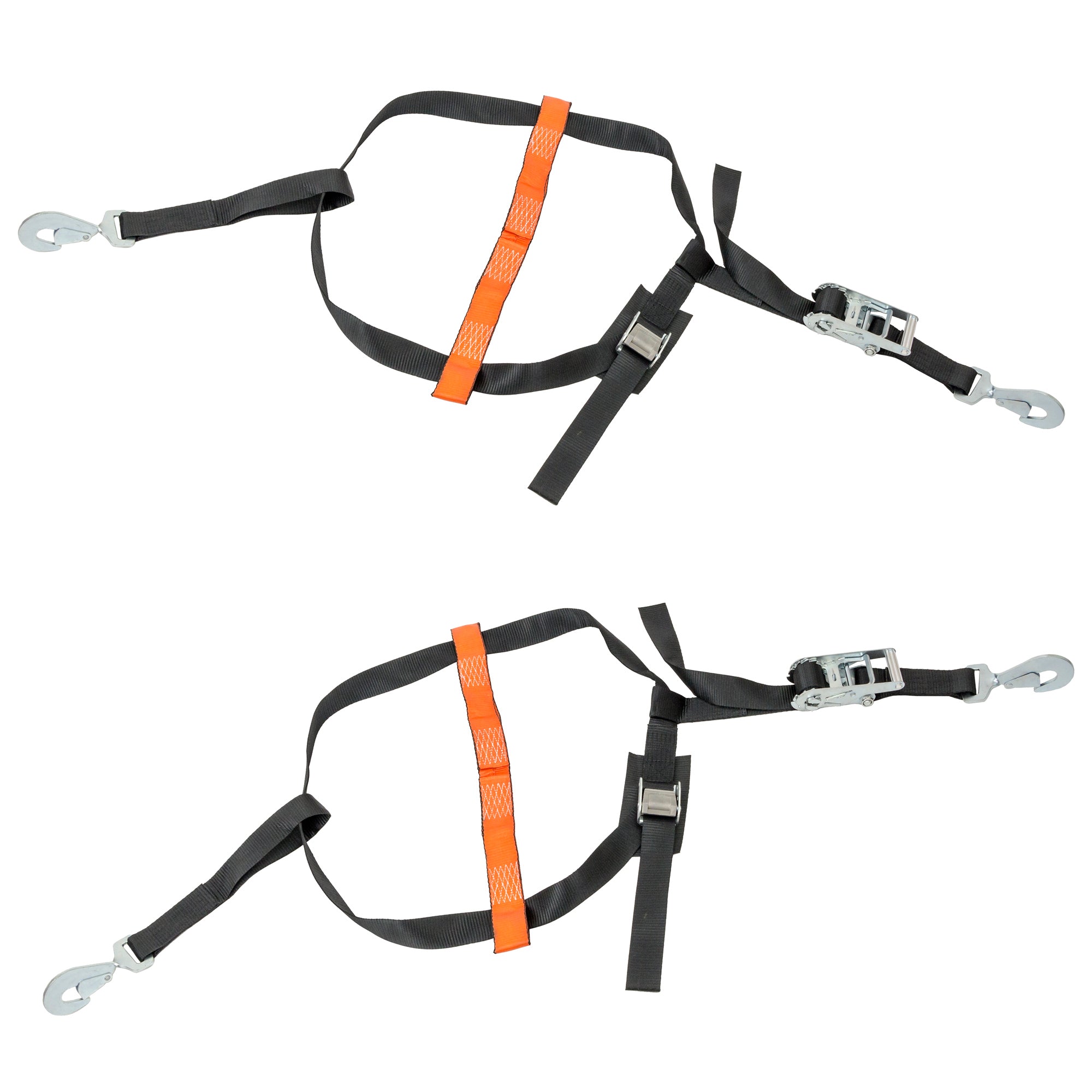
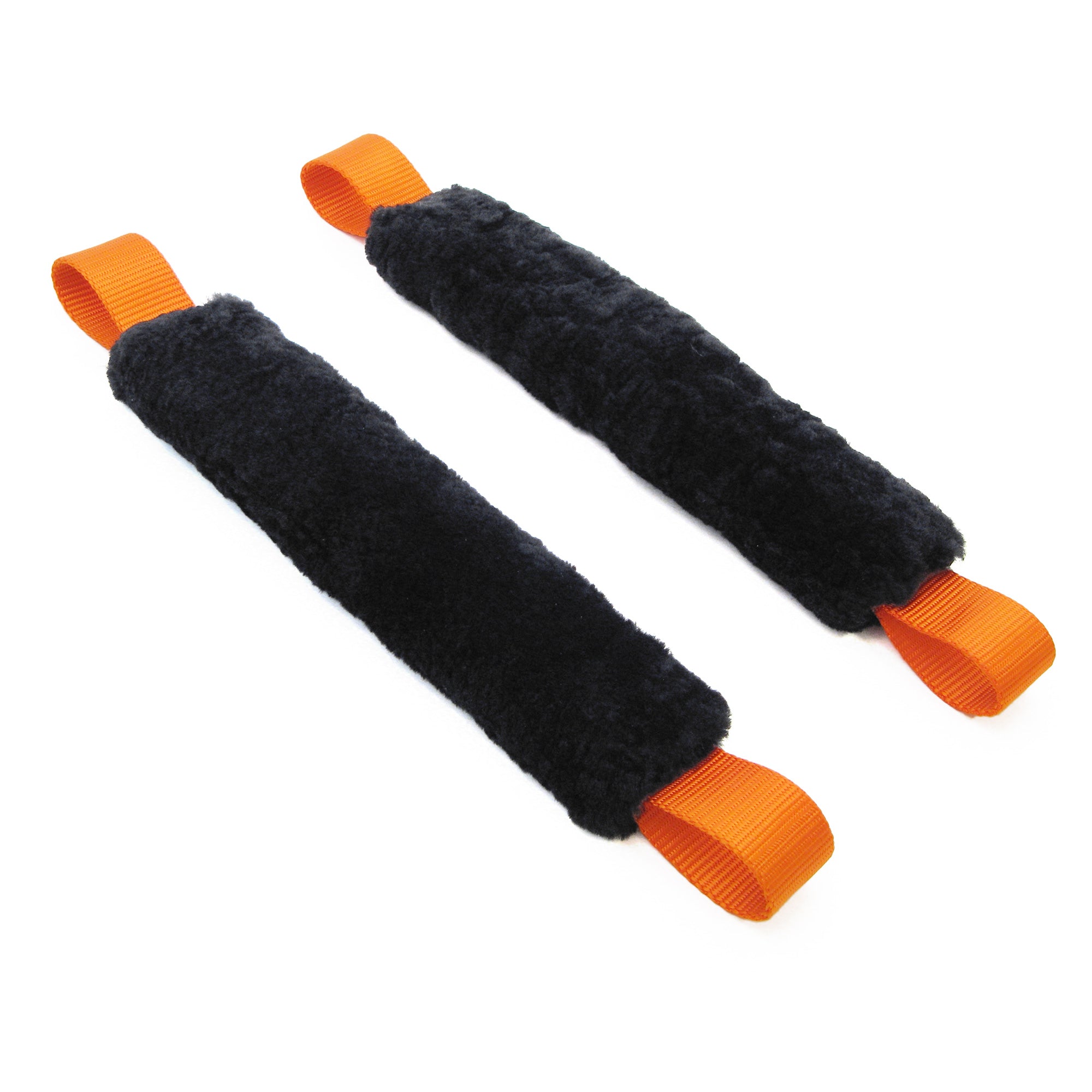
Soft ties are essential for safe motorcycle transport. PowerTye soft ties wrap around handlebars or triple trees and create strong attachment points without scratching or damaging components.
Attach one soft tie on each side of the bike at the same height. Make sure they are secure and evenly positioned.
Step 3: Attach Front Motorcyle Straps
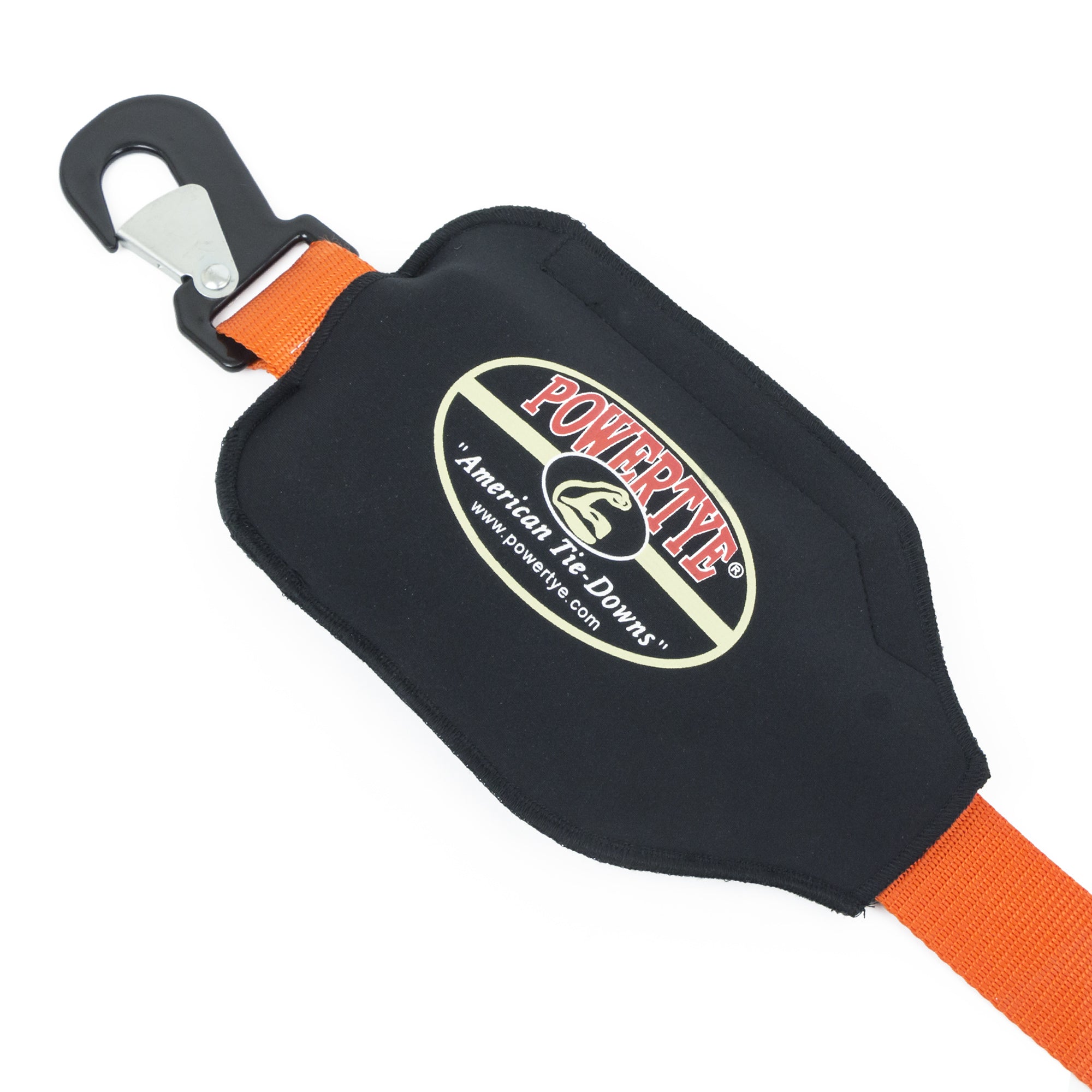
Connect your PowerTye motorcyle strap to each soft tie, then attach the other end to a solid anchor point on the trailer or truck bed.
Ratchet straps are commonly used at the front because they provide precise tension control and strong holding power.
Step 4: Tighten the Front Straps Evenly
Alternate tightening between the left and right straps. This keeps the bike centered and upright.
Compress the front suspension slightly. The forks should be loaded, but not fully bottomed out. Too much compression can damage seals and reduce stability.
Step 5: Secure the Rear of the Motorcycle
Attach rear straps to solid points such as passenger footpeg brackets or the frame. Avoid exhaust pipes, swingarms, and plastic parts.
Rear straps help keep the bike tracking straight and prevent side-to-side movement.
Tighten rear straps until snug. They usually do not need as much tension as the front straps.
Step 6: Secure Loose Strap Ends
Any loose webbing should be tied off or secured. Flapping straps wear out faster and can distract other drivers.
Step 7: Recheck After the First Miles
After 10 to 20 miles, stop and recheck all straps. Suspension settles and straps stretch slightly during the first part of the trip.
Make adjustments as needed and continue checking periodically on long trips.
Common Motorcyle Strap Mistakes to Avoid
Over-Tightening the Front Straps
This is one of the most common mistakes riders make. Over-tightening compresses the suspension too much and can damage fork seals.
Tighten until the bike is stable, then stop.
Skipping Soft Ties
Hooking metal straps directly to handlebars or frames risks scratches and damage. Soft ties are inexpensive and should always be used.
Using Too Few Straps
Two straps may look secure in the driveway, but road forces are different. Four points of contact provide far better stability.
Attaching to Weak Components
Mirrors, fairings, exhausts, and plastic parts are not tie-down points. Always use strong, structural components.
Not Checking Straps During Transport
Temperature changes and vibration can affect tension. Quick checks prevent big problems.
Safety Tips for Using a Motorcyle Strap
-
Always use straps designed for motorcycle transport
-
Inspect straps before every trip
-
Keep straps away from sharp edges
-
Secure excess webbing
-
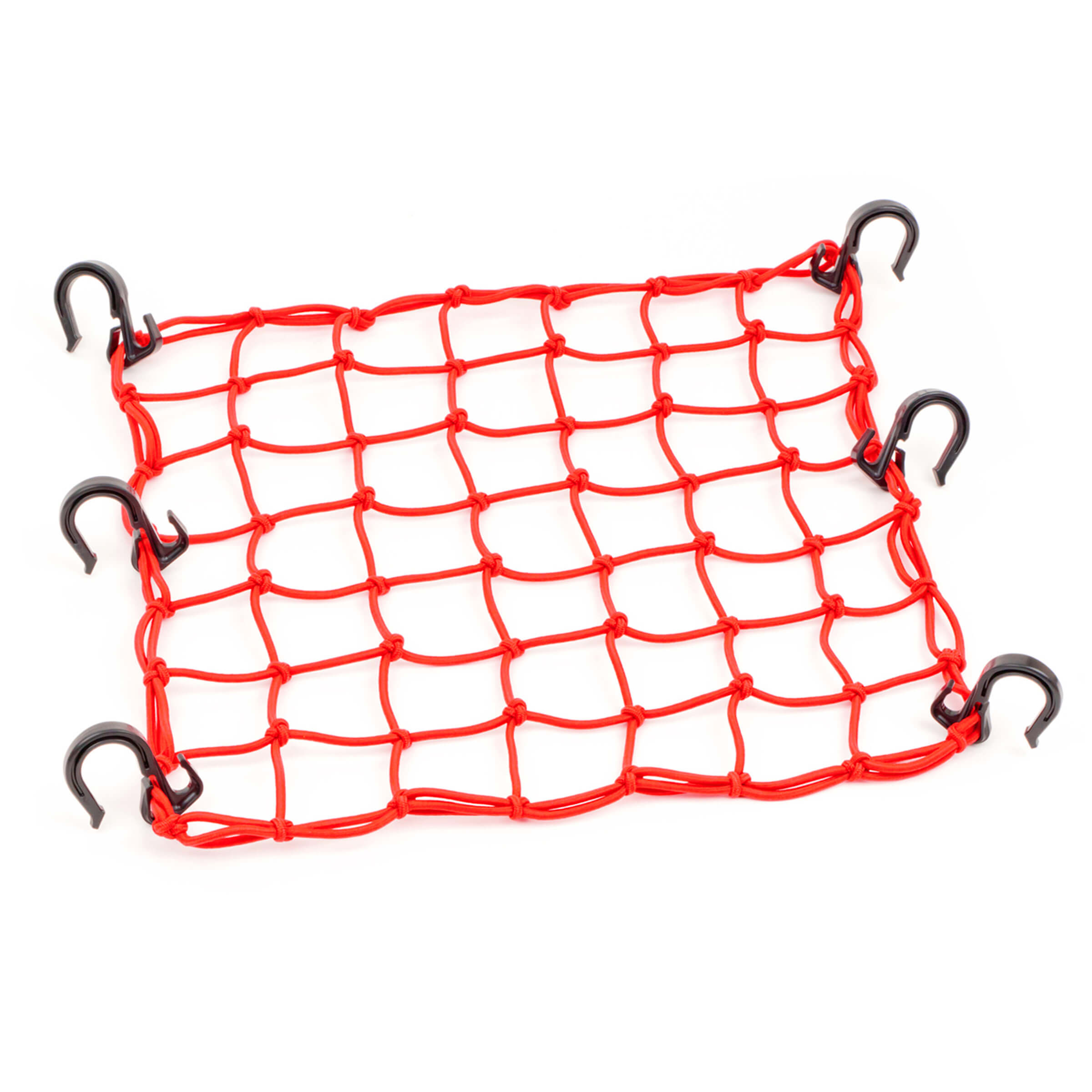
Never rely on rope or bungee cords
Safe transport starts with quality gear and careful setup.
Choosing the Right PowerTye Motorcyle Strap Products
PowerTye focuses on powersports tie-down solutions, and their products are built specifically for motorcycles. Choosing the right combination depends on how often you transport and the type of bike you ride.
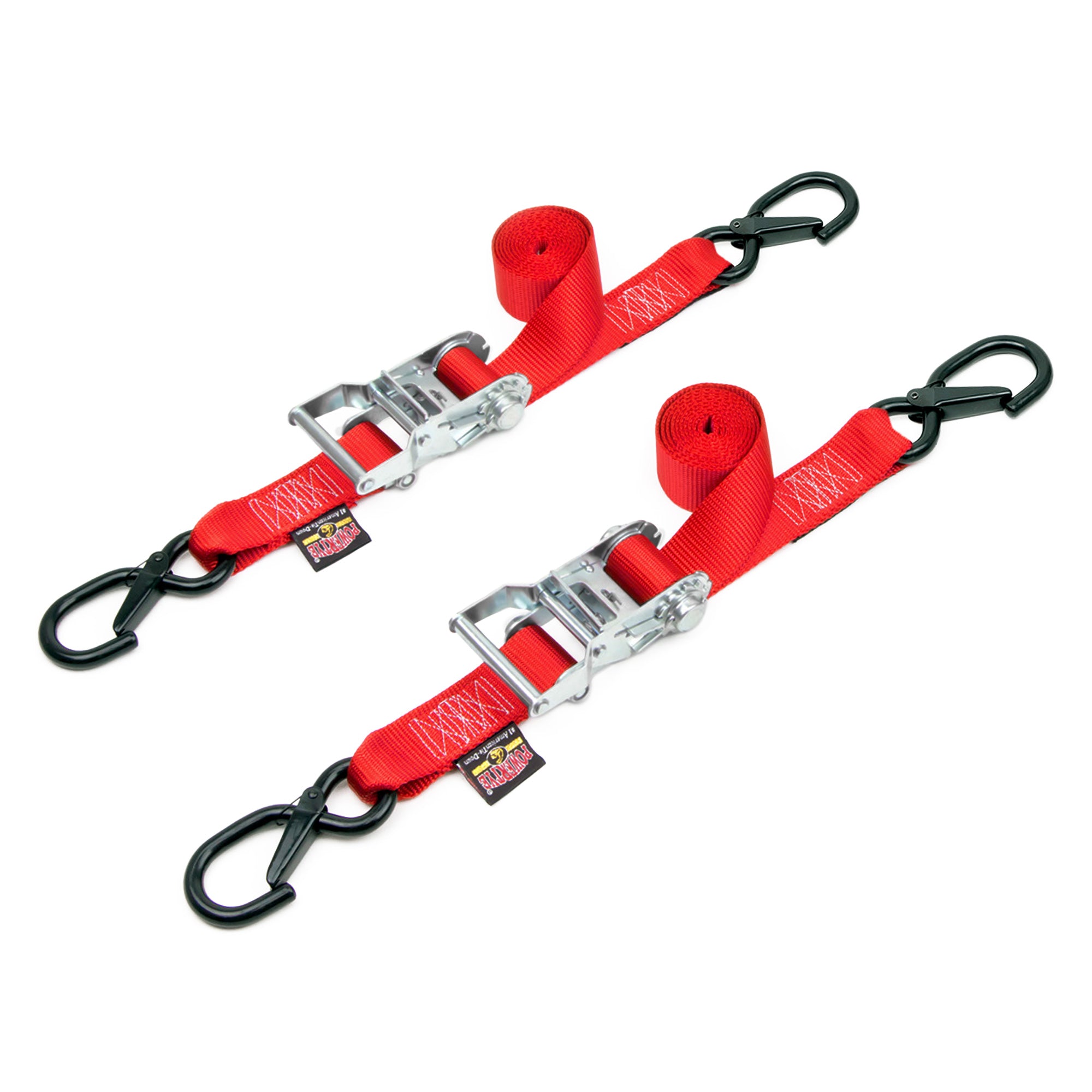
Ratchet Tie-Down Straps
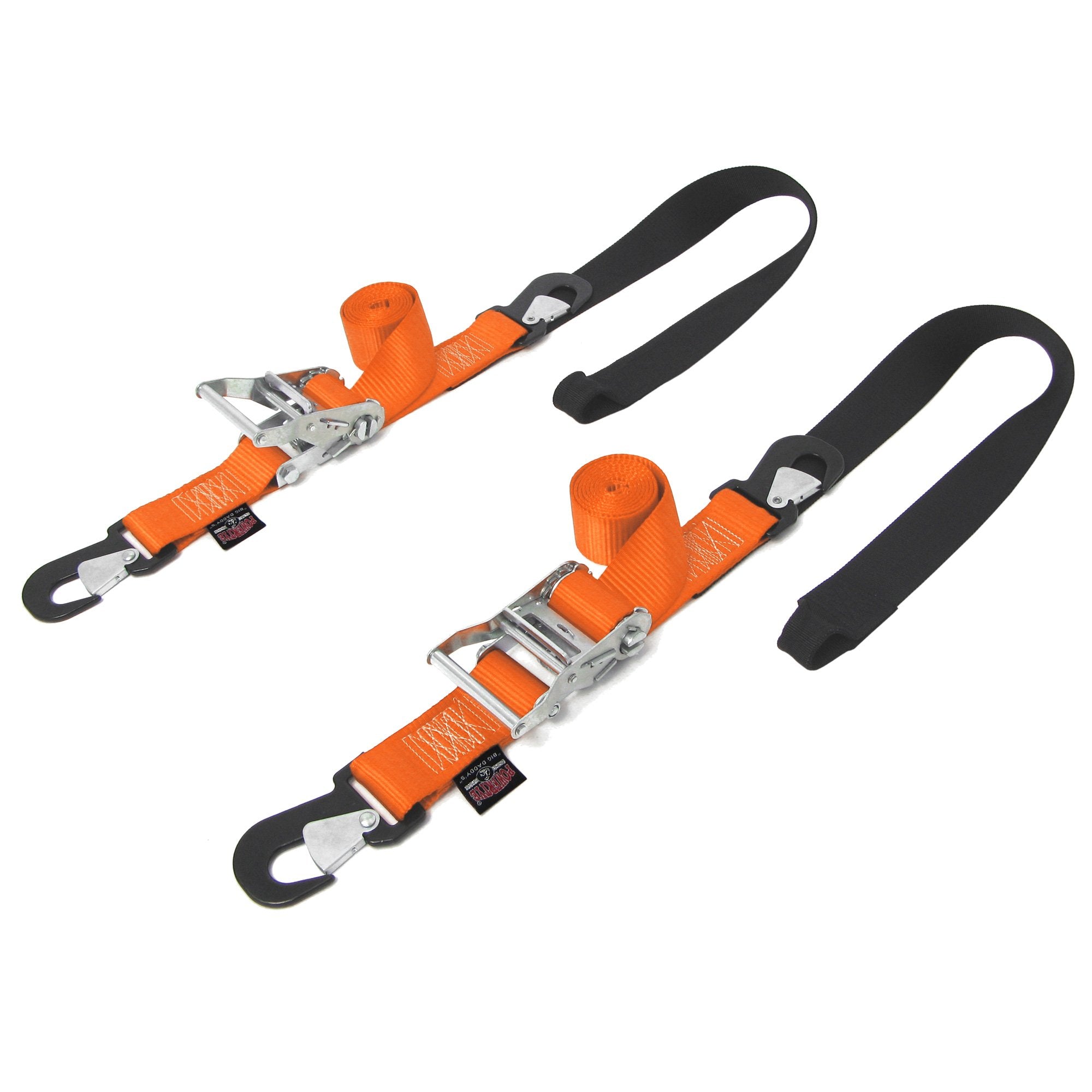
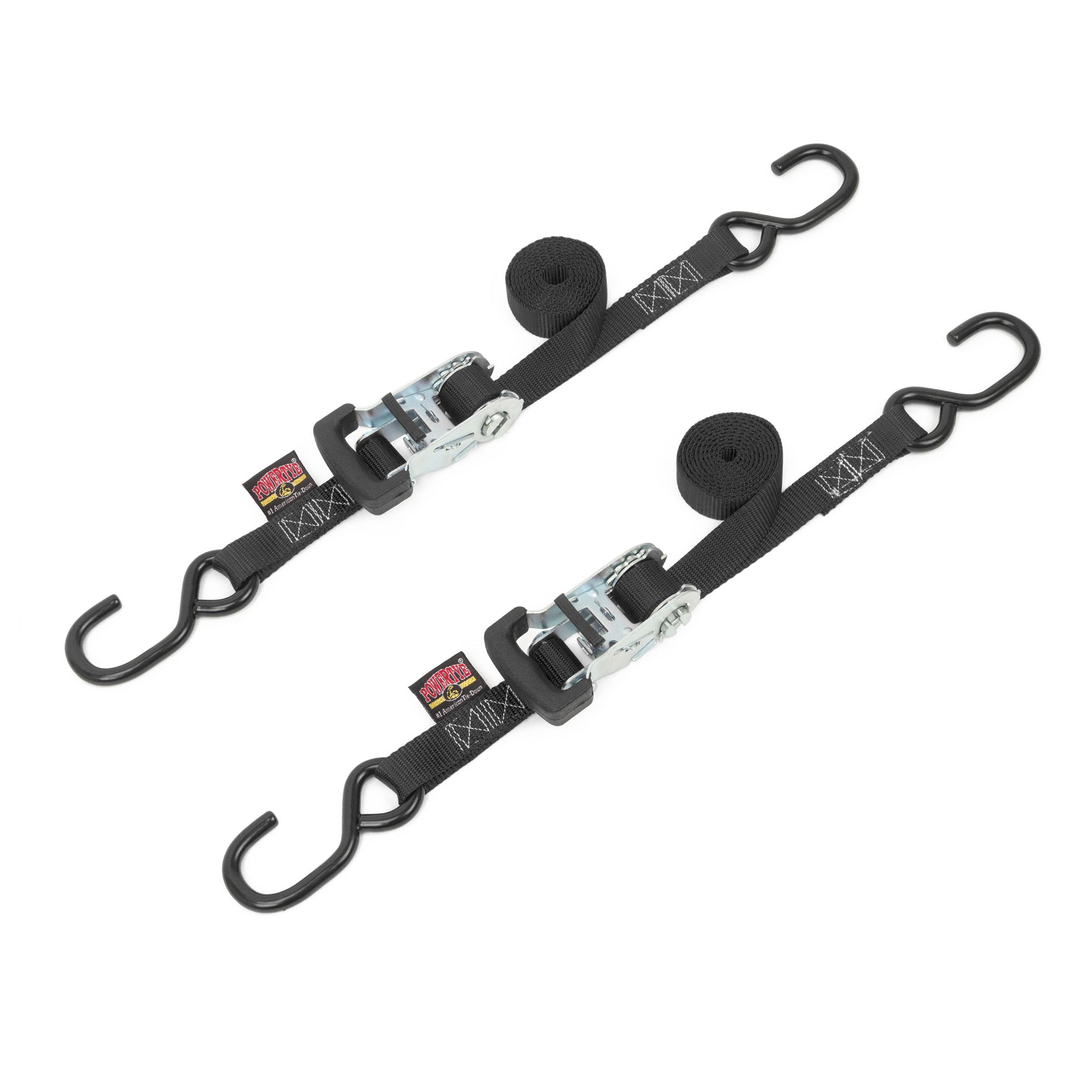
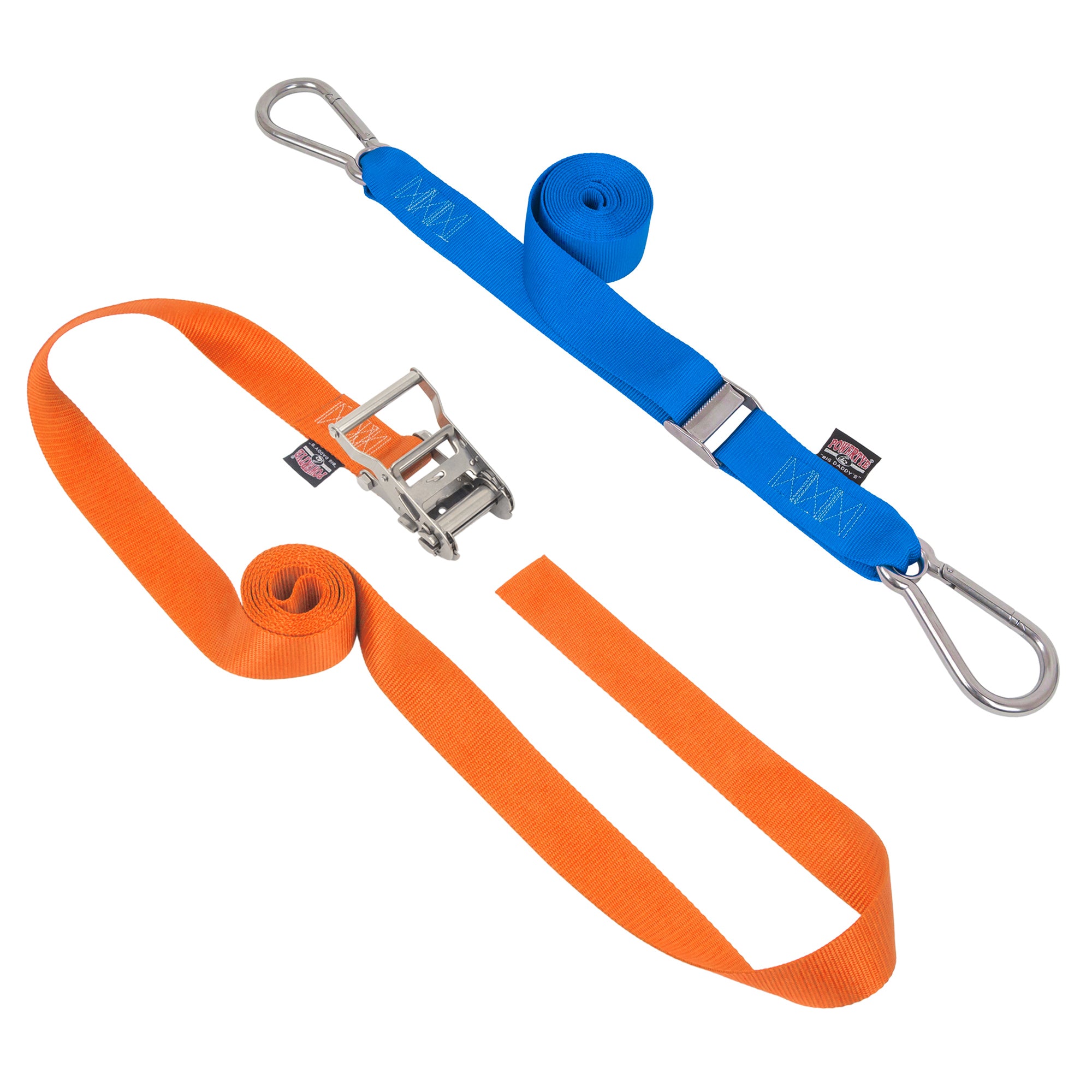
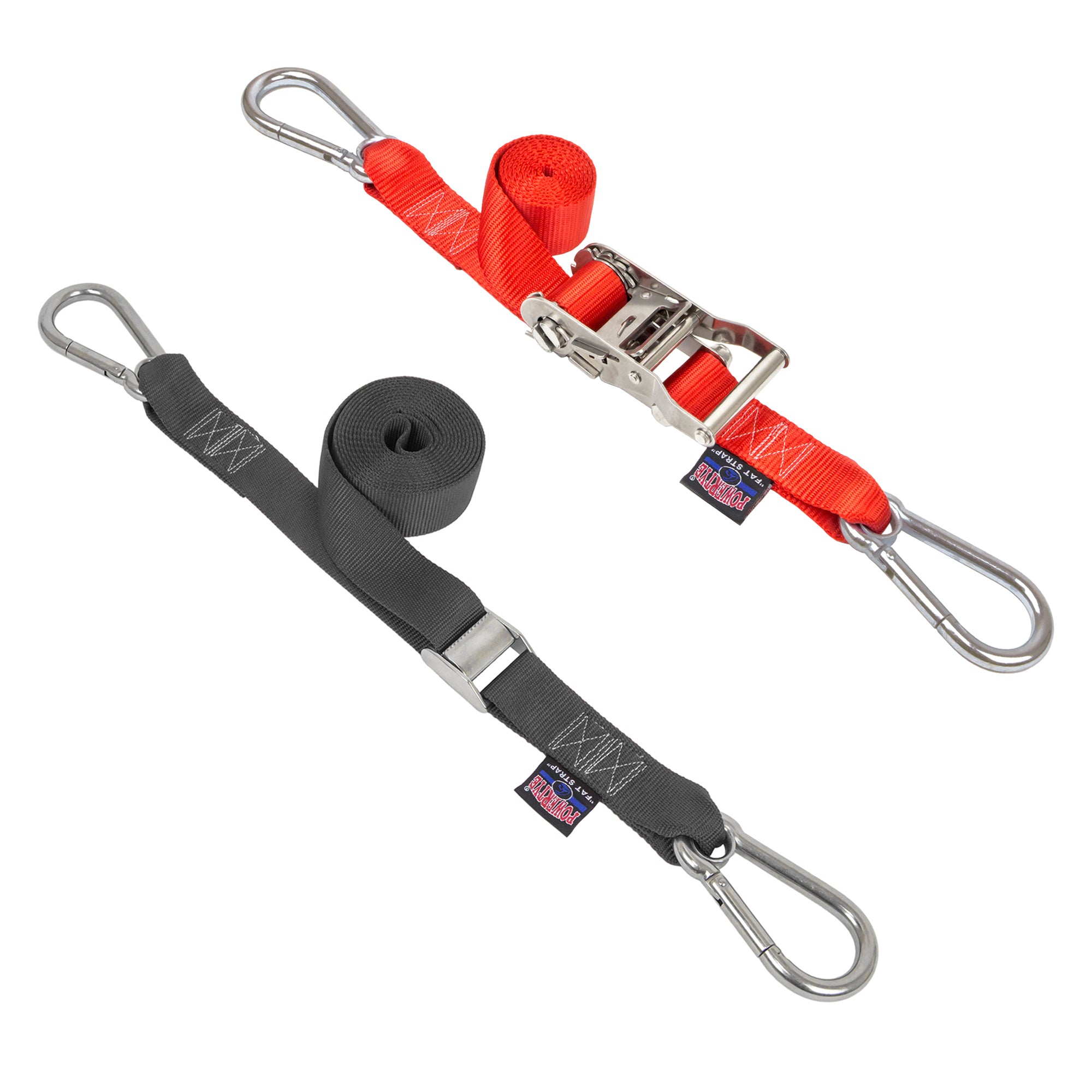
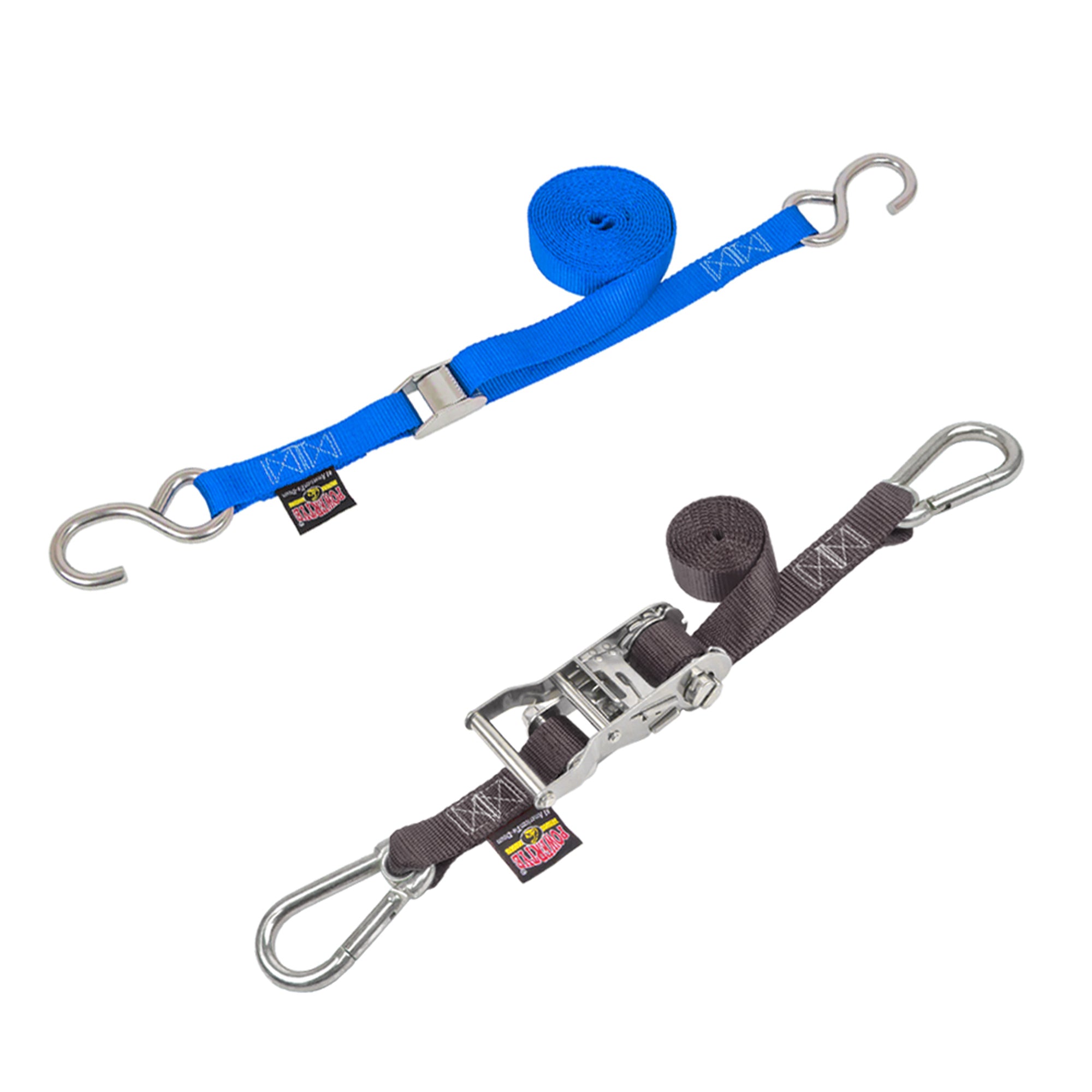
PowerTye ratchet tie-down straps provide excellent holding power and precise tension control. They are ideal for heavier motorcycles, long-distance hauling, and riders who want maximum security.
Many experienced riders prefer ratchet straps for the front of the bike where stability matters most.
Retractable Ratchet Tie-Down Straps
PowerTye retractable ratchet straps combine strength with convenience. The internal retraction system keeps excess webbing stored neatly, reducing setup time and wear.
These are a great option for riders who haul frequently and want a clean, repeatable setup.
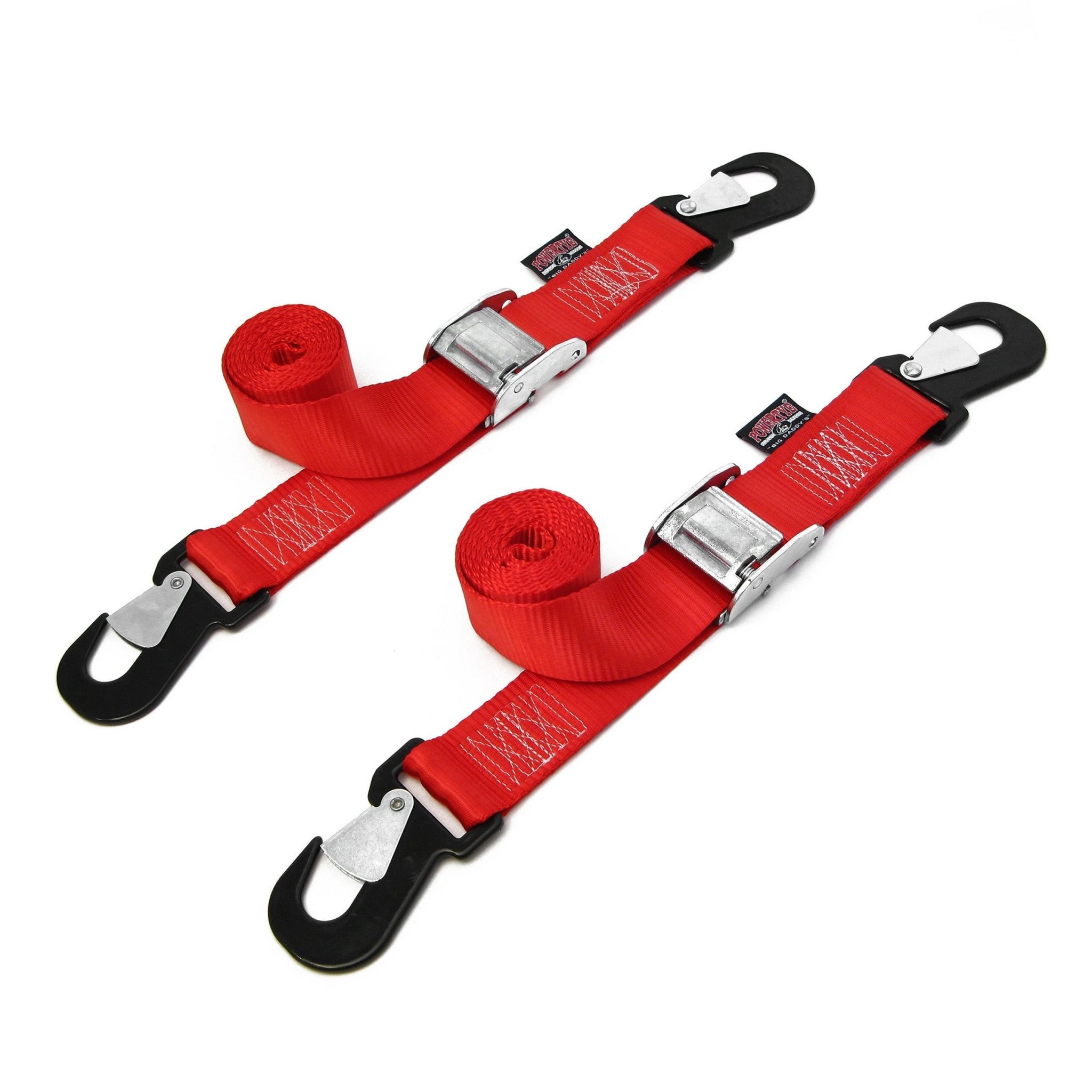
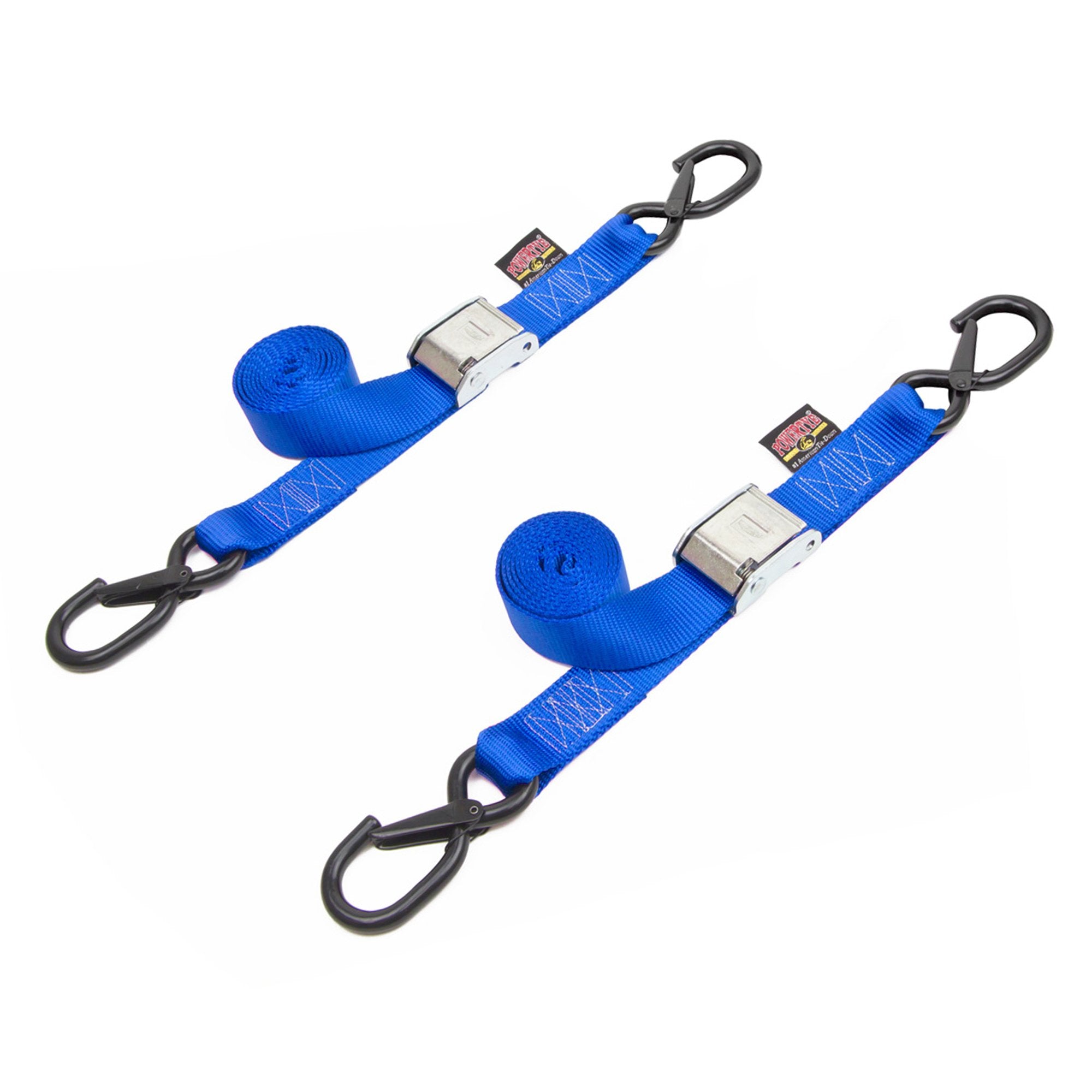
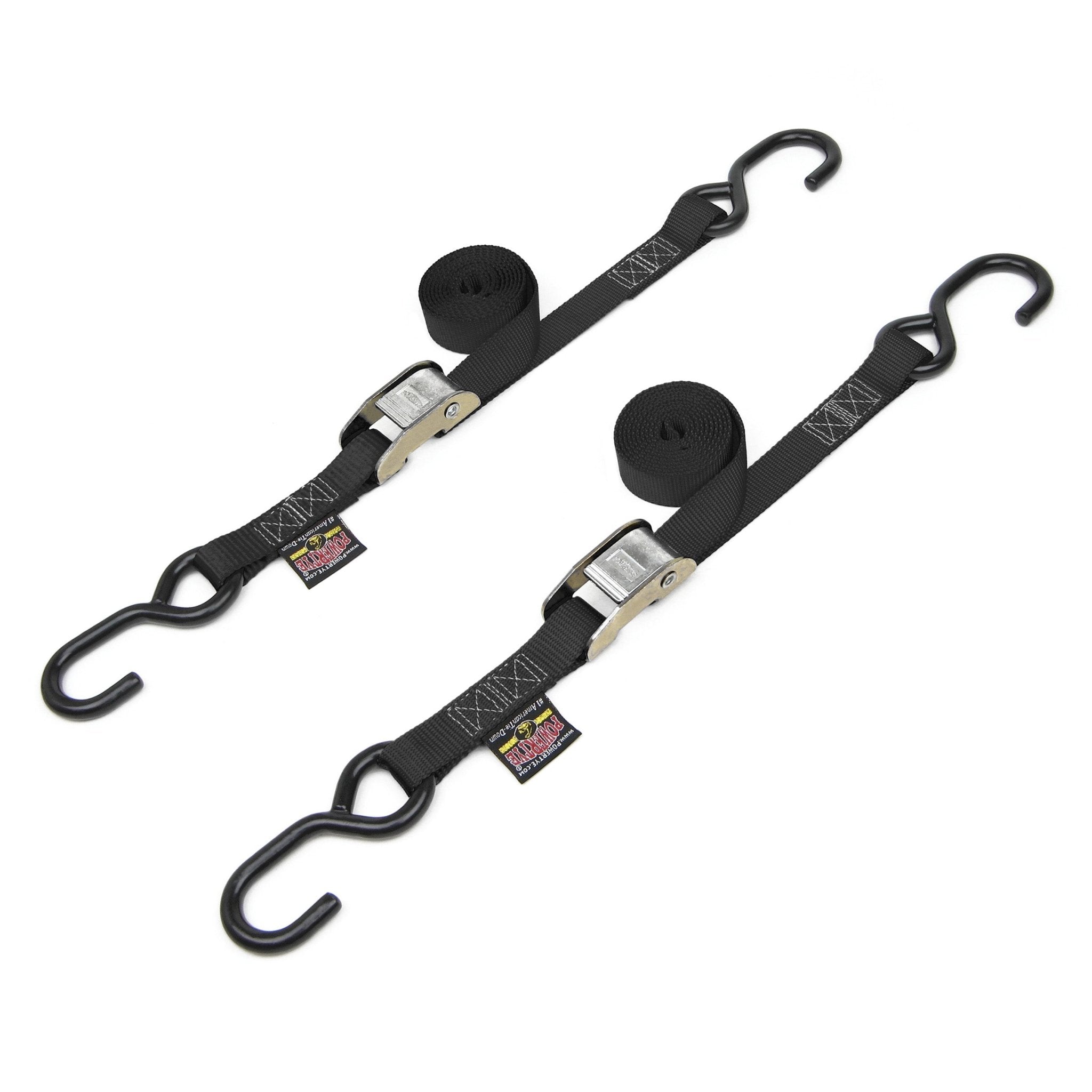
Cam Buckle Tie-Down Straps
Cam buckle straps tighten quickly and reduce the risk of over-tightening. They work well for lighter bikes or as rear straps.
Some riders use ratchet straps in the front and cam buckle straps in the rear for a balanced setup.
Soft Ties
Soft ties are essential for any motorcyle strap setup. PowerTye soft ties protect handlebars and frames while providing strong attachment points.
They are small, affordable, and should be part of every motorcycle transport kit.
Strap Length and Load Rating
Choose straps that are long enough for your trailer without excessive slack. Always select a load rating that exceeds the weight of the motorcycle.
More capacity provides more margin for safety.
Maintenance and Care for Motorcyle Strap Gear
Tie-down gear lasts longer and performs better when properly maintained.
Cleaning After Use
Road grime, dust, and moisture degrade webbing over time. Rinse straps with fresh water and allow them to dry completely before storage.
Regular Inspection
Look for frayed webbing, damaged stitching, bent hooks, or ratchets that do not operate smoothly. Replace any strap that shows signs of wear.
Storage Best Practices
Store straps out of direct sunlight in a dry place. UV exposure weakens webbing faster than many riders realize.
Retractable straps help protect webbing when not in use.
When to Replace Motorcyle Straps
If a strap no longer tightens smoothly or shows visible damage, replace it. Straps are inexpensive compared to repairing a motorcycle.

Motorcyle Strap FAQ
How many straps do I need to secure a motorcycle?
Four straps provide the most stability. Two at the front and two at the rear.
Should I use ratchet straps or cam buckle straps?
Ratchet straps offer more control and holding power. Cam buckle straps work well for lighter bikes or rear securement.
How tight should a motorcyle strap be?
Tight enough to prevent movement, but not so tight that the suspension is fully compressed.
Do I really need soft ties?
Yes. Soft ties protect your bike and create safer attachment points.
Can I transport a motorcycle with only front straps?
It is not recommended. Rear straps add important stability and prevent side-to-side movement.
How often should I check straps during a trip?
Check after the first 10 to 20 miles and at every fuel stop on long trips.
Can straps be left on the trailer all the time?
They can, but sun and weather exposure shorten lifespan. Proper storage is better.
Final Thoughts and Why Riders Trust PowerTye
Transporting a motorcycle should not be stressful. When you use a proper motorcyle strap setup, follow proven techniques, and rely on gear built for real riders, hauling becomes routine and safe.
PowerTye has earned trust by focusing on durability, smart design, and rider-tested solutions. Their motorcyle strap products, soft ties, and ratchet systems are built to handle real-world use, not just light duty.
If your current straps are worn, outdated, or unreliable, it is time to upgrade.
Shop PowerTye motorcyle strap products and secure your bike with confidence on every trip.