



Adjustable Wheel Net: Secure Wheels Faster, Safer, and With Less Guesswork
When you are hauling motorcycles, UTVs, ATVs, or other wheeled equipment, controlling wheel movement is one of the most important parts of safe transport. Traditional tie-downs work well, but they often require multiple straps, careful placement, and constant adjustment. That is why more experienced haulers are turning to the adjustable wheel net as a cleaner, more efficient way to secure loads.
An adjustable wheel net is designed to lock the wheel itself in place, limiting forward, backward, and side-to-side movement while reducing strain on suspension and frames. When used correctly, it creates a faster setup, more consistent results, and less wear on your equipment.
In this guide, you will learn exactly what an adjustable wheel net is, how it works, when to use it, how to install it step by step, common mistakes to avoid, essential safety tips, how to choose the right adjustable wheel net options from PowerTye, how to maintain them, and answers to the most common questions riders ask.
Why Adjustable Wheel Nets Matter
Securing a load properly is not just about holding it down. It is about controlling movement in every direction while minimizing stress on the equipment. Wheels are one of the strongest and most consistent attachment points on any vehicle, which makes them ideal for restraint.
Adjustable wheel nets matter because they:
-
Secure the load at the wheel, not the frame
-
Reduce the need to compress suspension
-
Limit forward and backward movement
-
Create consistent, repeatable setups
-
Reduce setup time compared to multiple straps
For riders who haul often, the efficiency and reliability of an adjustable wheel net quickly become hard to give up.
What Is an Adjustable Wheel Net
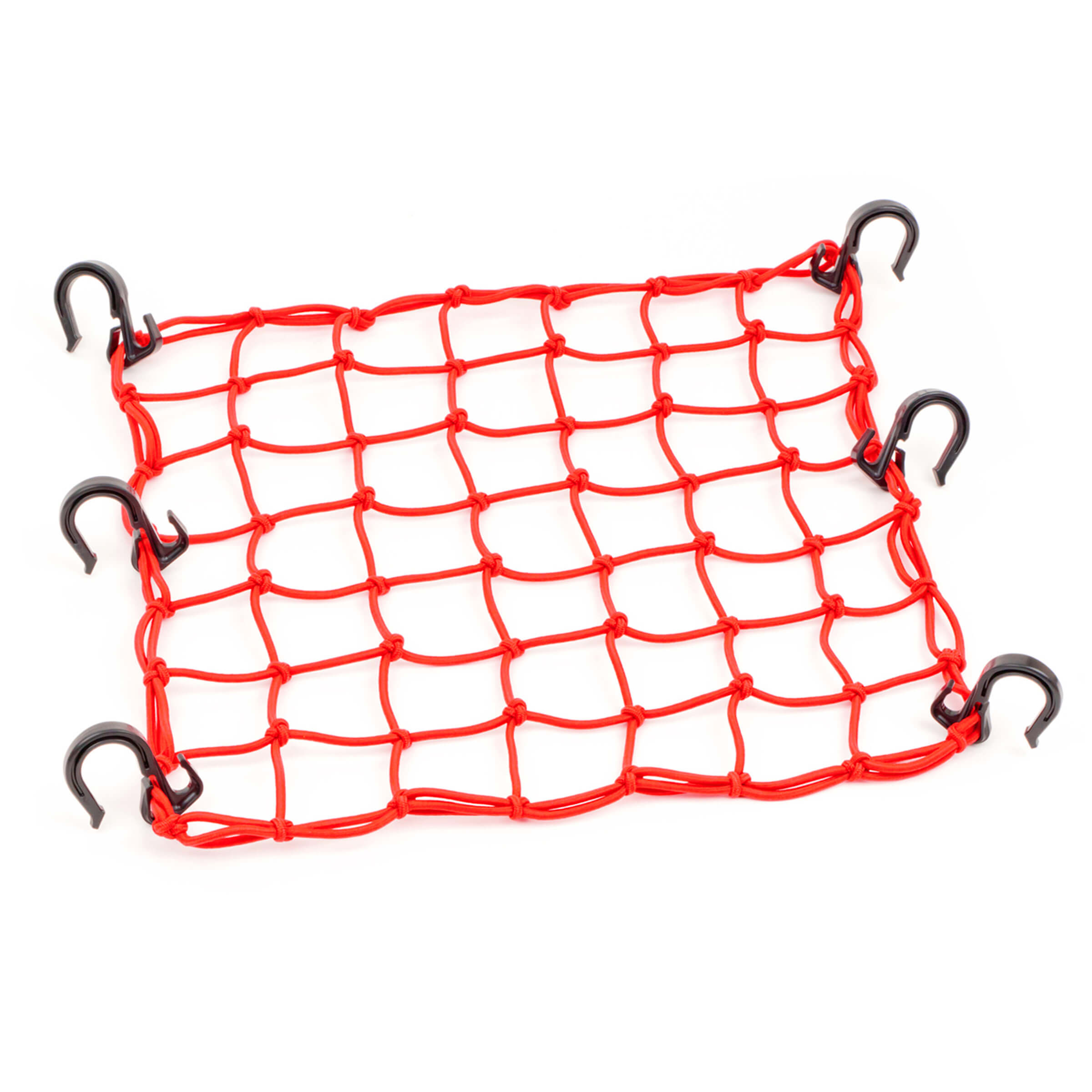
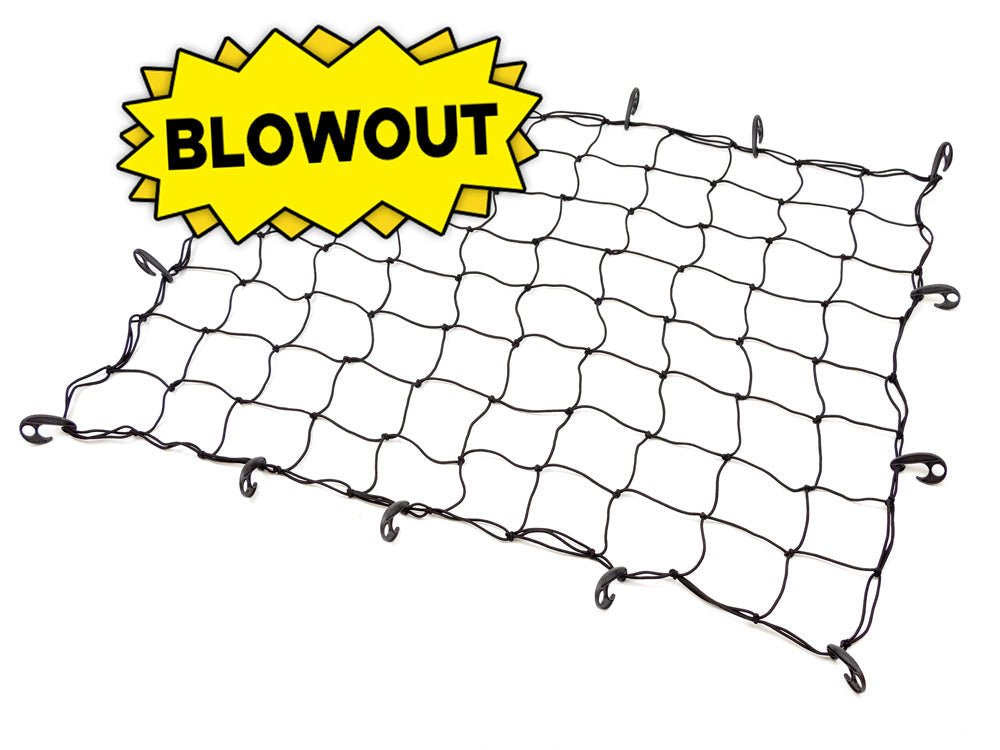
An adjustable wheel net is a wheel-specific tie-down system designed to wrap over and around a tire. Unlike traditional straps that pull from fixed points, a wheel net cradles the tire and holds it firmly against the trailer or transport surface.
The adjustable design allows the net to:
-
Fit different tire widths and diameters
-
Be repositioned for different vehicles
-
Maintain proper tension without overtightening
PowerTye adjustable wheel nets are built for powersports transport, where vibration, braking forces, and repeated use demand reliable performance.
How Adjustable Wheel Nets Work
An adjustable wheel net works by distributing tension evenly over the tire instead of concentrating force at a single point.
A properly used adjustable wheel net:
-
Wraps over the top of the tire
-
Anchors to solid trailer or carrier points
-
Pulls the wheel down and slightly forward
-
Prevents rolling, sliding, and bouncing
Because the net grips the tire, it allows suspension components to move naturally while keeping the load planted.
This approach is widely used in professional motorsports and equipment transport because it reduces stress on frames and suspension.
Adjustable Wheel Nets vs Traditional Tie-Down Straps
Both systems are effective, but they serve different purposes.
Adjustable Wheel Nets Are Best For
-
Securing wheels directly
-
Reducing suspension compression
-
Faster loading and unloading
-
Repeatable setups for similar vehicles
-
Cleaner trailer layouts
Traditional Ratchet Straps Are Better For
-
Controlling forward and downward movement
-
Securing frames or handlebars
-
General-purpose hauling
-
Situations without wheel access
Many experienced haulers use adjustable wheel nets in combination with ratchet straps for maximum control.
When to Use an Adjustable Wheel Net
Adjustable wheel nets are especially useful in scenarios where wheel control is critical.
They are commonly used for:
-
Motorcycles with wheel chocks
-
ATVs and UTVs on flat trailers
-
Side by sides during long-distance hauling
-
Utility vehicles with consistent tire sizes
-
Repeated loading of the same equipment
If you frequently haul similar machines, adjustable wheel nets dramatically reduce setup time.
Step by Step Guide to Using an Adjustable Wheel Net
Step 1: Inspect the Wheel Net
Before use, inspect:
-
Webbing for frays or cuts
-
Stitching at stress points
-
Hooks or attachment hardware
-
Adjusters for smooth operation
Never use a damaged wheel net.
Step 2: Position the Vehicle Correctly
Before attaching the net:
-
Center the vehicle on the trailer or carrier
-
Ensure the wheel is straight
-
Confirm proper weight distribution
Good positioning reduces the amount of tension required.
Step 3: Place the Adjustable Wheel Net Over the Tire
Position the net:
-
Centered over the tire tread
-
Evenly distributed across the width
-
Not twisted or folded
The net should sit snugly against the tire, not the rim.
Step 4: Attach the Net to Solid Anchor Points
Connect the net straps to:
-
Trailer D rings
-
Wheel chock anchor points
-
Frame-mounted tie-down locations
Ensure anchor points are rated for transport loads.
Step 5: Adjust and Tighten Evenly
Tighten the adjustable sections until:
-
The tire is firmly held
-
The wheel cannot roll or shift
-
The suspension is not fully compressed
Even tension across the net improves stability and reduces wear.
Step 6: Lock and Secure Adjustments
Once tensioned:
-
Lock ratchets or buckles fully
-
Secure excess webbing
-
Ensure nothing can loosen during travel
Step 7: Final Stability Check
Attempt to roll or rock the wheel. The vehicle should move with the trailer, not independently. Recheck tension after the first few miles.
How Many Adjustable Wheel Nets Should You Use
The number depends on the application.
Common setups include:
-
One wheel net for front wheel restraint plus rear straps
-
Two wheel nets, one front and one rear, for maximum stability
-
Wheel nets combined with standard ratchet straps
For heavier vehicles or long-distance hauling, redundancy is always recommended.
Common Mistakes When Using Adjustable Wheel Nets
Incorrect Placement on the Tire
Placing the net too high or unevenly can reduce effectiveness. Always center it on the tread.
Overtightening the Net
Too much tension can:
-
Deform tires
-
Stress wheels
-
Reduce net lifespan
The net should hold the wheel securely without crushing it.
Using Weak Anchor Points
Even the best wheel net cannot compensate for poor anchor points. Always use structural anchors.
Relying on a Single Net Only
Wheel nets control rolling, but additional straps are often needed to control forward or upward movement.
Ignoring Adjustment Symmetry
Uneven adjustment can cause the net to shift during transport. Balance tension on both sides.
Safety Tips for Using Adjustable Wheel Nets
-
Inspect nets before every trip
-
Keep webbing away from sharp edges
-
Avoid contact with hot exhaust components
-
Check tension at fuel or rest stops
-
Replace worn or UV-damaged nets
Wheel nets are safety equipment and should be treated as such.
Choosing the Right Adjustable Wheel Net From PowerTye
PowerTye offers adjustable wheel net solutions designed for real-world transport demands. Only products actually sold by PowerTye should be used.
Adjustable Wheel Nets for Motorcycles
These nets are ideal for:
-
Front wheel restraint
-
Use with wheel chocks
-
Faster loading and unloading
They reduce the need to compress forks excessively.
Adjustable Wheel Nets for ATVs and UTVs
Larger adjustable wheel nets accommodate wider tires and heavier loads, making them ideal for off-road vehicles.
Heavy Duty Construction
PowerTye wheel nets are built with:
-
Durable webbing
-
Reinforced stitching
-
Reliable adjustment hardware
This construction ensures consistent performance under vibration and repeated use.
Using Adjustable Wheel Nets for Different Applications
Motorcycles
Secure the front wheel with an adjustable wheel net and stabilize the rear with ratchet straps for optimal control.
ATVs
Use wheel nets on front or rear tires to prevent rolling while additional straps control lateral movement.
UTVs and Side by Sides
Wheel nets help lock tires in place while allowing suspension to move naturally.
Utility and Equipment Transport
Adjustable wheel nets are effective for carts, small machinery, and equipment with consistent wheel sizes.
Adjustable Wheel Nets and Suspension Protection
One of the biggest advantages of wheel nets is reduced suspension compression.
Benefits include:
-
Less stress on shocks and forks
-
Reduced seal wear
-
Improved ride quality during transport
This makes wheel nets especially appealing for long trips.
Maintenance and Care for Adjustable Wheel Nets
Cleaning
Wash webbing with mild soap and water. Rinse thoroughly and allow it to air dry completely.
Inspection
Before each use, inspect for:
-
Frayed webbing
-
Loose stitching
-
Bent hooks or hardware
-
Slipping ratchets or buckles
Replace damaged components immediately.
Storage
Store wheel nets in a dry area out of direct sunlight. UV exposure weakens webbing over time.
Why Adjustable Wheel Nets Are Popular With Experienced Haulers
Riders who haul regularly appreciate adjustable wheel nets because they:
-
Speed up loading and unloading
-
Create cleaner, more organized trailers
-
Reduce suspension wear
-
Deliver consistent results every time
Once you incorporate them into your setup, they often become a go-to solution.

FAQ: Adjustable Wheel Net
What is an adjustable wheel net used for
It is used to secure a vehicle by the wheel, preventing rolling and movement during transport.
Are adjustable wheel nets safe for long-distance hauling
Yes, when used correctly and paired with proper anchor points.
Can adjustable wheel nets replace ratchet straps
No. They are best used as part of a complete tie-down system.
Do adjustable wheel nets damage tires
No, when properly tensioned and positioned.
How tight should an adjustable wheel net be
Tight enough to prevent movement without deforming the tire.
Are adjustable wheel nets good for motorcycles
Yes. They are commonly used for front wheel restraint with wheel chocks.
How often should wheel nets be replaced
Replace them when webbing, stitching, or hardware shows wear or damage.
Smarter Wheel Control Starts Here
If you are looking for a faster, cleaner, and more consistent way to secure wheels during transport, an adjustable wheel net is a smart upgrade. It delivers professional-level wheel control while reducing stress on suspension and simplifying your setup.
PowerTye adjustable wheel nets are built for real-world hauling and trusted by riders who move motorcycles, ATVs, UTVs, and equipment regularly. When paired with proper technique and complementary tie-downs, they provide confidence on every mile.
Shop PowerTye adjustable wheel nets today and experience faster, safer wheel security with every haul.