



Best Snowmobile Strap Guide for Riders Who Haul With Confidence
Introduction: What Really Makes the Best Snowmobile Strap
If you haul a snowmobile more than once a season, you already know this. Not all straps are created equal. Some loosen after a few miles. Some freeze stiff. Others look fine until the stitching gives up at the worst possible moment.
That is why finding the best snowmobile strap matters.
A snowmobile is not just another piece of cargo. It has skis that want to move, a suspension that reacts differently than a wheeled vehicle, and bodywork that is not forgiving if straps rub or shift. The best snowmobile strap is one that holds your sled firmly without damaging it, stays secure in cold conditions, and gives you confidence every mile to the trailhead.
In this guide, you will learn what actually makes the best snowmobile strap, how experienced riders secure their sleds step by step, common mistakes that cause damage, safety tips that matter in real winter hauling, and how to choose the right PowerTye products for your setup. This is practical advice from riders who haul in snow, slush, salt, and subzero temperatures.
What Makes the Best Snowmobile Strap Different From the Rest
The best snowmobile strap does more than just hold tension. It performs consistently in cold weather, resists stretching, and stays locked even when road vibration and temperature changes try to loosen it.
Many riders learn the hard way that cheap or generic straps are not built for winter hauling. Webbing stiffens, buckles slip, and hardware corrodes.
Key Qualities of the Best Snowmobile Strap
A high-quality snowmobile strap should check these boxes.
Strong, low-stretch webbing that stays flexible in the cold
Reliable ratchet or cam mechanism that does not slip
Durable stitching that handles repeated tension cycles
Protective hooks or loops that reduce wear on your trailer and sled
Compatibility with soft-ties for safe attachment points
PowerTye focuses on powersports-specific tie-downs, which is why their straps are trusted by riders who haul frequently and in harsh conditions.
How a Snowmobile Strap Works During Transport
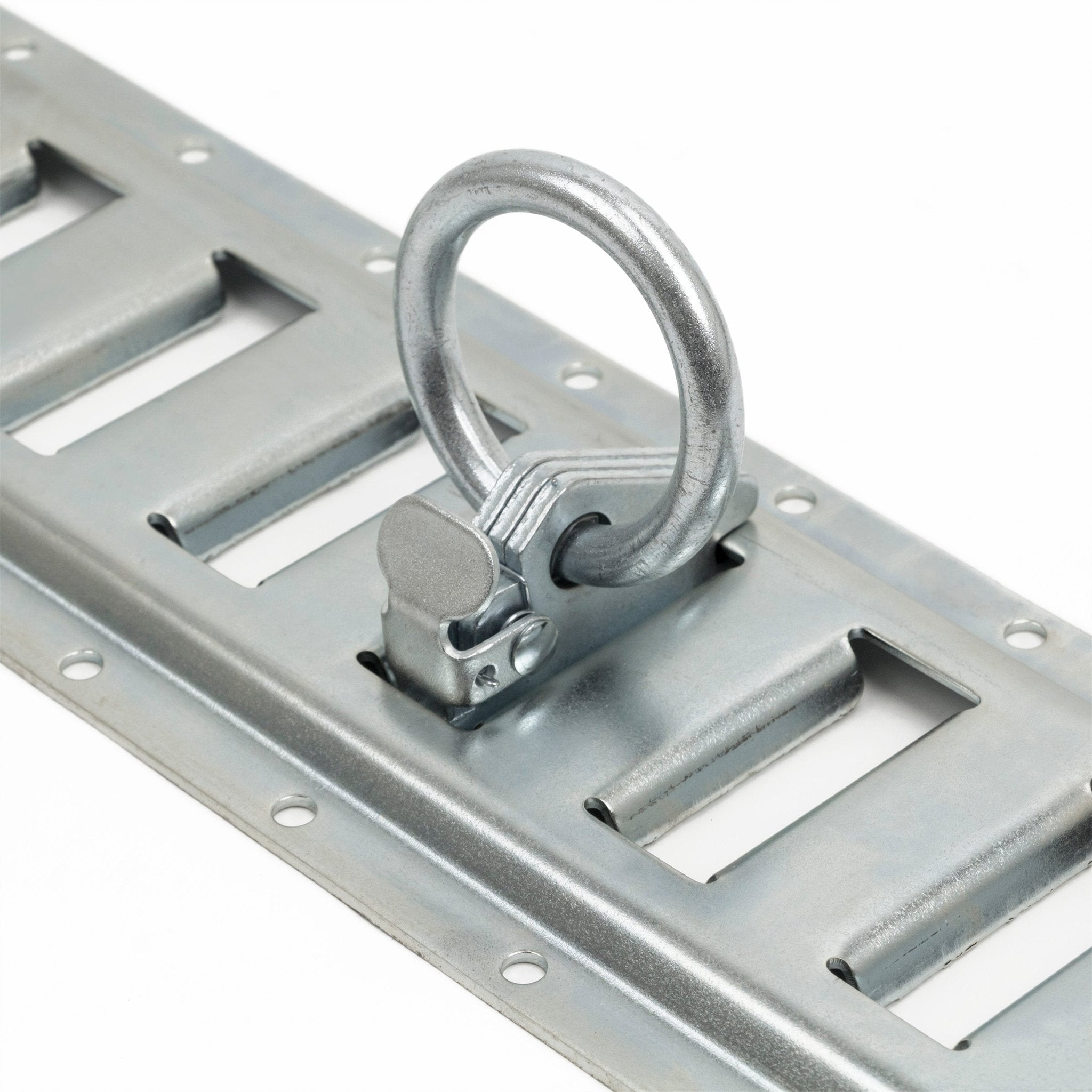
A snowmobile strap works by applying controlled tension between the sled and solid anchor points on a trailer or truck bed. The goal is to eliminate movement in all directions without overstressing suspension or body components.
When done correctly, the sled becomes part of the trailer. It does not shift independently, bounce excessively, or lean during turns and braking.
Ratchet vs Cam Buckle for Snowmobiles
Both styles can be part of the best snowmobile strap setup when used correctly.
Ratchet straps offer precise tension control and locking strength. They are ideal for long highway hauls, open trailers, and rough roads.
Cam buckle straps are faster to use and work well for shorter trips or enclosed trailers when paired with good technique and solid attachment points.
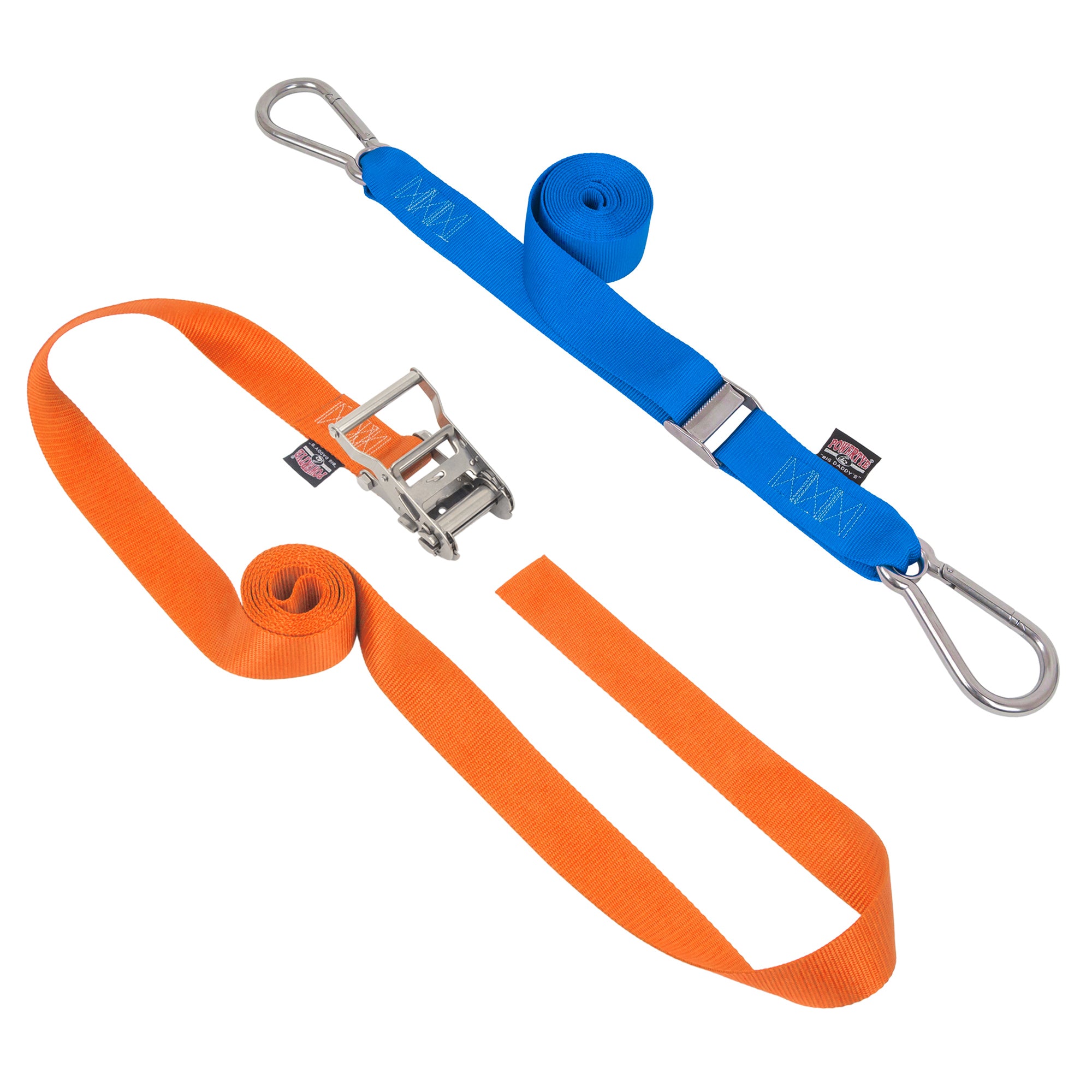
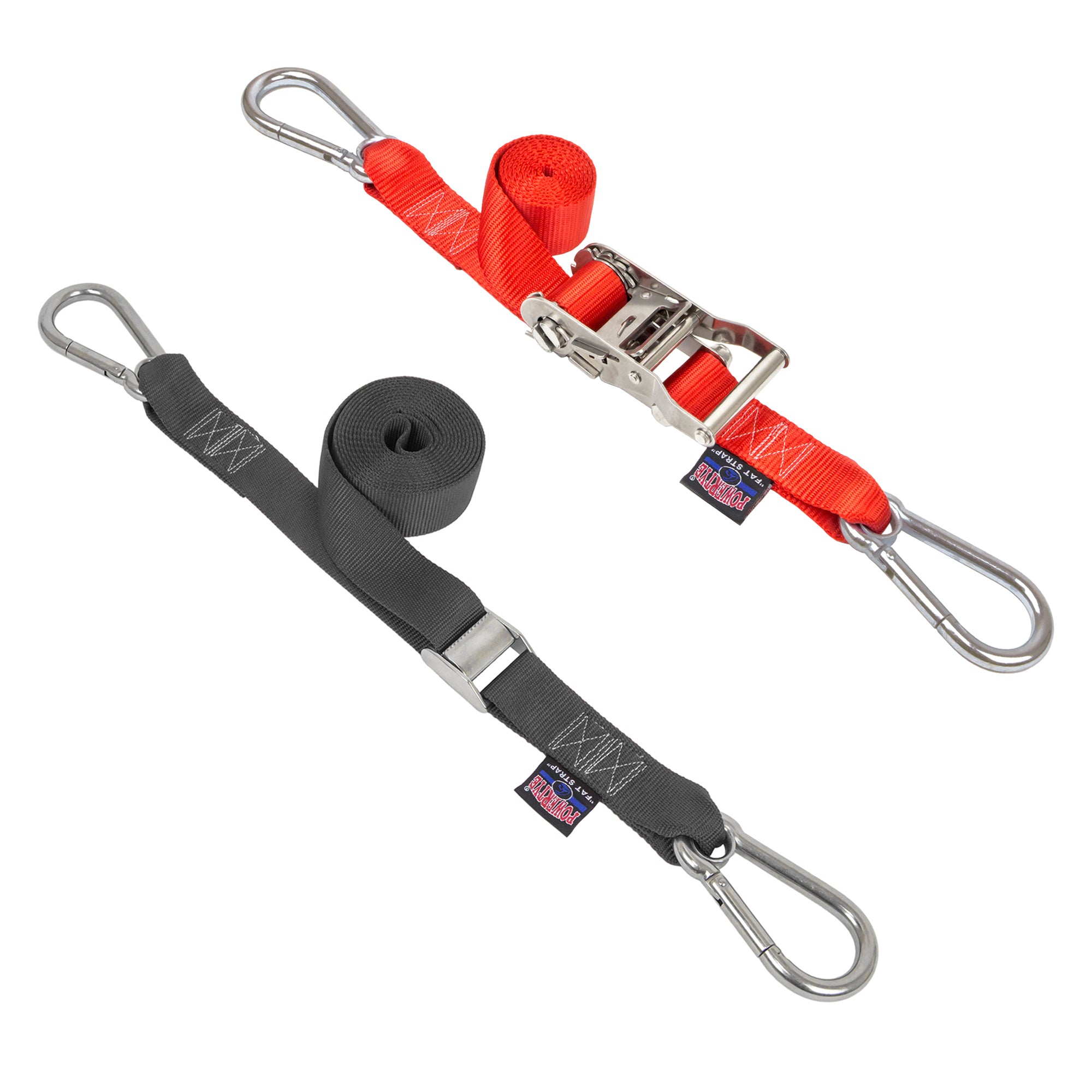
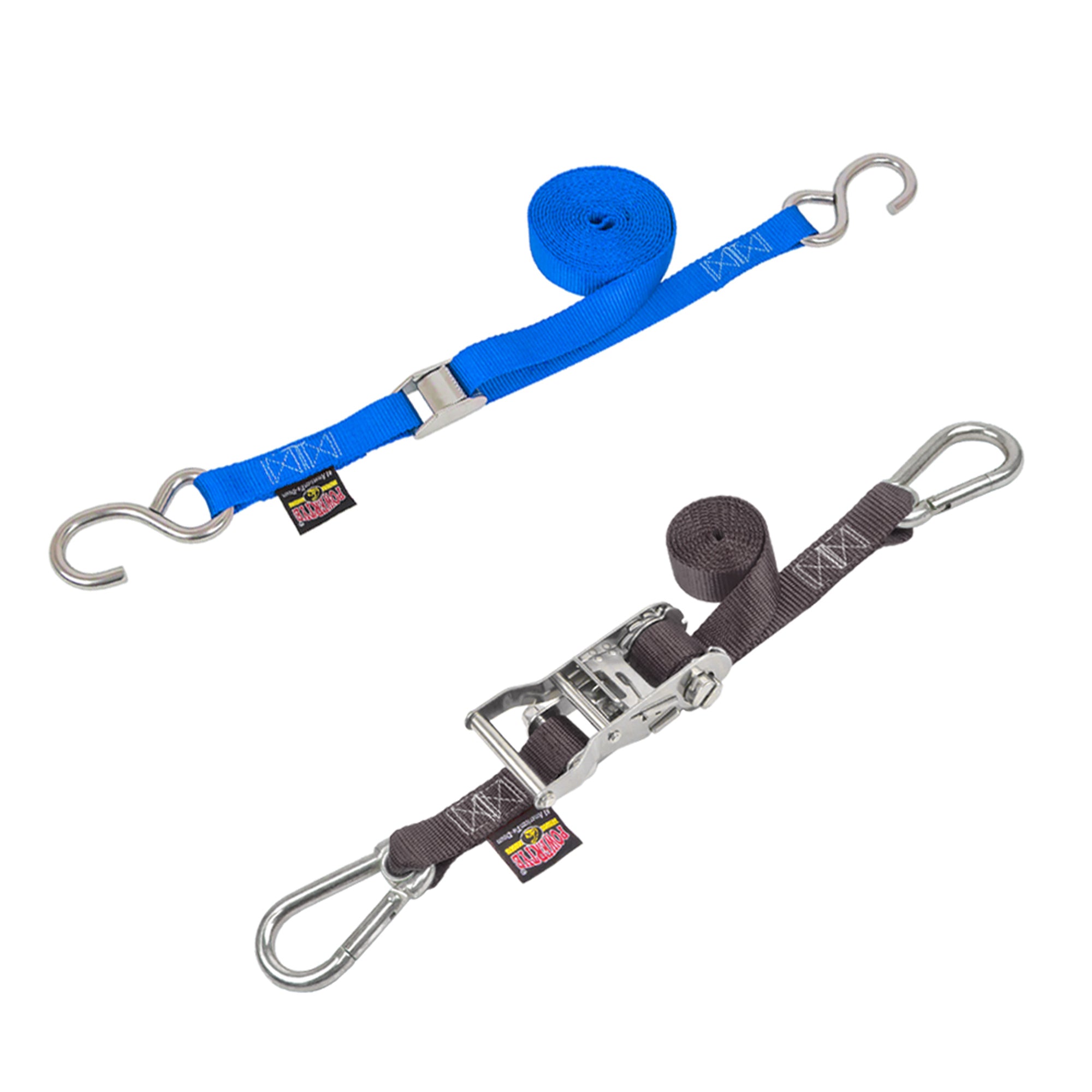
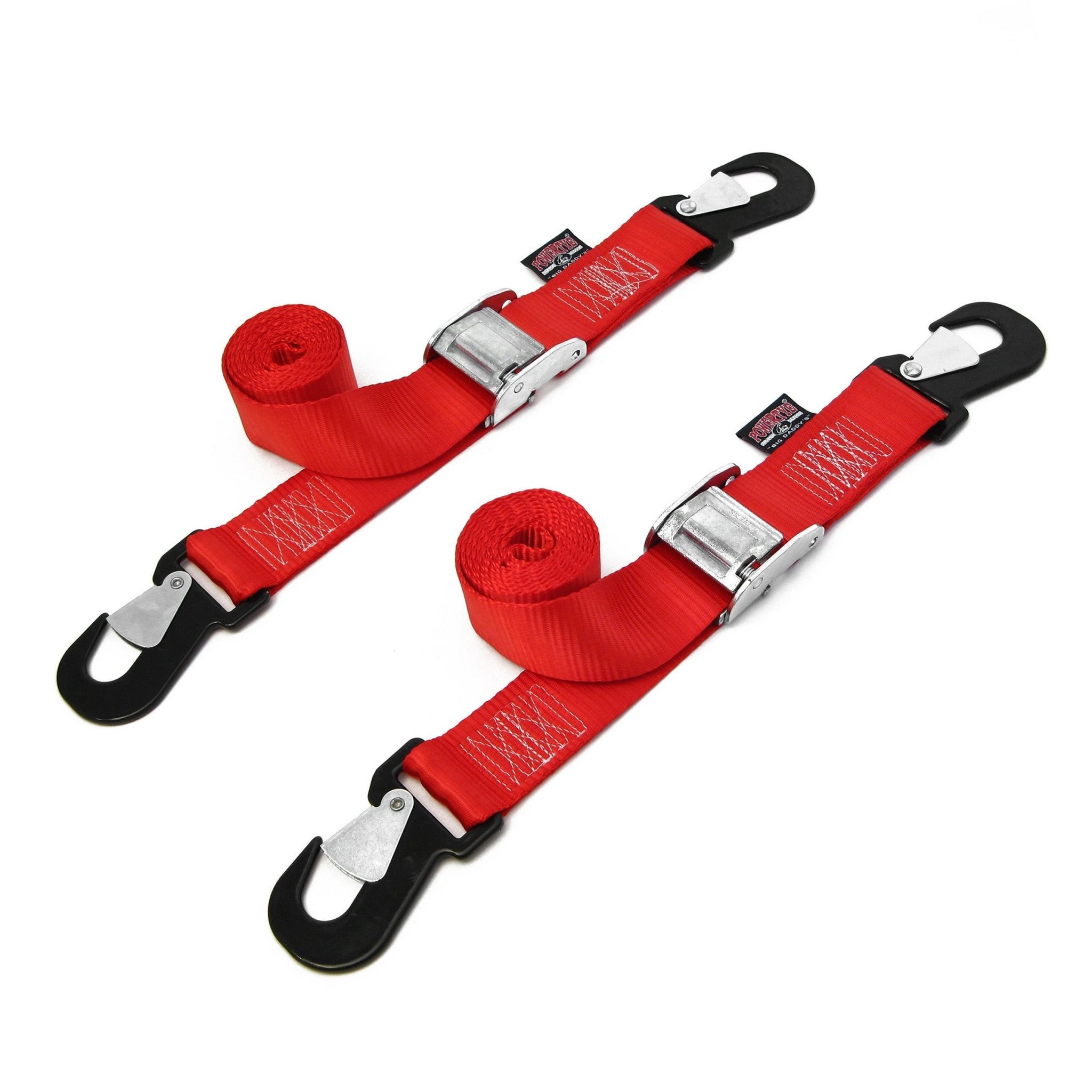
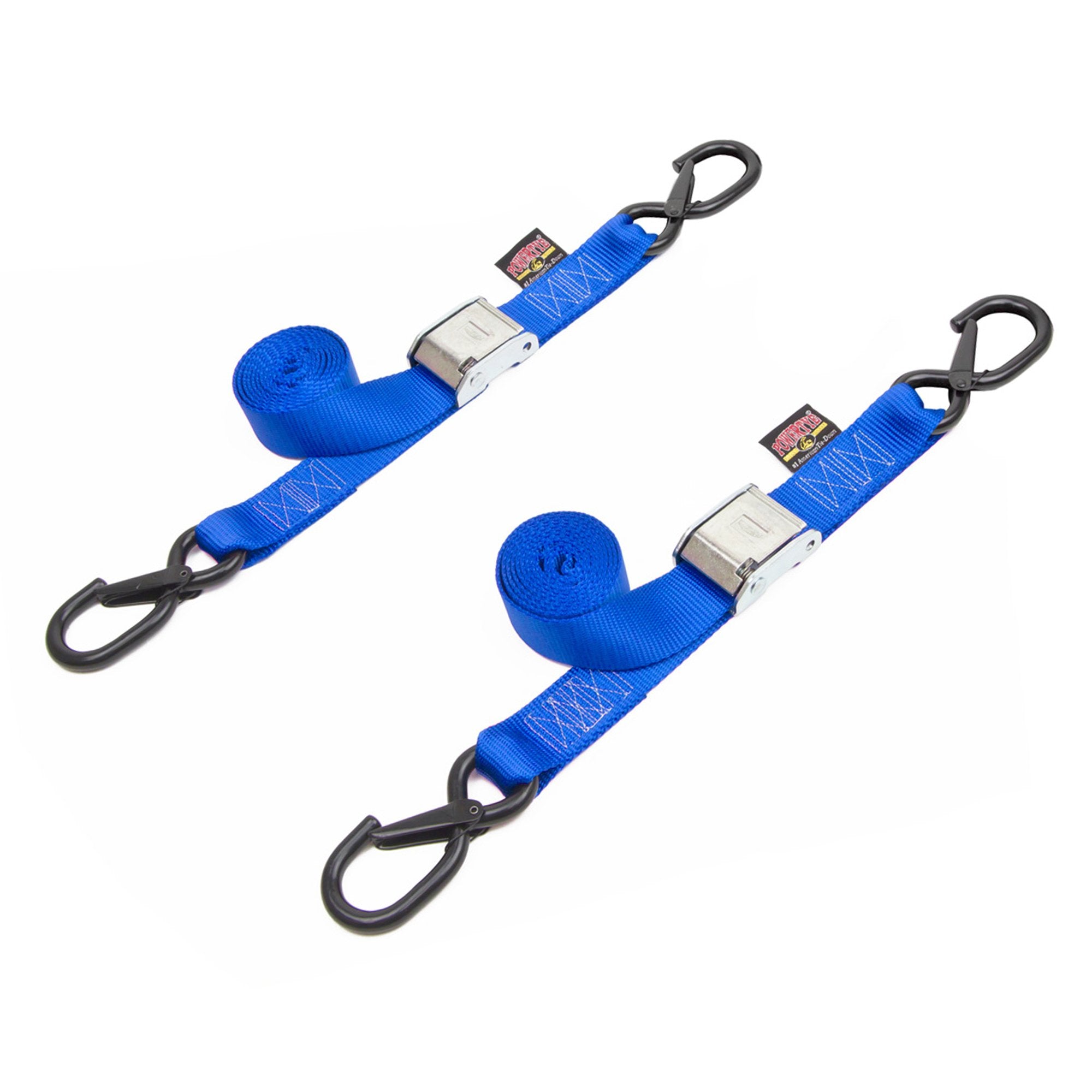
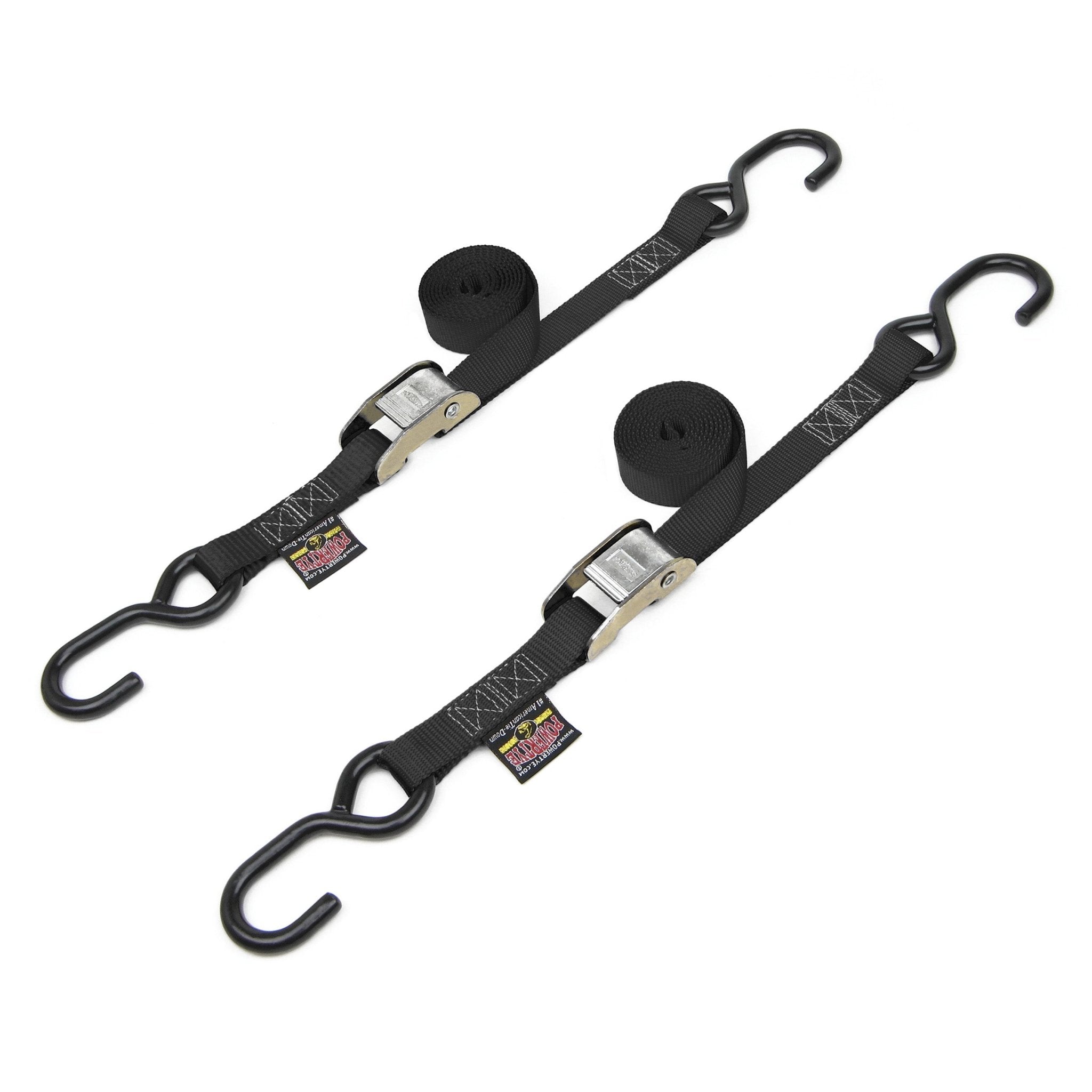
PowerTye offers both ratchet and cam buckle tie-down straps designed specifically for powersports use.
The Anatomy of a Proper Snowmobile Strap Setup
Understanding each component helps you build a safer system.
The Strap Webbing
The webbing carries the load. High-quality polyester webbing resists stretching, moisture, and abrasion. This is critical when hauling in snow and slush.
PowerTye webbing is known for maintaining strength and flexibility in cold conditions.
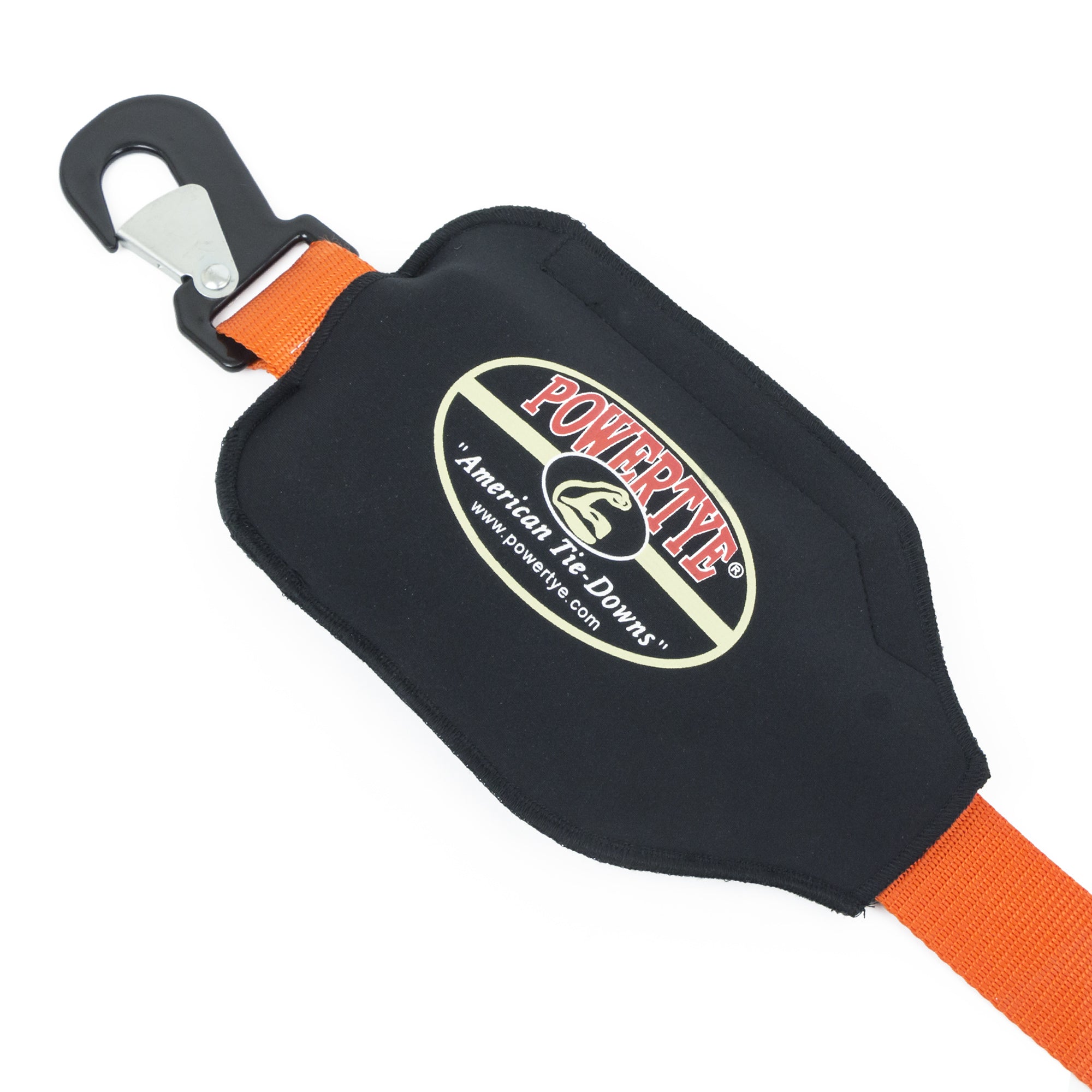
Hooks and Attachment Hardware
Vinyl-coated hooks protect trailer anchor points and reduce corrosion. They also reduce rattling and wear during transport.
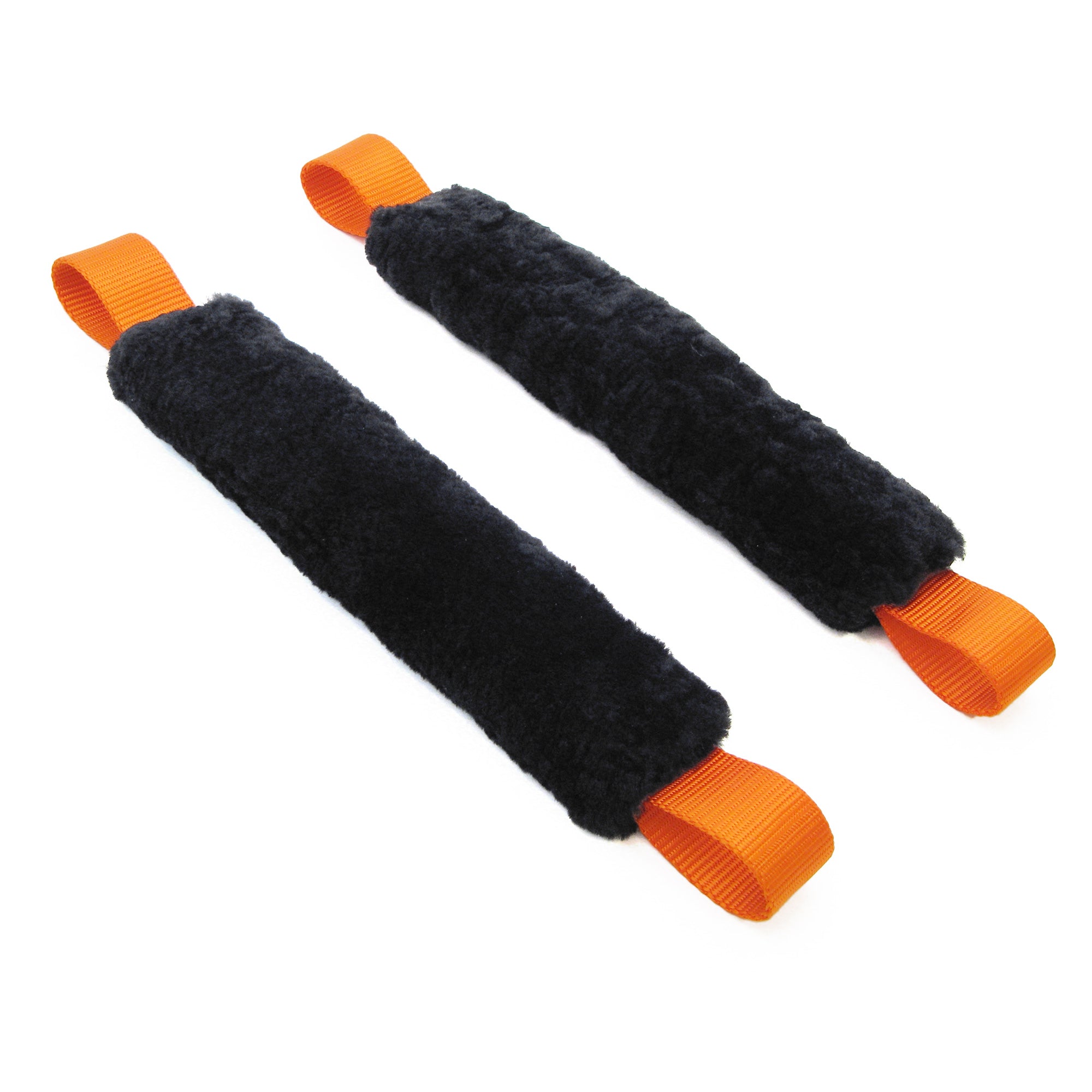
Soft-Ties and Loop Straps
Soft-ties are essential when determining the best snowmobile strap setup. They create safe attachment points around suspension arms, bumpers, or frames and prevent metal-on-metal contact.
Using soft-ties extends the life of both your straps and your sled.
Step-by-Step: How to Secure a Snowmobile Using the Best Snowmobile Strap Method
This process reflects how experienced riders haul sleds season after season without issues.
Step 1: Load and Position the Snowmobile
Load the sled straight into the trailer or truck bed. Skis should be centered and pointing forward.
Push the skis snug against the front rail or stop. This prevents forward movement under braking.
Make sure the sled is square before attaching any straps.
Step 2: Attach Front Soft-Ties
Wrap PowerTye soft-ties around solid front suspension components such as lower A-arms or ski spindles, depending on sled design.
Avoid plastic, steering rods, brake lines, or thin brackets.
Make sure both sides are even.
Step 3: Connect the Front Snowmobile Straps
Hook your snowmobile straps to the soft-ties and then to trailer anchor points.
The straps should pull forward and slightly outward to control both forward movement and side-to-side stability.
Step 4: Tighten the Front Straps Evenly
Alternate tightening from side to side.
Compress the front suspension slightly. You want firm tension, not full compression.
The skis should stay straight and planted.
Step 5: Secure the Rear of the Sled
Rear straps control lateral movement and bouncing.
Attach straps to the rear bumper or designated rear tie-down points.
Tighten until the rear suspension is stable but not bottomed out.
Step 6: Final Inspection
Shake the sled firmly. It should move with the trailer, not separately.
Secure excess strap length so it does not flap or freeze.
After a few miles, stop and recheck tension.
Common Mistakes That Prevent You From Using the Best Snowmobile Strap Correctly
Even high-quality straps fail when used incorrectly.
Over-Tightening the Suspension
Cranking straps down as hard as possible stresses shocks, bushings, and mounting points. Slight compression is ideal.
Attaching to Weak Components
Plastic panels, steering parts, and exhaust components are not designed to handle tie-down forces.
Always choose solid suspension or frame-related parts.
Uneven Strap Tension
If one side is tighter, the sled can walk sideways during transport.
Always tighten evenly and recheck alignment.
Skipping Rear Straps
Front straps alone are not enough. Rear straps are critical for stability on rough roads.
Using Worn or Frozen Straps
Frayed webbing, damaged stitching, or stiffened straps should be replaced immediately.
Safety Tips for Using the Best Snowmobile Strap in Real Conditions
Winter hauling introduces challenges you do not face in other seasons.
Lock Ratchets Fully
If using ratchet straps, always close the handle completely to lock the mechanism.
Keep Straps Away From Sharp Edges
Vibration plus sharp edges can cut webbing over time.
Use soft-ties to create clean attachment points.
Manage Loose Strap Ends
Loose ends can freeze, whip in the wind, or get caught.
Secure them every time.
Check Tension During Long Trips
Temperature changes can affect strap tension. Stop periodically and recheck.
Choosing the Best Snowmobile Strap From PowerTye
PowerTye focuses on powersports transport, which simplifies product selection when you know what you need.
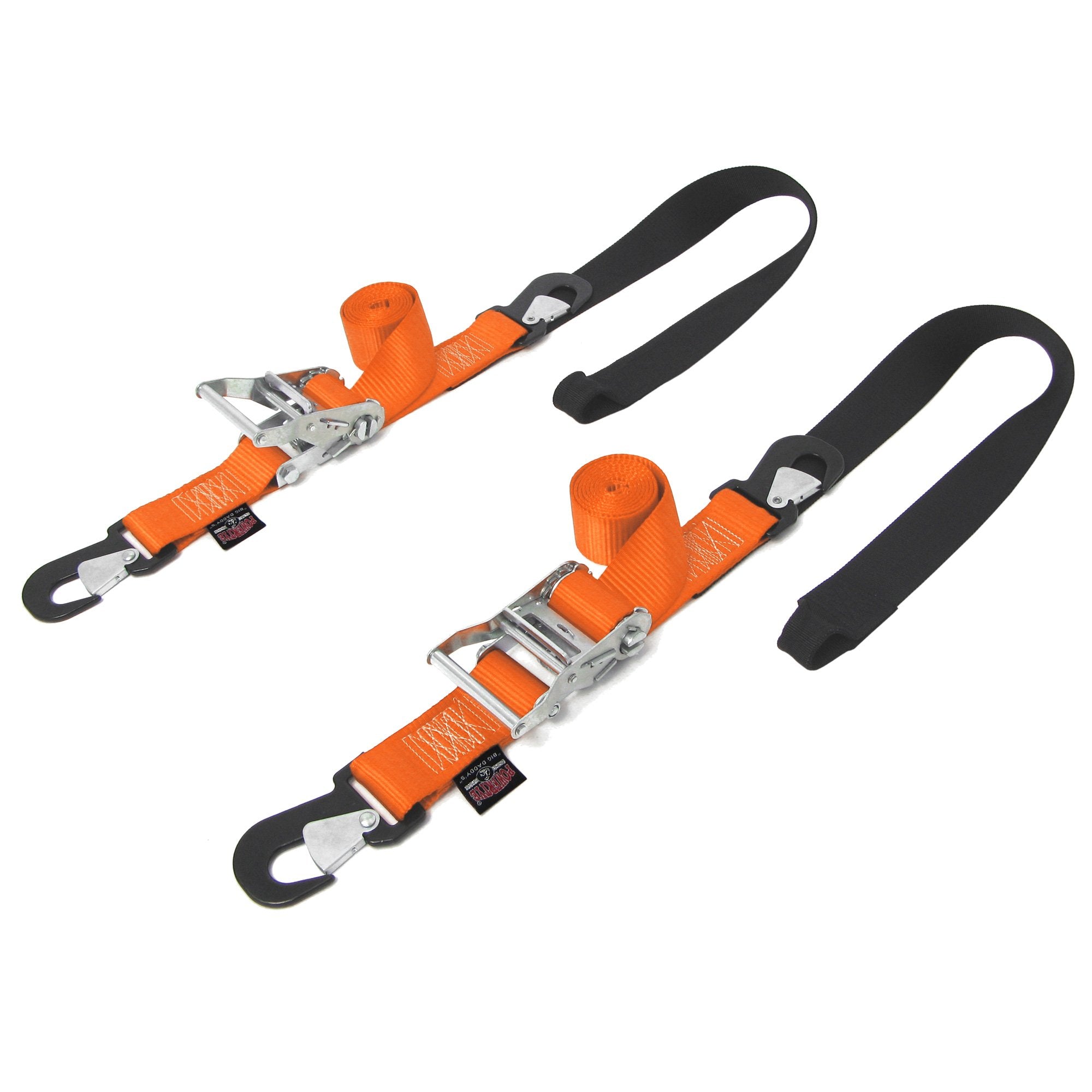
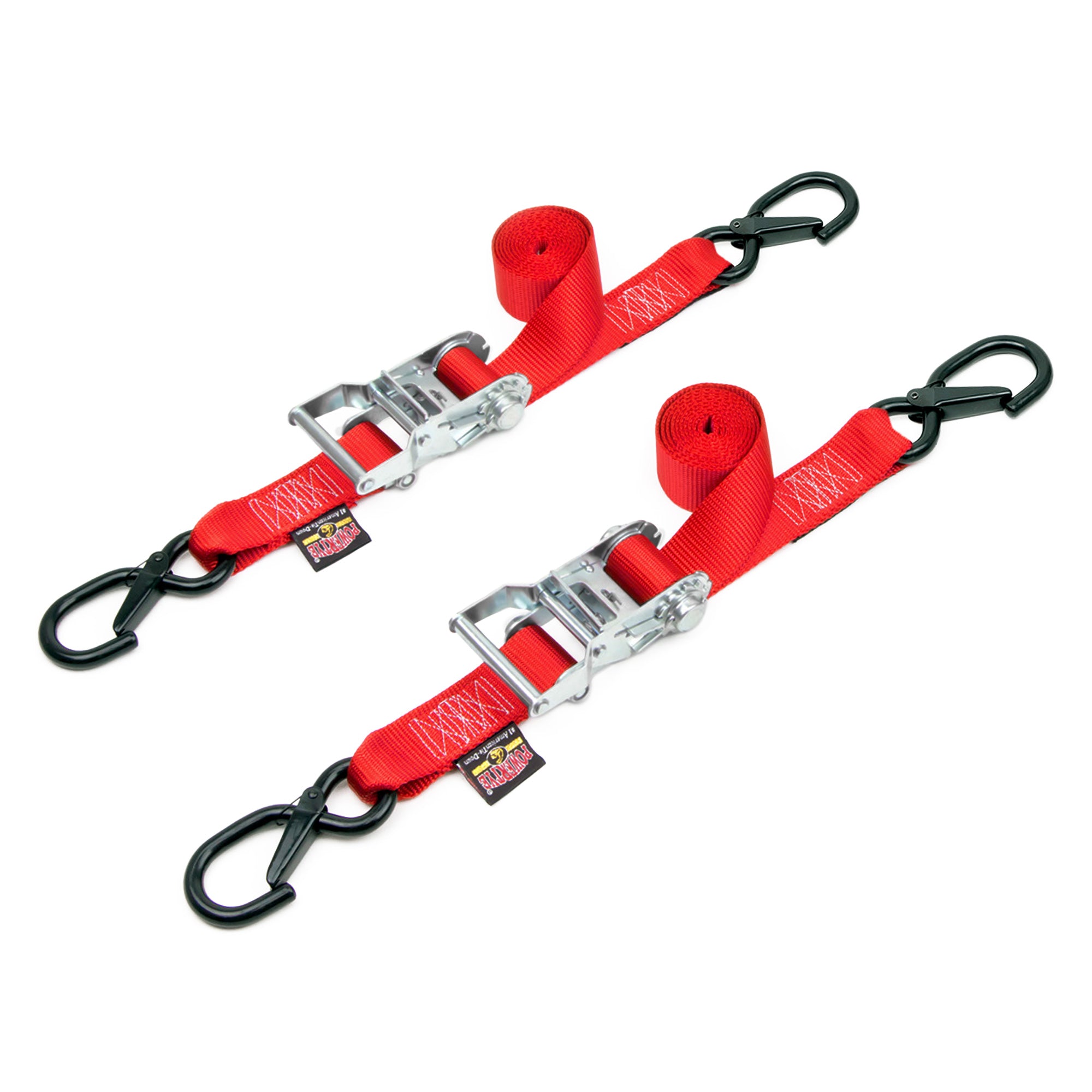
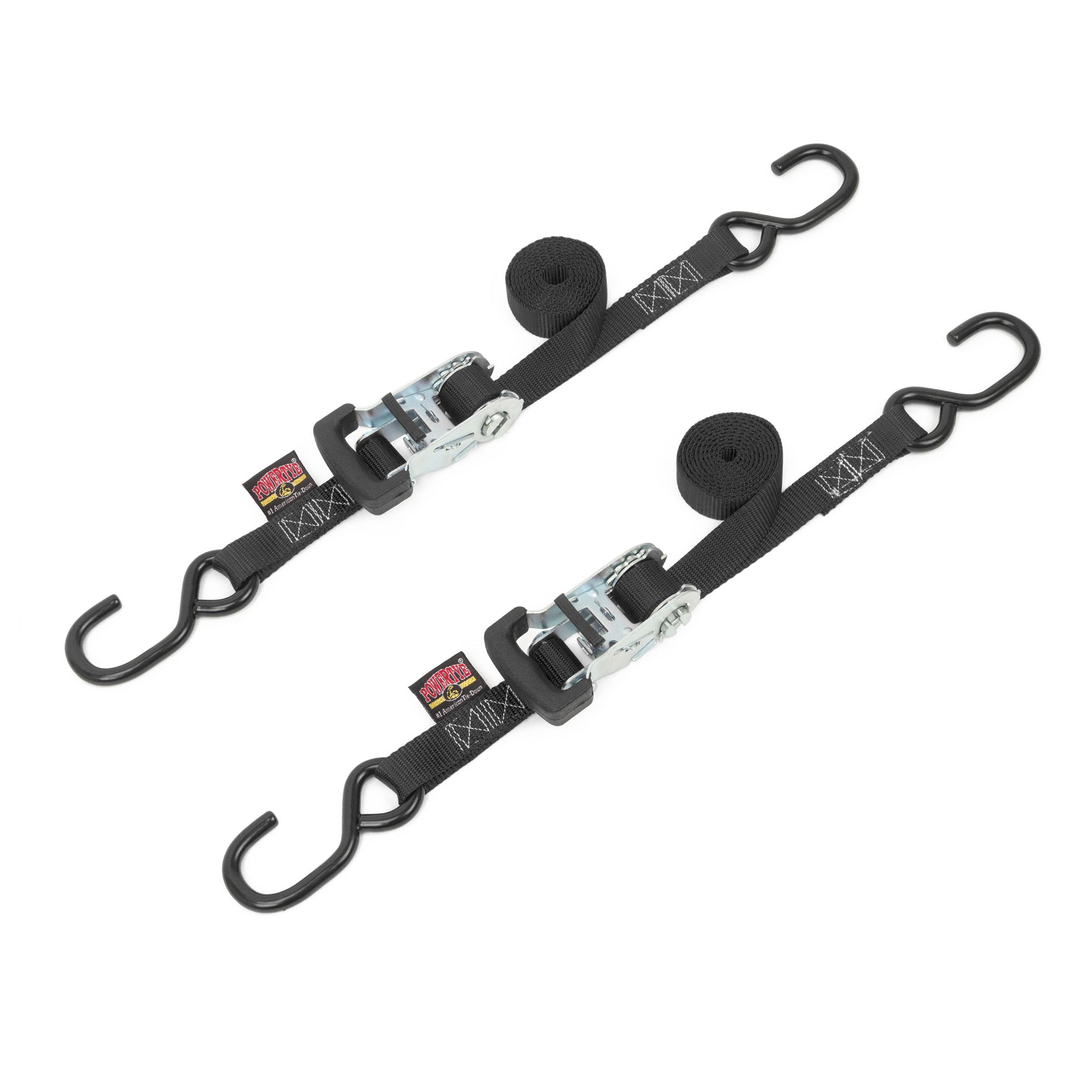
Ratchet Tie-Down Straps
PowerTye ratchet tie-downs provide maximum holding power and precise tension control.
They are ideal for long-distance hauling, open trailers, and rough roads.
Look for heavy-duty webbing and vinyl-coated hooks.
Cam Buckle Tie-Down Straps
PowerTye cam buckle straps are fast, lightweight, and effective when used correctly.
They work well for shorter trips and enclosed trailers.
Soft-Ties and Loop Straps
Soft-ties are essential to any best snowmobile strap setup.
PowerTye soft-ties come in multiple lengths and strengths to accommodate different sled designs.
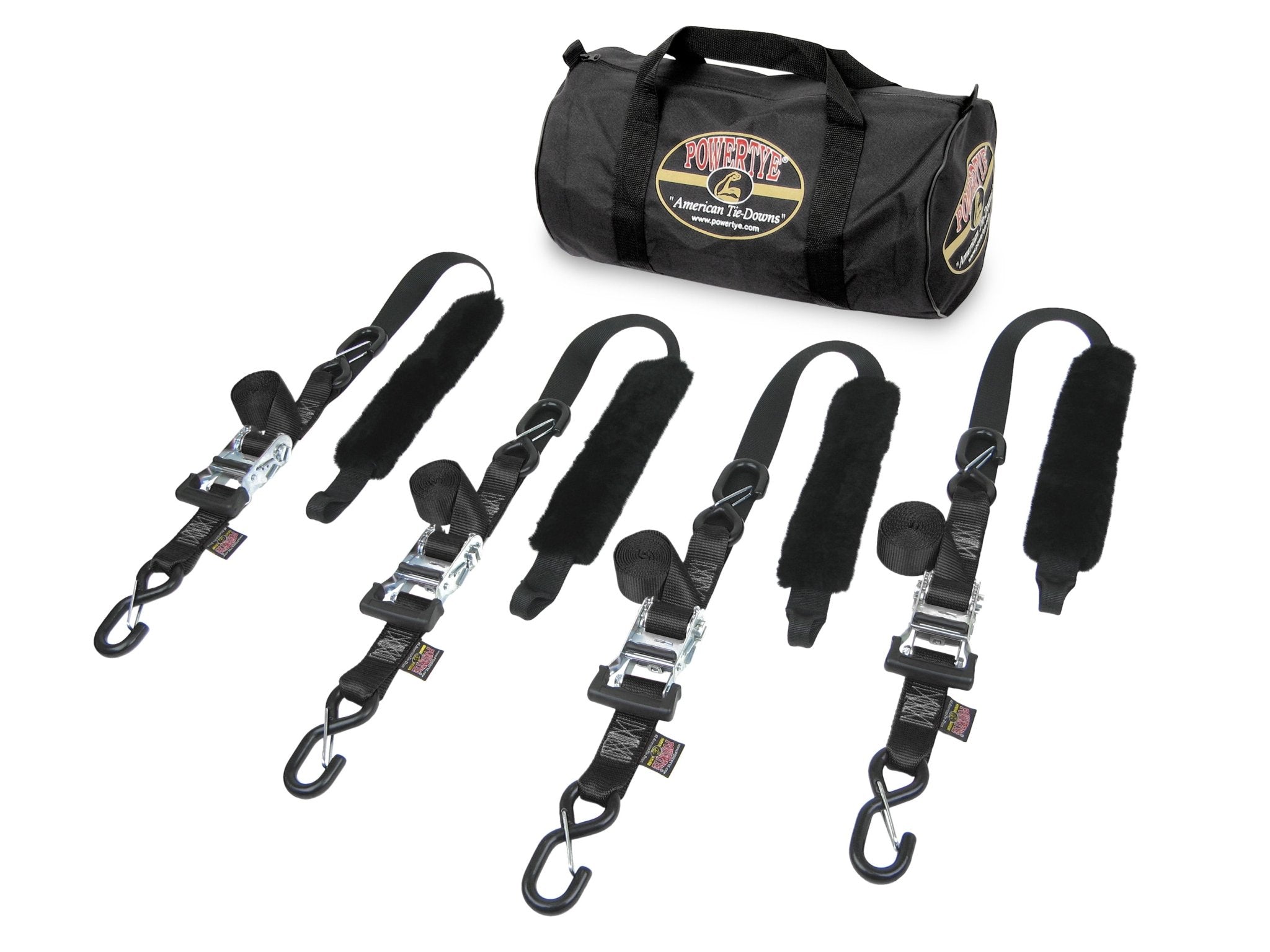
Complete Tie-Down Systems
Many riders prefer matching sets of PowerTye straps and soft-ties to keep their setup organized and consistent.

Maintenance and Care for Snowmobile Straps
Even the best snowmobile strap needs proper care.
Dry After Every Use
Snow, slush, and salt accelerate wear. Let straps dry fully after hauling.
Clean Off Salt and Grime
Wipe down webbing and hardware to remove residue.
Store Properly
Store straps out of sunlight in a bag, bin, or enclosed compartment.
Inspect Before Every Trip
Check stitching, webbing, hooks, and buckles. Replace anything questionable.
FAQ: Best Snowmobile Strap Questions Riders Ask
What is the best snowmobile strap type for long trips?
Ratchet straps offer the most secure holding power for long-distance hauling.
How many straps should I use?
Four is standard. Two in front and two in the rear.
Can I use cam buckle straps instead of ratchets?
Yes, for shorter trips when used correctly and paired with proper attachment points.
Should I compress the suspension when strapping down?
Yes, slightly. Do not fully bottom it out.
Do I need soft-ties for snowmobiles?
Soft-ties are strongly recommended to protect components and improve strap placement.
How often should I replace snowmobile straps?
Replace them when webbing shows fraying, cuts, or loss of flexibility.
Can cold weather damage straps?
Low-quality straps can stiffen or crack. Quality straps designed for powersports perform better in cold conditions.
Conclusion: Why the Best Snowmobile Strap Is an Investment, Not an Accessory
The ride does not start at the trailhead. It starts when you load your sled.
Using the best snowmobile strap means fewer worries on the road, less wear on your sled, and more confidence every time you haul. Quality straps, proper technique, and the right attachment points make all the difference.
PowerTye builds tie-down solutions for riders who haul in real winter conditions and expect gear that works every time.
If you care about protecting your sled and arriving ready to ride, choose the right straps and use them correctly.
Shop PowerTye snowmobile straps and haul with confidence, season after season.