



The Best Way to Strap Your UTV to a Trailer: A Complete Guide for Safe and Secure Transport
Owning a UTV means you’re always one trip away from adventure. Whether you're trail riding in the mountains or tackling sand dunes in the desert, transporting your vehicle safely is just as important as the ride itself. The last thing you want is for your UTV to shift, bounce, or suffer damage during the trip.
So what’s the best way to strap a UTV to a trailer? The answer involves more than just tying it down and hoping for the best. It comes down to using the right gear, understanding proper anchor points, and applying techniques that minimize movement without stressing your machine.
This guide will walk you through everything you need to know, including why choosing high-quality tie-downs like those from PowerTye can make all the difference.
Why Transporting Your UTV Correctly Matters
UTVs are heavy, powerful machines with complex suspensions and wide stances. If not secured properly, they can become unstable during transport, causing:
-
Vehicle damage from tipping or frame stress
-
Straps coming loose or failing from improper load balance
-
Damage to the trailer or surrounding cargo
-
Safety hazards to other drivers
Correct strapping keeps your UTV in place and protects both your investment and your peace of mind.
What You’ll Need
Before loading up your UTV, you’ll want to gather the right equipment:
-
Wheel Net or Axle Tie-Down Straps
-
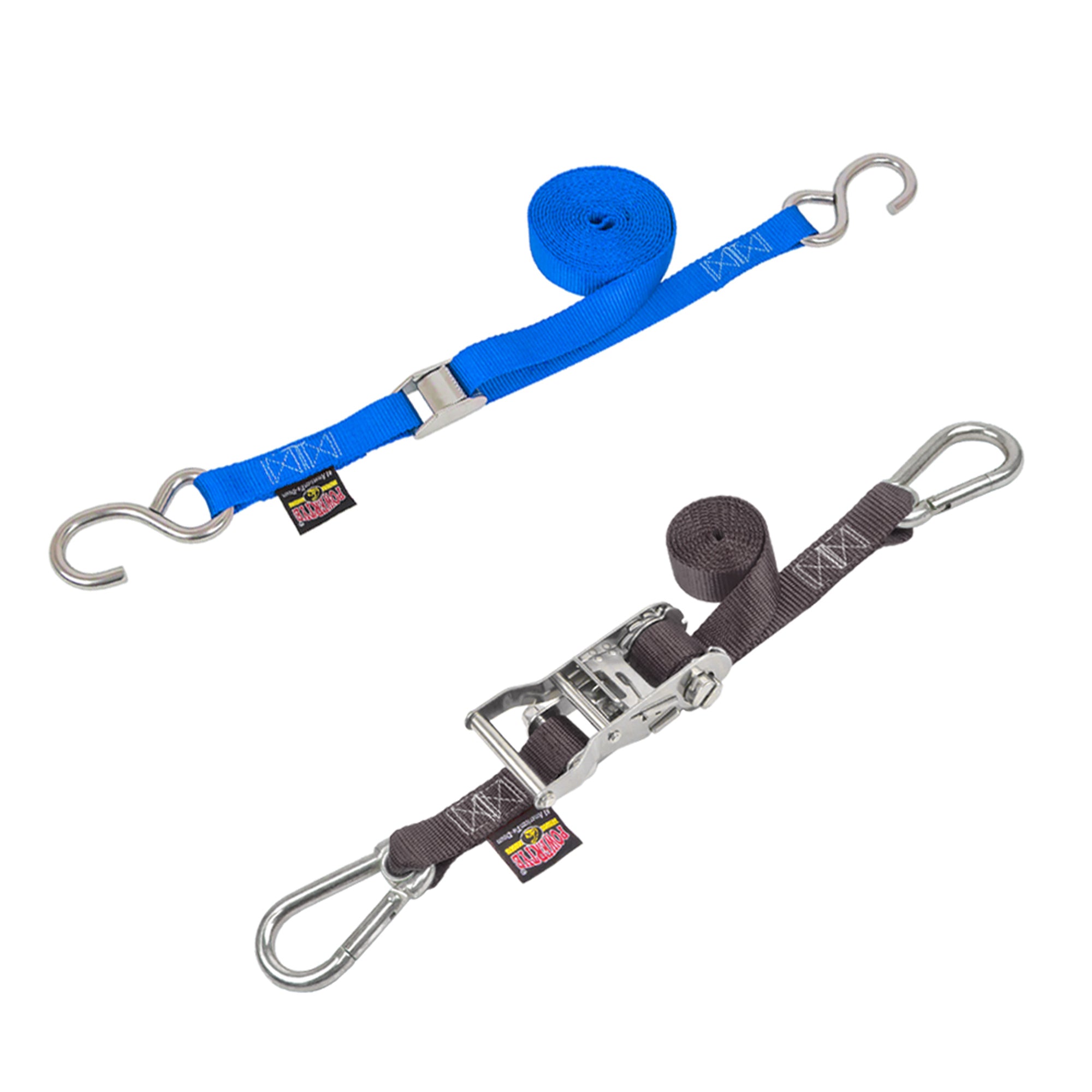
High-strength Ratchet Straps
-
Soft-Tye Extensions (to protect finish)
-
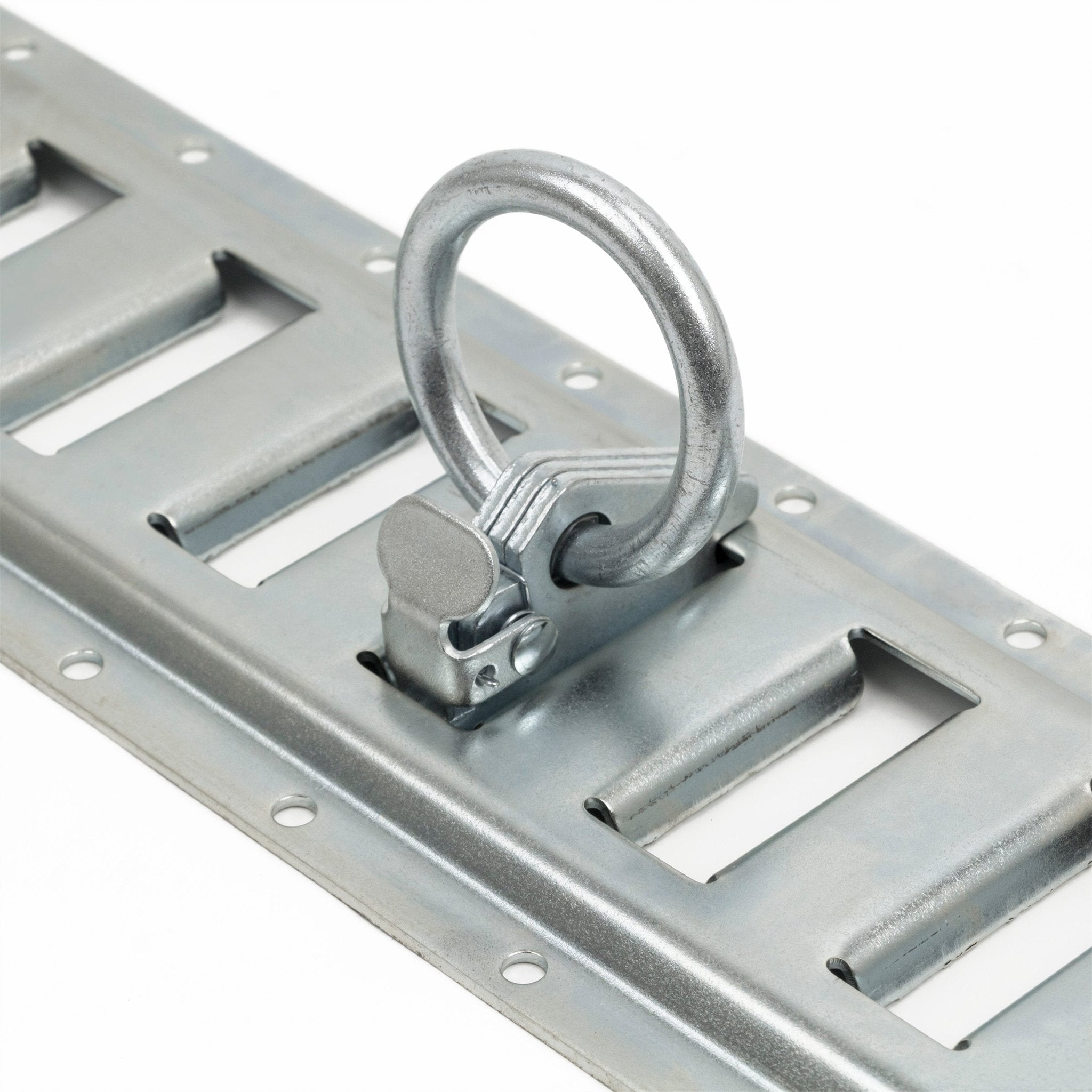
Anchor Points on Trailer
-
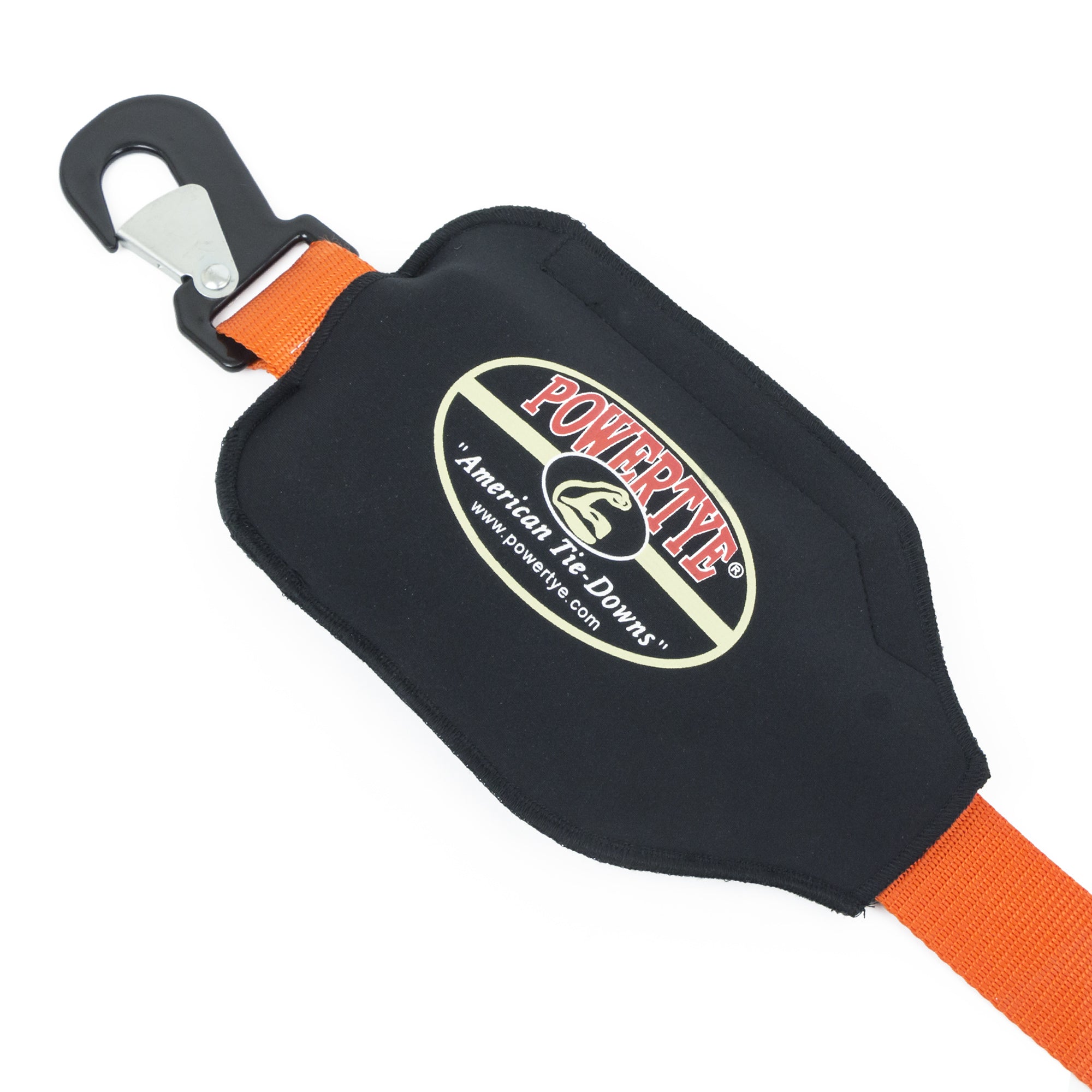
Optional: Protective sheaths or sleeves
PowerTye makes high-quality, USA-assembled tie-down kits specifically for UTVs that include everything you need. Their gear is used by motorsport haulers, dealerships, and off-road adventurers because it’s reliable, heavy-duty, and easy to use.
Why PowerTye Straps Are Ideal for UTVs
Not all tie-downs are created equal. PowerTye products stand out thanks to their:
-
Durable webbing built for high loads
-
Precision-built ratchets for smoother operation
-
Custom UTV-specific kits, including wheel nets and axle straps
-
Made in the USA design, backed by expert customer support
Now let’s walk through the process of securing your UTV from start to finish.

Step-by-Step: How to Strap Down Your UTV the Right Way
Step 1: Park and Position on the Trailer
Drive your UTV up the ramps slowly and position it centered over the trailer axles. Make sure the machine is balanced and evenly spaced. Once parked, apply the parking brake.
Pro Tip: If you have removable ramps, store them securely before strapping.
Step 2: Use Wheel Nets for Maximum Stability
One of the most secure and damage-free ways to strap a UTV is with wheel net tie-downs. These wrap over the tires and anchor directly to the trailer.
Recommended Product:
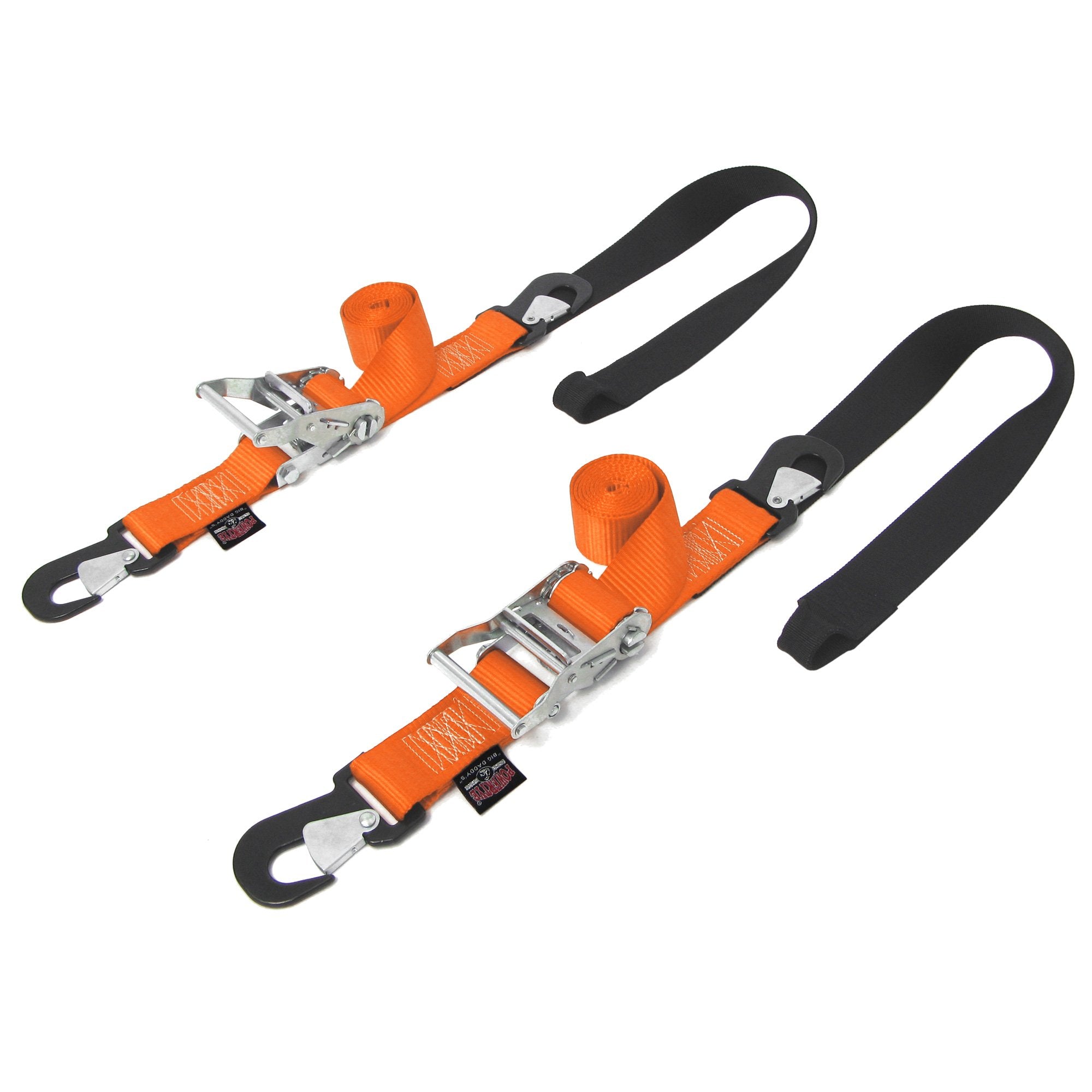
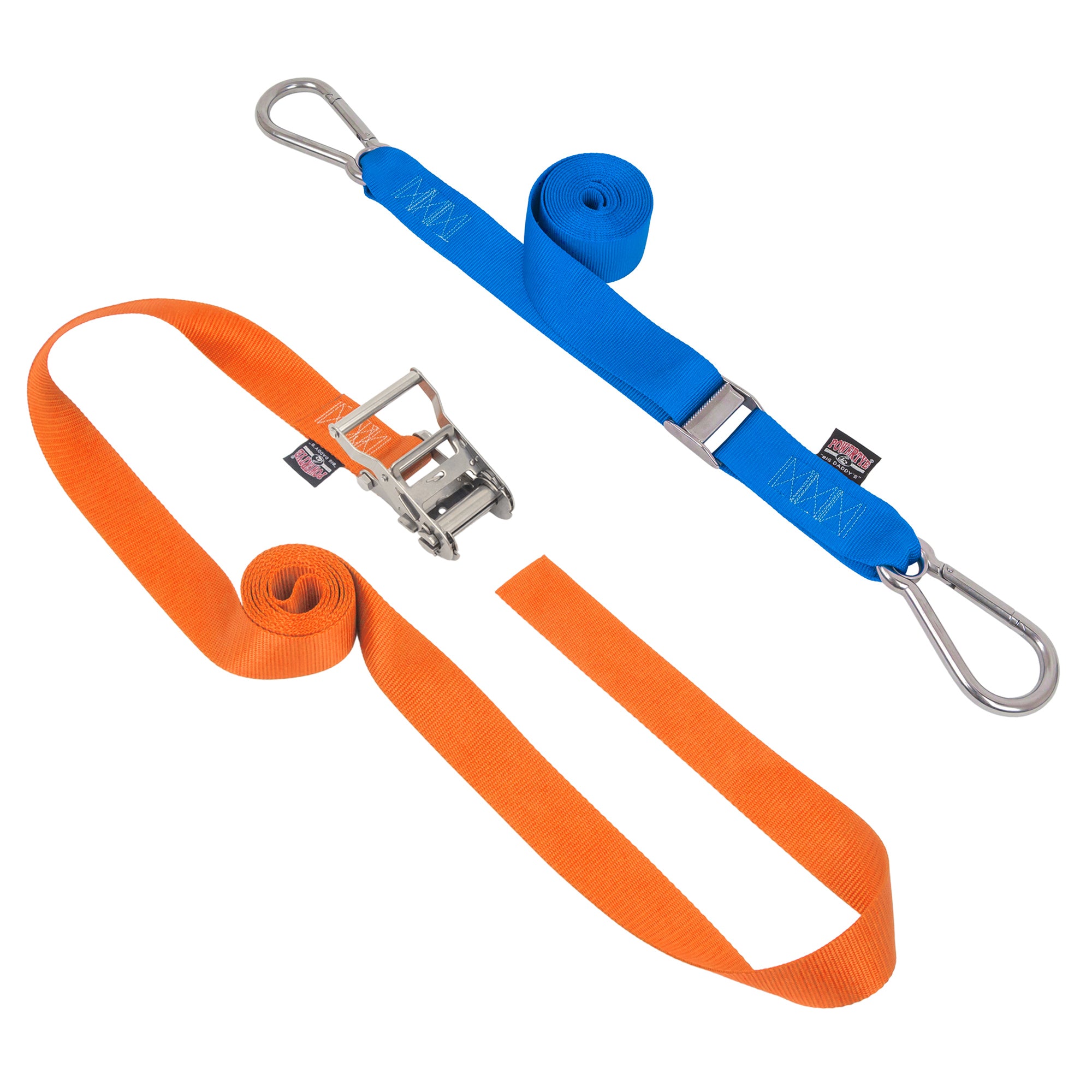
🟧 2in UTV Wheel Net Kit with Single Orange Top Strap
This kit includes:
-
Four heavy-duty wheel nets
-
Single top strap to stabilize over the tire
-
Precision ratchets
-
Zinc-coated hooks for rust protection
PowerTye wheel nets are built for off-road UTV tires and offer a snug fit that keeps the vehicle locked down without stressing the suspension. They work particularly well for Can-Am, Polaris, Honda, and Yamaha models.
Step 3: Anchor Each Wheel
Attach each net securely to a D-ring or frame mount on your trailer. Ensure the net is snug over the tire tread and the ratchet is at a convenient spot for tightening.
Tighten each ratchet slowly and evenly, checking that all four wheels are being pulled down with balanced force.
Step 4: Double Check for Frame Compression
A common mistake is over-tightening straps on the suspension, which can cause long-term damage. Wheel nets avoid this by anchoring the vehicle by the wheels instead of the frame.
If you’re using frame or axle straps instead, only compress the suspension partially. Too much compression risks stressing shocks and bushings during transport.
Alternative Method: Frame or Axle Tie-Downs
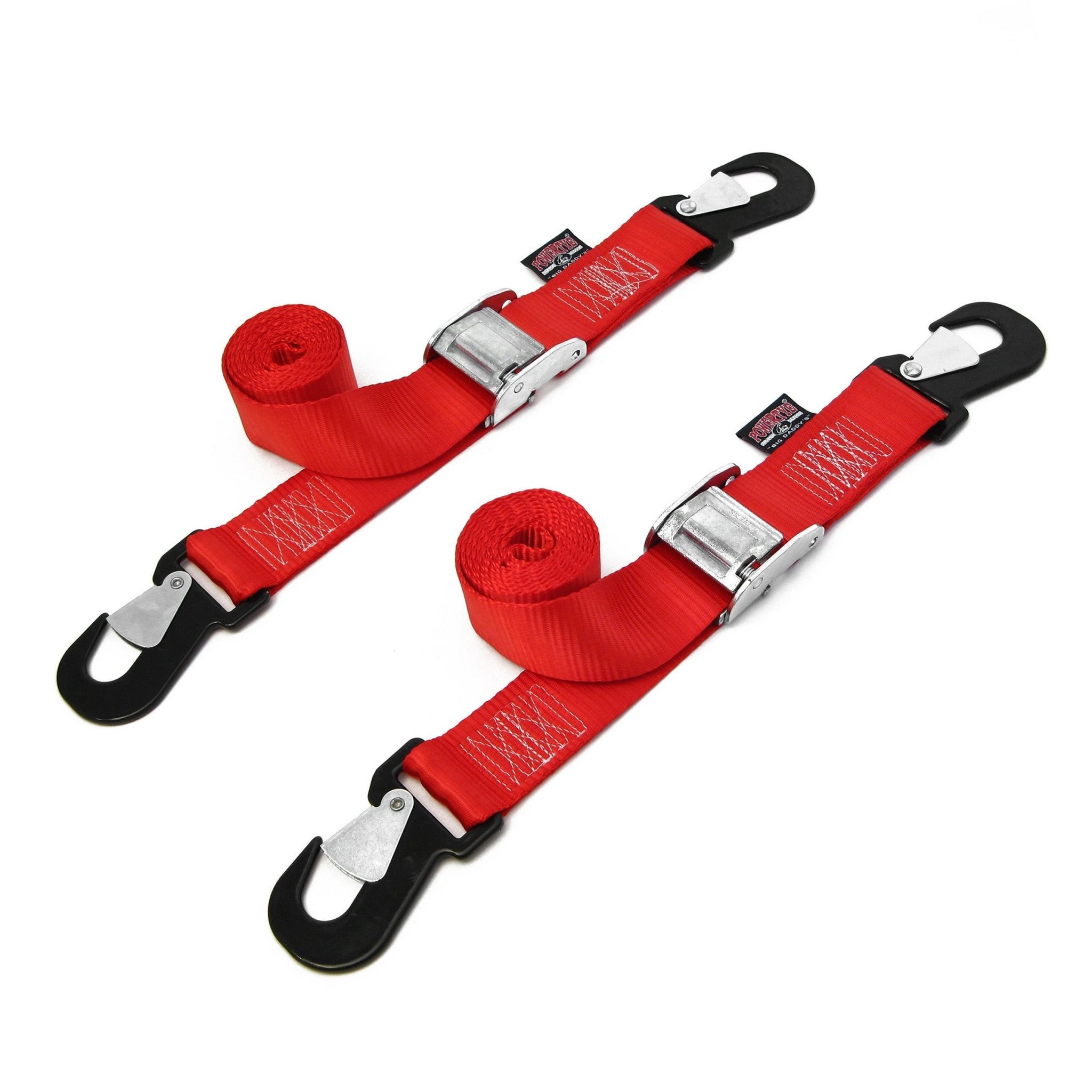
If you don’t have wheel nets, the next best method is to secure the axles or lower A-arms using soft-tyes and ratchet straps.
Recommended Product:
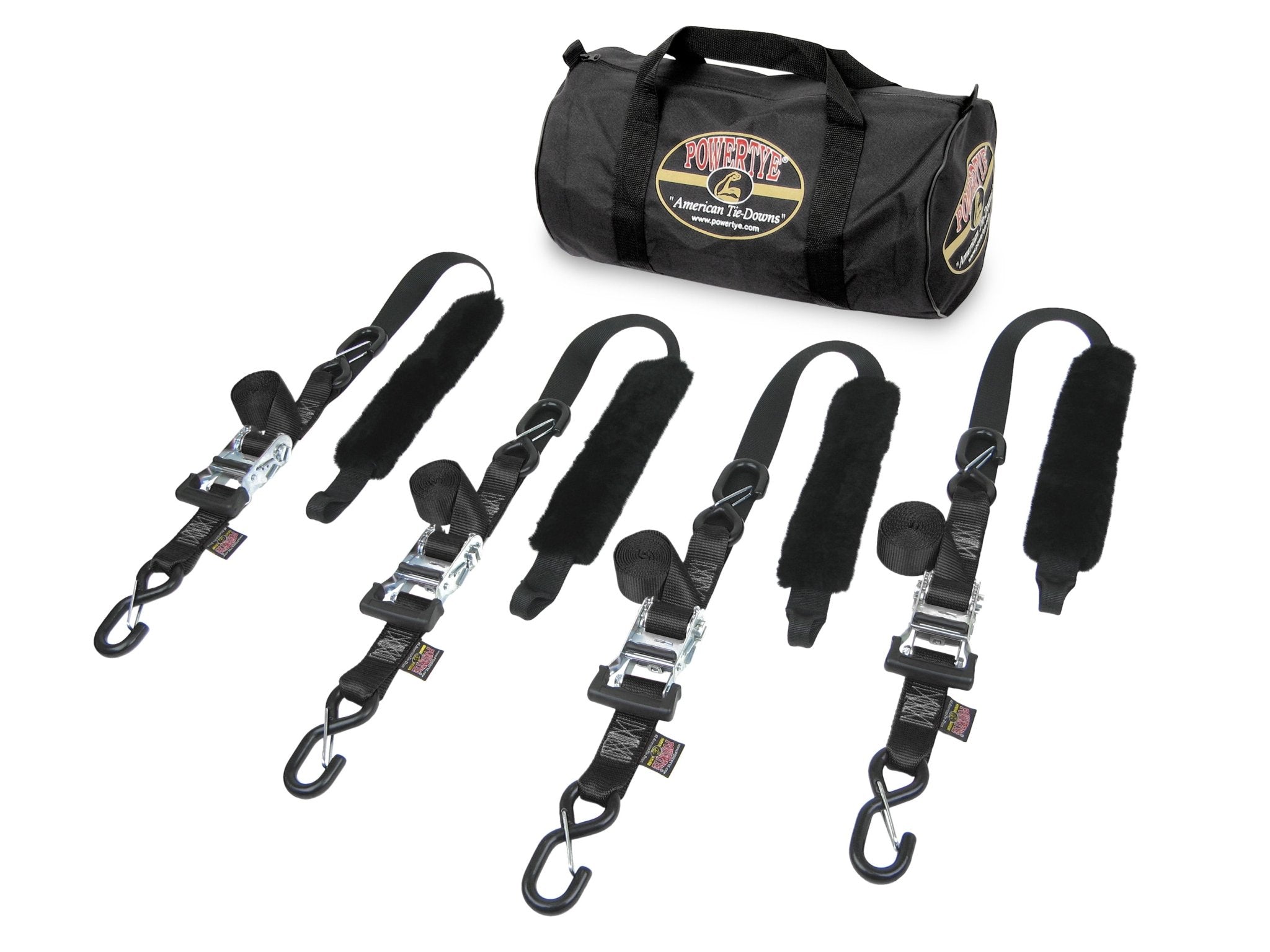
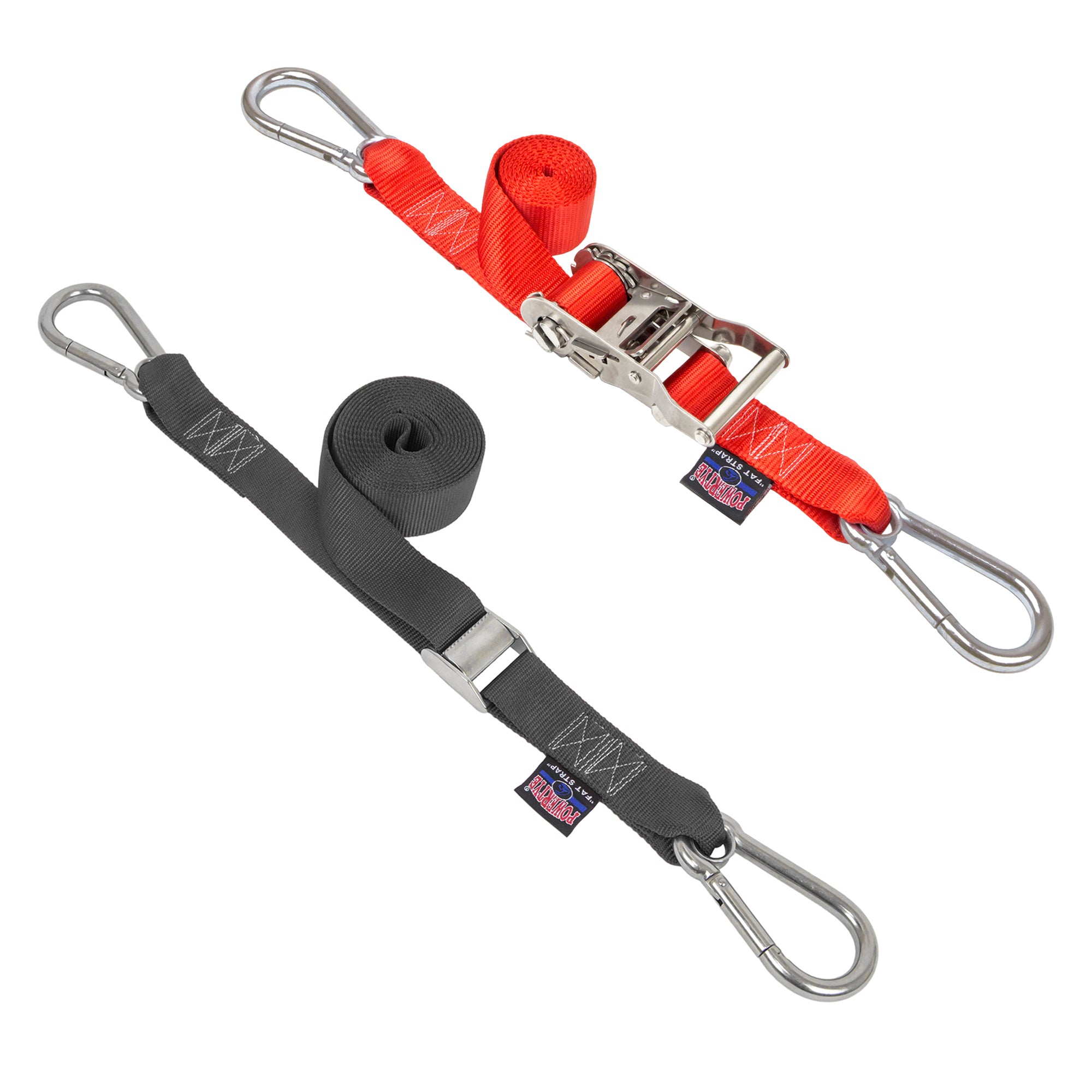
🟥 2in Big Daddy’s Premium Trailer Kit
This kit features:
-
Four 2in ratchets with heavy-duty webbing
-
Soft-tye extensions
-
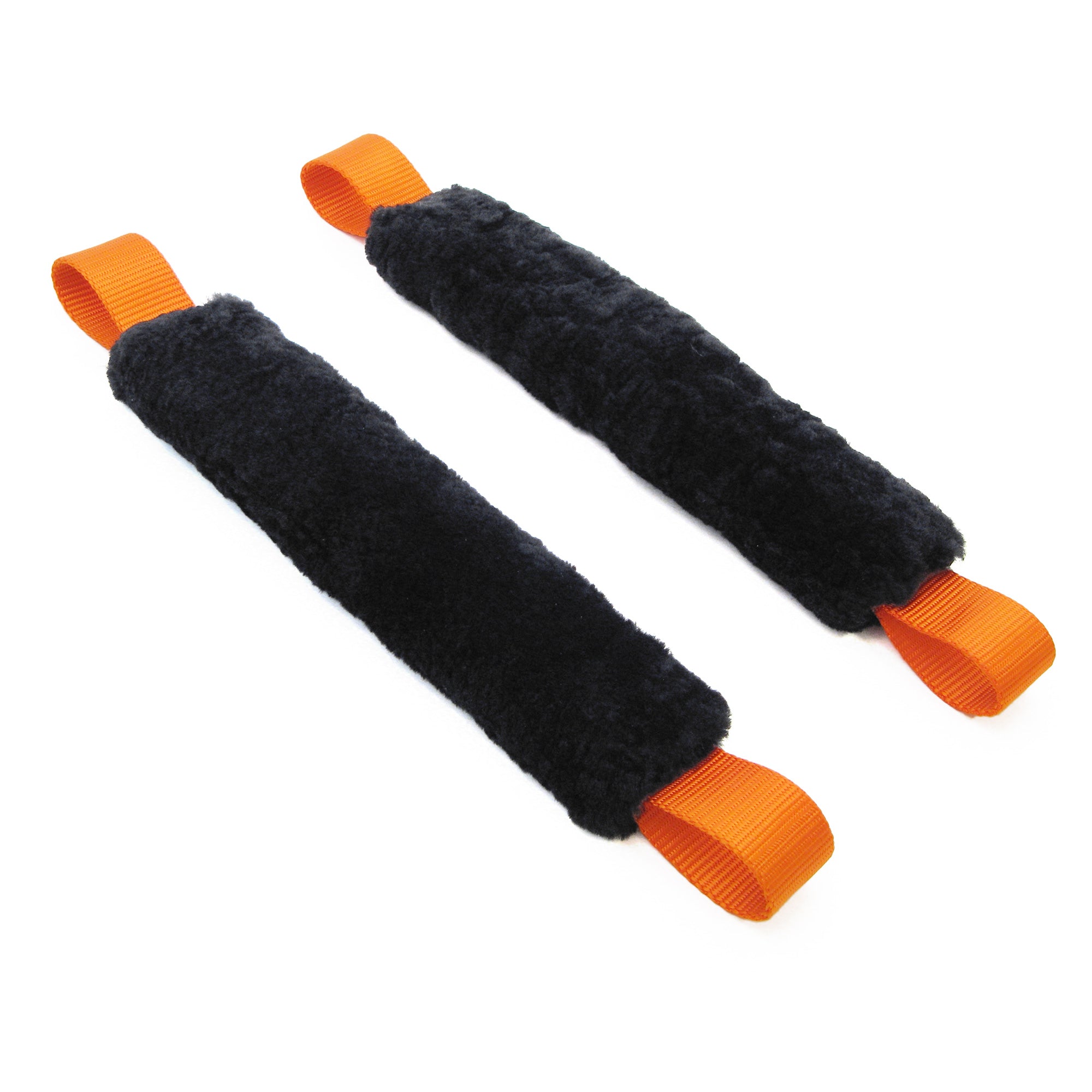
Protective sheepskin covers
-
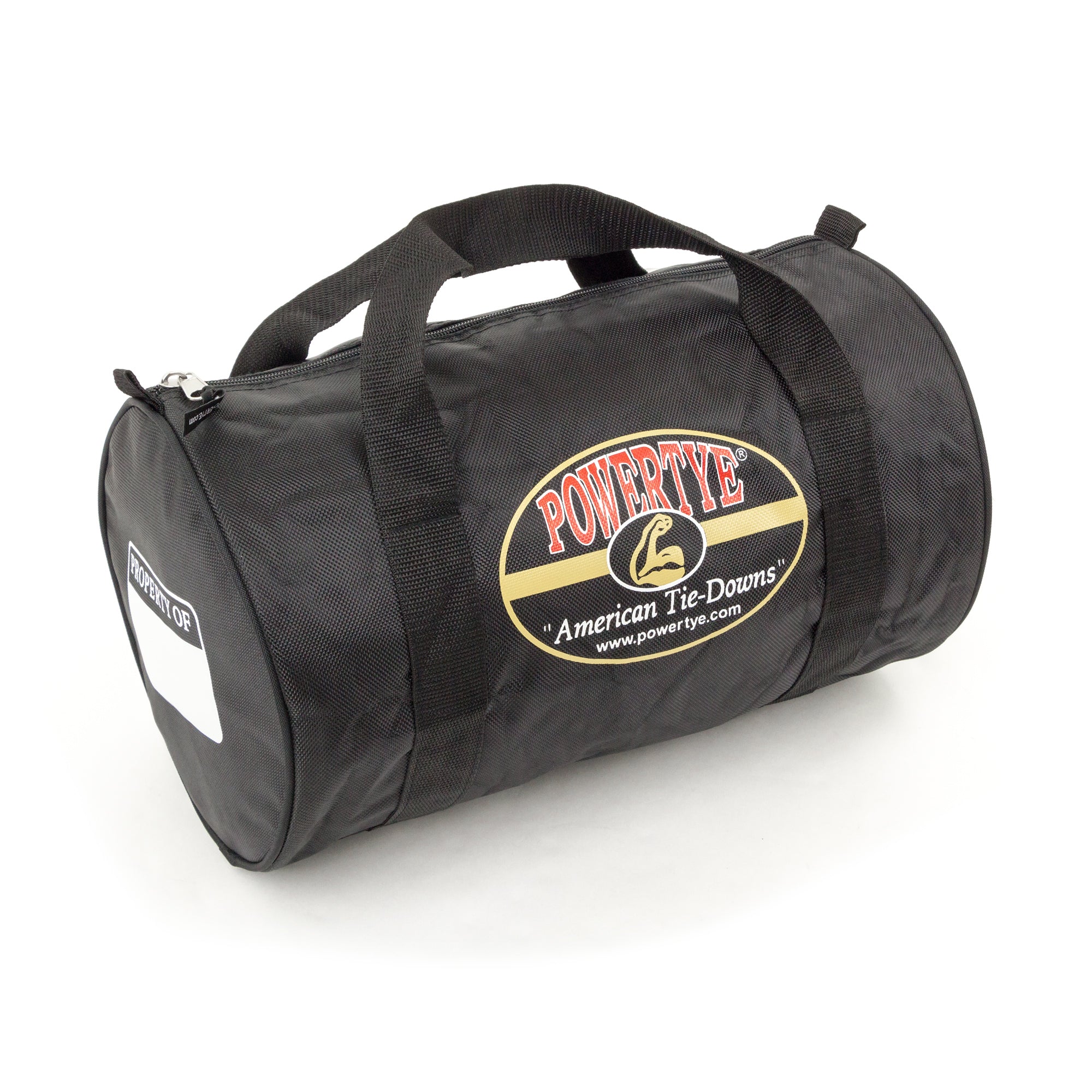
Durable duffel storage bag
You can wrap soft-tyes around secure axle points or A-arms, then connect the ratchet strap ends to your trailer hooks. The sheepskin sleeves provide added protection for painted or powder-coated surfaces.
Soft-Tye Extensions: A Must-Have
No matter which method you use, Soft-Tyes are a smart addition. These prevent metal-on-metal contact and keep hooks away from your vehicle’s finish.
PowerTye Soft-Tyes are sewn from the same high-quality webbing as their straps and come in various lengths and colors.
Mistakes to Avoid When Strapping a UTV
Even experienced off-roaders make these mistakes. Be sure to avoid them:
1. Relying on Bungee Cords or Cam Buckles
These do not provide the tension or strength needed for a 1,000-pound machine.
2. Skipping Protective Features
Not using Soft-Tyes or sleeves can lead to scratches, dents, and abrasion.
3. Overcompressing the Suspension
Too much tension can damage shocks or ride height calibration.
4. Anchoring Too High
Always anchor lower on the frame or tires to reduce leverage and sway.
How Many Straps Do You Need?
Minimum recommended: 4 straps
-
One for each wheel or corner of the frame
-
For long hauls or rough roads, consider adding a 5th and 6th strap for backup
Never use only two straps. Uneven tension or a single failure can cause the entire load to shift.
Best Practices for Highway Transport
Here are key points to keep in mind before you hit the road:
-
Tug-test each strap after loading
-
Check tension after the first few miles
-
Inspect hooks, webbing, and anchors regularly
-
Store extra straps in a dry place
-
Avoid knots — always use ratchets to adjust tension
Why Made-in-USA Straps Make a Difference
With so many options online, you may wonder if made-in-USA straps are worth the premium. Here’s why they are:
|
Feature |
USA-Made PowerTye |
Common Imports |
|
Webbing Strength |
6,000 lbs and up |
Often 3,000 lbs or less |
|
Hook Finish |
Zinc-coated |
Basic steel or painted |
|
Assembly |
Anaheim, CA |
Overseas mass production |
|
Extras |
Soft-Tyes, covers, bags |
Rare or not included |
|
Warranty |
Backed by real service |
Limited or none |
Choosing PowerTye means choosing gear built by a team that understands real-world usage and is committed to performance and durability.
Frequently Asked Questions
Can I strap to the UTV roll cage or roof?
No, avoid strapping to the roll cage or roof bars. These areas are not designed to bear downward loads during transport. Use the axles, tires, or designated frame areas instead.
Do I need to compress the suspension?
Slight compression helps stability, but too much can lead to bushing wear or poor shock performance. Wheel nets avoid this issue by anchoring to the tires.
How often should I replace ratchet straps?
Inspect them regularly. Replace if you see:
-
Frayed webbing
-
Broken hooks
-
Damaged ratchet gears
-
Rusted components
PowerTye’s straps are built to last, but like any tool, they wear with heavy use.
Final Word: Secure It Right the First Time
When you’re towing your UTV, the ride starts as soon as it hits the trailer. Using the right tie-downs — and using them correctly — protects your machine and ensures a stress-free trip.
Whether you're hitting the dunes, heading to a race, or hauling between states, the best way to strap your UTV to a trailer is with high-quality American-made gear from PowerTye.
Browse their collection of wheel nets, trailer kits, and accessories to build your ideal setup.