


The Best Way to Strap Down a Dirt Bike: A Complete PowerTye Hauling Guide
Strapping down a dirt bike may look simple at first, but experienced riders know that small mistakes can lead to big problems on the road. Understanding the best way to strap down a dirt bike is essential for anyone who hauls regularly, whether you ride trails every weekend or travel long distances for racing. Within the first hundred words it is important to highlight the keyword best way to strap down a dirt bike because riders need to know the specific techniques and gear that keep their machines stable. PowerTye has spent decades perfecting tie down systems designed specifically for motorcycles. Their straps, soft ties, and accessories give riders the confidence that their dirt bike will stay secure mile after mile.
The hauling process becomes much easier once you master the fundamentals. Dirt bikes are light compared to street motorcycles or UTVs, but they are still vulnerable to tip overs and shifting if not strapped correctly. A proper tie down system stabilizes the bike without damaging suspension components or plastics. PowerTye offers high quality ratchet straps, cam buckle straps, soft ties, and handlebar harnesses that make the process predictable and safe. When used correctly these tools create a strong anchor system that allows your bike to become an extension of the trailer rather than a loose object that shifts at every bump.
How It Works
Understanding how a dirt bike stays secure on a trailer begins with knowing how tie down tension interacts with the suspension. Dirt bikes have long travel forks designed to compress and rebound. When you strap the bike down you apply tension that compresses the forks slightly. This compression keeps the bike stable. The key is using controlled compression. Too much pressure stresses seals and springs. Too little allows the bike to bounce. The best way to strap down a dirt bike is to balance that tension so the front end sits firm without being crushed.
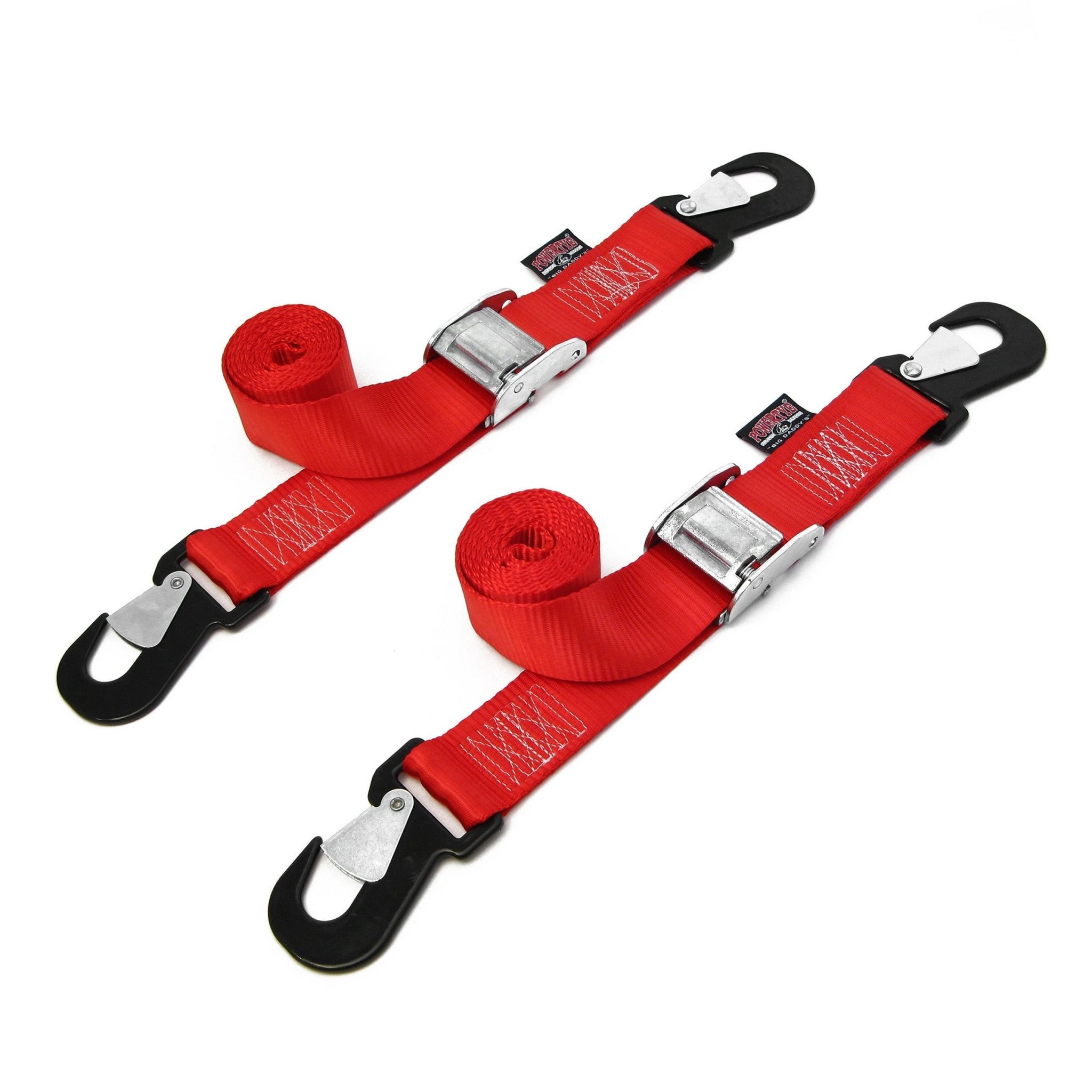
PowerTye straps work by creating downward force that locks the bike into place against the trailer floor. Ratchet straps allow precise tightening while cam buckle straps offer quick adjustments. Riders often use a combination of soft ties and traditional hooks to avoid metal on metal contact. The straps anchor to the trailer and pull the bike forward and downward. When paired with a wheel chock the bike becomes solid and unmoving.
The rear of the bike may or may not need to be strapped depending on the trip length and terrain. Long trips or rough roads benefit from rear stabilizing straps. Short trips on smooth pavement may not require them. The goal is preventing lateral and forward movement. PowerTye straps excel at providing even tension that keeps the bike predictable and secure.
Step by Step Guidance
Knowing the best way to strap down a dirt bike begins with consistent technique. Once you learn the pattern it becomes second nature.
1. Position the Bike Correctly
Roll the bike into the trailer or truck bed and center it. Use a front wheel chock if you have one. A chock adds stability and reduces the amount of tension needed on the straps.
2. Apply Soft Ties to the Handlebars or Triple Clamp Area
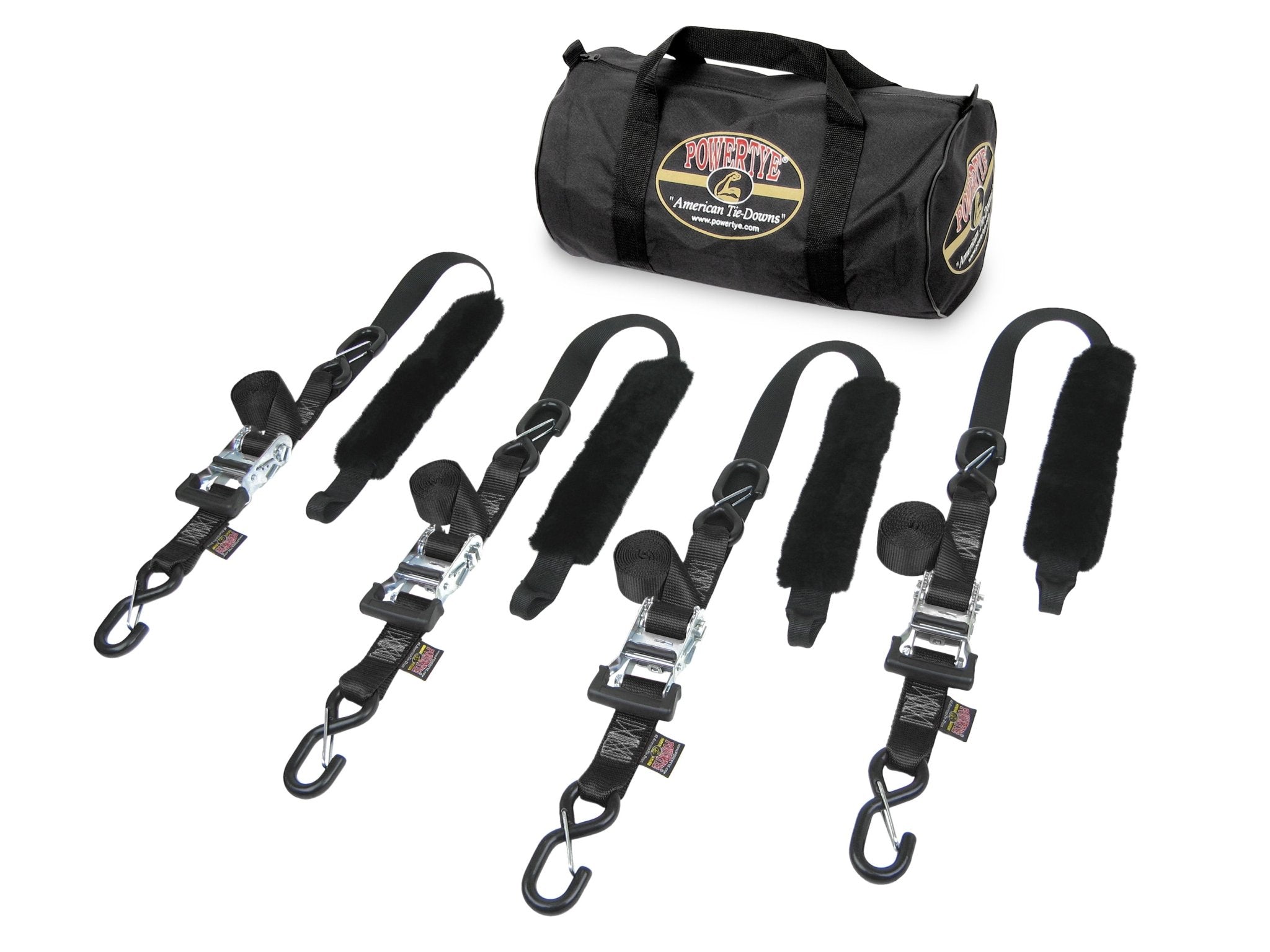
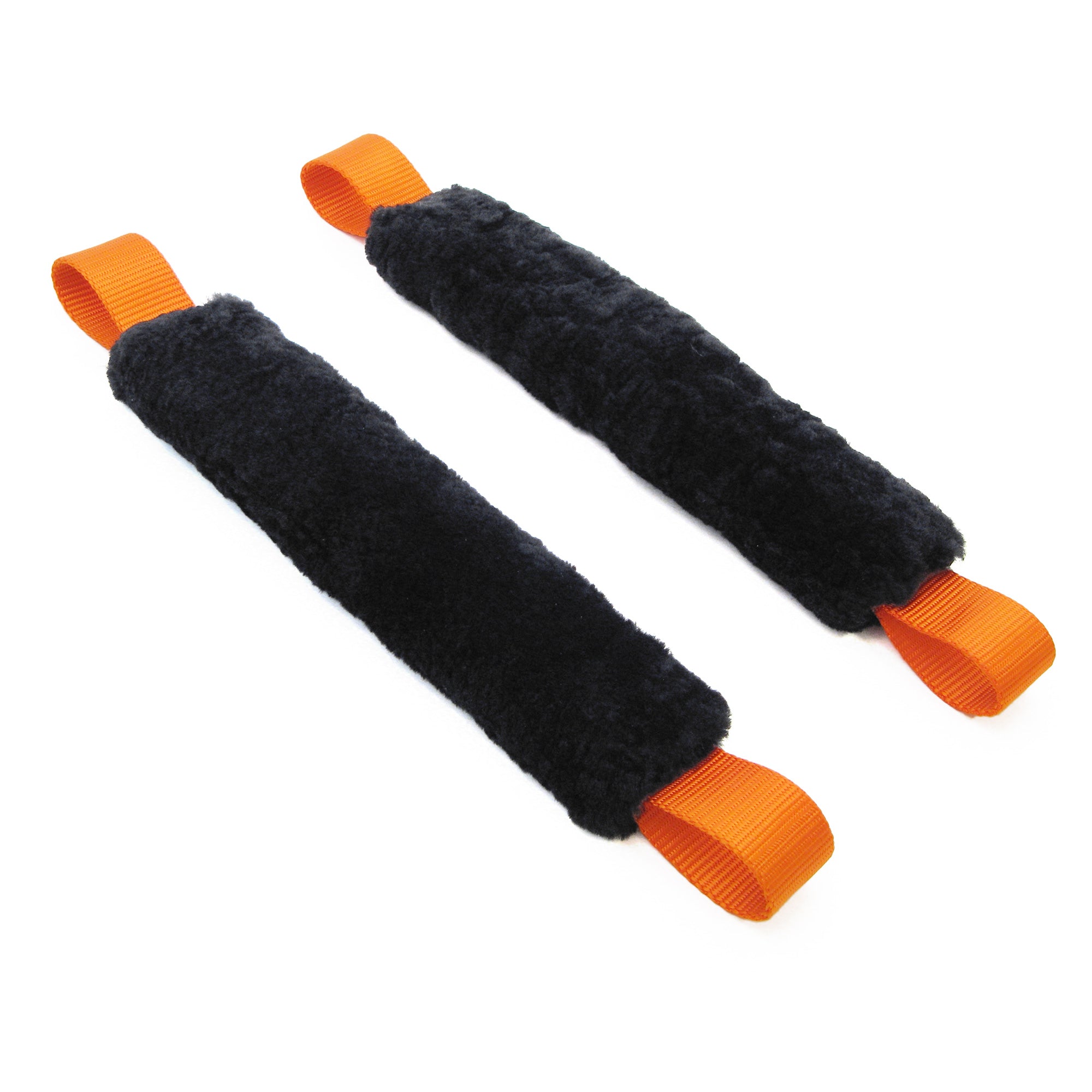
PowerTye soft ties loop around handlebars or the lower triple clamp. These loops give the hooks a secure surface that will not scratch or dent anything. Soft ties also allow the straps to pull straight without twisting around controls.
3. Attach PowerTye Straps to Solid Anchor Points
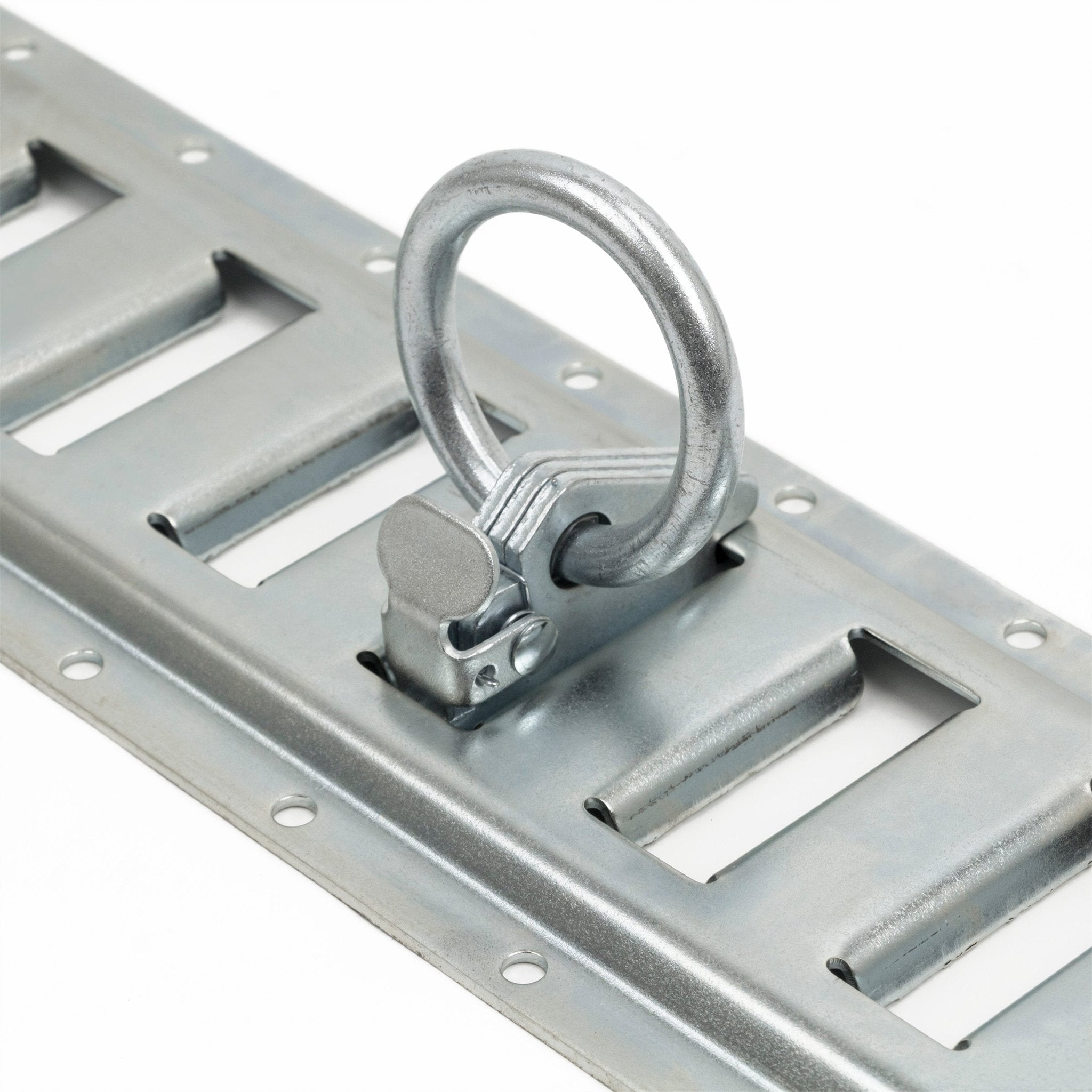
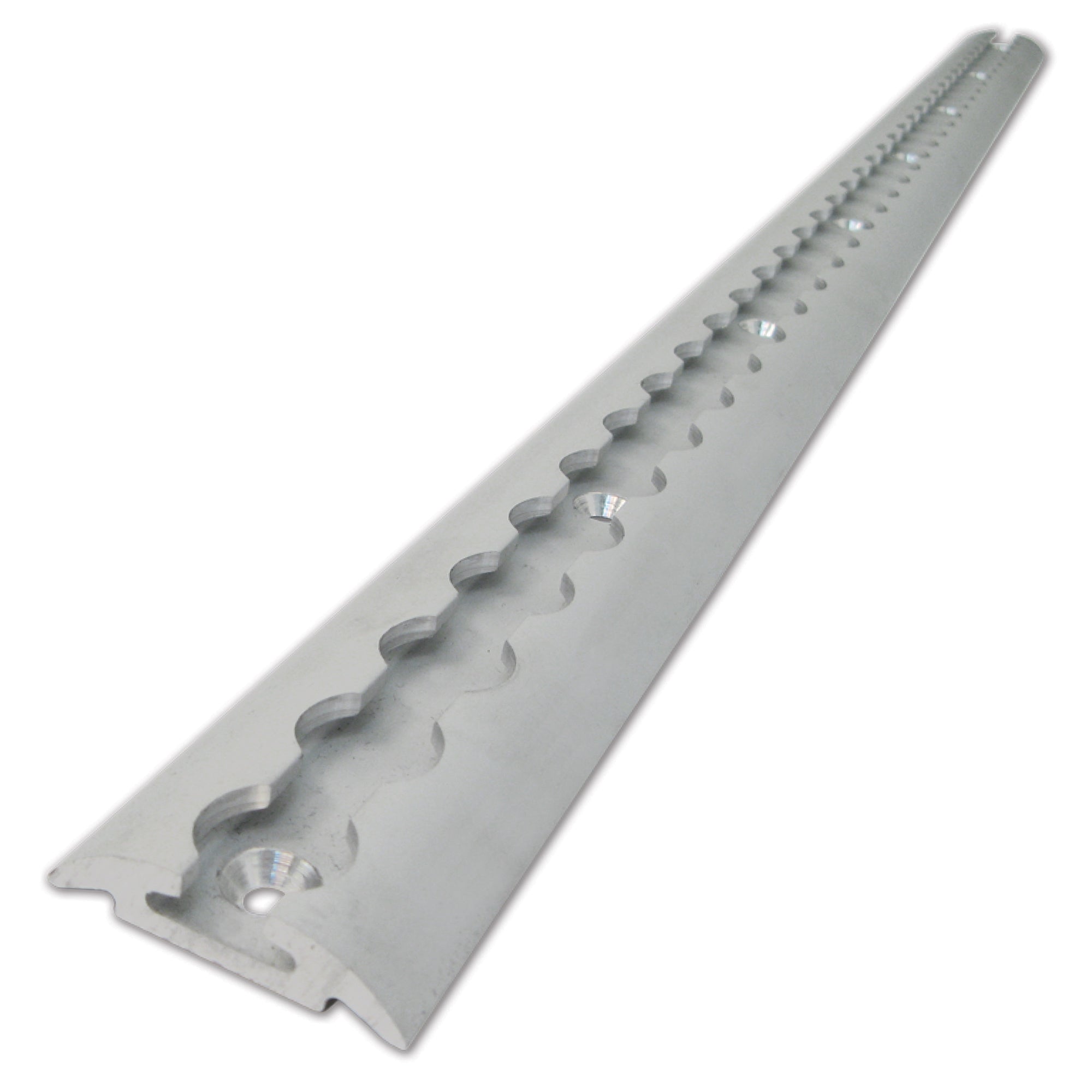
Every strap connects to a reliable anchor point on the trailer. PowerTye offers TrackStar L Track systems that provide adjustable tie down options. Standard D rings work well too as long as they are load rated and properly installed.
4. Tighten the Left Strap First
Start by tightening the left strap gradually. The bike will begin to compress slightly. Keep the handlebars straight during this process.
5. Tighten the Right Strap Until the Bike is Upright
Move to the right strap and tighten it until the bike stands perfectly straight. Alternate tensioning so both sides remain even. The forks should compress enough to resist movement but not so much that they bottom out.
6. Add Rear Straps if Needed
Rear straps can be attached to the swingarm or frame. PowerTye soft ties help protect coated surfaces. These straps stabilize side to side movement and prevent fishtailing on bumpy roads.
7. Perform a Final Check
Pull on the handlebars gently to ensure the bike does not shift. Check strap angles. Make sure the hooks are fully seated. Look for twists in the webbing. The best way to strap down a dirt bike always includes this final verification.
Mistakes to Avoid
Avoiding common mistakes saves your bike from damage and prevents roadside emergencies.
Many riders pull their straps too tight. Over tightening crushes the forks and stresses components. It can even bend handlebars or damage seals. The goal is firm compression, not total collapse.
Another mistake is using old or worn straps. Faded, frayed, or rusted straps should be replaced immediately. PowerTye straps are durable but all textile equipment has a lifespan. Worn gear introduces unnecessary risk.
Improper anchor points also create problems. Some riders attach straps to parts of the trailer that are not load rated or structurally sound. This can lead to anchor failure during sudden stops. Always confirm that your anchor points are strong and secure.
Many riders forget redundancy. A dirt bike needs at least two straps in the front and ideally two in the rear. Even if you trust your wheel chock you should never rely on it alone. Redundancy is one of the simplest forms of safety.
Another mistake is allowing straps to rub against sharp edges or hot surfaces. Exhaust heat will destroy strap fibers. Sharp metal corners will cut webbing quickly. The best way to strap down a dirt bike is to route straps thoughtfully so they remain cleanly aligned and unobstructed.
Finally, many riders fail to recheck straps early in the trip. Forks settle. Webbing stretches slightly. A five minute stop after ten miles keeps everything secure for the rest of the journey.
Safety Tips
Transport safety depends on discipline and good habits.
Start every trip with a strap inspection. Look for cut webbing, loose stitching, and damaged hardware. Replacing a questionable strap is always cheaper than repairing a damaged bike.
A wheel chock adds significant stability. Even a basic one prevents the bike from pitching forward during braking. PowerTye straps will do their job better if the front wheel cannot move.
Keep your strap angles consistent. They should pull downward and slightly forward. Angles that pull upward reduce stability. Sideways pulling angles can cause the bike to tilt.
Avoid placing straps on the handlebars at awkward angles that interact with brake levers or throttle tubes. Soft ties solve this problem by extending the anchor point away from controls.
Protect your plastics and graphics. When straps sit too close to shrouds or side panels they can rub during the trip. Soft ties and proper routing eliminate unnecessary contact.
Always double check straps before entering the freeway. Check again at gas stops. Movement may be minimal but peace of mind comes from knowing that everything is still tight.
Product Selection Guidance from PowerTye
PowerTye offers a selection of motorcycle tie down products designed specifically for dirt bike transport.
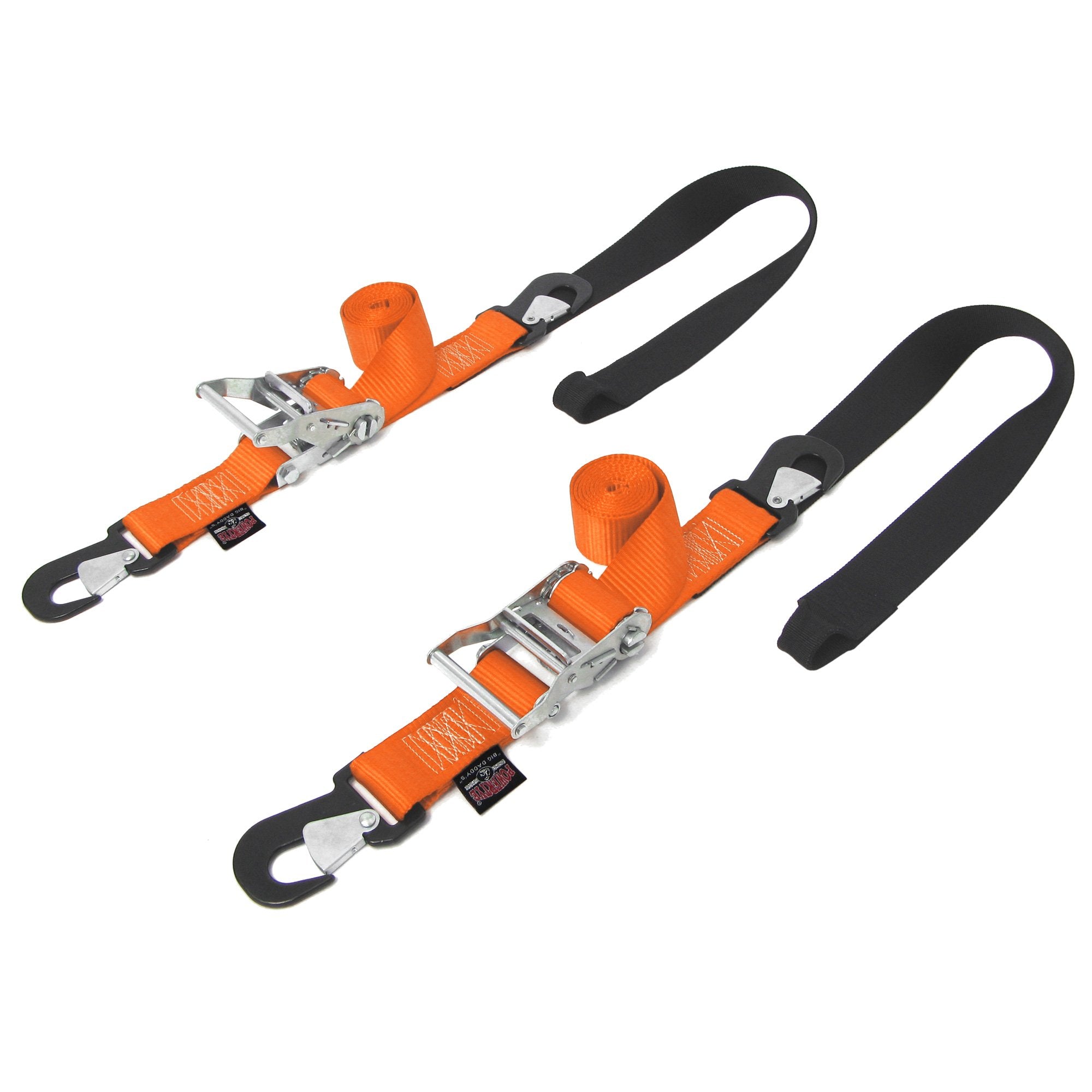
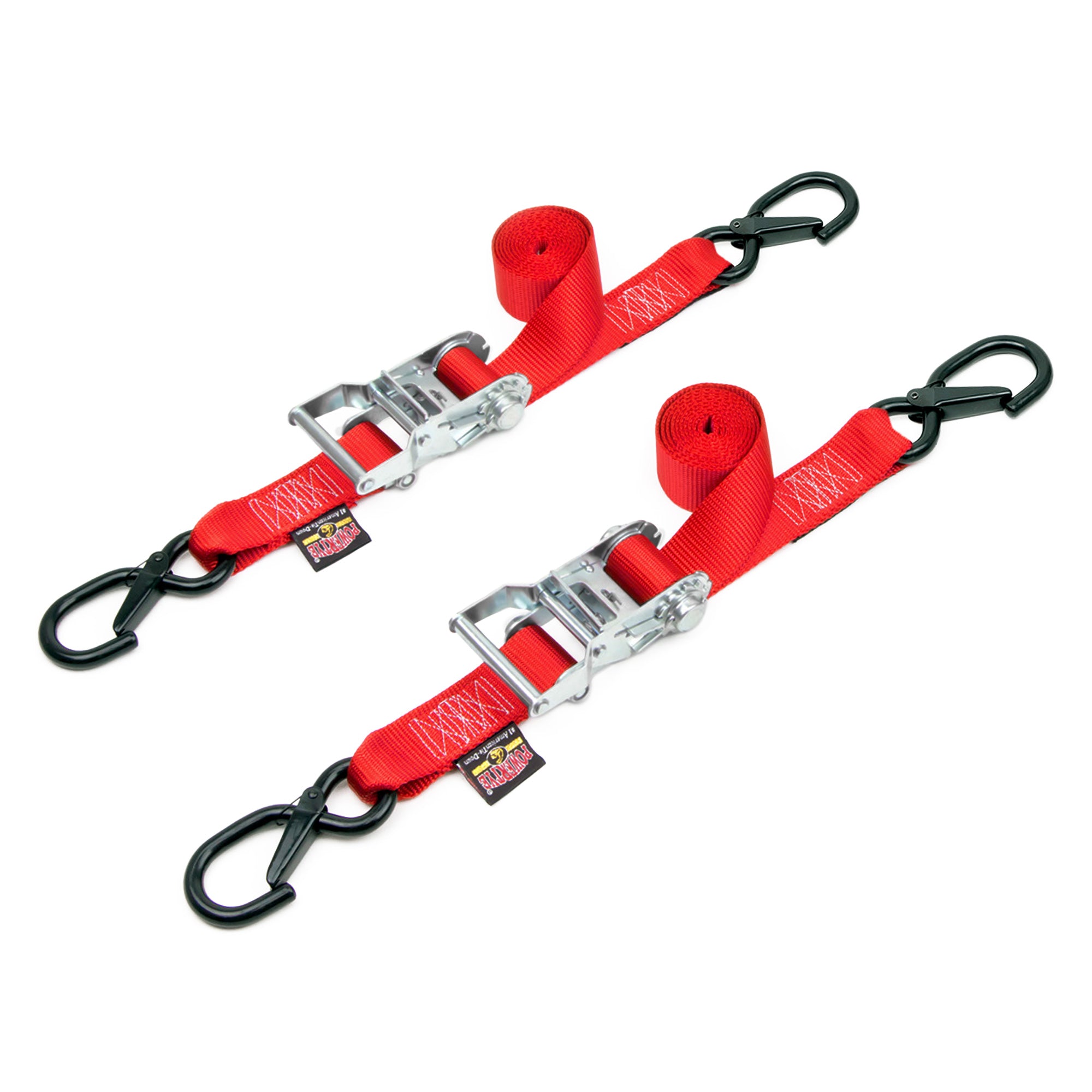
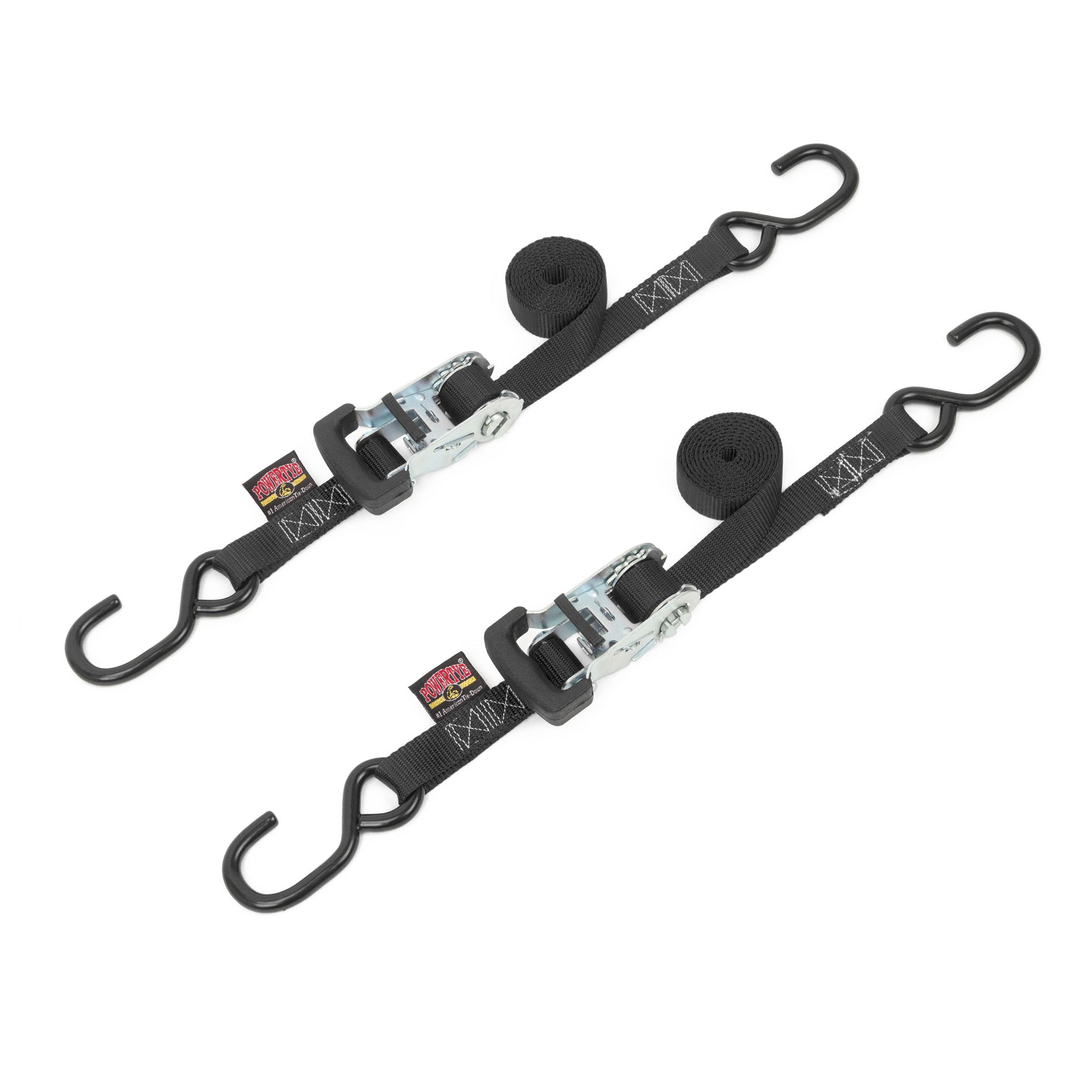
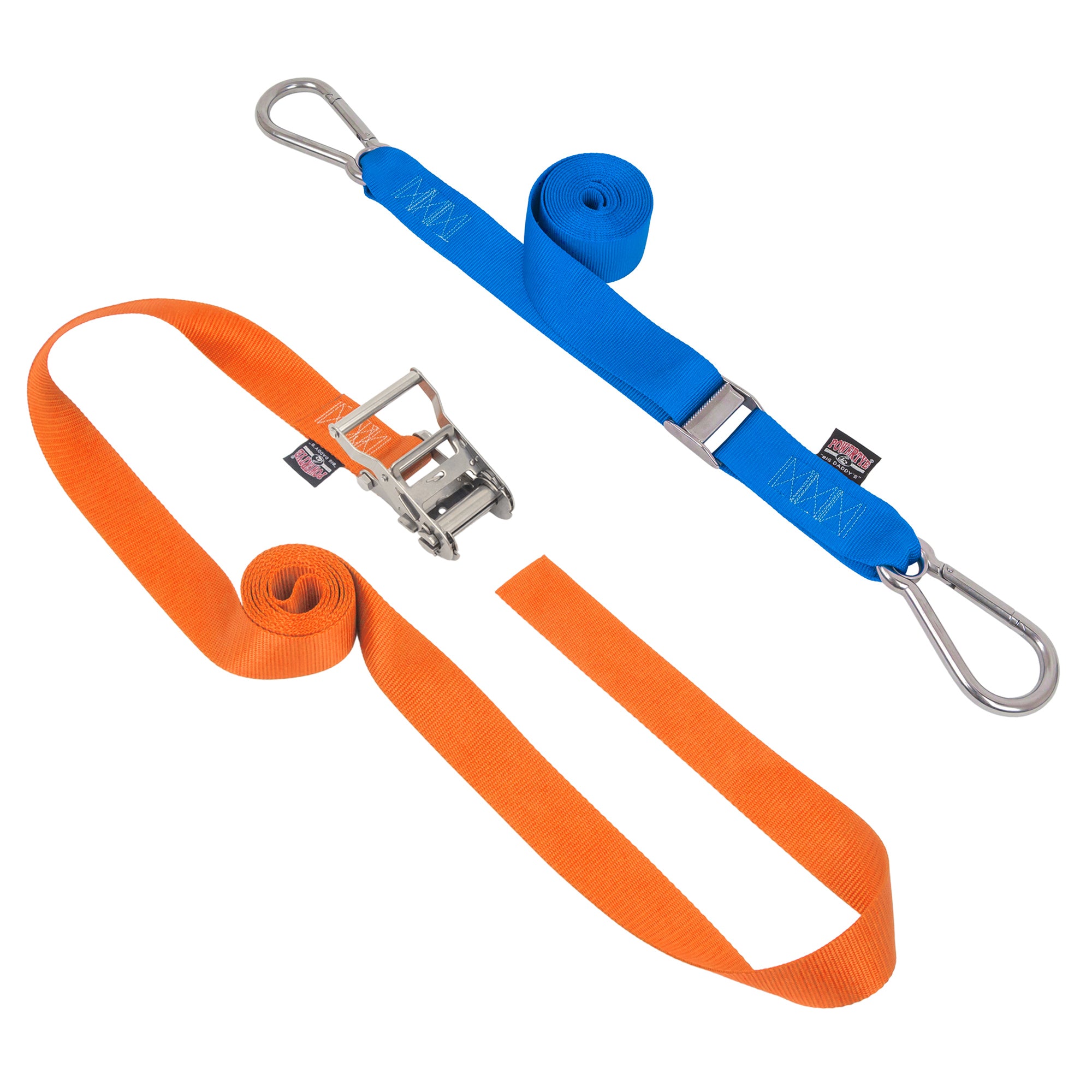
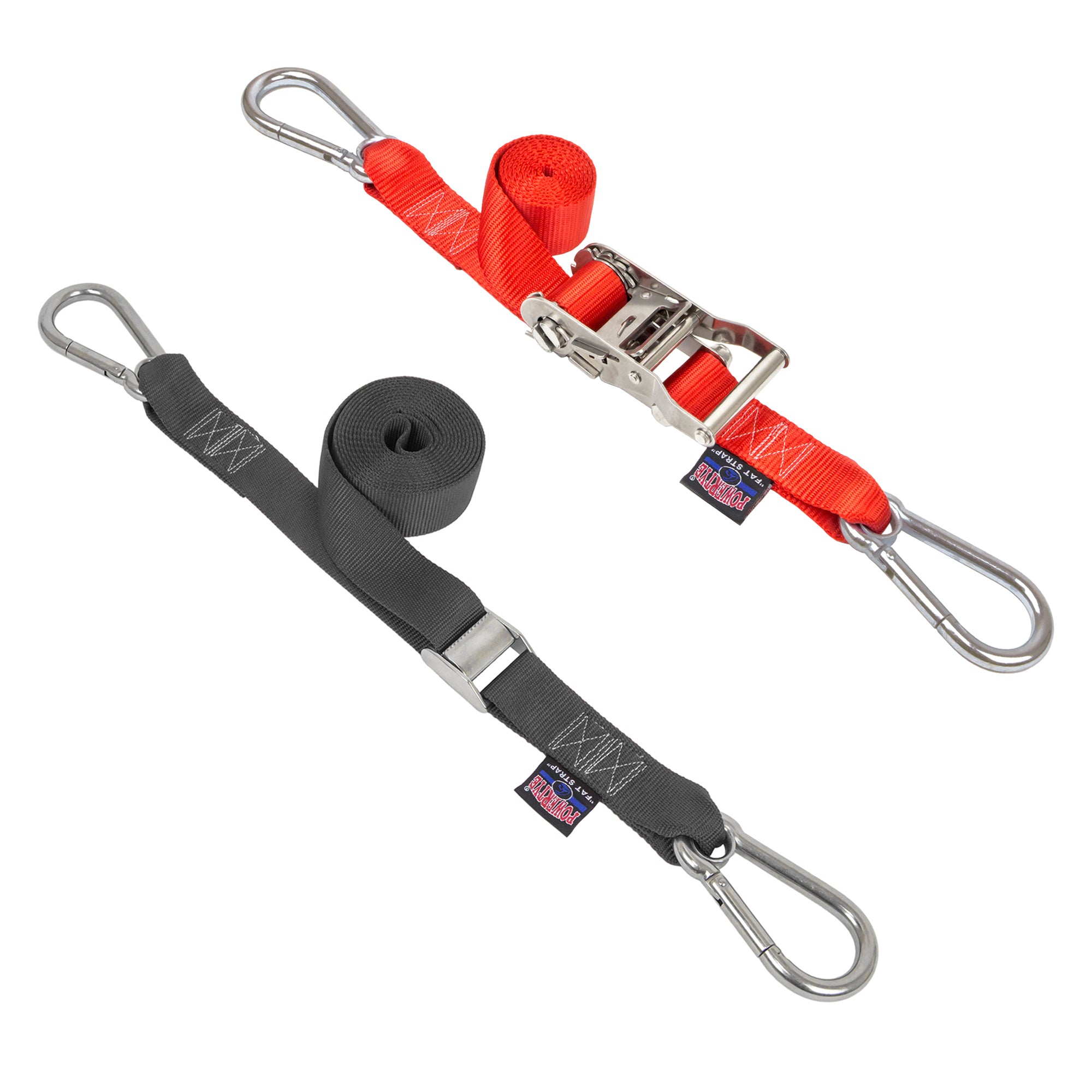
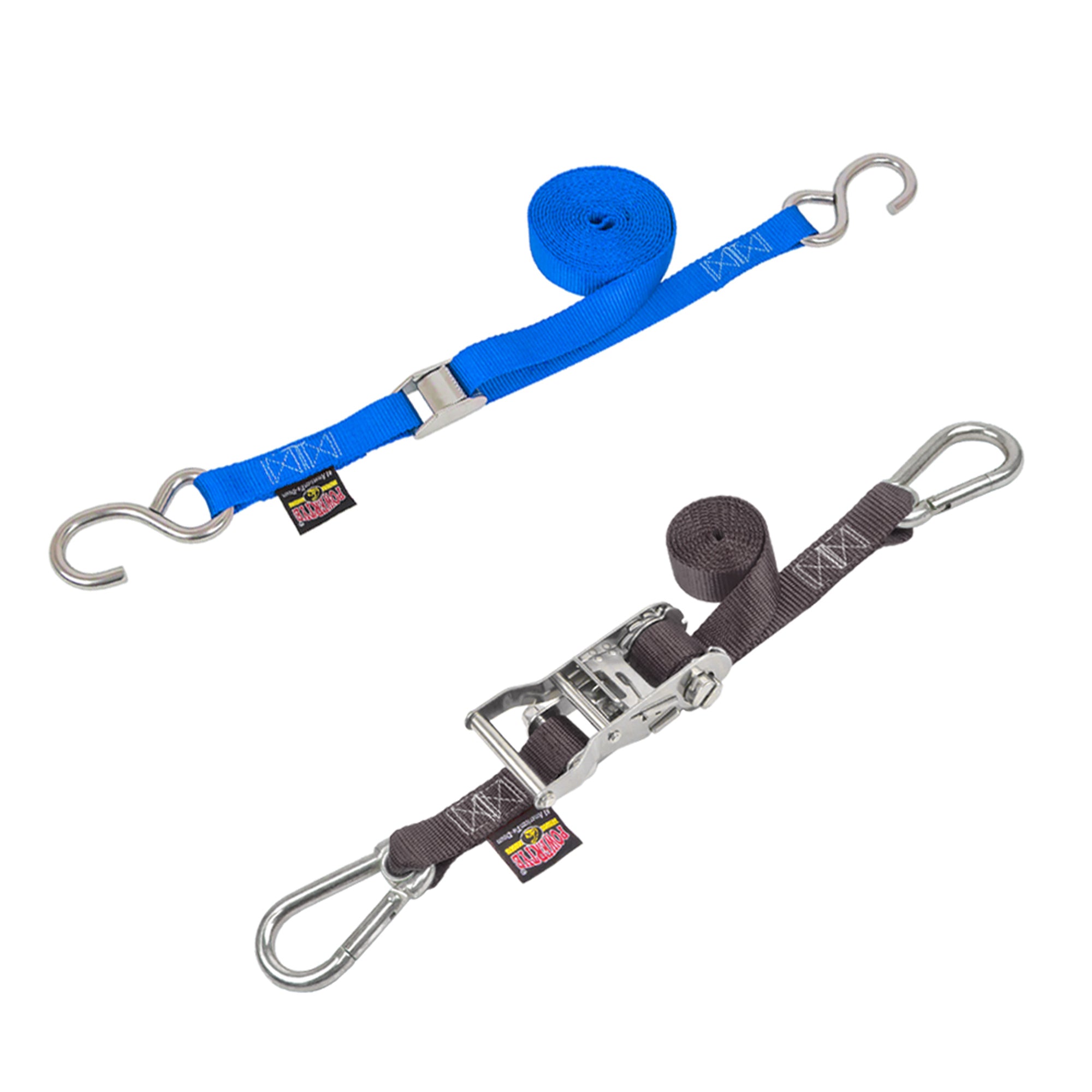
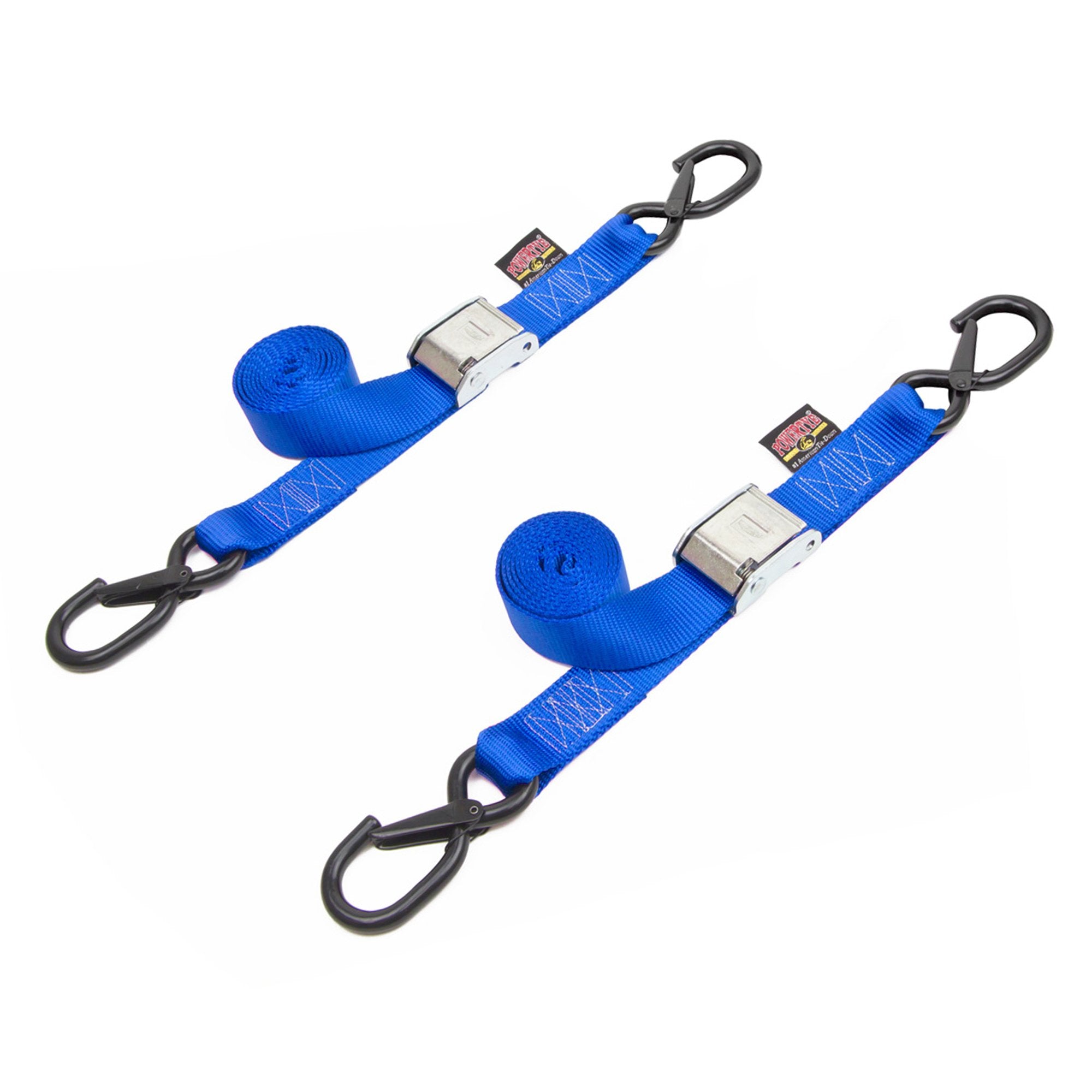
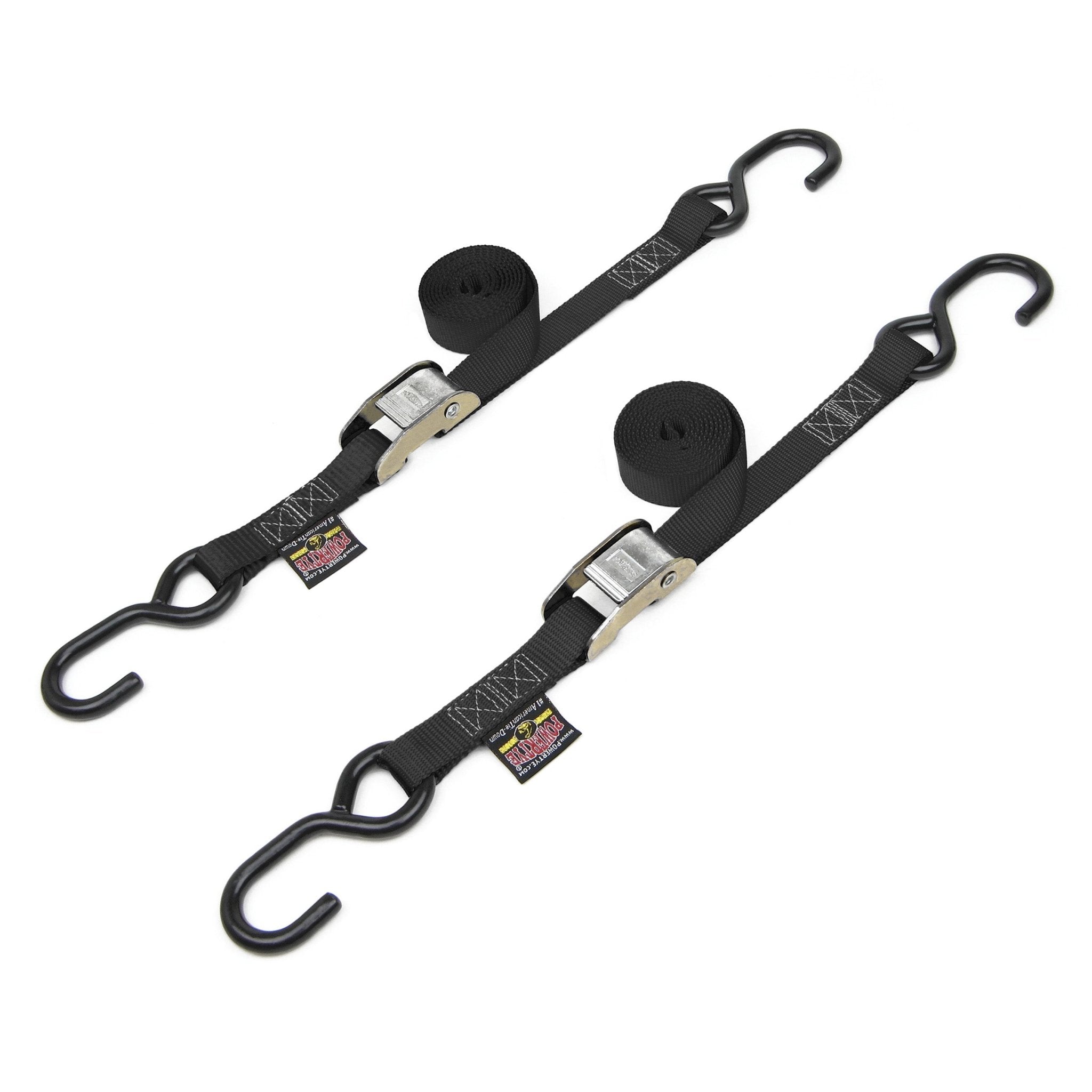
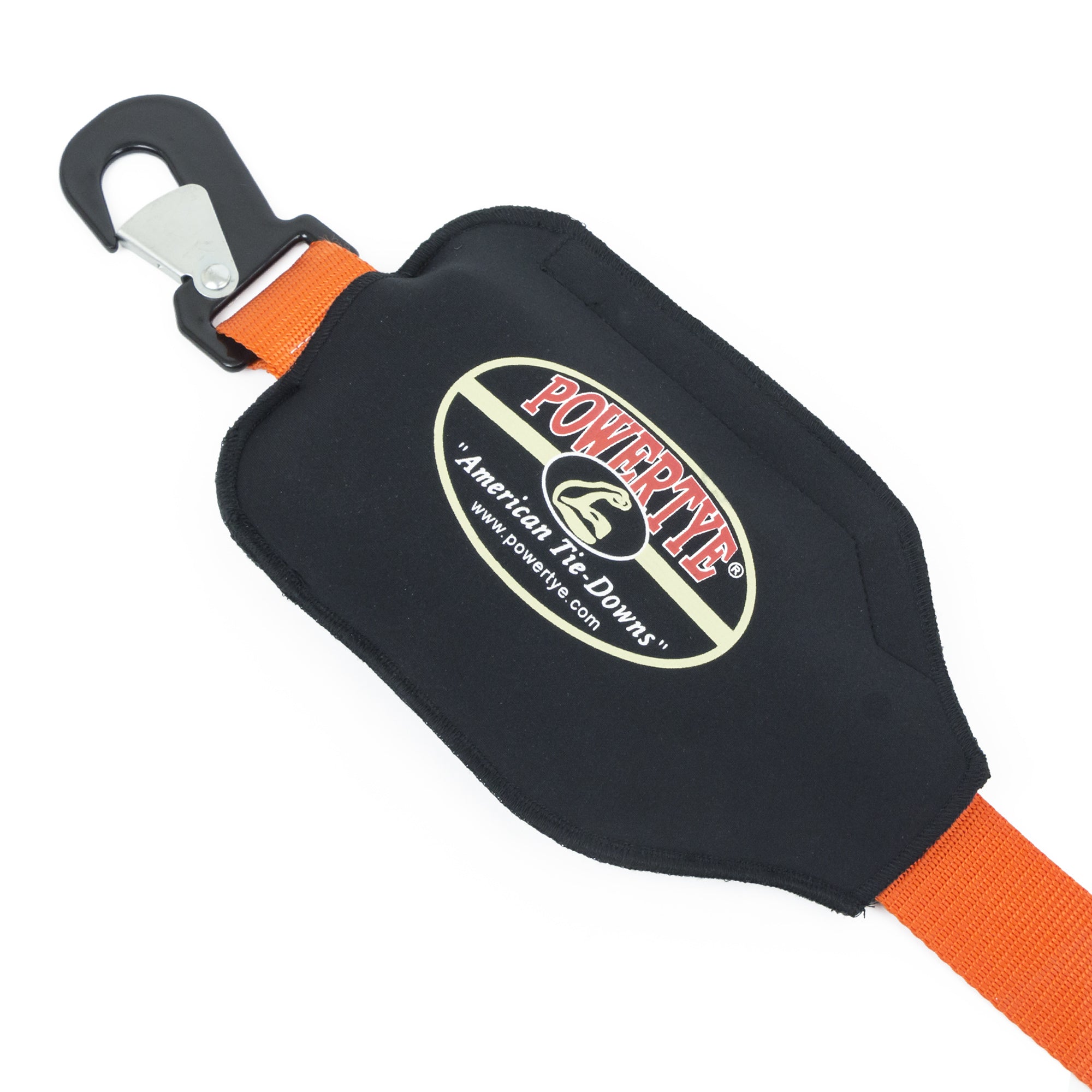
Their 1.5 inch and 2 inch ratchet straps provide serious tension control with durable webbing that can withstand repeated use. Riders who prefer quick strap application may choose PowerTye cam buckle straps for faster loading and unloading.
Soft ties are one of the most important accessories PowerTye sells. These loops protect the handlebars and triple clamp area. They connect securely to ratchet or cam straps and create clean strap angles.
For riders seeking a more advanced setup PowerTye’s TrackStar L Track system offers adjustable tie down flexibility. Installing L Track rails in your trailer creates endless anchor point possibilities for different bikes and loading situations.
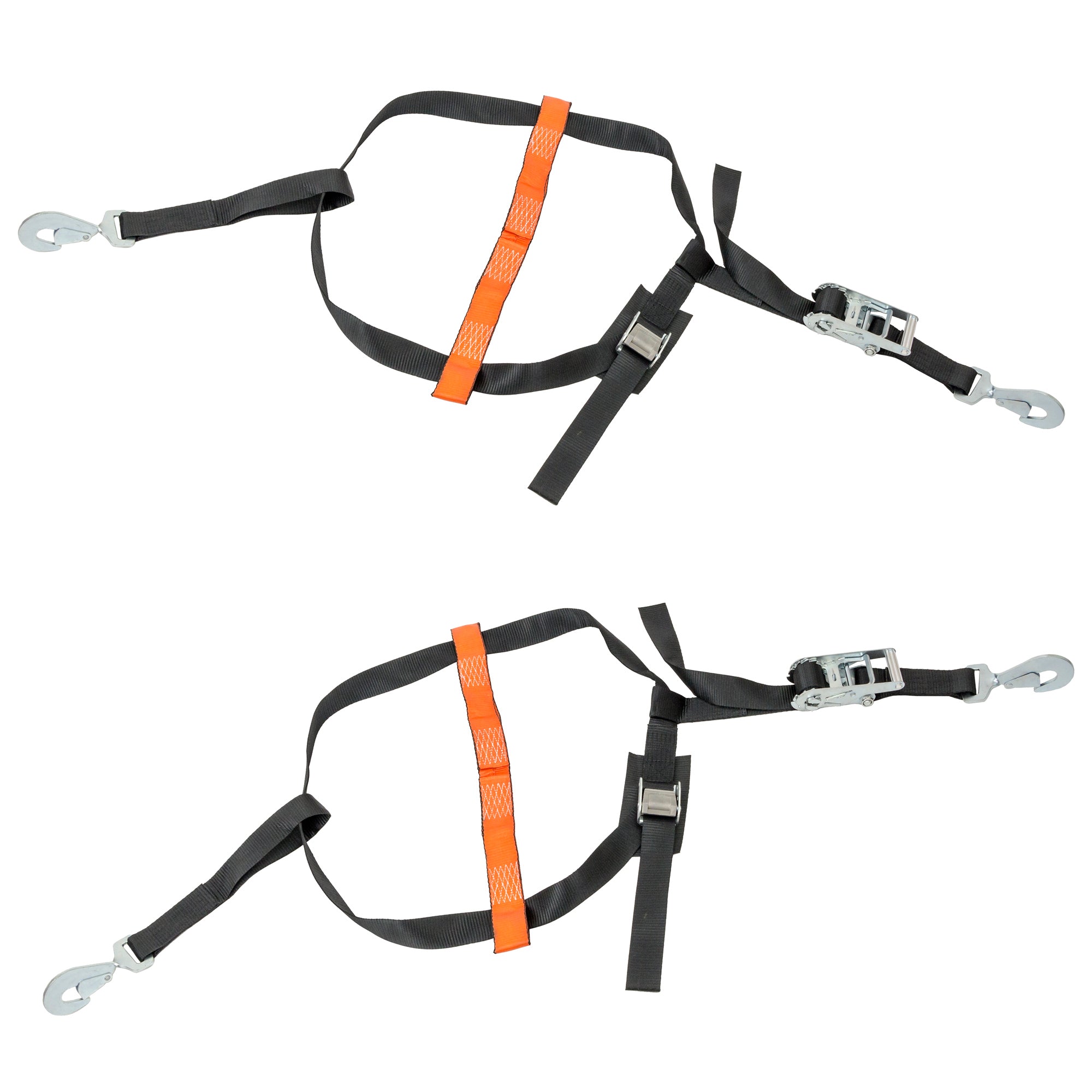
PowerTye also produces handlebar harness systems that distribute tension across both sides of the bar evenly. This is especially helpful for bikes with sensitive controls or limited tie down space.
Your strap selection should match your bike’s weight and the conditions you travel in. If you haul multiple bikes choose straps with higher working load limits. If you ride short distances on smooth roads cam straps may be sufficient. For long distance hauling ratchet straps provide the most dependable tension.

Maintenance and Care
Maintaining your straps ensures long term performance.
After each use inspect your straps for dirt, mud, and debris. Webbing lasts longest when kept clean. Mild soap and water work well.
Allow straps to dry completely before storing them. Storing damp straps leads to mildew and weakens fibers. Keep straps in a cool, dry place away from UV exposure.
Lubricate ratchet mechanisms occasionally with a light spray lubricant. Avoid grease that attracts dirt. Inspect metal hardware for signs of corrosion and replace any compromised parts.
Avoid tying knots in your straps. Knots weaken webbing significantly. Use proper ratchet tension instead.
If any strap becomes frayed, cut, burned, or heavily discolored replace it. PowerTye straps are affordable and replacing them is an easy way to guarantee continued safety.
FAQ: The Best Way to Strap Down a Dirt Bike
1. What is the best way to strap down a dirt bike?
Use soft ties on the handlebars or triple clamp, attach PowerTye straps to secure anchor points, compress the forks slightly, and tighten evenly.
2. Do I need a wheel chock?
It is not required but it adds stability and reduces strap tension needed to secure the bike.
3. Should I use ratchet straps or cam buckle straps?
Ratchet straps offer tighter, more controlled tension. Cam buckles are faster for short trips.
4. How tight should the straps be?
Tight enough to prevent movement but not enough to crush the forks.
5. Can I strap to the handlebars?
Yes, but use PowerTye soft ties to avoid scratches and improve strap angles.
6. Should I strap the rear of the bike?
Rear straps add stability for long trips or rough roads.
7. Can straps damage my dirt bike?
Only if over tightened or improperly routed. Using PowerTye soft ties prevents most damage.
8. How often should straps be replaced?
Replace them as soon as you see wear. With good maintenance PowerTye straps last years.
Conclusion and Call to Action
Learning the best way to strap down a dirt bike gives you confidence and protects your investment. A secure bike means a peaceful drive free from worry and distraction. PowerTye products are designed by riders who understand the demands of real world hauling. Their straps, soft ties, and mounting systems give you the tools you need to haul safely every time.
If you want the strongest and most dependable gear available choose PowerTye for your next hauling setup.
Shop PowerTye tie downs at www.powertye.com and secure your dirt bike with confidence.