



Best Way to Strap Motorcycle to Trailer: A Complete Guide for Safe, Damage-Free Transport
If you ride long enough, you will haul your motorcycle. Whether it is a track day, a weekend trip, a race, or a move across the state, knowing the best way to strap motorcycle to trailer is not optional. It is one of the most important skills a rider can have.
Motorcycles are tall, relatively narrow, and built with suspension that moves. That combination means poor tie-down technique can lead to shifting, fork seal damage, bent bars, scratched paint, or worse. The goal is not just to hold the bike down. The goal is to control movement in every direction while protecting the machine.
This guide breaks down exactly how to strap a motorcycle to a trailer the right way. You will learn how tie-down systems work, step-by-step setup instructions, common mistakes to avoid, safety tips for long-distance travel, how to choose the right PowerTye products, proper maintenance practices, and answers to the most common questions riders ask.
If you want to haul your bike confidently without damaging it, this is the method experienced riders trust.
Why Proper Motorcycle Strapping Matters
Motorcycles are not like ATVs or UTVs. They balance on two wheels and rely heavily on suspension geometry. During transport, forces from braking, acceleration, wind, and road bumps all try to tip, slide, or shift the bike.
Improper strapping can cause:
-
Fork seal damage from over-compression
-
Bent handlebars
-
Scratched paint from metal hooks
-
Bikes tipping in trailers
-
Straps loosening mid-trip
The best way to strap motorcycle to trailer focuses on stability, correct angles, controlled tension, and redundancy.
How Motorcycle Tie-Down Systems Work
A proper tie-down setup controls three types of movement:
-
Forward and backward movement
-
Side-to-side movement
-
Vertical bounce
A correct system uses opposing strap angles to stabilize the bike. Instead of just pulling straight down, straps pull forward and outward, creating balanced tension.
When done correctly:
-
The bike remains upright
-
Suspension absorbs road vibration
-
Straps stay tight over long distances
-
The trailer moves with the bike, not against it
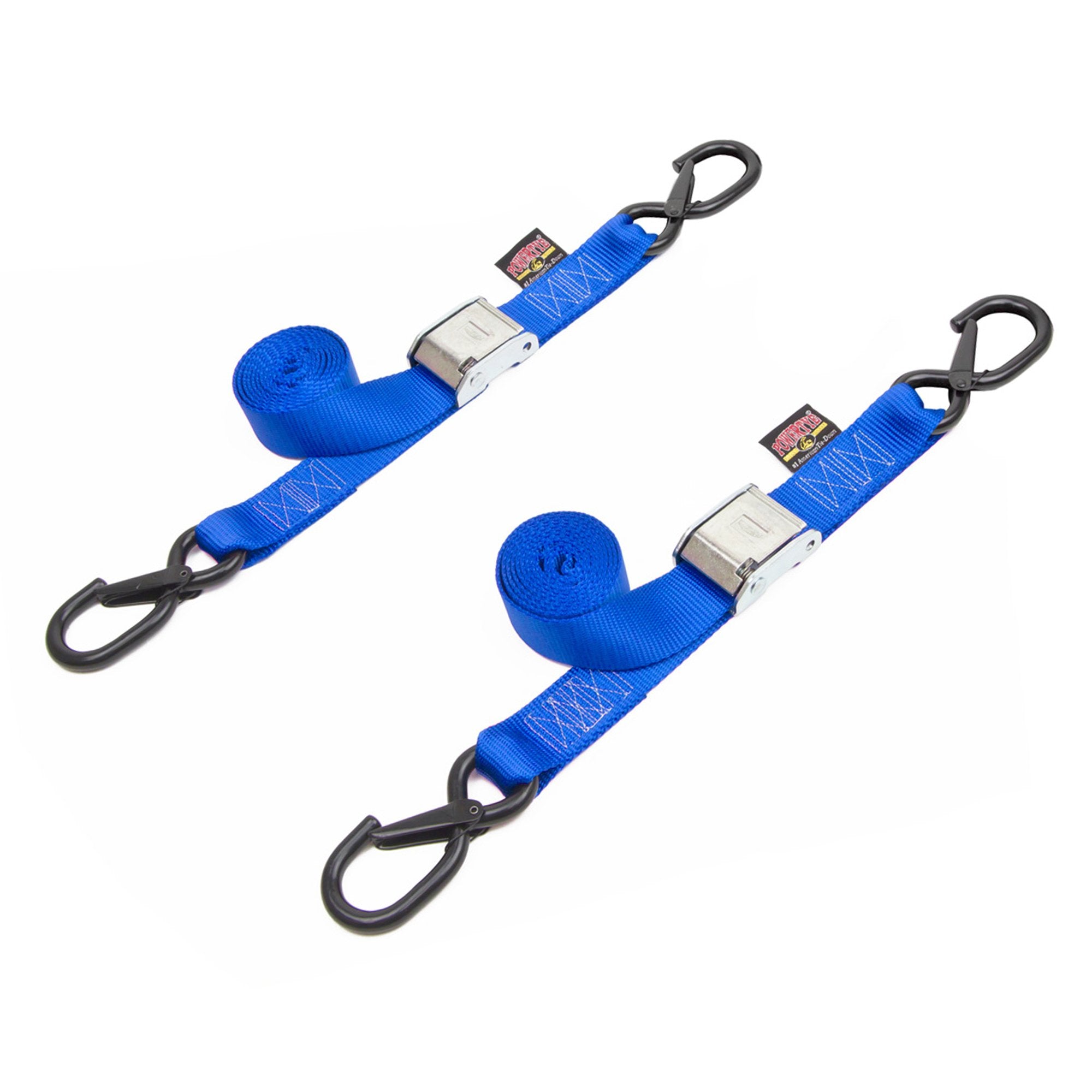
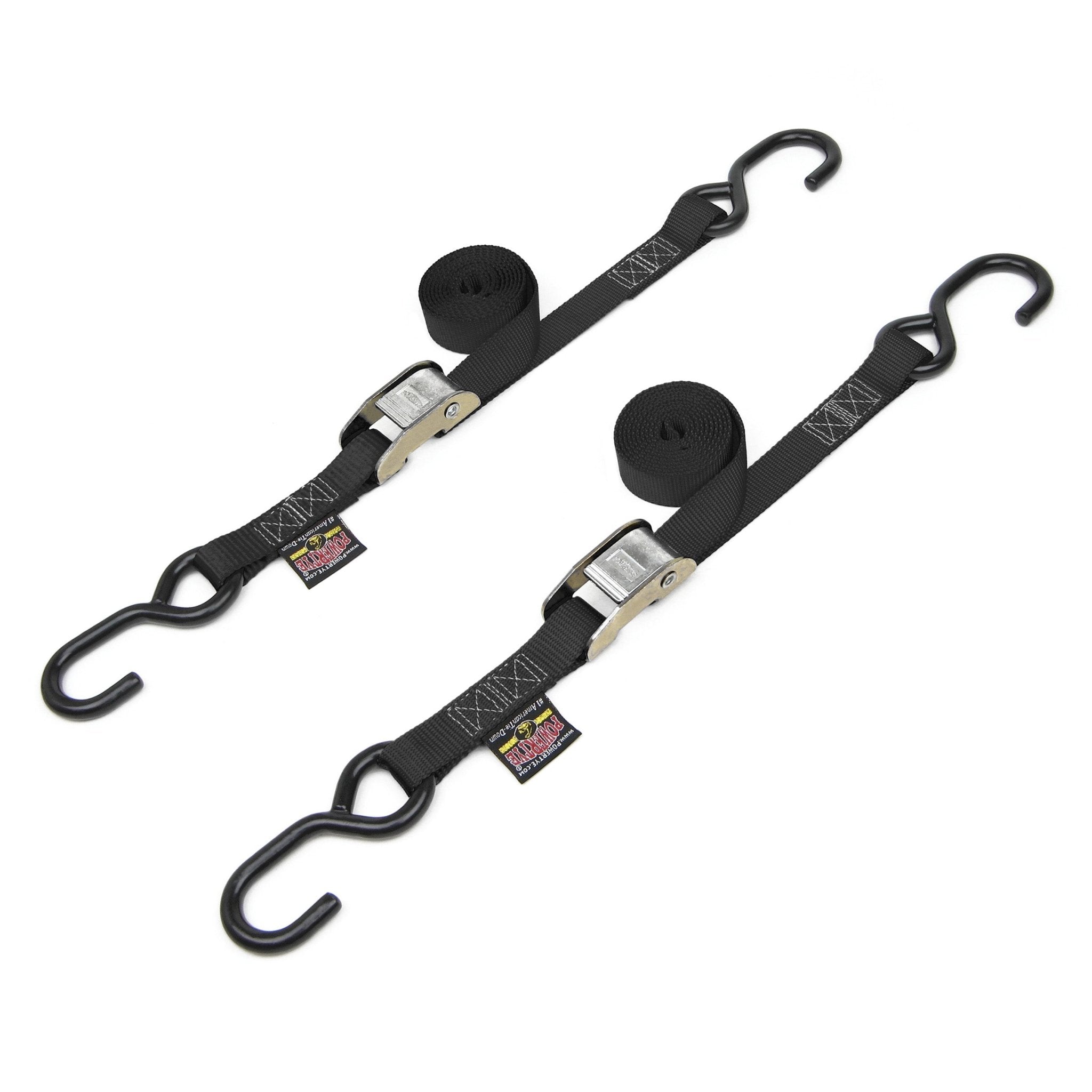
High-quality ratchet tie-down straps from PowerTye are designed to hold consistent tension under real-world transport forces.
Equipment You Need
To strap a motorcycle properly, you need the right gear.
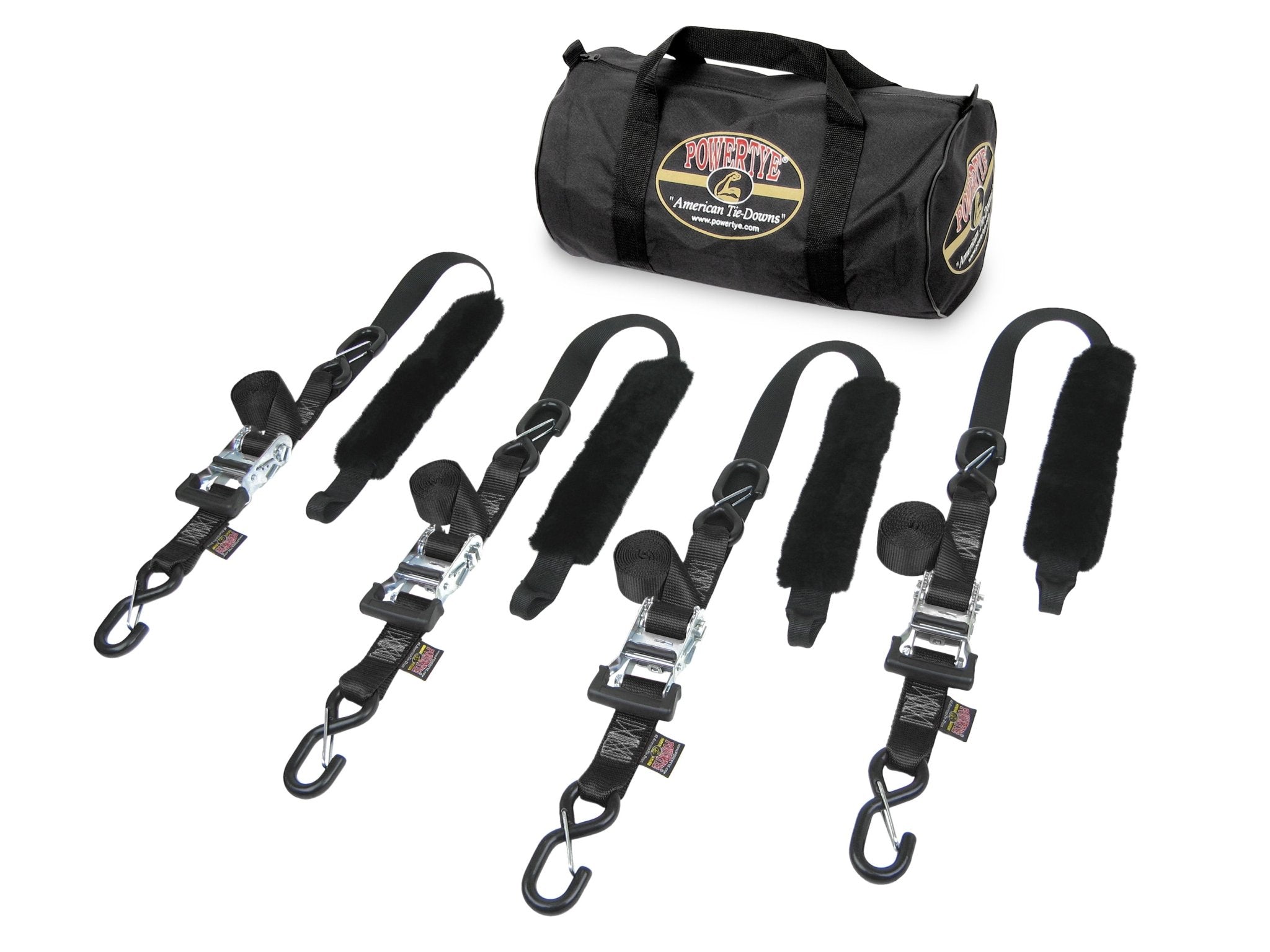
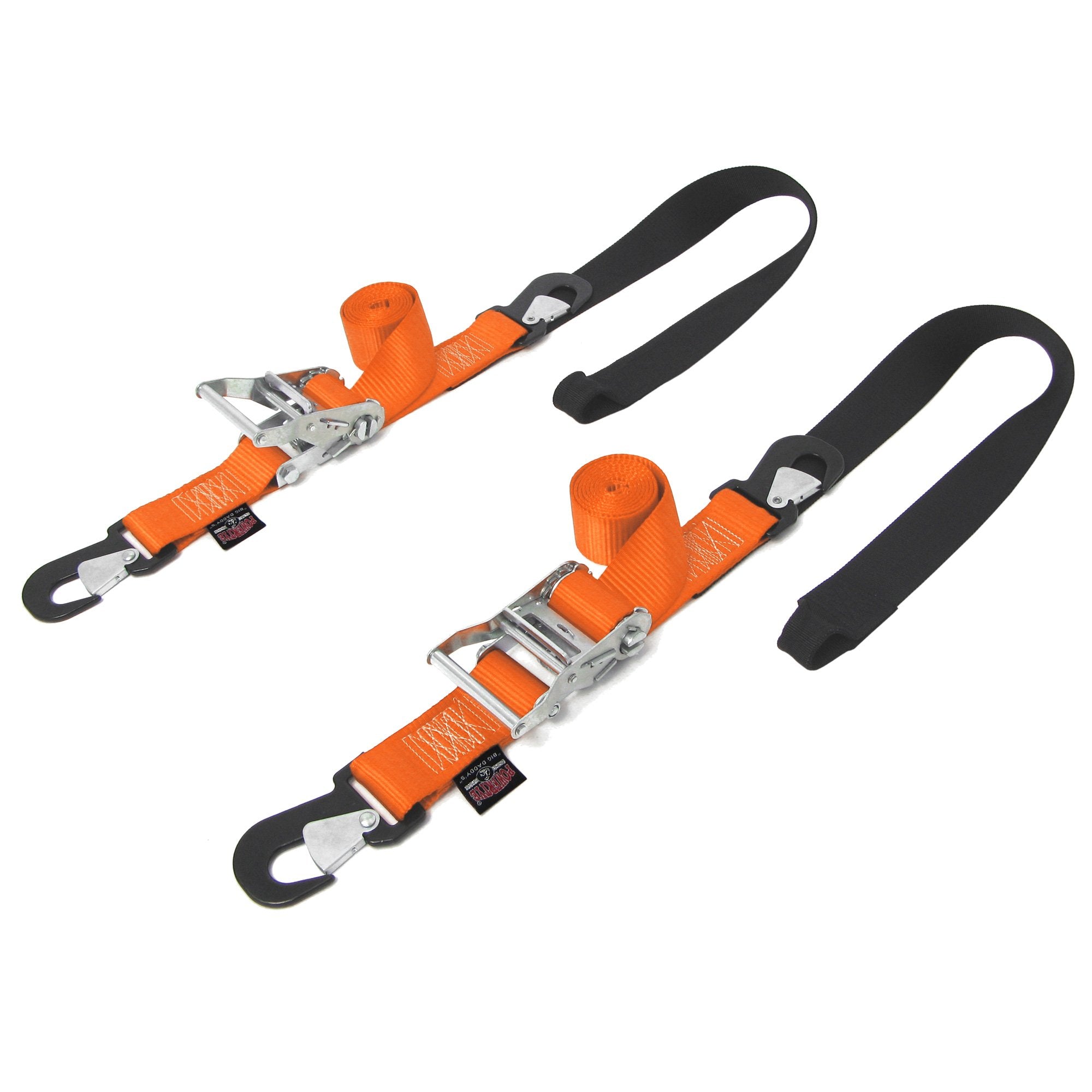
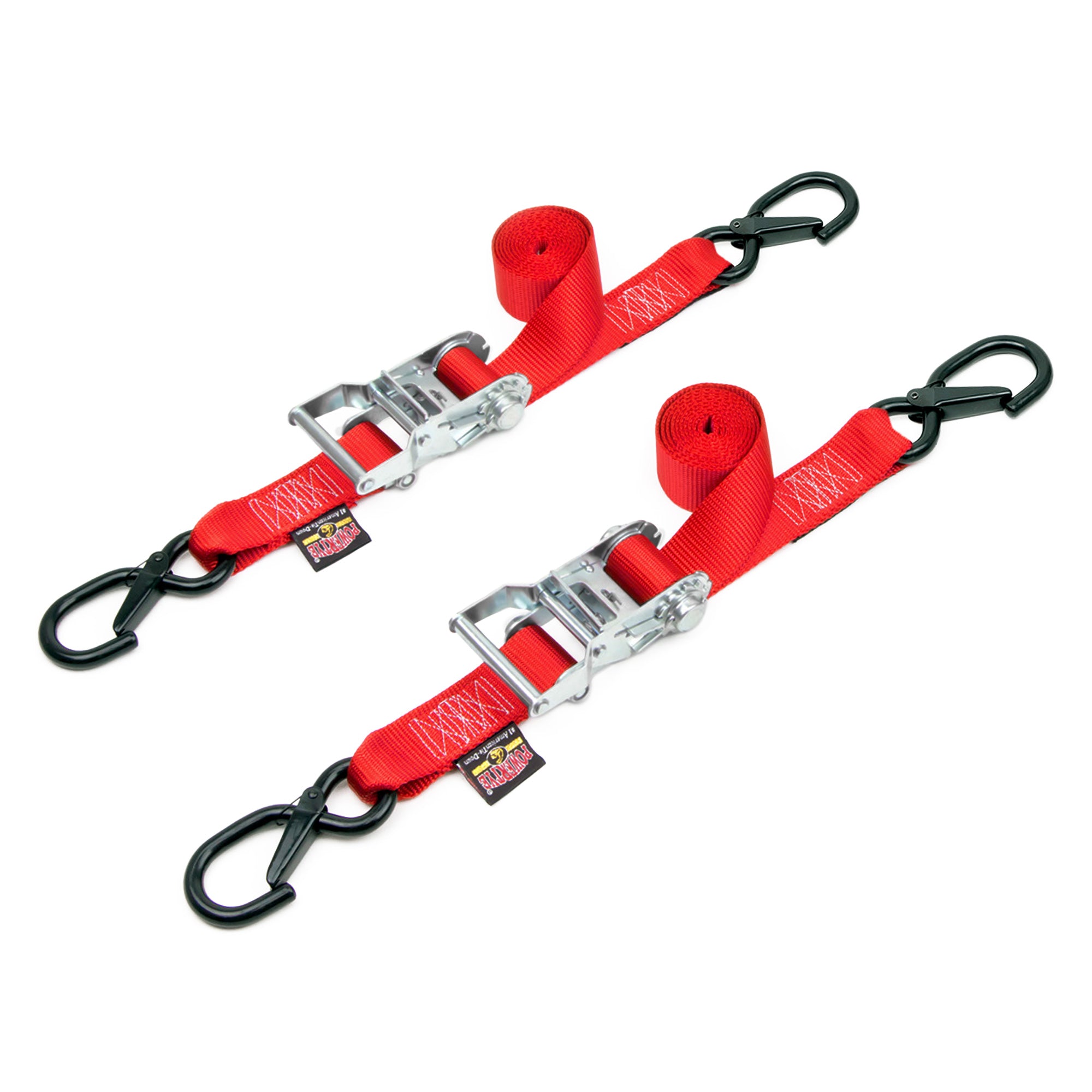
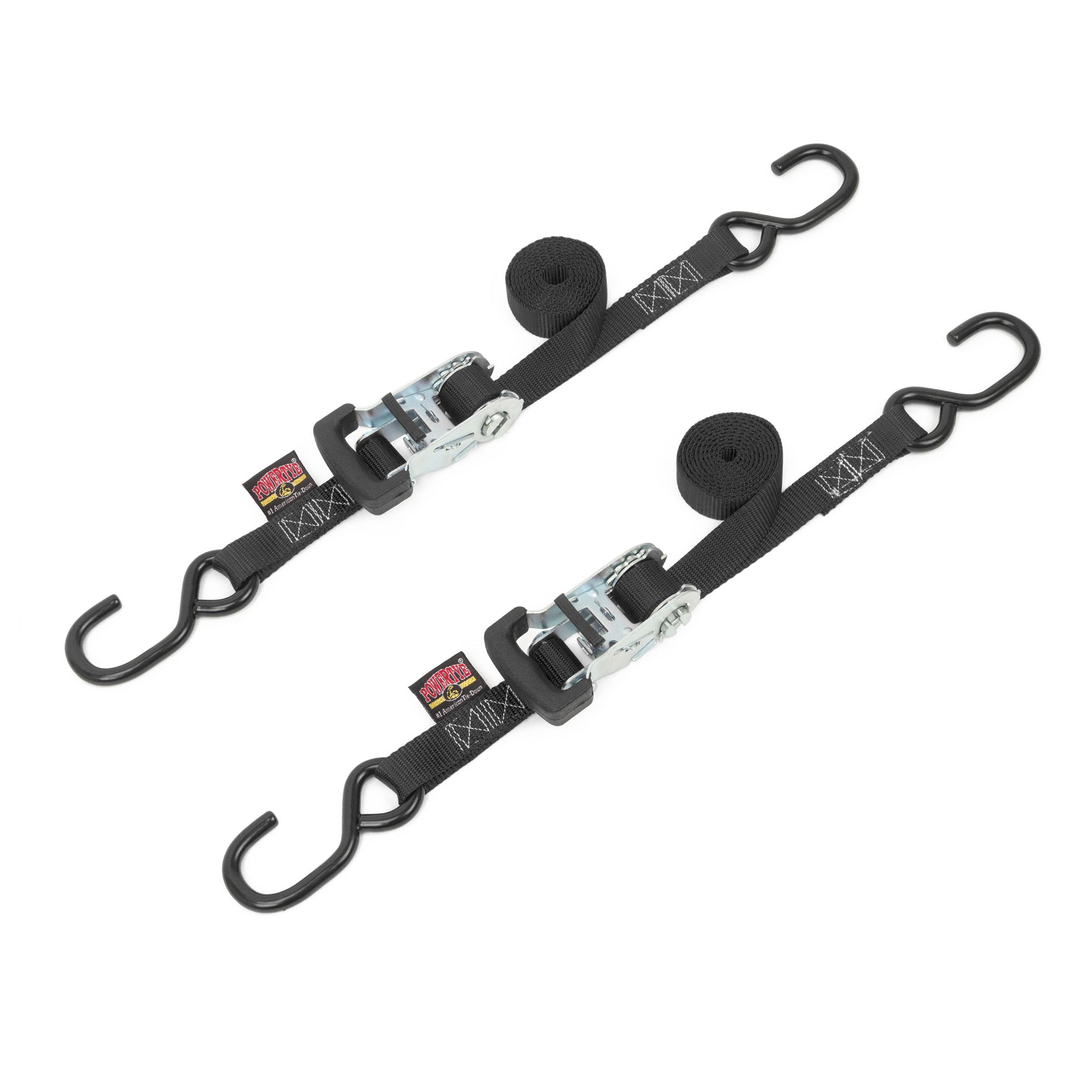
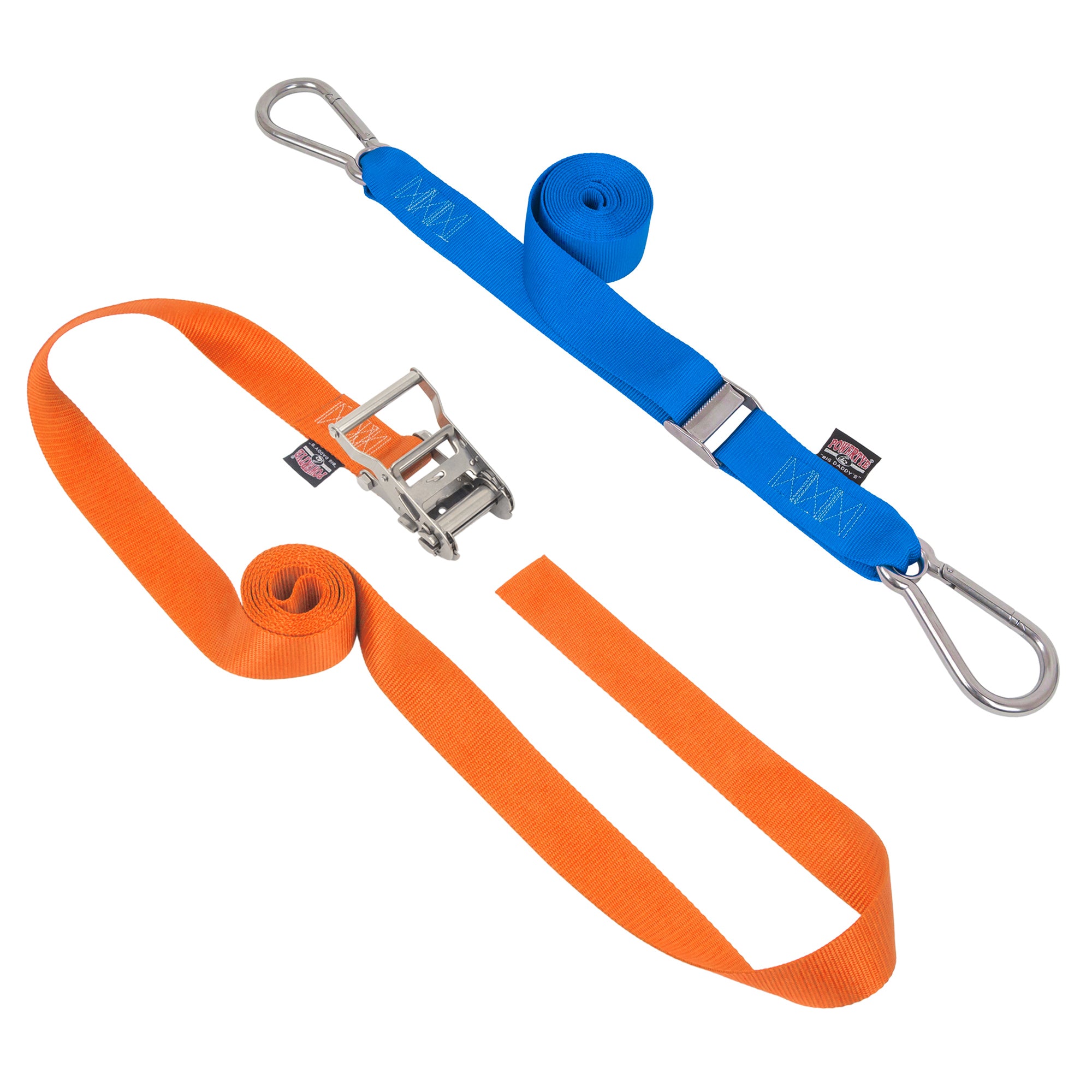
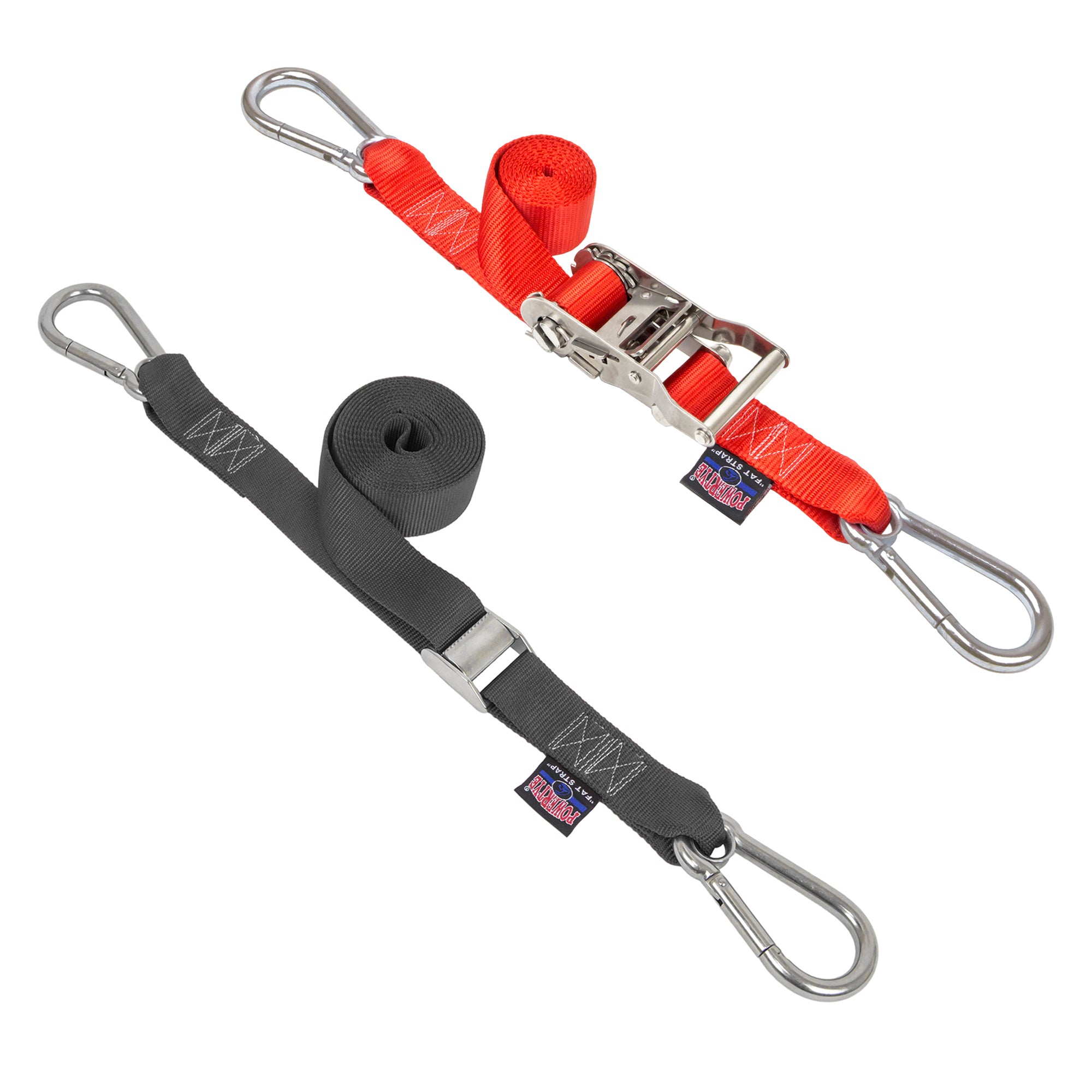
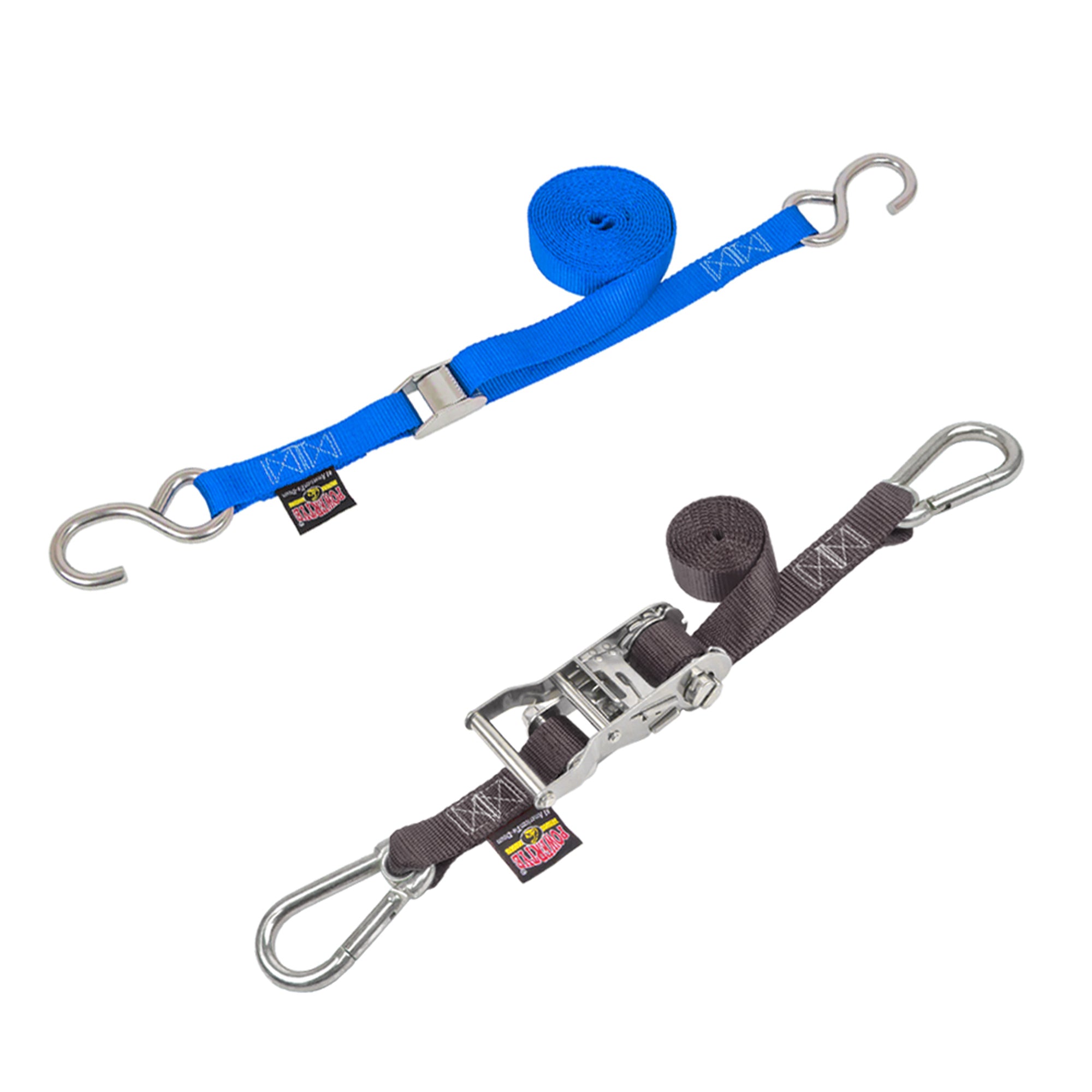
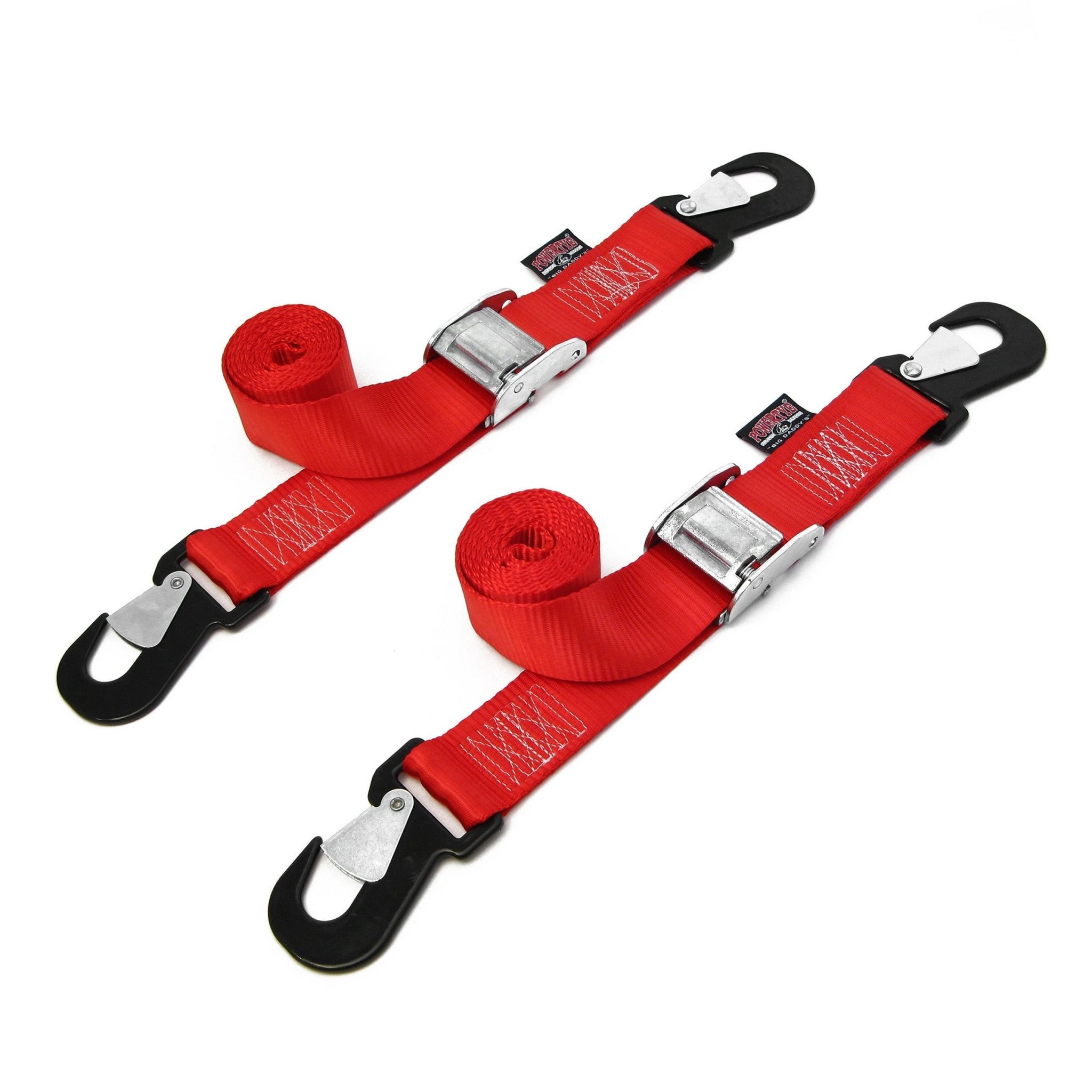
Ratchet Tie-Down Straps
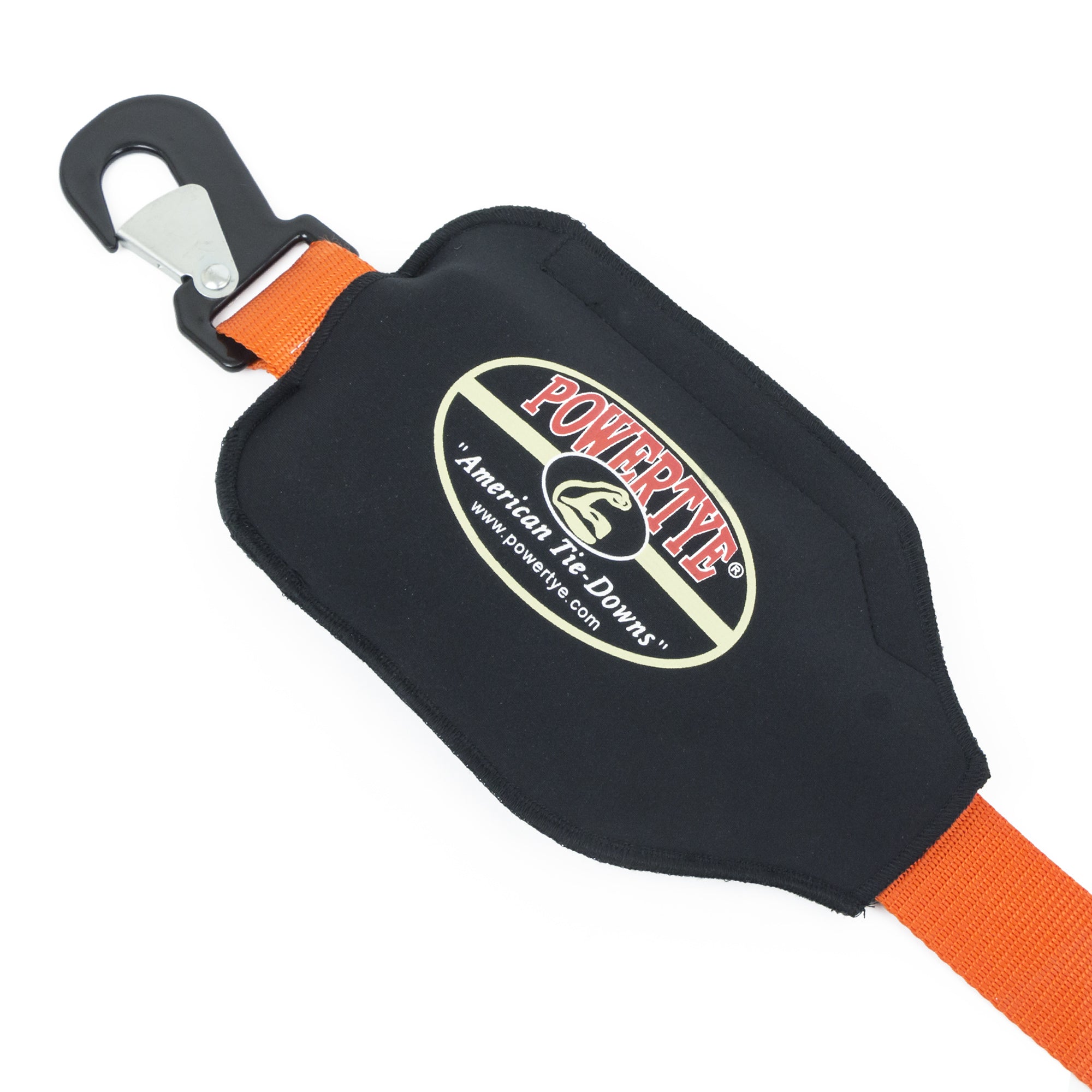
Ratchet straps provide controlled tension and do not loosen under vibration. They are preferred for primary restraint.
Soft Ties
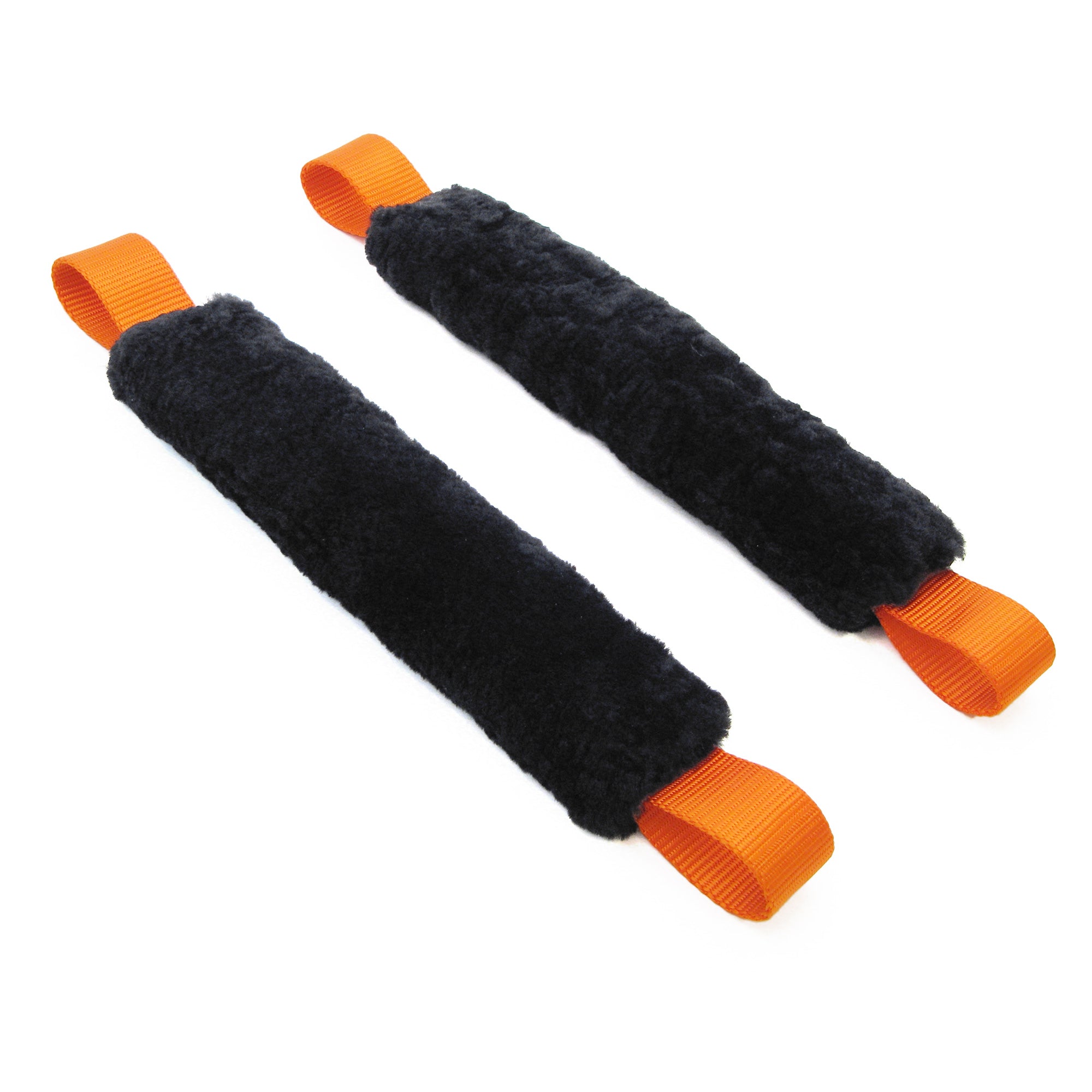
Soft ties wrap around handlebars or triple clamp areas and protect paint and finishes from metal hook contact.
Optional Wheel Chock
While not mandatory, a wheel chock improves front-end stability and makes loading easier.
Using proper equipment is the foundation of the best way to strap motorcycle to trailer.
Step by Step: Best Way to Strap Motorcycle to Trailer
Step 1: Position the Motorcycle Correctly
Load the bike:
-
Centered on the trailer
-
Front wheel straight
-
In a wheel chock if available
Make sure weight distribution keeps proper tongue weight on the trailer.
A properly positioned bike requires less strap tension and stays more stable.
Step 2: Identify Strong Attachment Points
The safest front attachment points are:
-
Handlebars near the clamps
-
Lower triple clamp area
Never strap to:
-
Plastic fairings
-
Mirrors
-
Brake lines or cables
Soft ties should be used to create safe anchor loops around the handlebars or triple clamp.
Step 3: Secure the Front First
Attach two ratchet straps to the front:
-
One pulling forward and slightly left
-
One pulling forward and slightly right
Tighten evenly until:
-
The bike stands upright
-
The forks compress slightly
-
The bike feels stable
You do not need to bottom out the suspension. Controlled compression is enough.
Step 4: Add Rear Stabilization
Rear straps prevent lateral movement and reduce stress on the front tie-downs.
Attach one or two straps:
-
From the rear frame or passenger peg brackets
-
Pulling backward and outward
Rear straps should stabilize, not crush suspension.
Step 5: Lock Ratchets and Secure Excess Strap Length
Close ratchets fully so they lock in place. Tie off loose strap ends to prevent wind flapping and premature wear.
Step 6: Perform a Stability Check
Push the bike gently. The trailer should move with it. The bike should not rock independently.
Recheck strap tension after driving 5 to 10 miles.
How Tight Should Motorcycle Straps Be
One of the biggest mistakes riders make is overtightening.
The best way to strap motorcycle to trailer requires:
-
Slight fork compression
-
Enough tension to prevent movement
-
No full bottoming of suspension
Over-compressing forks can damage seals and create strap loosening as suspension rebounds.
Controlled tension is more effective than extreme force.
Common Mistakes to Avoid
Overtightening the Front Suspension
Fully compressing forks:
-
Stresses seals
-
Can loosen straps over time
-
Adds unnecessary wear
Using Only Two Straps
Two straps might hold the bike upright, but four-point restraint provides proper redundancy and stability.
Poor Strap Angles
Straps pulling straight down do little to prevent forward movement. Always pull forward and outward.
Skipping Soft Ties
Metal hooks directly on handlebars can scratch finishes and damage components.
Attaching to Weak Points
Never strap to plastic, fairings, or delicate components.
Safety Tips for Long-Distance Motorcycle Transport
-
Inspect straps before every trip
-
Recheck tension after the first few miles
-
Check straps at every fuel stop
-
Keep straps away from sharp edges
-
Avoid contact with hot exhaust components
Even the best setup needs regular checks during long trips.
Choosing the Right PowerTye Straps
PowerTye offers high-quality tie-down solutions built for real-world hauling.
Ratchet Tie-Down Straps
These are ideal for:
-
Primary front restraint
-
Long-distance travel
-
Highway transport
They provide reliable tension and durability.
Soft Ties
Soft ties are essential for:
-
Protecting handlebars
-
Creating safe attachment points
-
Preventing metal-to-metal contact
They are inexpensive insurance against cosmetic damage.
Endless Ratchet Options
For certain setups, endless ratchet straps can be used for wheel restraint or specialized applications.
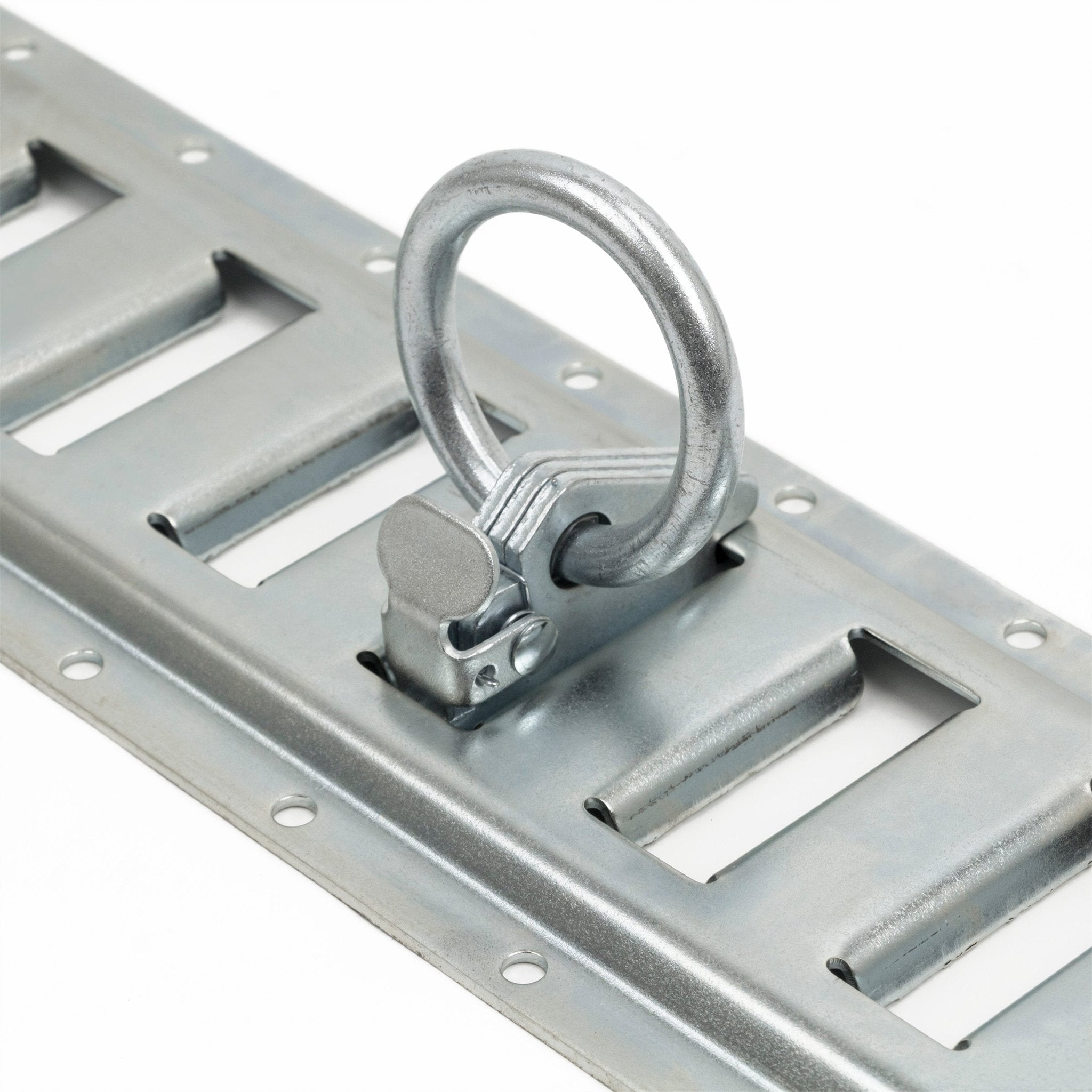
Tie Down Track Compatibility
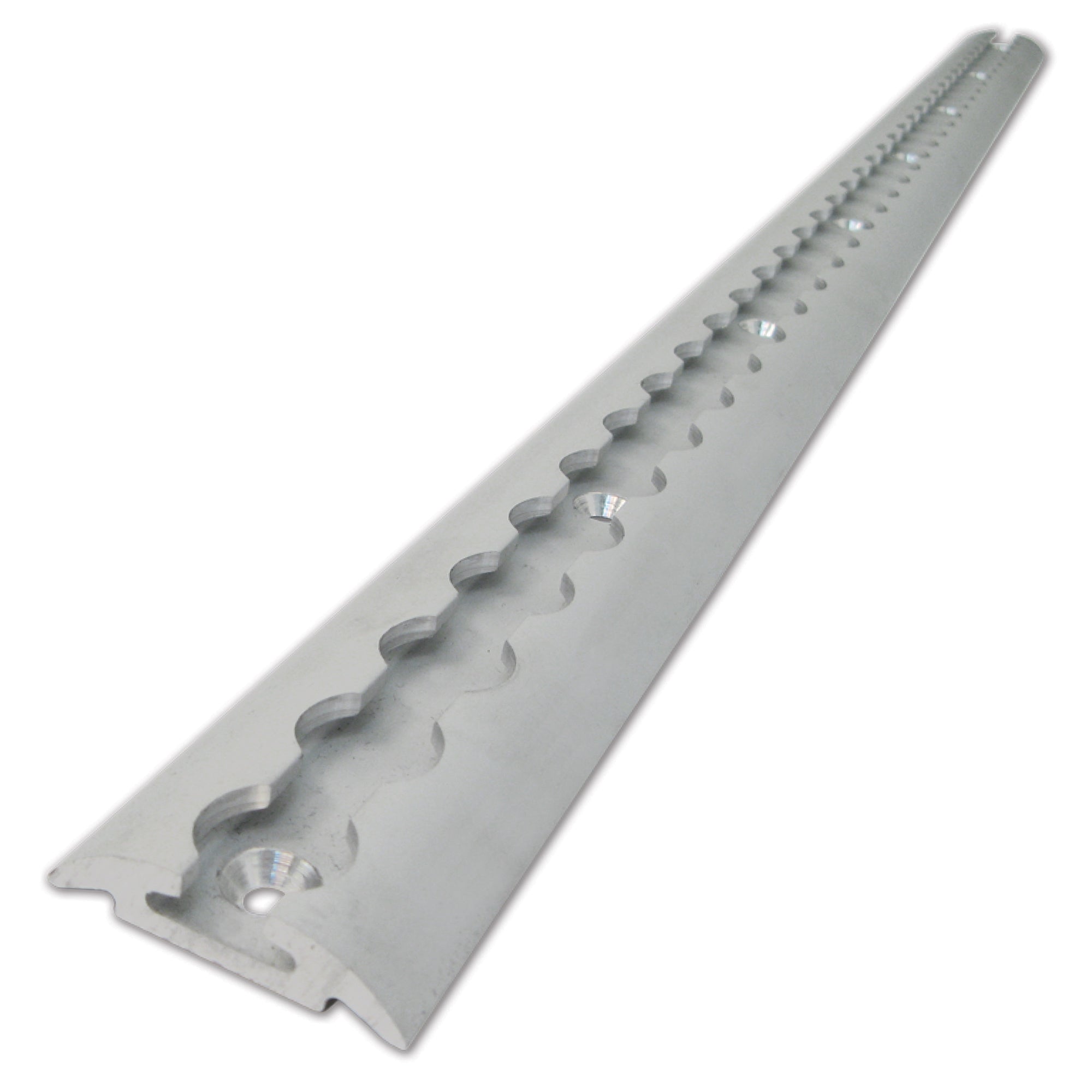
If your trailer has cargo trailer tie down track, PowerTye ratchet straps and fittings allow flexible anchor placement for perfect strap angles.
Open Trailer vs Enclosed Trailer Considerations
Open Trailers
Wind and road debris increase stress. Make sure:
-
Straps are fully locked
-
Excess webbing is secured
-
All angles are correct
Enclosed Trailers
Even inside enclosed trailers:
-
Use four-point restraint
-
Do not rely on walls for support
-
Check strap tension regularly
How Many Straps Do You Need
For most motorcycles:
-
Two front straps
-
One or two rear straps
Four straps total provide the safest and most stable setup.
Maintenance and Care for Motorcycle Tie-Down Straps
Cleaning
Wash straps with mild soap and water. Rinse thoroughly and air dry completely.
Inspection
Before each use, inspect for:
-
Frayed webbing
-
Loose stitching
-
Bent hooks
-
Ratchets that slip or bind
Replace damaged straps immediately.
Storage
Store straps in a dry area out of direct sunlight. UV exposure weakens webbing over time.
Why Quality Straps Make a Difference
Cheap straps often:
-
Stretch under load
-
Loosen during vibration
-
Fail unexpectedly
High-quality ratchet tie-down straps from PowerTye:
-
Maintain tension
-
Resist abrasion
-
Last longer under repeated use
When you consider the value of your motorcycle, investing in quality tie-downs is an easy decision.

FAQ: Best Way to Strap Motorcycle to Trailer
How many straps should I use to strap a motorcycle
Four straps provide the safest and most stable setup.
Should I compress the forks all the way
No. Slight compression is sufficient. Do not bottom out the suspension.
Can I strap a motorcycle without a wheel chock
Yes, but a wheel chock improves stability and makes loading easier.
Is it better to strap to the handlebars or triple clamp
Both can work. Always use soft ties and avoid delicate components.
How often should I check straps during travel
After the first few miles and at every fuel stop.
Can I use cam buckle straps instead of ratchet straps
Ratchet straps are preferred for primary restraint, especially for highway travel.
What is the biggest mistake riders make
Overtightening the front suspension and using poor strap angles.
Strap It Right, Ride With Confidence
Knowing the best way to strap motorcycle to trailer protects your bike, your trailer, and everyone on the road. It is not about cranking straps as tight as possible. It is about proper angles, controlled tension, redundancy, and quality equipment.
PowerTye ratchet tie-down straps and soft ties are trusted by riders who haul regularly and expect consistent performance. Built for durability and real-world conditions, they give you the confidence to load up and focus on the ride ahead.
Shop PowerTye tie-down straps today and secure your motorcycle the right way, every time you haul.