



Best Way to Strap a UTV to a Trailer: A Proven Guide for Safe, Secure Hauling
If you own a UTV, you already know it is not a lightweight toy. Side by sides are heavy, tall, and built to handle rough terrain, which means they can generate serious force when being hauled down the highway. Strapping one down incorrectly is one of the fastest ways to damage your machine or create a dangerous situation on the road. That is why experienced riders focus on learning the best way to strap a UTV to a trailer, not just any way that seems good enough.
In this guide, you will learn exactly how to strap a UTV to a trailer using proven techniques riders trust every weekend. We will cover how proper tie-down systems work, step by step strapping instructions, common mistakes to avoid, essential safety tips, how to choose the right PowerTye products, and how to care for your straps so they last. If you haul a UTV, this is information you cannot afford to skip.
Why Properly Strapping a UTV Matters
UTVs weigh anywhere from 1,000 to over 2,500 pounds depending on size and setup. Add accessories like roofs, windshields, spare tires, and gear, and you are hauling a serious load. During transport, your trailer and tie-downs must handle braking forces, bumps, wind resistance, and sudden lane changes.
Improper strapping can lead to:
-
The UTV shifting or tipping on the trailer
-
Bent suspension or steering components
-
Damaged frames or accessories
-
Trailer instability and loss of control
Using the best way to strap a UTV to a trailer is not about over-tightening. It is about controlling movement in all directions with the right equipment and technique.
How UTV Tie-Down Systems Work
A proper UTV tie-down setup prevents movement forward, backward, and side to side while keeping the machine planted vertically on the trailer. This is accomplished by using multiple straps positioned at correct angles and attached to solid anchor points.
Effective tie-down systems work by:
-
Pulling the UTV down and inward toward the trailer
-
Using opposing strap angles to prevent shifting
-
Maintaining consistent tension under vibration
PowerTye tie-downs are designed for powersports transport, making them ideal for UTV hauling where strength and reliability matter.
Choosing the Right Trailer Setup Before Strapping
Before you ever touch a strap, the trailer setup matters.
Use a Trailer Rated for UTV Weight
Make sure your trailer:
-
Is rated for the full weight of your UTV
-
Has a wide enough deck for proper tire placement
-
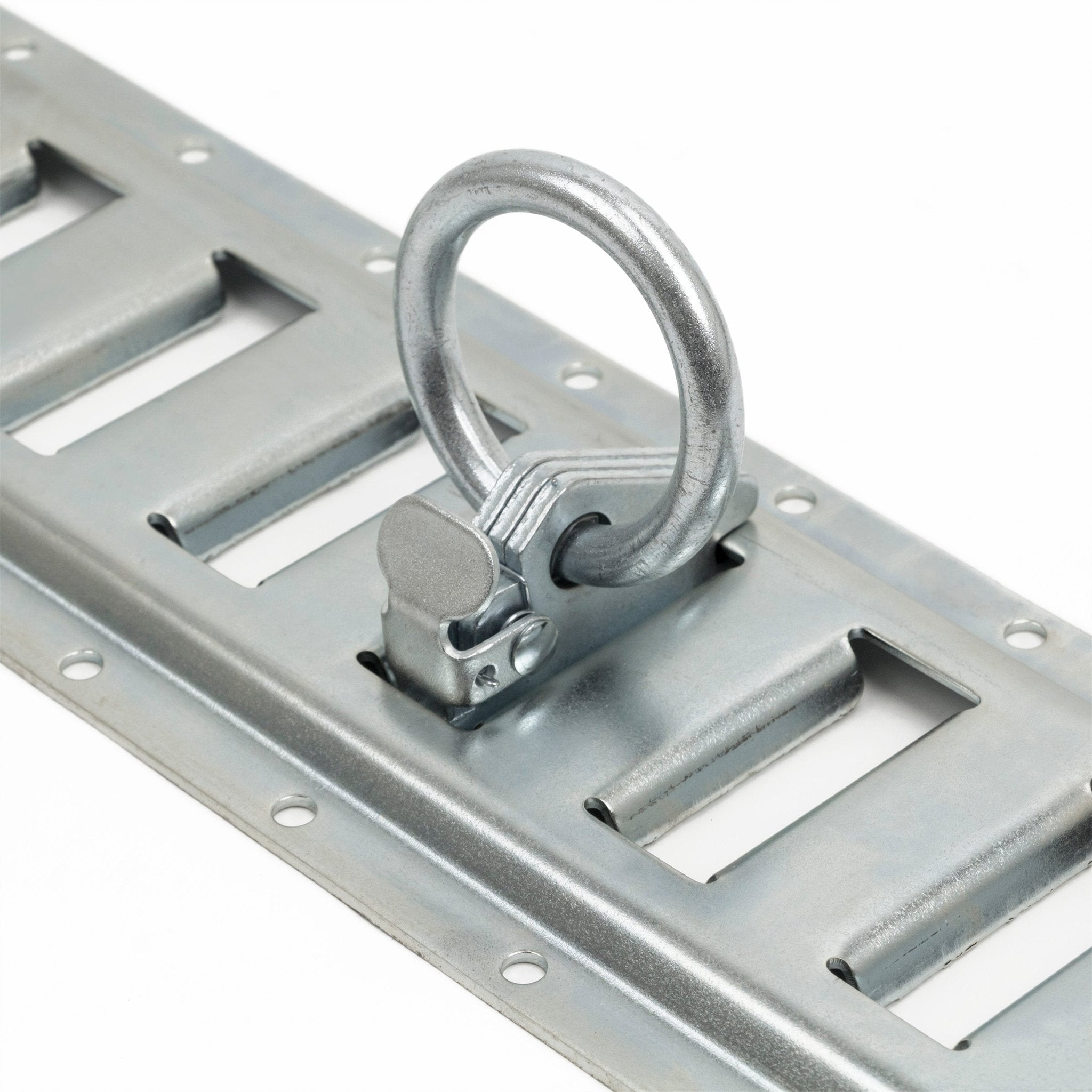
Includes solid D rings or tie-down points
No strap can compensate for an undersized or poorly built trailer.
Center the UTV on the Trailer
Position the UTV:
-
Centered left to right
-
With proper tongue weight on the hitch
-
With tires straight and aligned
Proper positioning reduces the amount of tension needed to secure the load.
Best Way to Strap a UTV to a Trailer: Step by Step
Step 1: Inspect Your Tie-Down Equipment
Before loading:
-
Check straps for fraying or cuts
-
Inspect stitching and hooks
-
Make sure ratchets operate smoothly
Never use worn or damaged straps on a UTV.
Step 2: Load the UTV Slowly and Straight
Drive or winch the UTV onto the trailer:
-
Keep wheels straight
-
Stop once the UTV is properly centered
-
Set the parking brake
Turn the engine off and remove the key.
Step 3: Identify Proper Attachment Points on the UTV
The safest places to strap a UTV are:
-
The lower A arms
-
Factory-designated tie-down points
Avoid strapping to:
-
Roofs or cages
-
Suspension springs
-
Steering components
-
Plastic panels
Lower attachment points reduce leverage and keep the UTV planted.
Step 4: Attach the Front Straps First
Use two ratchet straps at the front:
-
One from the front left of the UTV to the trailer
-
One from the front right of the UTV to the trailer
Each strap should pull forward and outward. This prevents forward movement and side to side shifting.
Tighten until the suspension compresses slightly. Do not bottom it out.
Step 5: Secure the Rear of the UTV
Use two additional straps at the rear:
-
Attach to rear A arms or designated points
-
Pull backward and outward
Rear straps prevent the UTV from sliding forward during braking and stabilize lateral movement.
Step 6: Balance Tension Evenly
Tighten straps evenly on all four corners. The UTV should sit square on the trailer with similar suspension compression at each corner.
Uneven tension can cause the machine to lean or shift during transport.
Step 7: Secure Excess Strap Material
Tie off or secure loose strap ends so they cannot flap in the wind. Flapping webbing can wear out straps quickly.
Step 8: Perform a Shake Test
Push the UTV side to side. The trailer should move with it. If the UTV moves independently, adjust strap tension.
How Many Straps Should You Use on a UTV?
The best way to strap a UTV to a trailer uses a minimum of four straps.
-
Two straps at the front
-
Two straps at the rear
For larger UTVs or long-distance hauling, additional straps can be added for redundancy, but four properly placed straps are the standard.
Common Mistakes When Strapping a UTV
Overtightening the Suspension
Cranking straps down too hard can:
-
Damage shocks
-
Stress bushings
-
Bend suspension components
Compress the suspension slightly, not completely.
Strapping Too High on the Vehicle
High attachment points increase leverage and allow more movement. Always strap low on the UTV.
Using Inadequate Straps
Light duty or hardware store straps are not designed for UTV weight. Always use powersports-rated tie-downs.
Relying on One or Two Straps
This is one of the most dangerous mistakes. Redundancy is critical when hauling heavy equipment.
Ignoring Strap Angles
Straps that pull straight down do little to prevent forward or backward movement. Angle matters.
Safety Tips for Hauling a UTV on a Trailer
-
Recheck straps after the first 5 to 10 miles
-
Inspect straps at every fuel or rest stop
-
Avoid sharp edges that can cut webbing
-
Keep straps away from hot exhaust components
-
Replace straps that show UV or abrasion damage
Treat UTV hauling with the same seriousness as hauling any heavy machinery.
Product Selection Guidance: PowerTye Only
PowerTye offers several products that work exceptionally well for UTV transport. Only products actually sold by PowerTye should be used.
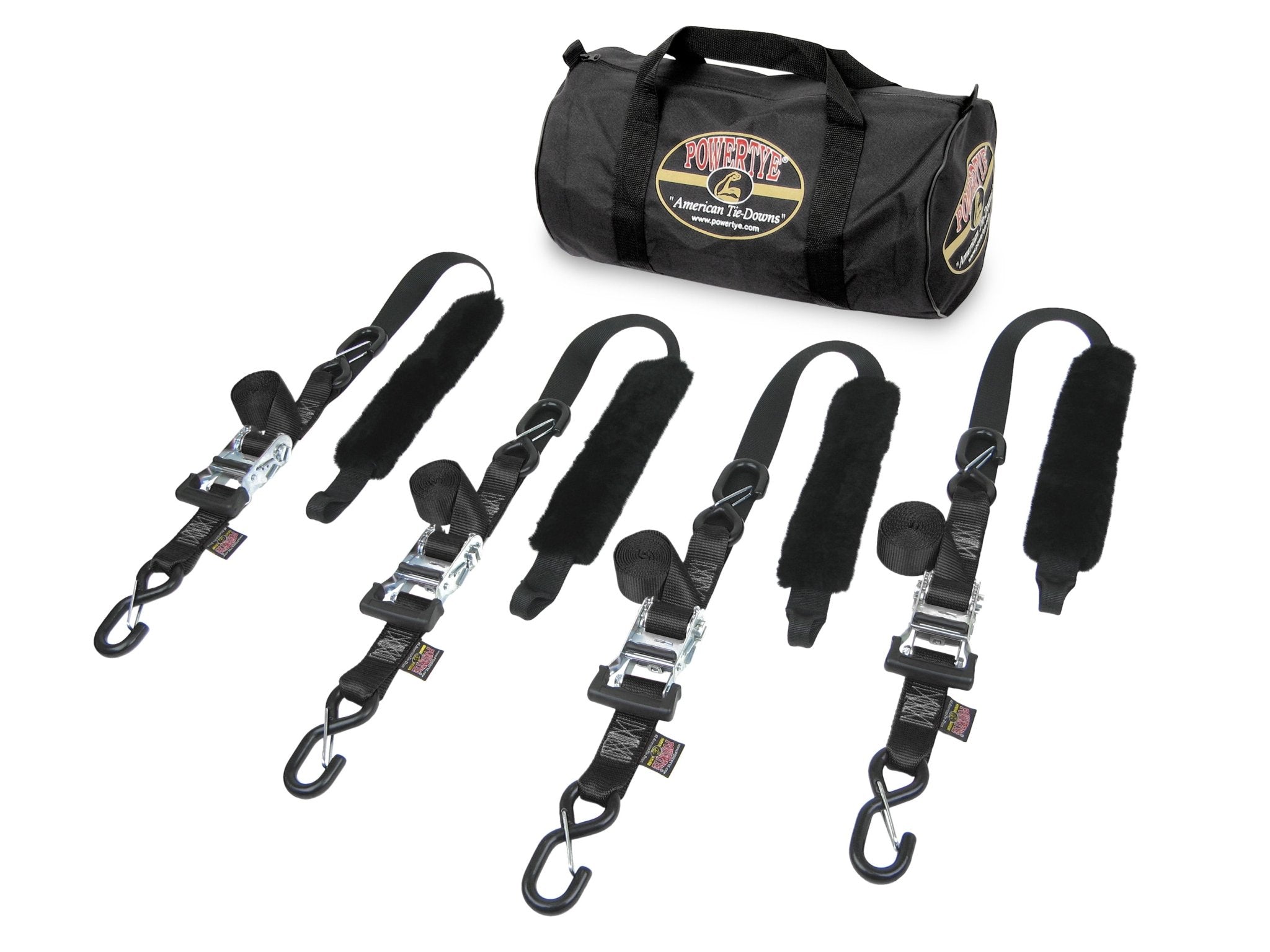
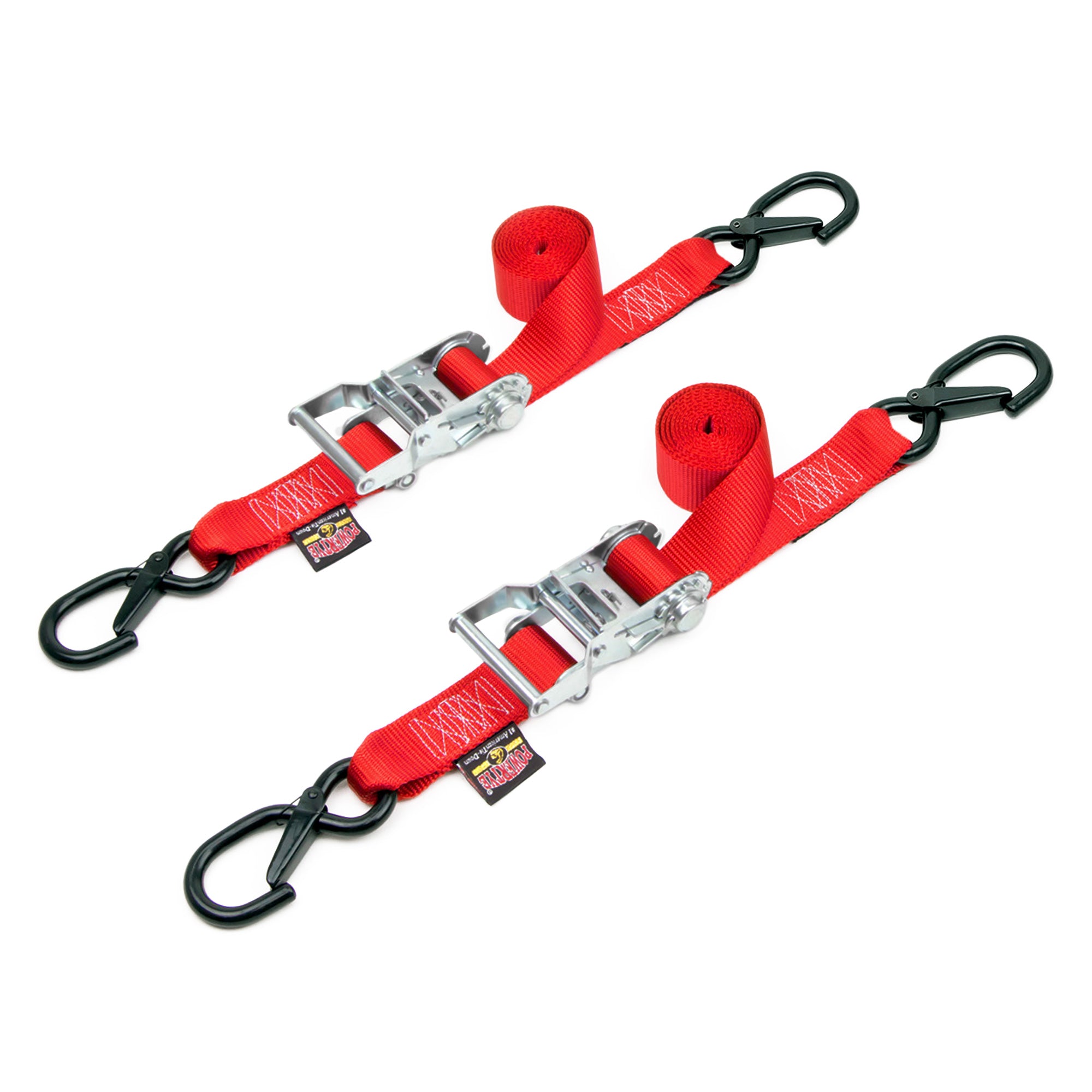
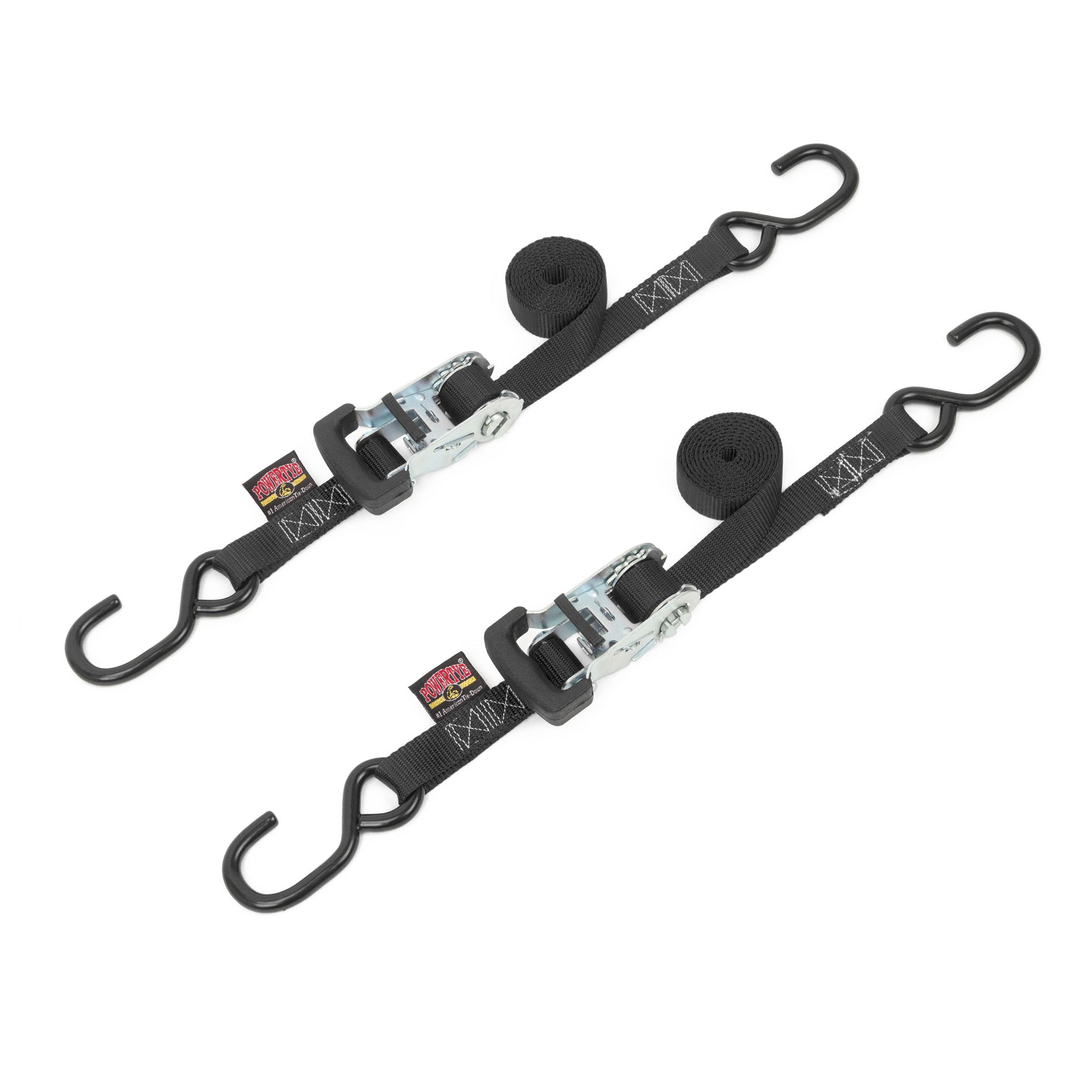
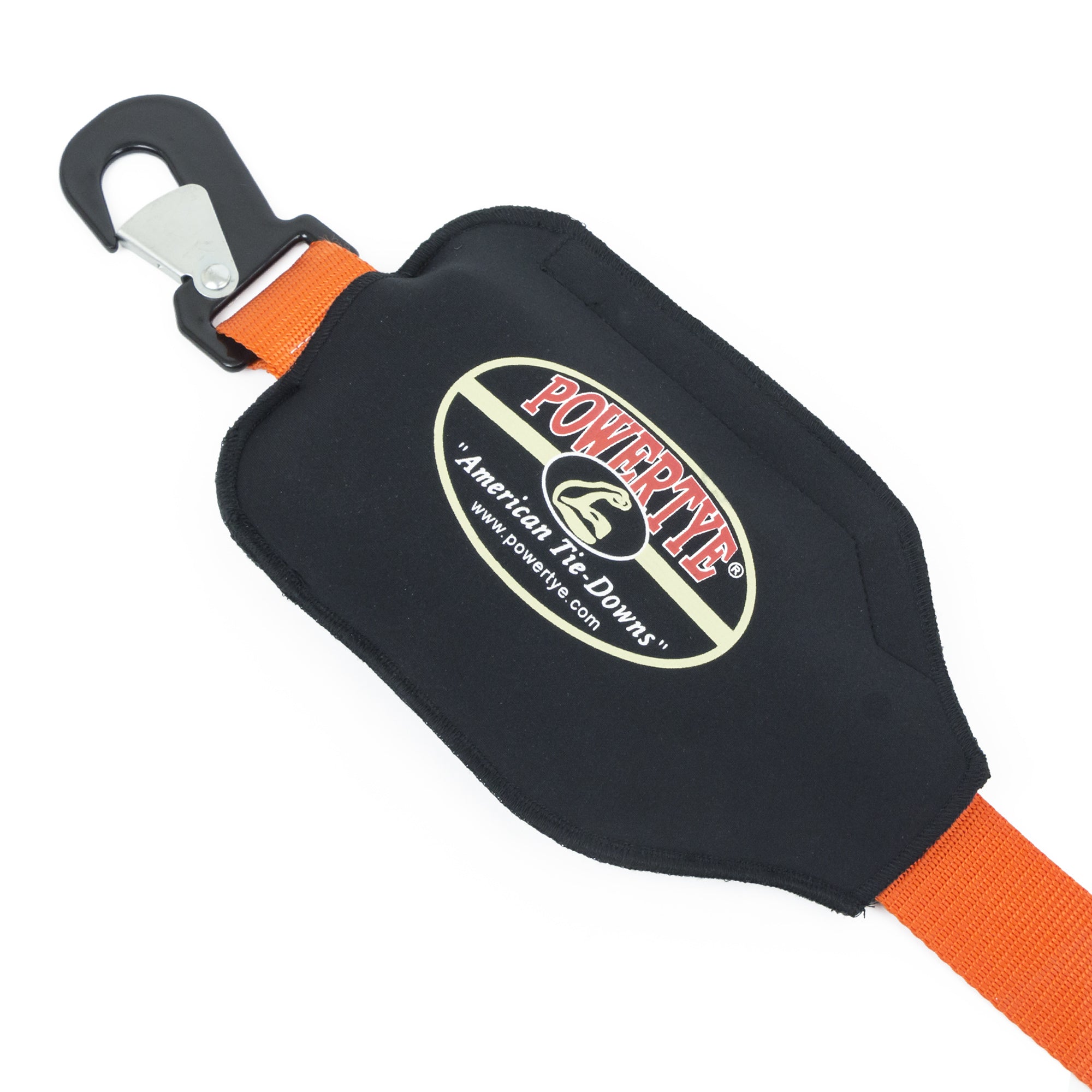
Ratchet Tie-Down Straps
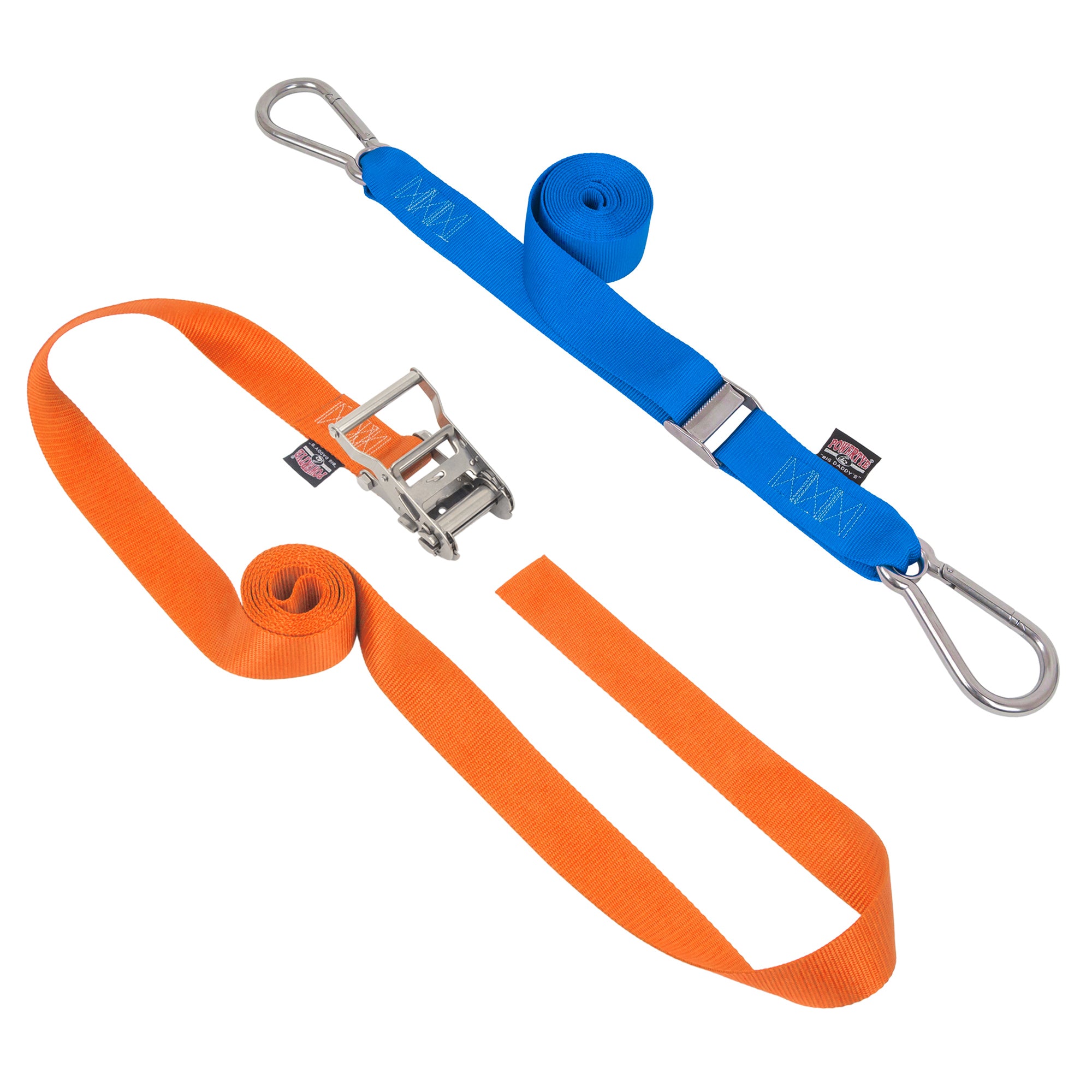
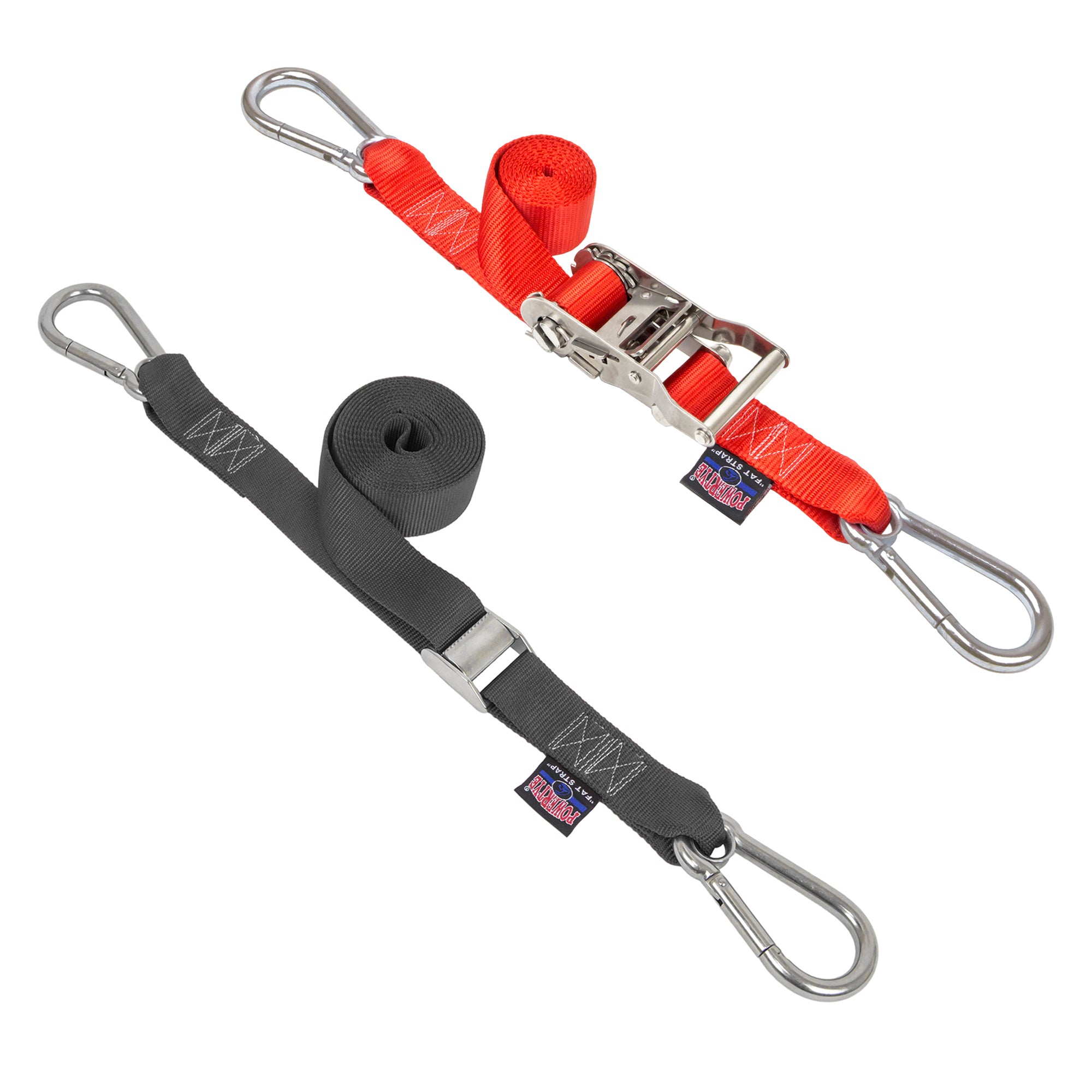
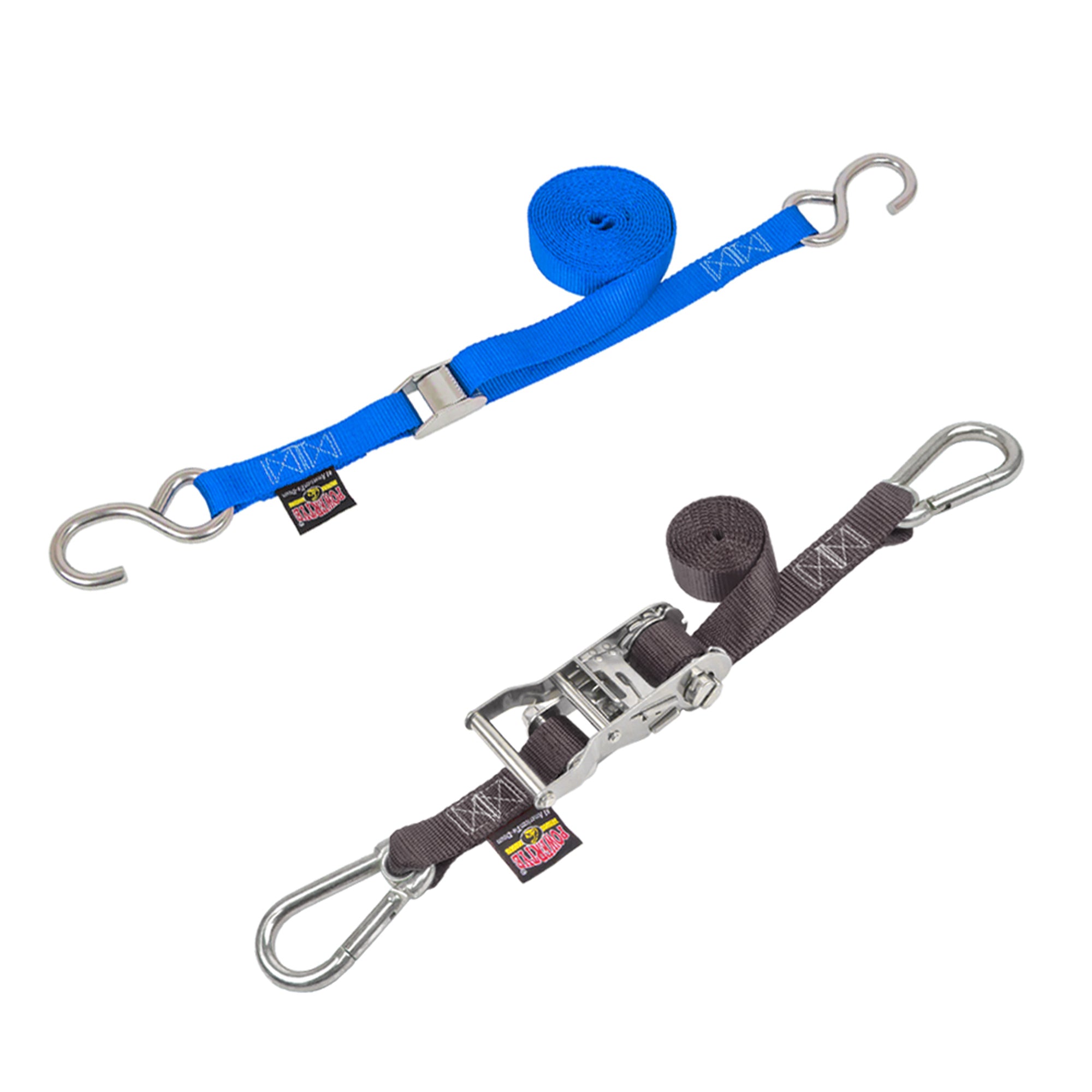
Ratchet straps are the primary choice for UTVs. They provide precise tension control and do not loosen under vibration. PowerTye ratchet straps are built for repeated heavy use.
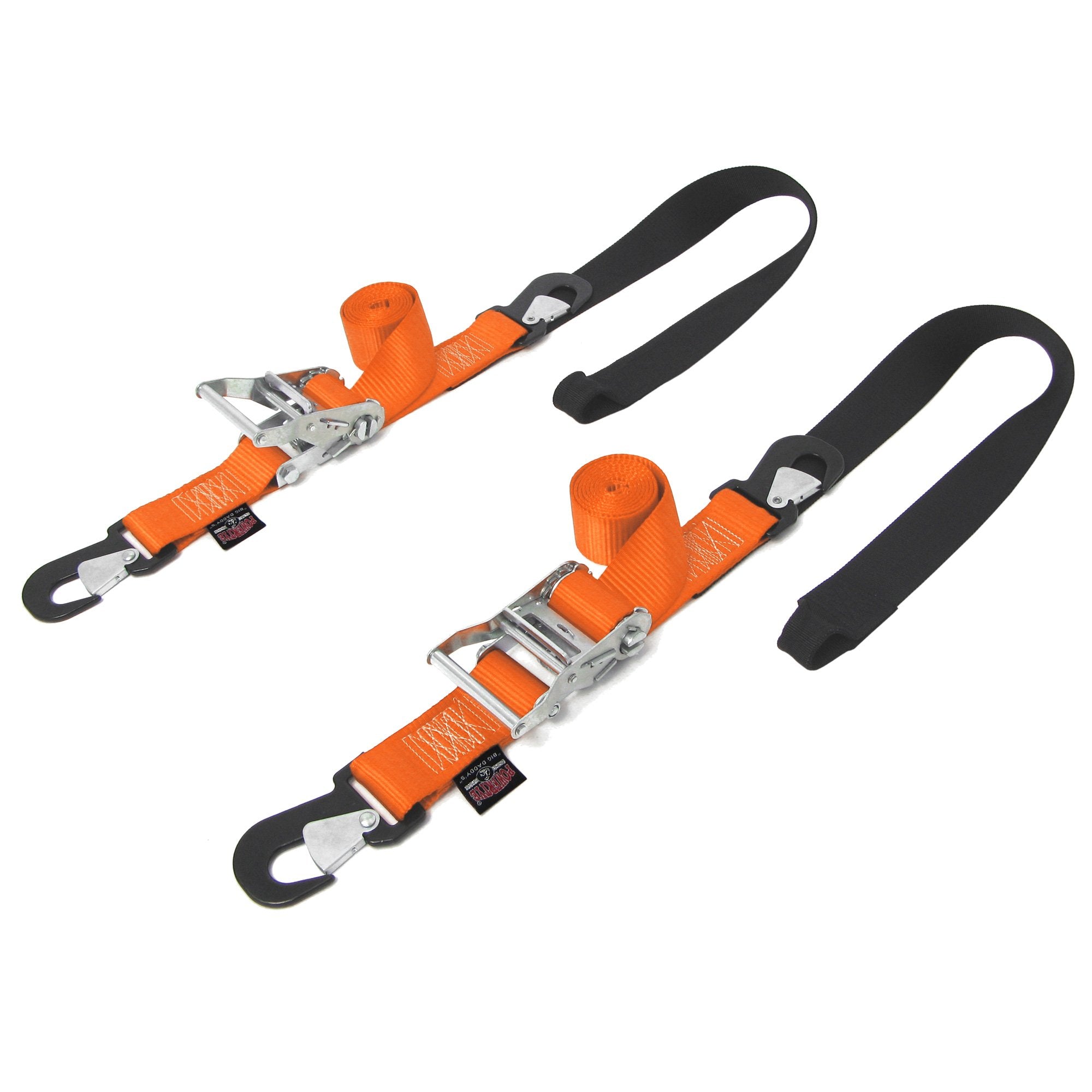
Heavy Duty Ratchet Straps
For larger UTVs or long-distance travel, heavy duty ratchet straps provide added strength and durability.
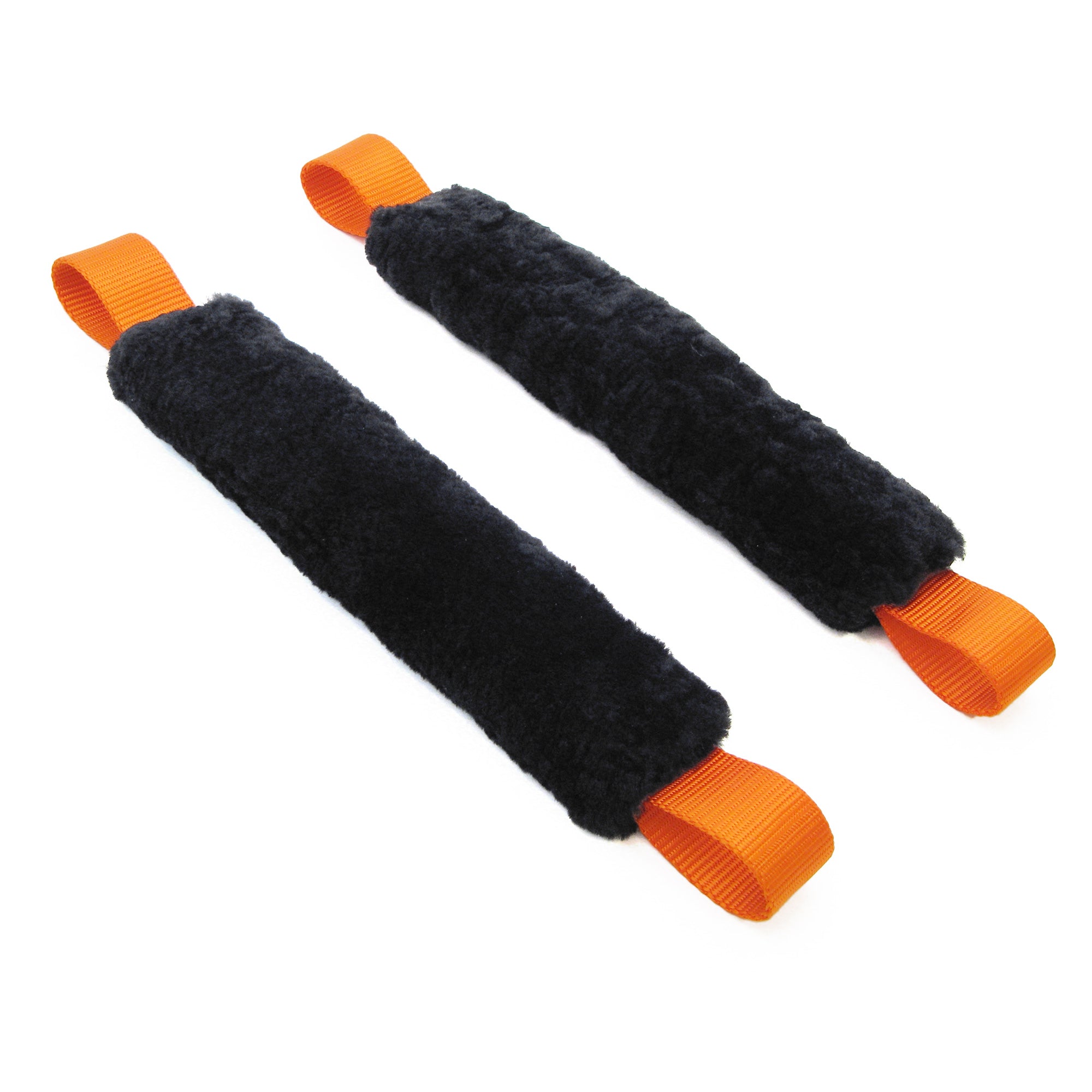
Soft Ties
Soft ties protect suspension components and frames by creating safe attachment points. They prevent metal hooks from contacting critical parts.
Axle and A Arm Friendly Solutions
PowerTye accessories help ensure secure attachment to lower suspension components without damage.
Should You Strap the Suspension or Let It Float?
A common question among riders is whether to fully compress the suspension or allow it to move.
The best practice is to:
-
Compress the suspension slightly
-
Leave room for natural movement
-
Maintain consistent strap tension
Fully compressing suspension can lead to damage and strap loosening as components settle.
Trailering UTVs Long Distance
For long trips:
-
Use high quality ratchet straps only
-
Add redundancy if possible
-
Check weather exposure
-
Cover sensitive accessories if needed
The best way to strap a UTV to a trailer remains the same, but attention to detail matters more on longer hauls.
Maintenance and Care for UTV Tie-Down Straps
Cleaning
Wash straps with mild soap and water. Rinse thoroughly and air dry completely.
Inspection
Before each trip, check for:
-
Frayed webbing
-
Loose stitching
-
Bent hooks
-
Ratchets that slip
Replace damaged straps immediately.
Storage
Store straps out of direct sunlight and moisture. UV exposure weakens webbing over time.

FAQ: Best Way to Strap a UTV to a Trailer
What is the best way to strap a UTV to a trailer?
Use four ratchet straps attached low on the UTV at the A arms or factory points, pulling forward and backward at opposing angles.
Should I strap the UTV by the wheels or suspension?
Suspension attachment points such as A arms are the most common and secure method.
How tight should UTV straps be?
Tight enough to slightly compress suspension without bottoming it out.
Can I use cam buckle straps on a UTV?
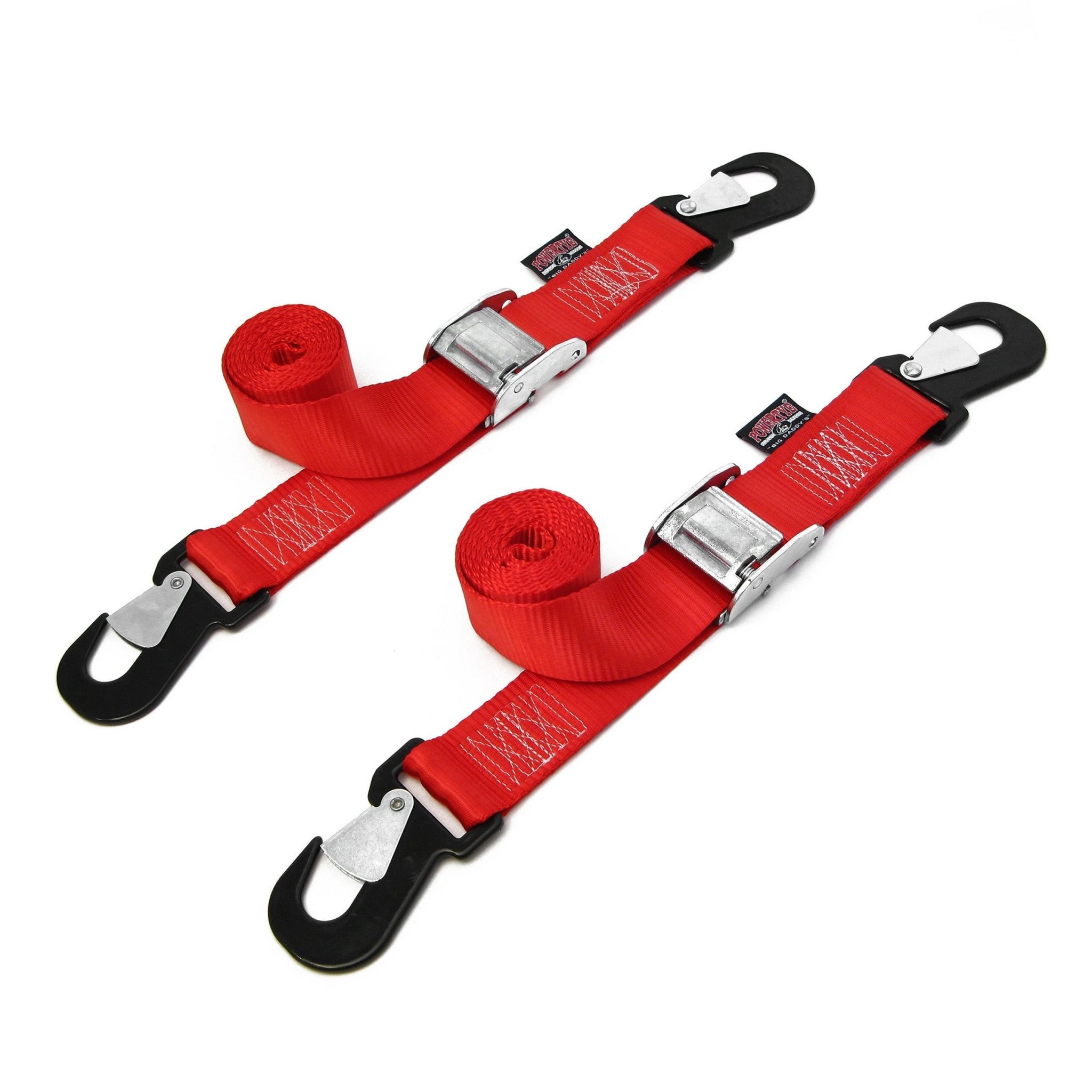
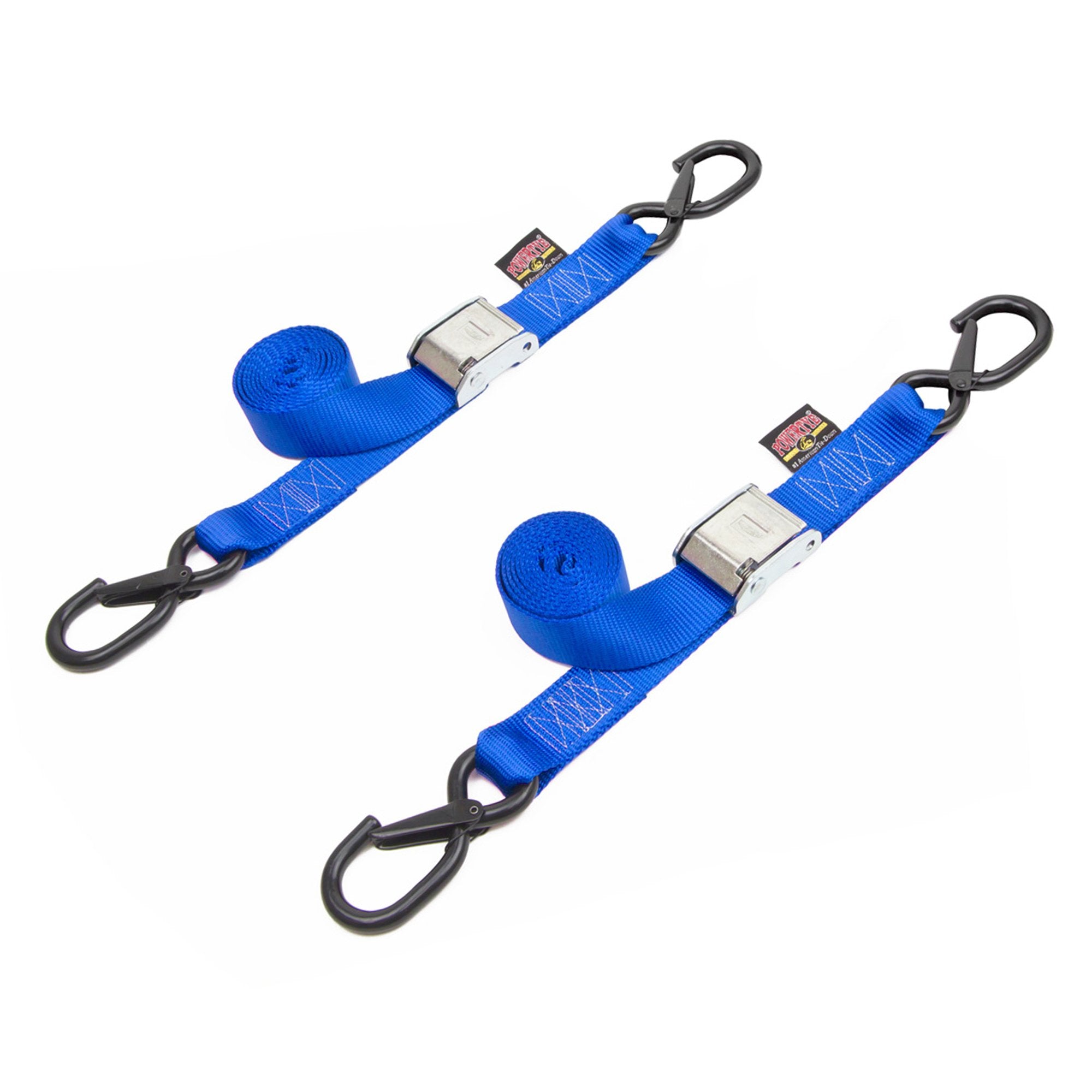
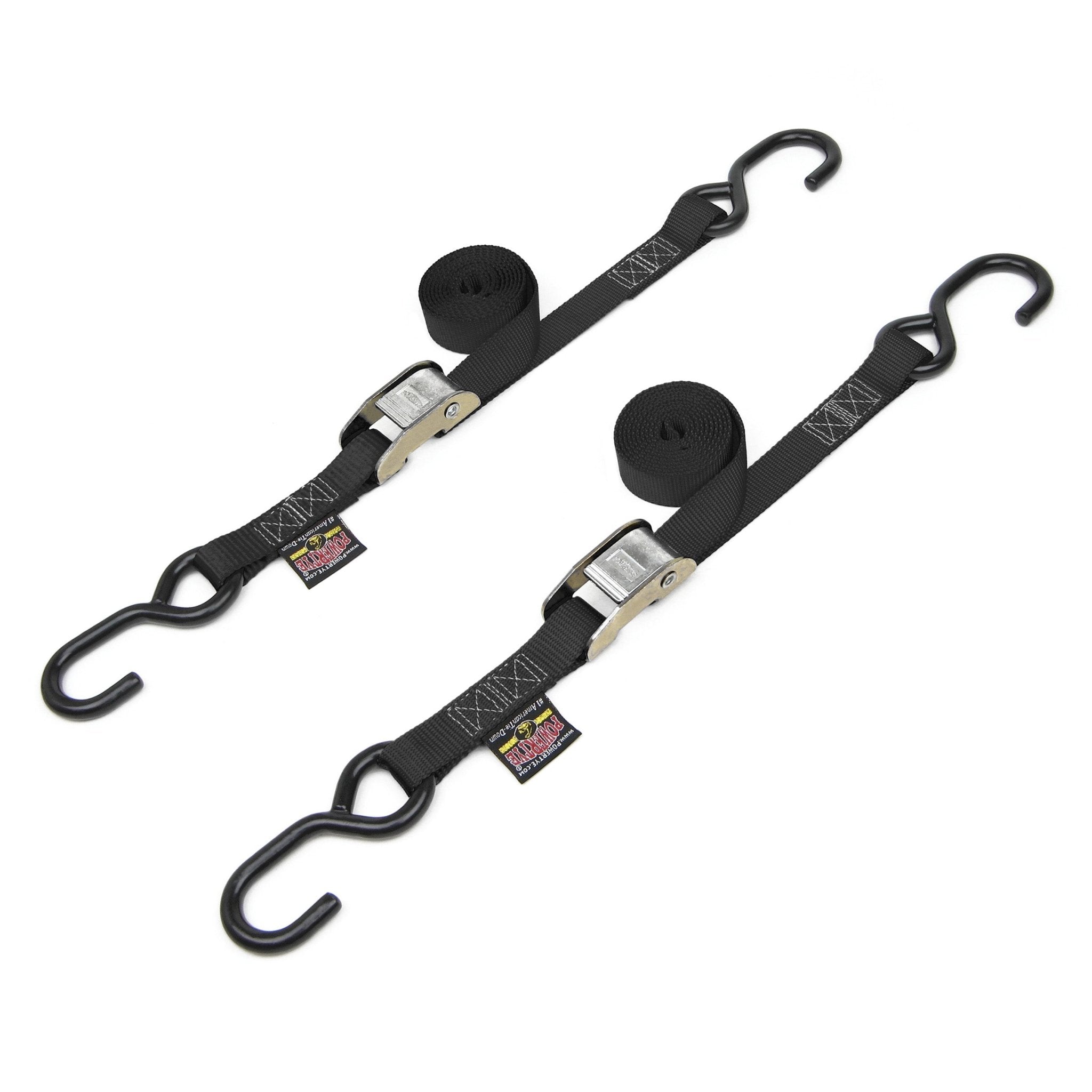
Cam buckle straps are not recommended for primary UTV tie-down. Ratchet straps are the safer choice.
How often should I check straps during travel?
Check after the first few miles and at every stop thereafter.
Is four straps enough for a UTV?
Yes, when placed correctly. Larger UTVs may benefit from added redundancy.
Do I need soft ties for a UTV?
Soft ties are highly recommended to protect components and improve attachment options.
Secure Your UTV the Right Way
Hauling a UTV is not something to rush or guess at. Using the best way to strap a UTV to a trailer protects your machine, your trailer, and everyone on the road.
With high quality tie-downs and accessories from PowerTye, you get professional-level security trusted by experienced riders across the country. Proper technique, solid equipment, and routine checks make every trip safer and easier.
Shop PowerTye tie-downs today and haul your UTV with confidence, control, and proven reliability.