



Best Way to Tie Down an E Bike: A Proven, Damage-Free Method for Safe Transport
Electric bikes are heavier, more valuable, and more complex than traditional bicycles. That means guessing or using basic bike straps is not enough. One sudden stop or loose strap can result in damaged frames, bent components, or expensive electronic issues. Knowing the best way to tie down an e bike protects your investment and keeps everyone on the road safe.
In this guide, you will learn exactly how to tie down an e bike the right way. We will cover how proper tie-down systems work, step by step instructions, common mistakes to avoid, essential safety tips, how to choose the right PowerTye products, and how to care for your straps so they last. This is the same approach experienced riders use for motorcycles and powersports equipment, adapted specifically for electric bikes.
Why Properly Tying Down an E Bike Matters
Most e bikes weigh between 45 and 75 pounds, and some cargo or fat tire models weigh even more. Add batteries, displays, wiring, and unique frame shapes, and improper tie-down methods can quickly cause damage.
Incorrect tie-down can lead to:
-
Bent frames or forks
-
Damaged wheels or spokes
-
Scratched finishes
-
Battery and electrical issues
-
Shifting loads during transport
The best way to tie down an e bike focuses on controlled tension, safe attachment points, and preventing movement in every direction without crushing components.
How E Bike Tie-Down Systems Work
A proper tie-down system secures the bike so it cannot move forward, backward, or side to side. Vertical movement is controlled by tire compression and strap tension, not by forcing the frame downward.
Effective tie-down systems work by:
-
Using multiple straps at opposing angles
-
Anchoring to solid vehicle or trailer points
-
Protecting the bike with soft contact points
-
Locking tension so straps cannot loosen
PowerTye tie-downs are designed for motorcycles and powersports equipment, making them ideal for the weight and forces involved with electric bikes.
Best Way to Tie Down an E Bike: Step by Step
Step 1: Prepare the E Bike
Before loading the bike:
-
Turn the bike off
-
Remove loose accessories
-
Remove the battery if recommended by the manufacturer
Removing the battery reduces weight and protects sensitive electronics during transport.
Step 2: Position the E Bike Correctly
Place the e bike:
-
Upright and centered on the carrier, trailer, or truck bed
-
With wheels straight
-
With even weight distribution
Avoid leaning the bike against hard edges or rails without padding.
Step 3: Choose Solid Anchor Points
Attach straps only to:
-
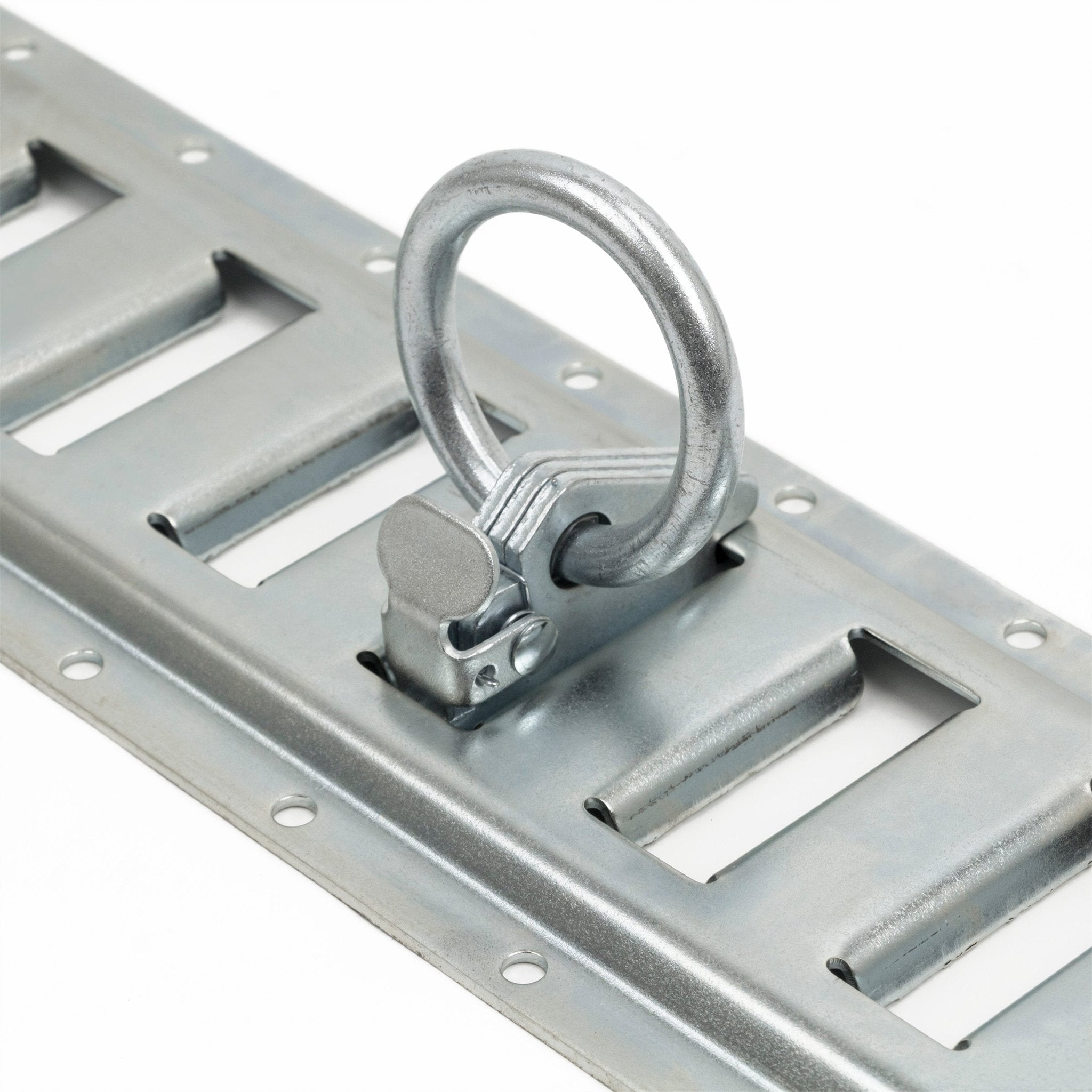
Trailer D rings
-
Truck bed anchors
-
Hitch carrier tie-down points
Never hook straps to thin rails, plastic parts, or temporary hardware.
Step 4: Use Soft Ties or Wheel-Based Attachment
To protect the bike:
-
Use soft ties around strong frame sections, or
-
Use wheel-based attachment methods that avoid frame contact
Never strap to brake lines, wiring, displays, or battery housings.
Step 5: Secure the Front of the Bike First
Use two straps at the front:
-
One pulling forward and slightly left
-
One pulling forward and slightly right
Tighten evenly until the bike stands upright and stable. Do not overtighten.
Step 6: Stabilize the Rear of the E Bike
Add one or two straps at the rear:
-
To prevent side to side movement
-
To stop backward shifting
Rear straps should stabilize the bike, not compress the frame or suspension excessively.
Step 7: Secure Excess Strap Length
Tie off or secure loose strap ends so they cannot flap in the wind, which can cause premature wear.
Step 8: Perform a Final Check
Gently shake the bike. It should move with the vehicle, not independently. Recheck strap tension after the first few miles of travel.
How Many Straps Should You Use on an E Bike?
The best way to tie down an e bike uses a minimum of three straps.
-
Two straps at the front
-
One or two straps at the rear
Heavier e bikes or long-distance transport benefit from added redundancy.
Common Mistakes When Tying Down an E Bike
Overtightening Straps
Excessive tension can:
-
Damage carbon or aluminum frames
-
Stress suspension components
-
Bend wheels or spokes
Controlled tension is safer and more effective.
Strapping to Weak Components
Never strap to:
-
Handlebars alone
-
Seat rails
-
Battery housings
-
Displays or wiring
Always use structural attachment points.
Using Lightweight Bicycle Straps
Standard bicycle straps are not designed for the weight and forces involved with e bikes. Use powersports-grade tie-downs.
Using Too Few Straps
One or two straps are not enough. Redundancy prevents shifting if one strap loosens.
Poor Strap Angles
Straps pulling straight down offer less control than straps pulling inward and forward.
Safety Tips for Transporting E Bikes
-
Inspect straps before every trip
-
Keep webbing away from sharp edges
-
Avoid contact with hot exhaust components
-
Check strap tension at every stop
-
Replace worn or UV damaged straps
Treat e bike transport with the same seriousness as motorcycle or powersports hauling.
Product Selection Guidance: PowerTye Only
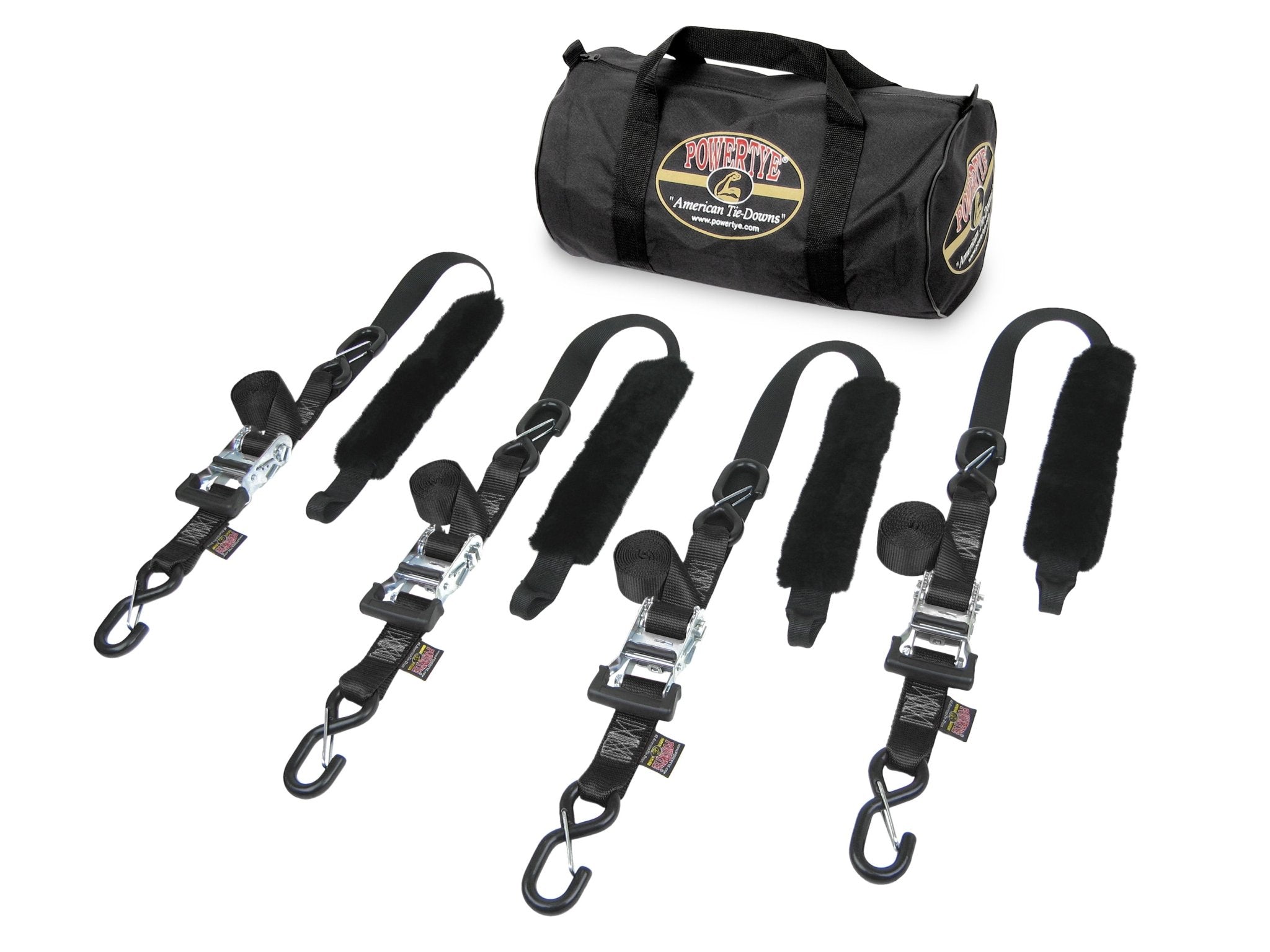
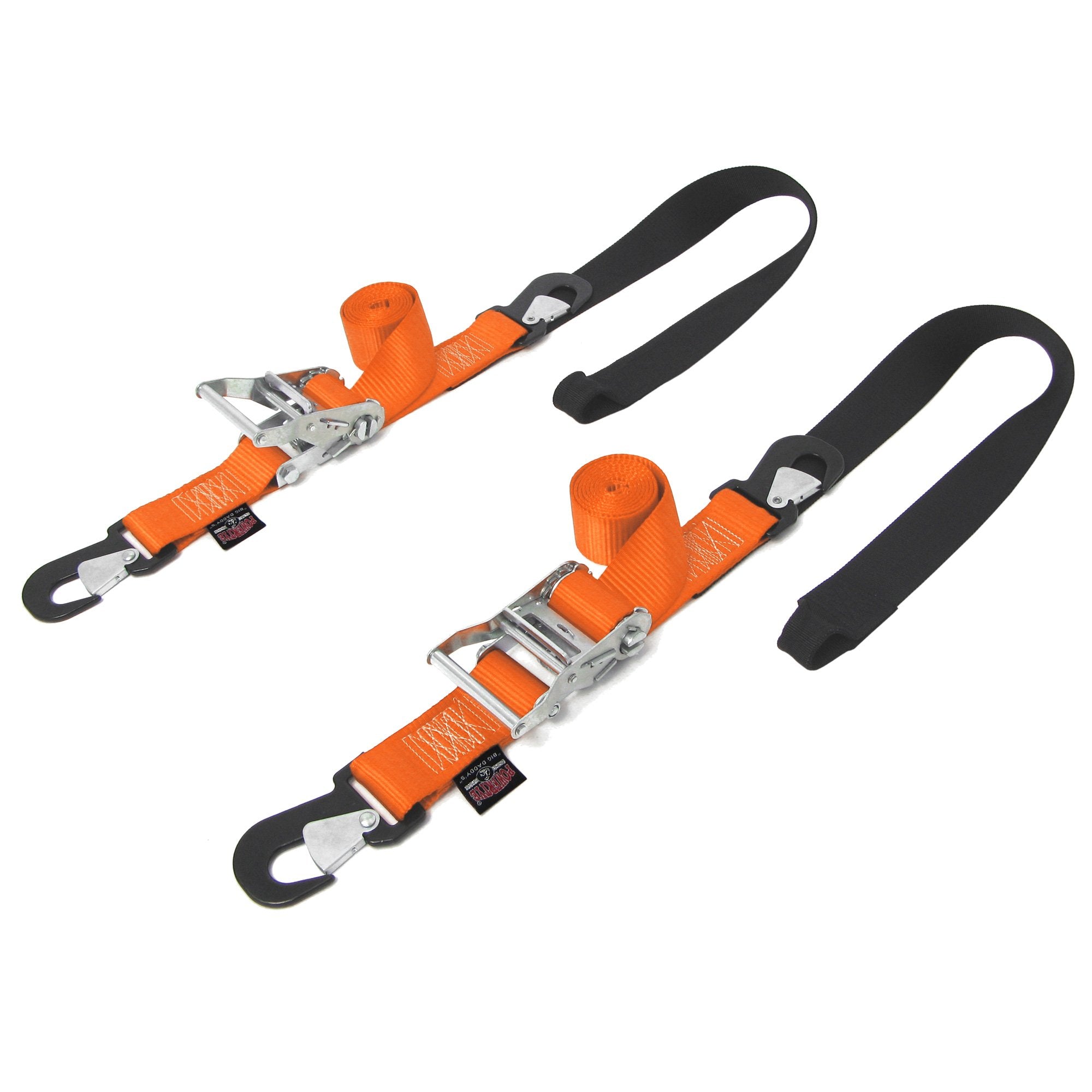
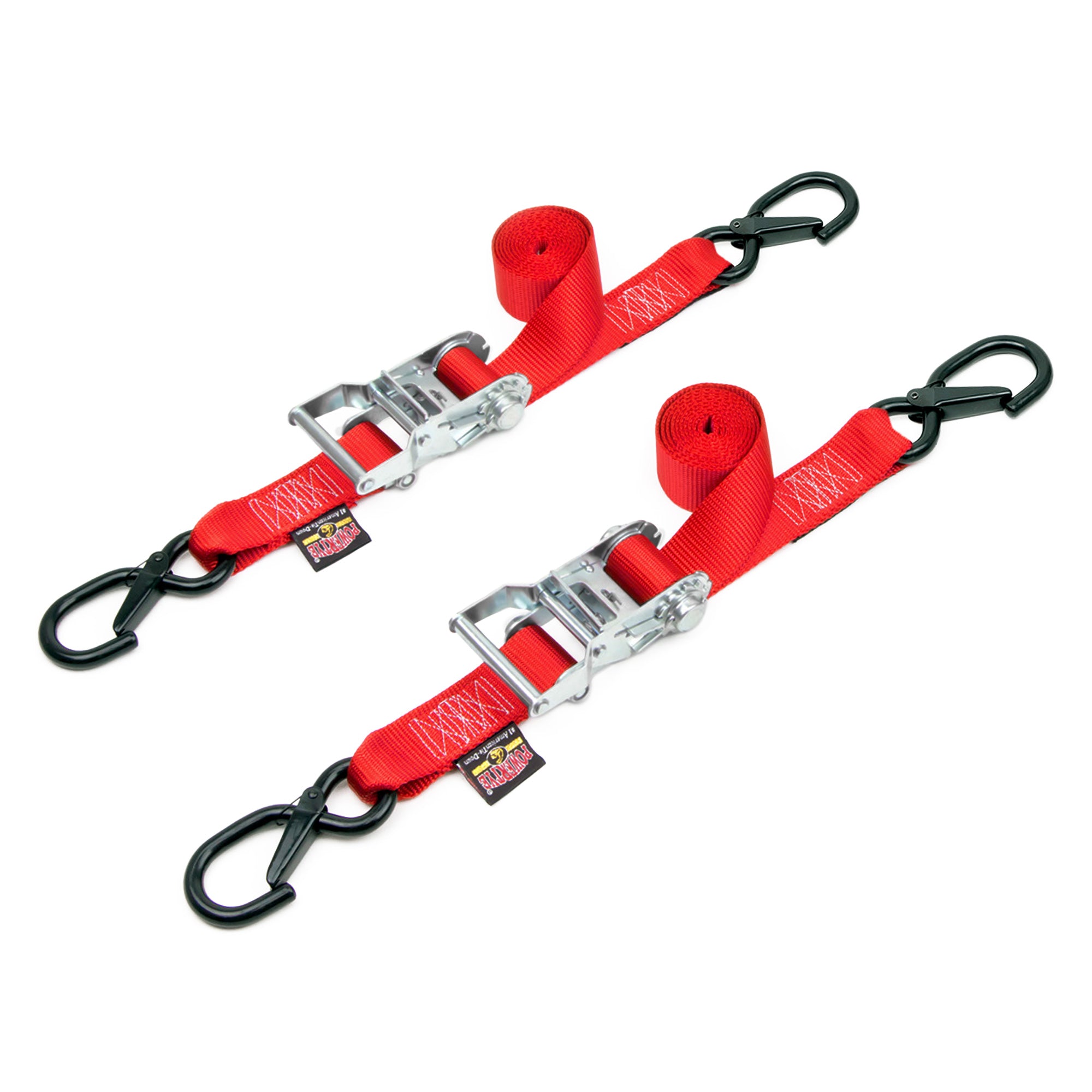
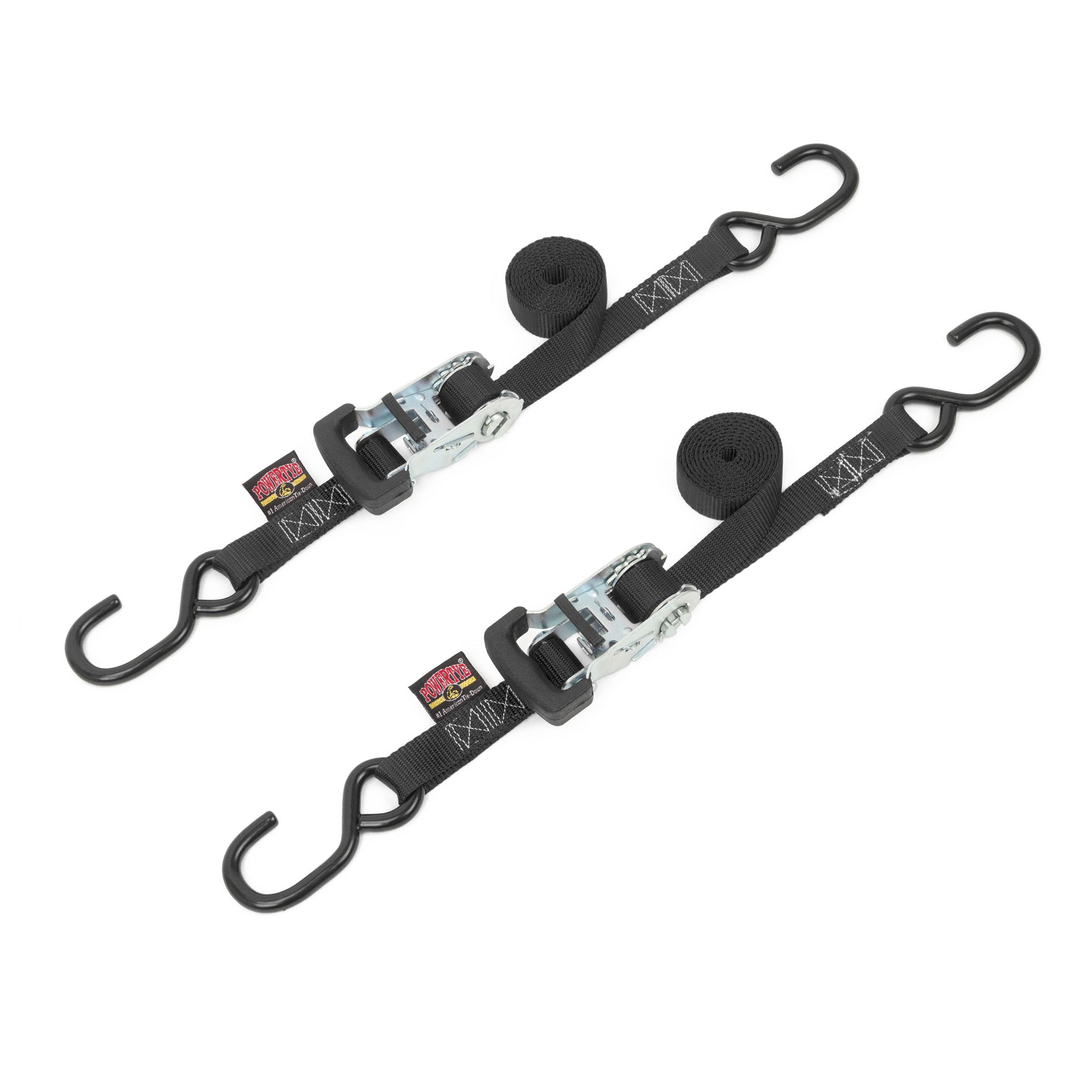
PowerTye offers several products that work exceptionally well for e bike transport. Only products actually sold by PowerTye should be used.
Ratchet Tie-Down Straps
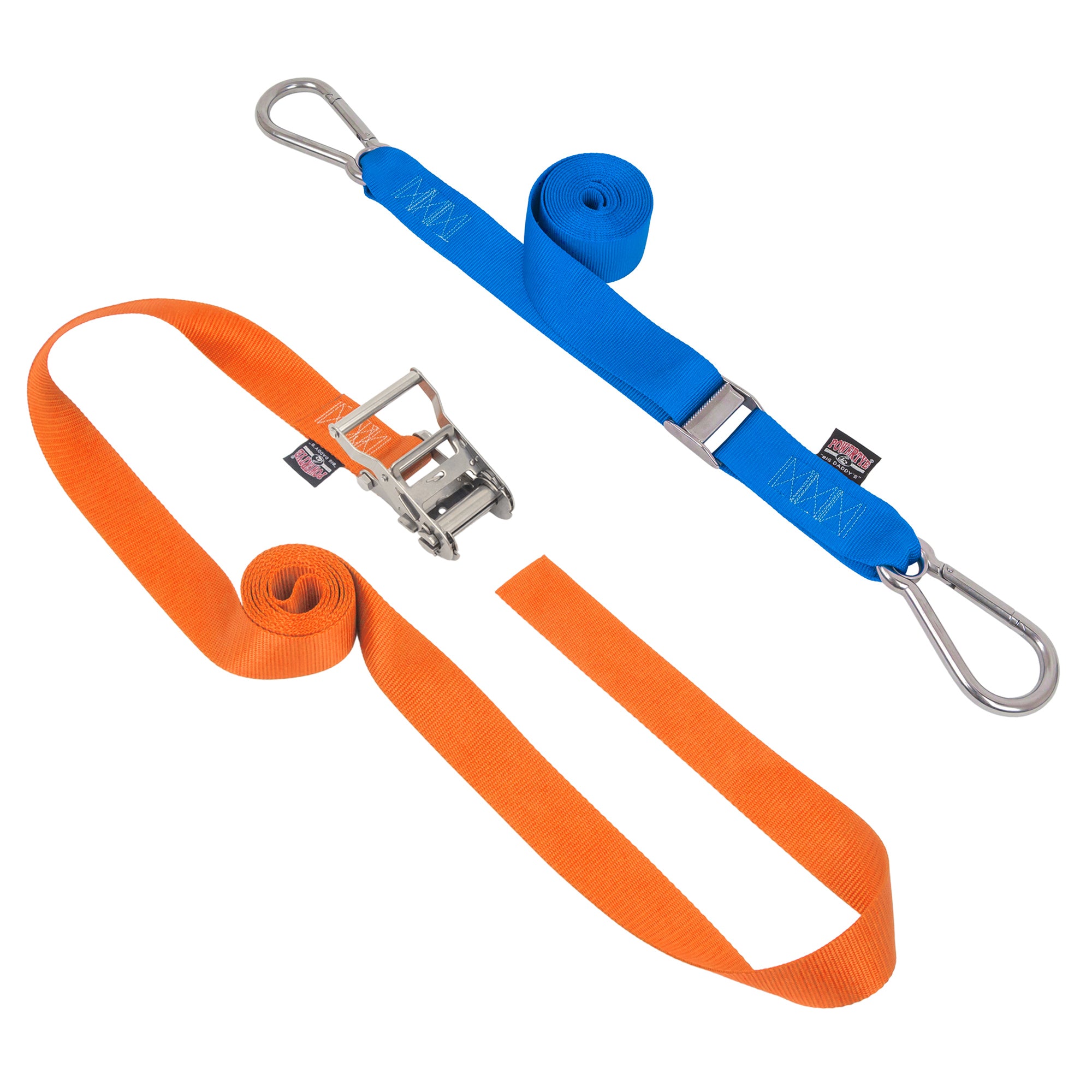
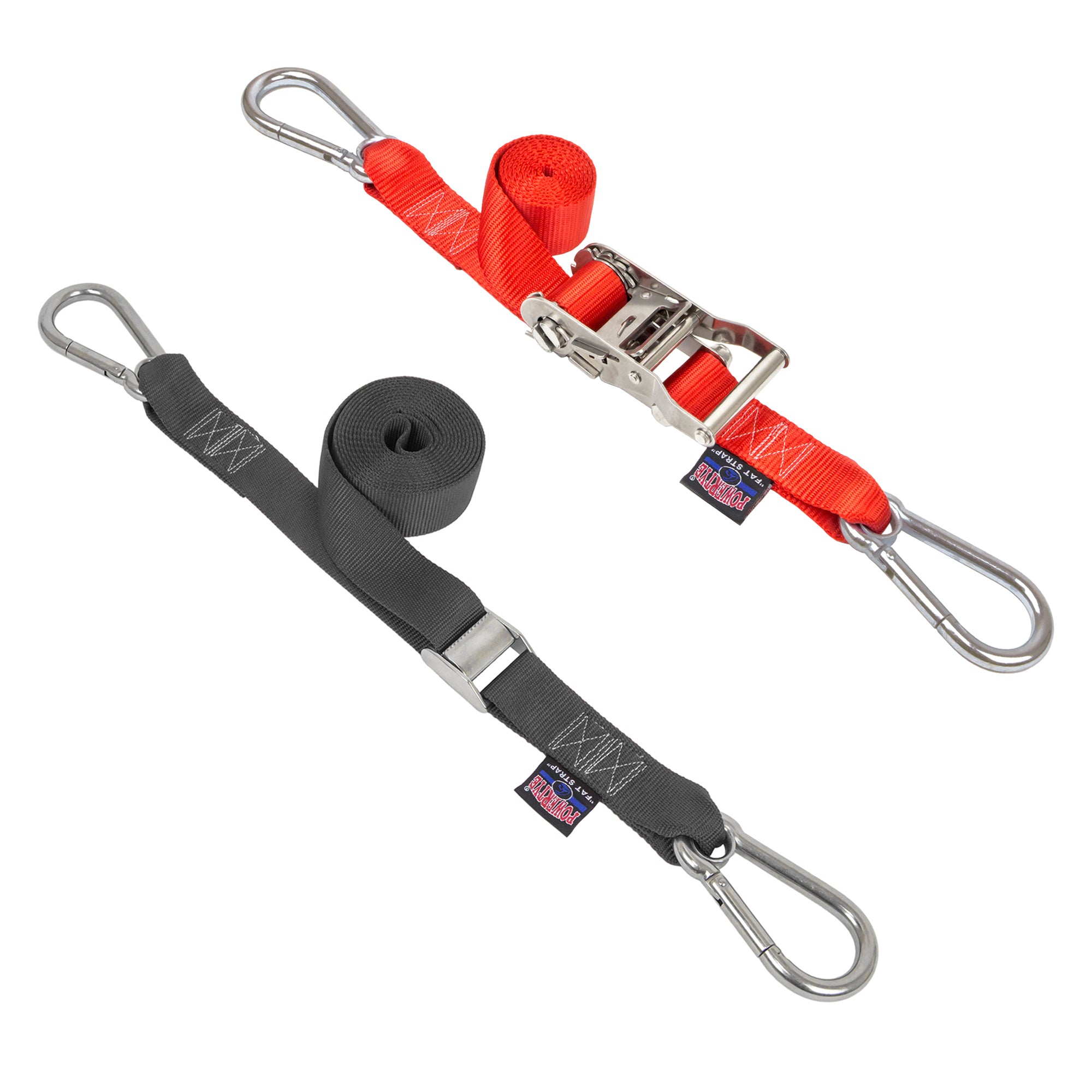
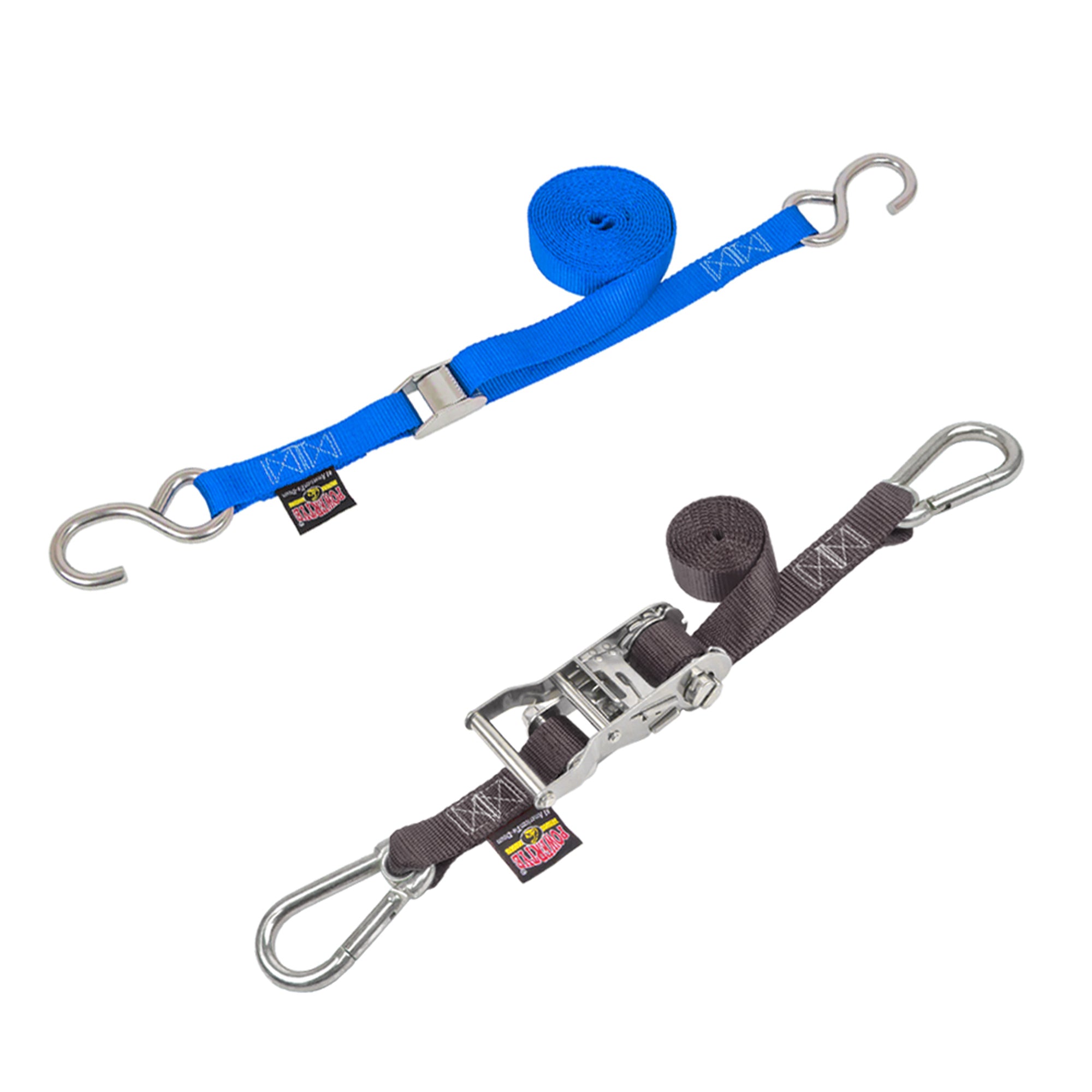
Ratchet straps provide precise tension control and do not loosen under vibration. They are ideal for heavier e bikes and highway travel.
Cam Buckle Tie-Down Straps
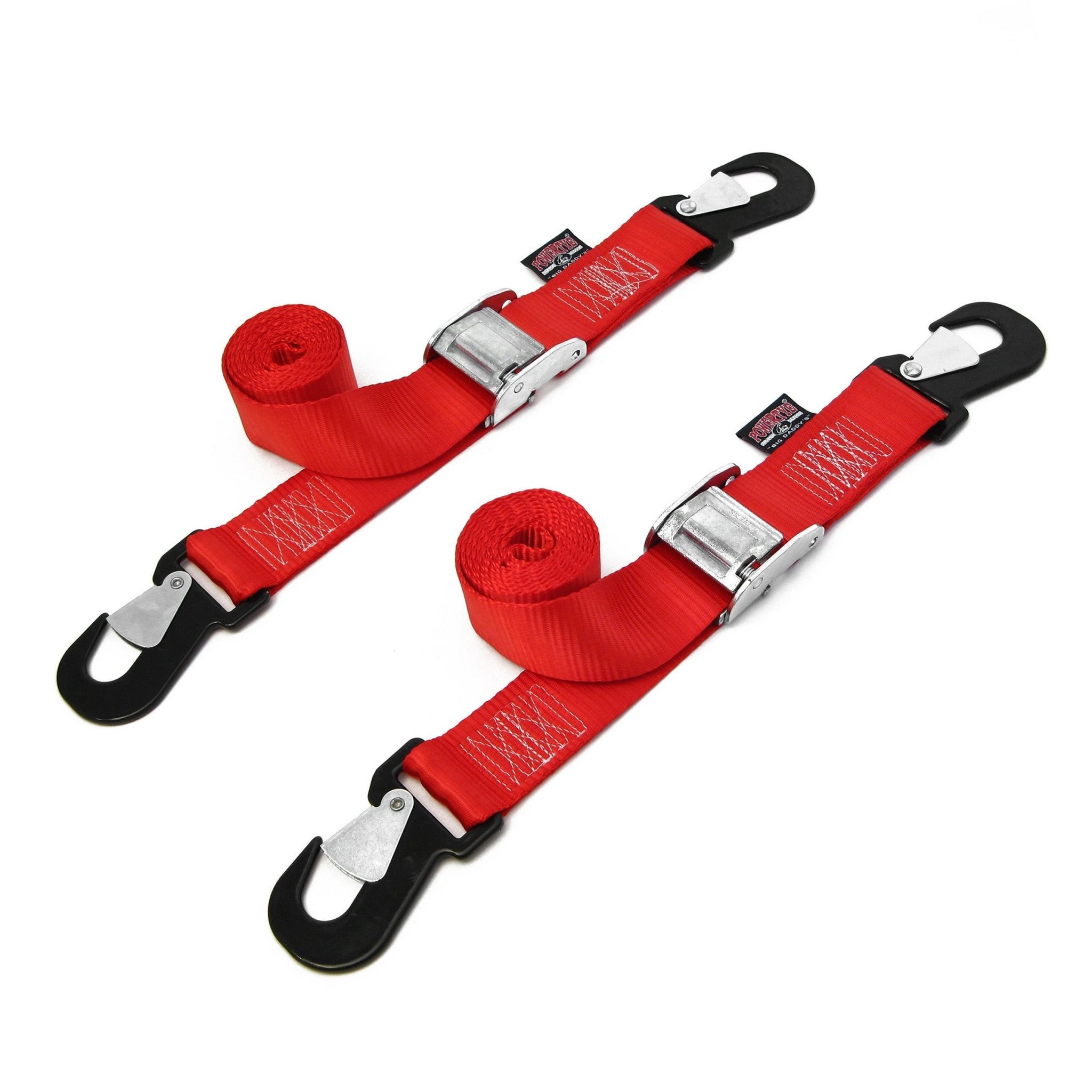
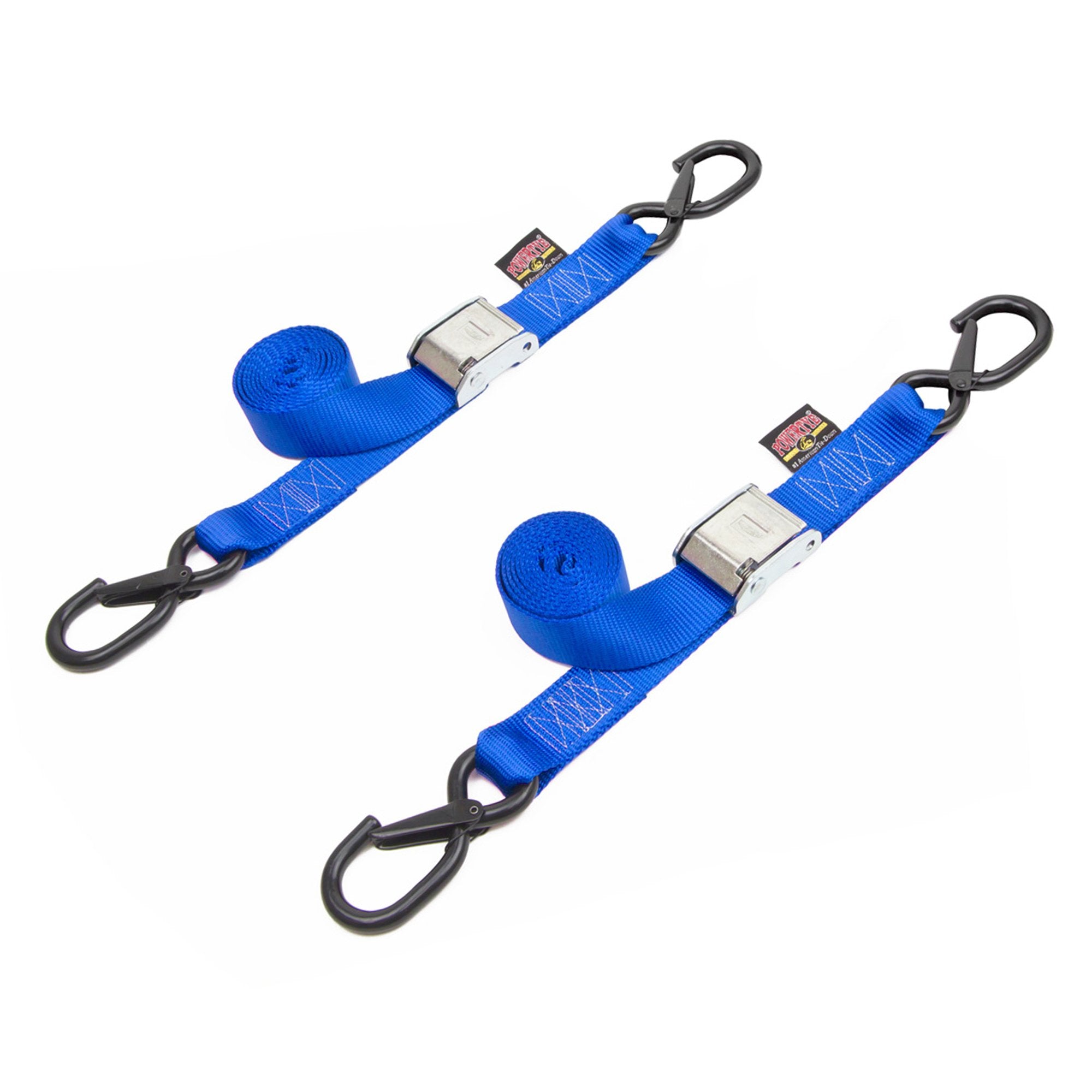
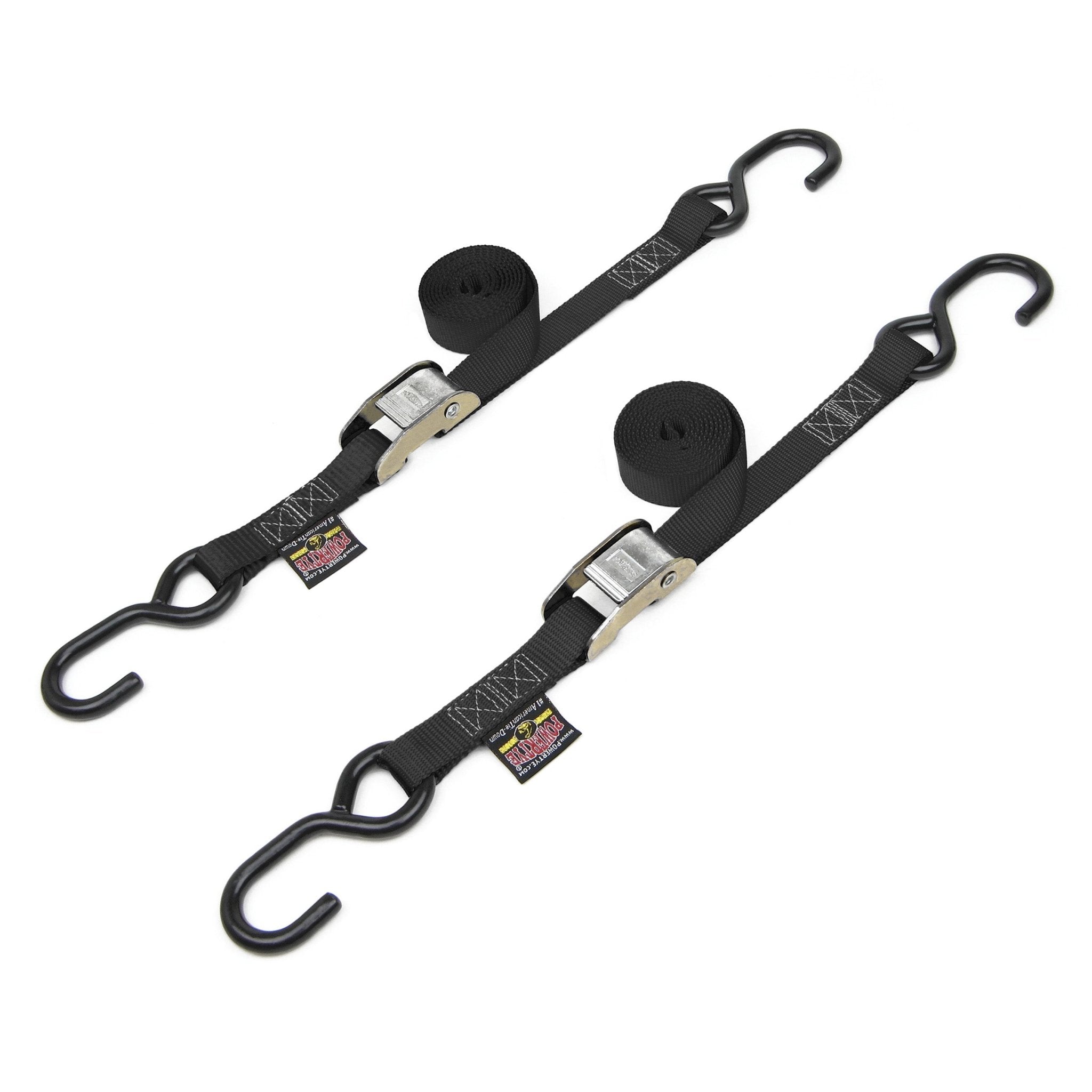
Cam buckle straps are useful for lighter e bikes or rear stabilization, reducing the risk of overtightening.
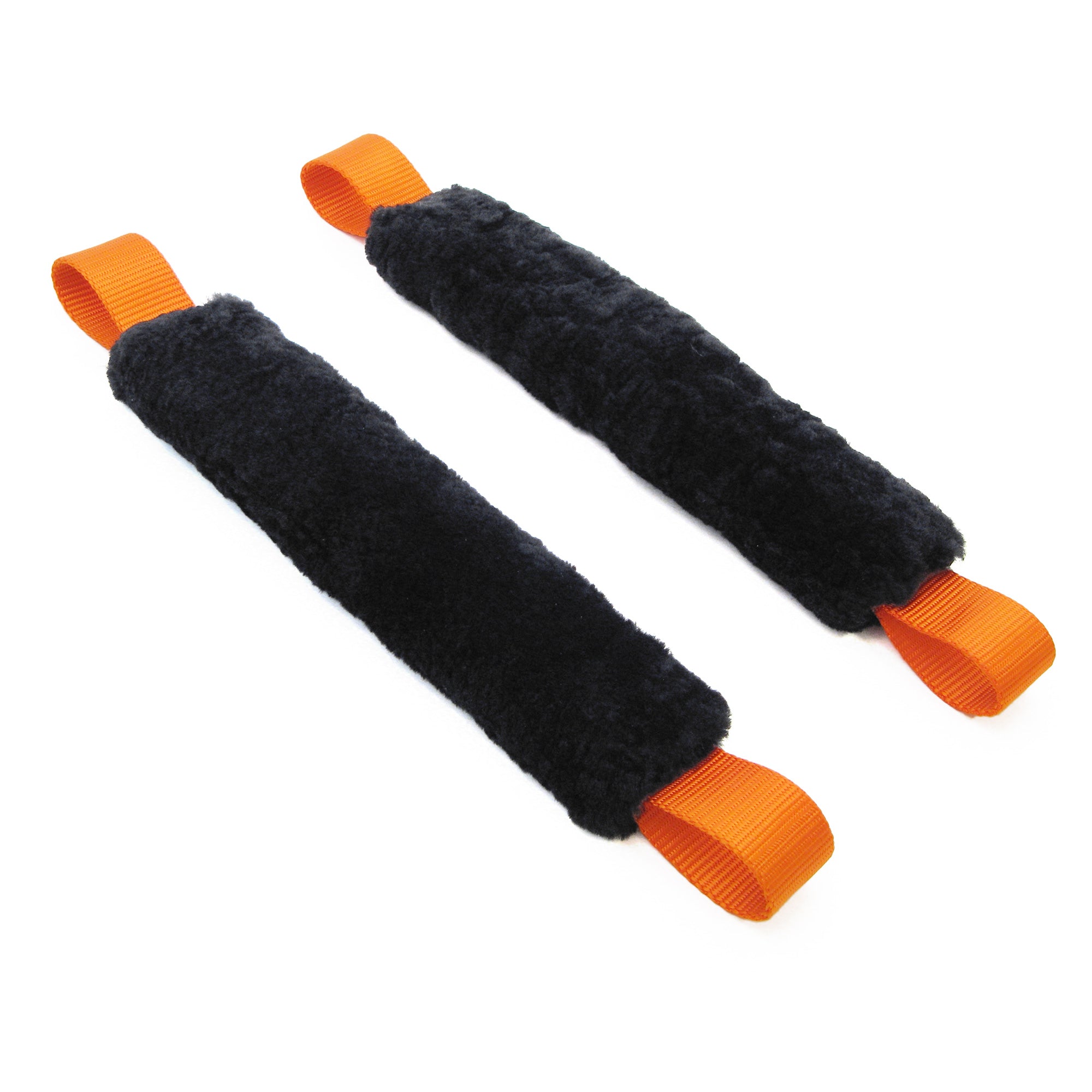
Soft Ties
Soft ties protect frames and finishes while creating safe attachment points for hooks.
Lasso-Style Wheel Straps
Wheel-based lasso straps secure the bike without touching the frame, making them ideal for modern e bikes with sensitive components.
Traveling Long Distance With E Bikes
For longer trips:
-
Use high quality ratchet straps
-
Add redundancy when possible
-
Recheck straps frequently
-
Protect bikes from road debris if needed
The best way to tie down an e bike does not change, but attention to detail becomes even more important over distance.
Maintenance and Care for E Bike Tie-Down Straps
Cleaning
Wash straps with mild soap and water. Rinse thoroughly and air dry completely.
Inspection
Before each use, inspect for:
-
Frayed webbing
-
Loose stitching
-
Bent hooks
-
Ratchets that slip
Replace damaged straps immediately.
Storage
Store straps in a dry area out of direct sunlight. UV exposure weakens webbing over time.

FAQ: Best Way to Tie Down an E Bike
What is the best way to tie down an e bike?
Use at least three straps, secure the front first with opposing angles, stabilize the rear, and avoid frame or component damage.
Should I remove the battery before transport?
Yes, in most cases. It reduces weight and protects electronics.
Can I use motorcycle tie-downs for an e bike?
Yes. Powersports-grade tie-downs are ideal for e bikes.
How tight should e bike straps be?
Tight enough to prevent movement without crushing frames or wheels.
Are ratchet straps safe for e bikes?
Yes, when used correctly with soft ties and controlled tension.
Can I transport an e bike upright in a truck bed?
Yes, as long as it is properly secured and cannot tip or slide.
How often should I check straps during travel?
After the first few miles and at every stop thereafter.
Tie Down Your E Bike With Confidence
Electric bikes are a serious investment, and protecting them during transport matters. Using the best way to tie down an e bike ensures your bike arrives safely, ready to ride, and free from damage.
With professional-grade tie-downs and accessories from PowerTye, you get the same level of security trusted by experienced riders and powersports enthusiasts nationwide.
Shop PowerTye tie-downs today and transport your e bike with confidence, control, and proven reliability.