



Boat Ratchet Straps: The Right Way to Secure Your Boat for Safe, Reliable Towing
When you tow a boat, you are not just moving cargo. You are hauling thousands of pounds of fiberglass or aluminum sitting on bunks or rollers, exposed to wind lift, road vibration, braking force, and trailer bounce. If your boat ratchet straps are not set up correctly, your boat can shift, bounce, or stress the winch system. That is a risk no boat owner wants to take.
The winch strap at the bow is only part of the equation. Proper stern restraint using ratchet straps is what keeps the hull planted to the trailer during highway travel. In this guide, you will learn how boat ratchet straps work, how to use them step by step, common mistakes to avoid, safety tips for long-distance towing, how to choose the right PowerTye products, proper maintenance and care, and answers to the most common questions boat owners ask.
If you want your boat to arrive at the ramp exactly as it left your driveway, this is the method experienced haulers trust.
Why Boat Ratchet Straps Matter
Boats may feel secure sitting on the trailer, but once you hit 60 or 70 miles per hour, physics changes everything.
You are dealing with:
-
Wind lifting at the stern
-
Trailer flex and bounce
-
Hard braking forces
-
Acceleration forces
-
Road vibration loosening weak tie-downs
Without proper boat ratchet straps, the hull can bounce against the bunks, shift laterally, or overload the winch strap at the bow. Ratchet straps provide controlled, locked tension that holds steady under vibration, something basic straps or bungee cords simply cannot do.
How Boat Ratchet Strap Systems Work
A complete boat tie-down system has three main components:
-
Bow restraint
-
Stern restraint
-
Vertical bounce control
The bow is secured by the trailer winch strap and a safety chain. The stern is secured using two ratchet straps that connect the transom to the trailer frame.
When installed correctly:
-
The boat is pulled snug against the bow stop
-
The stern is locked down to prevent bounce
-
The trailer and boat move as a single unit
-
Tension stays consistent during long trips
Boat ratchet straps are specifically effective for stern restraint because the ratcheting mechanism prevents gradual loosening.
Why Ratchet Straps Are Ideal for Boats
You may see some boat owners using cam buckle straps. While they can work, ratchet straps offer more reliable tension for highway travel.
Ratchet straps:
-
Lock tension securely
-
Resist loosening under vibration
-
Provide precise tension control
-
Handle heavier loads
For long-distance towing or rough road conditions, ratchet straps are the safer option.
Step by Step: How to Use Boat Ratchet Straps Properly
Step 1: Position the Boat Correctly on the Trailer
Before tightening anything:
-
Ensure the boat is centered
-
Confirm the bow is firmly seated against the bow stop
-
Tighten the winch strap
-
Attach the safety chain
Proper positioning reduces stress on stern straps.
Step 2: Attach Stern Ratchet Straps
Use two boat ratchet straps.
Attach one strap on each side:
-
From the trailer frame or dedicated stern tie-down point
-
To the boat’s transom eye or rear tie-down loop
Straps should pull slightly downward and inward toward the trailer.
Step 3: Apply Controlled Tension
Tighten each ratchet until:
-
The stern is snug against the trailer bunks
-
There is no visible vertical movement
-
The hull is firmly planted
Do not overtighten. Excessive force can stress fiberglass or aluminum.
Step 4: Secure Loose Strap Ends
Tie off or wrap excess webbing so it does not flap in the wind. Flapping straps wear quickly and create unnecessary noise.
Step 5: Perform a Stability Check
Push down on the stern. The boat should not bounce independently of the trailer.
Drive a short distance and recheck strap tension.
How Tight Should Boat Ratchet Straps Be
One of the most common mistakes is cranking ratchet straps as tight as possible.
Proper boat ratchet strap tension should:
-
Eliminate vertical bounce
-
Keep the hull firmly seated
-
Avoid deforming fiberglass or aluminum
The goal is secure contact, not crushing pressure.
Common Mistakes to Avoid
Relying Only on the Winch Strap
The winch strap is not designed to control stern bounce. Always use two stern ratchet straps.
Overtightening the Stern
Too much tension can:
-
Stress the transom
-
Crack gelcoat
-
Warp aluminum hulls
Controlled tension is more effective than brute force.
Using Bungee Cords
Bungee cords stretch and do not provide reliable highway restraint.
Ignoring Strap Angles
Straps should pull down and slightly inward, not straight back.
Skipping Regular Inspections
Boat ratchet straps are exposed to UV light, moisture, and road grime. Regular inspection is critical.
Boat Ratchet Straps for Different Boat Types
Aluminum Fishing Boats
Lightweight hulls require secure but moderate tension.
Fiberglass Bass Boats
Protect the gelcoat by ensuring straps are snug but not overtightened.
Ski and Wake Boats
Heavier boats may benefit from additional midship support on long trips.
Personal Watercraft
Use stern ratchet straps and secure the bow properly, just like with larger boats.
Long-Distance Towing Considerations
Highway travel increases stress on tie-down systems.
When towing long distances:
-
Recheck tension after 5 to 10 miles
-
Inspect straps at every fuel stop
-
Avoid dragging straps near sharp trailer edges
-
Keep straps away from hot exhaust outlets
Boat ratchet straps should remain tight and secure throughout the trip.
Choosing the Right PowerTye Boat Ratchet Straps
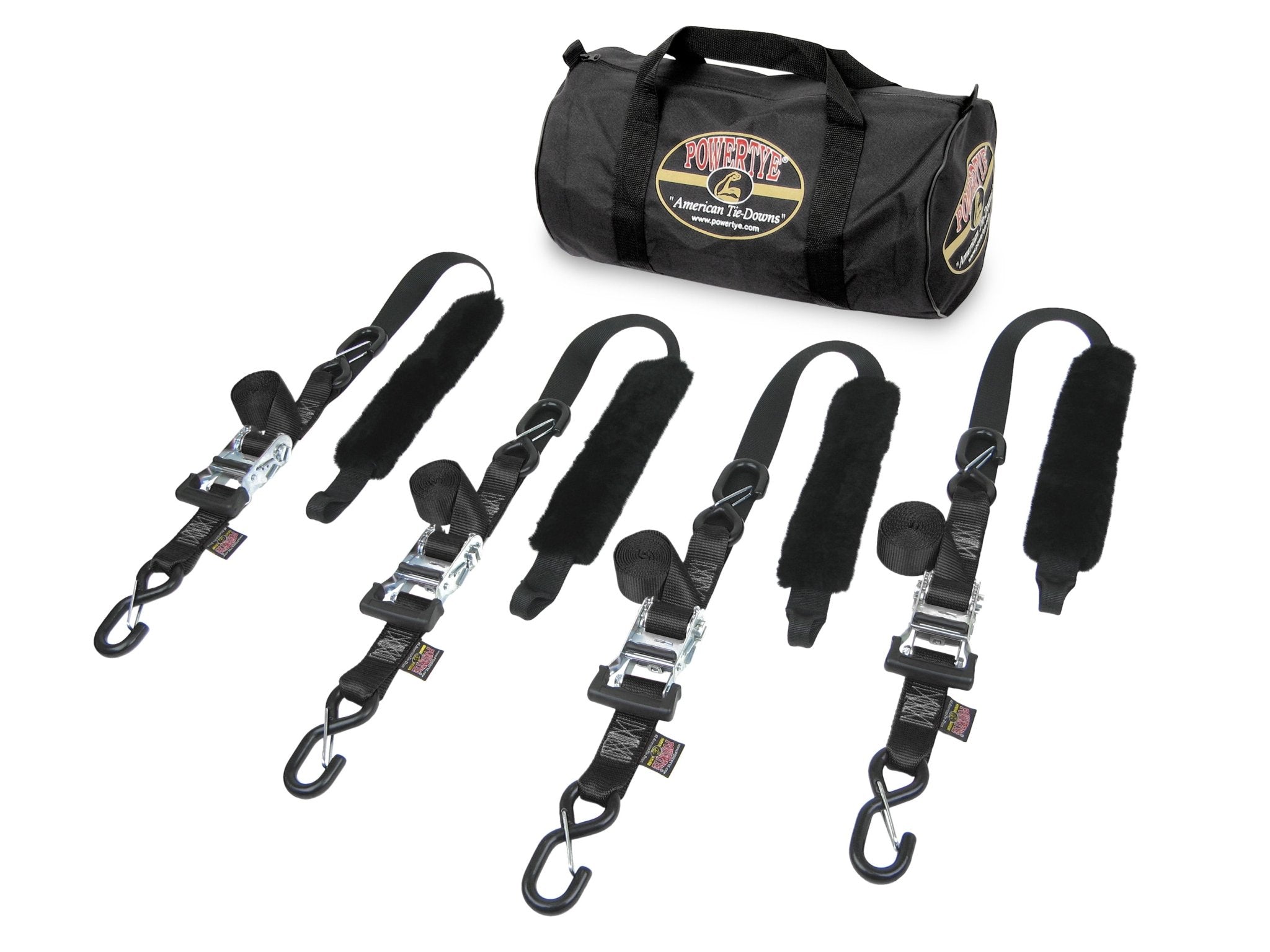
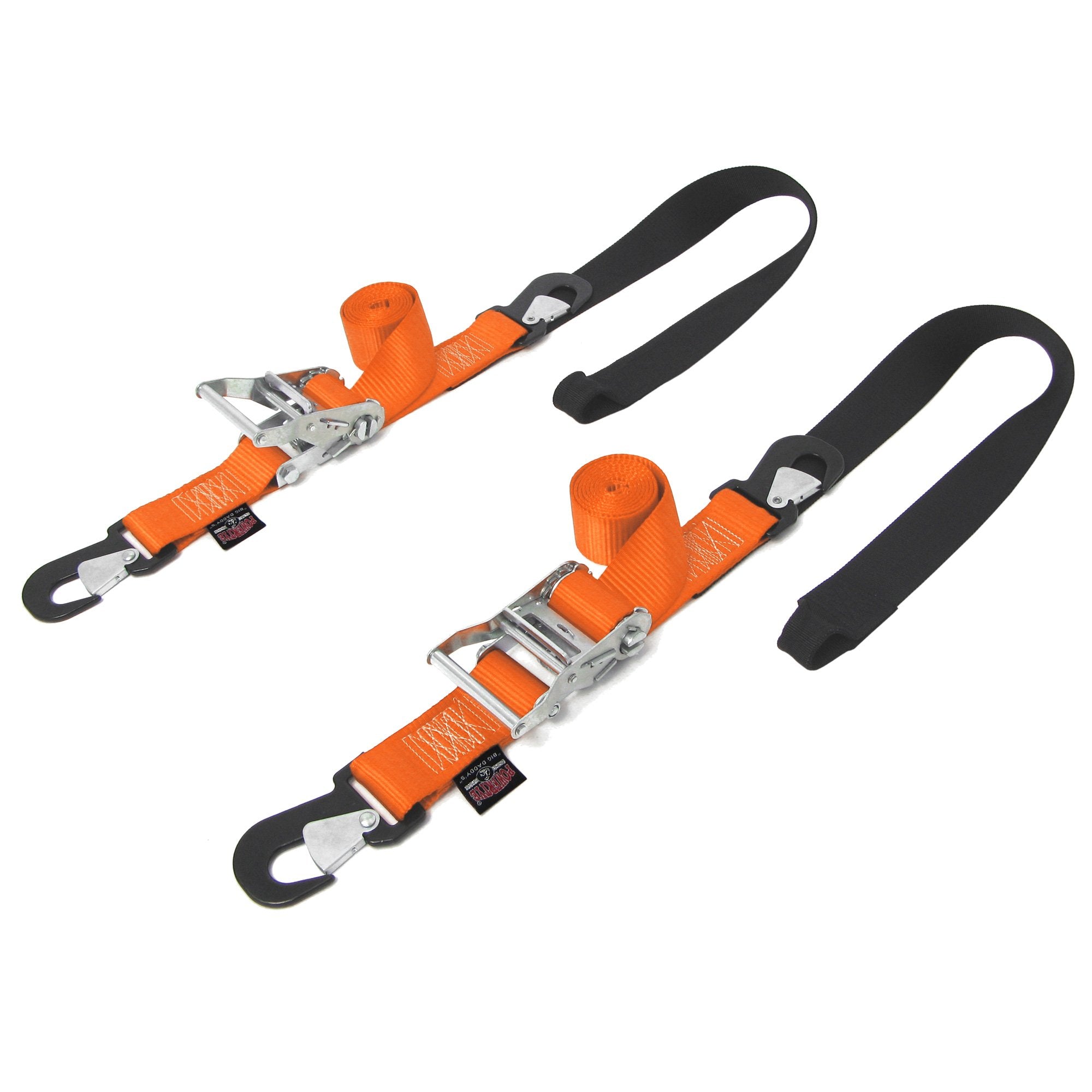
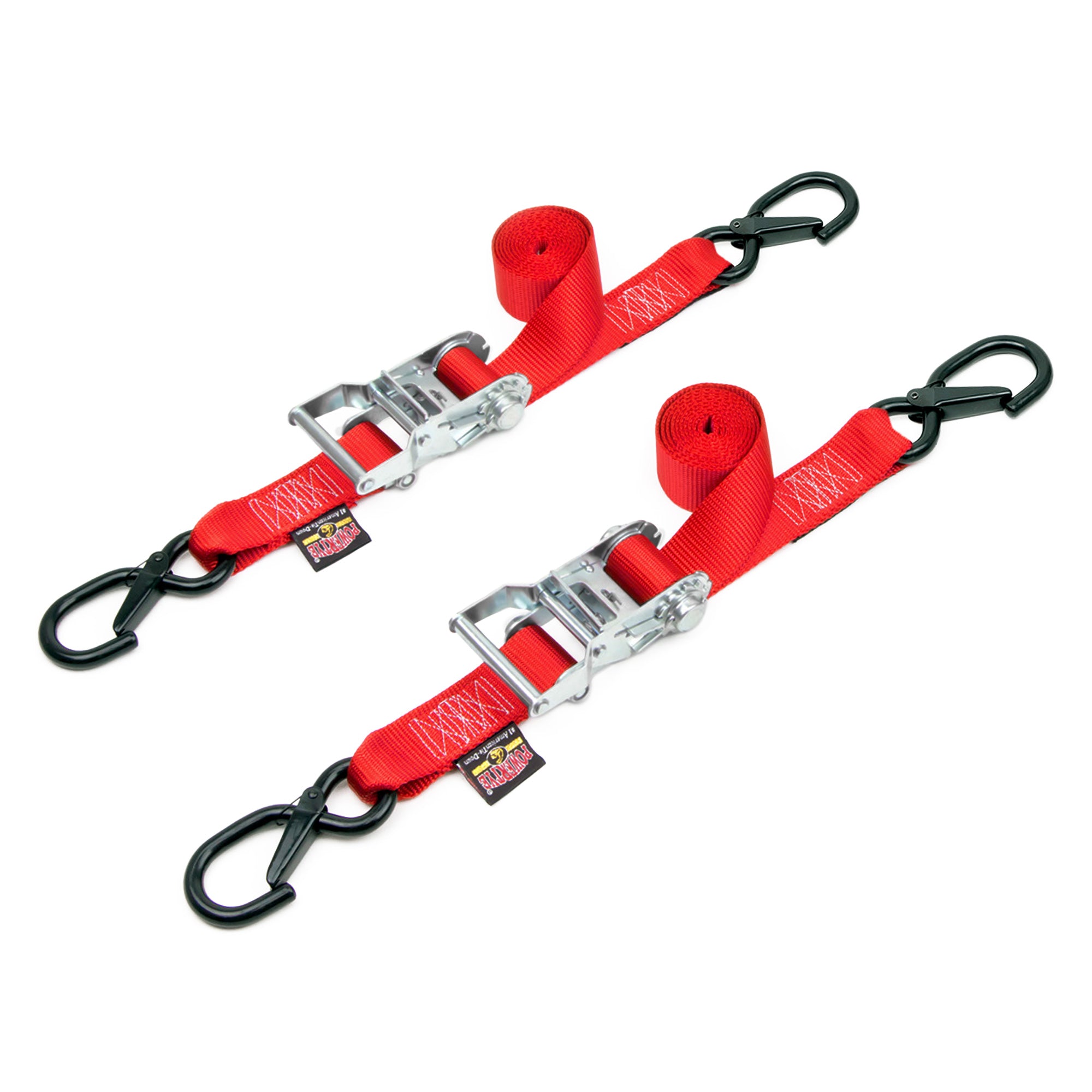
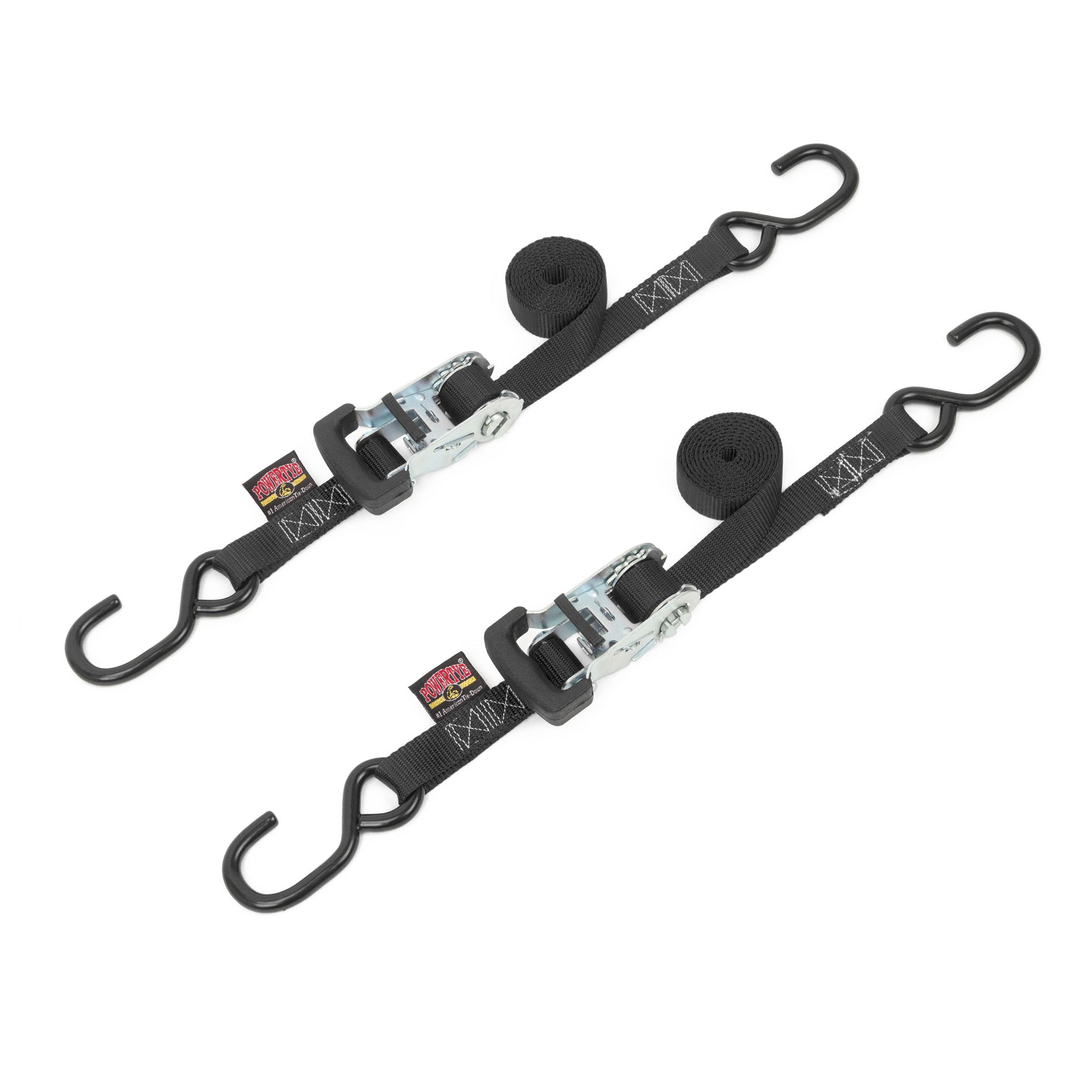
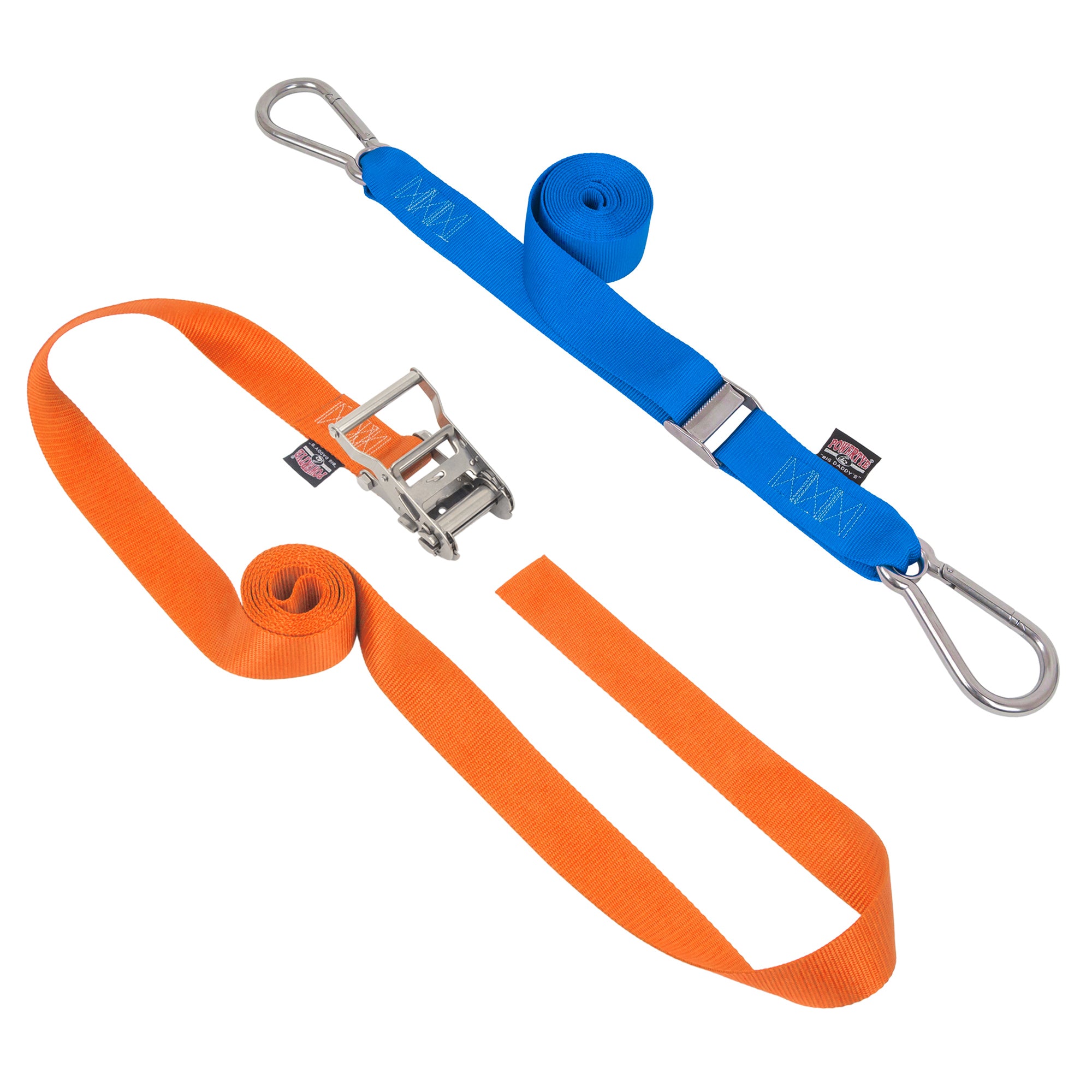
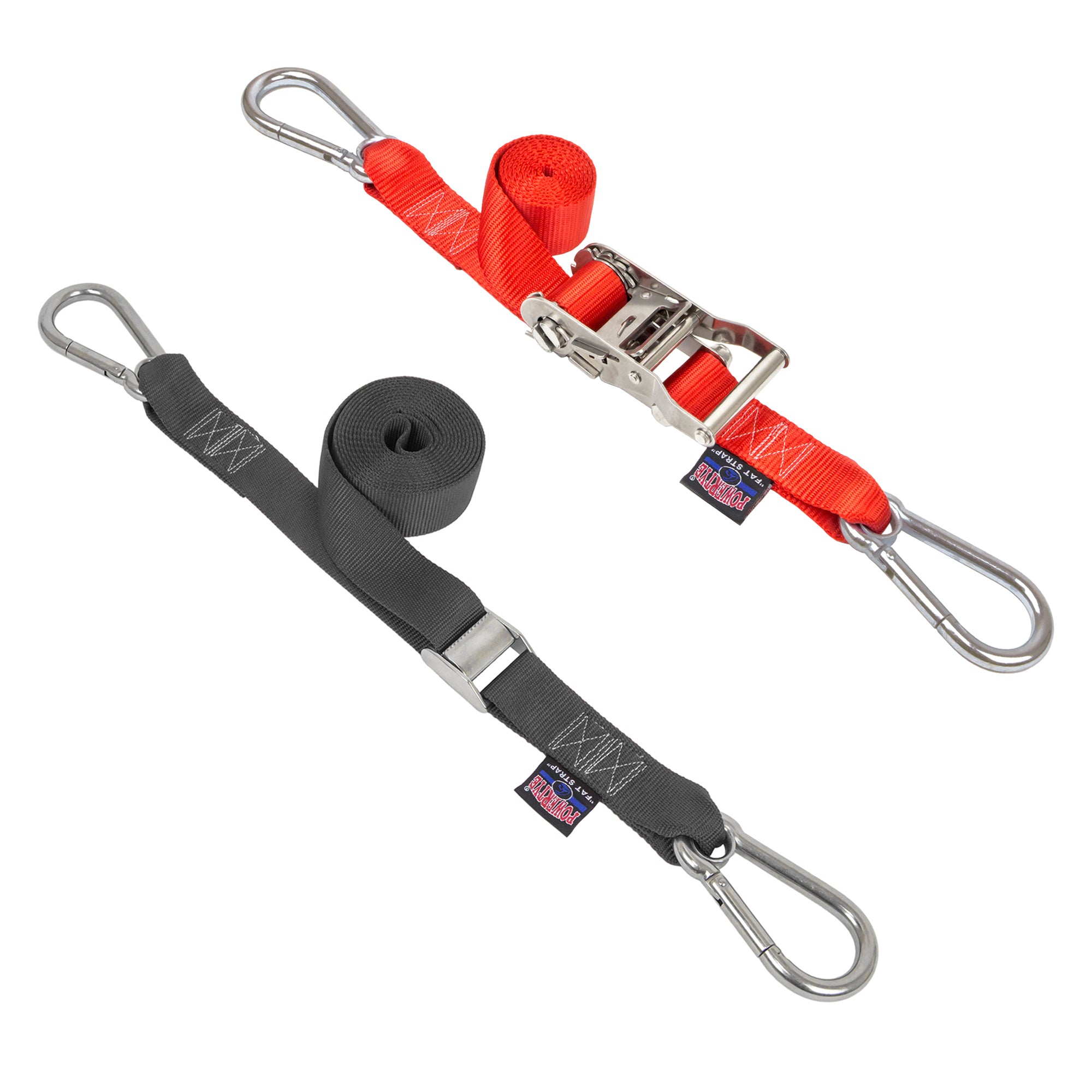
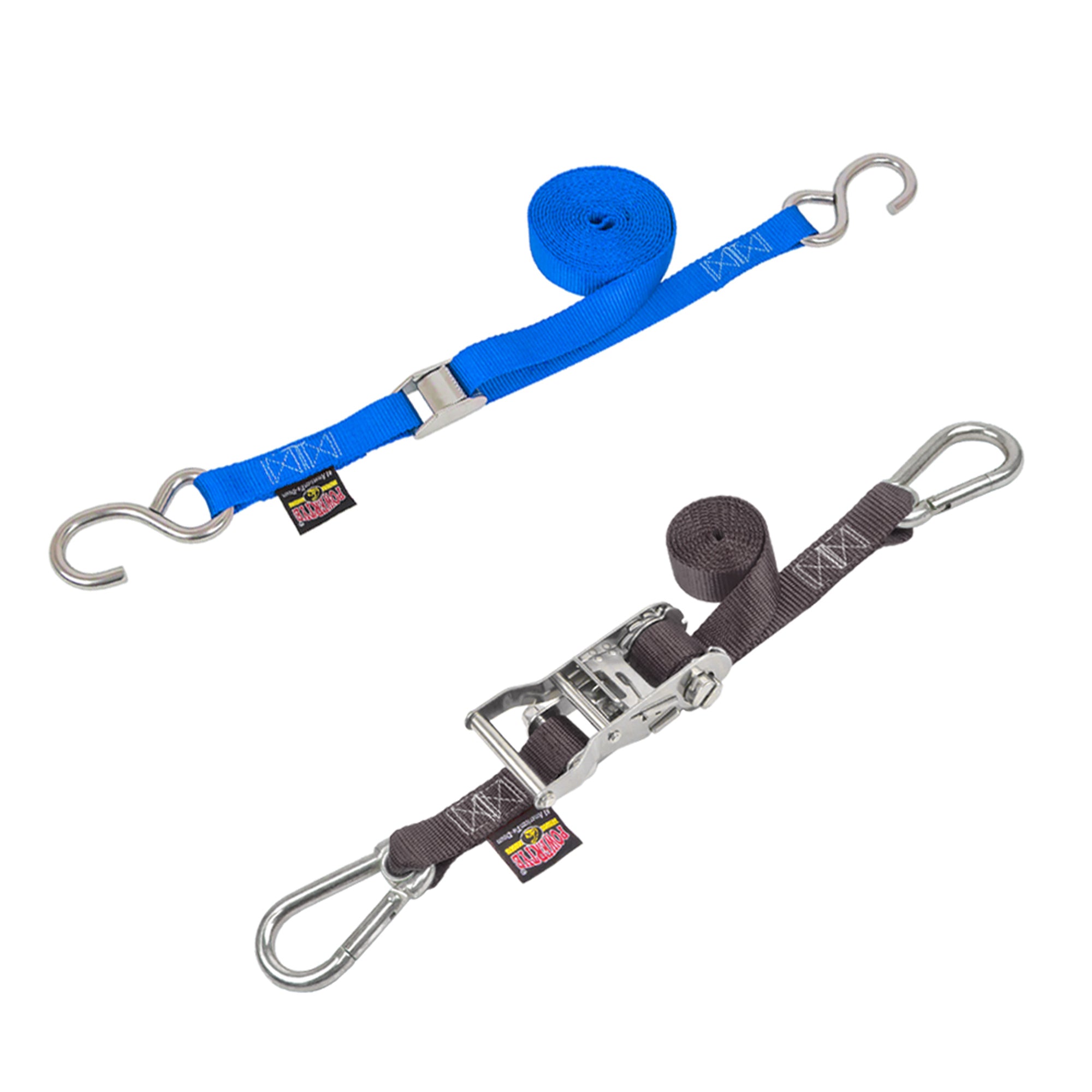
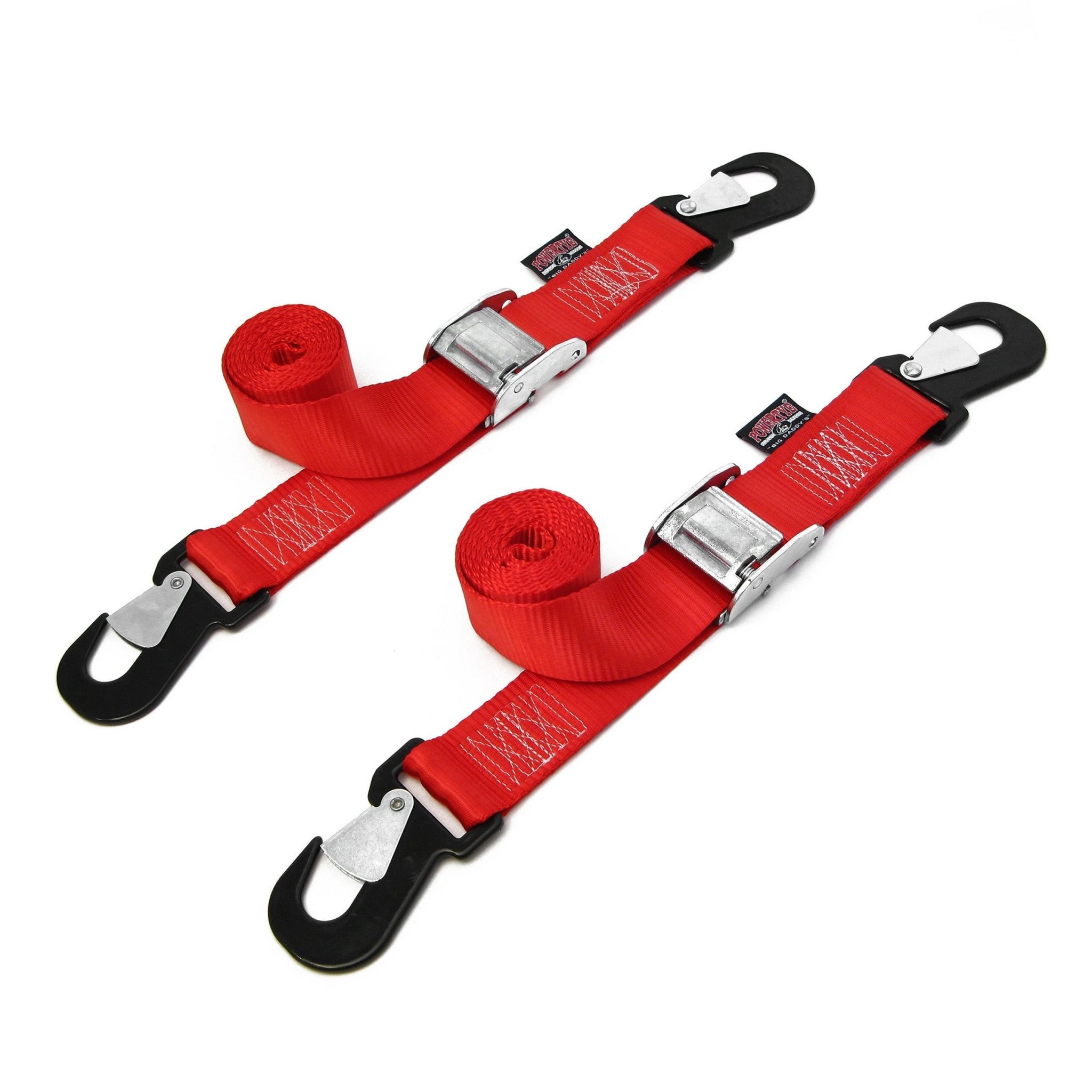
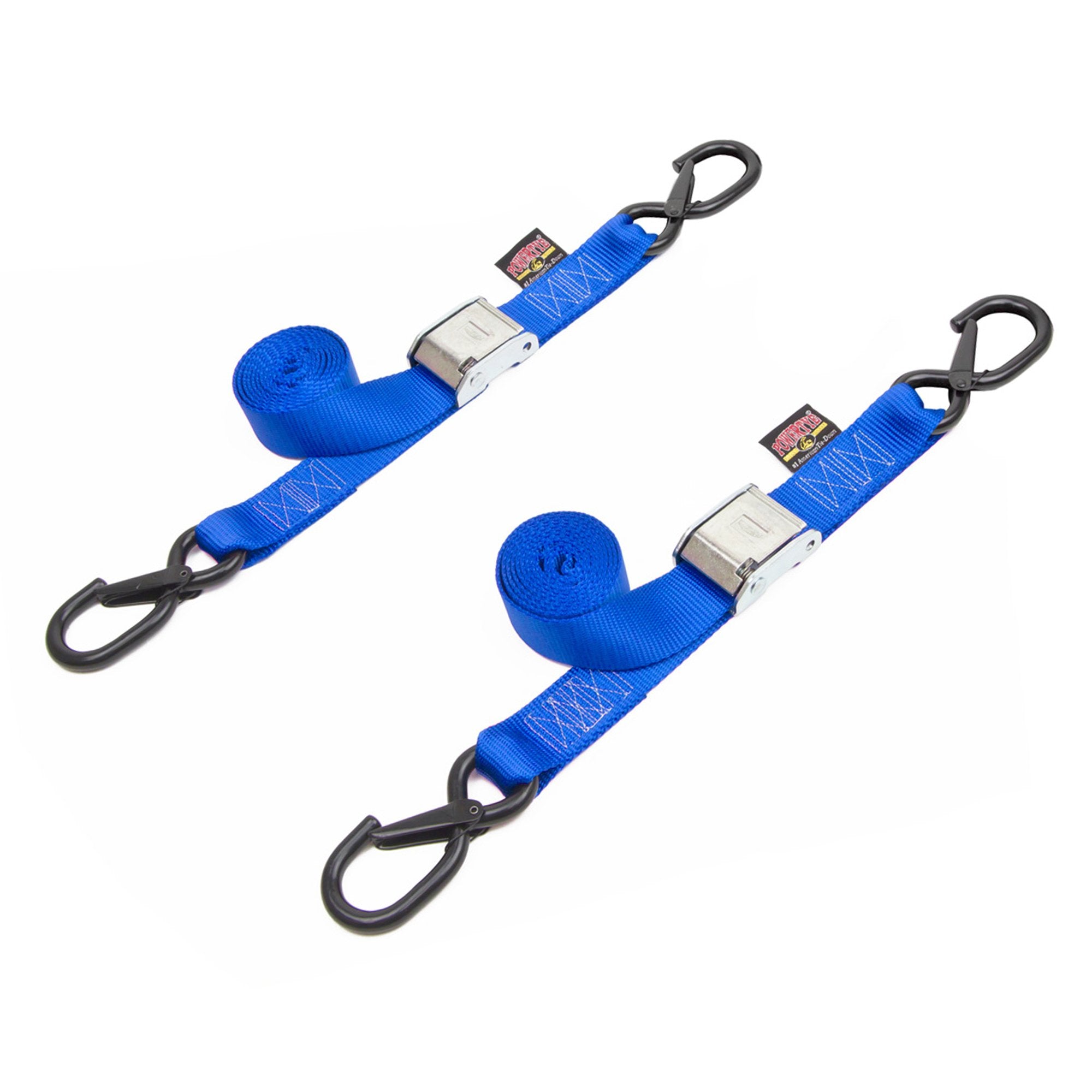
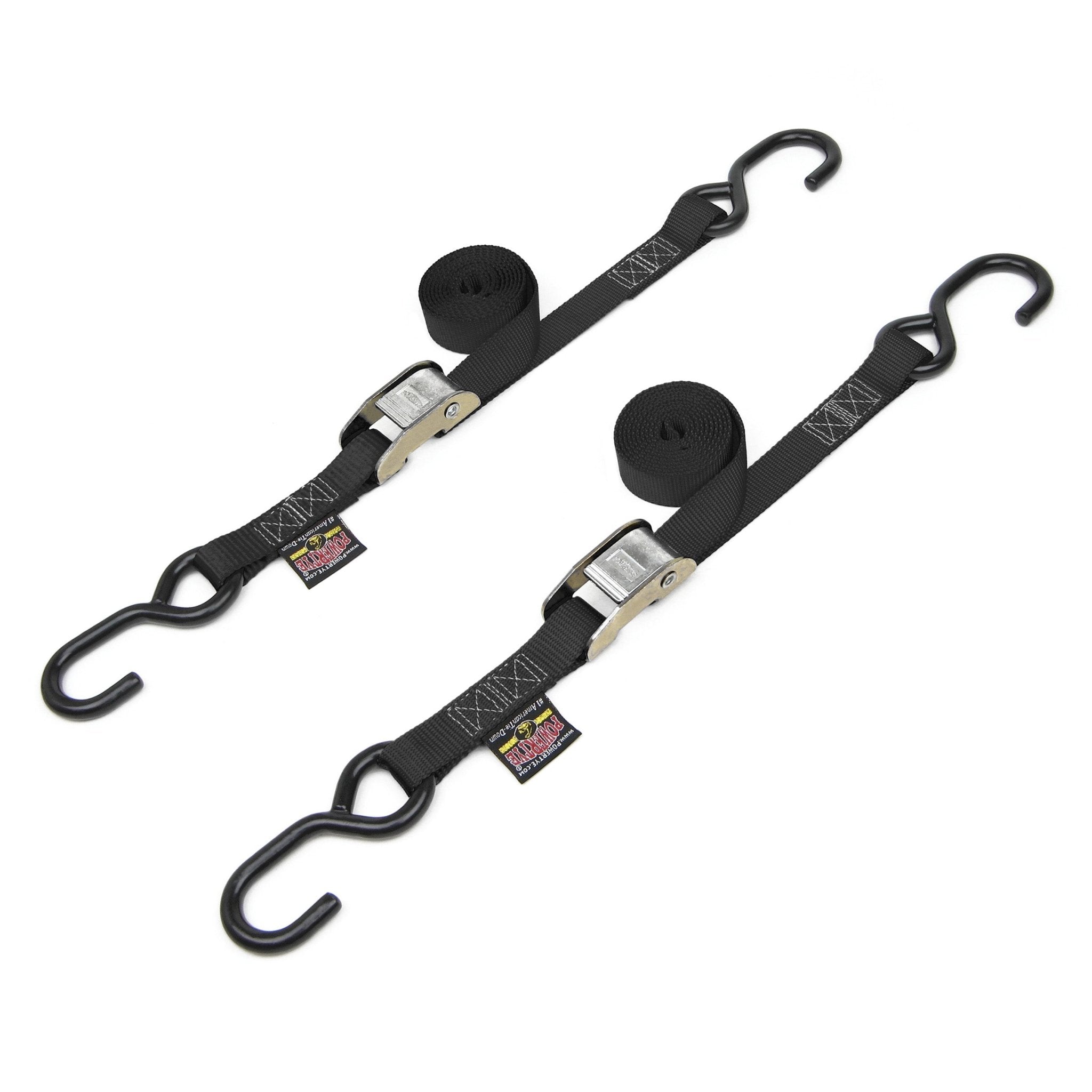
PowerTye offers ratchet tie-down straps built for powersports and marine use. Only products actually sold by PowerTye should be used.
Ratchet Tie-Down Straps
Ideal for:
-
Stern restraint
-
Long-distance towing
-
Highway travel
These straps maintain tension reliably under vibration.
Stainless Ratchet Tie-Down Options
For marine environments, stainless hardware is highly recommended.
Benefits include:
-
Corrosion resistance
-
Smooth ratchet operation after water exposure
-
Longer hardware lifespan
If you frequently launch in saltwater, stainless ratchet straps are a smart investment.
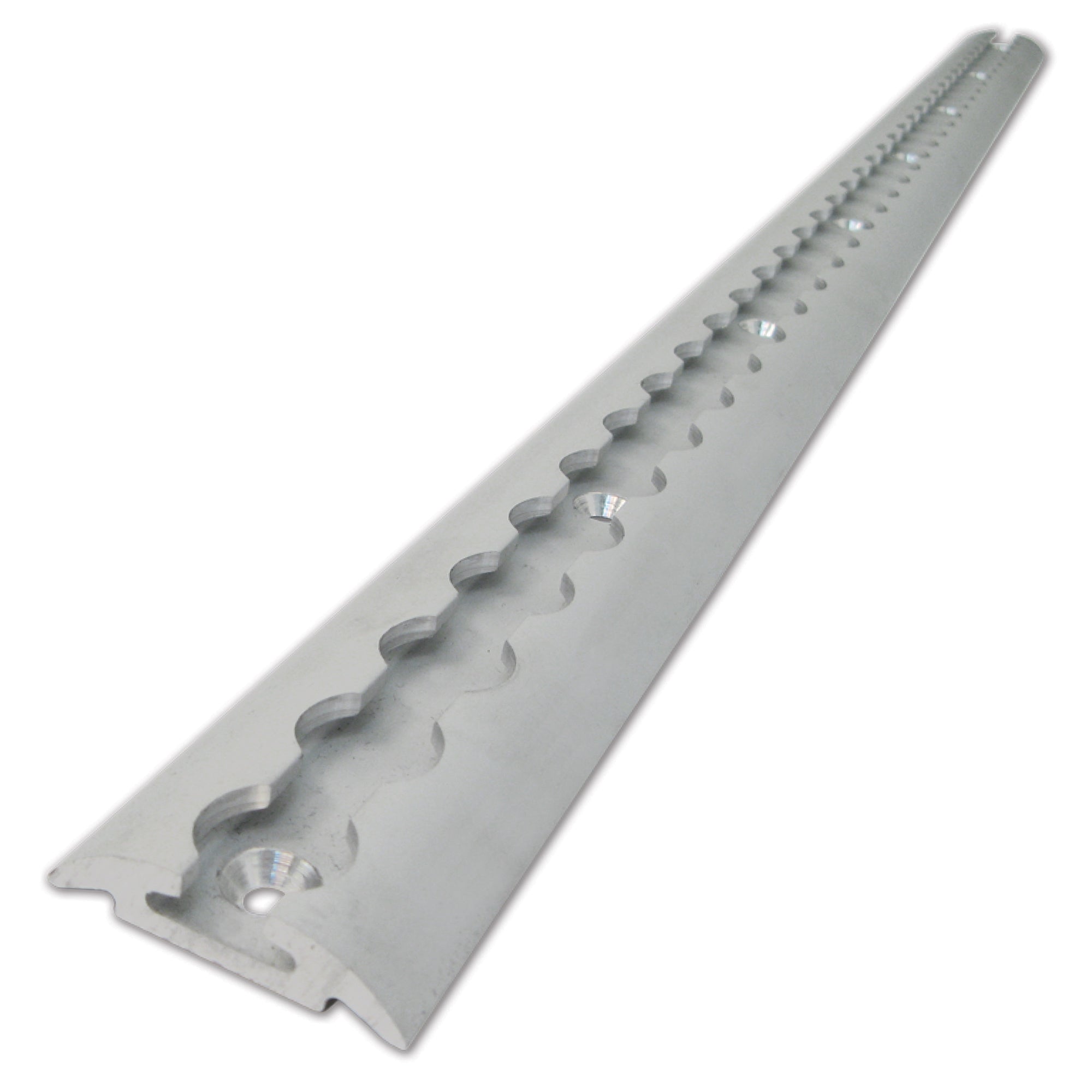
Compatibility With Tie Down Track
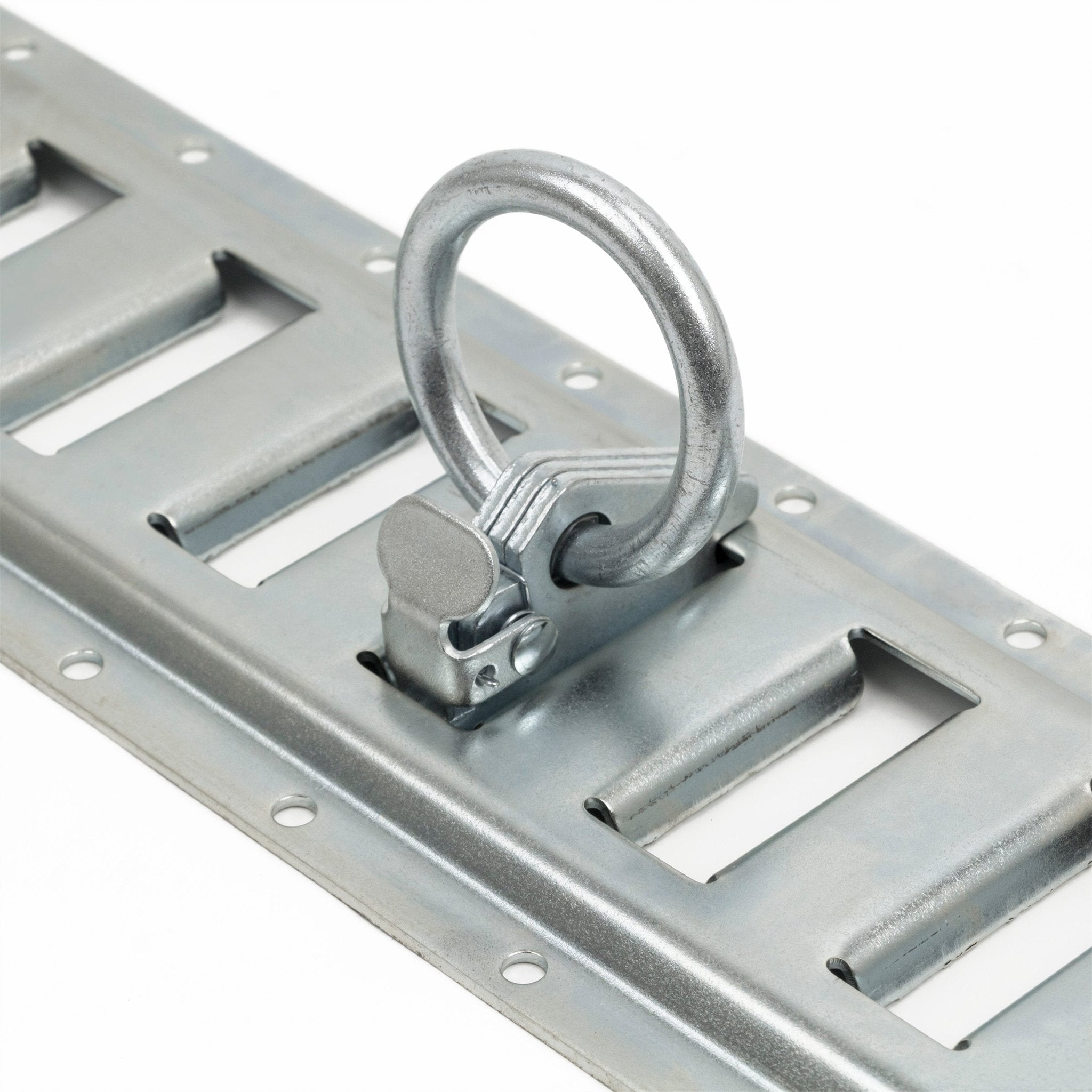
If your trailer includes cargo trailer tie down track, PowerTye ratchet straps and fittings allow flexible anchor placement for proper strap angles.
Open vs Enclosed Trailer Considerations
Open Trailers
Wind exposure makes stern straps critical. Always ensure ratchets are fully locked and excess webbing is secured.
Enclosed Trailers
Even inside enclosed trailers, stern ratchet straps are necessary to prevent movement during braking or sudden stops.
Maintenance and Care for Boat Ratchet Straps
Cleaning
After water exposure:
-
Rinse with fresh water
-
Wash with mild soap
-
Air dry completely
This helps prevent corrosion and webbing degradation.
Inspection
Before each trip, check for:
-
Frayed webbing
-
Loose stitching
-
Bent hooks
-
Ratchets that slip or bind
Replace damaged straps immediately.
Storage
Store straps in a dry area out of direct sunlight when not in use. UV exposure weakens webbing over time.
Why Quality Boat Ratchet Straps Make a Difference
Cheap straps often:
-
Stretch under load
-
Corrode quickly
-
Fail without warning
High-quality PowerTye ratchet tie-down straps:
-
Maintain consistent tension
-
Resist abrasion
-
Deliver reliable performance trip after trip
Considering the value of your boat and trailer, proper tie-down equipment is a small but critical investment.

FAQ: Boat Ratchet Straps
How many boat ratchet straps should I use
Two stern straps, one on each rear corner, plus the winch strap at the bow.
Are ratchet straps better than cam buckle straps for boats
Yes, ratchet straps provide more consistent tension for highway travel.
Should I overtighten stern straps
No. Tight enough to eliminate movement without stressing the hull.
Can boat ratchet straps get wet
Yes, but they should be rinsed and dried after use.
Do I need stainless ratchet straps
Stainless hardware is highly recommended for saltwater or frequent water exposure.
How often should I check boat ratchet straps
After the first few miles and at every fuel stop.
Can I use one strap across the stern
Two independent straps are safer and provide better stability.
Lock It Down and Tow With Confidence
Proper boat ratchet straps are essential for safe, stable towing. Securing the stern with quality ratchet tie-down straps protects your hull, reduces stress on the trailer, and ensures your boat stays planted mile after mile.
PowerTye ratchet tie-down straps and stainless options are trusted by boat owners who tow regularly and expect reliable performance in real-world conditions.
Shop PowerTye boat ratchet straps today and secure your boat with confidence every time you hit the road.