



Boat Tie-Downs: The Complete PowerTye Guide to Securing Your Boat for Safe, Stress-Free Transport
Introduction
Trailering a boat is one of those tasks that feels routine until something goes wrong. Anyone who has watched a boat shift on the highway or seen straps flapping loose knows how quickly a relaxed drive can turn into a problem. Understanding proper boat tie-downs is essential for protecting your boat, your trailer, and everyone else on the road. Within the first hundred words it matters to clearly explain why boat tie-downs are so important, because boats behave very differently from motorcycles, cars, or equipment once they are on a trailer.
A boat is tall, wide, and often heavier than it looks. Wind resistance, road vibration, sudden braking, and uneven pavement all work against you during transport. PowerTye has earned its reputation by building tie-down solutions designed for real-world hauling conditions. Their ratchet straps, cam buckle straps, axle straps, soft ties, and TrackStar L Track systems provide the strength and reliability needed to keep boats secure mile after mile. In this guide you will learn how boat tie-downs work, how to strap a boat step by step, common mistakes to avoid, safety tips that matter, how to choose the right PowerTye products, and how to maintain your gear for long-term performance.
How Boat Tie-Downs Work
To understand how boat tie-downs work, it helps to think about how a boat moves on a trailer. Unlike a car that sits low and evenly distributed, a boat rides higher and often has more mass above the trailer frame. During transport the boat experiences forward force under braking, backward force under acceleration, side loads during turns, and constant vertical movement from road vibration.
Boat tie-downs are designed to counteract all of these forces at the same time. The goal is to pull the boat downward onto the trailer bunks or rollers while also preventing side-to-side and forward movement. Properly applied tie-downs turn the boat and trailer into a single stable unit.
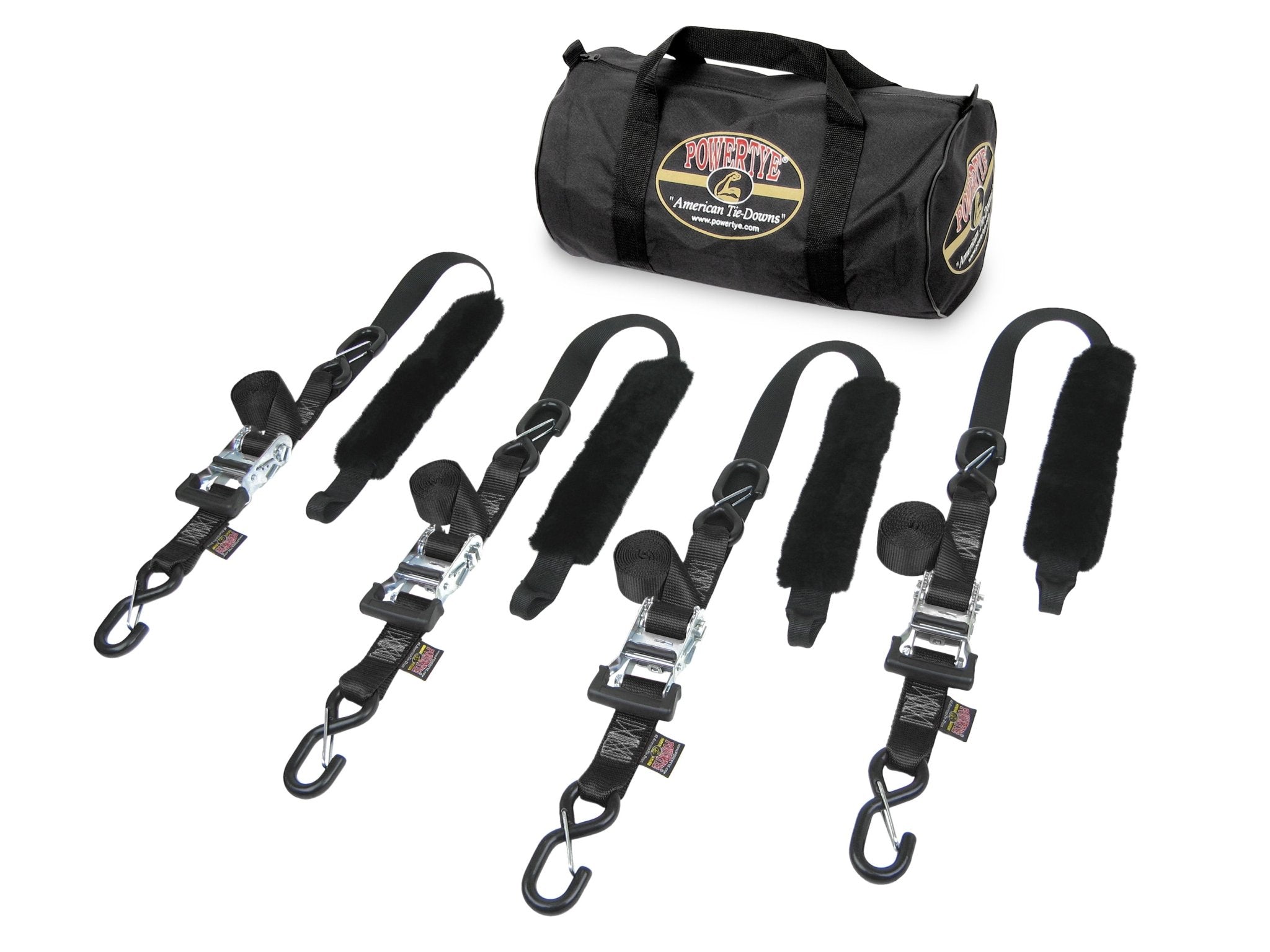
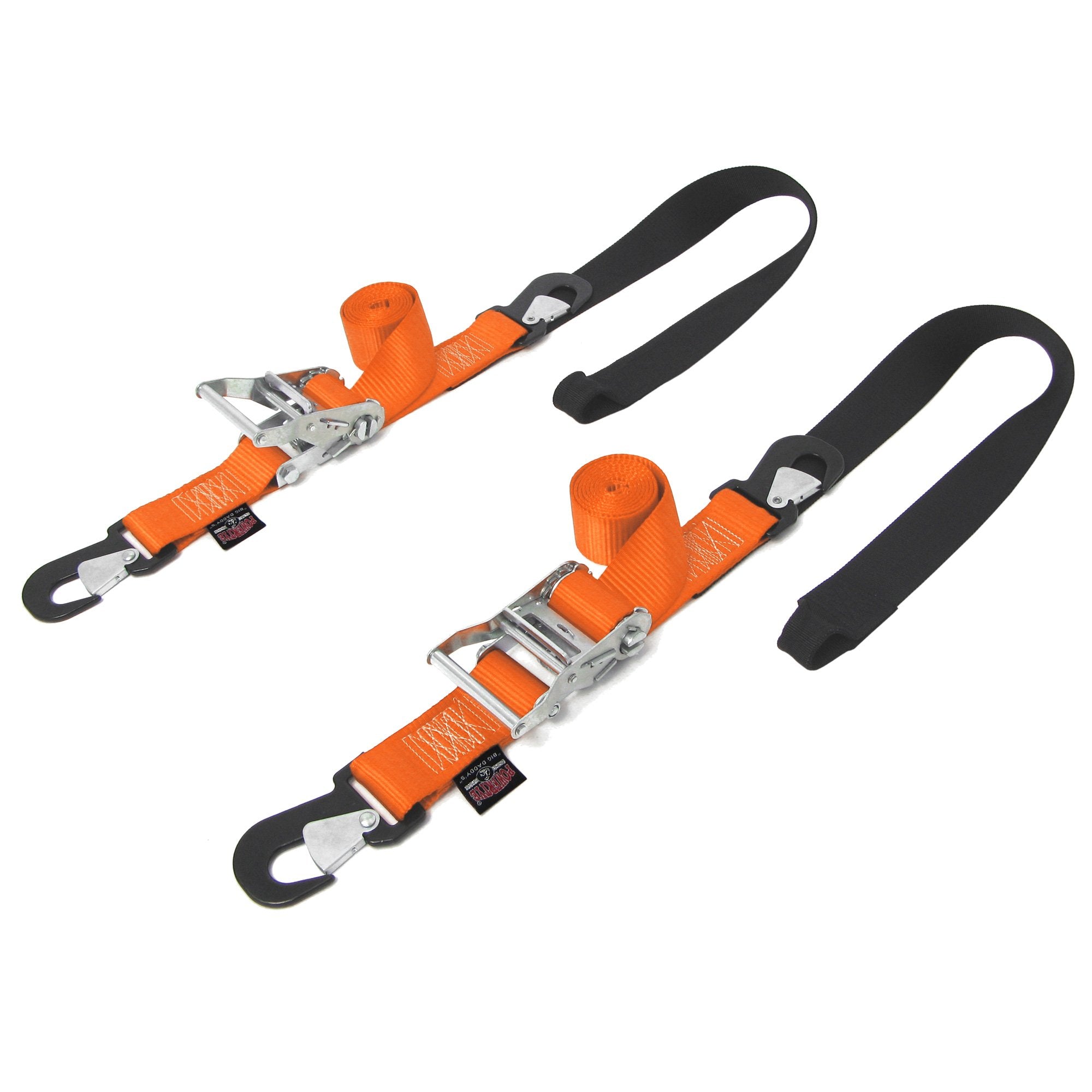
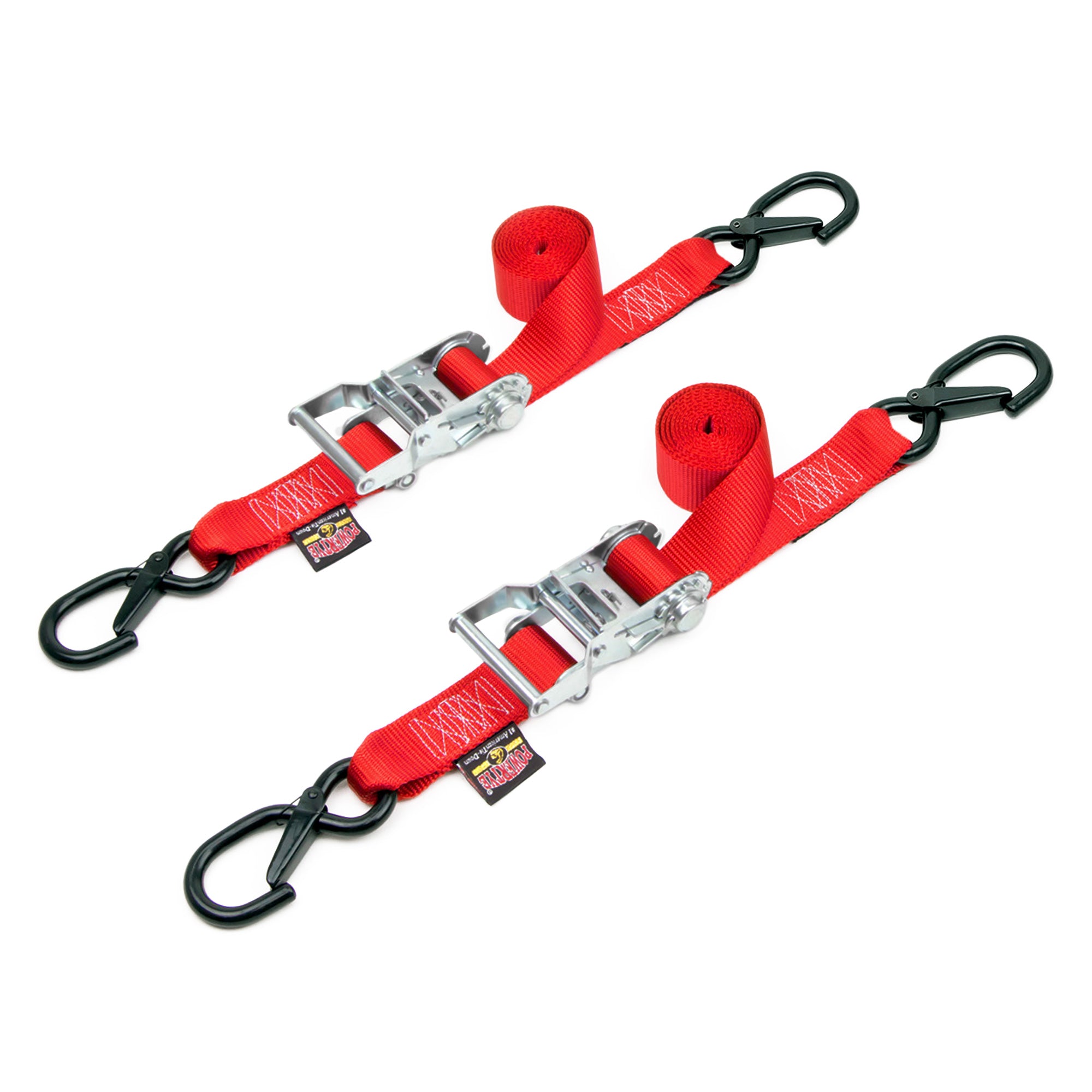
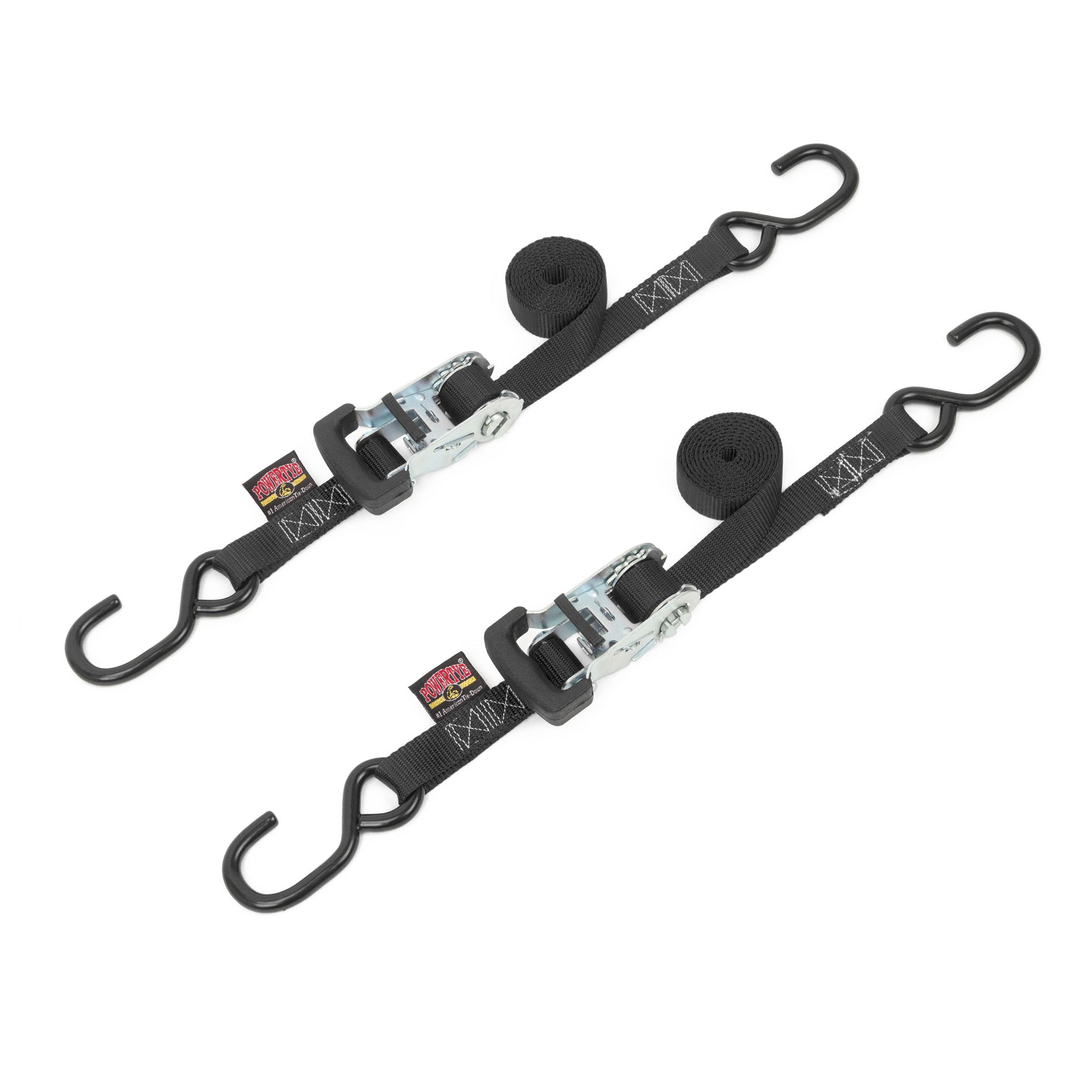
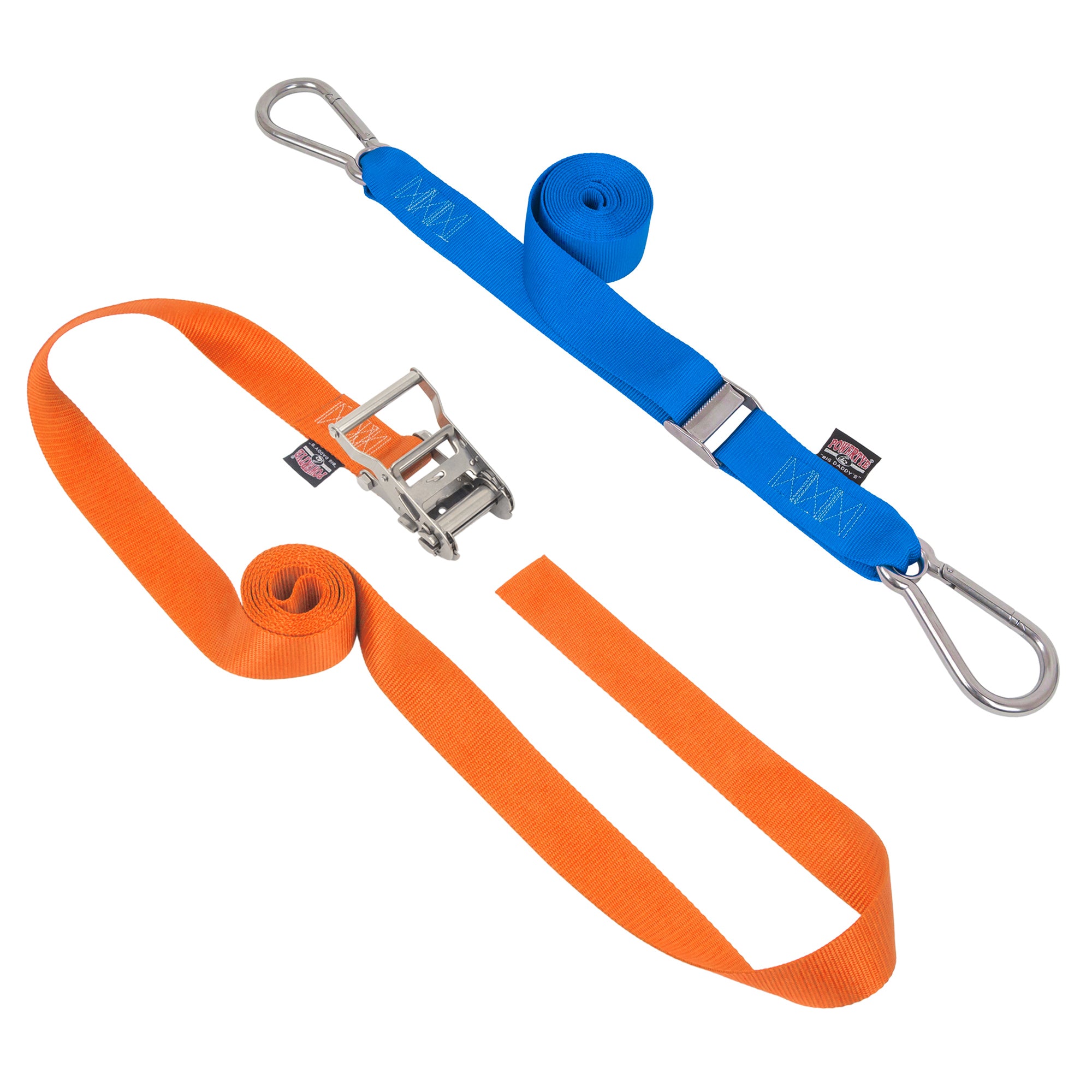
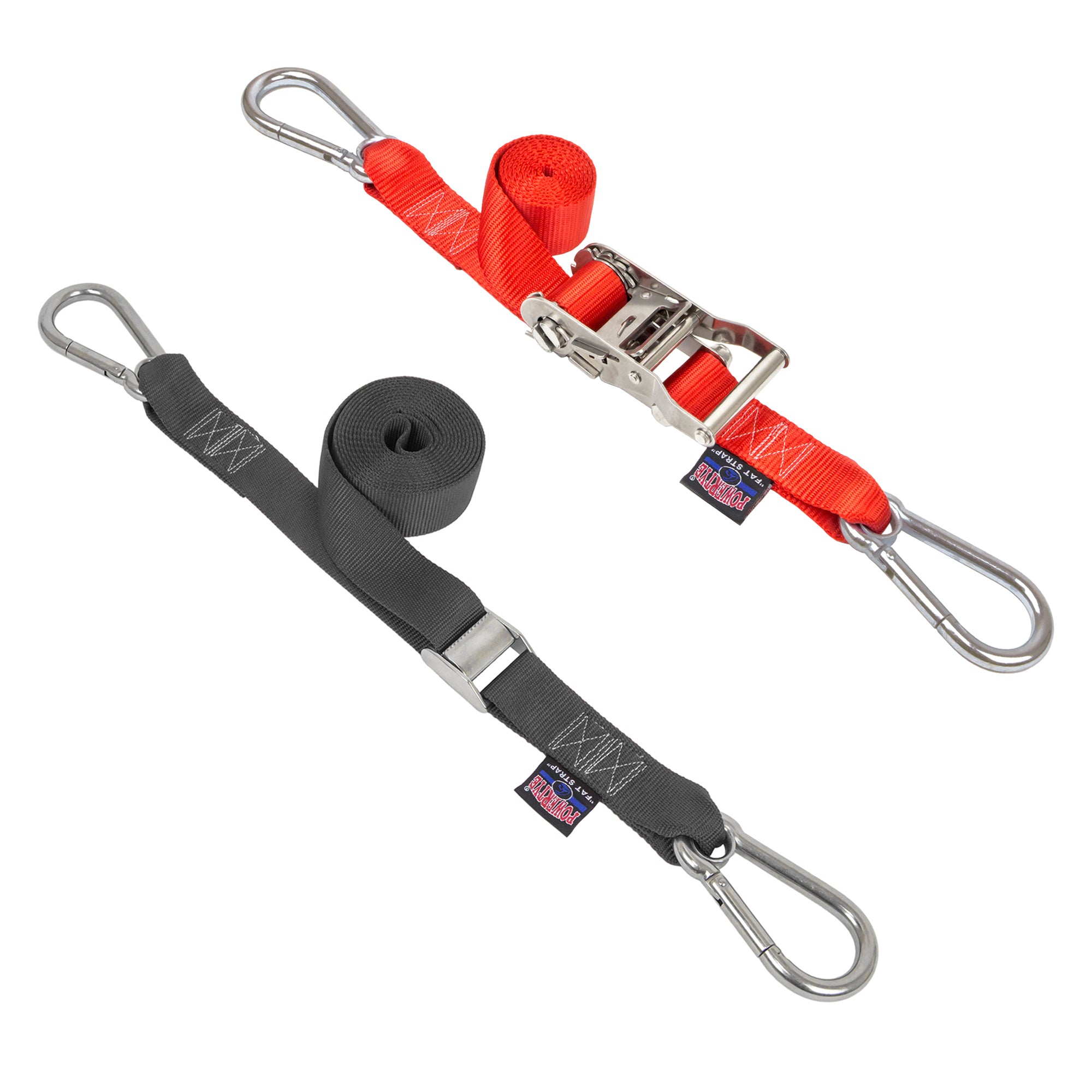
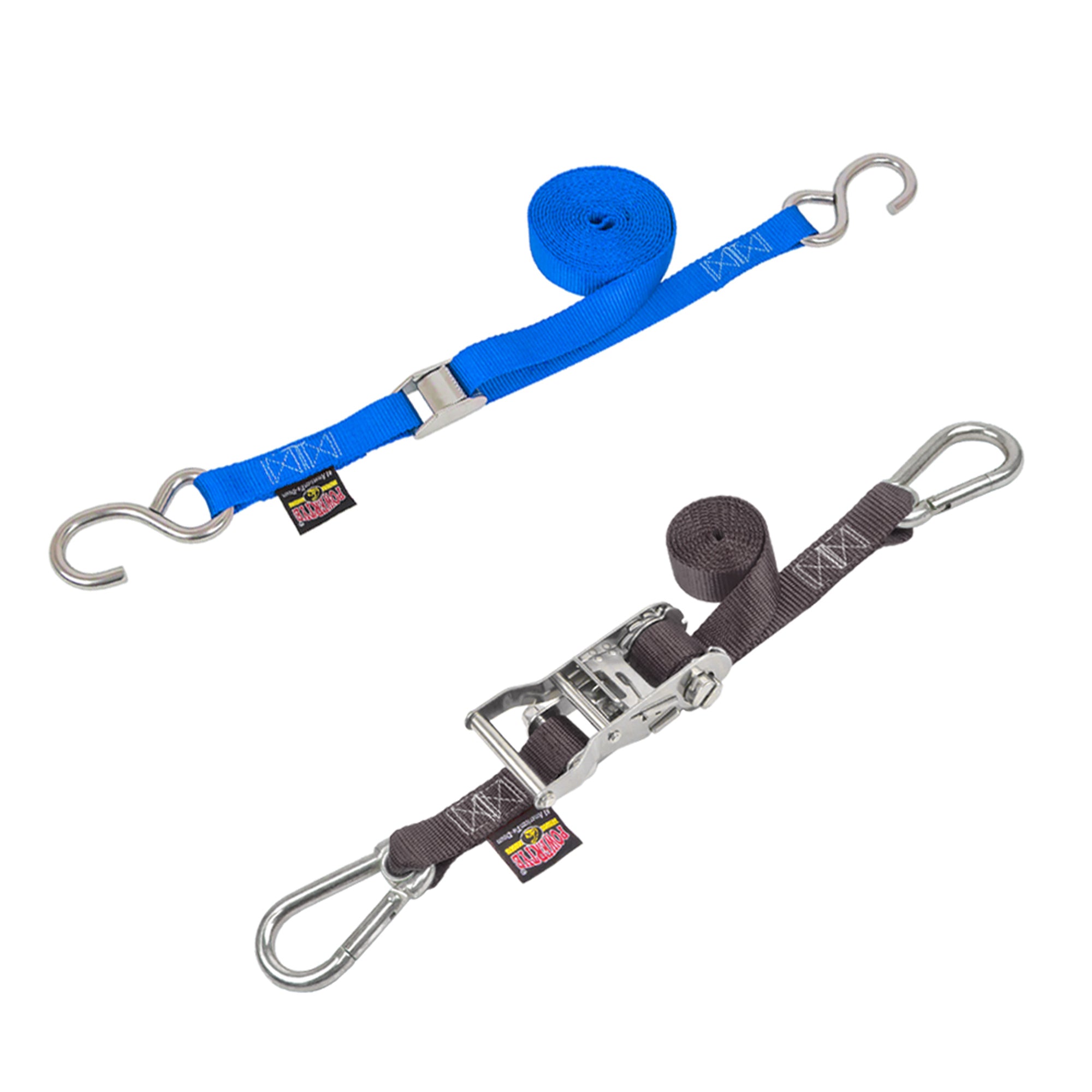
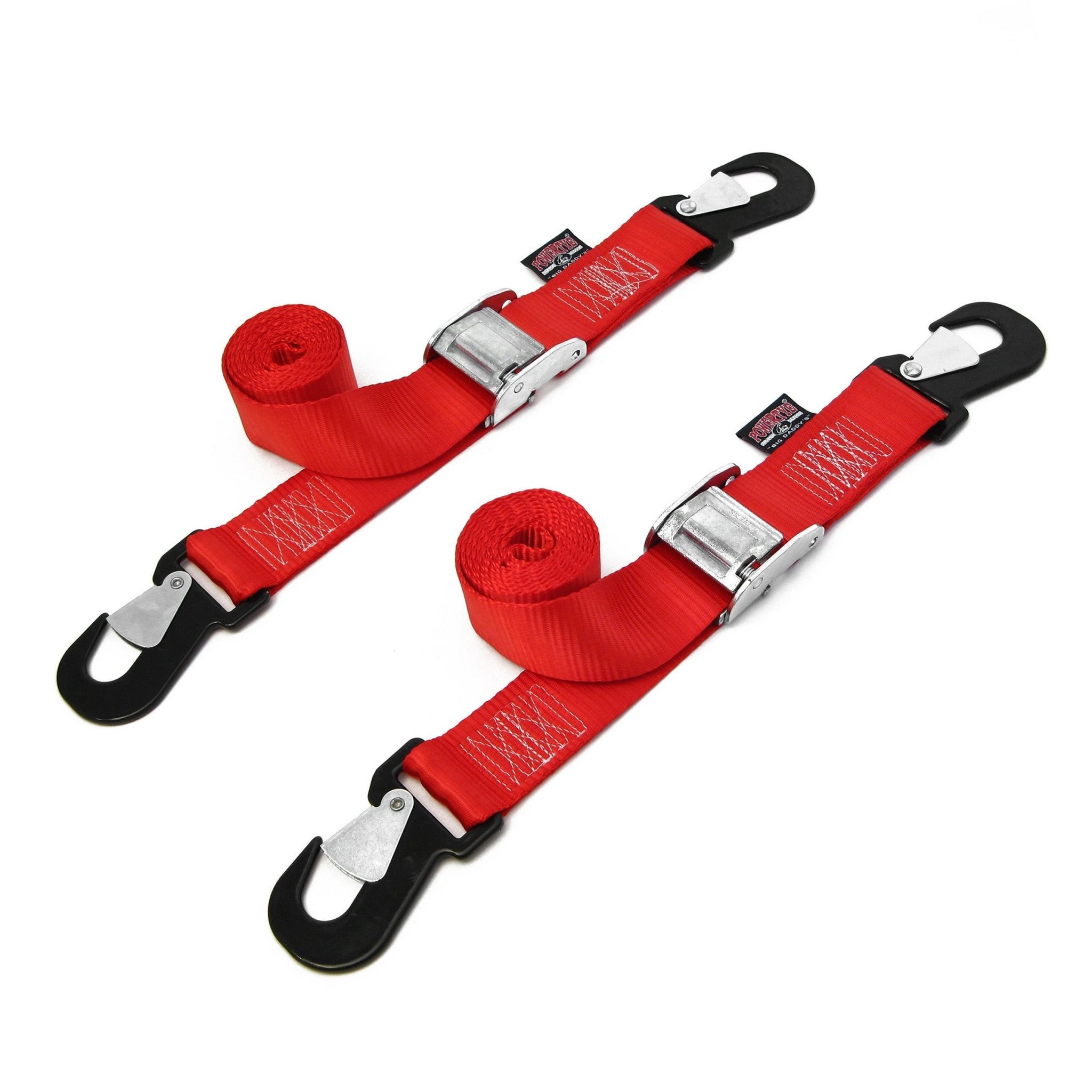
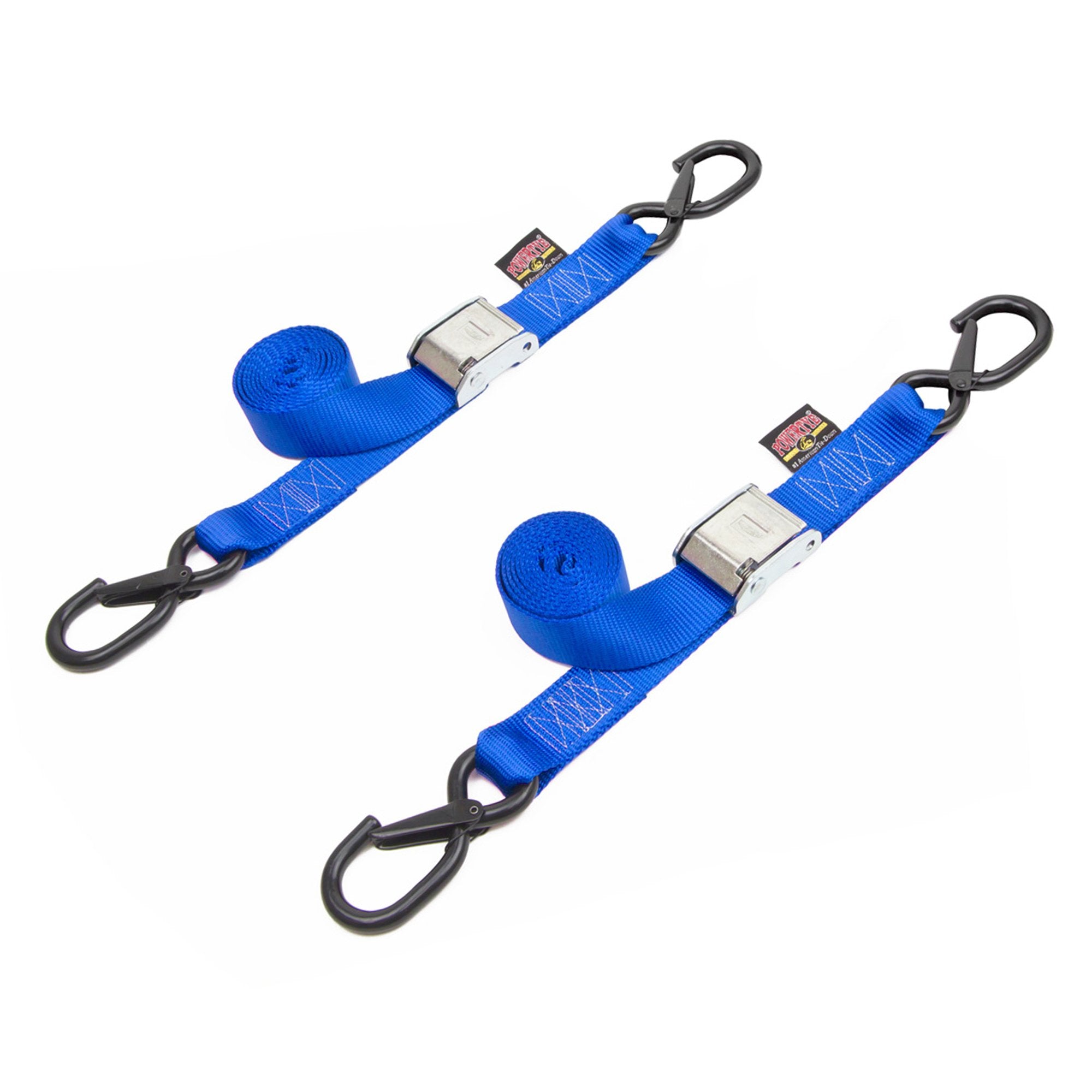
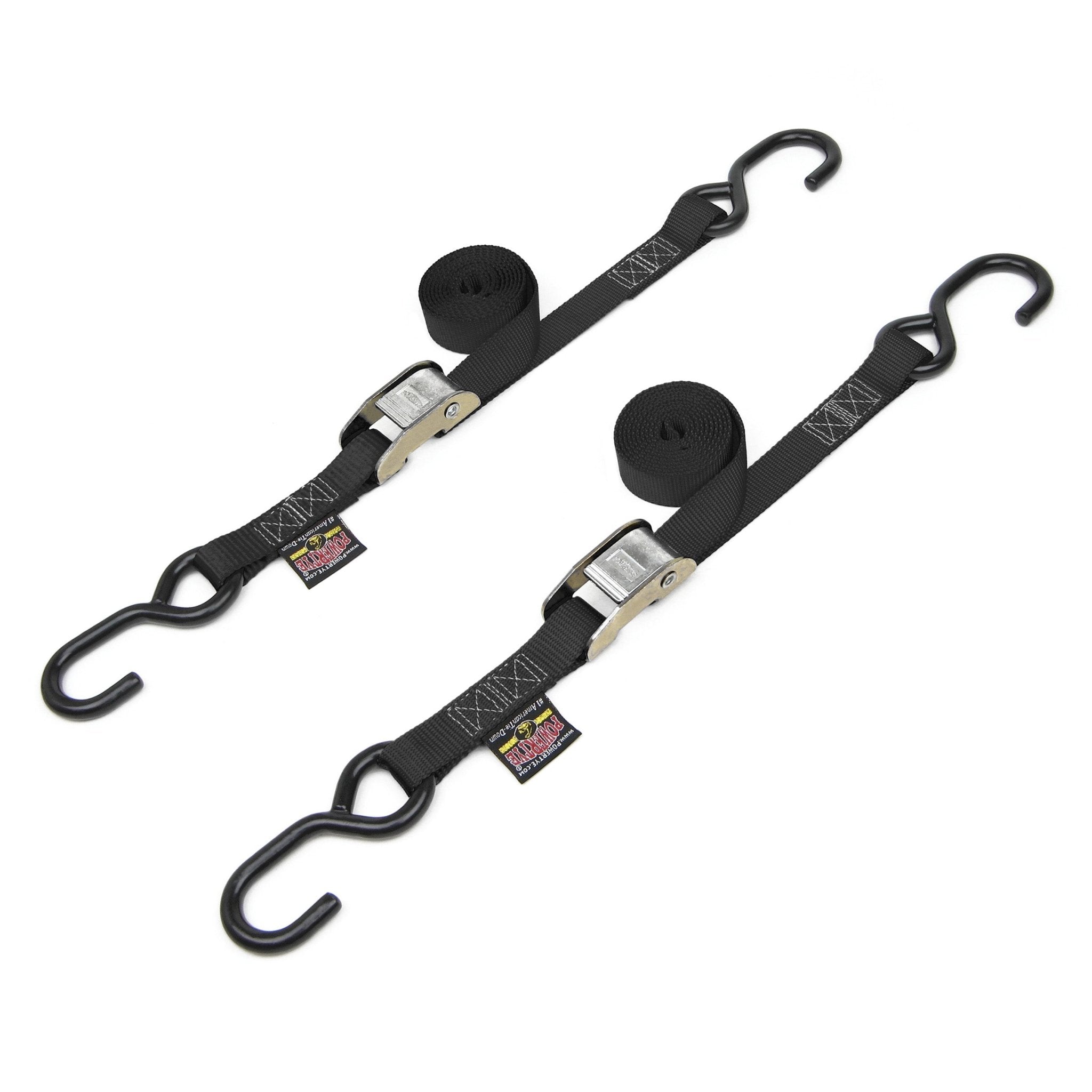
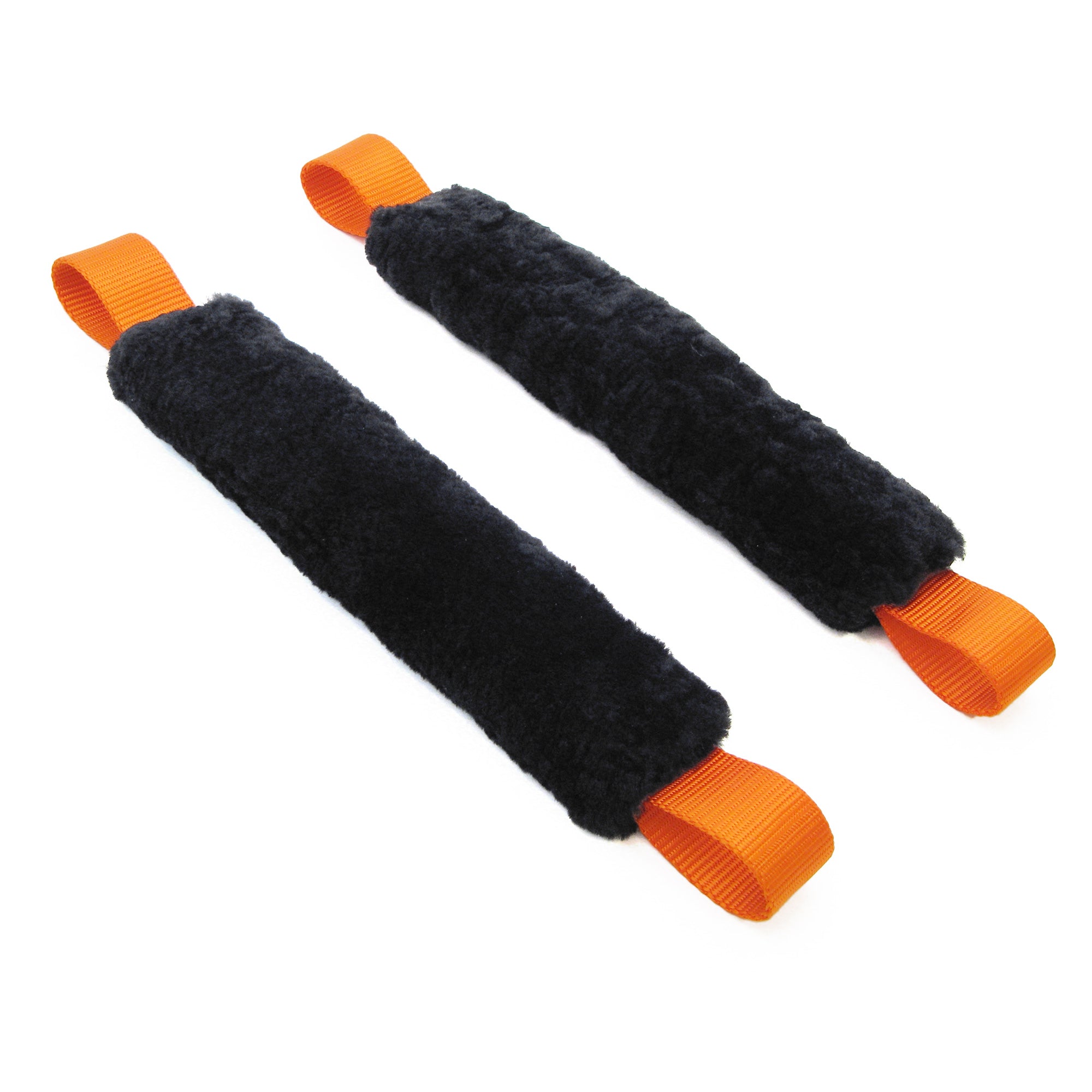
PowerTye ratchet straps are commonly used for boat transport because they allow precise tension control. This is important when securing a hull without damaging gel coat or stressing attachment points. Cam buckle straps can also be used in lighter-duty applications where quick loading and unloading is preferred. Soft ties help protect surfaces and create cleaner strap angles when working around delicate areas.
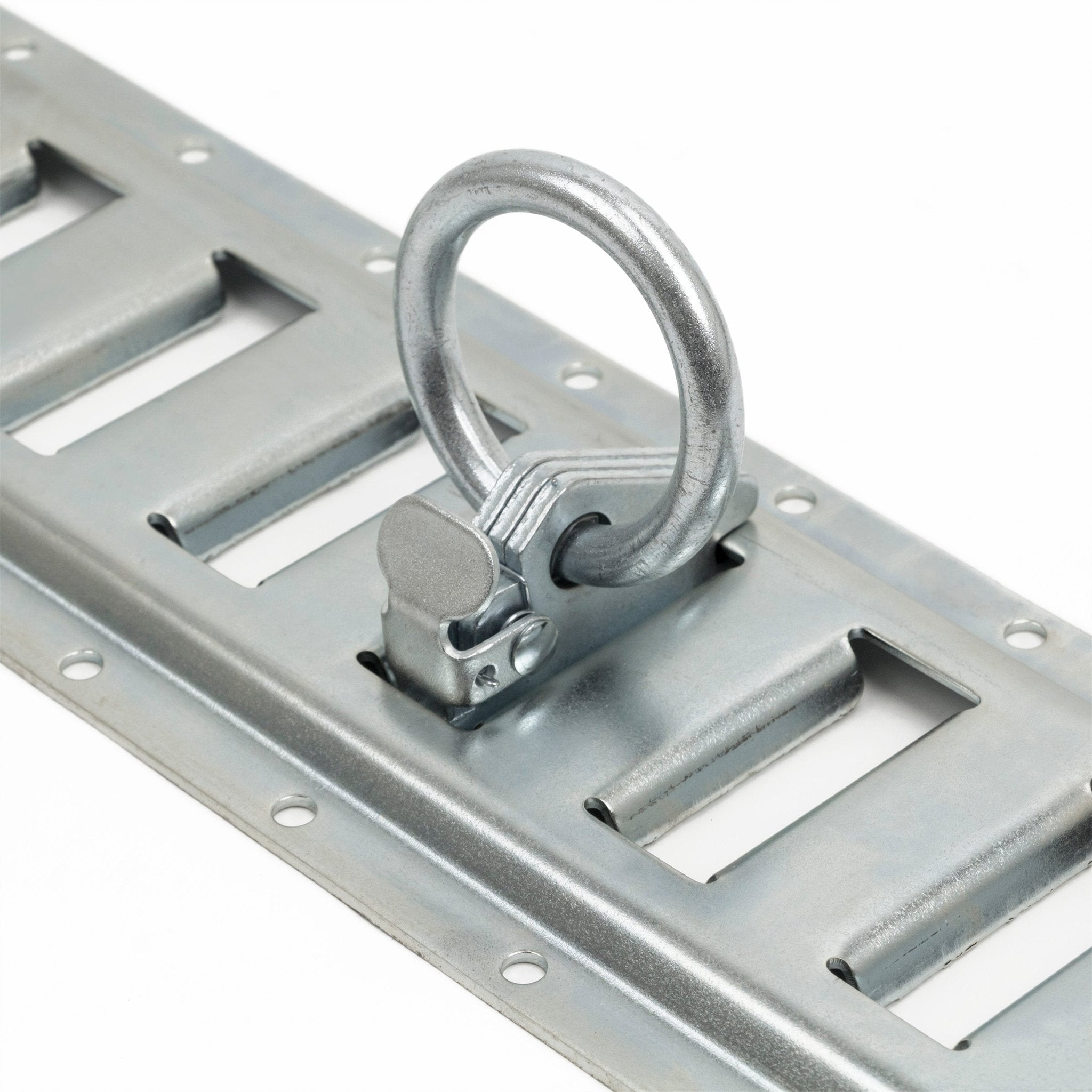
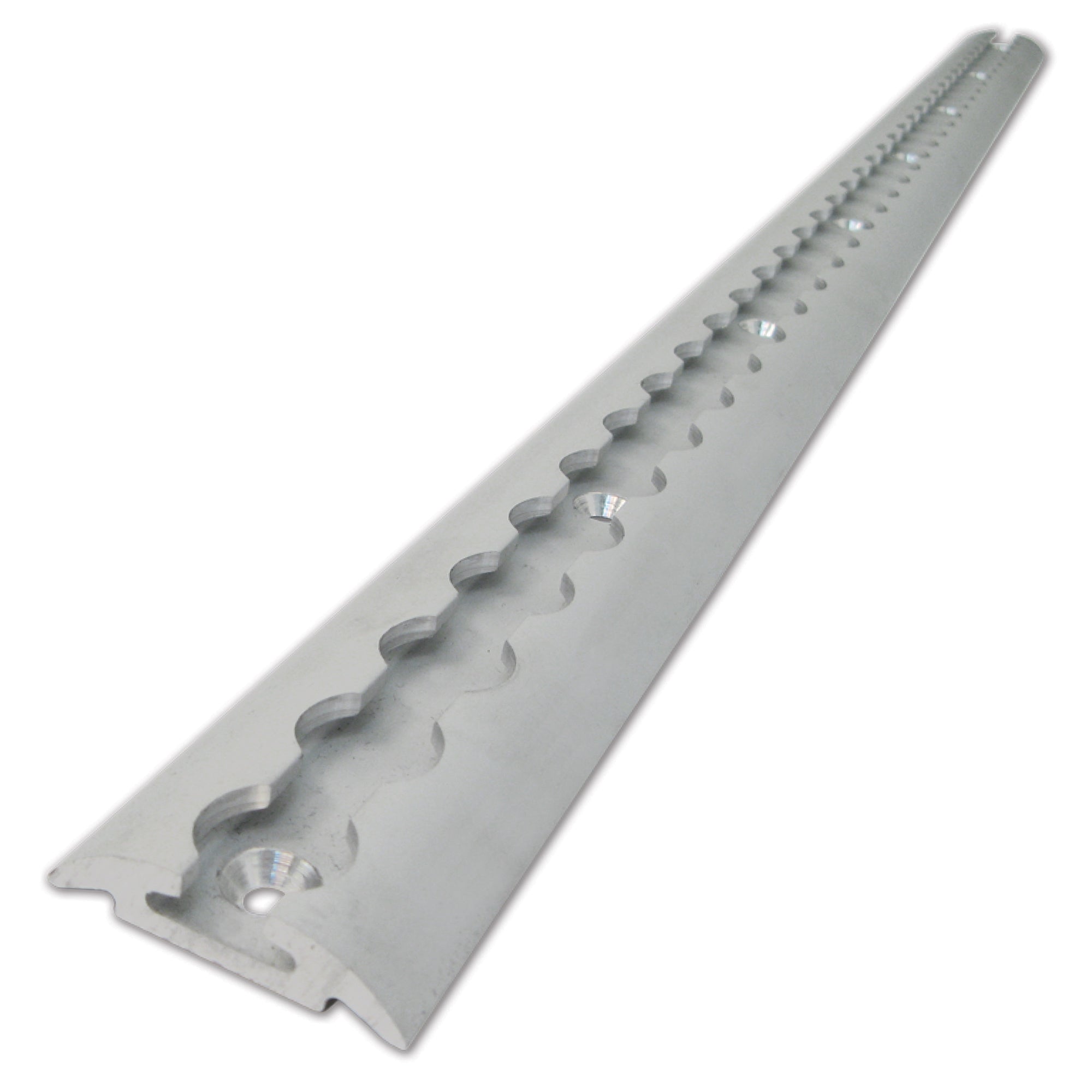
Anchor points matter just as much as the straps themselves. A strong trailer frame and load-rated attachment points are essential. TrackStar L Track systems can be added to trailers to create adjustable anchor locations, which is especially useful for boats with unusual shapes or wide hulls. When the system is balanced and tensioned correctly, the boat stays planted even in wind or rough road conditions.
Step-by-Step Guidance: How to Use Boat Tie-Downs Correctly
Learning how to secure a boat properly comes down to following a consistent process. The steps below outline a reliable method using PowerTye boat tie-downs.
1. Position the Boat Properly on the Trailer
Before touching a strap, make sure the boat is sitting correctly on the trailer. The hull should rest fully on the bunks or rollers, centered left to right, and pushed snugly against the bow stop. Proper positioning reduces the amount of strap tension required and improves overall stability.
Engage the trailer winch and secure the bow to prevent forward movement before adding tie-downs.
2. Identify Strong Tie-Down Points
Boat tie-downs should attach to solid points on the trailer and appropriate attachment points on the boat or trailer frame. Avoid thin metal, sharp edges, or areas not designed to handle load.
PowerTye straps should connect to load-rated trailer points. If needed, soft ties can be used to protect surfaces and improve strap routing.
3. Apply Rear Tie-Down Straps
Most boat transport setups use two rear straps to secure the stern of the boat to the trailer. Place one PowerTye ratchet or cam buckle strap on each side of the rear, pulling downward and slightly outward.
Tighten each strap evenly. The goal is to pull the hull firmly onto the bunks without crushing or distorting anything. Alternate sides as you tighten to maintain balance.
4. Secure the Midsection if Required
Larger boats or long trips may benefit from additional midship straps. These straps reduce flex and help stabilize taller hulls, especially in crosswinds.
TrackStar L Track systems make it easier to position these straps exactly where needed.
5. Check Bow Securement
The winch strap or bow strap should be tight and secure. This strap prevents forward movement during braking and works together with rear tie-downs to lock the boat in place.
Never rely on the winch strap alone. Boat tie-downs at the rear are essential.
6. Set Proper Strap Angles and Tension
Straps should pull downward toward the trailer, not horizontally. Downward tension keeps the boat seated on the bunks and prevents bounce.
Avoid over-tightening. Excessive force can damage the hull or stress mounting points. Controlled, even tension is the key.
7. Perform a Final Walk-Around
Inspect all straps, hooks, and anchor points. Look for twists in the webbing, contact with sharp edges, or proximity to hot components.
Shake the boat gently. It should feel solid and integrated with the trailer.
Common Mistakes to Avoid with Boat Tie-Downs
Many transport issues come from small oversights. Avoiding these mistakes improves safety and protects your boat.
One common mistake is using too few straps. A boat should always be secured at multiple points. Relying on the winch strap alone is not enough.
Over-tightening is another frequent issue. Cranking straps as tight as possible can damage the hull or stress the trailer. Tight enough to prevent movement is the goal.
Under-tightening allows the boat to bounce, which leads to straps loosening over time.
Using worn or damaged straps introduces risk. Frayed webbing, faded material, bent hooks, or rusted hardware should be replaced immediately. PowerTye straps are durable, but all tie-down gear has a service life.
Improper routing causes premature wear. Straps rubbing against sharp metal or edges will fail quickly.
Skipping early rechecks is also risky. Straps settle during the first miles of travel. A quick stop to recheck tension prevents most issues.
Safety Tips for Transporting a Boat
Safe boat transport is built on habits, not shortcuts.
Inspect all boat tie-downs before every trip. Look for damaged webbing, loose stitching, or compromised hardware.
Use even tension on all straps. One overly tight strap carries more load and wears faster.
Avoid sharp edges and abrasive surfaces. Use soft ties when needed to protect both straps and boat surfaces.
Check straps before highway speeds and again at fuel or rest stops.
Balance the load properly on the trailer. Proper tongue weight improves stability and reduces sway.
Never assume straps will stay tight without checking them.
Product Selection Guidance from PowerTye
PowerTye offers several products well-suited for boat tie-down applications.
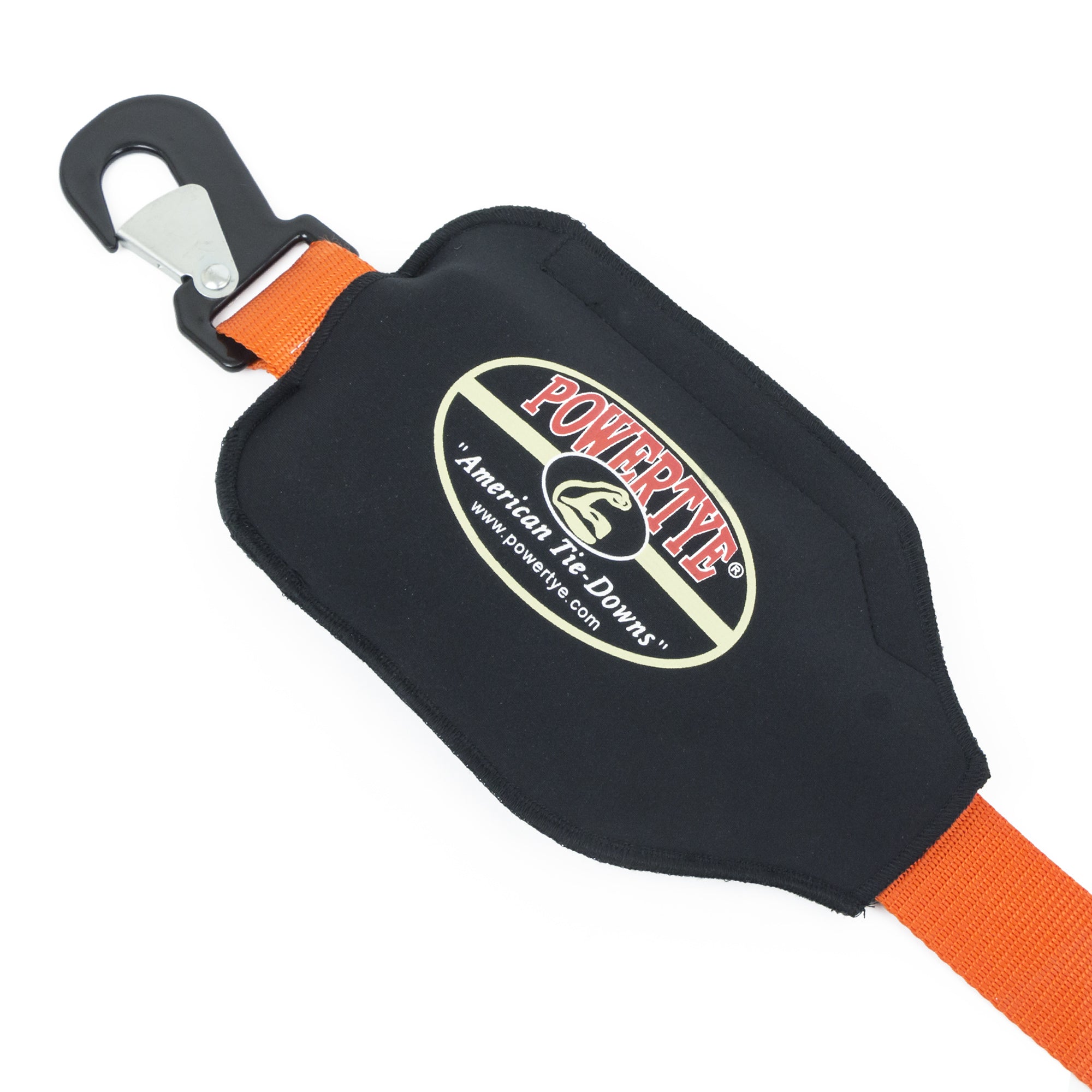
PowerTye ratchet straps provide strong, controlled tension and are ideal for securing boats of various sizes. Their durable webbing resists stretching and abrasion during long trips.
PowerTye cam buckle straps offer faster loading and unloading for lighter boats or short-distance hauling where extreme tension is not required.
Soft ties help protect painted or finished surfaces and allow clean strap routing in tight areas.
Axle straps can be used around solid trailer frame components to create protected anchor loops when direct hook attachment is not ideal.
TrackStar L Track systems allow adjustable anchor placement on trailers, making them useful for boats with wider beams or unique hull shapes.
When selecting boat tie-downs, always verify working load limits match the weight and size of the boat. PowerTye clearly labels their products so there is no guesswork.
Maintenance and Care of Boat Tie-Downs
Proper maintenance keeps boat tie-downs reliable season after season.
Rinse straps with fresh water after use, especially if exposed to saltwater. Salt accelerates wear and corrosion.
Clean webbing with mild soap and water to remove dirt and grime that degrade fibers.
Allow straps to dry completely before storage. Moisture weakens webbing and encourages mildew.
Store straps away from direct sunlight. UV exposure breaks down fibers over time.
Lubricate ratchet mechanisms occasionally with a light spray lubricant. Avoid heavy grease that attracts dirt.
Inspect hardware regularly and replace any damaged components immediately.
Never tie knots in straps. Knots drastically reduce strength.

FAQ: Boat Tie-Downs
1. How many boat tie-downs do I need?
At least two rear tie-downs are required. Larger boats may benefit from additional midship straps.
2. Can I rely on the winch strap alone?
No. The winch strap secures forward movement but does not prevent bounce or side movement.
3. Should boat tie-downs be extremely tight?
They should be tight enough to prevent movement but not so tight that they damage the hull.
4. Are ratchet straps better than cam buckle straps for boats?
Ratchet straps offer more precise tension control. Cam buckle straps work well for lighter boats.
5. How often should I check my straps during a trip?
Check before departure, after the first ten to twenty miles, and at every stop.
6. How long do boat tie-down straps last?
With proper care, PowerTye straps can last for many seasons.
7. Can I use L Track systems on boat trailers?
Yes. TrackStar L Track systems provide flexible anchor points and improve strap positioning.
Conclusion and Call to Action
Using proper boat tie-downs transforms trailering from a stressful task into a predictable routine. A securely strapped boat protects your investment and lets you focus on the journey rather than the load behind you. PowerTye products are built by people who understand real-world hauling and the demands it places on equipment. Their straps, soft ties, and mounting systems deliver the strength and reliability serious boat owners need.
If you want dependable gear that keeps your boat secure on every trip, choose PowerTye.
Shop PowerTye boat tie-downs at www.powertye.com and transport your boat with confidence every time.