



Boat Tie-Downs: The Right Way to Secure Your Boat for Safe, Confident Transport
Hauling a boat is not the same as hauling a motorcycle, ATV, or general cargo. Boats sit on bunks or rollers, shift under road vibration, and are exposed to wind forces that can build fast at highway speeds. If your boat tie-downs are not set up correctly, the hull can bounce, slide, or shift on the trailer. That is not just bad for the boat. It is dangerous for everyone on the road.
Whether you are towing to the local ramp or heading across state lines for a fishing trip, securing your boat properly is critical. In this guide, you will learn how boat tie-downs work, step-by-step instructions for proper setup, common mistakes to avoid, safety tips for long-distance towing, how to choose the right PowerTye products, maintenance and care, and answers to the most common questions boat owners ask.
If you want your boat to arrive exactly how it left, this is the method experienced haulers trust.
Why Proper Boat Tie-Downs Matter
A boat may look stable sitting on a trailer, but once you hit the road, forces start working against it immediately.
When towing a boat, you are dealing with:
-
Wind lift at highway speeds
-
Trailer bounce over bumps
-
Braking forces pushing the boat forward
-
Acceleration forces pulling it backward
-
Road vibration loosening poorly secured straps
Without proper boat tie-downs, the boat can shift on the bunks, stress the winch strap, or even lift slightly during rough travel. The winch strap alone is not enough.
A complete tie-down system locks the boat securely to the trailer frame, not just to the bow stop.
How Boat Tie-Down Systems Work
A proper boat tie-down system controls three main areas:
-
Bow restraint
-
Stern restraint
-
Vertical bounce control
The winch strap at the bow keeps the boat pulled forward into the bow stop. Stern tie-down straps secure the rear of the boat to the trailer, preventing upward bounce and lateral movement.
When set up correctly:
-
The boat and trailer move as one unit
-
The hull stays seated on bunks or rollers
-
Straps maintain tension under vibration
-
Stress on the winch strap is reduced
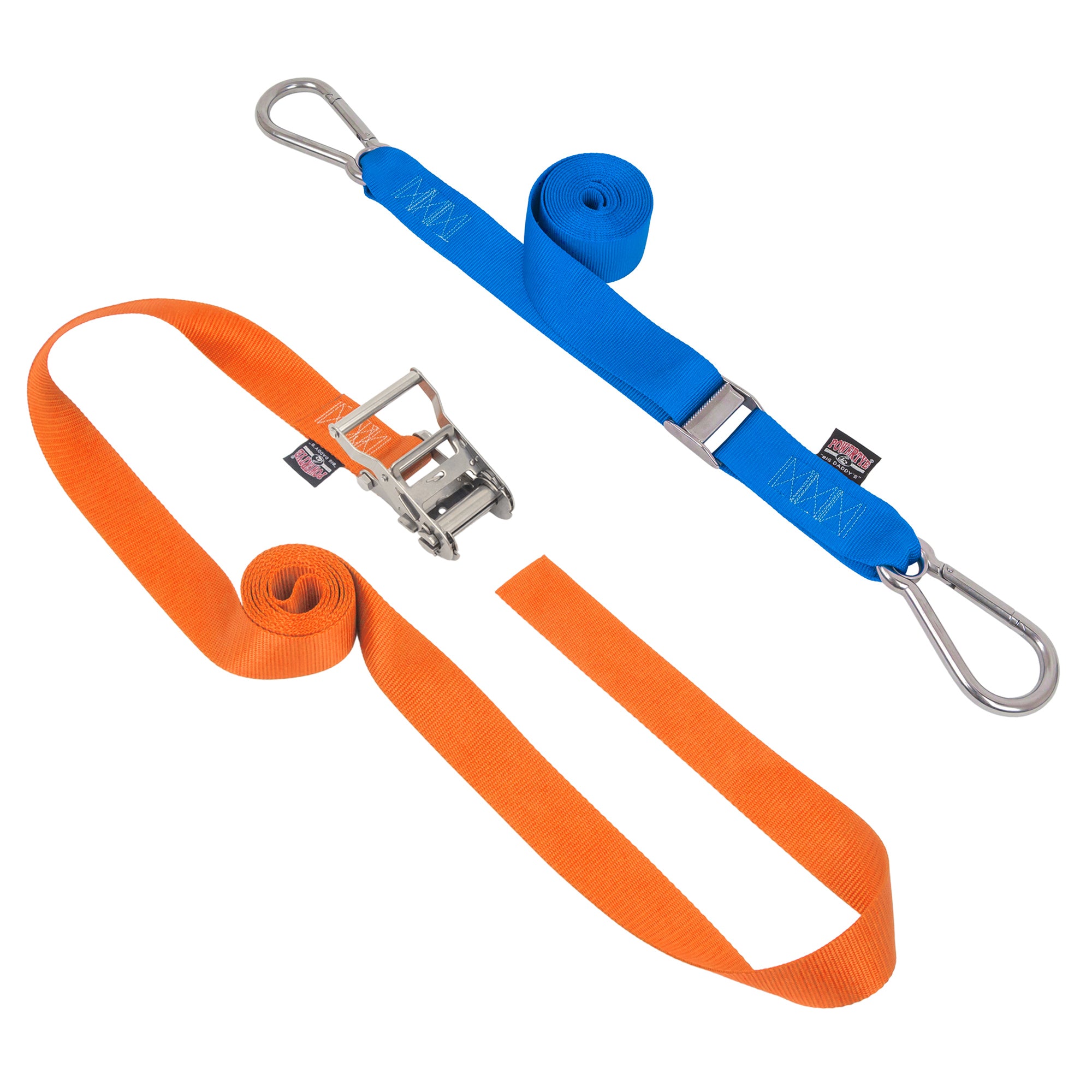
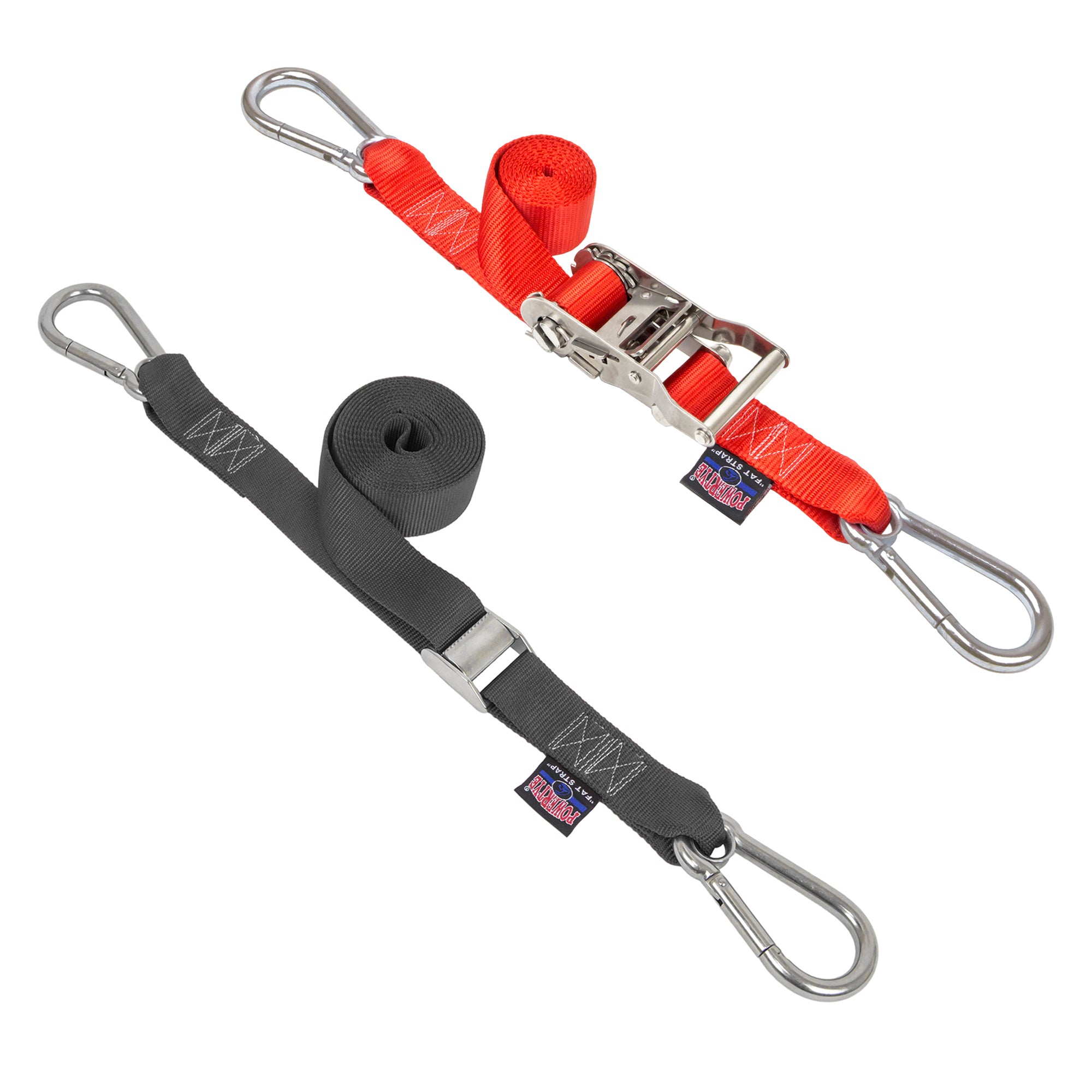
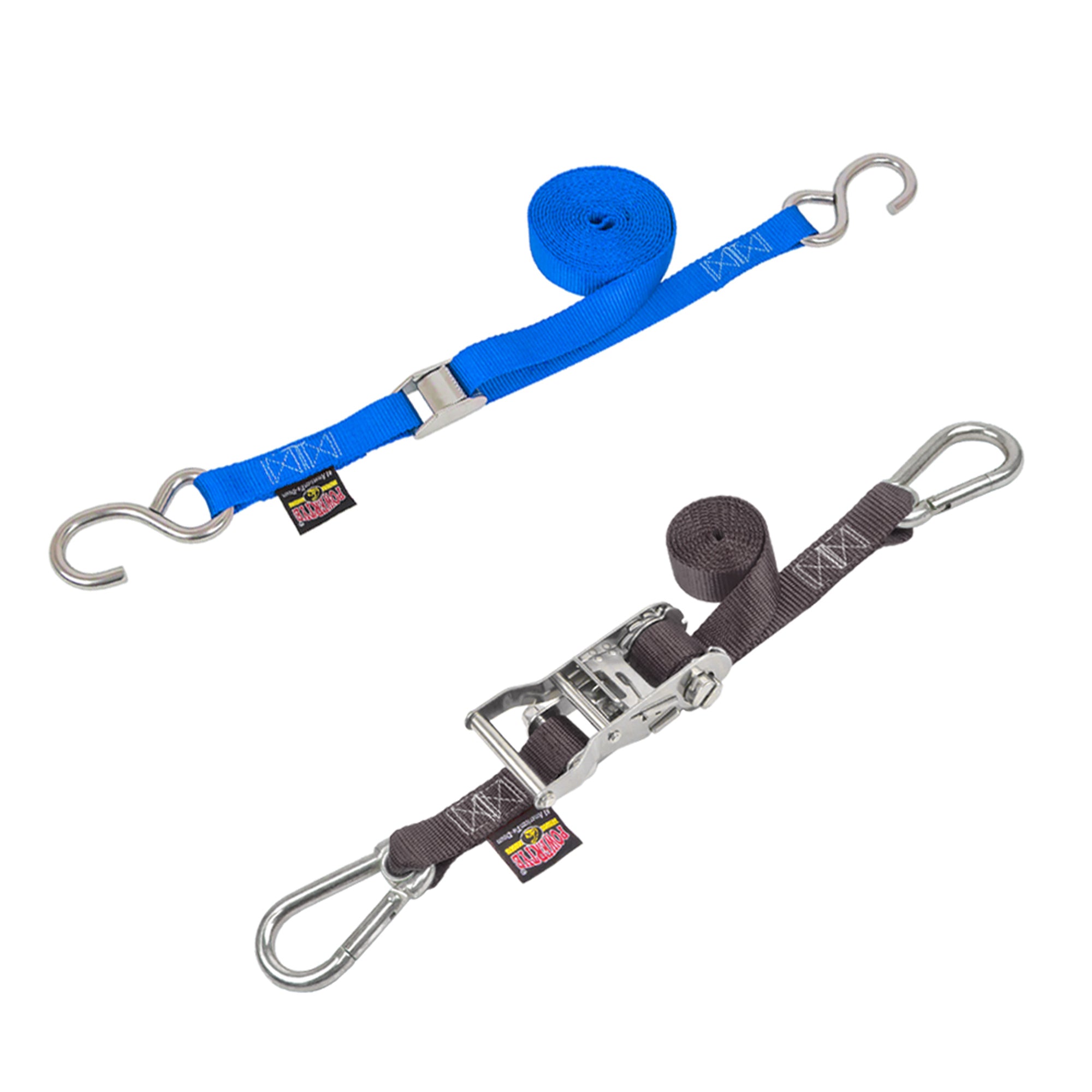
High-quality ratchet tie-down straps from PowerTye are ideal for stern restraint because they hold consistent tension over long distances.
The Three Critical Tie-Down Points
1. Bow Connection
The bow eye should be secured with:
-
The trailer winch strap
-
A safety chain as backup
This keeps the boat firmly seated against the bow stop.
2. Stern Tie-Down Straps
Stern straps are the most important part of proper boat tie-downs.
They:
-
Prevent vertical bounce
-
Reduce hull movement
-
Keep the boat centered on the trailer
Two stern straps, one on each rear corner, are the standard setup.
3. Optional Midship Restraint
For larger boats or long-distance towing, additional straps may be used midship to improve stability.
Step by Step: How to Secure Boat Tie-Downs Correctly
Step 1: Load the Boat Properly
Before securing anything:
-
Ensure the boat is centered on the trailer
-
Confirm the bow is fully seated against the bow stop
-
Verify the winch strap is tight
Correct positioning reduces stress on stern straps.
Step 2: Attach Stern Tie-Down Straps
Use two ratchet tie-down straps.
Attach one strap:
-
From the trailer frame to the rear transom eye or strong tie-down point
-
On each side of the boat
Straps should pull slightly downward and inward.
Step 3: Apply Controlled Tension
Tighten each ratchet evenly until:
-
The boat is firmly seated
-
There is no vertical movement
-
The hull is snug against the bunks
Do not overtighten. Excessive tension can stress fiberglass hulls.
Step 4: Secure Excess Webbing
Tie off loose strap ends to prevent flapping in the wind, which causes wear.
Step 5: Perform a Stability Check
Push down gently on the stern. The boat should not bounce independently from the trailer.
Recheck strap tension after driving 5 to 10 miles.
How Tight Should Boat Tie-Downs Be
One of the most common mistakes is overtightening stern straps.
Proper tension should:
-
Eliminate vertical bounce
-
Keep the hull snug on bunks
-
Avoid deforming fiberglass or aluminum
Boat tie-downs should hold the hull securely without distorting it.
Common Mistakes to Avoid
Relying Only on the Winch Strap
The winch strap is not designed to control vertical bounce at the stern. Always use rear tie-down straps.
Overtightening Stern Straps
Too much tension can:
-
Stress fiberglass
-
Crack gelcoat
-
Damage aluminum hulls
Using Bungee Cords
Bungee cords are not tie-down devices. They do not provide secure restraint for highway towing.
Ignoring Strap Angles
Straps should pull downward and inward, not straight back.
Skipping Inspections
Boat tie-downs are exposed to water, UV light, and road grime. Regular inspection is essential.
Safety Tips for Long-Distance Boat Transport
-
Inspect straps before every trip
-
Recheck tension after the first few miles
-
Check straps at fuel stops
-
Dry straps after launching
-
Replace worn or UV-damaged webbing
Long trips amplify small problems. Frequent checks prevent bigger issues.
Choosing the Right PowerTye Boat Tie-Downs
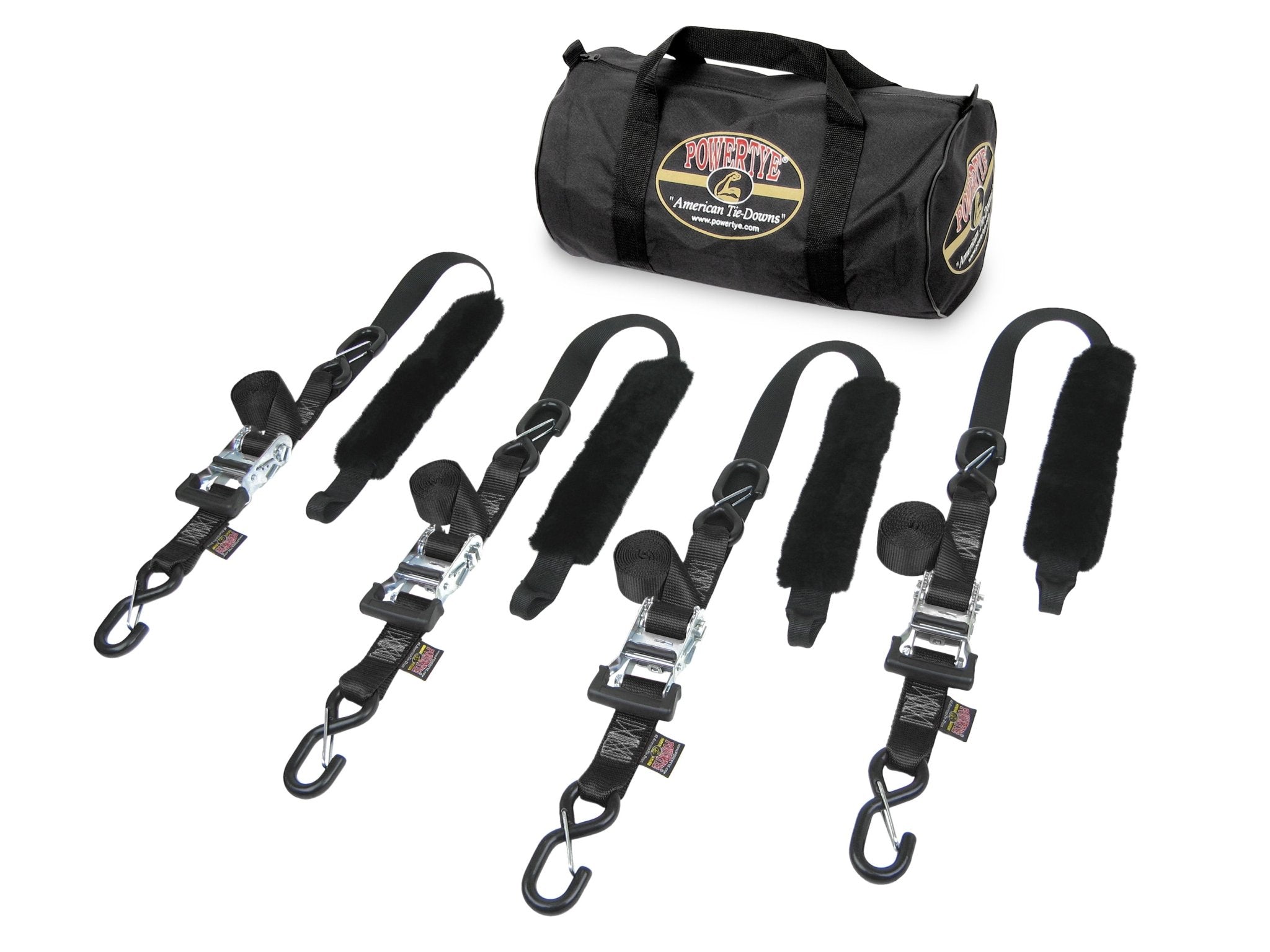
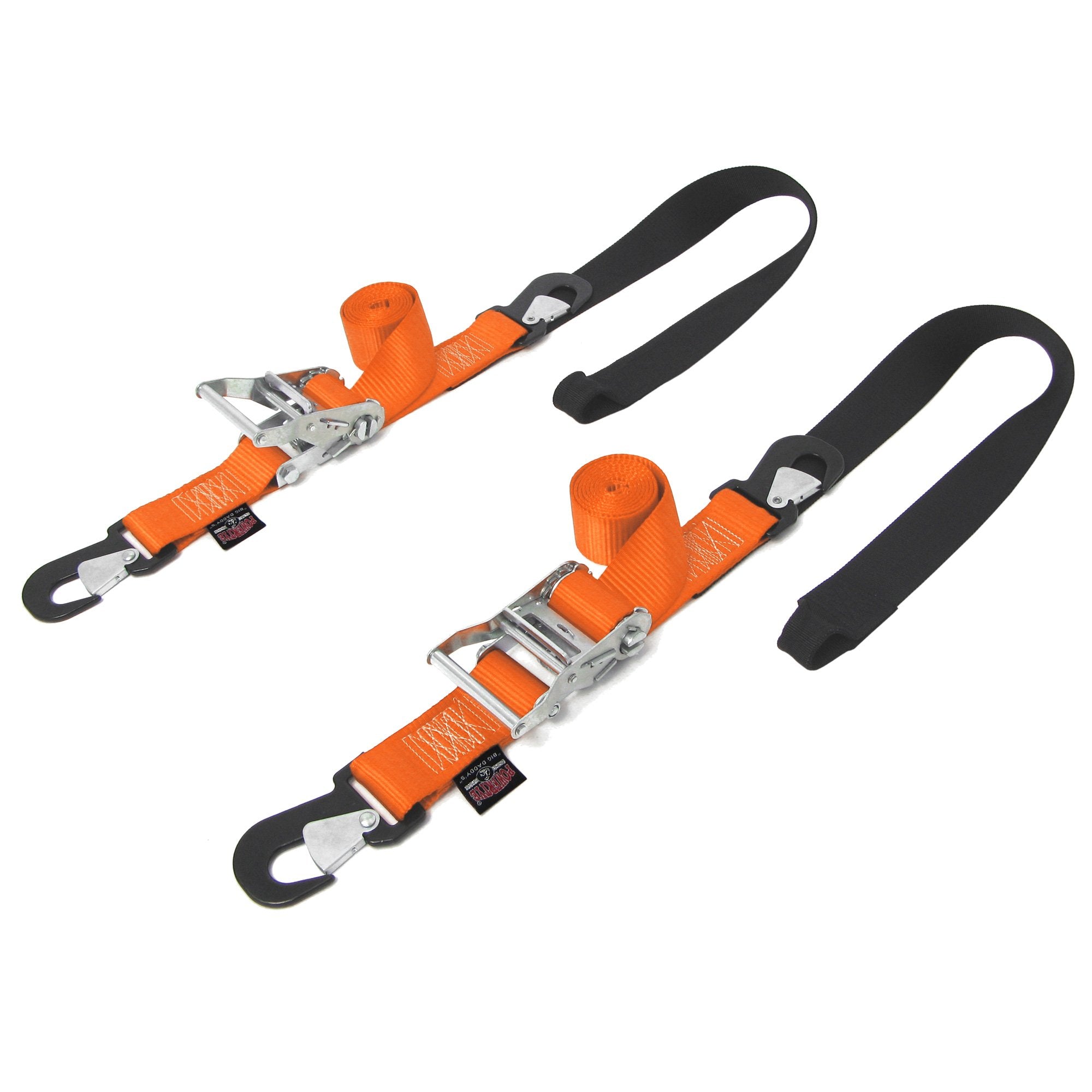
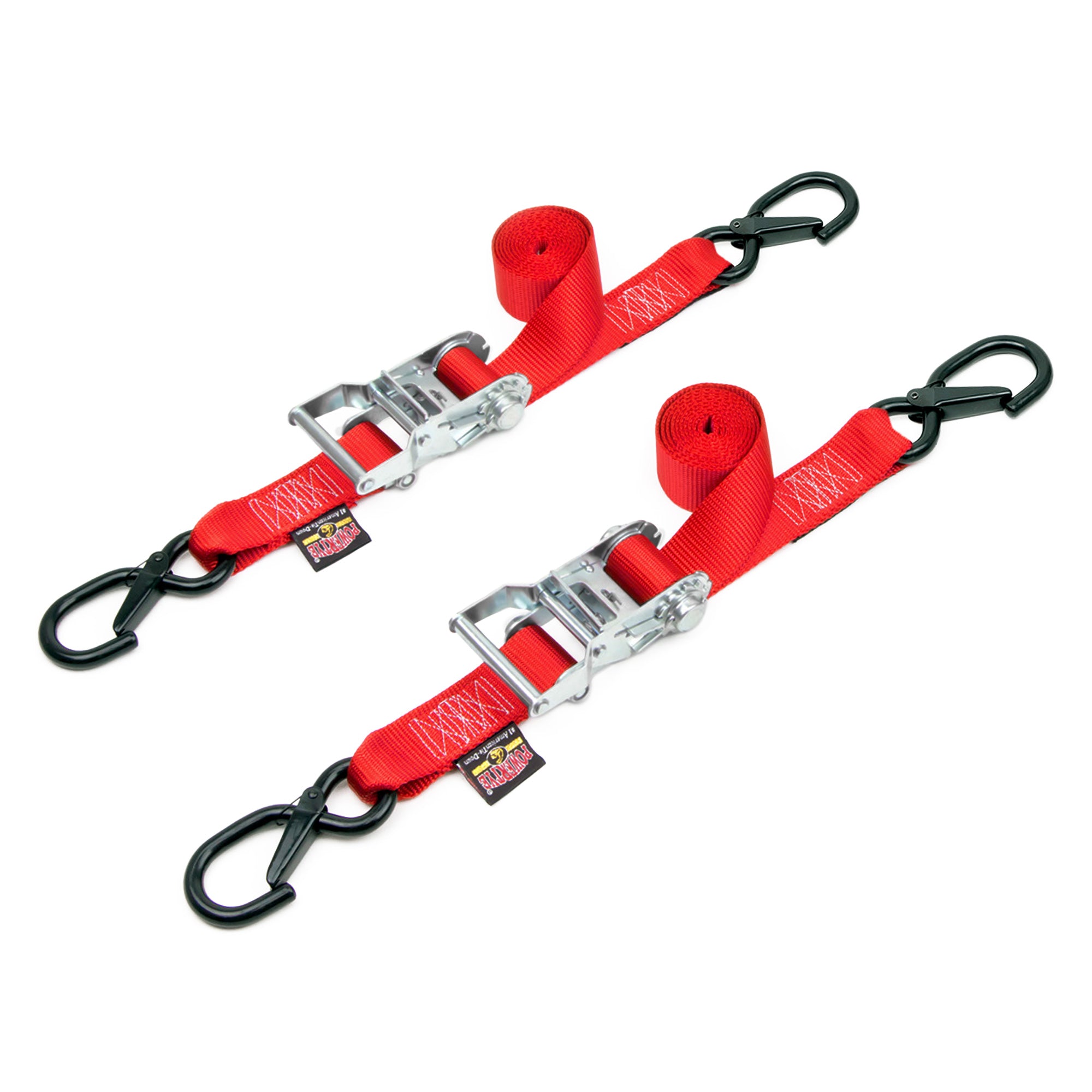
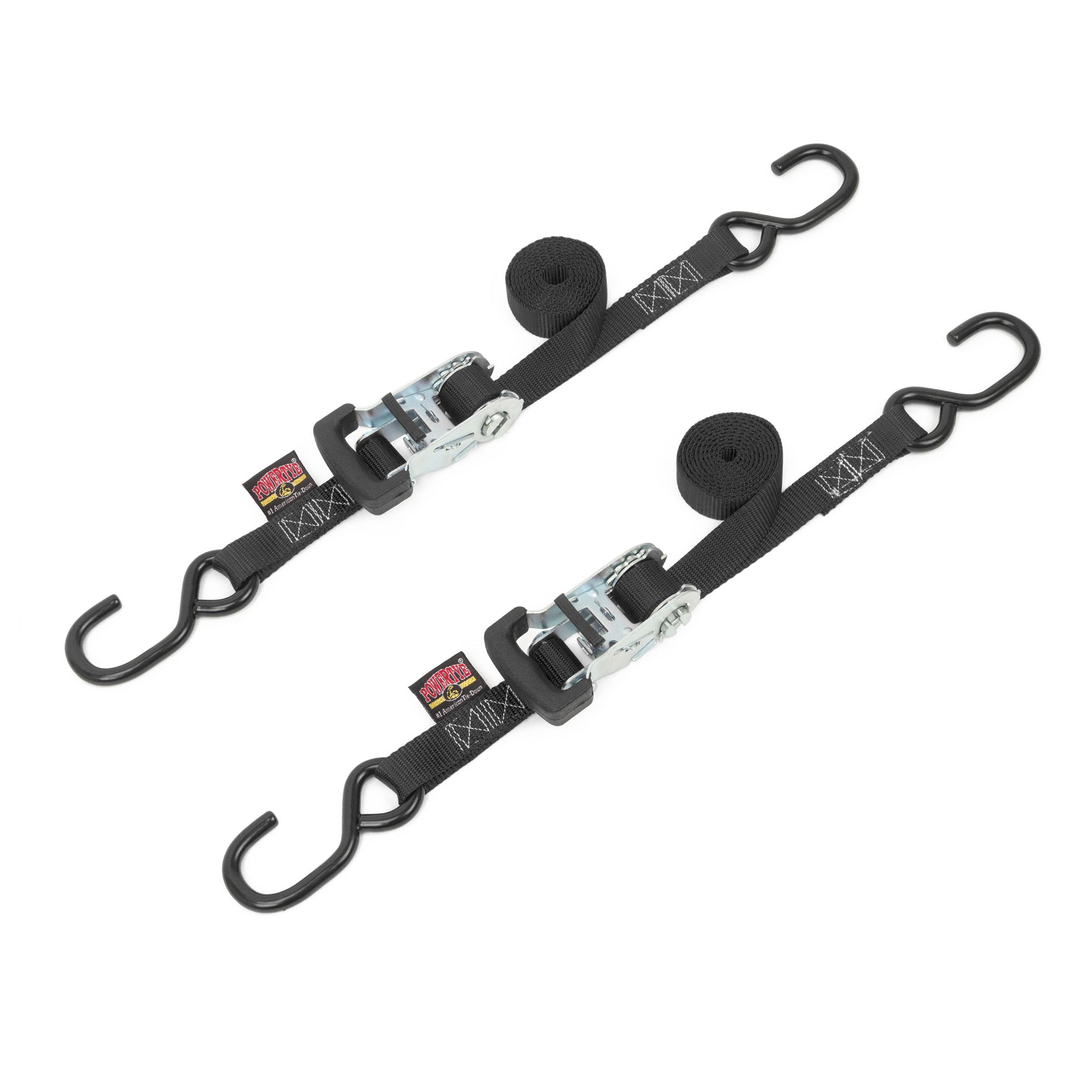
PowerTye offers ratchet tie-down straps that are ideal for marine and trailer applications. Only products actually sold by PowerTye should be used.
Ratchet Tie-Down Straps
These are ideal for:
-
Stern restraint
-
Long-distance towing
-
Highway transport
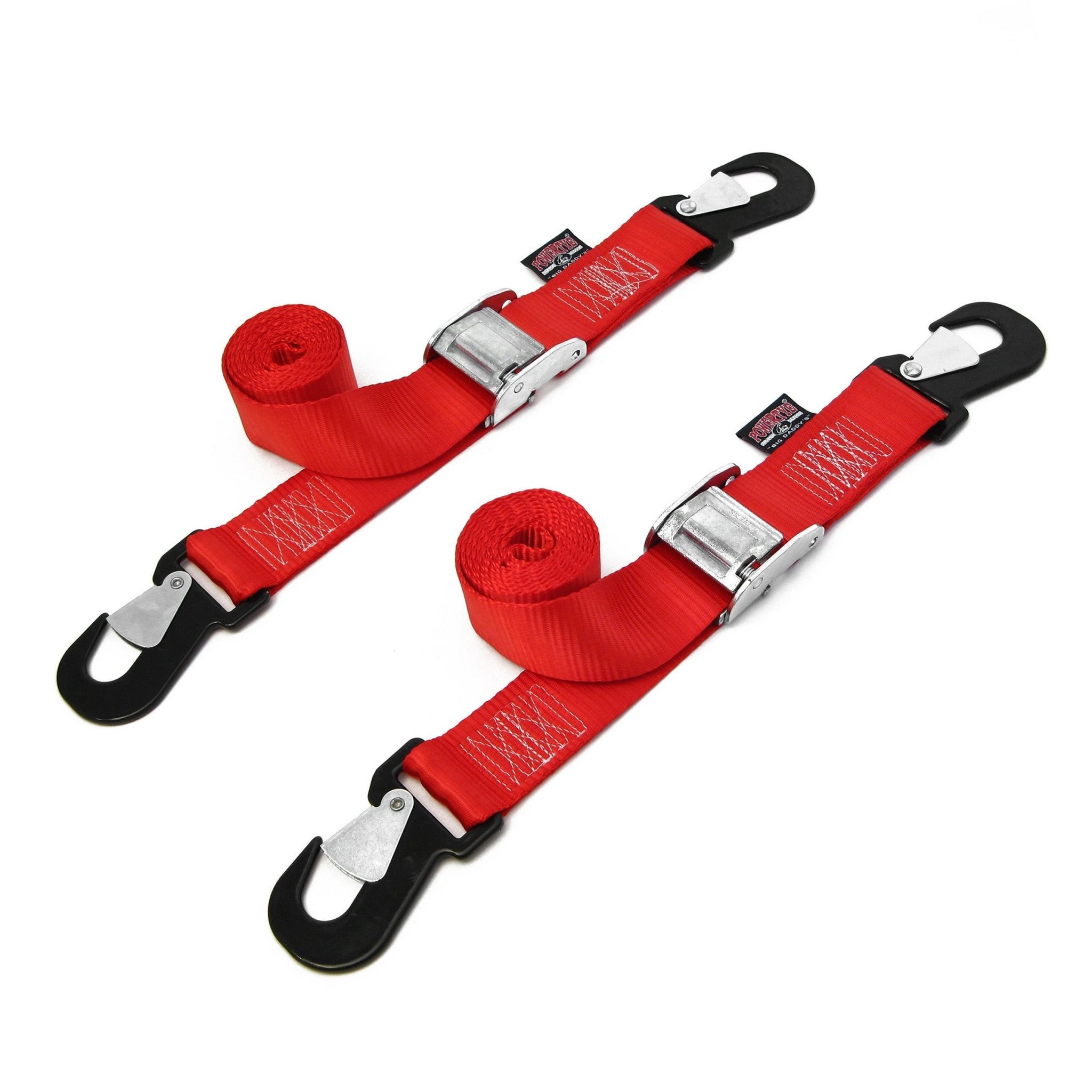
Ratchet mechanisms maintain tension better than cam buckle straps in high-vibration environments.
Stainless Ratchet Tie-Down Options
For marine environments, stainless ratchet hardware is highly recommended.
Benefits include:
-
Corrosion resistance
-
Smooth operation after water exposure
-
Long-term durability
If your trailer sees frequent launch ramps or saltwater exposure, stainless hardware is a smart upgrade.
Tie Down Track Compatibility
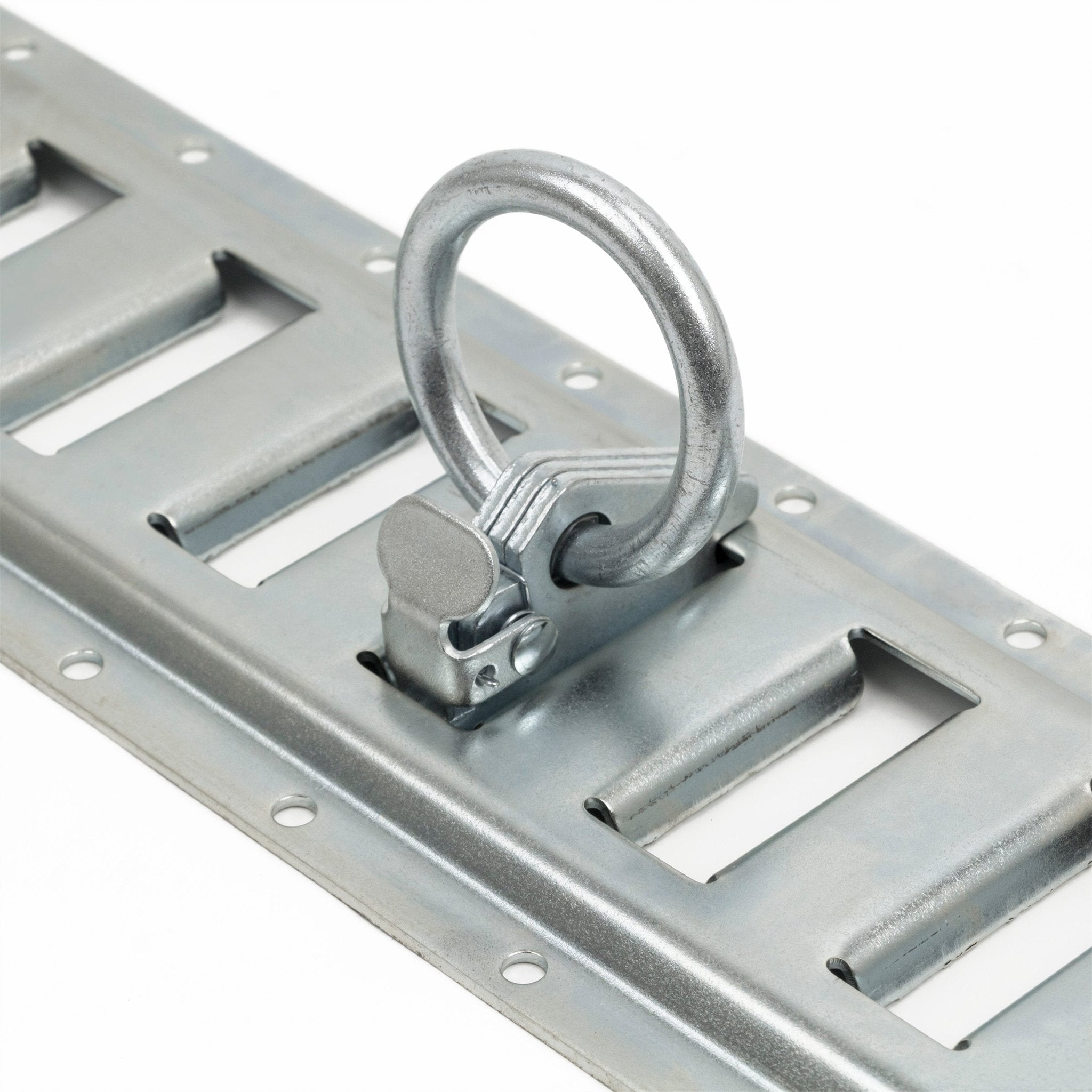
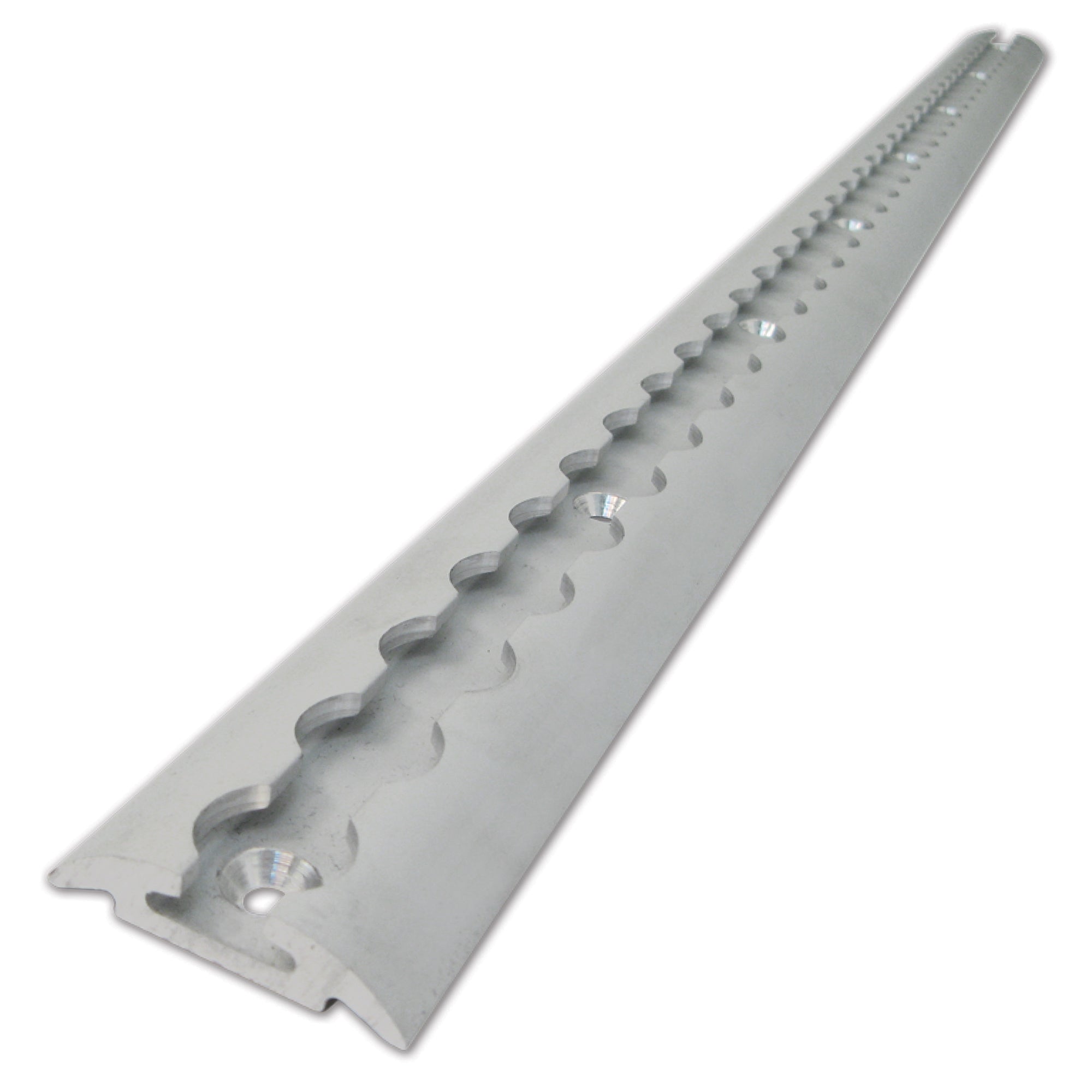
If your trailer is equipped with cargo trailer tie down track, PowerTye ratchet straps and fittings allow flexible anchor placement.
Boat Tie-Downs for Different Boat Types
Aluminum Fishing Boats
Lightweight hulls require secure but controlled tension. Avoid overtightening.
Fiberglass Bass Boats
Protect the gelcoat by using quality straps and correct tension.
Ski Boats and Wake Boats
Heavier hulls may benefit from additional midship restraint for long-distance towing.
Personal Watercraft
Similar principles apply. Use stern straps and secure the bow properly.
Boat Tie-Downs and Highway Wind
At highway speeds, wind creates lift under the hull. Stern straps are critical to counteracting this lift.
Without proper stern tie-downs:
-
The boat can bounce on bunks
-
The winch strap bears too much load
-
Trailer stability can be affected
Proper tie-downs distribute load evenly across the trailer.
Maintenance and Care for Boat Tie-Downs
Cleaning
Rinse straps with fresh water after exposure to saltwater. Wash with mild soap and air dry completely.
Inspection
Before each use, inspect for:
-
Frayed webbing
-
Loose stitching
-
Bent hooks
-
Ratchets that slip or bind
Replace damaged straps immediately.
Storage
Store straps in a dry area out of direct sunlight when not in use. UV exposure weakens webbing over time.
Why Quality Boat Tie-Downs Matter
Cheap straps often:
-
Stretch under load
-
Corrode quickly
-
Fail unexpectedly
High-quality PowerTye ratchet tie-down straps:
-
Maintain tension under vibration
-
Resist corrosion when stainless hardware is used
-
Deliver consistent performance trip after trip
When you consider the value of your boat, investing in proper tie-downs is a simple decision.

FAQ: Boat Tie-Downs
Do I need stern tie-down straps if I have a winch strap
Yes. The winch strap is not enough to control stern bounce.
How many boat tie-down straps should I use
Two stern straps, one on each rear corner, are standard.
Should I overtighten the straps
No. Tight enough to eliminate movement without stressing the hull.
Are ratchet straps better than cam buckle straps for boats
Ratchet straps are preferred for stern restraint, especially for highway towing.
How often should I check my boat tie-downs
After the first few miles and at every fuel stop.
Can boat tie-down straps get wet
Yes, but they should be rinsed and dried after exposure to water.
Are stainless ratchet straps worth it
Yes, especially in marine or saltwater environments.
Secure the Boat, Protect the Ride
Proper boat tie-downs protect your hull, reduce stress on your trailer, and keep you safer on the road. The key is securing both the bow and stern with quality ratchet tie-down straps and using controlled tension.
PowerTye ratchet tie-down straps and stainless hardware options are trusted by boat owners who tow regularly and expect reliable performance. Built for durability and real-world conditions, they deliver the security you need every time you head to the water.
Shop PowerTye boat tie-down straps today and tow with confidence, stability, and peace of mind.