


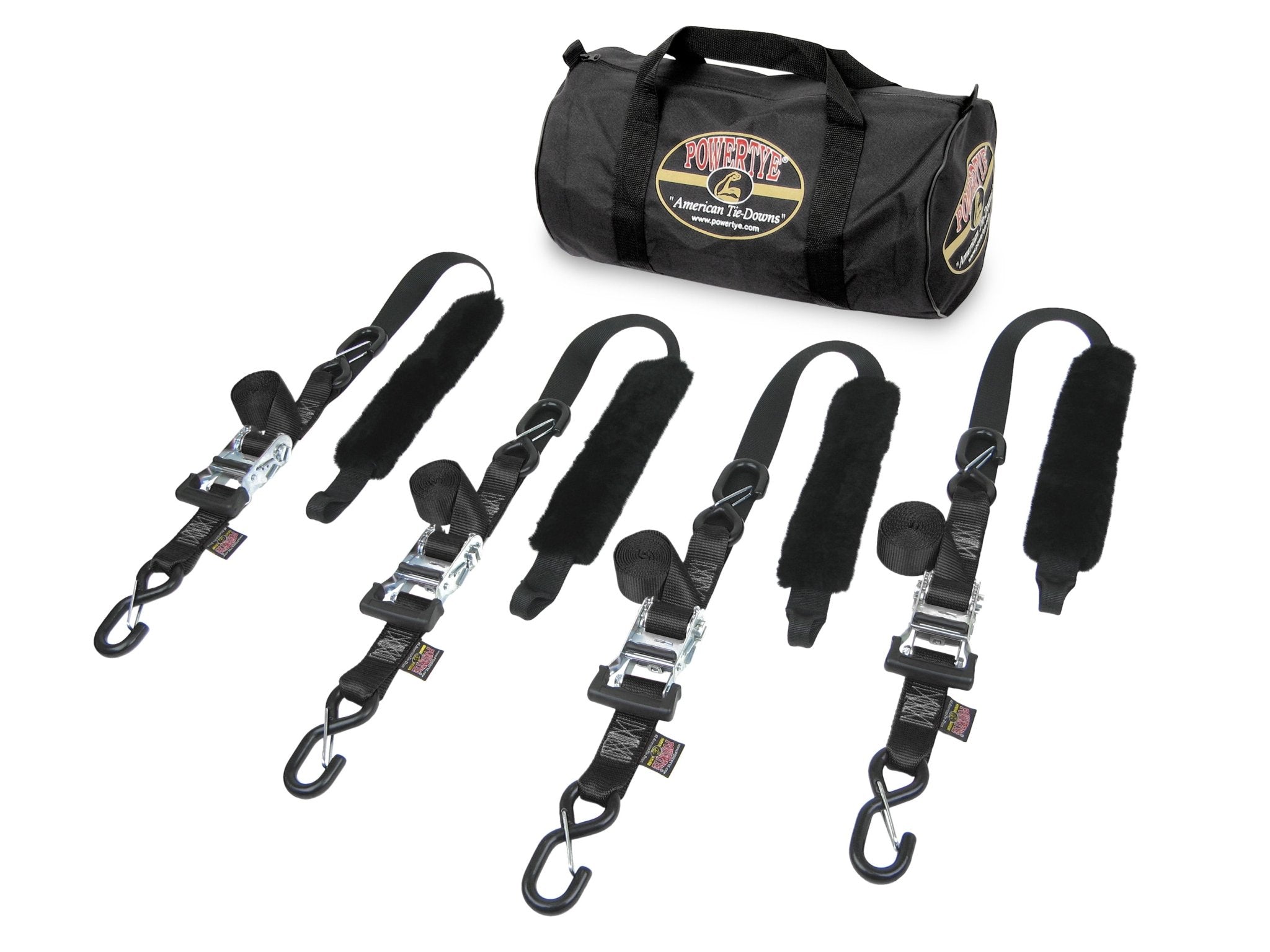

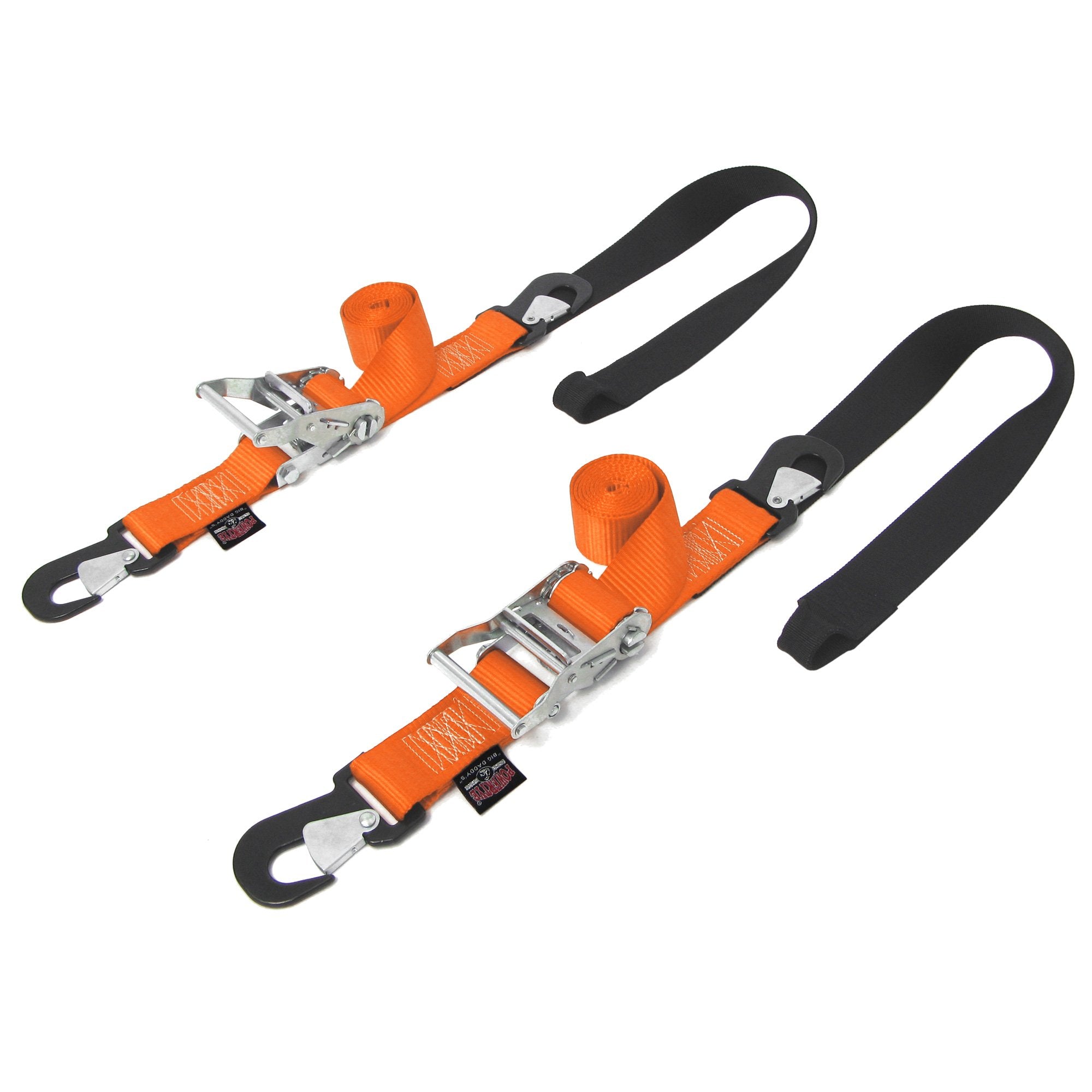
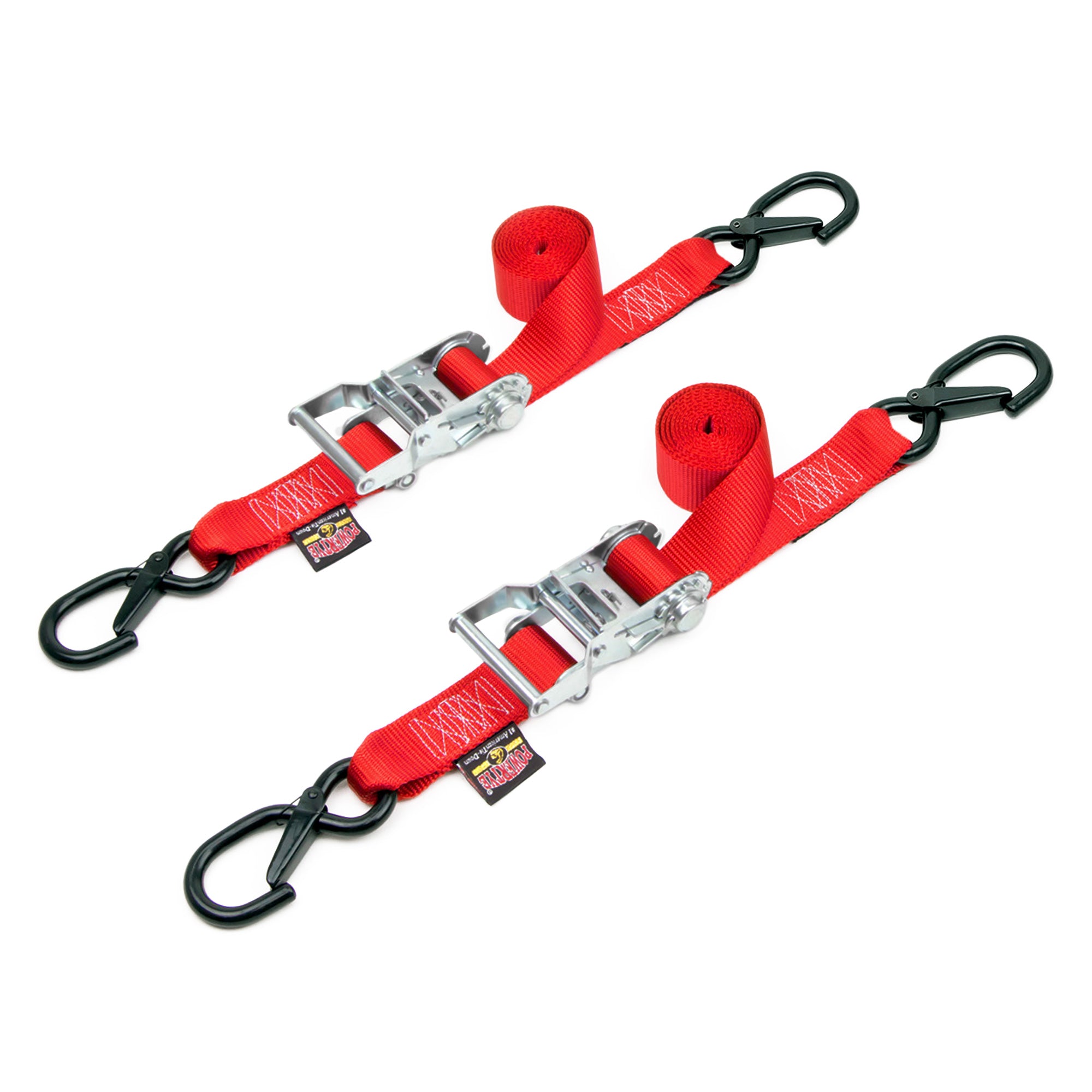
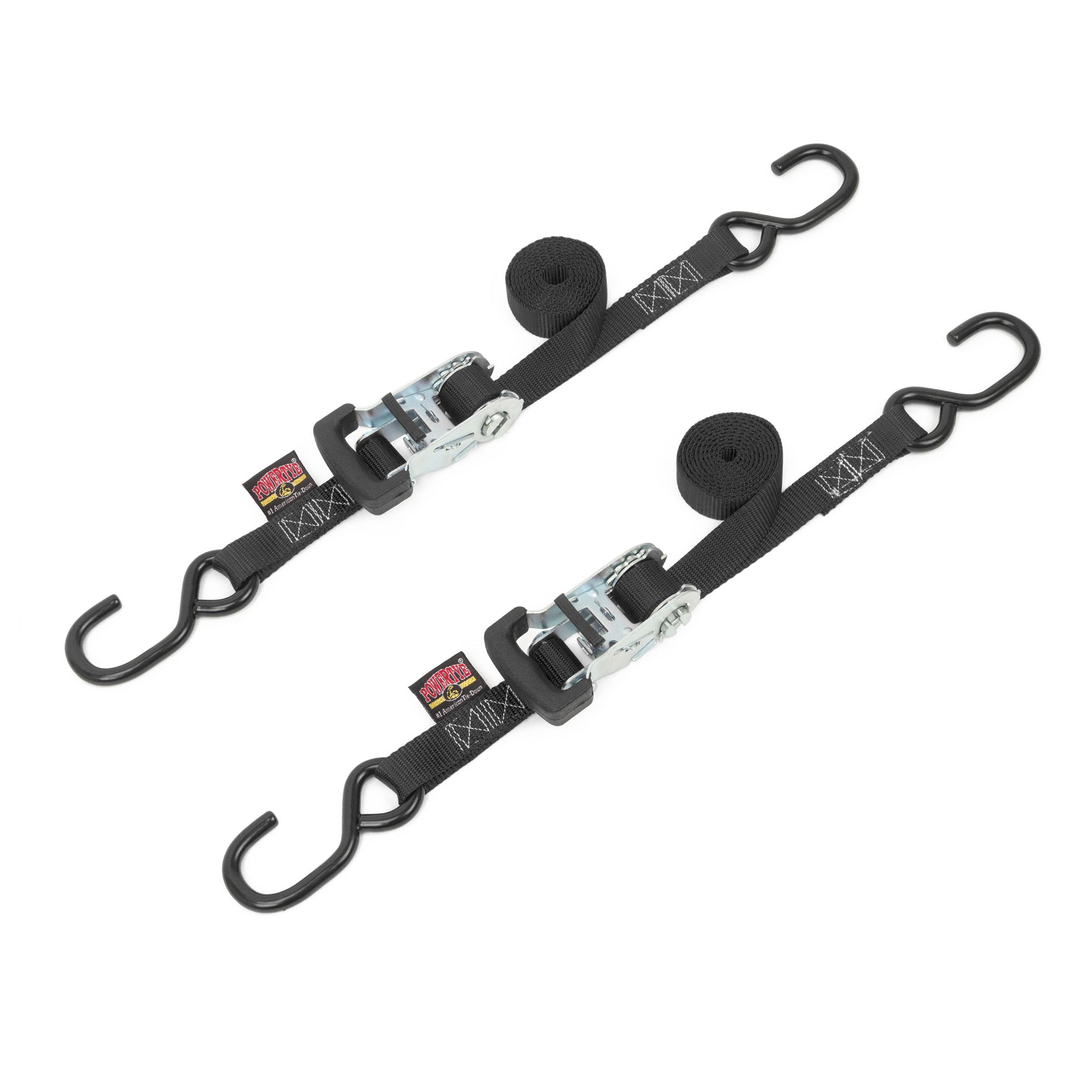
Cam Buckle Straps: How to Use Them the Right Way for Safe, Reliable Hauling with PowerTye
Introduction
Cam buckle straps are one of the most widely used tie down tools in motorsports, powersports, and general hauling. They are simple, fast, and effective when used correctly. Yet many riders and haulers misunderstand cam buckle straps how to use properly, leading to loose loads, damaged equipment, or unnecessary stress on the road. Within the first hundred words it matters to clearly explain how cam buckle straps are used because these straps rely on technique more than brute force. When used the right way, they are incredibly reliable. When used incorrectly, they can fail to deliver the security riders expect.
PowerTye has been building tie down solutions since 1991 and their cam buckle straps are designed specifically for riders who value speed, control, and consistency. In this guide you will learn exactly how cam buckle straps work, how to use them step by step, common mistakes to avoid, safety habits that matter, how to choose the right PowerTye cam buckle straps, and how to maintain them so they perform trip after trip.
How Cam Buckle Straps Work
To understand how cam buckle straps are used, you must first understand how the cam mechanism functions. Unlike ratchet straps that use mechanical leverage to apply high tension, cam buckle straps rely on friction and downward pressure from a spring loaded cam.
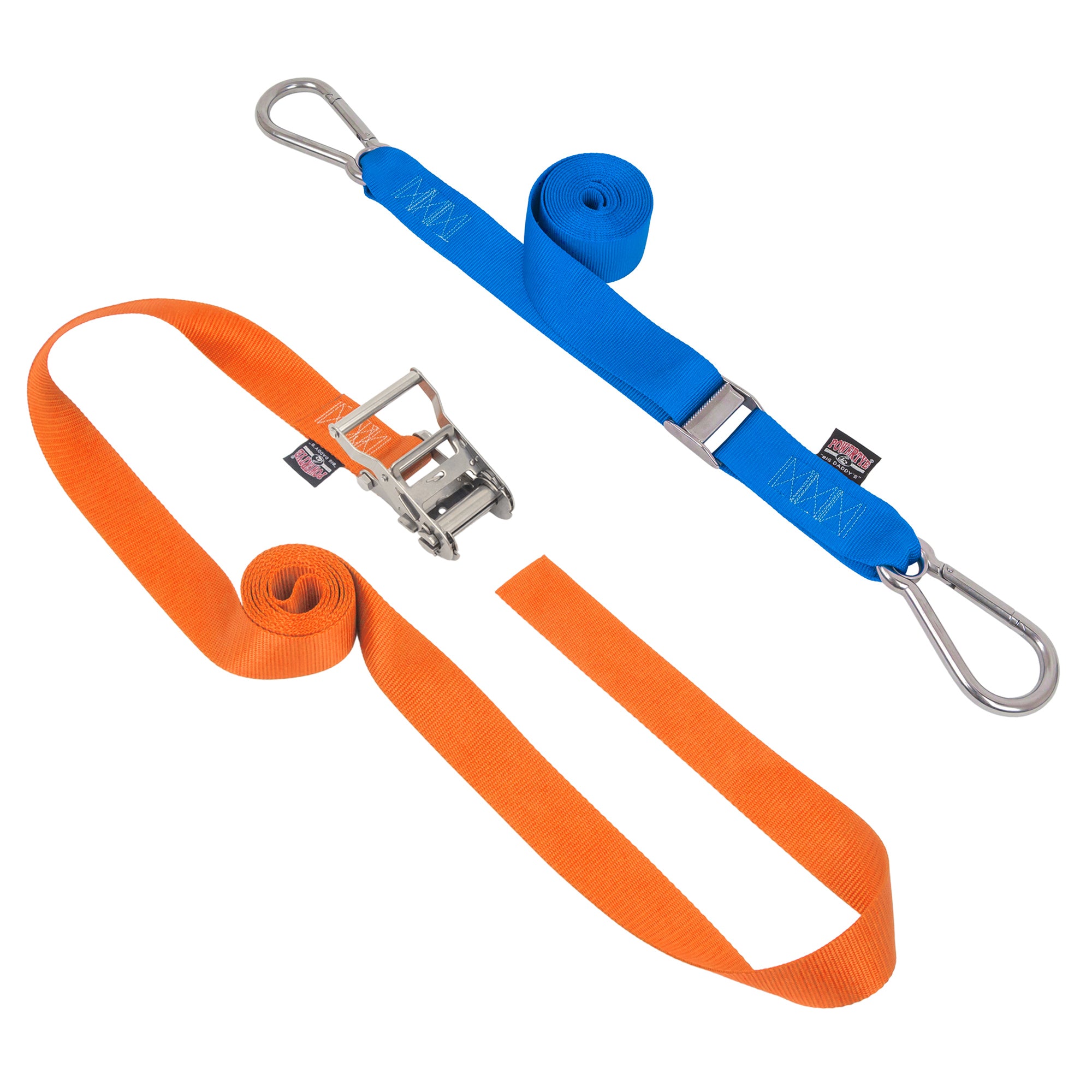
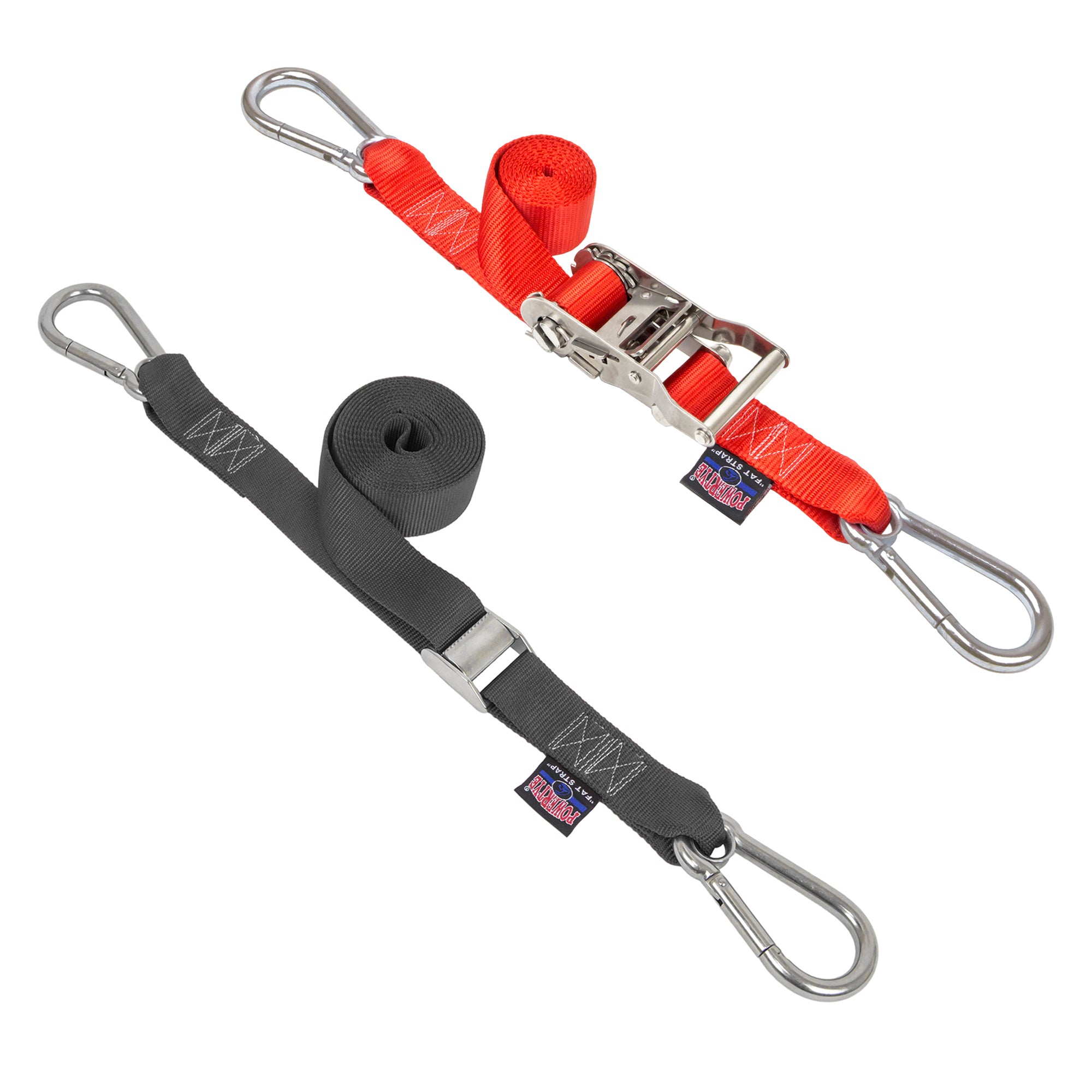
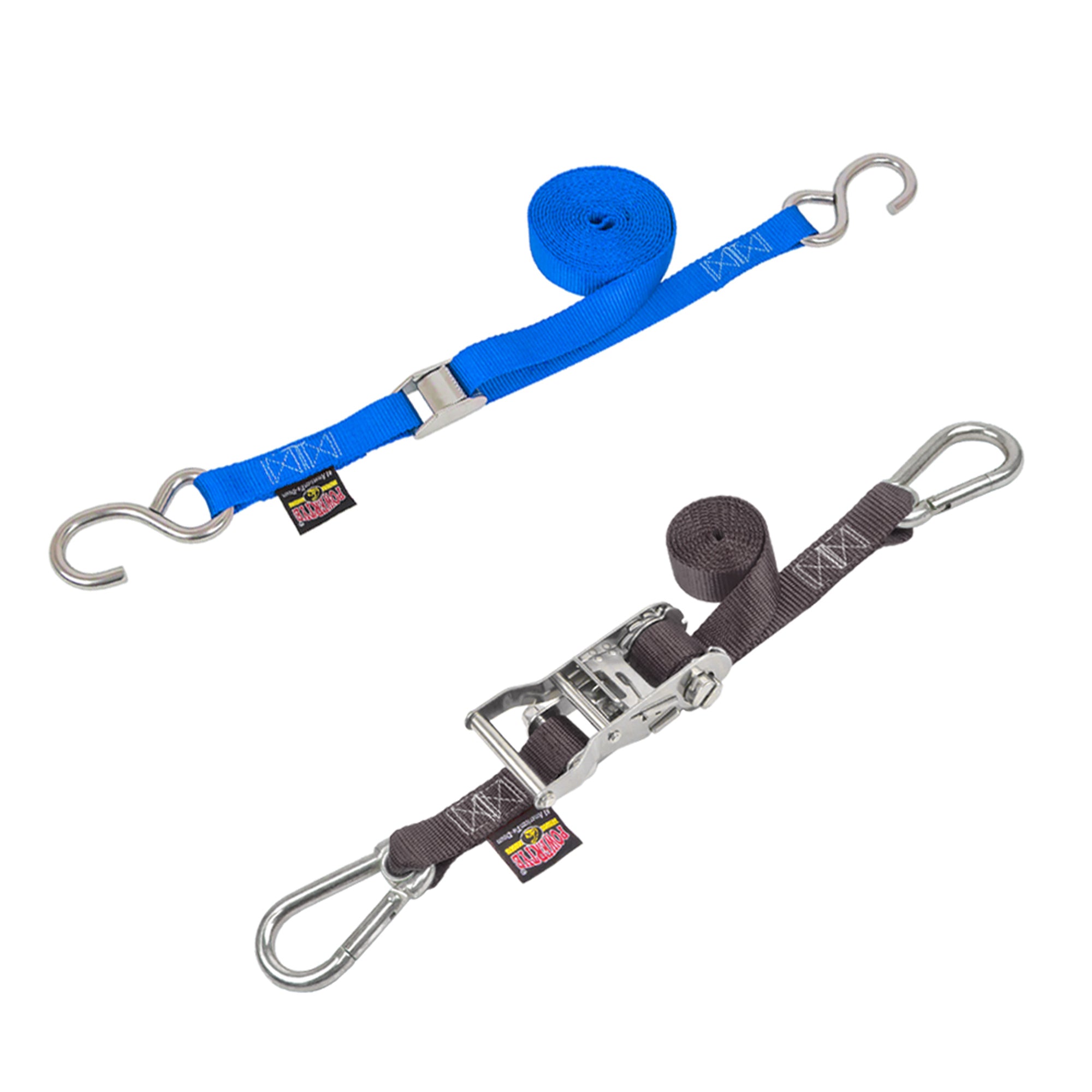
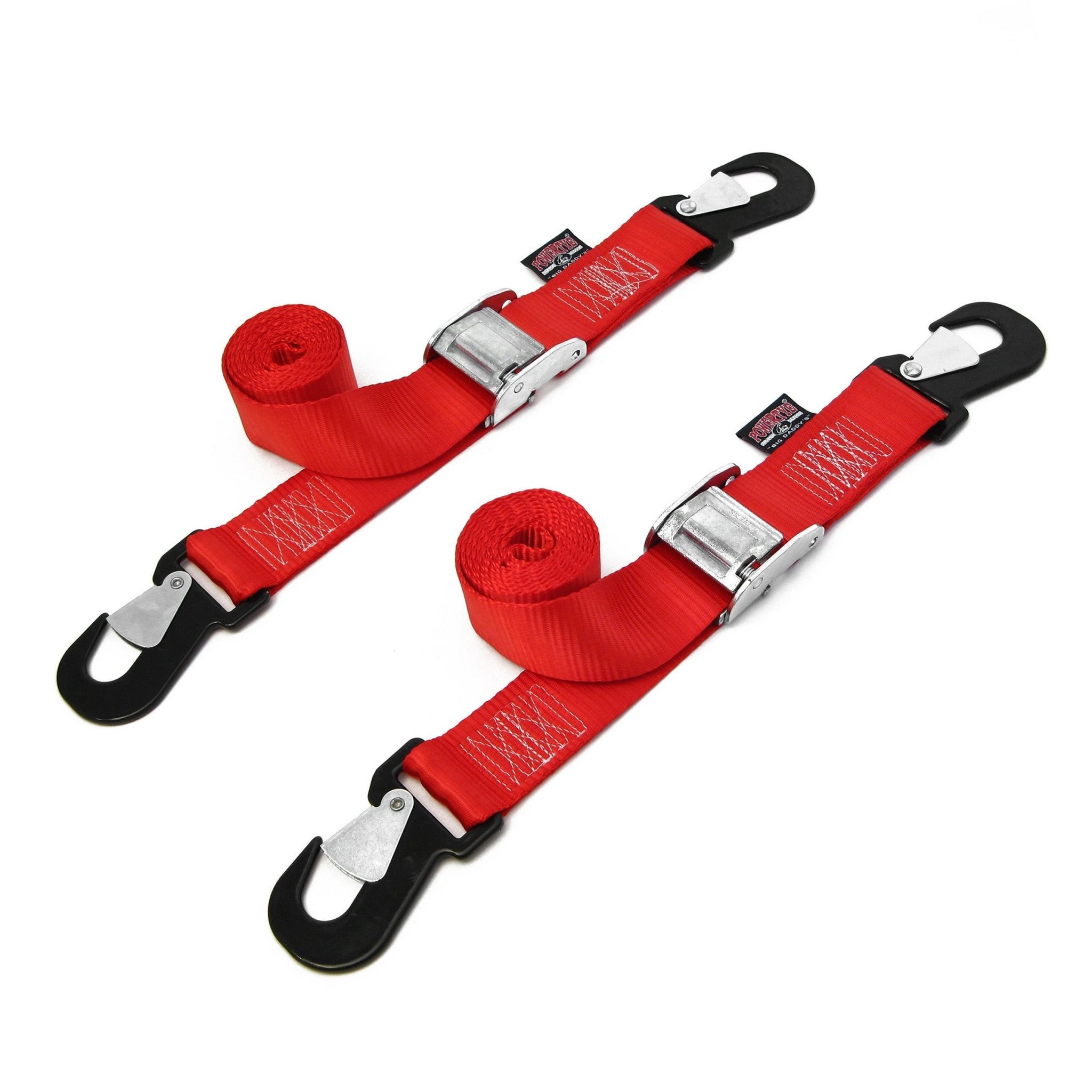
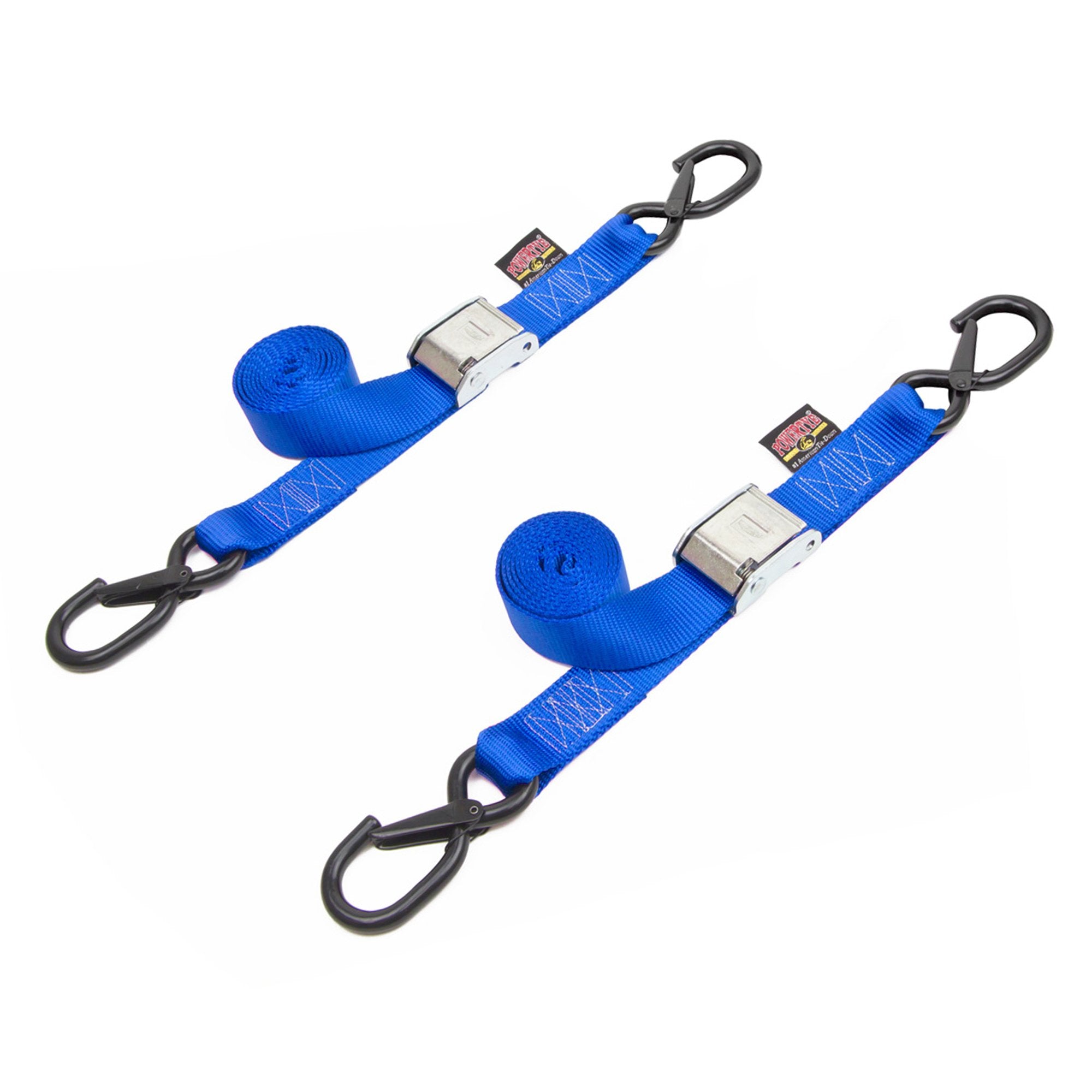
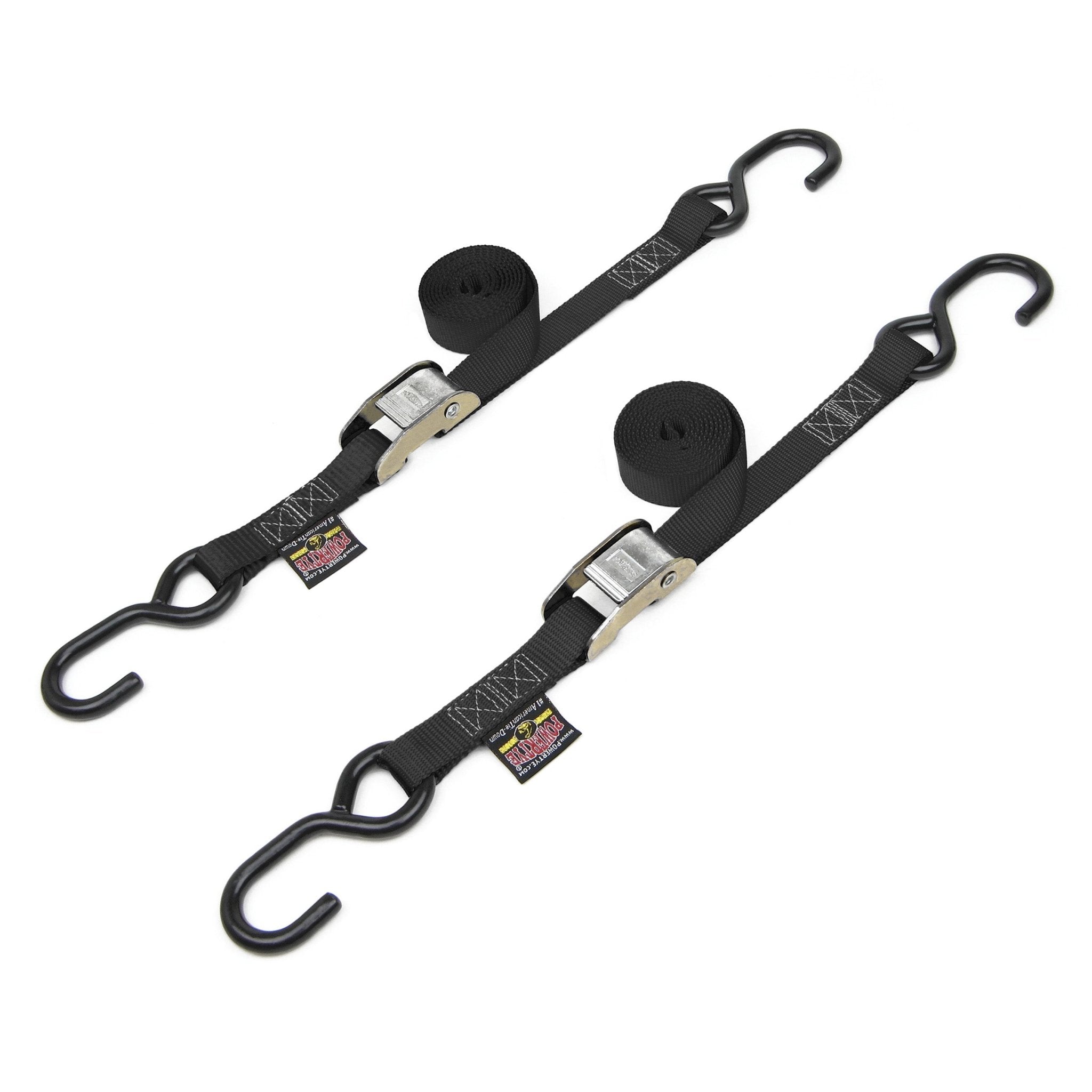
The cam buckle consists of a metal housing with a toothed cam inside. When the cam lever is pressed down, the teeth bite into the webbing and prevent it from slipping backward. When the lever is lifted, the teeth release and allow the strap to slide freely. This design makes cam buckle straps fast to tighten and fast to release.
PowerTye cam buckle straps use high quality webbing that resists stretching and fraying. The cam mechanisms are built to grip consistently without chewing up the strap. Because cam buckle straps do not multiply force the way ratchets do, they are ideal for lighter loads or situations where controlled tension is preferred. This makes them popular for dirt bikes, street motorcycles, ATVs, bicycles, and lighter equipment.
Cam buckle straps work best when paired with proper strap angles and solid anchor points. They are not designed for extreme tension or heavy vehicles, but when used within their intended limits they provide dependable security.
Step by Step Guidance: Cam Buckle Straps How to Use
Learning cam buckle straps how to use them correctly comes down to following a consistent process. The steps below apply whether you are securing a motorcycle, ATV, or general cargo using PowerTye cam buckle straps.
1. Position the Load Correctly
Before touching the straps, position your load where it needs to sit. For motorcycles, center the bike and keep it upright. For equipment or cargo, ensure weight is balanced and stable.
Good load placement reduces the amount of tension required from the straps.
2. Attach Soft Ties or Strap Hooks Properly
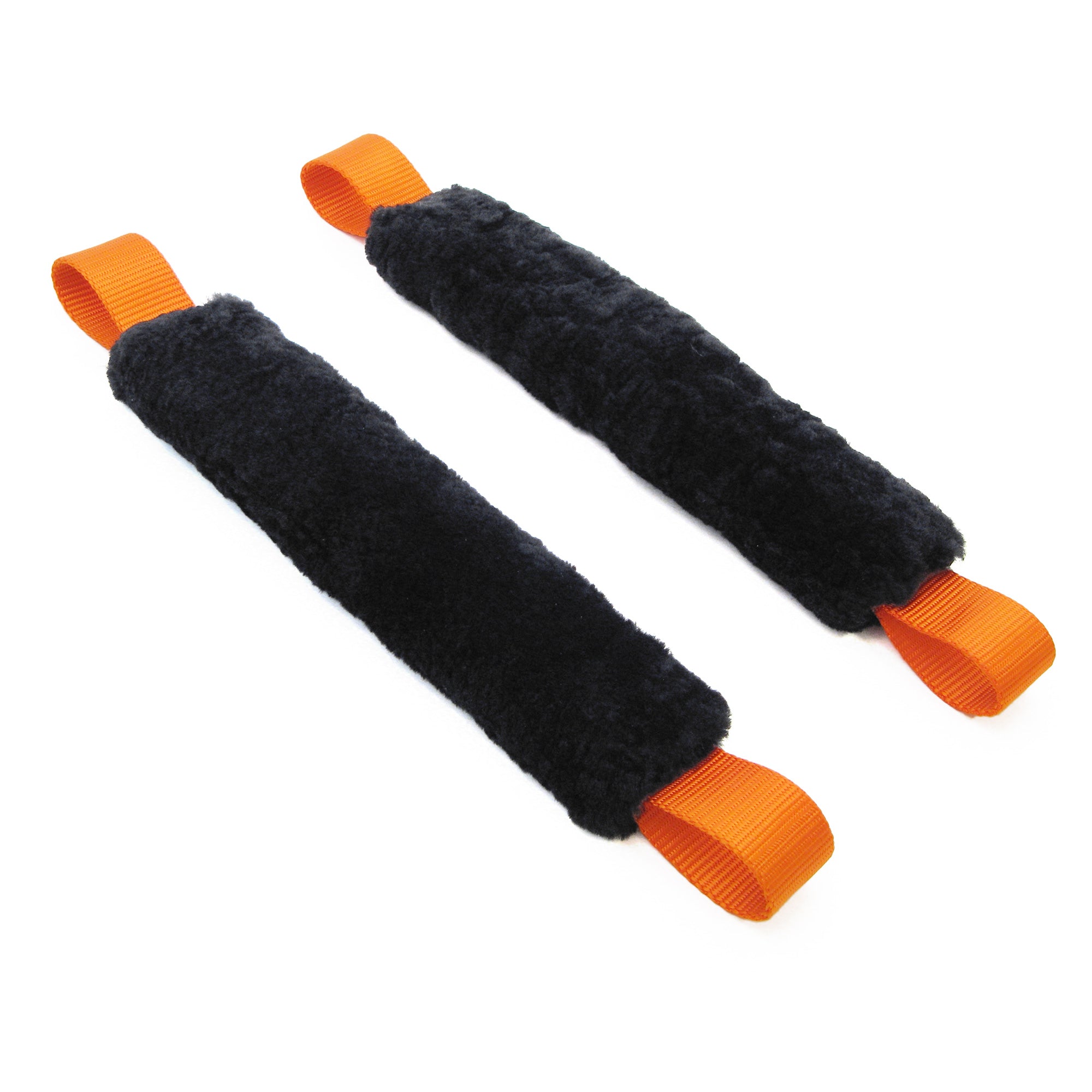
If securing a motorcycle, use PowerTye soft ties around handlebars or triple clamps. This protects surfaces and creates clean strap angles.
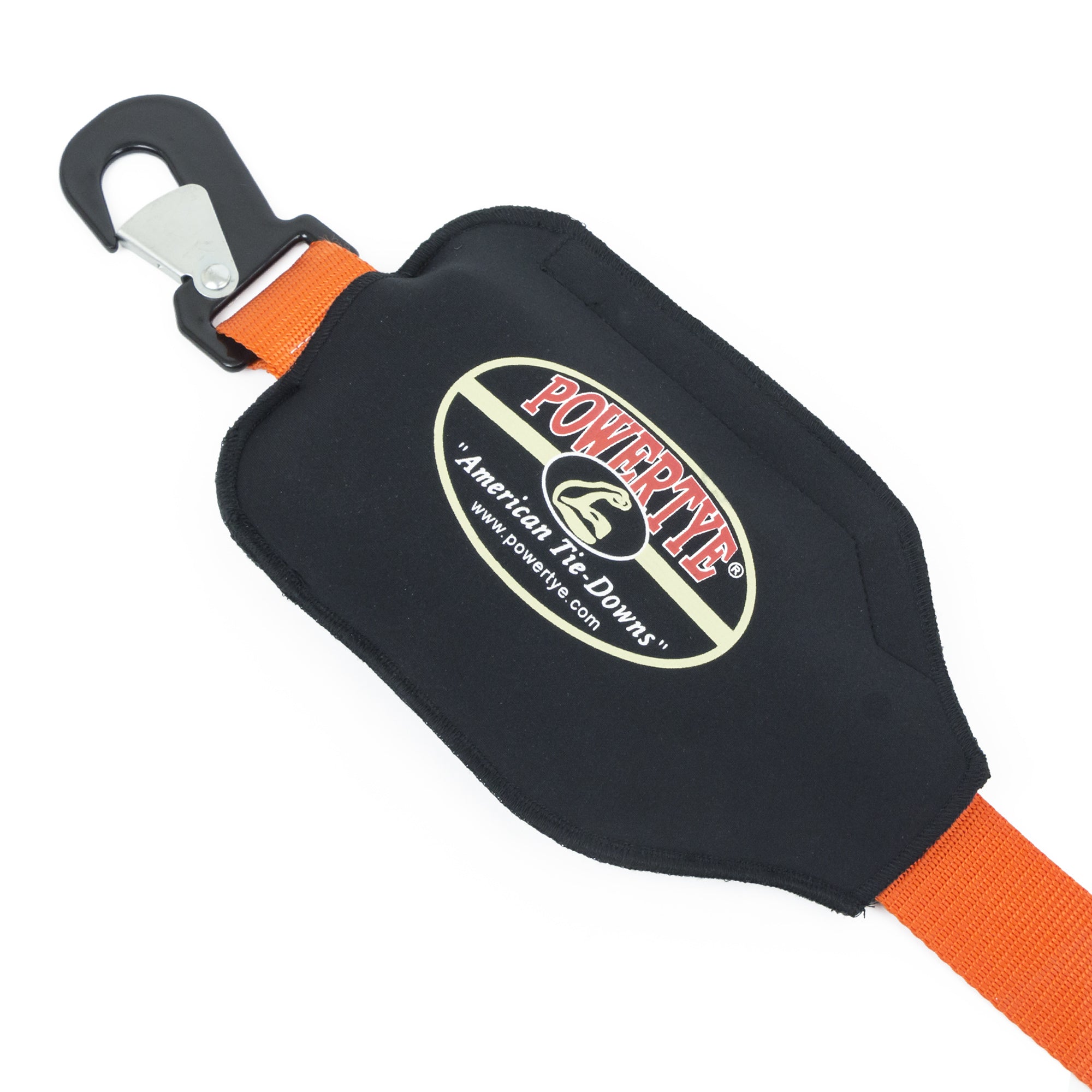
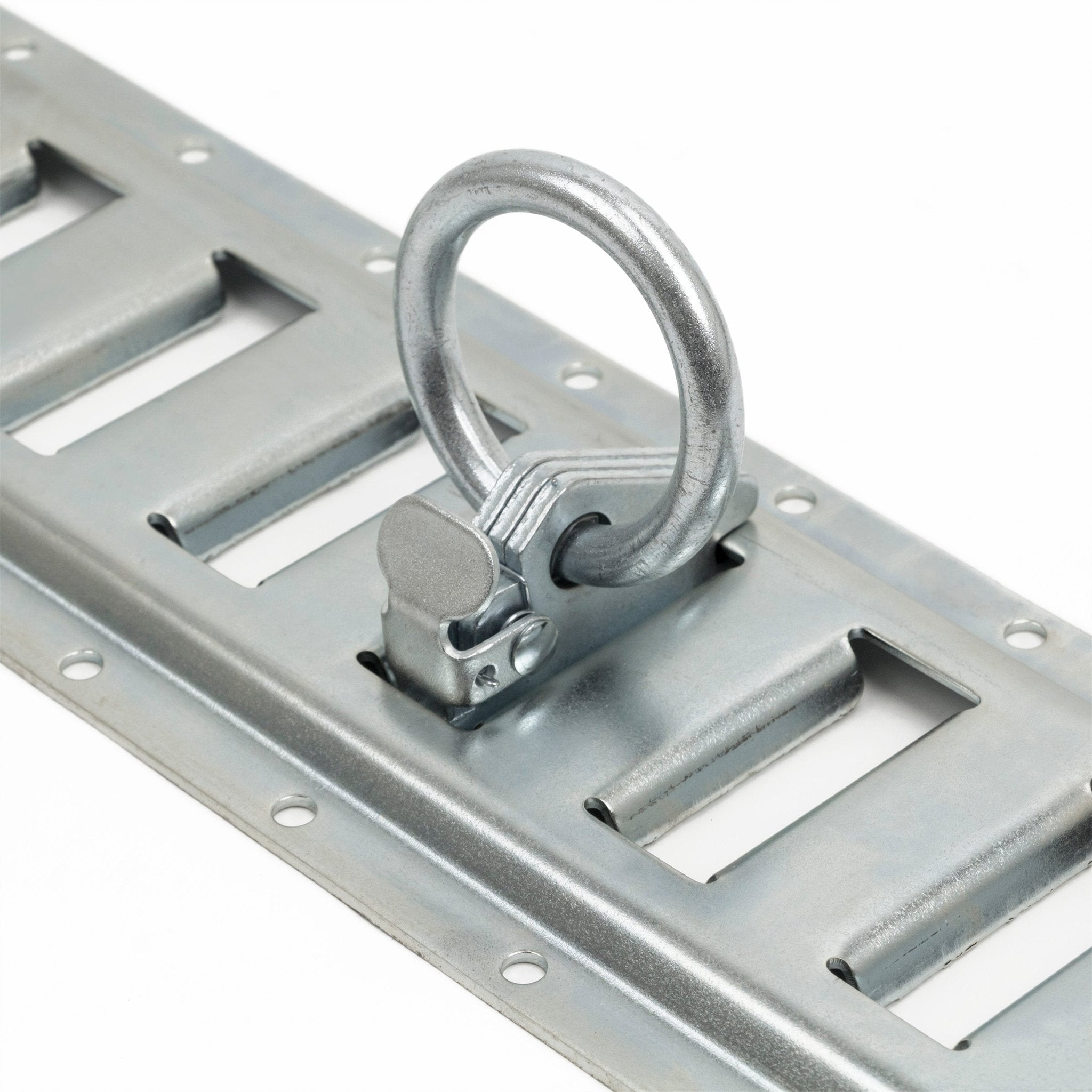
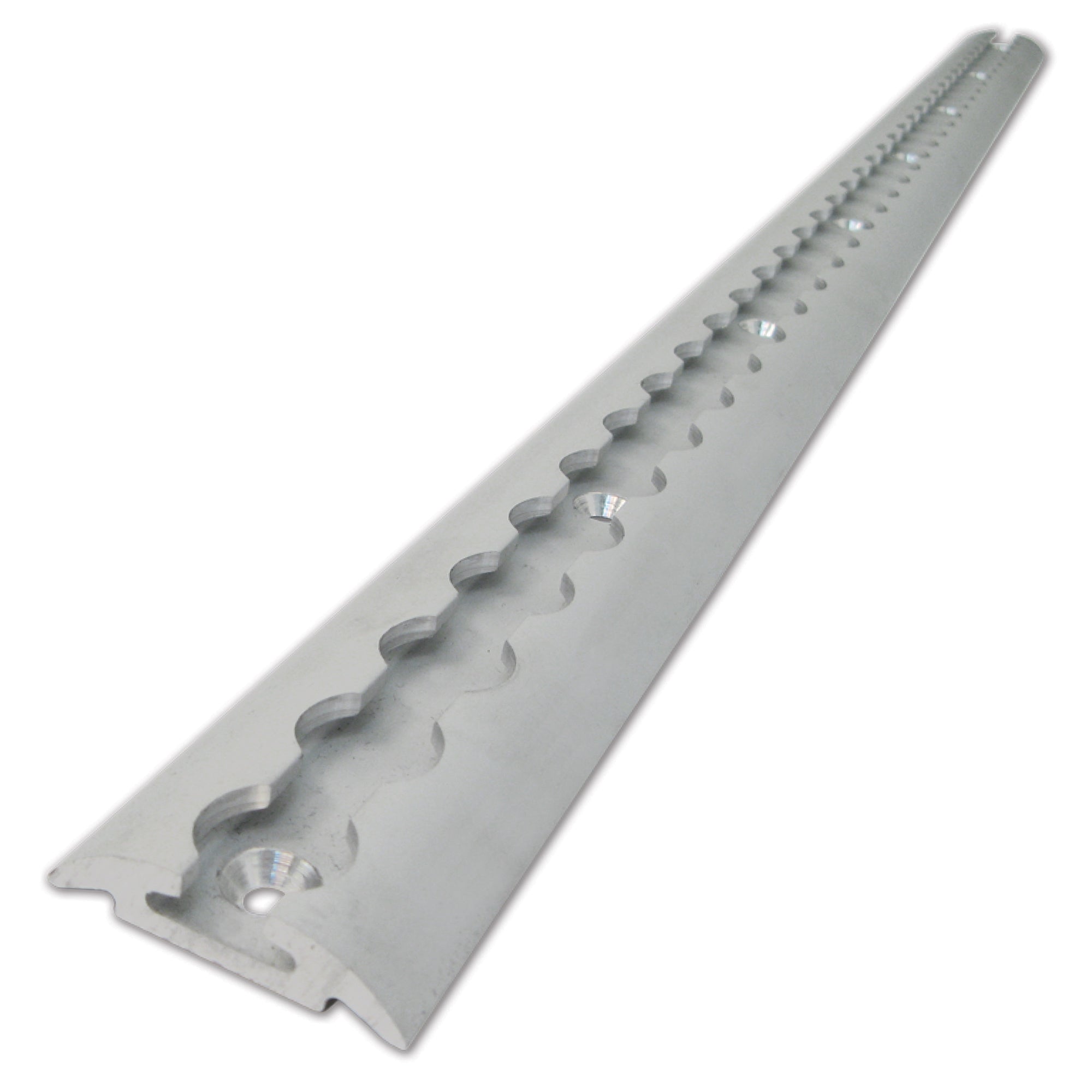
If the strap uses hooks, attach them to load rated anchor points on the trailer or truck bed. TrackStar L Track systems offer adjustable anchor placement, while fixed D rings work when properly installed.
Never attach cam buckle straps to weak or non structural points.
3. Thread the Strap Through the Cam Buckle
This step is critical when learning how to use cam buckle straps.
Lift the cam lever fully to open the teeth. Feed the loose end of the strap up through the bottom of the cam buckle and out the top. Pull several inches of slack through before releasing the cam.
Once released, the cam teeth should bite into the webbing and prevent it from sliding back.
4. Pull the Strap Tight by Hand
Unlike ratchet straps, cam buckle straps are tightened by hand. Pull the loose end of the strap straight and smooth. Do not jerk or angle the pull.
Apply steady tension until the load is snug. For motorcycles, this usually means light suspension compression. For cargo, it means eliminating movement without crushing the item.
5. Set Proper Strap Angles
Strap angle plays a huge role in security.
For motorcycles, straps should pull downward and slightly forward from the handlebars or triple clamp. This stabilizes the front end.
Rear straps, if used, should pull downward and slightly backward.
For cargo, straps should pull downward to keep items planted rather than sideways where movement can occur.
6. Secure Excess Webbing
Once tight, secure excess strap length so it cannot flap in the wind. Loose webbing can whip against paint, tangle in wheels, or wear prematurely.
PowerTye straps are designed with clean webbing edges that resist fraying, but securing excess length extends lifespan.
7. Perform a Final Check
Push and pull the load gently to confirm it does not shift. Check that the cam buckles are fully seated and the webbing lies flat with no twists.
Cam buckle straps are always included in this final verification.
Common Mistakes to Avoid
Cam buckle straps are simple, but mistakes can still compromise safety.
One of the most common errors is underestimating load weight. Cam buckle straps are not designed for heavy vehicles like cars or UTVs. Using them beyond their intended capacity leads to slipping or failure.
Another mistake is improper threading. If the strap is fed incorrectly through the cam buckle, the teeth will not grip properly and the strap can loosen.
Twisted webbing is another issue. Twists reduce strength and prevent the cam from biting evenly.
Relying on cam buckle straps where ratchet straps are required is a serious mistake. Heavy loads require mechanical tension that cam buckles cannot provide.
Failing to recheck tension early in the trip is also common. Webbing can settle slightly. A quick stop prevents loosening.
Using worn straps introduces risk. Frayed edges, damaged stitching, or bent cam buckles should be replaced immediately.
Safety Tips When Using Cam Buckle Straps
Safe hauling depends on habits, not shortcuts.
Inspect cam buckle straps before every use. Look for worn webbing, damaged cams, or bent hooks.
Use the correct number of straps. Redundancy matters. Two straps minimum for motorcycles. More for cargo.
Avoid sharp edges and heat sources. Exhaust pipes can melt webbing quickly.
Use proper anchor points only. Weak anchors fail even with good straps.
Check straps after the first ten to twenty miles of travel and again at stops.
Never rely on a single strap to secure a load.
Product Selection Guidance from PowerTye
PowerTye offers cam buckle straps designed specifically for riders and haulers who want fast, controlled securement.
PowerTye cam buckle straps are available in motorcycle friendly widths that provide strong grip without excessive bulk. Their webbing is durable and resists stretching, making tension more consistent.
Many PowerTye cam buckle straps are designed to pair perfectly with PowerTye soft ties. This combination protects handlebars and improves strap angles.
For lighter motorcycles, dirt bikes, and short distance hauling, cam buckle straps offer speed and simplicity. For heavier bikes or long distance trips, riders may choose ratchet straps for added tension control.
TrackStar L Track systems work well with cam buckle straps by allowing ideal anchor placement without awkward angles.
Always choose cam buckle straps with working load limits that match the application. PowerTye clearly lists ratings so there is no guesswork.
Maintenance and Care of Cam Buckle Straps
Proper maintenance keeps cam buckle straps reliable.
Clean straps after use with mild soap and water to remove dirt and grit that wear down fibers.
Allow straps to dry completely before storage. Moisture weakens webbing over time.
Store straps away from direct sunlight. UV exposure degrades nylon fibers.
Inspect cam mechanisms periodically. If the cam does not spring back cleanly or shows damage, replace the strap.
Avoid tying knots in cam buckle straps. Knots drastically reduce strength.
Do not use cam buckle straps for towing, recovery, or lifting.

FAQ: Cam Buckle Straps How to Use
1. What are cam buckle straps best used for?
They are ideal for motorcycles, dirt bikes, ATVs, bicycles, and lighter cargo.
2. How tight should cam buckle straps be?
Tight enough to eliminate movement but not so tight that suspension or cargo is crushed.
3. Can cam buckle straps loosen while driving?
When used correctly they hold well, but checking tension early in the trip is important.
4. Are cam buckle straps better than ratchet straps?
They are faster and simpler, but ratchet straps are better for heavy loads.
5. Can I use cam buckle straps with soft ties?
Yes. PowerTye soft ties pair perfectly with cam buckle straps.
6. How do I release a cam buckle strap?
Lift the cam lever fully and pull the strap free.
7. How long do cam buckle straps last?
With proper care, PowerTye cam buckle straps can last for years.
Conclusion and Call to Action
Understanding cam buckle straps how to use correctly turns a simple tool into a dependable hauling solution. When applied with proper technique, cam buckle straps offer speed, control, and reliability that riders trust. PowerTye builds their cam buckle straps for real world use by riders who demand consistency and quality.
If you want fast, dependable tie downs built by a company with decades of experience, choose PowerTye.
Shop PowerTye cam buckle straps and tie down solutions at www.powertye.com and secure your load with confidence every time.
ChatGPT can make mistakes. OpenAI doesn't use PPL Labs workspace data to train its models.