



Cargo Nets for Electric Bikes: How to Secure Gear Safely Without Compromising Your Ride
Electric bikes are built to do more than traditional bicycles. They carry heavier loads, travel longer distances, and support commuting, adventure riding, and even light utility work. With that added capability comes a common challenge: how to securely carry gear without damaging the bike or creating safety issues. That is where cargo nets for electric bikes play an important role.
Whether you are strapping down a backpack, locking in camping gear, or stabilizing accessories during transport, cargo nets provide flexible, controlled restraint that works with the unique demands of e bikes. When used correctly and paired with quality tie-down equipment from PowerTye, cargo nets help keep your load secure while protecting your bike and improving overall stability.
This guide breaks down everything you need to know about cargo nets for electric bikes. You will learn how they work, when to use them, step by step setup guidance, common mistakes to avoid, critical safety tips, how to choose the right PowerTye cargo nets, and how to maintain them for long-term reliability.
Why Cargo Nets Matter for Electric Bikes
Electric bikes are heavier and more complex than standard bicycles. Batteries, motors, reinforced frames, and racks change how loads behave during riding and transport. Even lightweight items can shift under acceleration, braking, and road vibration.
Cargo nets matter because they:
-
Keep gear from sliding or bouncing off racks
-
Distribute tension evenly across cargo
-
Reduce stress on rack mounts and attachment hardware
-
Improve rider confidence and bike stability
Unlike rigid straps that apply force in one direction, cargo nets stretch and adapt to changing conditions. This flexibility is especially important for electric bikes that experience higher torque and different weight distribution than traditional bicycles.
How Cargo Nets for Electric Bikes Work
Cargo nets secure loads by applying elastic tension across multiple anchor points. Instead of pulling straight down in one or two places, a cargo net spreads force evenly over the entire load surface.
A properly used cargo net works by:
-
Holding cargo down while allowing controlled movement
-
Absorbing vibration and road shock
-
Maintaining tension as loads shift slightly during riding
PowerTye cargo nets are designed for powersports applications, meaning they are built to withstand vibration, wind resistance, and repeated use. These same characteristics make them ideal for electric bike use, whether riding or transporting.
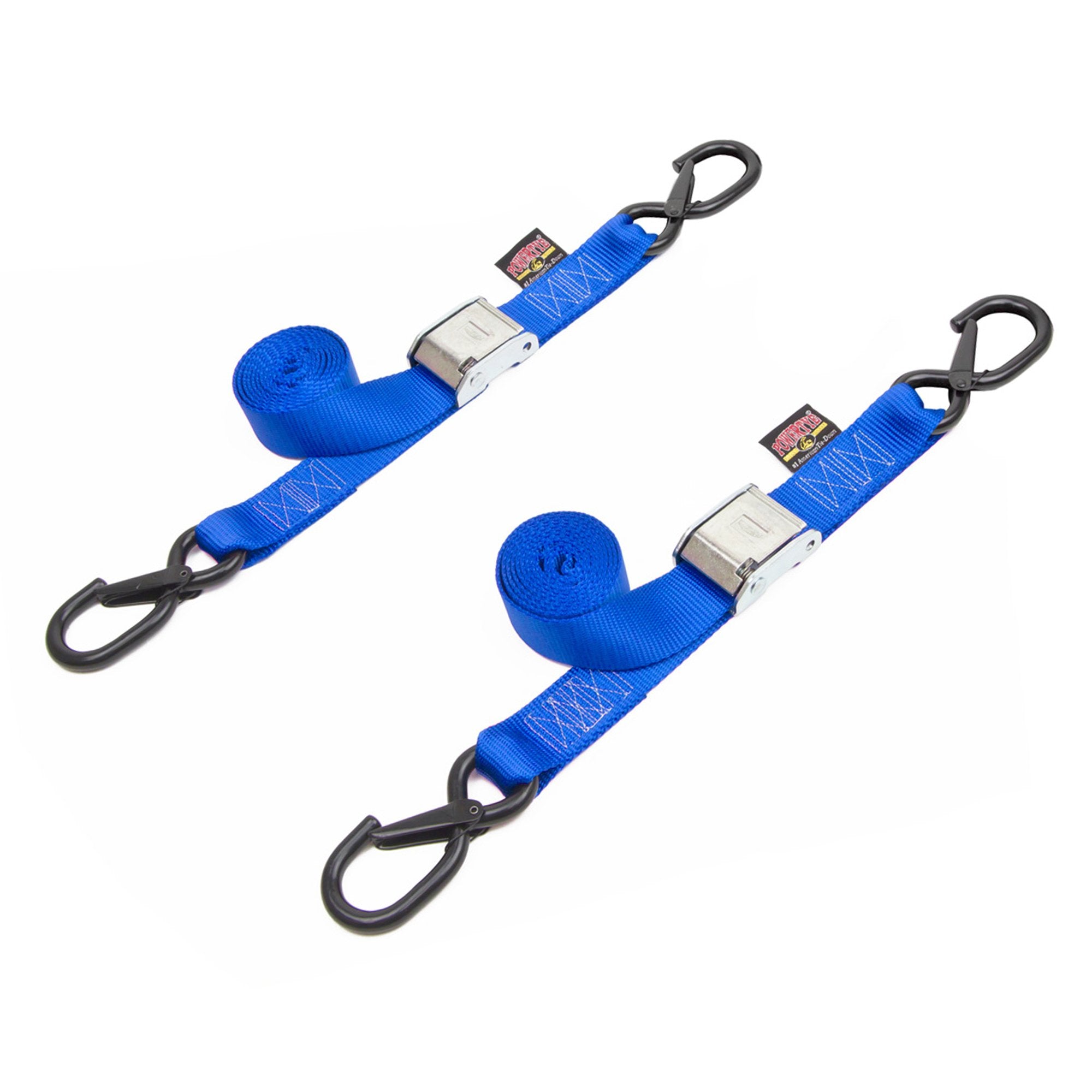
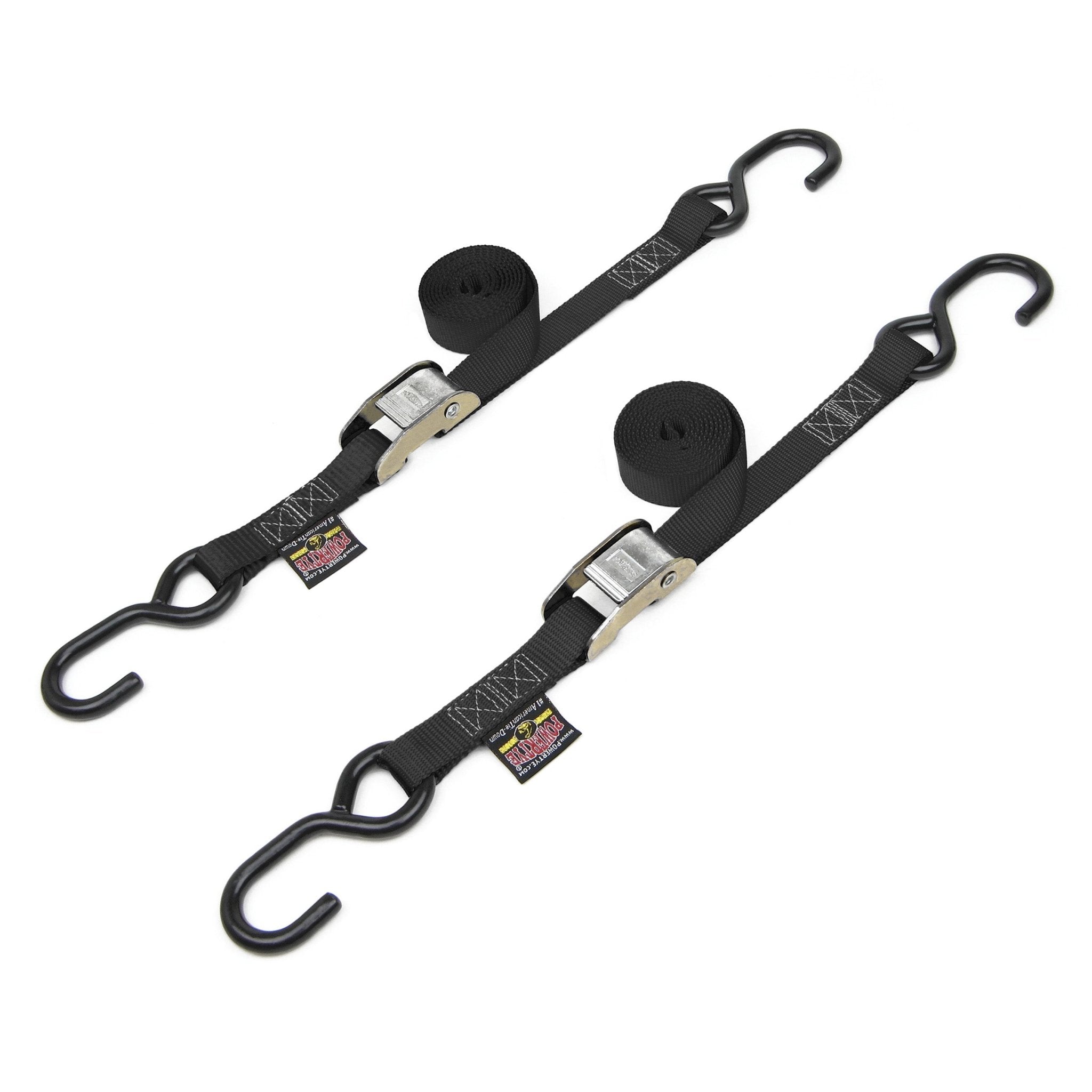
Cargo Nets vs Tie-Down Straps for E Bikes
Cargo nets and tie-down straps serve different purposes, and understanding the difference helps you use each correctly.
When Cargo Nets Are the Right Choice
Cargo nets are best for:
-
Backpacks and soft bags
-
Jackets, clothing, and commuting gear
-
Camping equipment
-
Secondary restraint over panniers or crates
-
Preventing wind lift and bounce
Cargo nets excel at stabilizing loads that are already placed on a rack or platform.
When Tie-Down Straps Are Better
Tie-down straps should be used for:
-
Securing the e bike itself during vehicle transport
-
Locking down heavy or rigid cargo
-
Preventing forward or backward movement
Many experienced riders use both together. Cargo nets manage loose gear, while tie-down straps handle structural restraint. This layered approach mirrors how motorcycles and other powersports equipment are secured.
Common Places to Use Cargo Nets on Electric Bikes
Cargo nets can be used in multiple locations depending on your bike setup.
Rear Cargo Racks
The most common use for cargo nets is over rear racks. This is ideal for:
-
Daily commuting gear
-
Grocery runs
-
Small tool kits
-
Day packs
Front Racks and Baskets
Front-mounted racks and baskets benefit from cargo nets to:
-
Prevent items from bouncing out
-
Secure uneven or tall loads
-
Maintain steering stability
During Vehicle Transport
Cargo nets are also useful when transporting electric bikes in:
-
Truck beds
-
Trailers
-
Hitch-mounted carriers
In these cases, cargo nets secure accessories and loose items while proper tie-down straps secure the bike itself.
Step by Step Guide to Using Cargo Nets for Electric Bikes
Step 1: Load the Bike Properly
Before stretching a cargo net, make sure the load is placed correctly.
-
Heavier items should sit low and close to the center of the rack
-
Lighter items should go on top
-
Avoid stacking items higher than necessary
Good load placement reduces stress on the rack and improves bike handling.
Step 2: Identify Strong Anchor Points
Attach cargo net hooks only to solid points such as:
-
Metal rack rails
-
Integrated cargo mounts
-
Frame-mounted rack loops
Avoid attaching hooks to plastic components, wiring, or battery housings.
Step 3: Stretch the Net Evenly
Pull the cargo net across the load so:
-
Tension is evenly distributed
-
The net is not twisted or overlapped
-
All hooks are engaged
Even tension prevents one side from loosening during riding.
Step 4: Protect the Bike Finish
Make sure hooks are not rubbing against:
-
Painted frame surfaces
-
Battery cases
-
Display mounts
If needed, reposition hooks to prevent abrasion.
Step 5: Test the Load
Push down and gently shake the cargo. Nothing should slide or bounce excessively. If it does, reposition the net or add a second net for stability.
How Tight Should a Cargo Net Be on an E Bike?
A cargo net should be tight enough to hold items securely without crushing them or overstretching the elastic.
Proper tension means:
-
The net stays in place over bumps
-
Cargo does not shift during acceleration or braking
-
Elastic cords are not stretched to their limit
Overstretching shortens the life of the net and increases failure risk.
Common Mistakes When Using Cargo Nets for Electric Bikes
Using Cargo Nets as Primary Bike Restraints
Cargo nets are not designed to secure the bike itself during vehicle transport. Always use proper tie-down straps for the bike and reserve cargo nets for accessories and gear.
Overloading the Rack
Every rack has a weight limit. Cargo nets do not increase rack capacity. Exceeding limits can cause rack failure or handling issues.
Attaching to Weak Points
Hooking nets to thin tubing, plastic parts, or wiring can cause damage and lead to sudden release.
Ignoring Sharp Edges
Sharp corners on boxes or tools can wear through elastic cords over time. Padding sharp edges extends net life.
Using Worn or Damaged Nets
Cracked hooks, frayed cords, or stretched elastic reduce holding power. Replace nets that show signs of wear.
Safety Tips for Using Cargo Nets on Electric Bikes
-
Inspect cargo nets before every ride
-
Replace nets with cracked hooks or frayed cords
-
Keep nets clear of wheels, chains, and brakes
-
Avoid contact with hot components
-
Recheck net tension on longer rides
Cargo nets are safety equipment. Treat them with the same attention you give to brakes or tires.
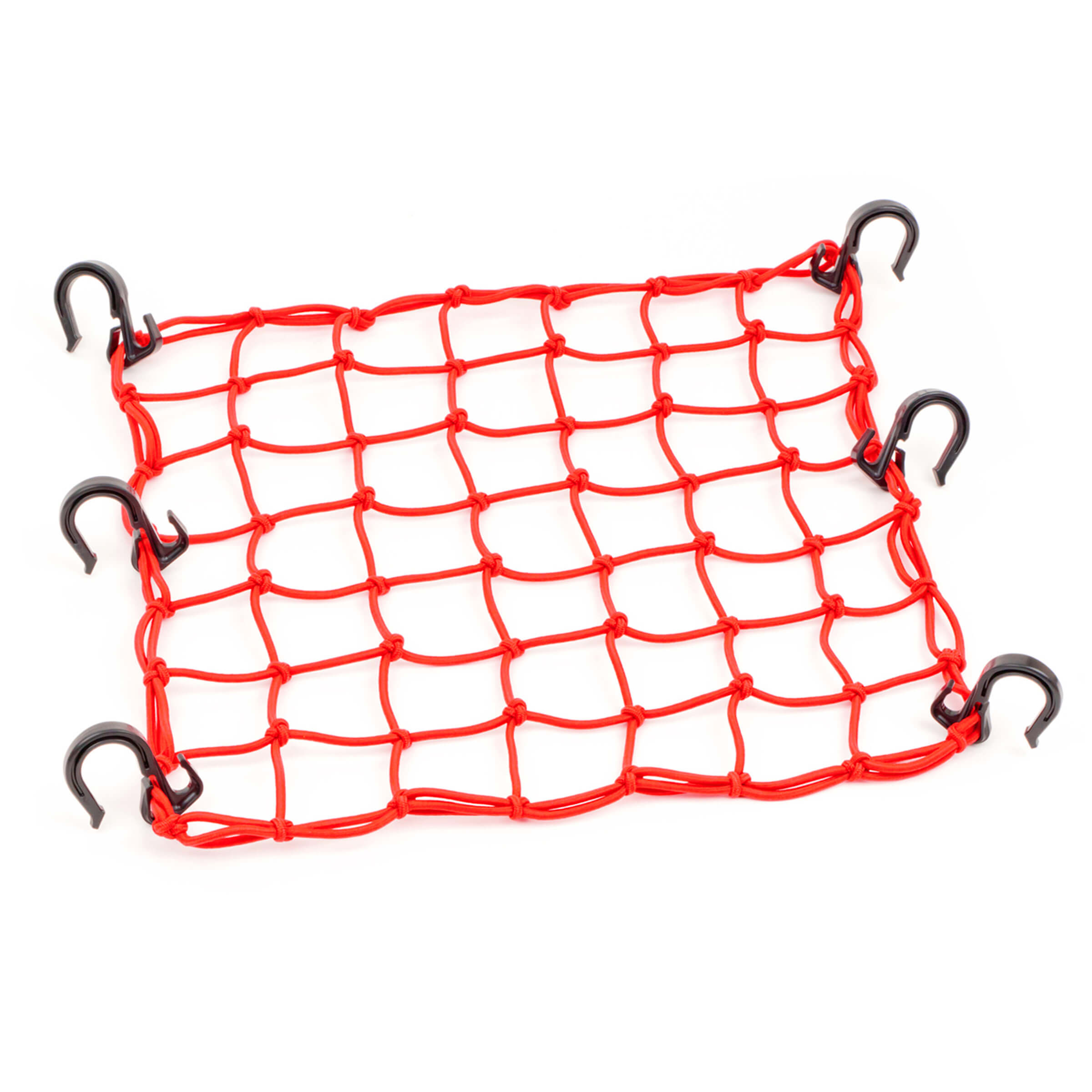
Choosing the Right PowerTye Cargo Nets for Electric Bikes
PowerTye offers cargo nets designed for real-world riding and transport conditions. Only products actually sold by PowerTye should be used.
Standard Cargo Nets
Standard PowerTye cargo nets are ideal for:
-
Commuting gear
-
Light to medium loads
-
Rear racks and baskets
They provide flexible tension without excessive stretch.
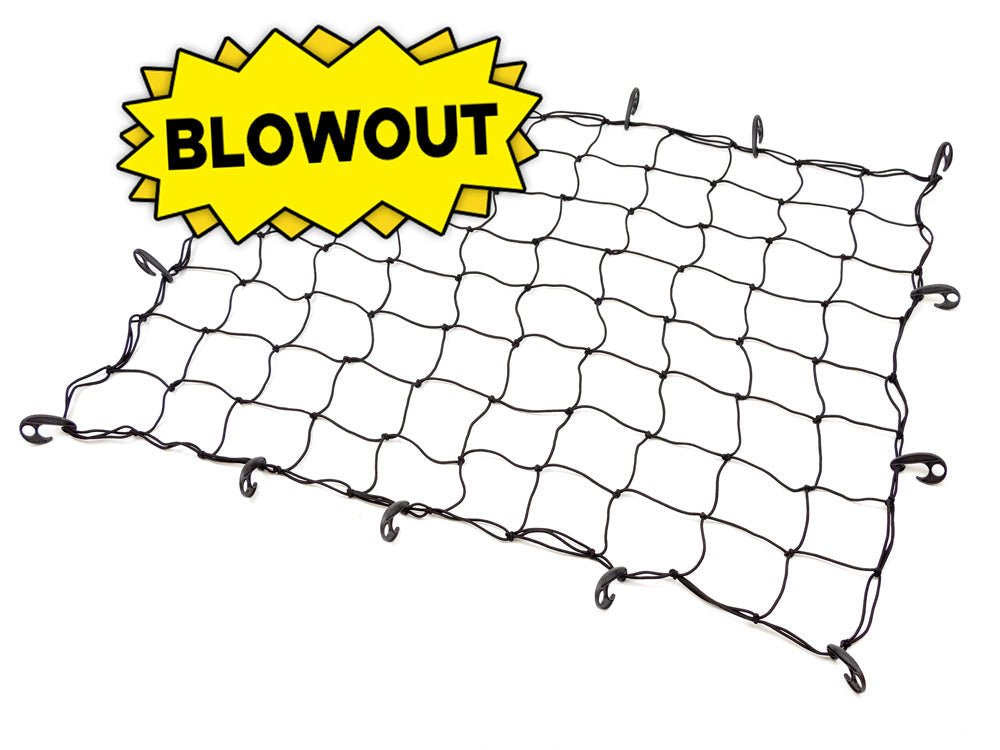
Heavy Duty Cargo Nets
Heavy duty cargo nets work best for:
-
Larger or bulkier loads
-
Camping equipment
-
Extended trips
They offer increased strength while maintaining elasticity.
Durable Hooks and Elastic Construction
PowerTye cargo nets use durable hooks and high-quality elastic materials designed to stay secure under vibration and repeated use.
Using Cargo Nets With Panniers and Hard Cases
Cargo nets work well as secondary security for panniers and hard cases.
Benefits include:
-
Preventing lids from popping open
-
Stabilizing loads inside panniers
-
Adding redundancy during rough rides
A cargo net over panniers provides peace of mind without adding much weight.
Transporting Electric Bikes With Cargo Nets
When transporting e bikes in vehicles, cargo nets help manage accessories.
Use cargo nets to:
-
Secure helmets, bags, or covers
-
Prevent wind lift on loose items
-
Organize gear in truck beds or trailers
Always pair cargo nets with proper tie-down straps when transporting the bike itself.
Transporting Multiple Electric Bikes
When hauling multiple e bikes:
-
Use individual cargo nets for each bike
-
Avoid shared anchor points
-
Prevent bikes or accessories from contacting each other
Cargo nets help manage accessories but should not be used to link bikes together.
Maintenance and Care for Cargo Nets
Cleaning
Wash cargo nets with mild soap and water. Rinse thoroughly and allow them to air dry completely.
Inspection
Regularly check for:
-
Loss of elasticity
-
Frayed cords
-
Cracked or bent hooks
Replace nets that show signs of wear.
Storage
Store cargo nets out of direct sunlight and moisture. UV exposure weakens elastic materials over time.
How Cargo Nets Improve Ride Quality
Beyond security, cargo nets improve how an electric bike feels on the road.
They help:
-
Reduce sudden load shifts
-
Minimize rattling or bouncing
-
Maintain predictable handling
A stable load makes riding safer and more enjoyable, especially on longer trips.

FAQ: Cargo Nets for Electric Bikes
Are cargo nets safe for electric bikes?
Yes, when used correctly. Cargo nets are excellent for securing gear, not the bike itself.
Can I use motorcycle cargo nets on an e bike?
Yes. PowerTye cargo nets designed for powersports work very well on electric bikes.
How much weight can a cargo net hold?
Cargo nets stabilize loads rather than support weight. Always follow rack weight limits.
Should I use one or two cargo nets?
One is usually sufficient for light loads. Two nets provide added security for bulky or uneven gear.
Do cargo nets damage bike frames?
When attached to proper anchor points and used correctly, they should not damage frames.
Can cargo nets be used off-road?
Yes, but loads should be checked more frequently due to increased vibration.
How often should cargo nets be replaced?
Replace them when elasticity is lost or hooks show visible damage.
Secure Your Gear and Ride With Confidence
Electric bikes are built for versatility, but that versatility depends on proper load management. Using high-quality cargo nets for electric bikes allows you to carry gear safely without compromising stability or damaging your bike.
PowerTye cargo nets deliver professional-level reliability trusted across powersports applications. Whether you are commuting, touring, or transporting your electric bike, the right cargo net setup keeps your gear exactly where it belongs.
Shop PowerTye cargo nets today and ride with confidence, control, and secure load management on every trip.