



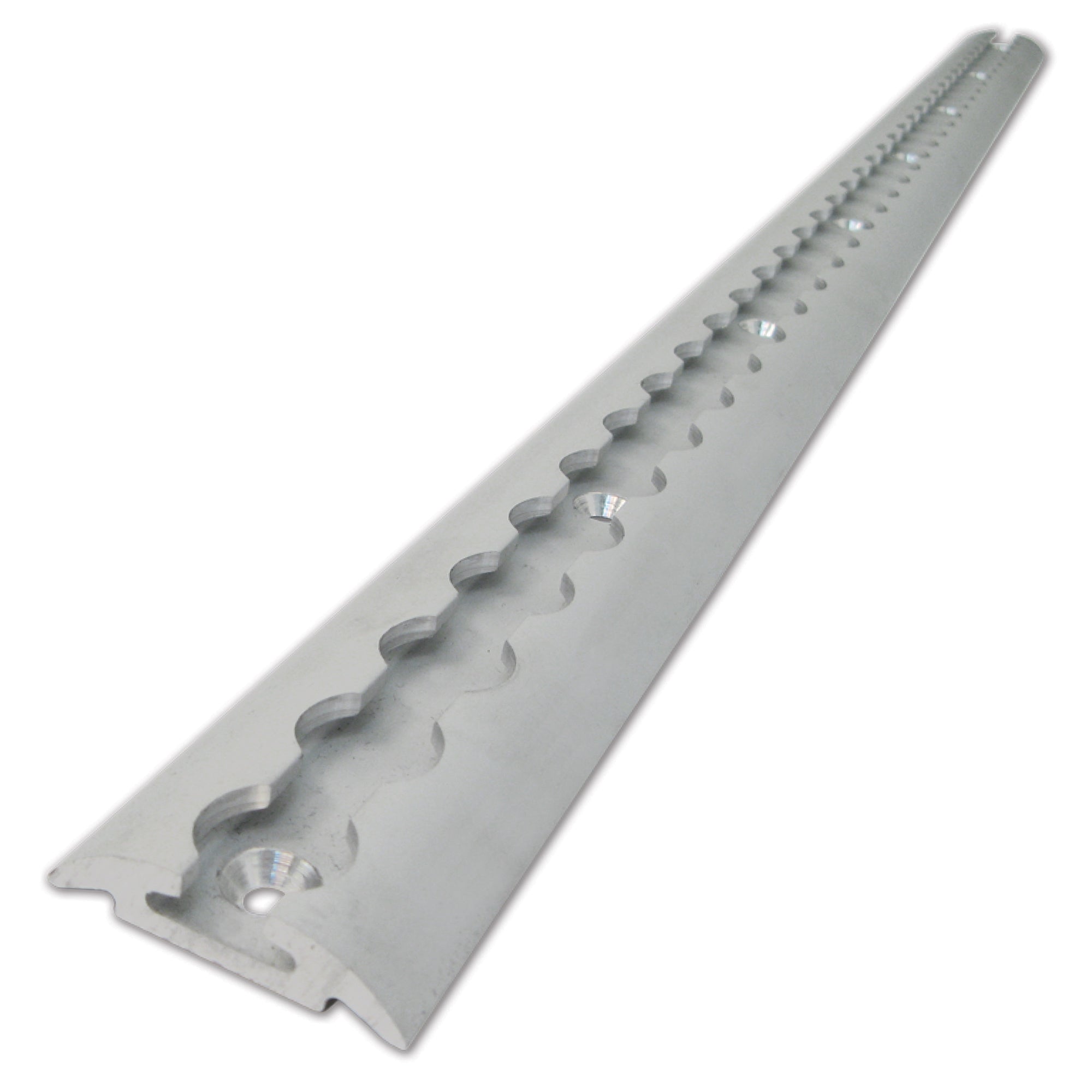
Cargo Trailer Tie Down Track: The Most Flexible Way to Secure Loads With Confidence
If you haul motorcycles, ATVs, UTVs, tools, equipment, or general cargo in an enclosed or open trailer, fixed D rings can start to feel limiting fast. Loads change. Wheelbases differ. Anchor points never seem to be exactly where you need them. That is why more experienced haulers rely on a cargo trailer tie down track system to create a safer, cleaner, and far more adaptable trailer setup.
Tie down track systems transform a trailer from a collection of fixed anchors into a fully adjustable restraint platform. Instead of working around your trailer, you build the tie-down setup around your load. This guide explains how cargo trailer tie down track systems work, why they matter, how to use them step by step, common mistakes to avoid, safety tips, how to choose the right PowerTye options, how to maintain them, and answers to the most common questions haulers ask.
Why Cargo Trailer Tie Down Track Systems Matter
A trailer is only as good as its tie-down points. Fixed anchors work when loads never change, but real-world hauling is rarely that simple. Different machines, varying cargo sizes, and shifting weight demands flexibility.
Cargo trailer tie down track systems matter because they:
-
Create adjustable anchor points anywhere along the track
-
Allow perfect strap angles for every load
-
Improve load stability and control
-
Reduce reliance on poorly placed factory anchors
-
Make trailers more versatile over time
For anyone who hauls more than one type of equipment, tie down track quickly becomes one of the most valuable trailer upgrades available.
What Is a Cargo Trailer Tie Down Track
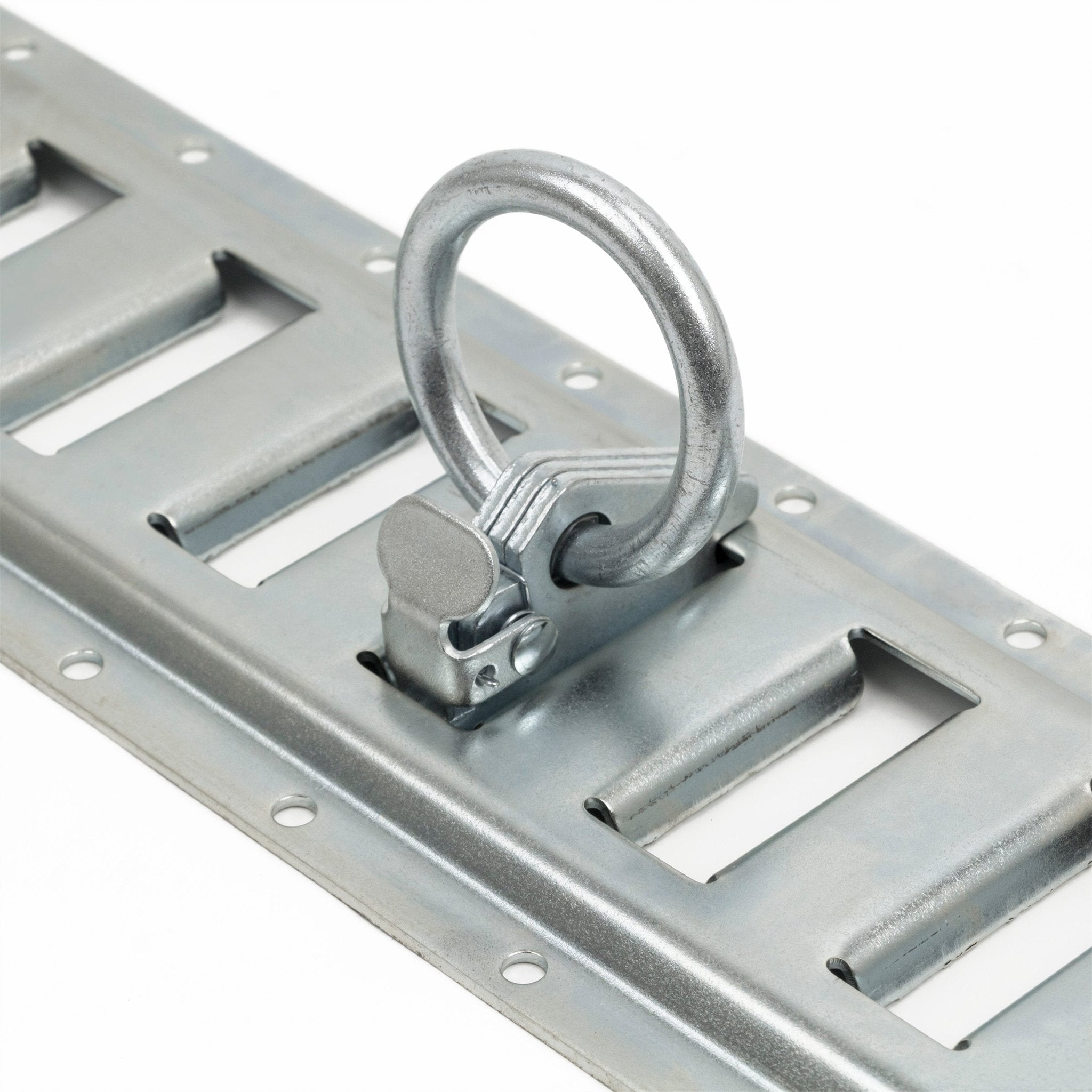
A cargo trailer tie down track is a mounted rail system installed on trailer floors, walls, or frames. It accepts compatible fittings that lock into place and serve as movable anchor points for straps.
Instead of being stuck with fixed D rings, a track system allows you to:
-
Slide anchor points exactly where you need them
-
Adjust placement for different vehicles or cargo
-
Create consistent, repeatable setups
PowerTye tie down track systems are designed for transport use, where strength, reliability, and secure locking mechanisms are critical.
How Cargo Trailer Tie Down Track Systems Work
Tie down track systems work by combining a permanently mounted rail with removable or adjustable fittings.
A complete system includes:
-
The tie down track mounted to the trailer
-
Track fittings that lock into the rail
-
Tie-down straps connected to the fittings
Once installed, fittings can be repositioned in seconds, allowing you to change anchor locations without drilling new holes or modifying the trailer.
This flexibility allows you to control load movement more effectively than fixed anchor points ever could.
Cargo Trailer Tie Down Track vs Fixed D Rings
Both have their place, but they serve different needs.
Cargo Trailer Tie Down Track Advantages
-
Fully adjustable anchor locations
-
Cleaner trailer layouts
-
Better strap angles
-
Works for multiple load types
-
Future-proof trailer upgrades
Fixed D Ring Limitations
-
Permanent placement
-
Often poorly positioned
-
Limited flexibility
-
Can require awkward strap routing
Many experienced haulers use a combination of both, but rely on track systems for primary restraint.
Common Uses for Cargo Trailer Tie Down Track
Tie down track systems are used across many hauling scenarios.
Motorcycle Transport
Tie down track allows:
-
Perfect front strap angles
-
Easy adjustment for different wheelbases
-
Cleaner, repeatable setups
It works especially well in enclosed trailers where space is limited.
ATV and UTV Transport
Larger machines benefit from:
-
Adjustable anchor placement at all four corners
-
Better control of wide stances
-
Easy reconfiguration for different machines
Utility and Equipment Hauling
Generators, tool chests, carts, and equipment rarely fit fixed anchor layouts. Track systems adapt to changing cargo.
Multi-Use Cargo Trailers
If your trailer hauls different loads throughout the year, tie down track makes it far more versatile.
Step by Step: How to Use Cargo Trailer Tie Down Track Correctly
Step 1: Inspect the Track and Fittings
Before use, check:
-
Track mounting bolts or fasteners
-
Track for cracks or deformation
-
Fittings for proper locking function
The system is only as strong as its installation.
Step 2: Position the Load in the Trailer
Place the load:
-
Centered left to right
-
With proper weight distribution
-
Oriented for best strap angles
Correct positioning reduces the number of straps needed.
Step 3: Insert and Lock Track Fittings
Install fittings:
-
At locations that create proper strap angles
-
Symmetrically when possible
-
Locked fully into the track
Always confirm fittings are seated and locked before attaching straps.
Step 4: Attach Tie-Down Straps
Connect straps from the load to the track fittings.
-
Pull inward and toward the anchor points
-
Avoid straight-down angles when possible
-
Use soft ties when attaching to finished components
Step 5: Apply Controlled Tension
Tighten straps evenly until:
-
The load cannot shift
-
Suspension is not fully compressed
-
Straps are snug but not overstressed
Proper angles matter more than brute force.
Step 6: Secure Excess Strap Length
Tie off or secure loose webbing so it cannot flap, wear, or tangle during travel.
Step 7: Perform a Stability Check
Push against the load. It should move with the trailer, not independently. Recheck tension after the first few miles.
How Many Track Anchor Points Should You Use
The number depends on the load.
General guidelines:
-
Motorcycles typically use four anchor points
-
ATVs and UTVs often use four to six
-
Utility cargo may vary based on size and weight
Track systems allow you to add anchors exactly where needed, improving safety.
Common Mistakes With Cargo Trailer Tie Down Track
Poor Track Installation
Improper mounting can compromise the entire system. Tracks must be mounted to structural members using appropriate hardware.
Overloading a Single Fitting
Distribute load across multiple anchor points rather than relying on one fitting.
Ignoring Strap Angles
Even with adjustable anchors, poor angles reduce effectiveness. Always pull inward and toward the load.
Mixing Incompatible Hardware
Only use fittings and straps designed to work with the track system.
Forgetting Routine Inspections
Tracks and fittings should be inspected just like straps.
Safety Tips for Using Cargo Trailer Tie Down Track
-
Inspect track mounting regularly
-
Confirm fittings are locked before tightening straps
-
Use multiple anchor points for redundancy
-
Avoid sharp edges or pinch points
-
Recheck tension during long trips
Track systems improve safety, but proper use is still essential.
Choosing the Right PowerTye Cargo Trailer Tie Down Track
PowerTye offers tie down track solutions designed for powersports and cargo transport. Only products actually sold by PowerTye should be used.
Tie Down Track Sections
These provide:
-
Strong, permanent anchor rails
-
Flexible placement options
-
Compatibility with PowerTye fittings
They can be mounted on trailer floors, walls, or frames depending on the application.
Track Fittings and Accessories
Track fittings allow:
-
Quick repositioning
-
Secure locking under load
-
Compatibility with PowerTye tie-down straps
Using matched components ensures system strength and reliability.
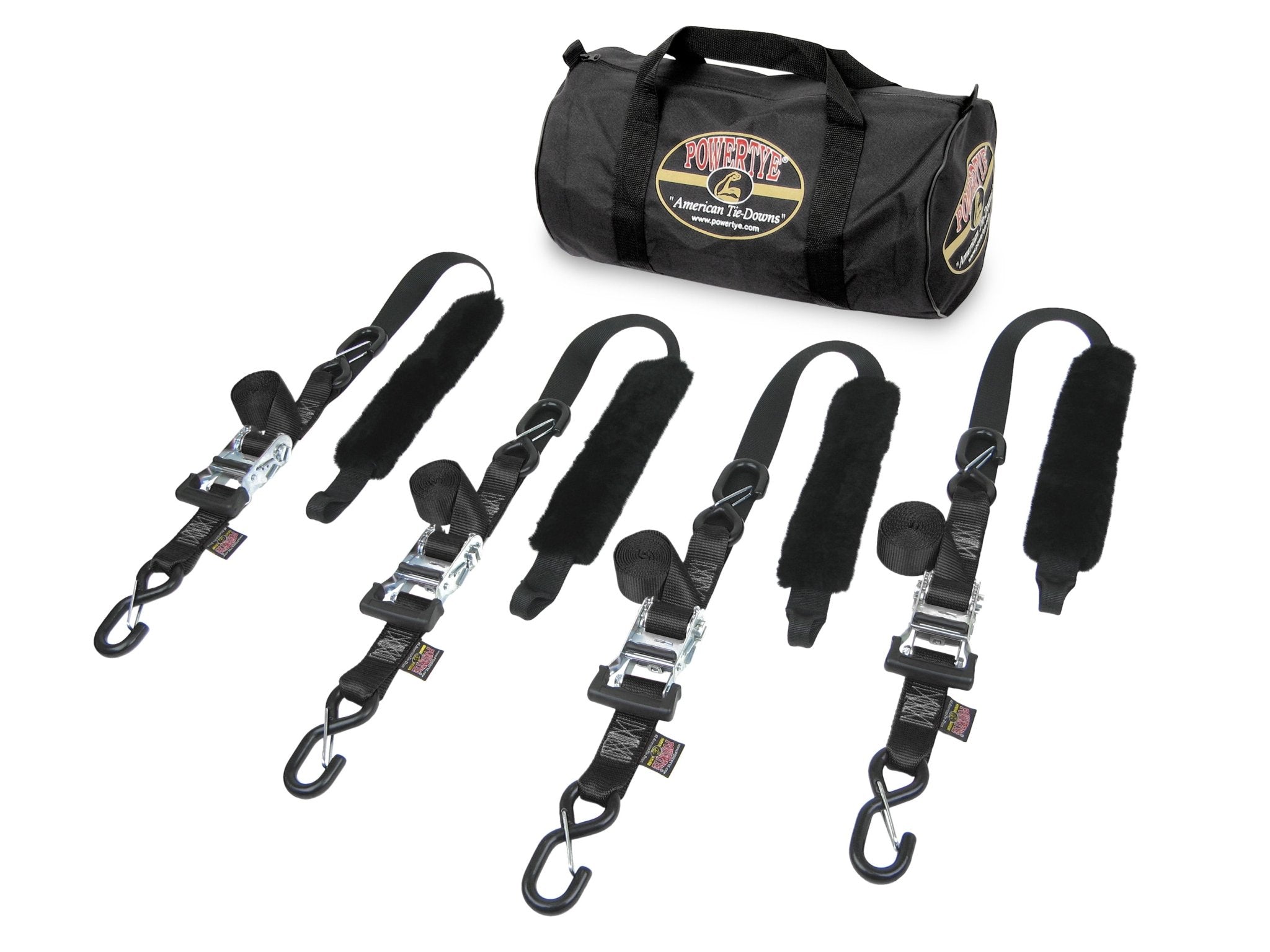
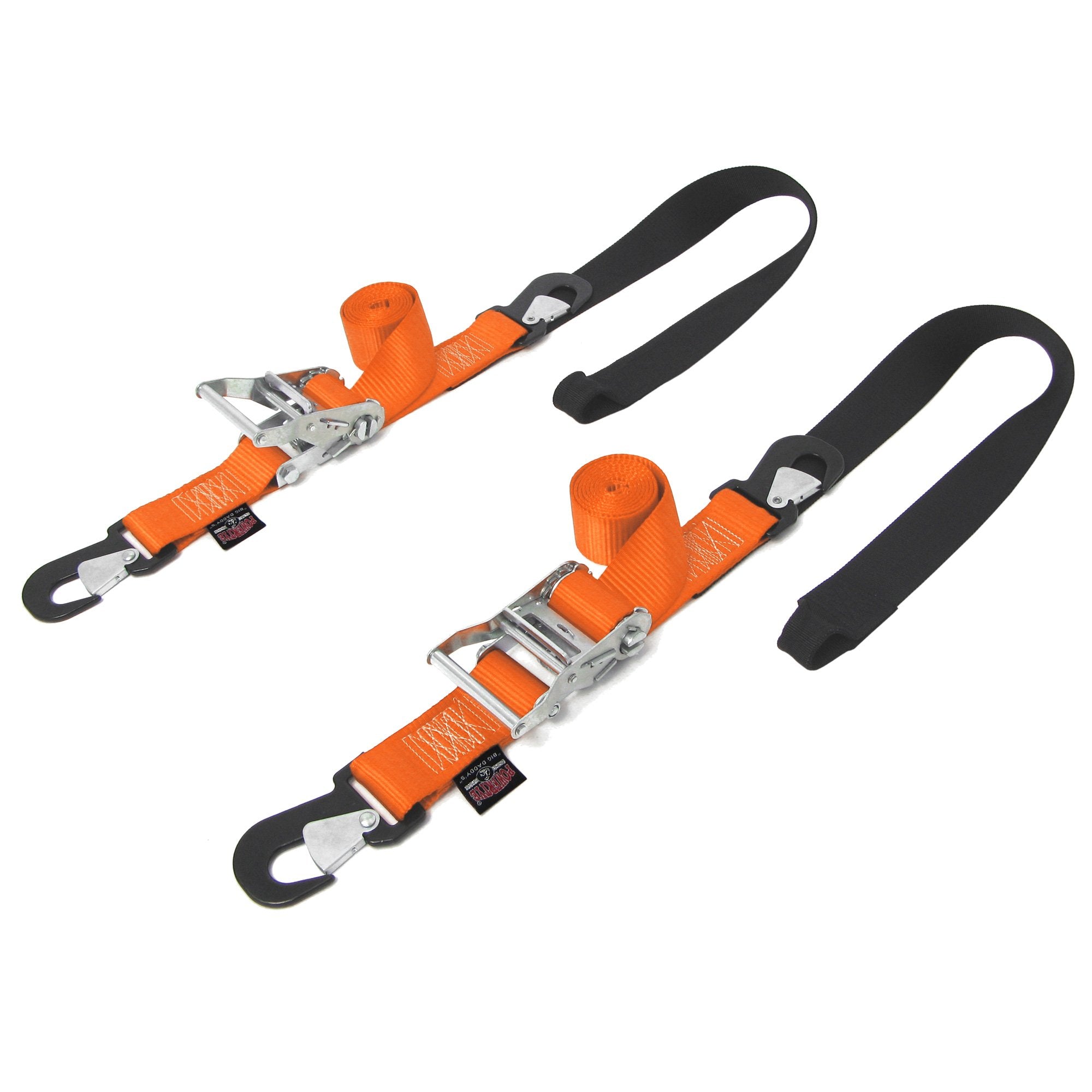
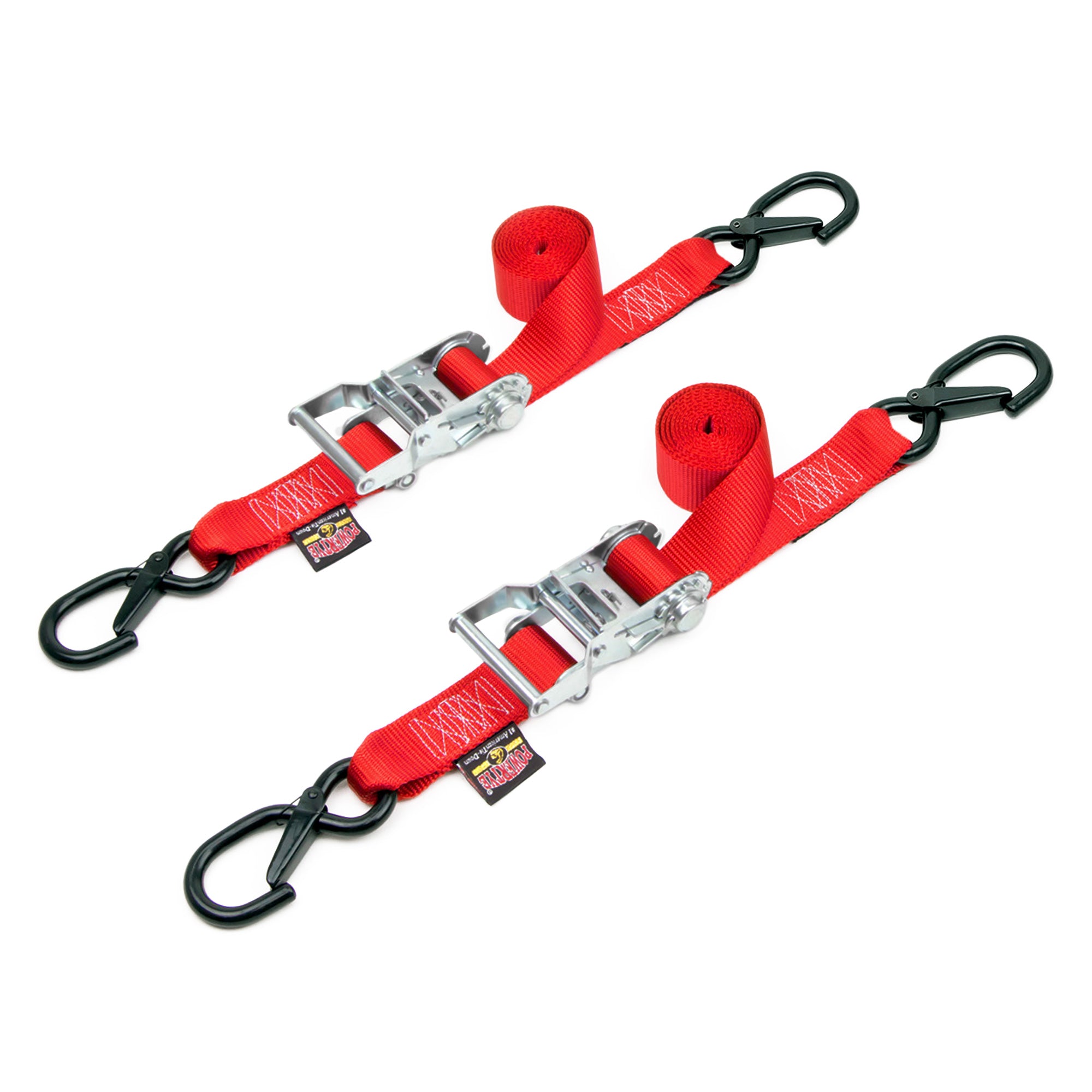
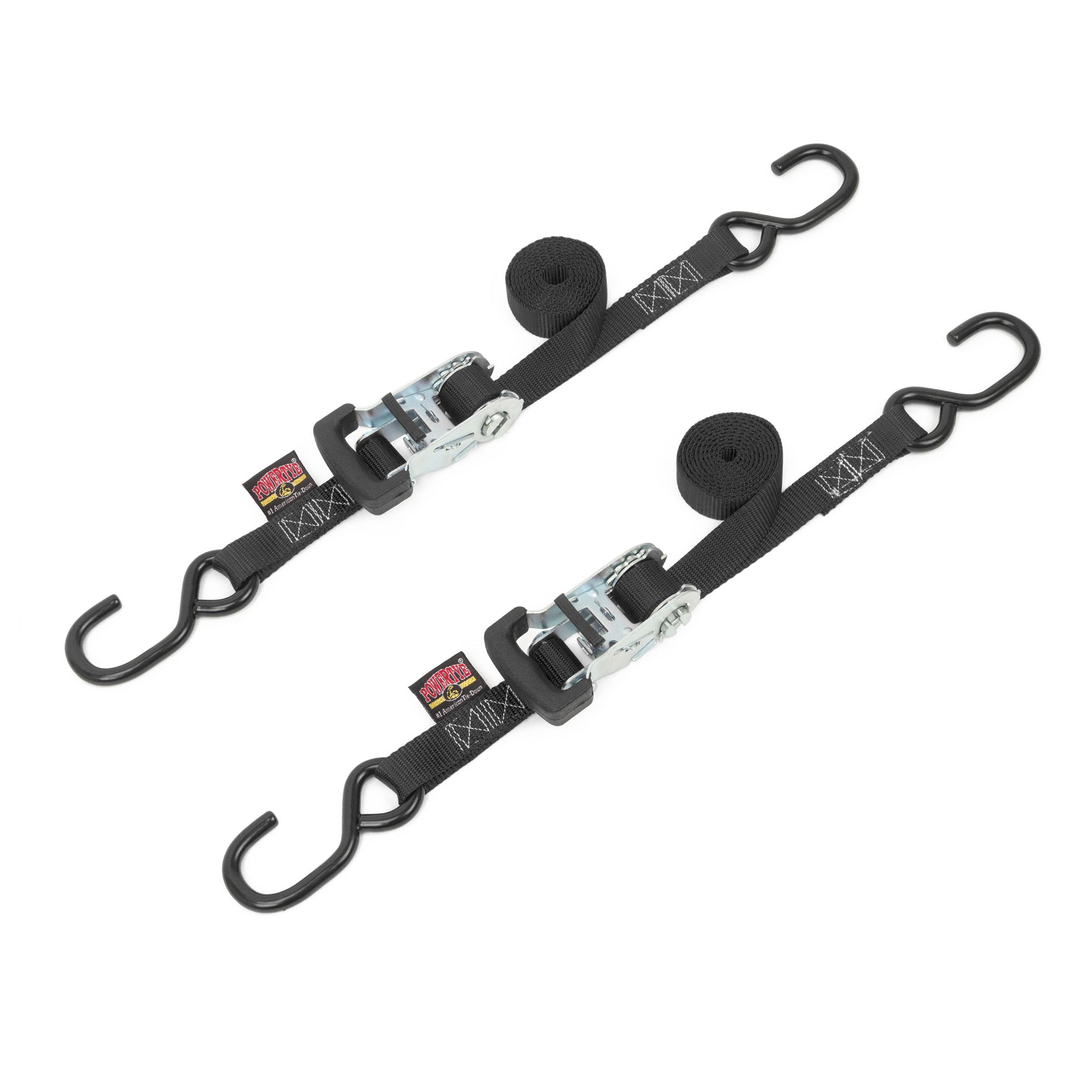
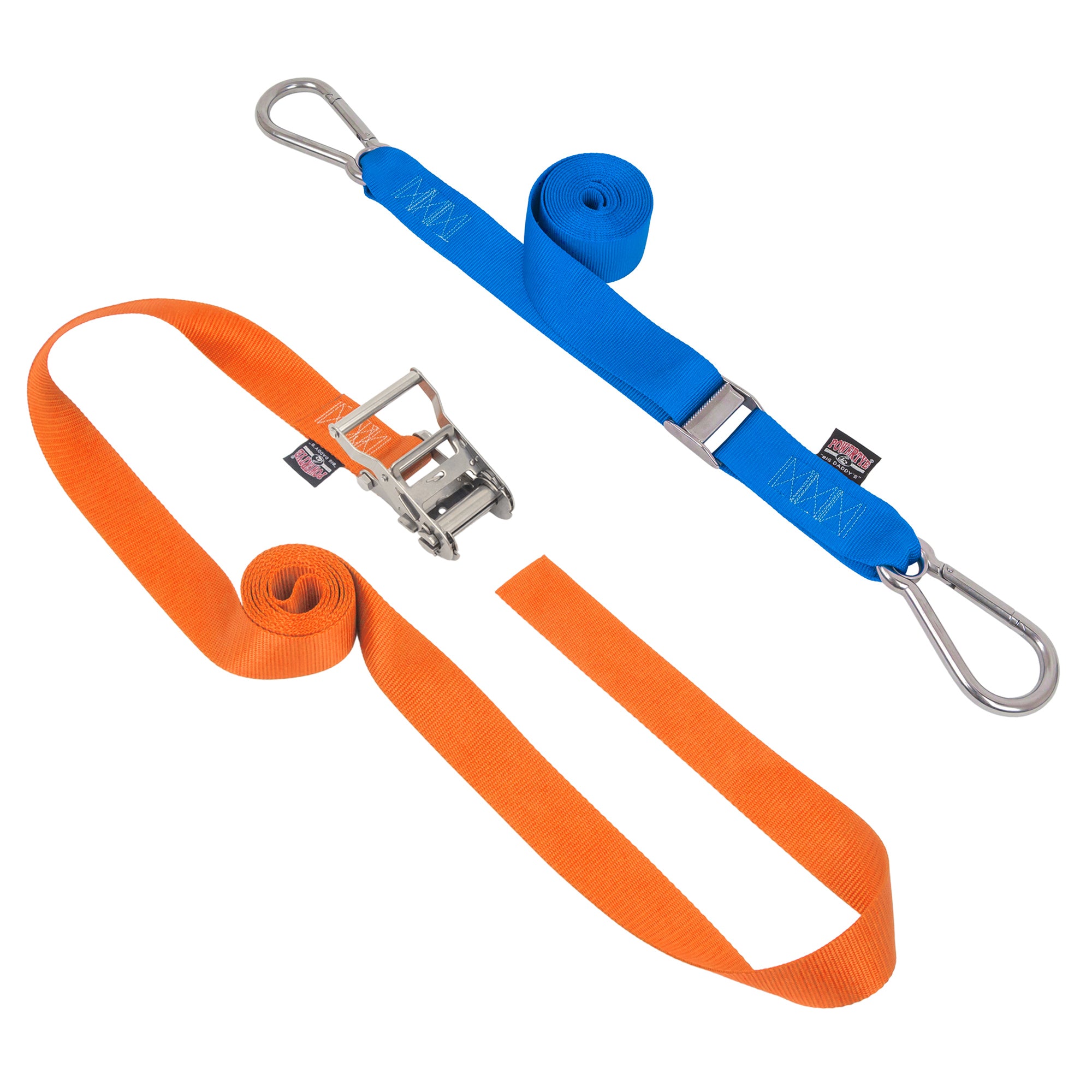
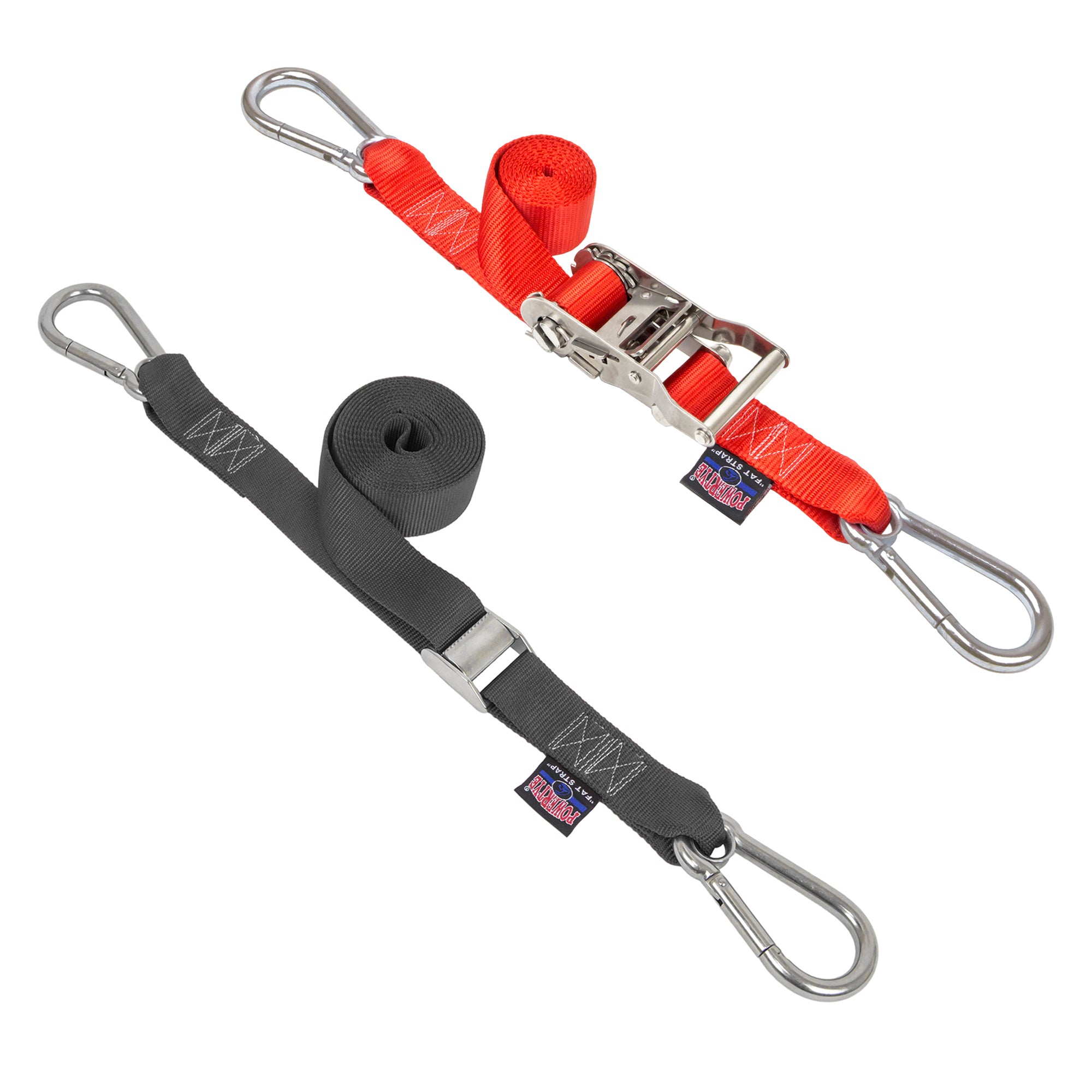
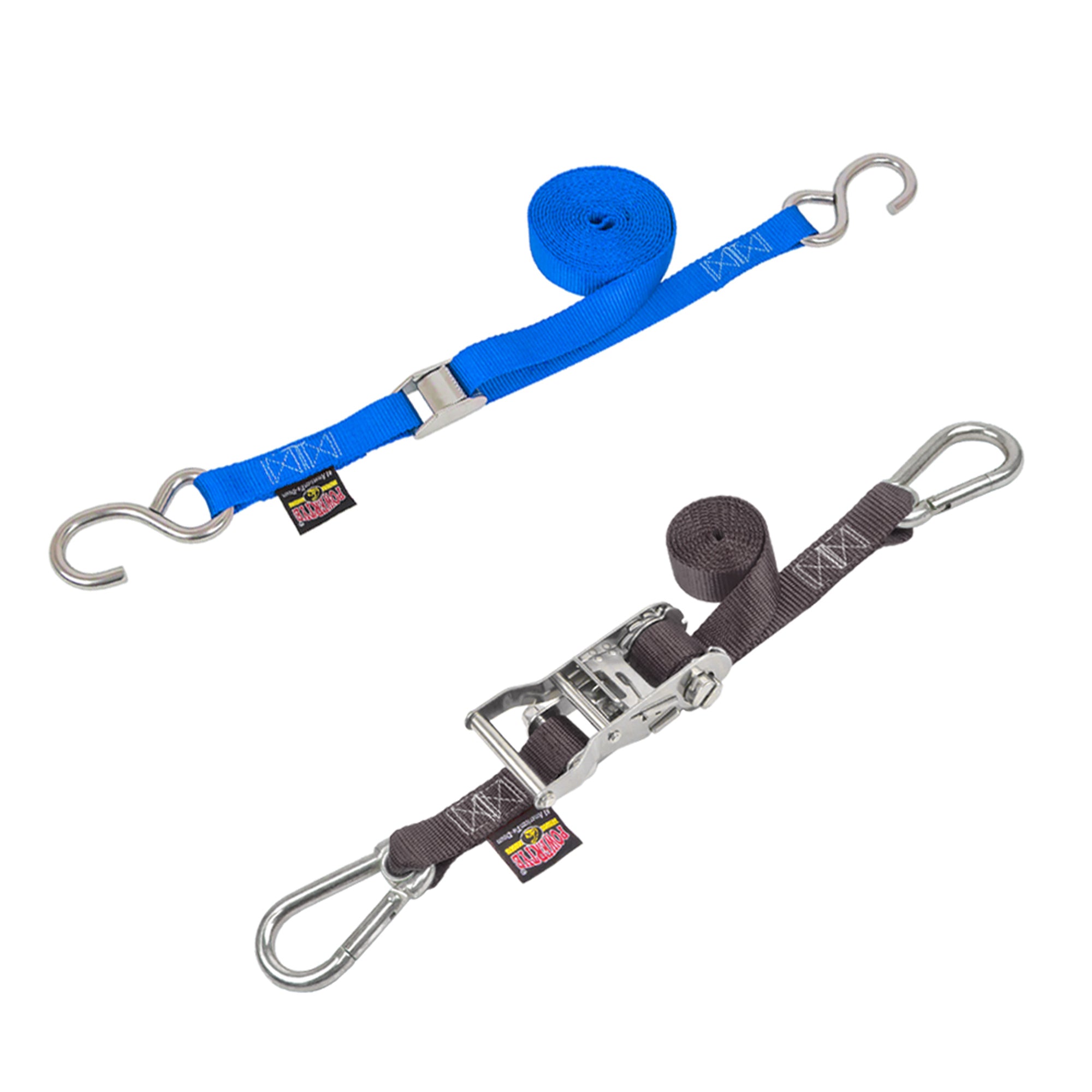
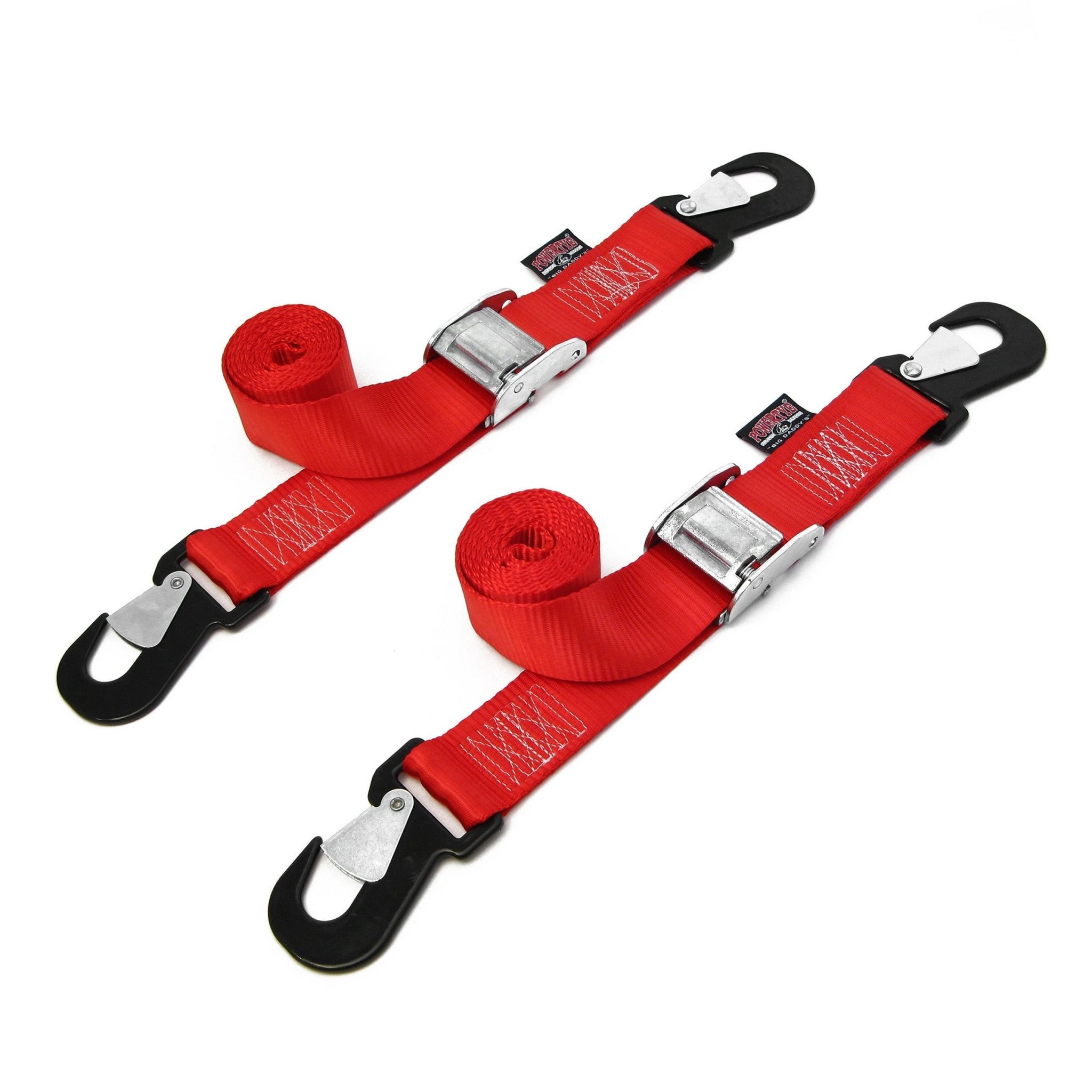
Pairing Track Systems With PowerTye Straps
Tie down track works best when paired with:
-
Ratchet tie-down straps for primary restraint
-
Soft ties for frame protection
-
Wheel or axle-based restraint when appropriate
Using Tie Down Track in Enclosed vs Open Trailers
Enclosed Trailers
Track systems:
-
Maximize limited space
-
Create clean interior layouts
-
Allow precise strap placement
Open Trailers
Track systems:
-
Improve strap angles
-
Reduce clutter
-
Make loading faster
Both benefit from adjustable anchor placement.
Maintenance and Care for Cargo Trailer Tie Down Track
Cleaning
Keep tracks free of dirt and debris so fittings lock properly.
Inspection
Regularly check:
-
Mounting hardware
-
Track alignment
-
Fittings for wear or damage
Replace damaged components immediately.
Storage
Remove unused fittings when not hauling to keep the trailer organized and reduce wear.
Why Experienced Haulers Choose Tie Down Track
Haulers who upgrade to cargo trailer tie down track rarely go back to fixed anchors because track systems:
-
Adapt to changing loads
-
Improve safety and control
-
Save time during loading
-
Extend trailer usefulness
They turn a basic trailer into a professional-grade transport platform.

FAQ: Cargo Trailer Tie Down Track
What is cargo trailer tie down track used for
It is used to create adjustable anchor points for securing loads in trailers.
Is tie down track strong enough for motorcycles and UTVs
Yes, when properly installed and used with compatible fittings.
Can tie down track be installed in any trailer
Most trailers can accept track systems if mounted to structural members.
How many anchor points should I use
At least four for most vehicles, with additional points for heavier loads.
Does tie down track replace D rings
It often supplements or replaces them, depending on the setup.
Should fittings be removed when not in use
Yes, to reduce wear and keep the trailer organized.
Is tie down track good for long-distance hauling
Yes, it provides better strap angles and consistent restraint over long trips.
Build a More Capable Trailer Setup
A cargo trailer tie down track system is one of the smartest upgrades you can make if you haul regularly. It gives you control, flexibility, and consistency that fixed anchors simply cannot match.
PowerTye tie down track systems are trusted by riders and haulers who move motorcycles, ATVs, UTVs, and equipment every week. Built for durability and real-world use, they help you secure loads faster, safer, and with confidence.
Shop PowerTye cargo trailer tie down track systems today and turn your trailer into a truly adaptable hauling platform.