



E Bikes Strap Guide: How to Secure, Transport, and Protect Electric Bikes the Right Way
Electric bikes are not just bicycles with a motor. They are heavier, more powerful, and significantly more expensive than traditional bikes. That means when it comes to securing or transporting them, using the wrong strap or the wrong method can lead to damaged frames, bent components, or even dangerous situations on the road. Knowing how to properly use an e-bike strap is essential for anyone who owns, rides, or transports an electric bike.
Whether you are hauling an e bike in a truck bed, trailer, van, or on a hitch-mounted carrier, or simply stabilizing it during transport, the right straps and techniques make all the difference. This guide covers everything you need to know about e bikes straps. You will learn how strap systems work, how to use them step by step, common mistakes to avoid, safety tips, how to choose the right PowerTye straps, and how to maintain them so they last for years.
Why Proper E Bikes Straps Matter
Electric bikes typically weigh between 45 and 75 pounds, with some cargo and fat-tire models weighing even more. Add batteries, motors, reinforced frames, and electronic components, and the forces involved during transport increase dramatically.
Using the wrong strap or incorrect technique can result in:
-
Bent frames or forks
-
Damaged wheels, spokes, or tires
-
Scratched or chipped finishes
-
Battery or electrical damage
-
Shifting loads that affect vehicle control
An e bikes strap is not just about holding the bike down. It is about controlling movement in all directions while protecting sensitive components from damage.
How E Bikes Strap Systems Work
A proper strap system prevents movement forward, backward, and side to side while keeping the bike stable vertically. The goal is not to crush the bike downward, but to hold it firmly in place so it moves as one with the vehicle or trailer.
Effective e bikes strap systems work by:
-
Using multiple straps at opposing angles
-
Anchoring to solid vehicle or trailer points
-
Applying controlled, even tension
-
Protecting the bike with soft contact points
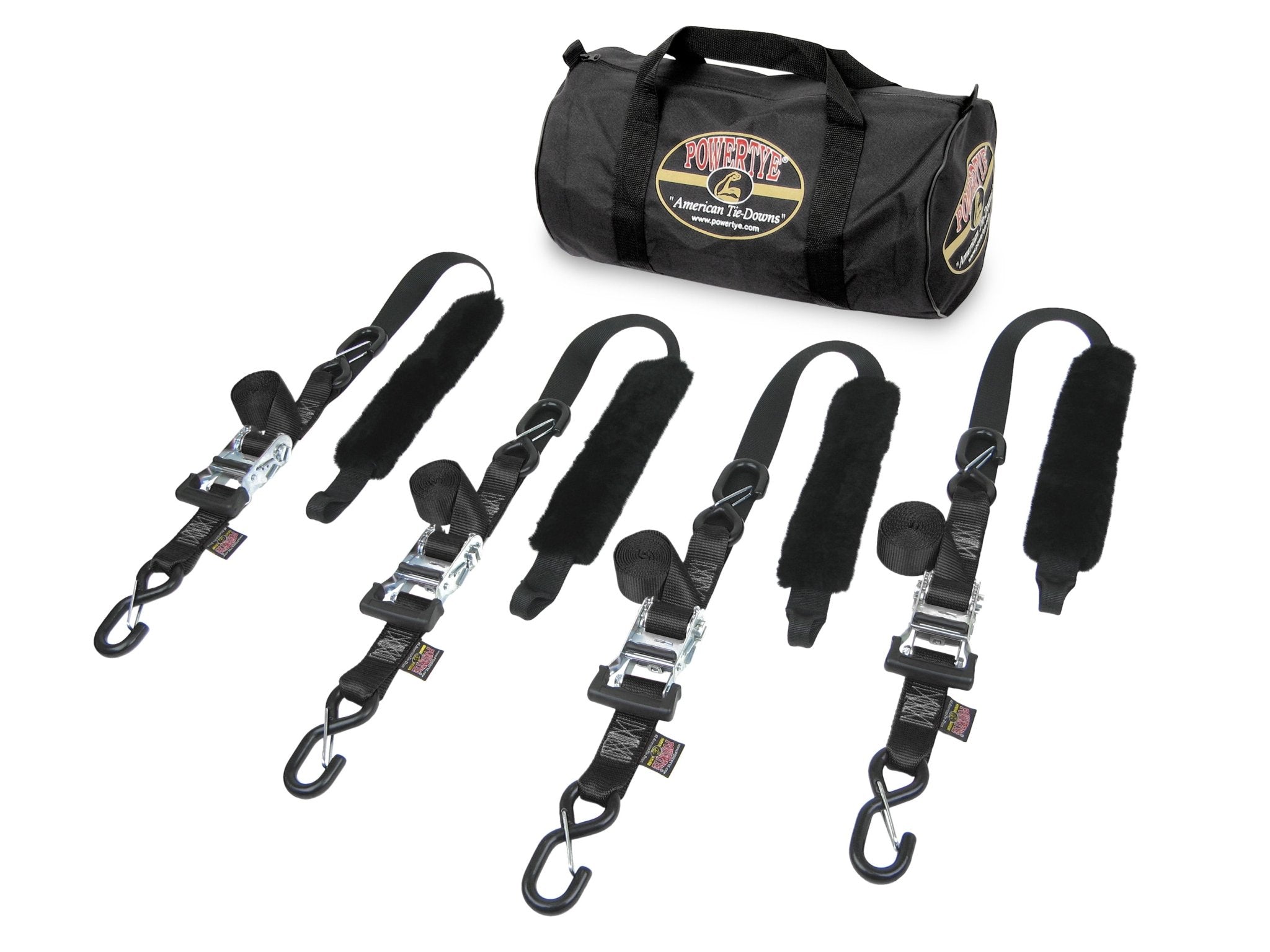
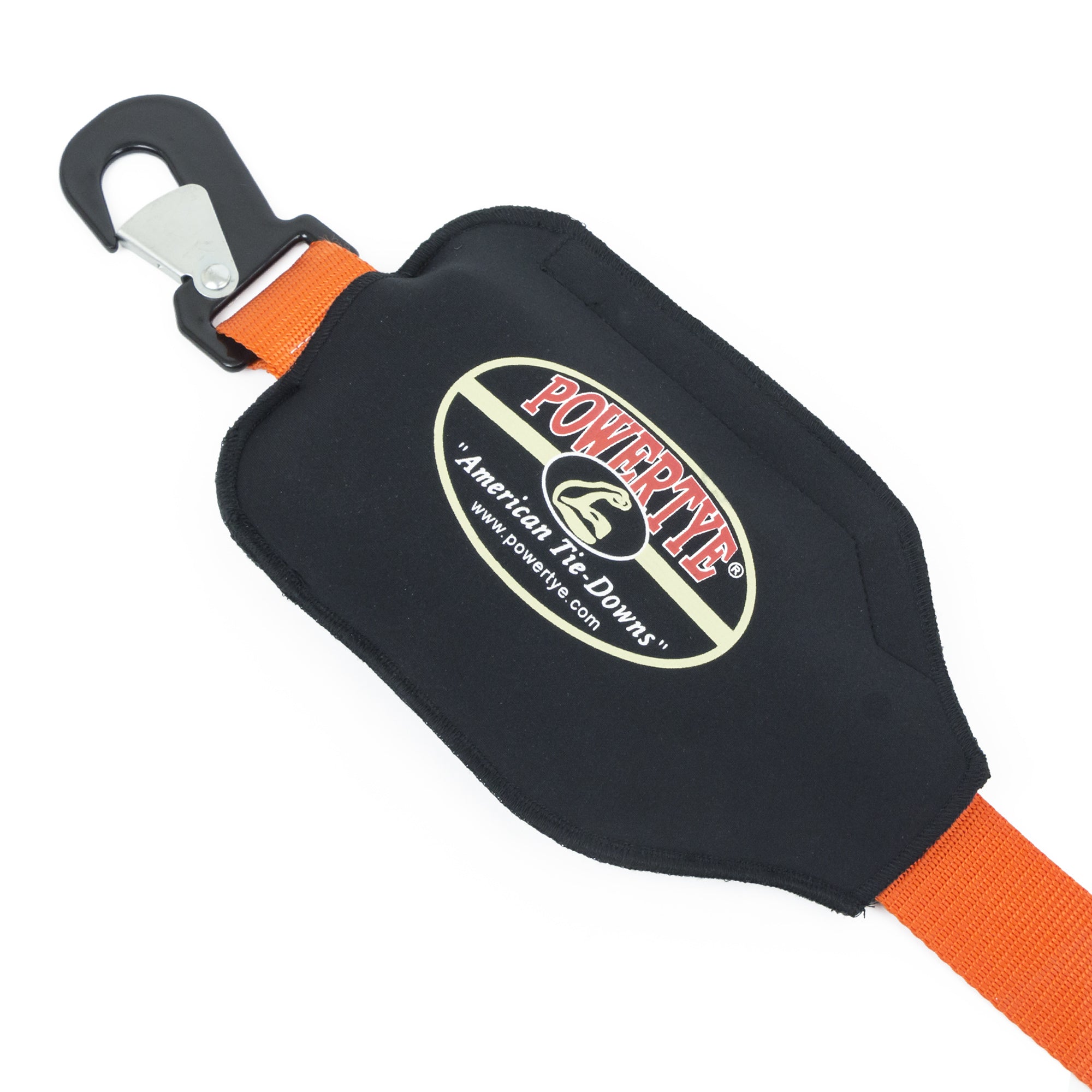
PowerTye straps are designed for motorcycles and powersports equipment, which experience similar transport forces to electric bikes. That makes them well suited for e bike use when applied correctly.
Common Situations Where E Bikes Straps Are Needed
Electric bike straps are used in several different scenarios, each requiring slightly different techniques.
Transporting E Bikes in a Truck Bed
Truck beds are popular for hauling e bikes, but they require proper strapping to prevent tipping or sliding.
Straps are used to:
-
Keep the bike upright
-
Prevent side to side movement
-
Stop forward or backward shifting during braking
Transporting E Bikes on Trailers
Trailers provide excellent stability when paired with proper tie-down points. E bikes straps are used to control movement while allowing tires or suspension to absorb vibration.
Hitch-Mounted Bike Carriers
Many hitch carriers include basic wheel straps, but additional e bikes straps are often needed to prevent sway and bounce, especially at highway speeds.
Vans and Enclosed Vehicles
Even inside a van, e bikes must be strapped down. Sudden stops can turn an unsecured bike into a projectile.
Step by Step Guide: How to Use an E Bikes Strap Correctly
Step 1: Prepare the Electric Bike
Before strapping the bike:
-
Turn the bike off
-
Remove loose accessories such as bags or pumps
-
Remove the battery if recommended by the manufacturer
Removing the battery reduces weight and protects sensitive electronics during transport.
Step 2: Position the Bike Properly
Place the e bike:
-
Upright and centered on the carrier, trailer, or truck bed
-
With wheels straight
-
With even weight distribution
Avoid leaning the bike against hard surfaces without padding.
Step 3: Identify Strong Anchor Points
Attach straps only to solid anchor points such as:
-
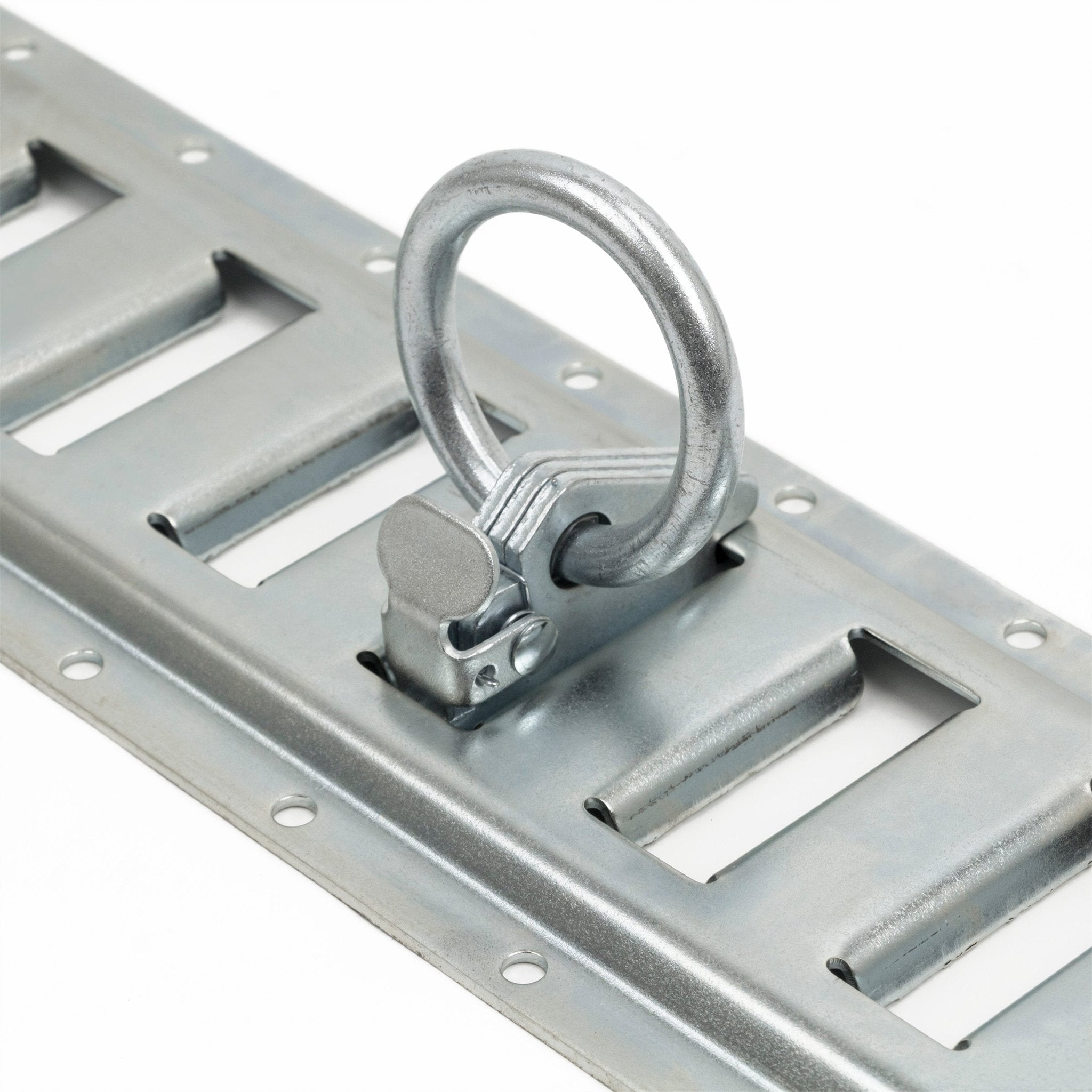
Trailer D rings
-
Truck bed tie-down anchors
-
Hitch carrier attachment points
Never attach straps to thin rails, plastic components, or temporary hardware.
Step 4: Use Soft Ties or Frame-Safe Attachment
To protect the bike:
-
Use soft ties around strong frame sections, or
-
Use wheel-based attachment methods to avoid frame contact
Never strap to brake lines, wiring, displays, or battery housings.
Step 5: Secure the Front of the Bike First
Use two e bikes straps at the front:
-
One pulling forward and slightly left
-
One pulling forward and slightly right
Tighten evenly until the bike stands upright and stable. Avoid overtightening.
Step 6: Stabilize the Rear of the Bike
Add one or two straps at the rear:
-
To prevent side to side movement
-
To stop backward shifting
Rear straps provide balance and redundancy, not crushing force.
Step 7: Secure Excess Strap Length
Tie off or secure loose strap ends so they do not flap in the wind, which can cause premature wear.
Step 8: Perform a Final Stability Check
Gently shake the bike. It should move with the vehicle or trailer, not independently. Recheck strap tension after the first few miles of travel.
How Many Straps Should You Use for an E Bike
The safest approach uses a minimum of three straps.
-
Two straps at the front
-
One or two straps at the rear
Heavier e bikes, off-road transport, or long-distance hauling may benefit from additional redundancy.
Common Mistakes When Using an E Bikes Strap
Overtightening the Straps
Excessive tension can:
-
Damage aluminum or carbon frames
-
Stress suspension components
-
Bend wheels or spokes
Controlled tension is more effective than brute force.
Strapping to Weak or Sensitive Components
Never strap to:
-
Handlebars alone
-
Seat rails
-
Battery housings
-
Displays or wiring
Always use structural attachment points.
Using Lightweight Bicycle Straps
Standard bicycle straps are not designed for the weight and forces involved with electric bikes. Always use powersports-grade straps.
Poor Strap Angles
Straps pulling straight down provide less control than straps pulling inward and forward.
Using Too Few Straps
One or two straps are not enough. Redundancy protects against strap loosening or failure.
Safety Tips for Using E Bikes Straps
-
Inspect straps before every trip
-
Keep webbing away from sharp edges
-
Avoid contact with hot exhaust components
-
Check strap tension at every stop
-
Replace worn or UV damaged straps
Treat e bikes straps as safety equipment, not accessories.
Choosing the Right PowerTye E Bikes Strap Setup
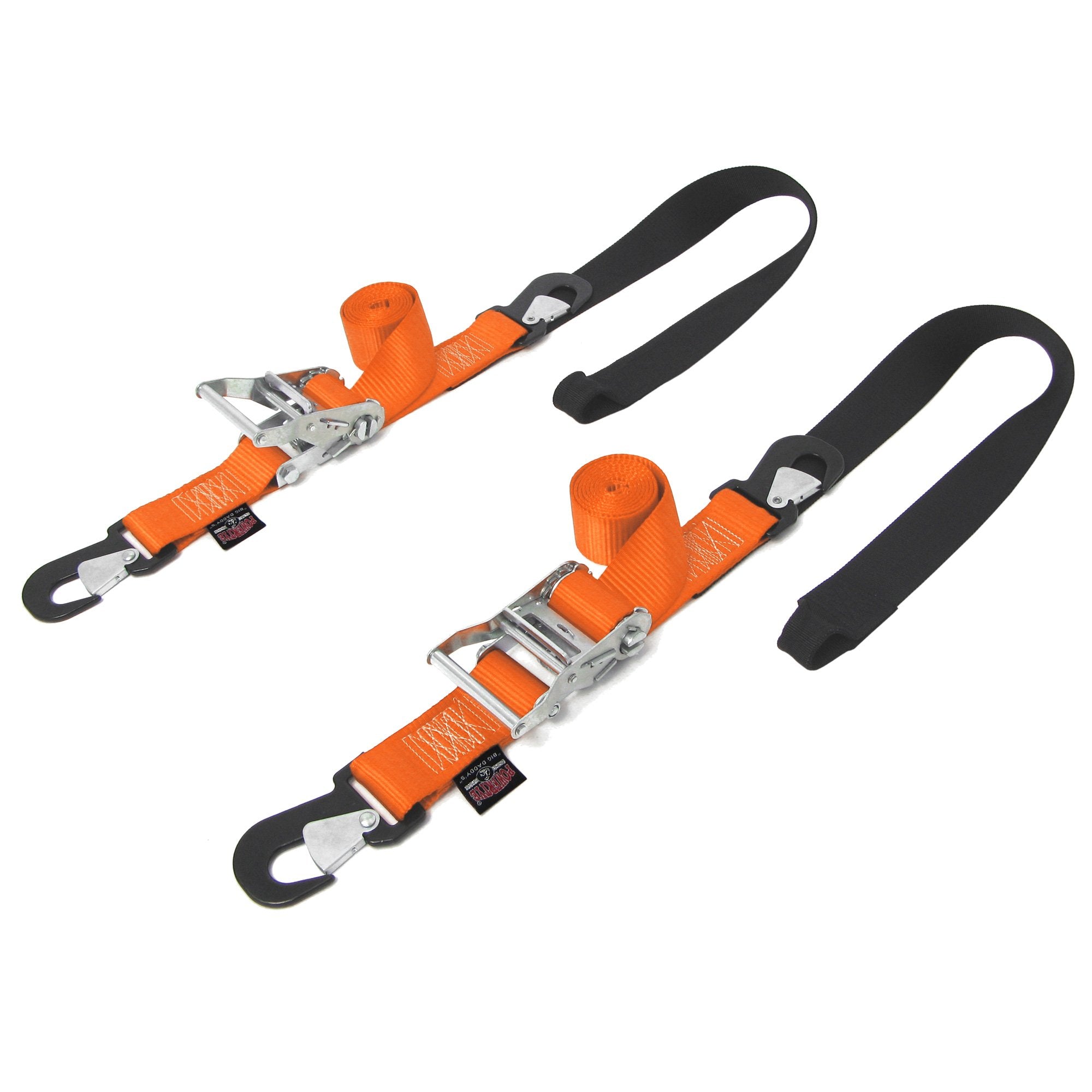
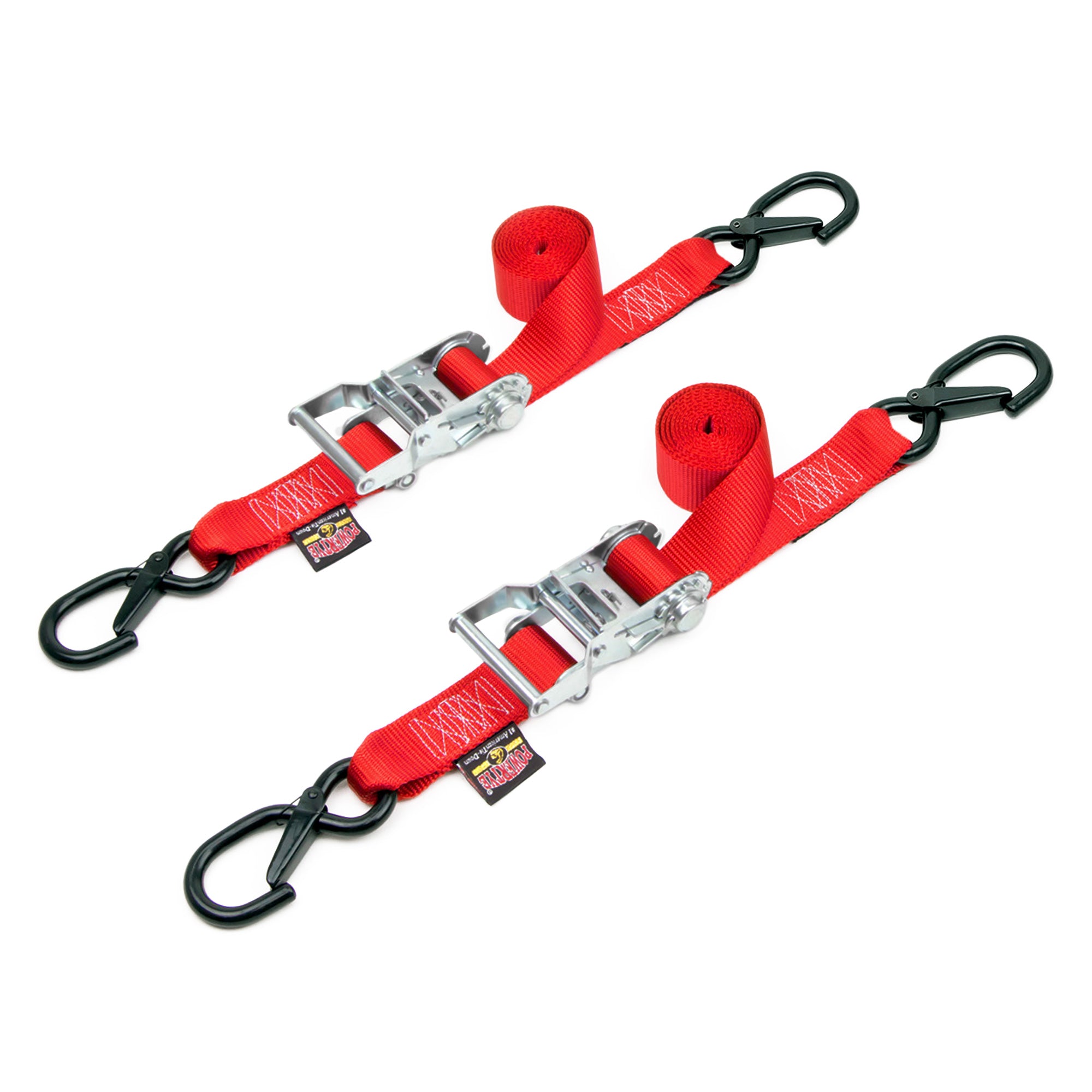
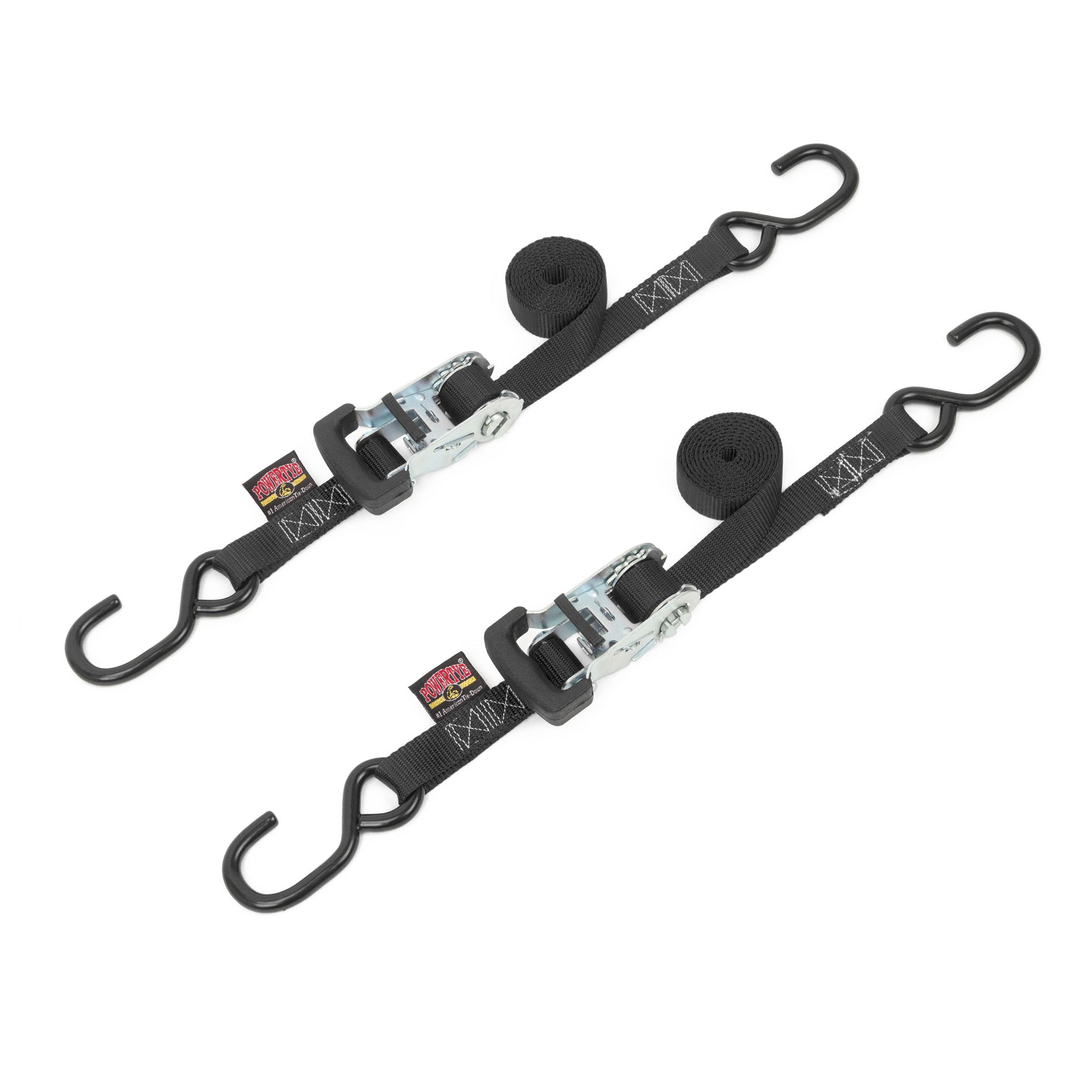
PowerTye offers several strap options that work exceptionally well for electric bikes. Only products actually sold by PowerTye should be used.
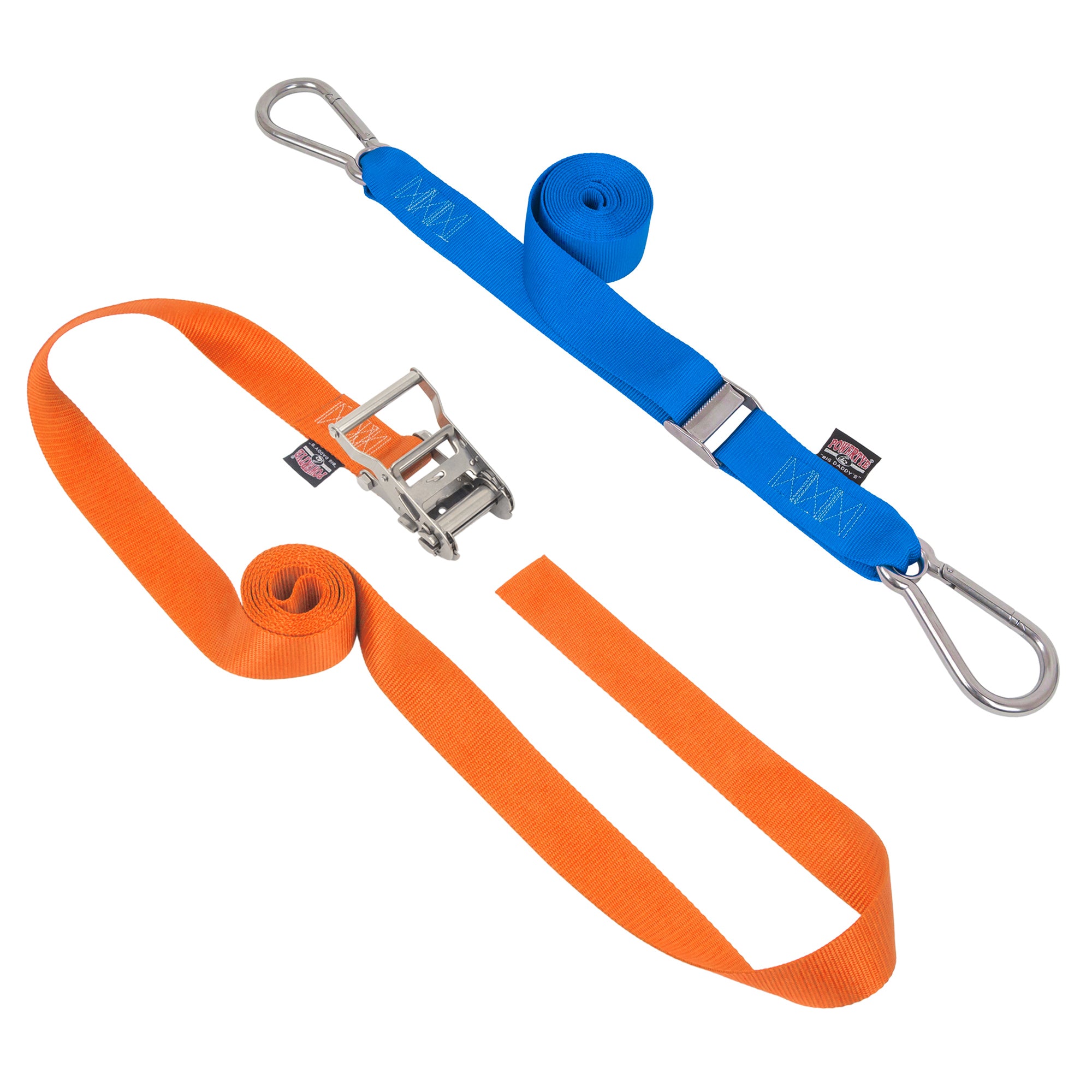
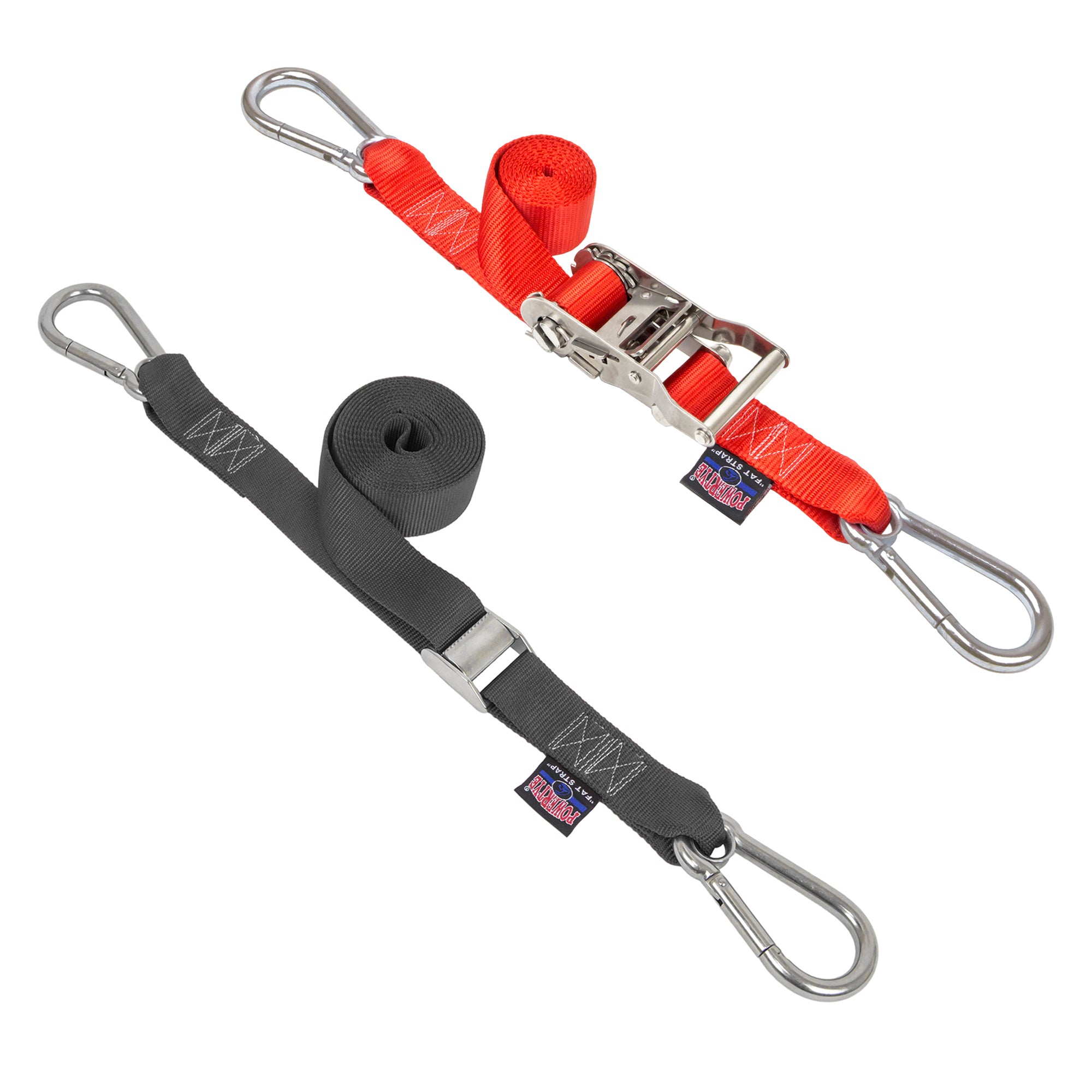
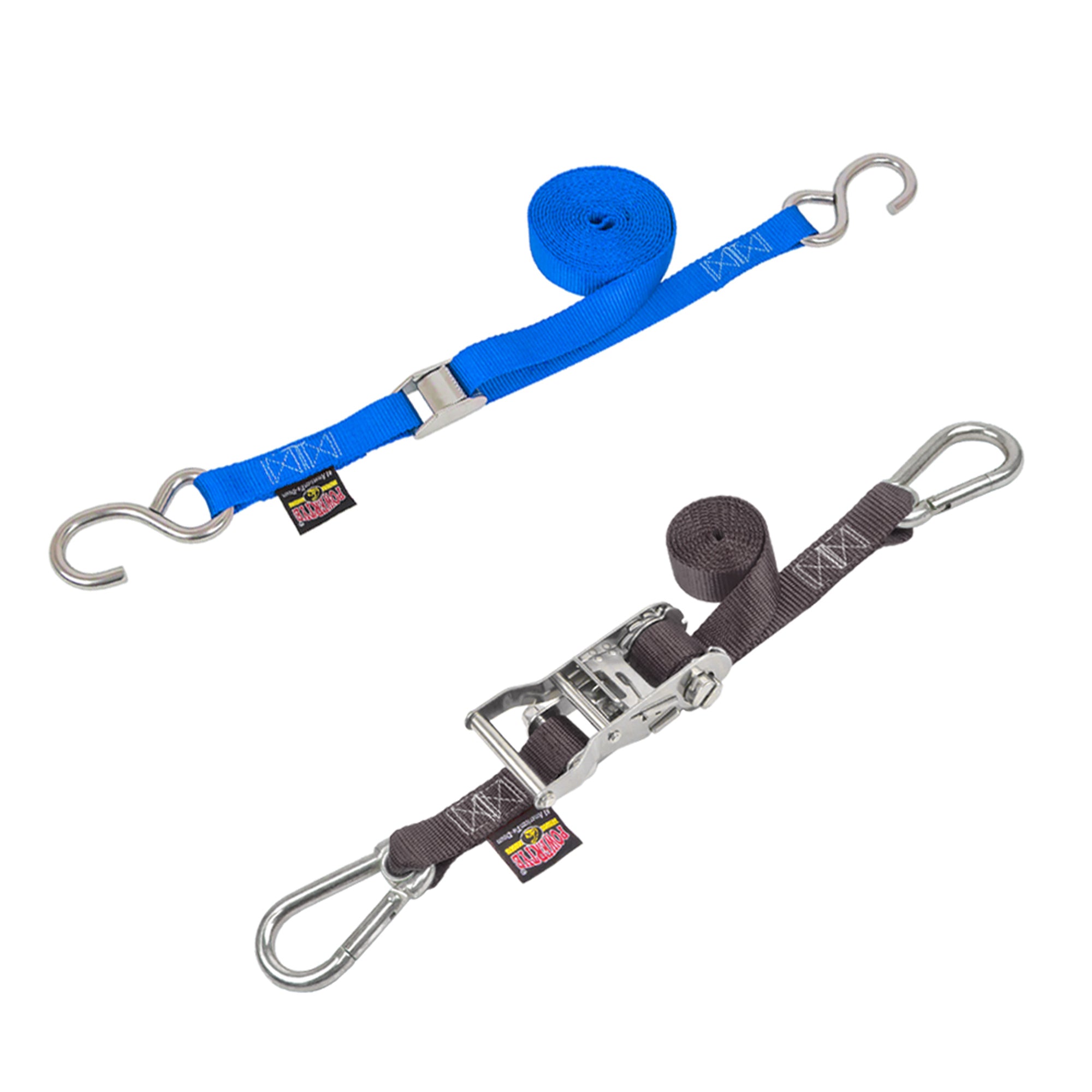
Ratchet Tie-Down Straps
Ratchet straps provide precise tension control and do not loosen under vibration. They are ideal for heavier e bikes and highway travel.
Best uses:
-
Truck bed transport
-
Trailer hauling
-
Long-distance travel
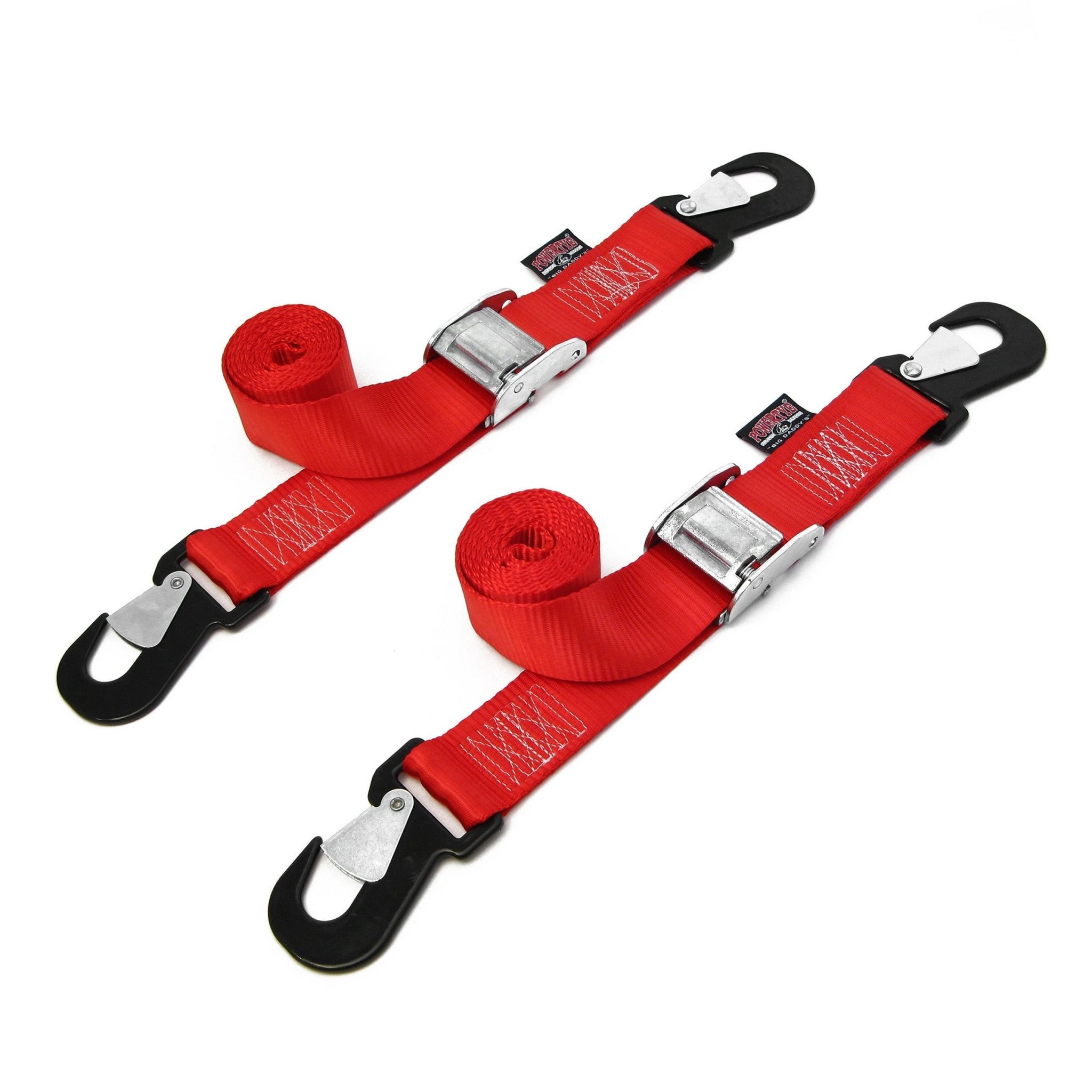
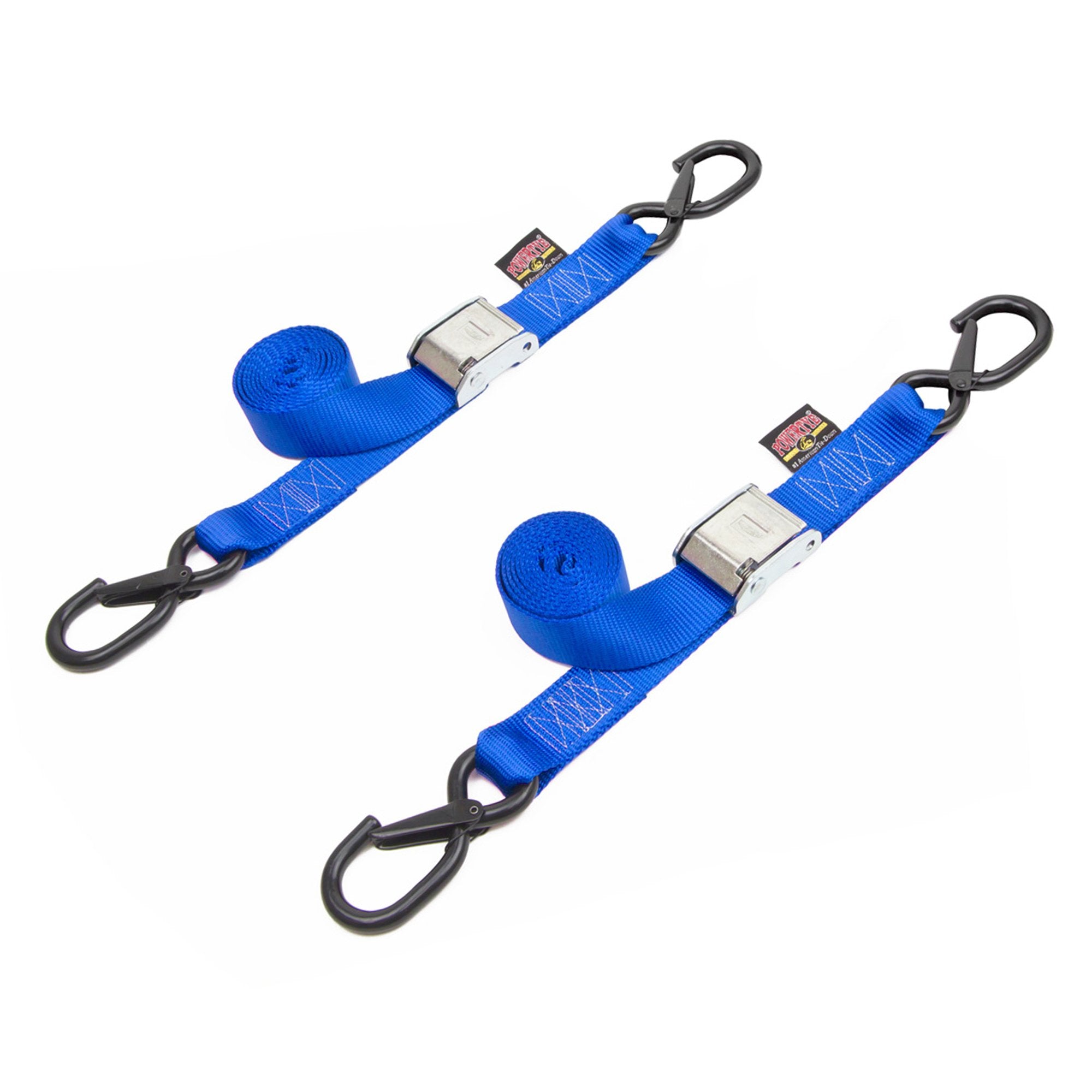
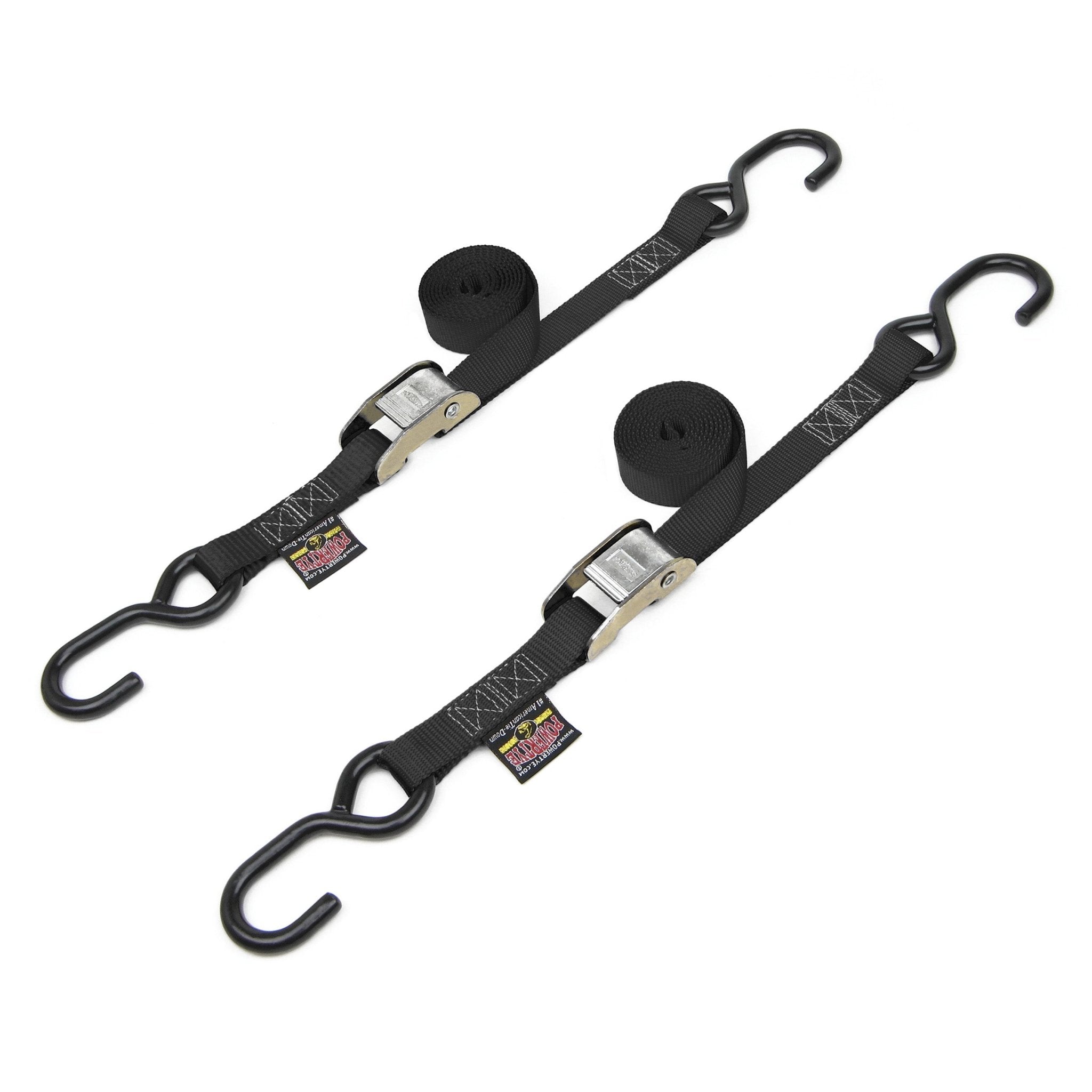
Cam Buckle Tie-Down Straps
Cam buckle straps are useful for lighter e bikes or rear stabilization. They reduce the risk of overtightening while still providing secure restraint.
Best uses:
-
Rear stabilization
-
Short-distance transport
-
Secondary support
Soft Ties
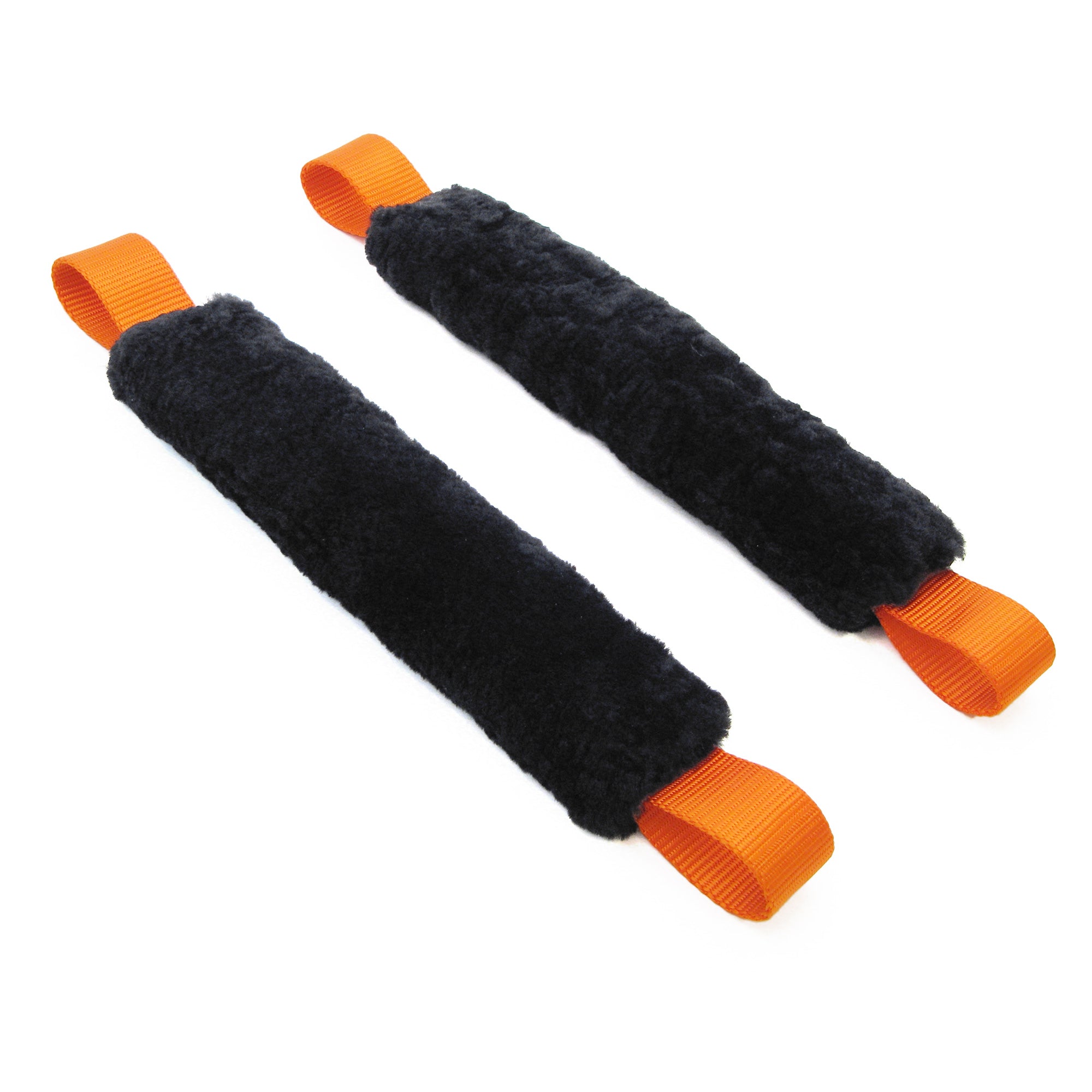
Soft ties are essential for protecting frames and finishes. They create safe attachment points without metal-on-metal contact.
Lasso-Style Wheel Straps
Wheel-based straps secure the bike by the tire instead of the frame. This is ideal for modern e bikes with sensitive electronics and unconventional frame shapes.
Using E Bikes Straps for Different Transport Methods
Truck Bed Transport
Secure the front of the bike with two straps pulling forward and outward. Use one or two rear straps for stability.
Trailer Transport
Use four-point restraint when possible. Front straps control forward movement, rear straps prevent shifting during braking.
Hitch Carrier Transport
Supplement built-in wheel straps with additional e bikes straps to reduce sway and bounce at speed.
Van or Enclosed Vehicle Transport
Strap bikes to floor-mounted anchors. Even enclosed transport requires proper restraint.
Traveling Long Distance With E Bikes
Long trips place more stress on straps due to vibration, wind, and road conditions.
For long-distance transport:
-
Use high-quality ratchet straps
-
Add redundancy when possible
-
Recheck straps frequently
-
Protect bikes from road debris
The method does not change, but attention to detail becomes more important.
Maintenance and Care for E Bikes Straps
Cleaning
Wash straps with mild soap and water. Rinse thoroughly and air dry completely.
Inspection
Before each use, inspect for:
-
Frayed webbing
-
Loose stitching
-
Bent hooks
-
Ratchets that slip
Replace damaged straps immediately.
Storage
Store straps in a dry area out of direct sunlight. UV exposure weakens webbing over time.
Why Quality Straps Make a Difference
High-quality e bikes straps:
-
Hold tension under vibration
-
Resist stretching and abrasion
-
Protect finishes and components
-
Last longer under real-world use
Cheap straps may seem convenient, but they often fail when you need them most.

FAQ: E Bikes Strap
What is the best type of strap for an e bike
Powersports-grade ratchet straps with soft ties or wheel-based attachment provide the best control and protection.
How tight should an e bikes strap be
Tight enough to prevent movement without crushing frames, wheels, or suspension.
Can I use motorcycle straps for an e bike
Yes. Motorcycle-grade straps are ideal for electric bikes when used correctly.
Should I remove the battery before strapping an e bike
In most cases, yes. Removing the battery reduces weight and protects electronics.
How many straps do I need for one e bike
At least three, with two at the front and one or two at the rear.
Are cam buckle straps safe for e bikes
Yes, especially for lighter bikes or rear stabilization when used properly.
How often should I check straps during transport
After the first few miles and at every fuel or rest stop.
Secure Your Electric Bike With Confidence
Electric bikes are a serious investment, and protecting them during transport is not optional. Using the right e bikes strap setup ensures your bike arrives safely, ready to ride, and free from damage.
With professional-grade straps and accessories from PowerTye, you get proven reliability trusted by riders who transport valuable equipment every day. Proper technique, quality gear, and routine checks make all the difference.
Shop PowerTye straps today and secure your electric bike with confidence, control, and long-lasting reliability.