



Endless Ratchet: How Continuous Loop Tie-Downs Deliver Cleaner, Safer Load Control
When you are hauling motorcycles, ATVs, UTVs, personal watercraft, or equipment where excess strap length becomes a problem, standard tie-downs are not always the best solution. Long tails flap in the wind, get caught in wheels, or create clutter on trailers and truck beds. That is where the endless ratchet system shines.
An endless ratchet uses a continuous loop of webbing instead of two separate ends with hooks. This design creates a cleaner, more controlled tie-down setup that experienced riders rely on when precision and reliability matter. If you haul regularly and care about clean setups, reduced wear, and professional-level load control, endless ratchets deserve your attention.
In this guide, you will learn exactly what an endless ratchet is, how it works, when to use it, how to use it step by step, common mistakes to avoid, safety tips, how to choose the right endless ratchet options from PowerTye, how to maintain them, and answers to the most common questions riders ask.
Why Endless Ratchets Matter
Traditional ratchet straps work extremely well, but they are not always ideal for every application. When hauling motorcycles on wheel chocks, securing equipment to rails, or tightening loads around fixed anchor points, excess strap length can become an issue.
Endless ratchets matter because they:
-
Eliminate loose strap tails
-
Reduce flapping and wind damage
-
Create cleaner, more organized tie-down setups
-
Improve consistency when strapping similar loads repeatedly
-
Reduce wear caused by excess webbing
Experienced riders and haulers often switch to endless ratchet systems once they realize how much cleaner and more controlled their setups become.
What Is an Endless Ratchet
An endless ratchet is a ratchet tie-down system made from a continuous loop of webbing with a ratchet mechanism built into the loop. Unlike standard ratchet straps, there are no hooks on either end.
Instead of hooking to two separate anchor points, the strap loops around:
-
A frame section
-
A wheel
-
A trailer rail
-
A fixed anchor point
The ratchet tightens the loop down onto the load, creating secure, even tension without excess webbing.
PowerTye endless ratchets are designed specifically for powersports and transport applications, where clean setups and repeatable results matter.
How Endless Ratchet Systems Work
An endless ratchet works by tightening a continuous loop of webbing around an object or through an anchor point.
A properly used endless ratchet:
-
Wraps around the load or anchor
-
Feeds back through the ratchet
-
Tightens evenly as the ratchet is operated
-
Locks tension in place under vibration
Because there are no hooks, tension is distributed evenly around the loop, reducing point loads and minimizing the risk of slipping or shifting.
This makes endless ratchets especially effective for securing wheels, frames, rails, and fixed mounting points.
Endless Ratchet vs Standard Ratchet Straps
Both systems are valuable, but they excel in different situations.
Endless Ratchets Are Best For
-
Wheel tie-down applications
-
Securing loads to rails or bars
-
Clean, low-profile setups
-
Eliminating excess strap length
-
Repeated, consistent tie-downs
Standard Ratchet Straps Are Better For
-
Open anchor point setups
-
Trailer D rings and bed anchors
-
Loads requiring long reach
-
General-purpose hauling
Many experienced haulers keep both types on hand and choose based on the specific load and trailer setup.
When to Use an Endless Ratchet
Endless ratchets excel in situations where hooks are unnecessary or problematic.
They are commonly used for:
-
Motorcycle front wheel tie-downs
-
Securing rear wheels to trailers
-
Tightening loads against wheel chocks
-
Wrapping around frame sections with soft protection
-
Securing gear to trailer rails
If you often find yourself tying off excess strap length or dealing with loose tails, an endless ratchet is usually the cleaner solution.
Step by Step Guide to Using an Endless Ratchet
Step 1: Inspect the Endless Ratchet
Before use, check:
-
Webbing for cuts, fraying, or UV damage
-
Stitching near the ratchet
-
Ratchet mechanism for smooth operation
Never use damaged tie-down equipment.
Step 2: Position the Load Properly
Before tightening anything:
-
Center the load on the trailer or truck bed
-
Ensure it is upright and stable
-
Confirm weight is evenly distributed
Proper positioning reduces the amount of tension required.
Step 3: Loop the Endless Ratchet Around the Anchor or Load
Wrap the strap:
-
Around a wheel
-
Around a frame section with protection
-
Through a trailer rail or fixed point
Ensure the webbing is not twisted and sits flat.
Step 4: Feed the Webbing Through the Ratchet
Pull the loose section of the loop through the ratchet until most slack is removed. This makes tightening easier and more controlled.
Step 5: Apply Controlled Tension
Operate the ratchet until:
-
The load is secure
-
There is no visible movement
-
The webbing is snug but not overstressed
Endless ratchets do not require extreme force to be effective.
Step 6: Lock the Ratchet
Close the ratchet fully so it locks tension in place. Ensure the handle is completely closed before transport.
Step 7: Final Stability Check
Shake the load gently. It should move with the trailer or vehicle, not independently. Recheck tension after the first few miles.
How Many Endless Ratchets Should You Use
Endless ratchets are often used as part of a larger tie-down system.
Common setups include:
-
Two endless ratchets securing wheels
-
Standard ratchet straps controlling forward movement
-
Additional straps for redundancy
Endless ratchets are excellent for wheel restraint but should not always be the only tie-down used.
Common Mistakes When Using Endless Ratchets
Wrapping Around Sharp Edges
Sharp edges can cut webbing under tension. Always protect the strap or choose smoother attachment points.
Overtightening
Excessive tension can:
-
Deform wheels
-
Stress frame components
-
Reduce strap lifespan
Tighten only until movement is eliminated.
Using Endless Ratchets as the Only Restraint
Endless ratchets are powerful, but most loads still require multi-point restraint to control all movement directions.
Twisted Webbing
Twisted straps reduce strength and increase wear. Always keep webbing flat.
Ignoring Load Angles
Endless ratchets work best when pulling straight around or directly down. They are not a replacement for angled tie-downs that control forward and backward movement.
Safety Tips for Using Endless Ratchets
-
Inspect straps before every trip
-
Avoid sharp edges and pinch points
-
Keep straps away from hot exhaust components
-
Check tension during long trips
-
Replace straps showing wear or damage
Treat endless ratchets as safety equipment, not convenience tools.
Choosing the Right Endless Ratchet From PowerTye
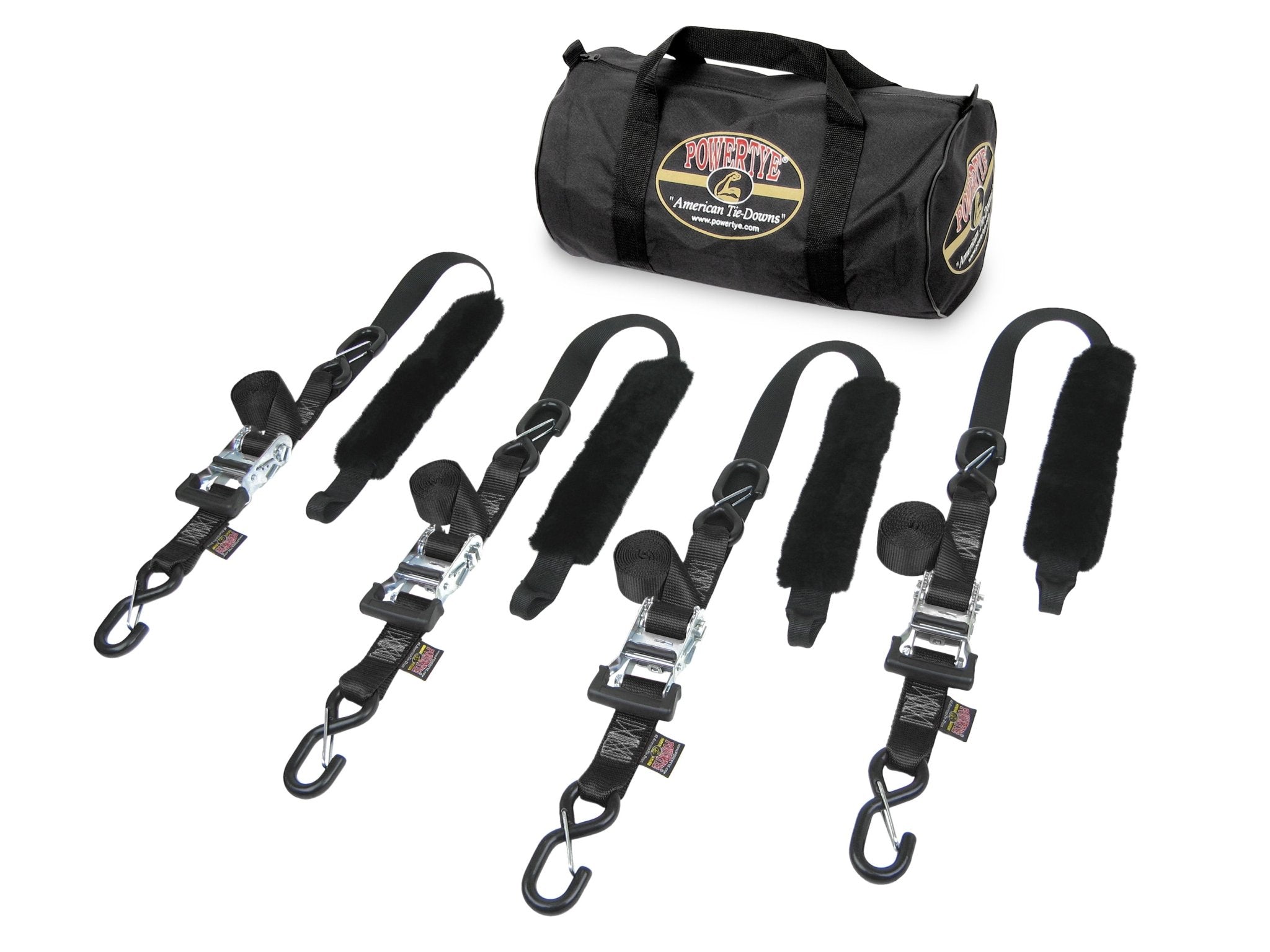
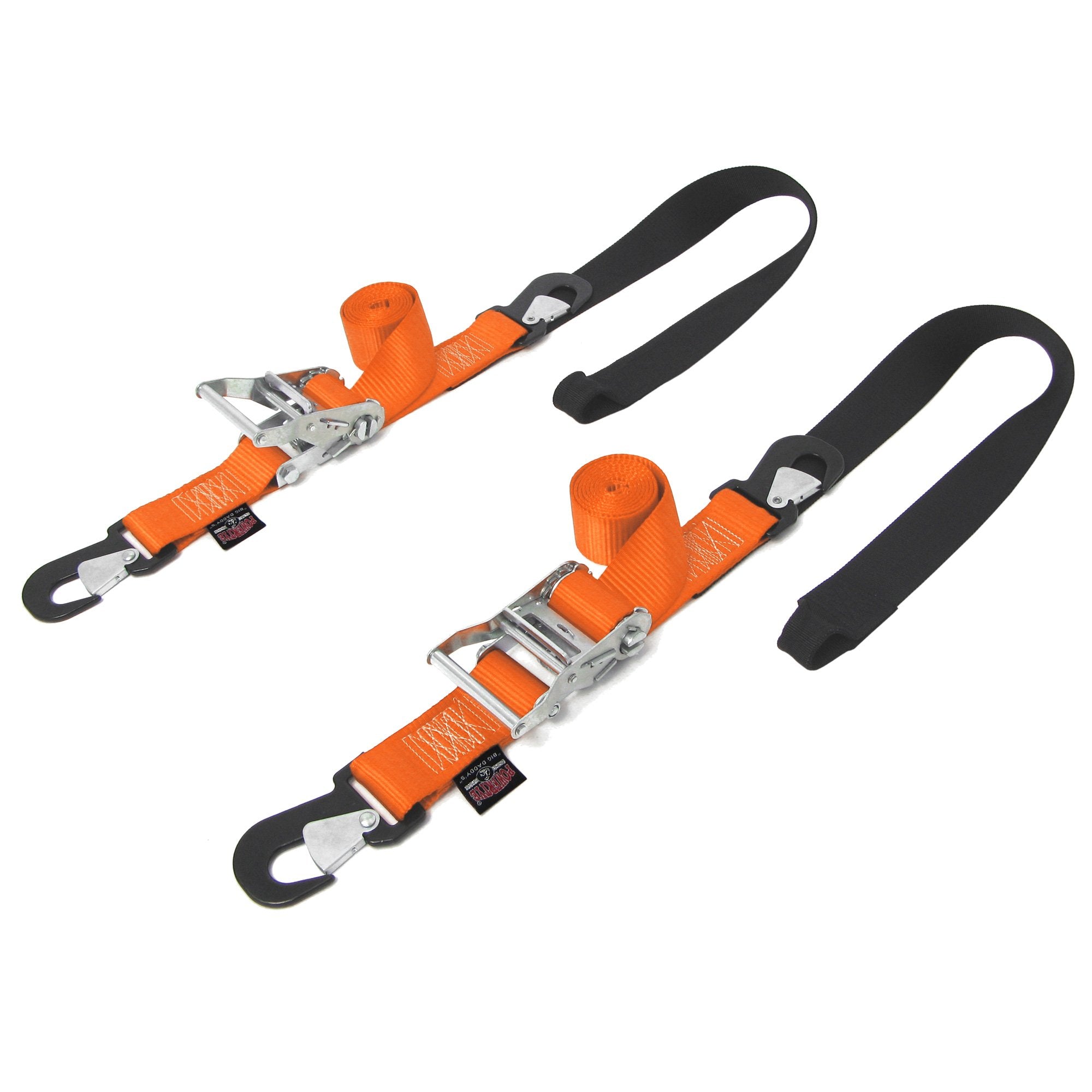
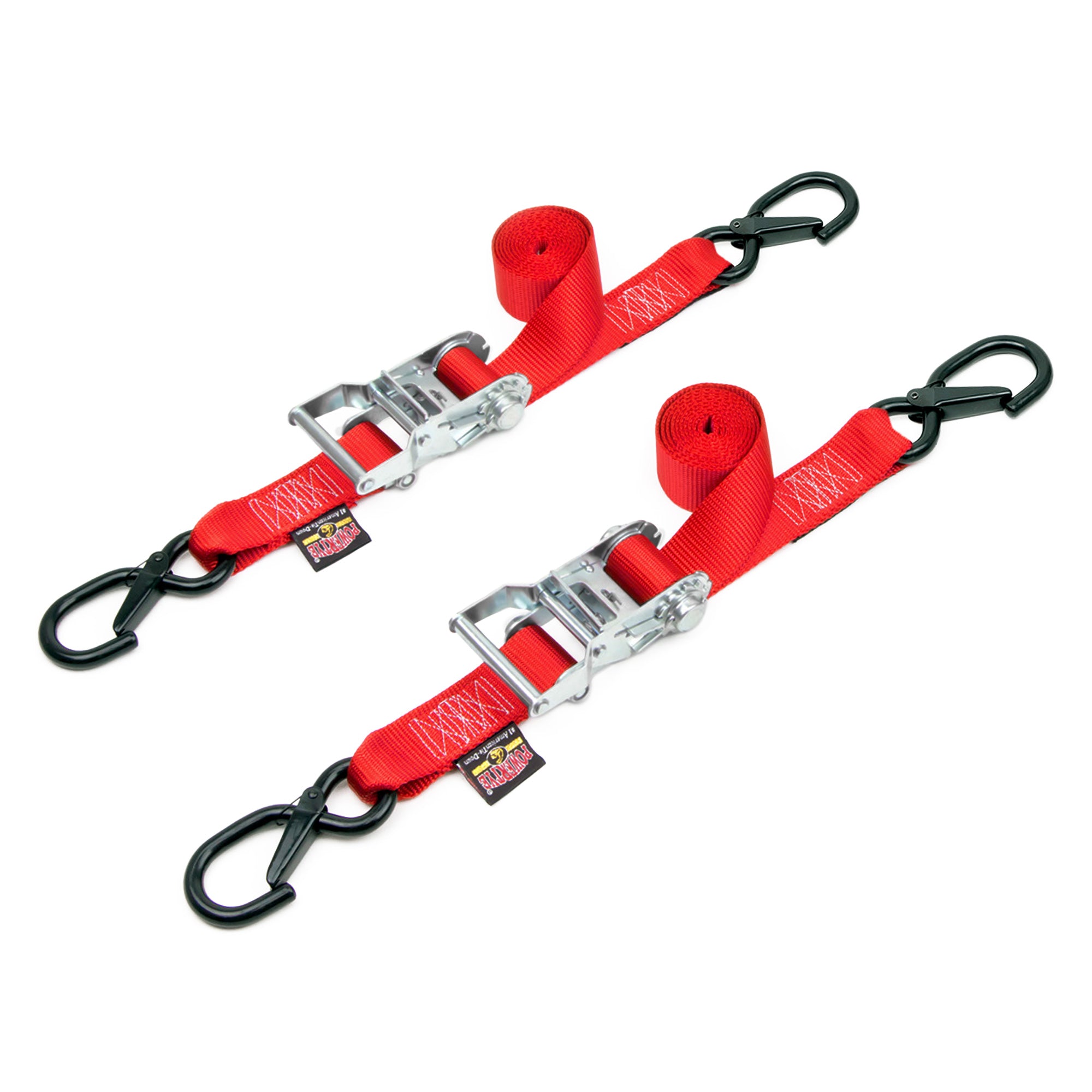
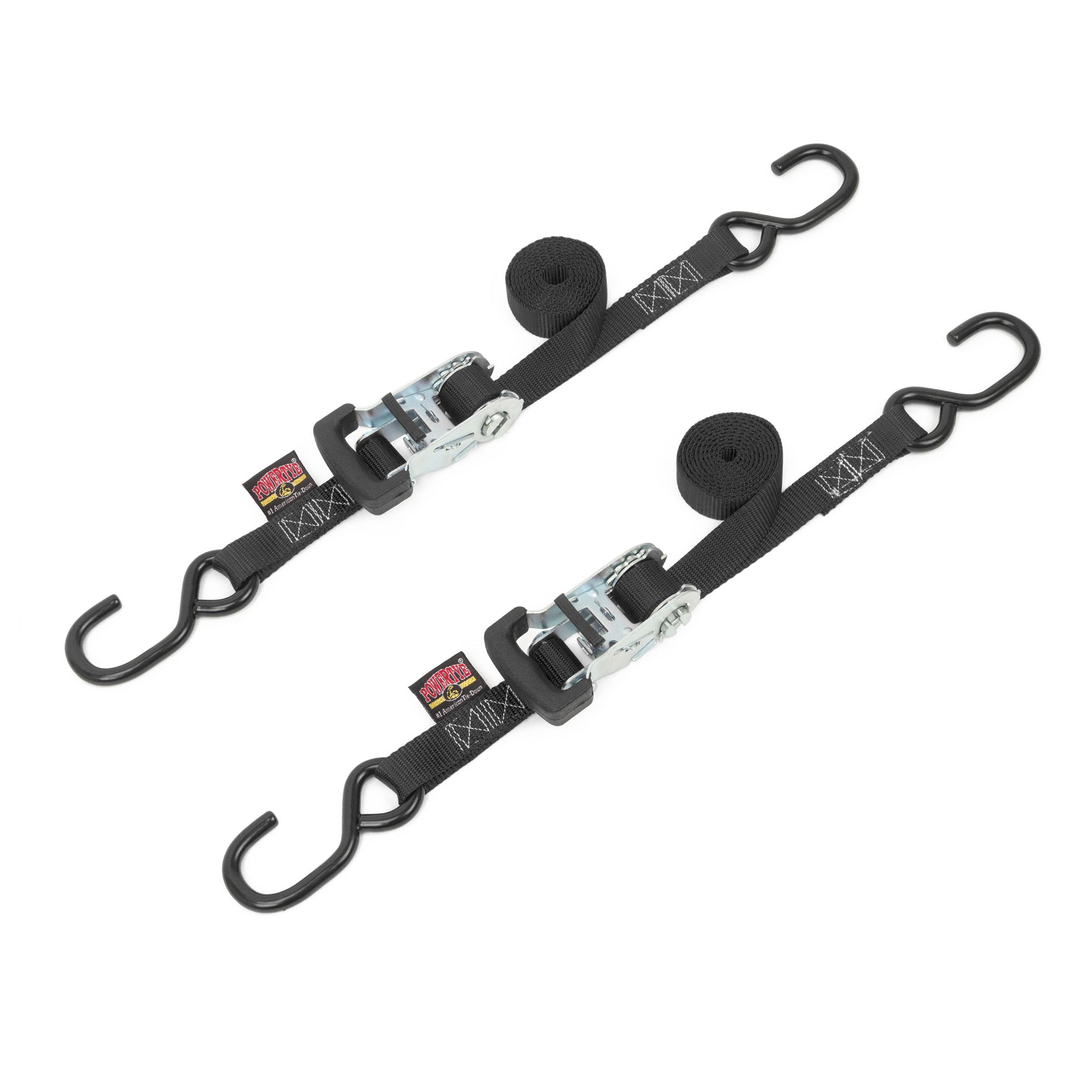
PowerTye offers endless ratchet options designed for powersports and transport use. Only products actually sold by PowerTye should be used.
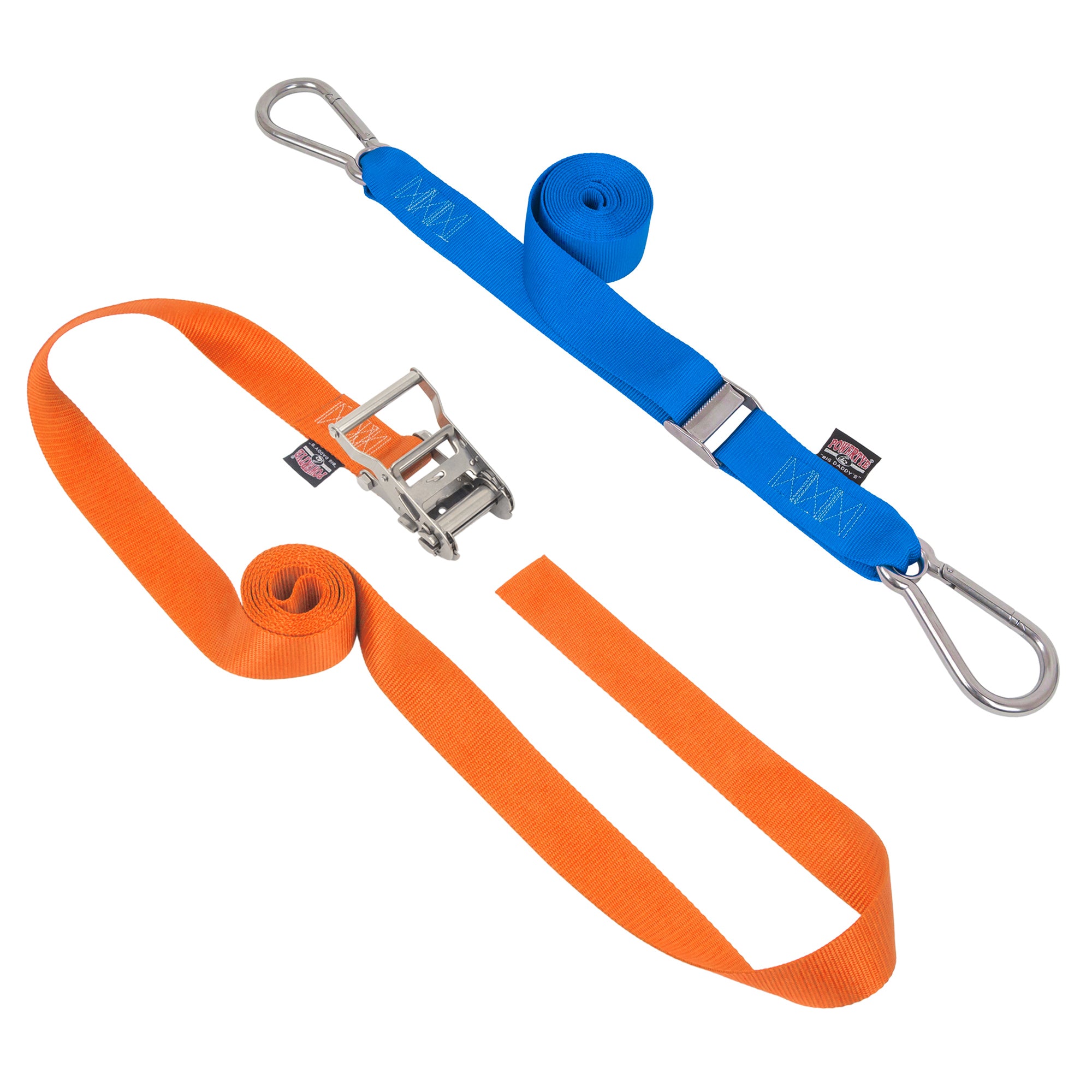
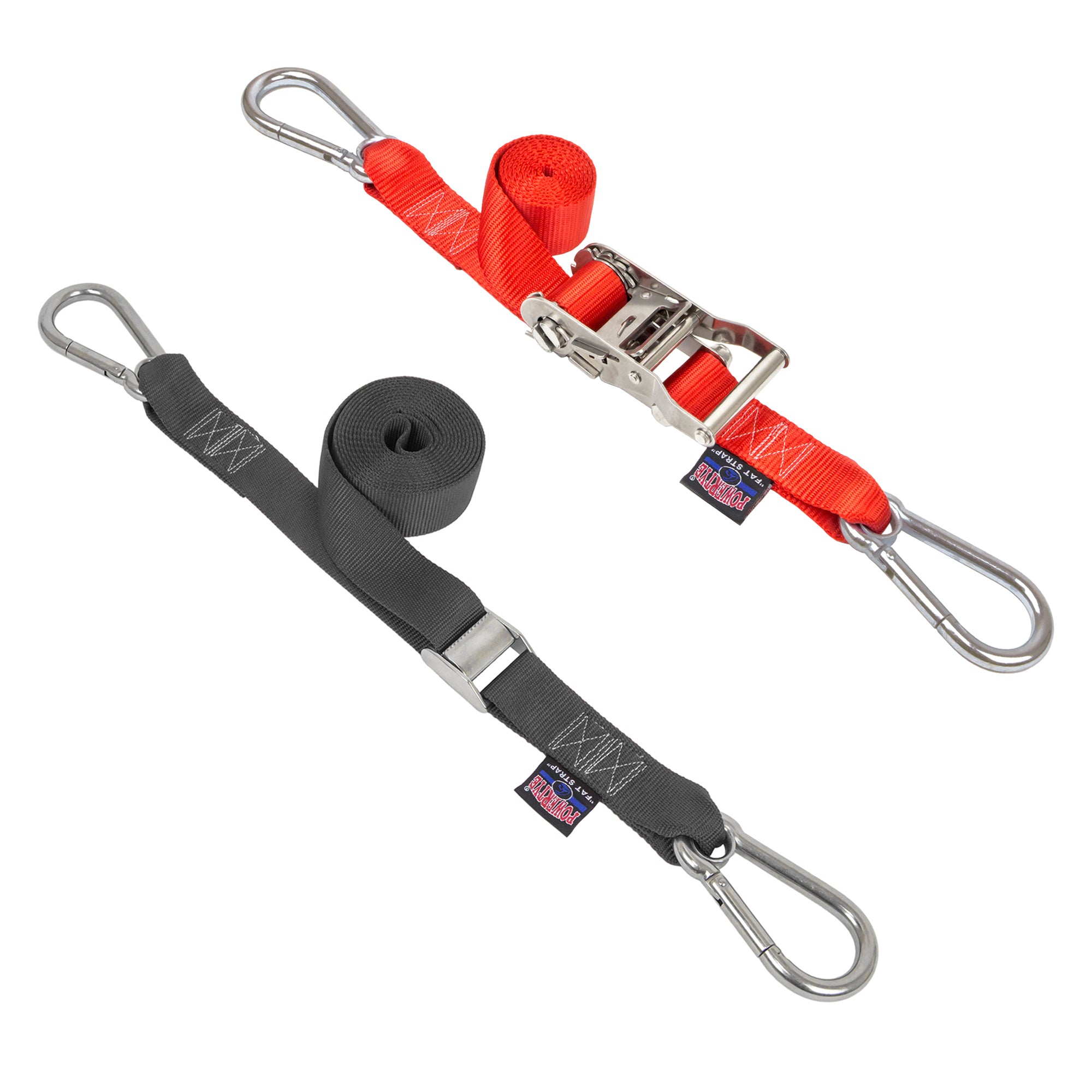
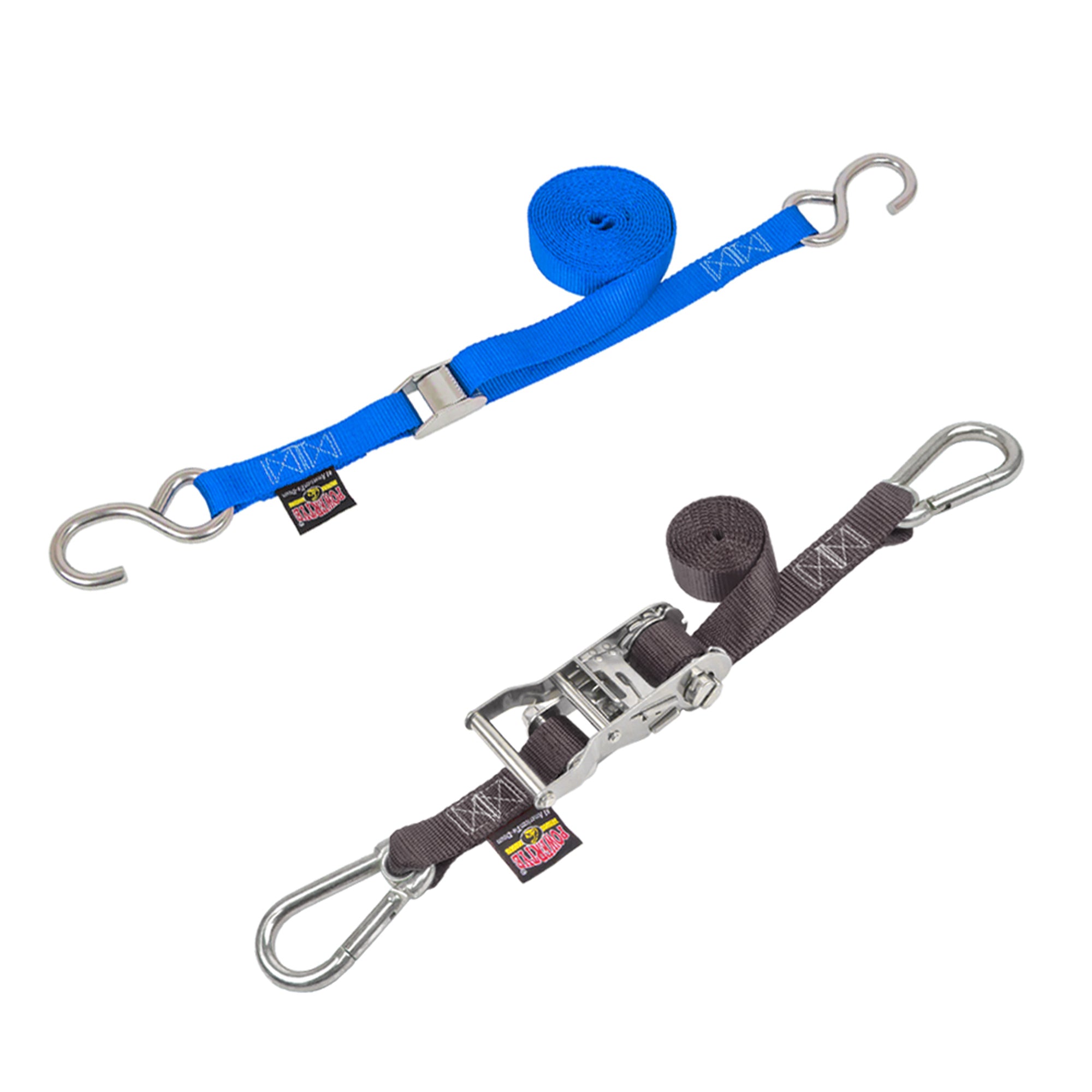
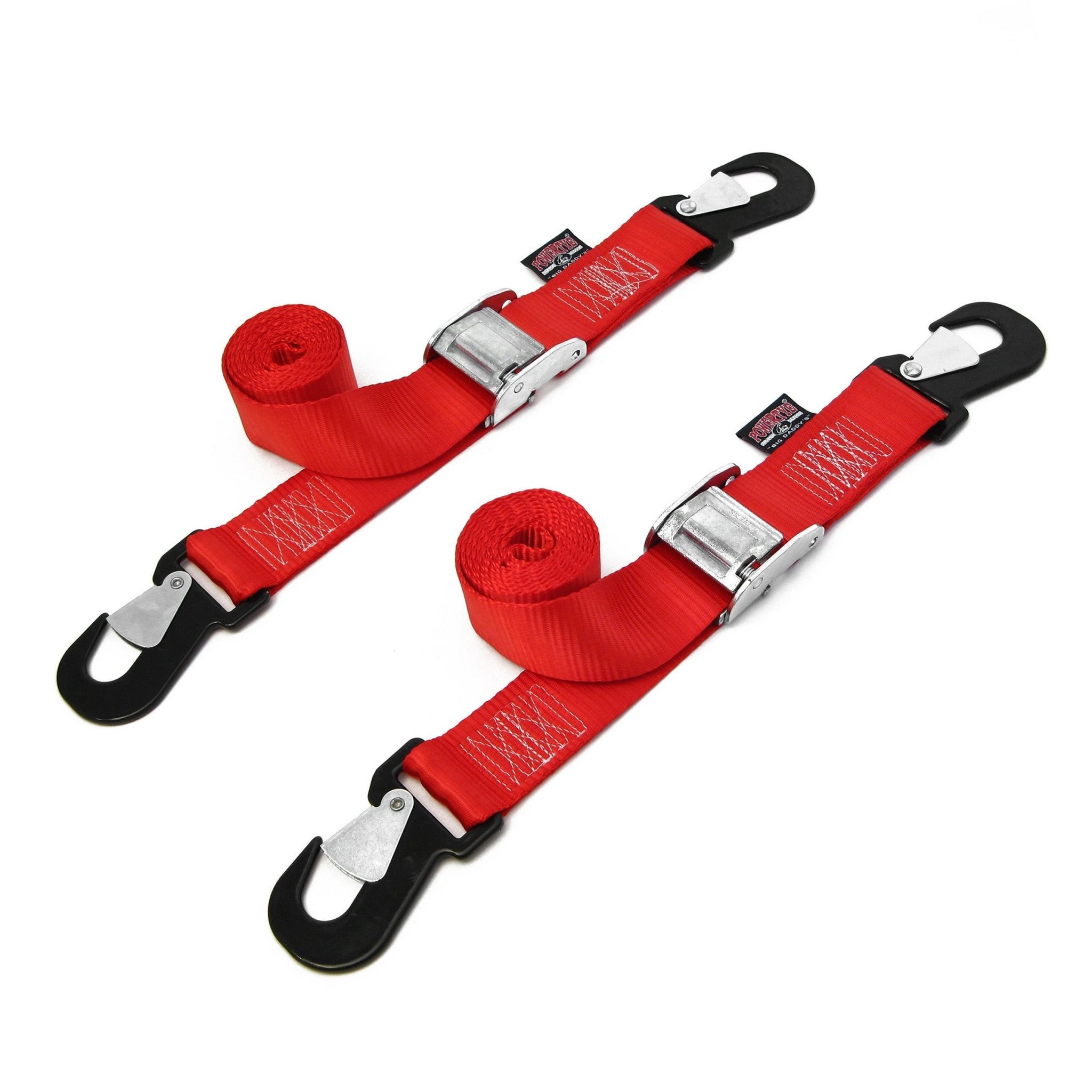
Endless Ratchet Tie-Down Straps
These are ideal for:
-
Wheel restraint
-
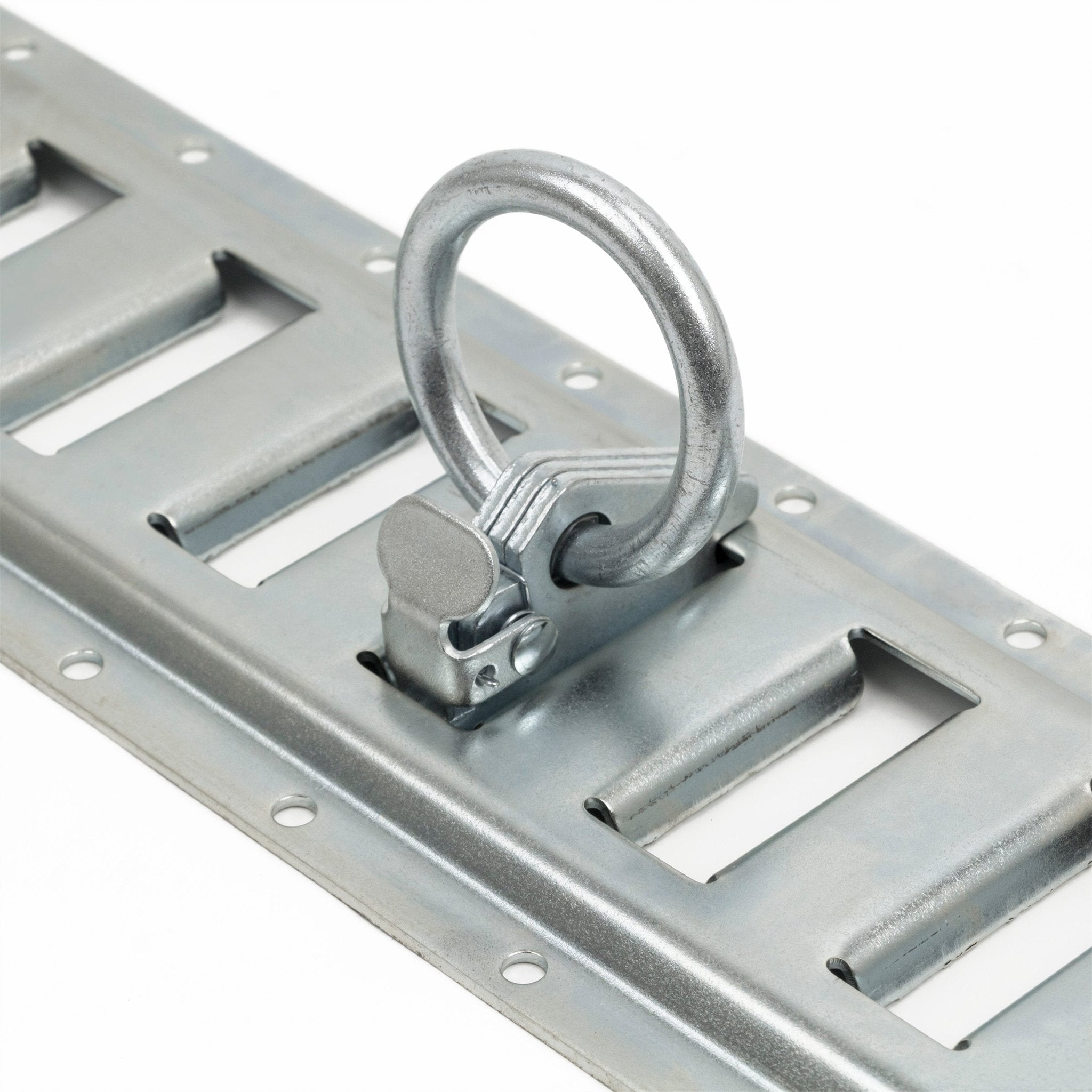
Trailer rail attachment
-
Clean, compact tie-down setups
They provide strong, even tension without excess webbing.
Endless Ratchets for Motorcycle Applications
Motorcycle riders commonly use endless ratchets to:
-
Secure front wheels to chocks
-
Lock rear wheels in place
-
Prevent side-to-side movement
They work especially well when paired with traditional ratchet straps.
Pairing Endless Ratchets With Soft Protection
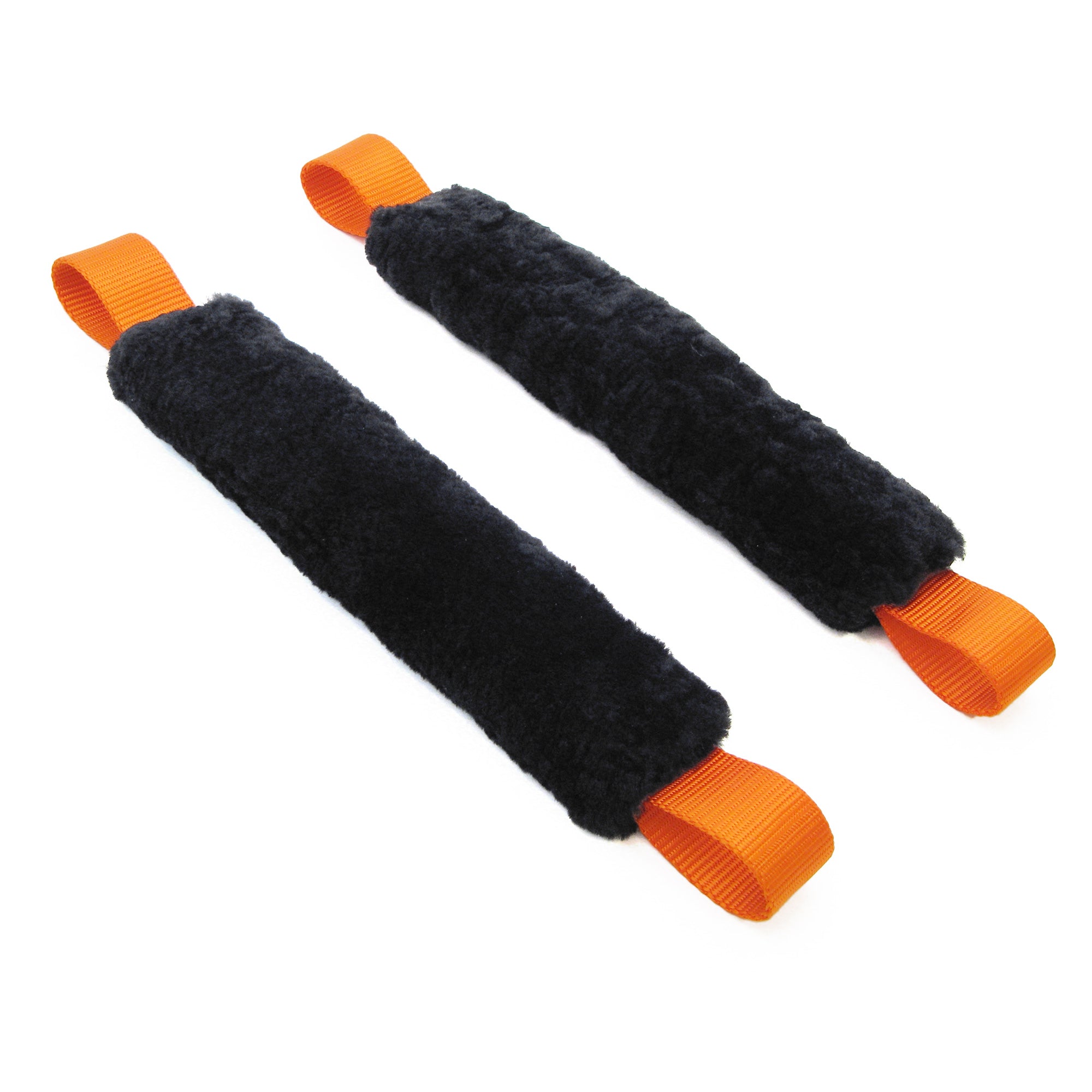
When looping around frames or components, use protective sleeves or soft barriers to prevent abrasion and finish damage.
Using Endless Ratchets for Different Applications
Motorcycles
Use endless ratchets to secure wheels while standard ratchet straps control forward and downward movement.
ATVs and UTVs
Endless ratchets work well for wheel restraint and stabilizing loads against trailer rails.
Personal Watercraft
They help secure watercraft to bunks or trailers without loose strap ends.
Utility and Equipment Hauling
Endless ratchets are excellent for securing toolboxes, generators, or equipment to rails or frames.
Maintenance and Care for Endless Ratchets
Cleaning
Wash webbing with mild soap and water. Rinse thoroughly and air dry completely.
Inspection
Before each use, inspect for:
-
Frayed webbing
-
Loose stitching
-
Ratchets that slip or bind
Replace damaged equipment immediately.
Storage
Store endless ratchets in a dry area out of direct sunlight. UV exposure weakens webbing over time.
Why Endless Ratchets Are Popular With Experienced Haulers
Riders who haul frequently appreciate endless ratchets because they:
-
Reduce setup time
-
Create cleaner trailer layouts
-
Eliminate loose strap tails
-
Deliver consistent results
Once you use them regularly, they become a go-to solution for wheel and rail restraint.

FAQ: Endless Ratchet
What is an endless ratchet used for
It is used for securing loads using a continuous loop of webbing, often around wheels, frames, or rails.
Are endless ratchets as strong as standard ratchet straps
Yes, when used correctly and within their rated limits.
Can endless ratchets replace all other tie-downs
No. They are best used as part of a complete tie-down system.
Are endless ratchets good for motorcycles
Yes. They are commonly used for wheel restraint and stabilization.
Do endless ratchets damage wheels
No, when properly tensioned and positioned.
How tight should an endless ratchet be
Tight enough to eliminate movement without stressing components.
Can endless ratchets be used on trailers and truck beds
Yes, as long as there are suitable anchor points or rails.
Cleaner Setups, Smarter Control
If you are tired of dealing with excess strap length, flapping webbing, and cluttered tie-down setups, an endless ratchet is a smart upgrade. It delivers clean, controlled, professional-level load security that experienced riders trust.
PowerTye endless ratchets are built for real-world hauling, whether you are securing motorcycles, ATVs, watercraft, or equipment. When paired with proper technique and complementary tie-downs, they provide unmatched consistency and reliability.
Shop PowerTye endless ratchet tie-downs today and experience cleaner, safer load control on every haul.