



Over Wheel Ratchet Straps: The Most Secure Way to Lock Vehicles in Place for Transport
When you are hauling vehicles, UTVs, side by sides, or heavy equipment, the biggest challenge is not holding the load down. It is controlling movement without damaging suspension, wheels, or frames. Traditional frame-mounted tie-downs can work, but they often compress suspension, loosen over time, or place stress where it does not belong. That is exactly why over wheel ratchet straps have become the preferred solution for experienced haulers.
Over wheel ratchet straps secure the vehicle by the tire itself, not the frame. This approach keeps the vehicle planted, allows suspension to move naturally, and dramatically reduces the chances of straps loosening during transport. If you haul anything with wheels and suspension, this method deserves a serious look.
This guide covers everything you need to know about over wheel ratchet straps. You will learn how they work, when to use them, step by step setup guidance, common mistakes to avoid, safety tips, how to choose the right PowerTye options, how to maintain them, and answers to the most common questions haulers ask.
Why Over Wheel Ratchet Straps Matter
Vehicles move differently than static cargo. Suspension compresses and rebounds constantly as the trailer hits bumps, dips, and uneven pavement. When straps are attached to frames or suspension arms, that movement can cause straps to loosen, shift, or overstress components.
Over wheel ratchet straps matter because they:
-
Secure the vehicle at its strongest point, the tire
-
Prevent forward, backward, and side-to-side movement
-
Allow suspension to move naturally
-
Maintain consistent tension over long distances
-
Reduce stress on frames, axles, and suspension
This is why professional vehicle transporters rely heavily on over wheel systems.
What Are Over Wheel Ratchet Straps
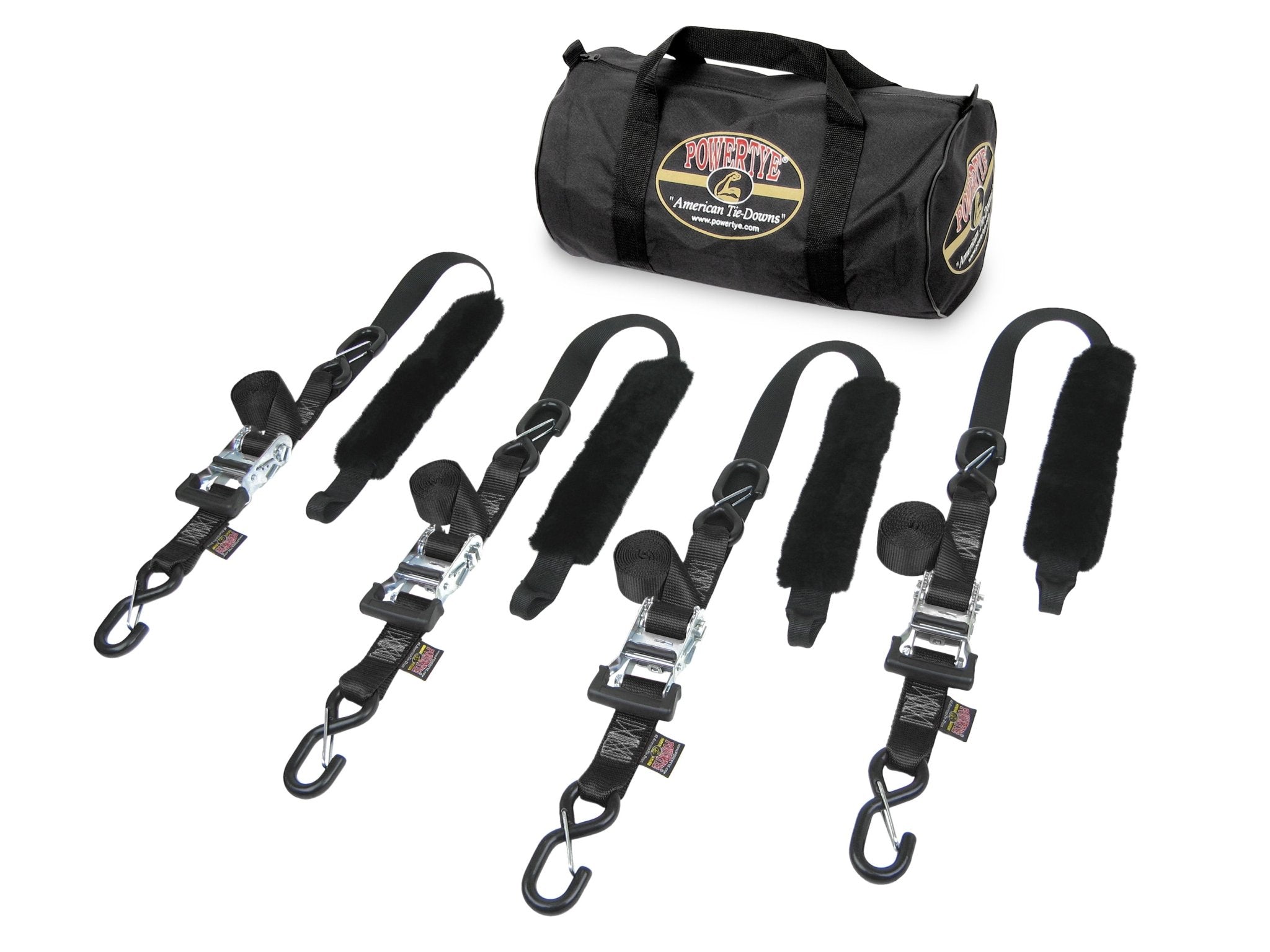
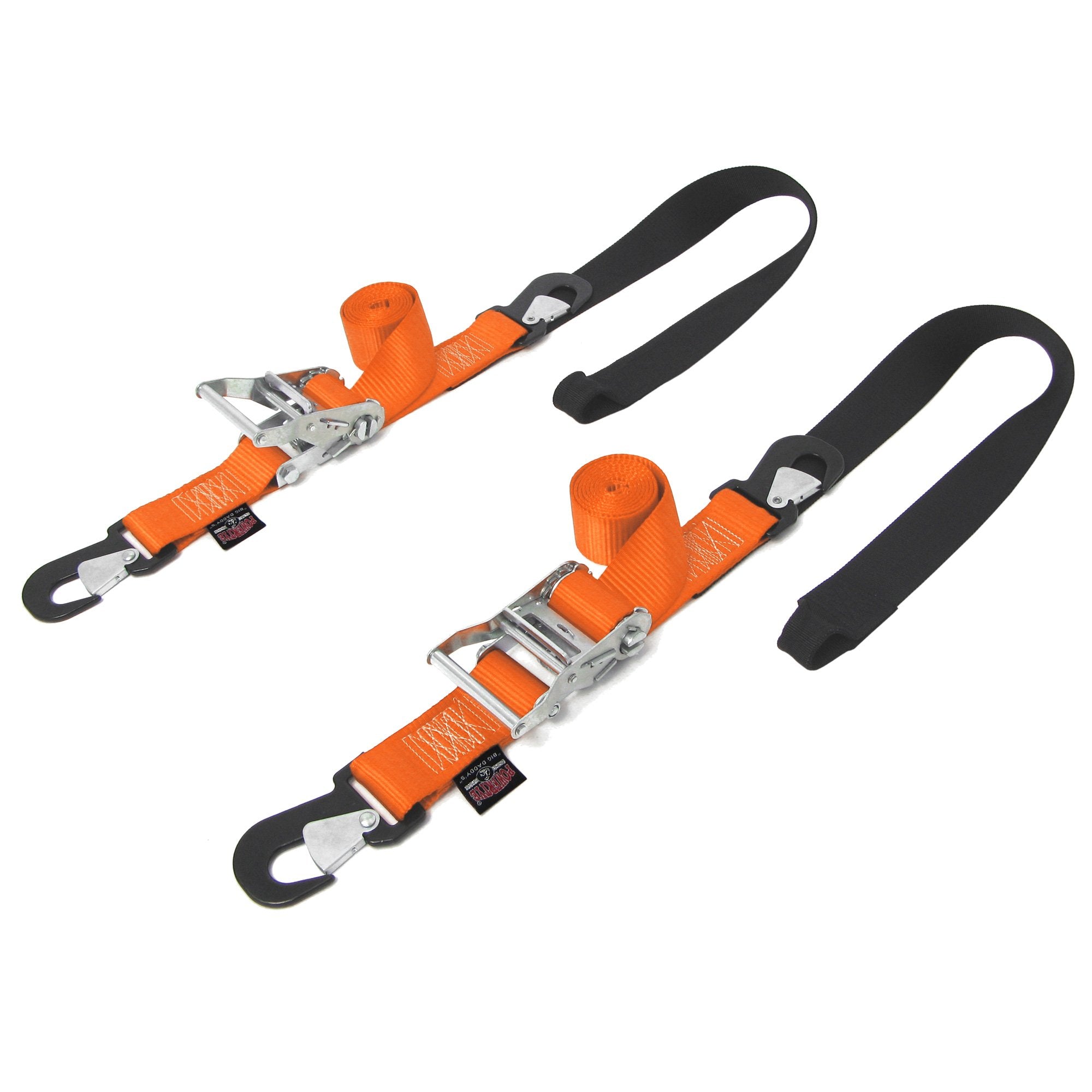
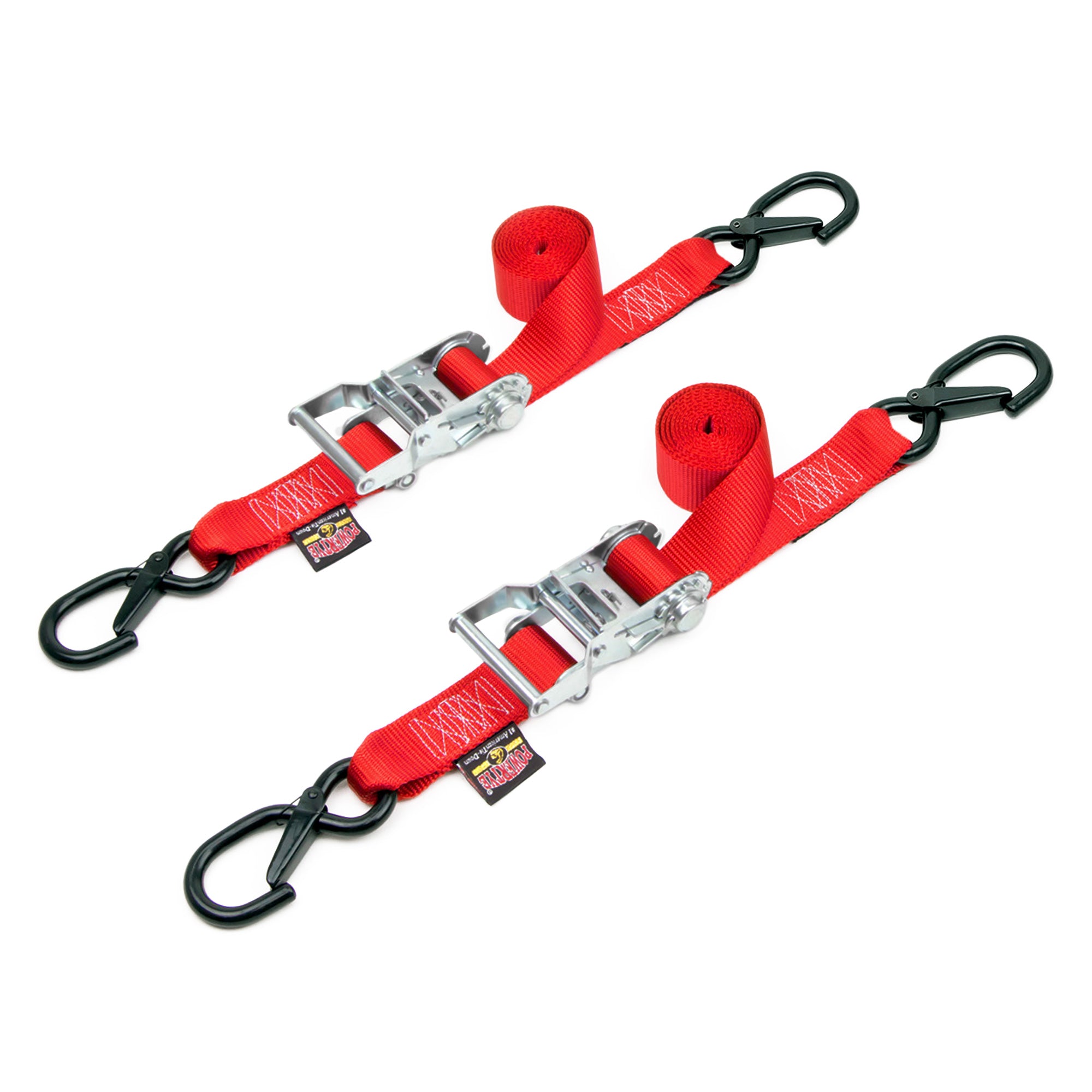
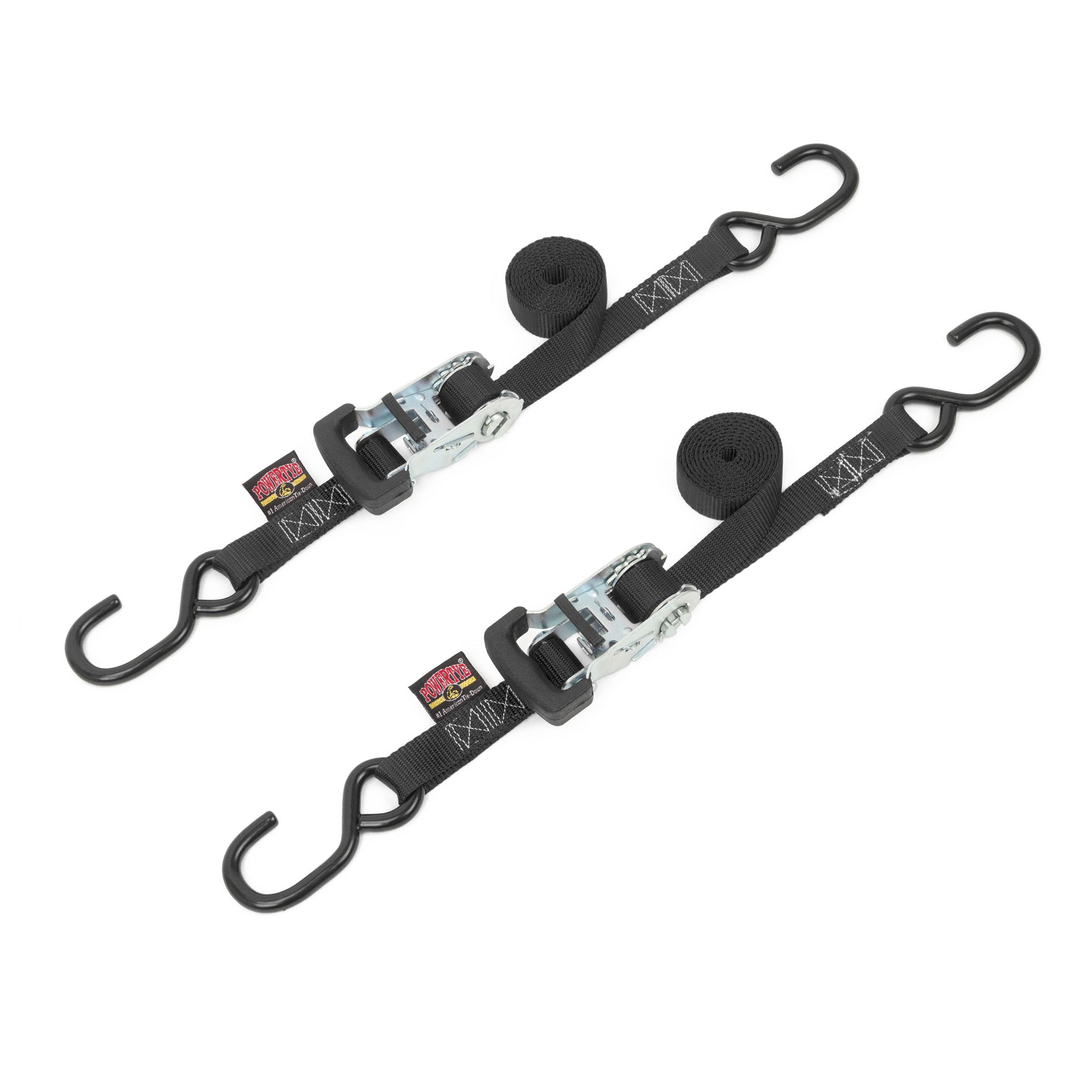
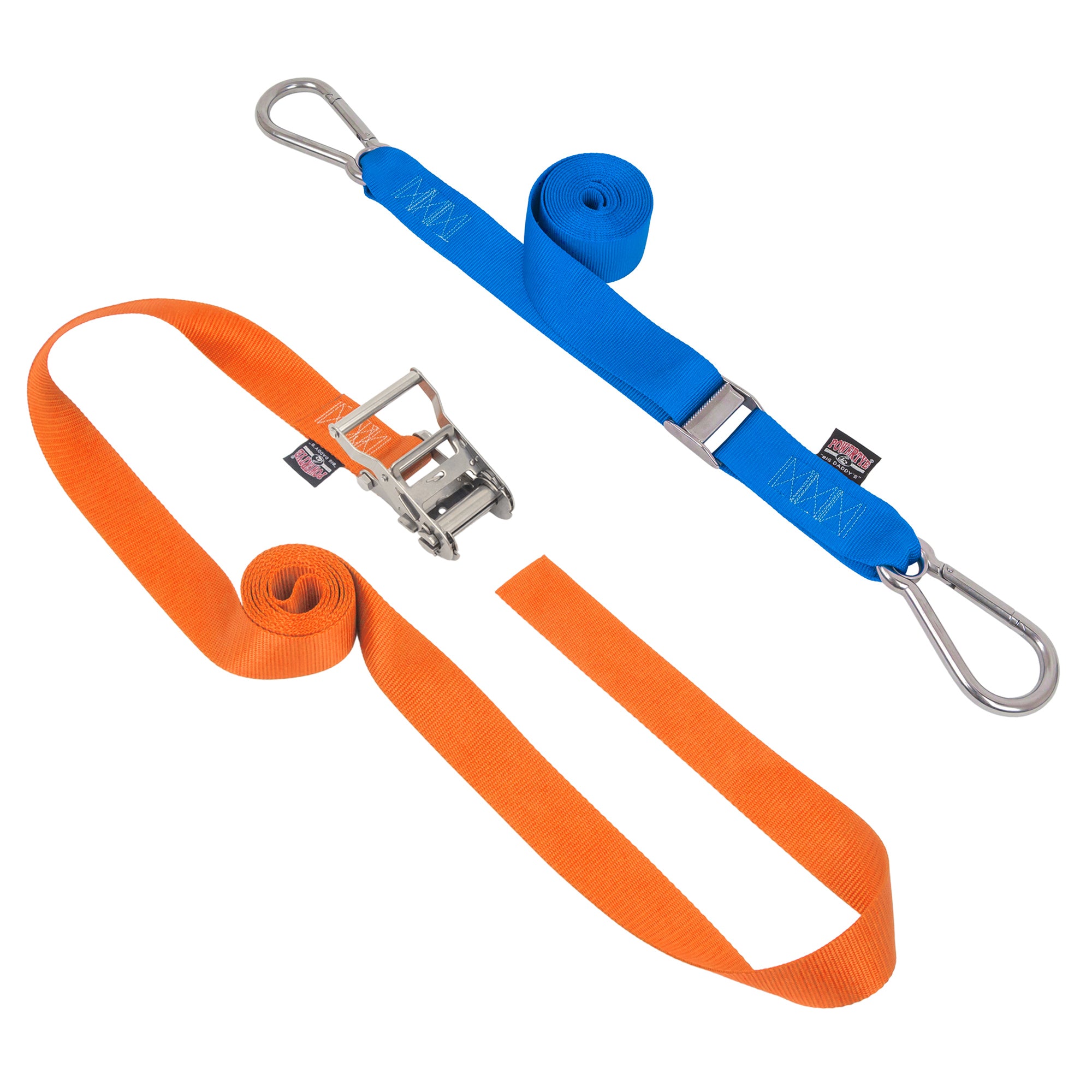
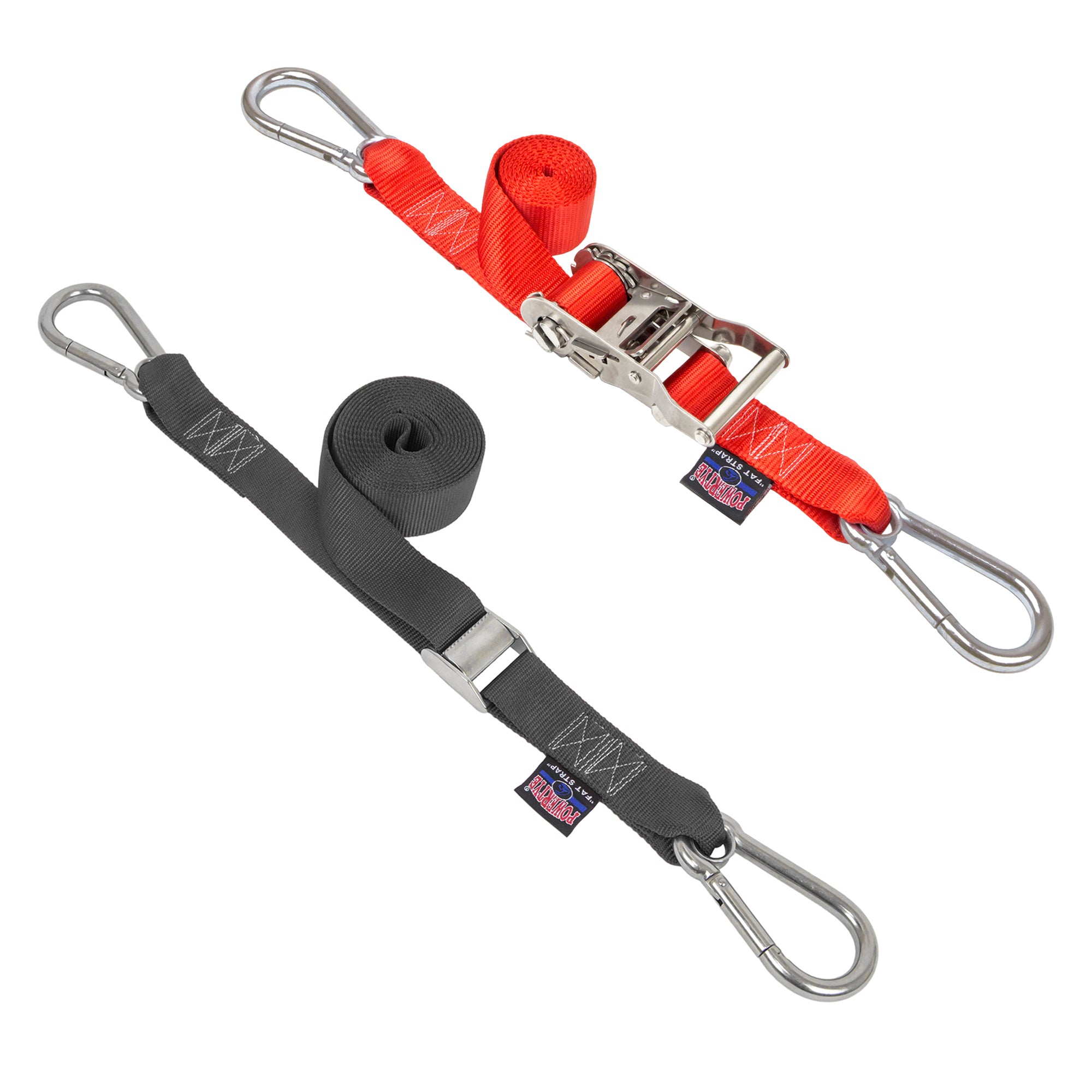
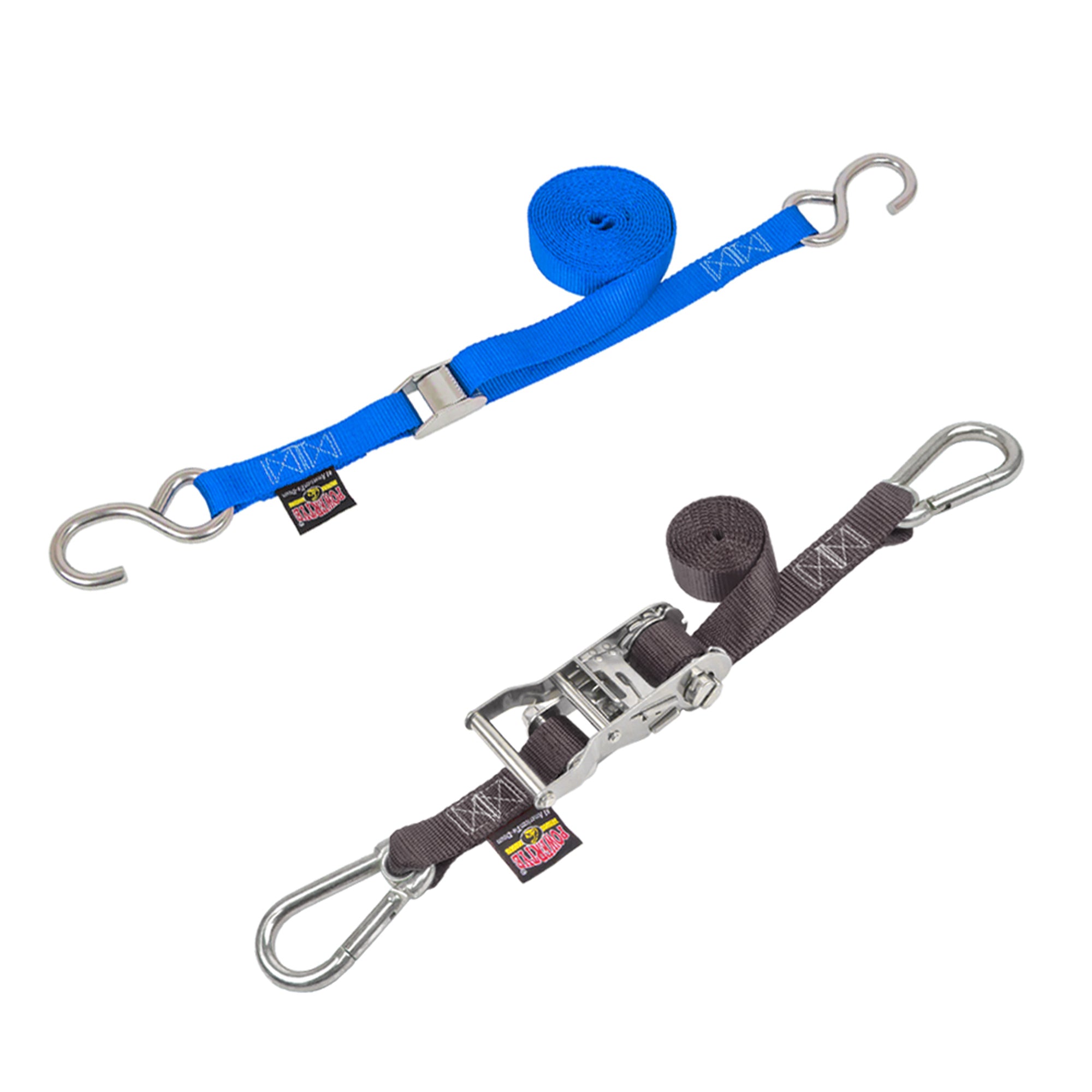
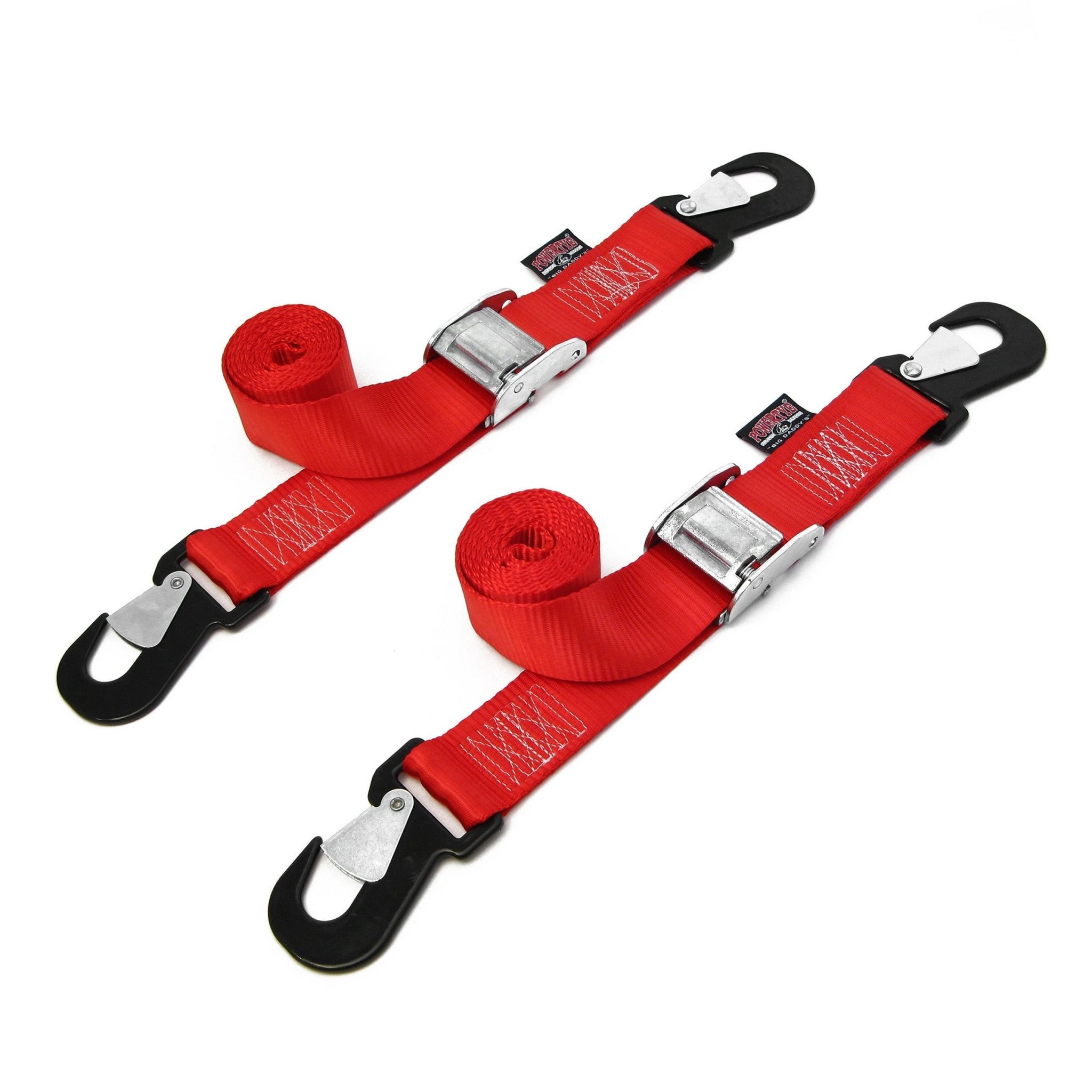
Over wheel ratchet straps are tire-based tie-down systems designed to wrap over or around a vehicle’s tire and anchor to trailer-mounted points. Instead of pulling the vehicle down by the frame, the strap holds the tire firmly against the trailer deck.
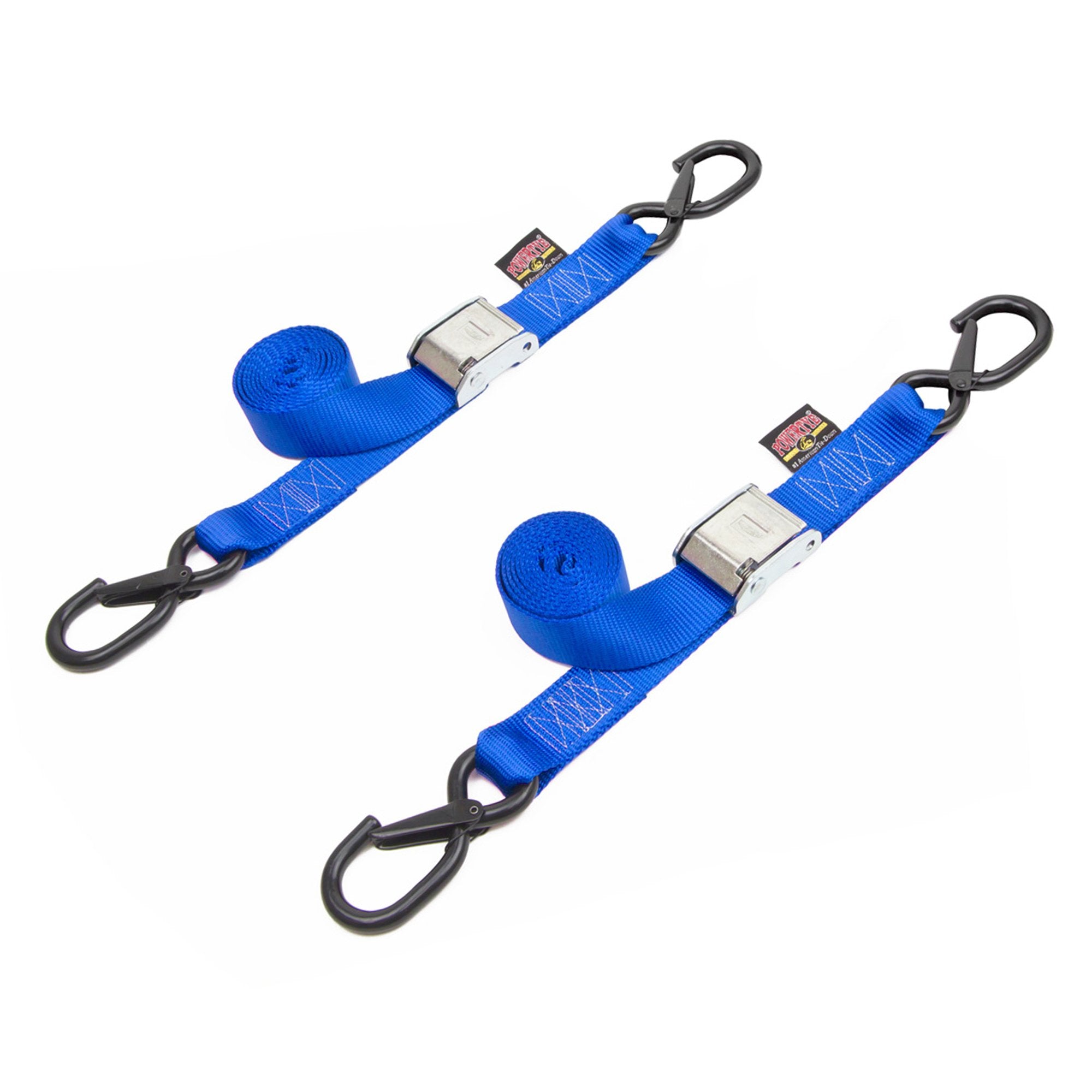
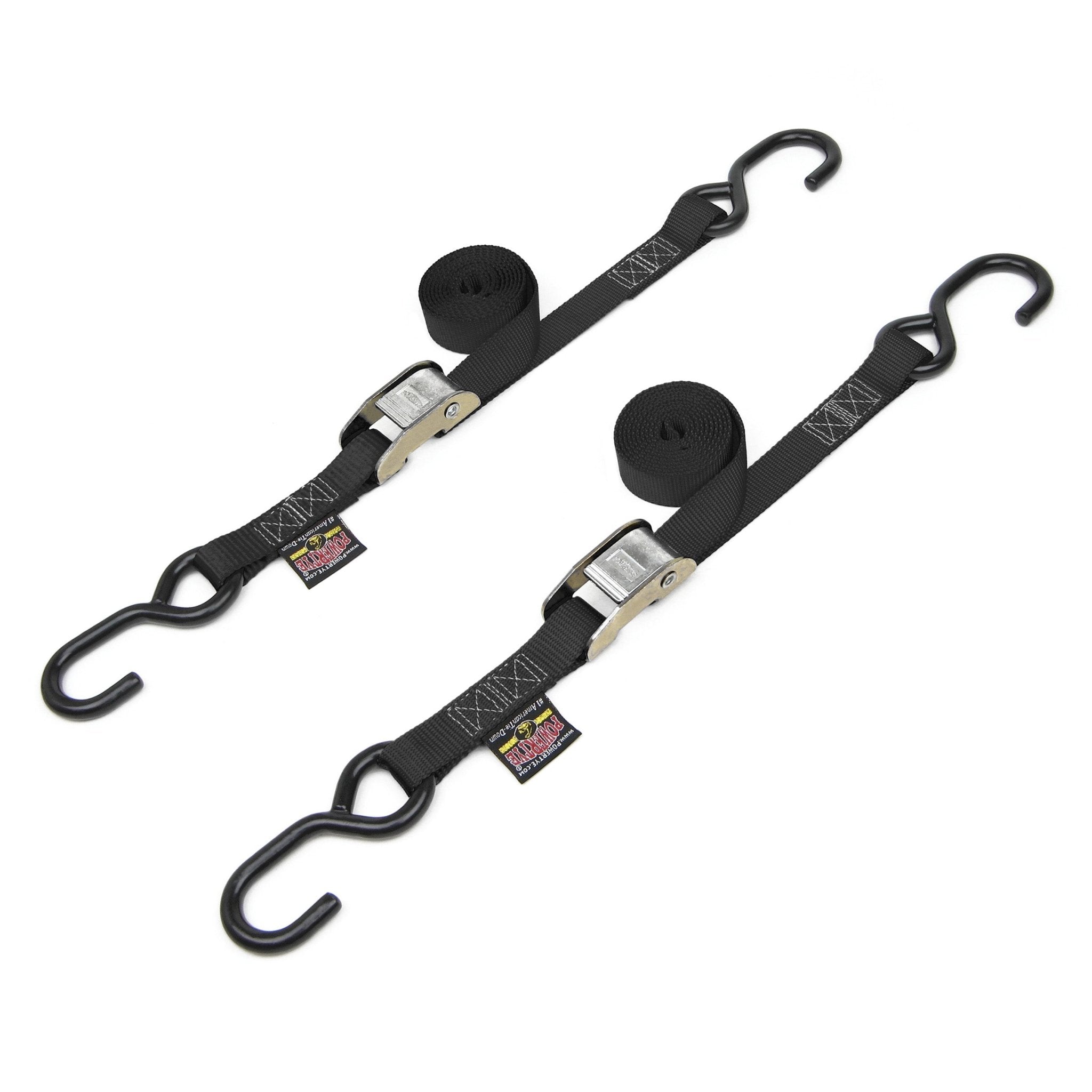
A typical over wheel ratchet strap system includes:
-
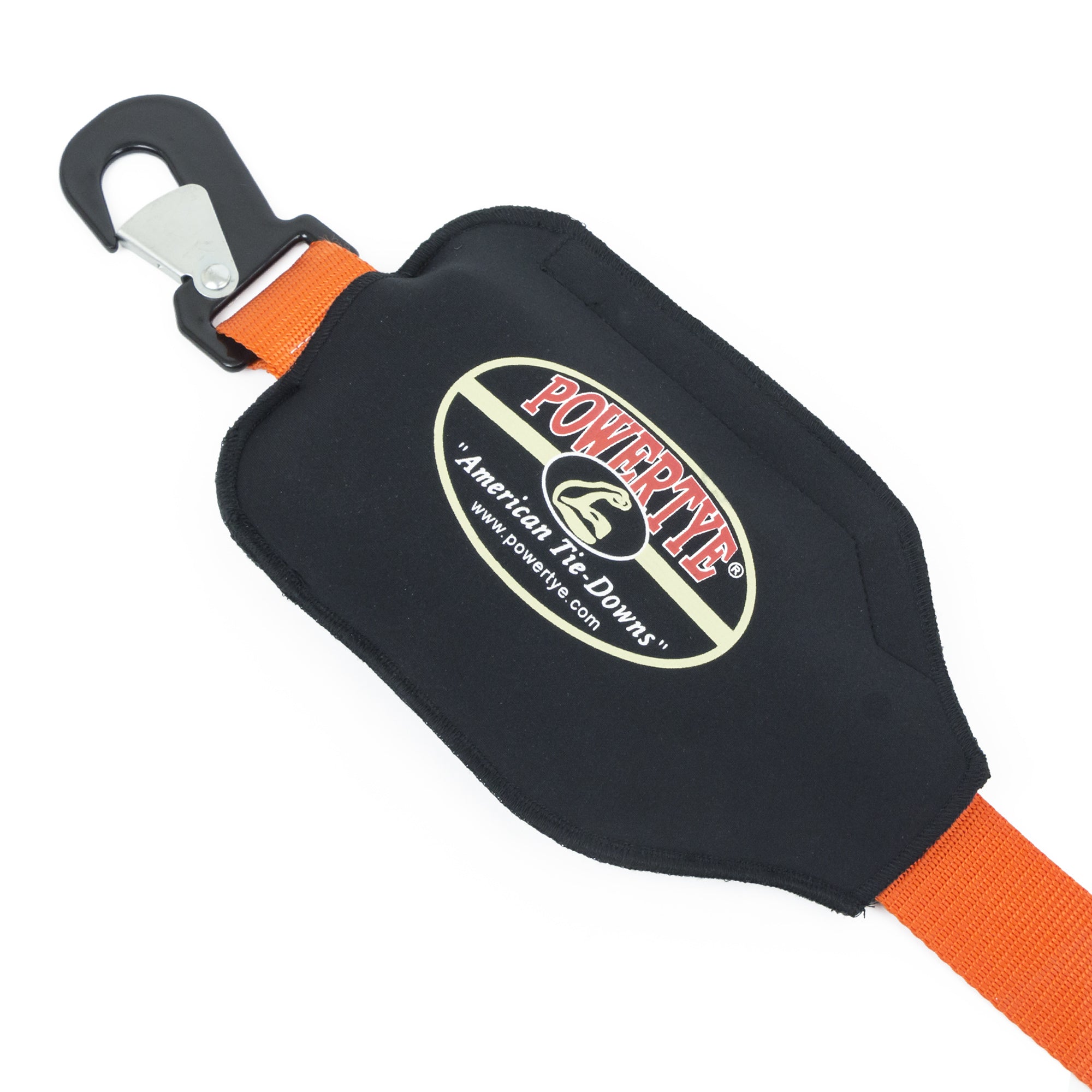
A ratchet mechanism
-
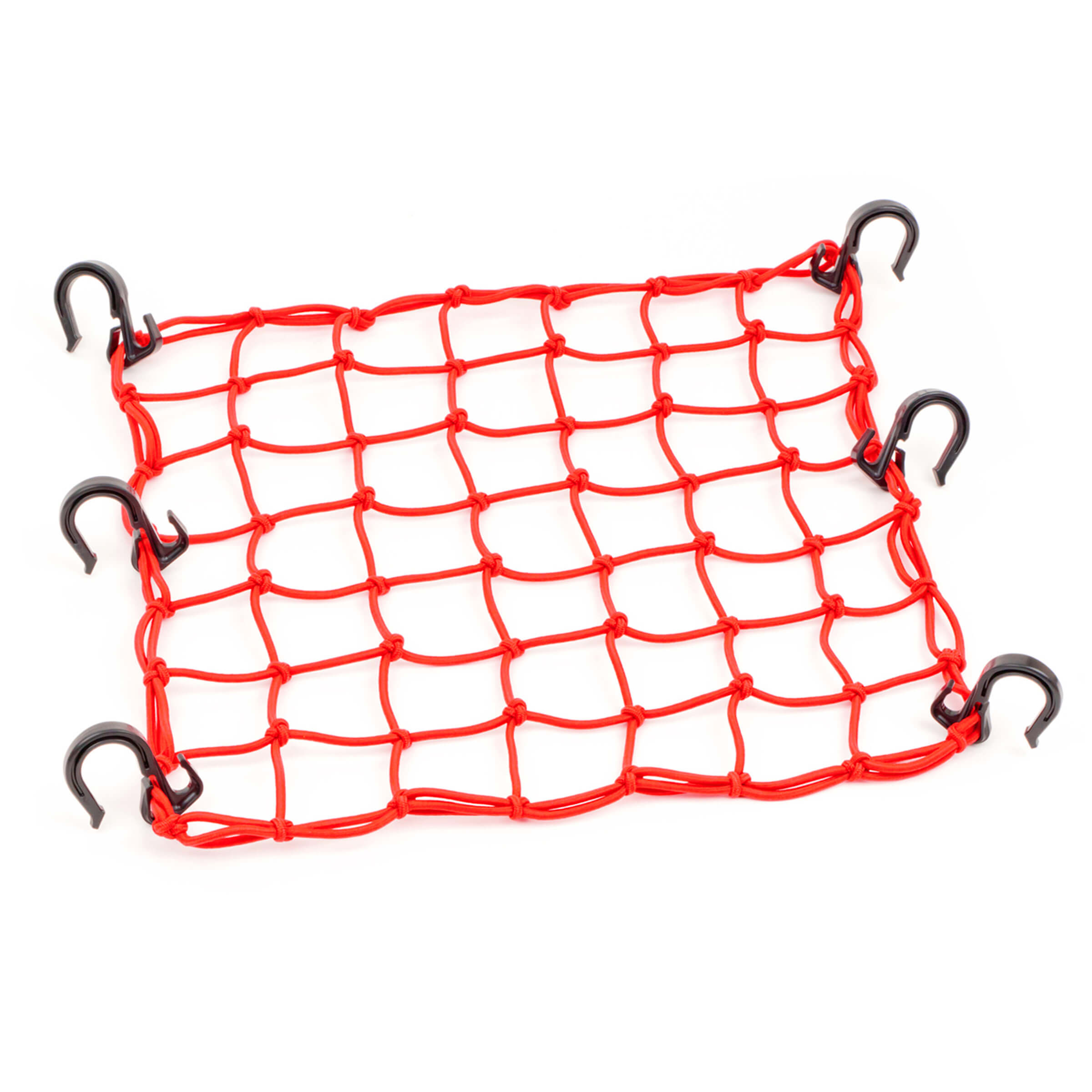
Tire straps or nets that cradle the wheel
-
Anchor hooks or fittings for trailer attachment
PowerTye over wheel ratchet straps are designed for real transport loads, not light-duty cargo.
How Over Wheel Ratchet Straps Work
The concept is simple but extremely effective. The strap goes over the tire, anchors on both sides of the wheel, and is tightened using a ratchet. As tension is applied, the tire is pulled down into the trailer deck or wheel tray.
A properly used over wheel ratchet strap:
-
Locks the wheel in place
-
Prevents rolling and sliding
-
Maintains tension even as suspension moves
-
Keeps the vehicle stable during braking and turns
Because the strap moves with the tire, suspension movement does not affect strap tension nearly as much as frame-mounted straps.
Over Wheel Ratchet Straps vs Frame Tie-Downs
Understanding the difference helps explain why over wheel systems are so popular.
Over Wheel Ratchet Straps
-
Secure the tire directly
-
Allow suspension movement
-
Maintain consistent tension
-
Reduce frame and suspension stress
-
Ideal for vehicles and UTVs
Frame or Suspension Tie-Downs
-
Compress suspension
-
Can loosen as suspension rebounds
-
Risk damaging components if overtightened
-
Require careful placement
For anything with four wheels and suspension travel, over wheel ratchet straps are often the safer and more reliable choice.
When to Use Over Wheel Ratchet Straps
Over wheel ratchet straps are ideal in many hauling situations.
They are commonly used for:
-
UTVs and side by sides
-
Cars and trucks
-
Off-road vehicles
-
Utility vehicles
-
Long-distance highway transport
Any time you want to lock a vehicle in place without compressing suspension, over wheel ratchet straps are a strong choice.
Step by Step Guide: How to Use Over Wheel Ratchet Straps
Step 1: Inspect the Straps Before Use
Before loading, inspect:
-
Webbing for fraying, cuts, or UV damage
-
Stitching at stress points
-
Ratchet mechanisms for smooth operation
-
Hooks or fittings for bending or cracks
Never use damaged straps on a vehicle.
Step 2: Position the Vehicle Correctly
Load the vehicle onto the trailer:
-
Centered left to right
-
With proper tongue weight
-
With wheels straight
Good positioning reduces stress on straps and improves trailer handling.
Step 3: Place the Strap Over the Tire
Position the over wheel strap:
-
Centered over the tire tread
-
Not twisted
-
Clear of sharp edges or brake components
The strap should sit snugly against the tire, not the rim.
Step 4: Attach to Trailer Anchor Points
Connect the strap ends to:
-
Trailer D rings
-
Track fittings
-
Frame-mounted anchors
Anchor points should be strong and positioned to pull the tire downward and slightly inward.
Step 5: Tighten Using the Ratchet
Apply tension evenly until:
-
The tire is firmly held
-
The vehicle cannot roll or shift
-
Suspension is not compressed excessively
Over wheel ratchet straps do not require extreme force.
Step 6: Repeat for All Wheels
Most setups require:
-
One strap per wheel
-
Or at minimum, straps at all four corners
Redundancy is key for safe vehicle transport.
Step 7: Secure Excess Webbing
Tie off or secure loose strap ends so they cannot flap in the wind or contact moving parts.
Step 8: Final Stability Check
Attempt to push or roll the vehicle. The trailer should move with it. Recheck tension after the first few miles.
How Many Over Wheel Ratchet Straps Should You Use
For vehicles and UTVs:
-
Four over wheel ratchet straps are standard
-
One at each wheel
Some lighter setups may use fewer, but four-point restraint is the safest and most widely accepted approach.
Common Mistakes When Using Over Wheel Ratchet Straps
Incorrect Strap Placement
Placing the strap too far forward or backward on the tire can reduce effectiveness. Always center it on the tread.
Overtightening the Strap
Excessive tension can:
-
Deform tires
-
Stress wheels
-
Shorten strap lifespan
Tighten only until movement is eliminated.
Using Weak Anchor Points
Even the best strap cannot compensate for poor anchors. Always use structural trailer attachment points.
Skipping Redundancy
One strap per axle is not enough. Always control all corners.
Ignoring Inspections
Vehicle-level loads demand regular strap inspection. Worn straps must be replaced.
Safety Tips for Over Wheel Ratchet Straps
-
Inspect straps before every trip
-
Check tension after 5 to 10 miles
-
Recheck at every fuel or rest stop
-
Keep straps away from sharp edges
-
Avoid contact with hot exhaust components
Treat over wheel ratchet straps as critical safety equipment.
Choosing the Right PowerTye Over Wheel Ratchet Straps
PowerTye offers vehicle and powersports tie-down solutions designed for real hauling conditions. Only products actually sold by PowerTye should be used.
Over Wheel and Tire-Based Ratchet Straps
These straps are designed to:
-
Cradle the tire securely
-
Maintain tension under vibration
-
Work with trailers and tie-down tracks
They are ideal for UTVs, cars, and utility vehicles.
Heavy Duty Ratchet Mechanisms
PowerTye ratchets are built for:
-
Smooth operation
-
Reliable locking
-
Repeated tightening and loosening
This matters for frequent haulers.
Compatibility With Tie Down Track Systems
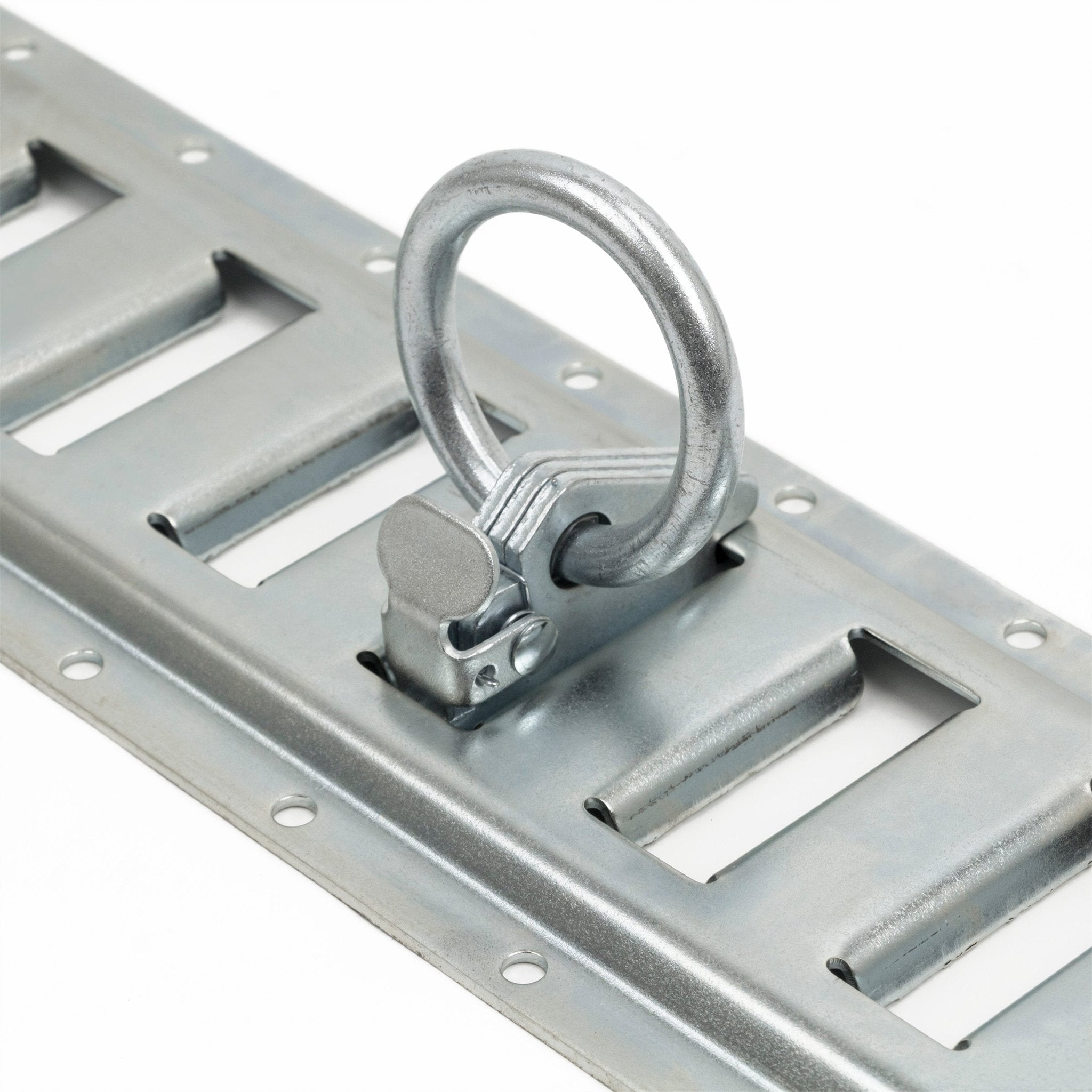
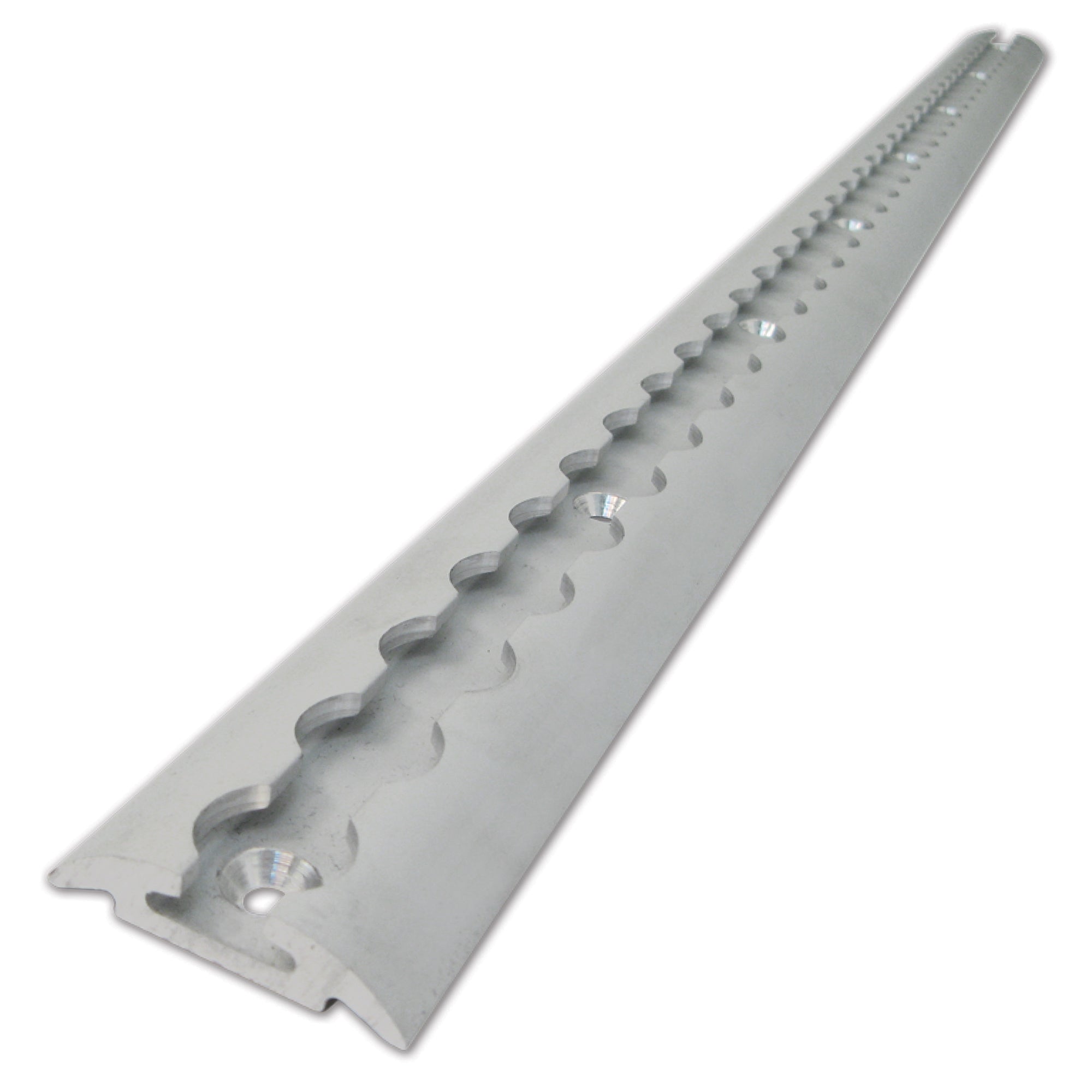
Over wheel ratchet straps work especially well with cargo trailer tie down track, allowing perfect anchor placement for different wheelbases.
Using Over Wheel Ratchet Straps With Different Trailers
Open Trailers
Over wheel straps reduce bounce and keep vehicles planted in wind and rough road conditions.
Enclosed Trailers
They prevent rolling and shifting during braking and sudden stops, even in tight spaces.
Flatbeds and Utility Trailers
They provide flexible, repeatable restraint for changing loads.
Over Wheel Ratchet Straps and Long-Distance Hauling
Long trips amplify small mistakes.
For long-distance travel:
-
Use one strap per wheel
-
Add redundancy when hauling heavy vehicles
-
Inspect straps more frequently
-
Check for heat or abrasion
Over wheel systems are especially effective over long distances because they maintain tension as suspension moves.
Maintenance and Care for Over Wheel Ratchet Straps
Cleaning
Wash webbing with mild soap and water. Rinse thoroughly and allow to air dry completely.
Inspection
Before each use, inspect for:
-
Frayed webbing
-
Loose stitching
-
Bent hooks or hardware
-
Ratchets that slip or bind
Replace damaged straps immediately.
Storage
Store straps in a dry area out of direct sunlight. UV exposure weakens webbing over time.
Why Experienced Haulers Prefer Over Wheel Ratchet Straps
People who haul vehicles regularly choose over wheel ratchet straps because they:
-
Reduce suspension stress
-
Maintain consistent tension
-
Simplify setup
-
Improve safety
-
Protect expensive equipment
Once you use them, traditional frame tie-downs often feel outdated for vehicle transport.

FAQ: Over Wheel Ratchet Straps
What are over wheel ratchet straps used for
They are used to secure vehicles by the tires during transport.
Are over wheel ratchet straps safe for highway travel
Yes, when properly installed and used with correct anchor points.
Do over wheel straps damage tires
No, when properly positioned and tensioned.
How many over wheel straps do I need
Four, one at each wheel, is the standard recommendation.
Can over wheel ratchet straps replace frame tie-downs
Yes, for most vehicle transport applications.
Should suspension be compressed when using over wheel straps
No. The system works best when suspension is allowed to move naturally.
How often should straps be checked during travel
After the first few miles and at every fuel or rest stop.
Lock the Wheels, Not the Suspension
When it comes to vehicle and UTV transport, securing the wheels is one of the smartest decisions you can make. Over wheel ratchet straps provide superior stability, protect suspension components, and maintain tension mile after mile.
PowerTye over wheel ratchet straps are trusted by riders, racers, and haulers who move valuable vehicles regularly. Built for durability and real-world use, they deliver confidence every time you hit the road.
Shop PowerTye over wheel ratchet straps today and secure your vehicle the way experienced haulers do.