



Ratchet Straps: How to Choose, Use, and Trust the Right Tie-Downs for Serious Hauling
When you are hauling motorcycles, ATVs, UTVs, personal watercraft, or other high-value equipment, ratchet straps are not optional gear. They are the foundation of safe transport. A failed strap or a poorly secured load can damage equipment, trailers, or vehicles, and it can put everyone on the road at risk.
Experienced riders know that not all ratchet straps are created equal. Quality materials, proper technique, and choosing the right strap for the job make a real difference. In this guide, you will learn how ratchet straps work, how to use them correctly step by step, the most common mistakes riders make, proven safety tips, how to choose the right ratchet straps from PowerTye, and how to maintain them so they perform trip after trip.
This is a practical, no-guesswork breakdown built for riders who want their equipment to arrive exactly the way it left.
Why Ratchet Straps Matter More Than You Think
Ratchet straps are often treated as basic accessories, but in reality, they are safety equipment. When a load shifts at highway speed, the forces involved are far greater than most people realize. Braking, bumps, wind resistance, and sudden maneuvers all work against your tie-downs.
Ratchet straps matter because they:
-
Lock tension in place under vibration
-
Prevent forward, backward, and side-to-side movement
-
Keep loads planted on trailers and truck beds
-
Reduce the risk of accidents caused by shifting cargo
Cam buckle straps, ropes, or bungee cords cannot provide the same level of control. Ratchet straps are designed to hold tension consistently, which is why they are the standard for powersports transport.
How Ratchet Straps Work
At their core, ratchet straps use mechanical advantage to apply and lock tension. The ratcheting mechanism pulls webbing through in small increments and prevents it from backing out once tightened.
A properly used ratchet strap system works by:
-
Pulling the load down and inward
-
Creating opposing angles that resist movement
-
Locking tension so it cannot loosen during travel
Unlike knots or friction-based systems, ratchet straps do not rely on constant retightening. Once set correctly, they hold their position even under vibration and road shock.
PowerTye ratchet straps are designed for smooth operation, controlled tightening, and long-term durability in real riding conditions.
When Ratchet Straps Are the Right Choice
Ratchet straps are the preferred option anytime weight, value, or highway travel is involved.
They are ideal for:
-
Motorcycles and dirt bikes
-
ATVs and UTVs
-
Personal watercraft
-
Snowmobiles
-
Utility trailers and equipment hauling
For lighter cargo or temporary restraint, other options may work, but for primary load control, ratchet straps provide the highest level of security.
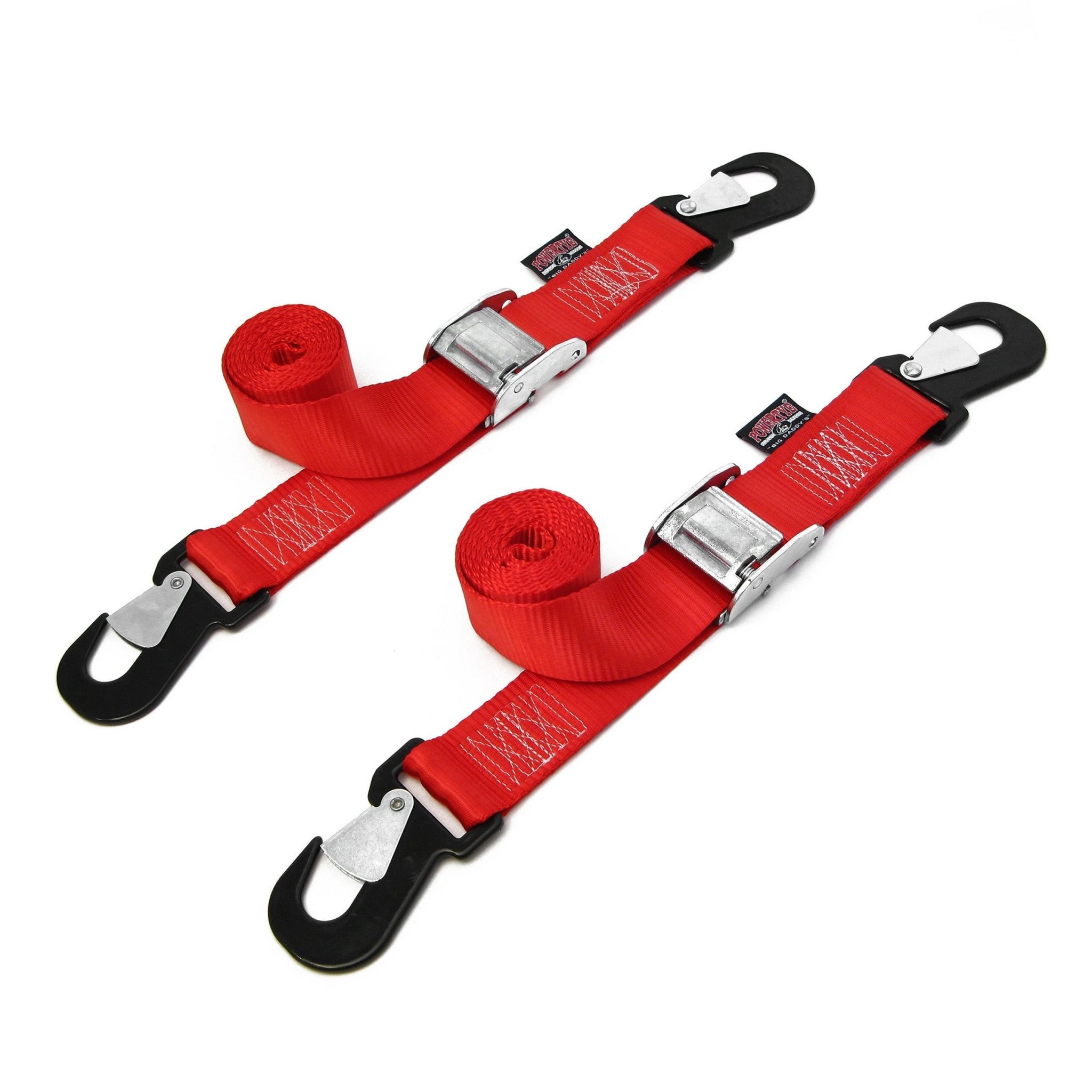
Ratchet Straps vs Cam Buckle Straps
Understanding the difference helps you choose the right tool.
Ratchet Straps Are Best For
-
Heavy loads
-
Long-distance travel
-
Highway speeds
-
Loads that must not loosen
Cam Buckle Straps Are Better For
-
Lightweight cargo
-
Quick, low-tension applications
-
Secondary stabilization
If a load must stay fixed under braking and vibration, ratchet straps are the safer choice.
Step by Step Guide to Using Ratchet Straps Correctly
Step 1: Inspect the Ratchet Straps
Before every use, inspect:
-
Webbing for frays, cuts, or UV damage
-
Stitching at stress points
-
Hooks for bending or cracks
-
Ratchets for smooth operation and positive locking
Never use damaged straps. A failed strap usually fails completely.
Step 2: Position the Load Properly
Before tightening anything:
-
Center the load on the trailer or truck bed
-
Keep weight evenly distributed
-
Ensure the load is upright and stable
Good positioning reduces the amount of tension required and improves overall safety.
Step 3: Choose Solid Anchor Points
Attach ratchet straps only to:
-
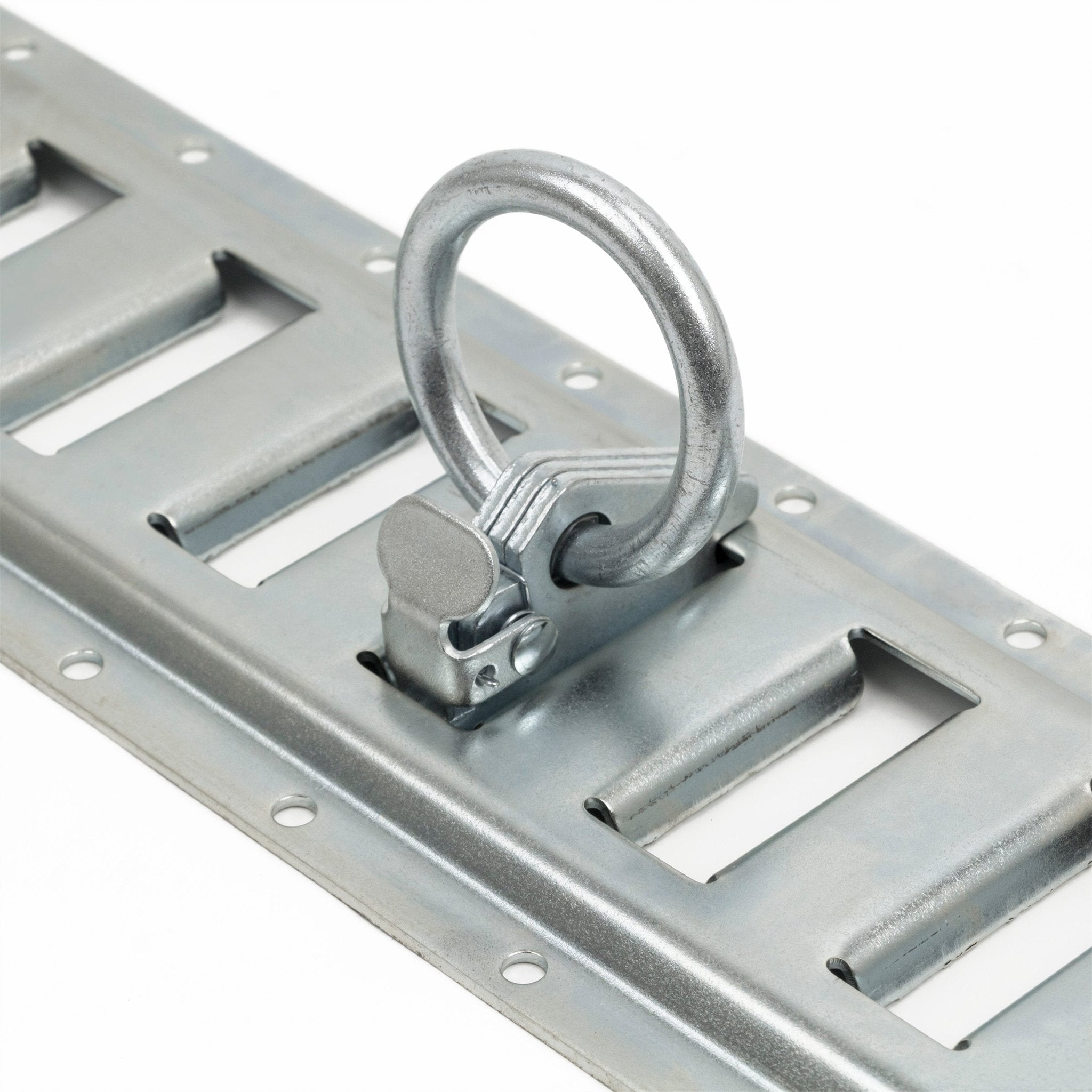
Trailer D rings
-
Bed-mounted tie-down anchors
-
Frame-mounted attachment points
Never attach straps to:
-
Thin rails
-
Plastic components
-
Temporary hardware
The strongest strap is useless if the anchor point fails.
Step 4: Use Soft Ties When Needed
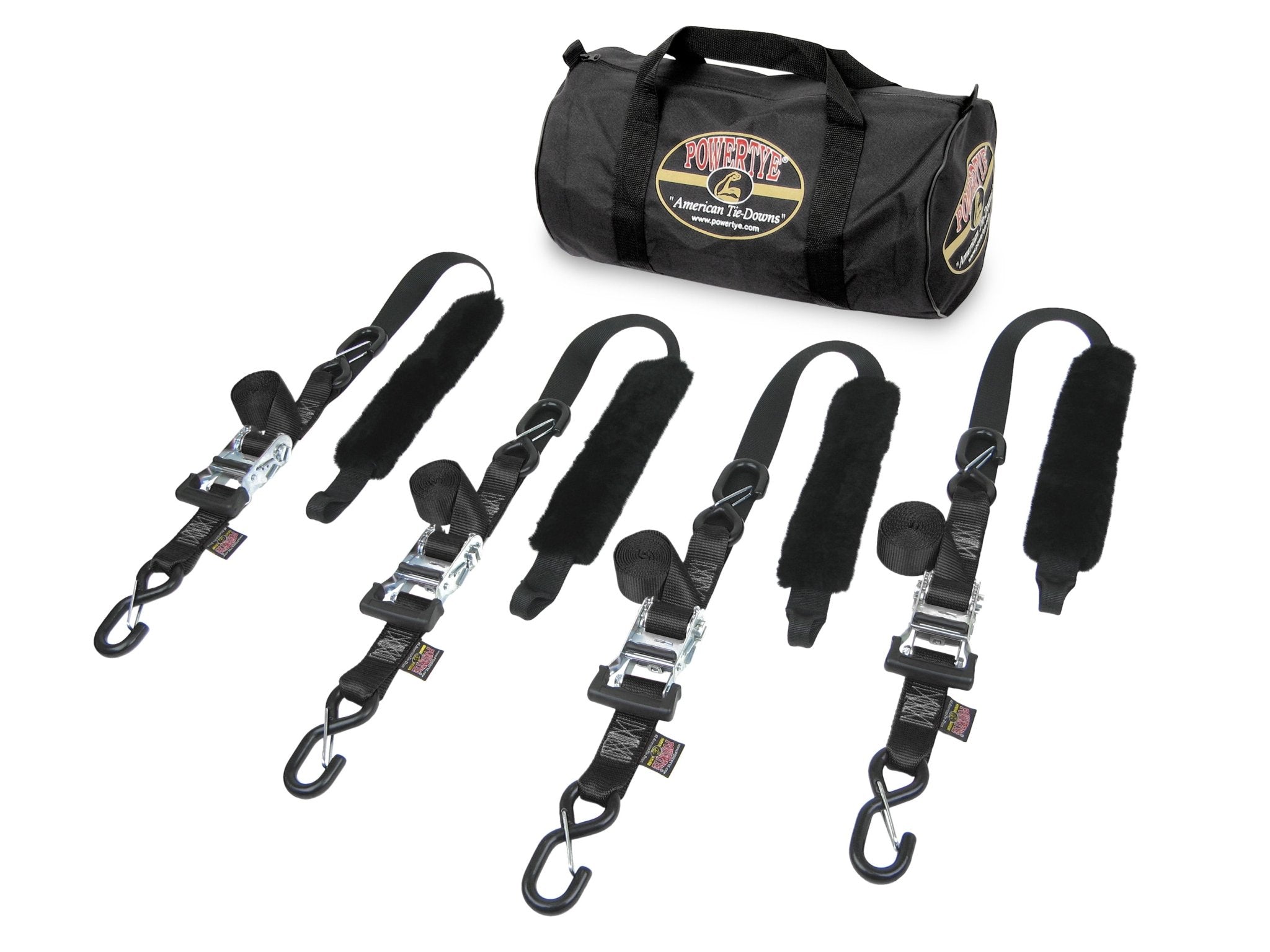
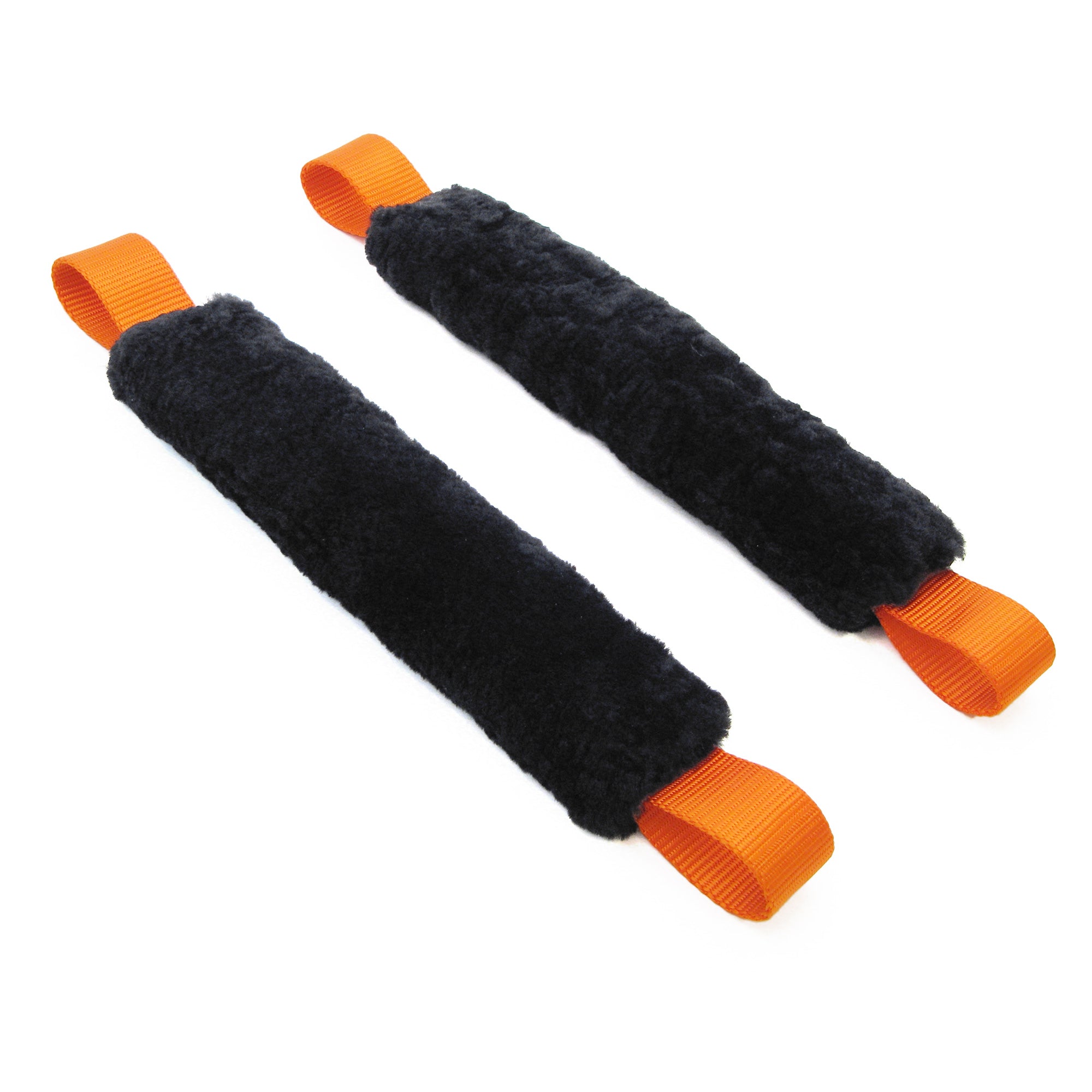
Soft ties protect finishes and create safe attachment points around handlebars, frames, or suspension components. They prevent metal hooks from contacting paint, powder coat, or anodized surfaces.
Soft ties are an essential part of any professional ratchet strap setup.
Step 5: Secure the Front First
For most powersports equipment:
-
Use two ratchet straps at the front
-
One pulling forward and slightly left
-
One pulling forward and slightly right
Tighten evenly until the load stands upright and stable. Do not bottom out suspension unless specifically required.
Step 6: Secure the Rear
Add one or two rear straps to:
-
Prevent side-to-side movement
-
Stop backward shifting during braking
Rear straps stabilize the load and add redundancy.
Step 7: Lock Ratchets and Secure Excess Webbing
Close ratchet handles fully to lock tension. Tie off or secure loose strap ends so they cannot flap in the wind and wear prematurely.
Step 8: Perform a Final Stability Check
Push and shake the load. It should move with the trailer, not independently. Recheck strap tension after the first few miles of travel.
How Many Ratchet Straps Should You Use
The minimum recommended setup for most powersports equipment is four ratchet straps.
-
Two at the front
-
Two at the rear
Heavier machines or long-distance hauling may benefit from additional redundancy, but four properly placed ratchet straps are the standard.
Common Mistakes When Using Ratchet Straps
Overtightening the Load
More tension is not always better. Excessive tightening can:
-
Damage suspension components
-
Bend handlebars or frames
-
Stress mounting points
Apply only the tension needed to prevent movement.
Using Too Few Straps
One or two straps are not enough for heavy equipment. Redundancy matters when hauling valuable machines.
Poor Strap Angles
Straps pulling straight down do little to prevent forward or backward movement. Always pull inward and toward the trailer or vehicle.
Skipping Soft Ties
Metal hooks against finished surfaces lead to scratches and damage. Soft ties are cheap insurance.
Trusting Worn or Cheap Straps
If a strap looks questionable, replace it. Ratchet straps are far less expensive than the equipment they secure.
Safety Tips for Using Ratchet Straps
-
Inspect straps before every trip
-
Keep webbing away from sharp edges
-
Avoid contact with hot exhaust components
-
Check tension at fuel or rest stops
-
Replace straps that show UV or abrasion damage
Ratchet straps are safety equipment. Treat them with the same seriousness as brakes or tires.
Choosing the Right Ratchet Straps From PowerTye
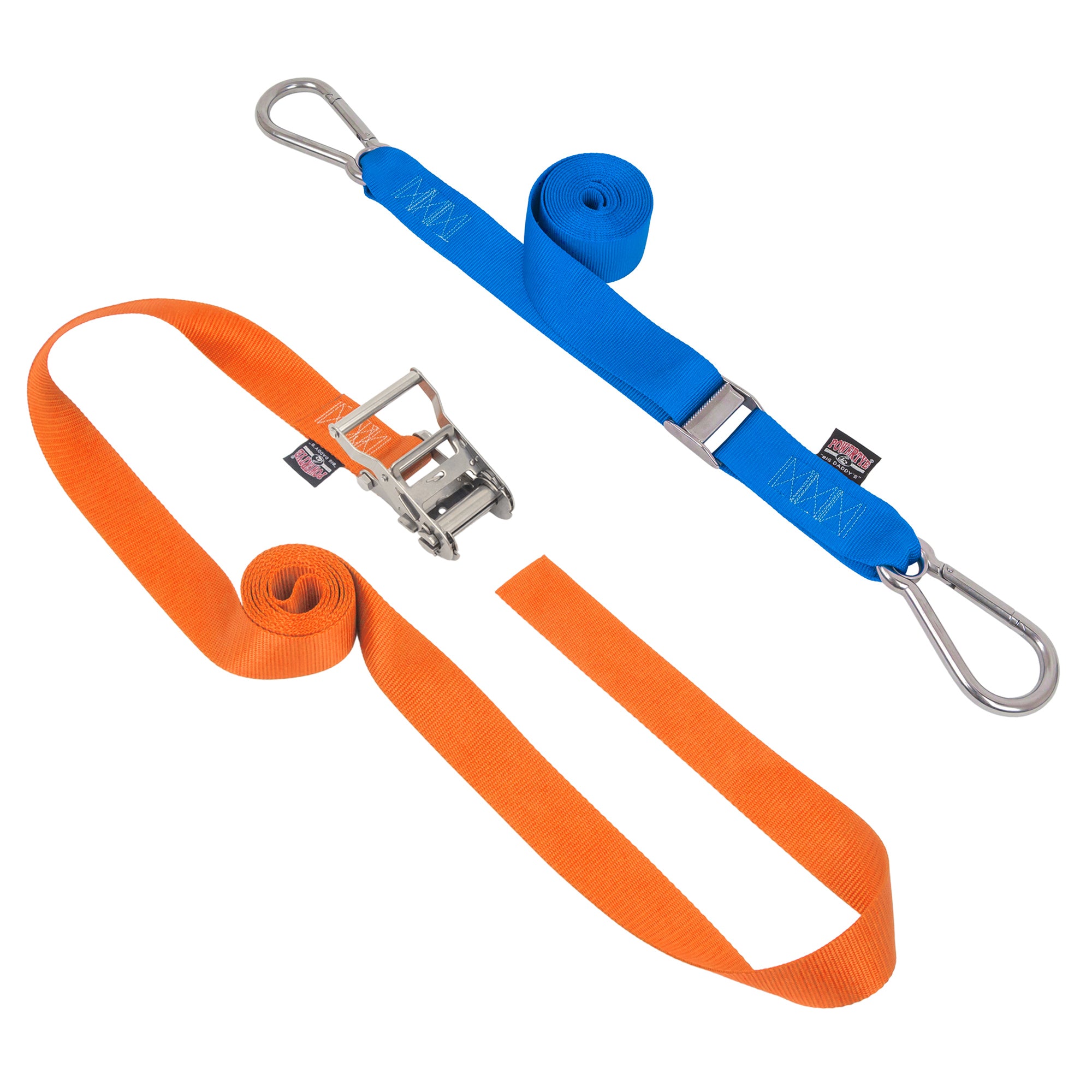
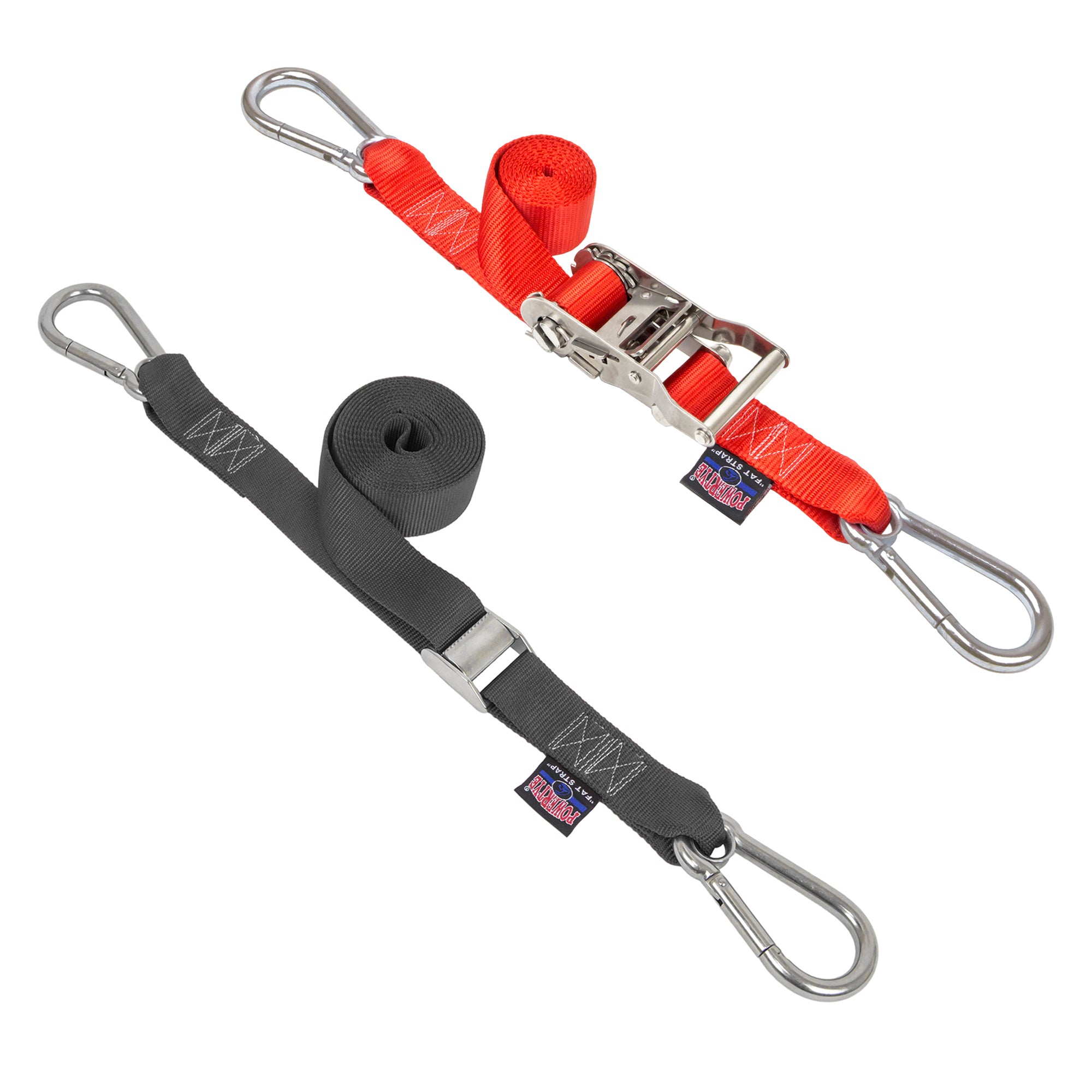
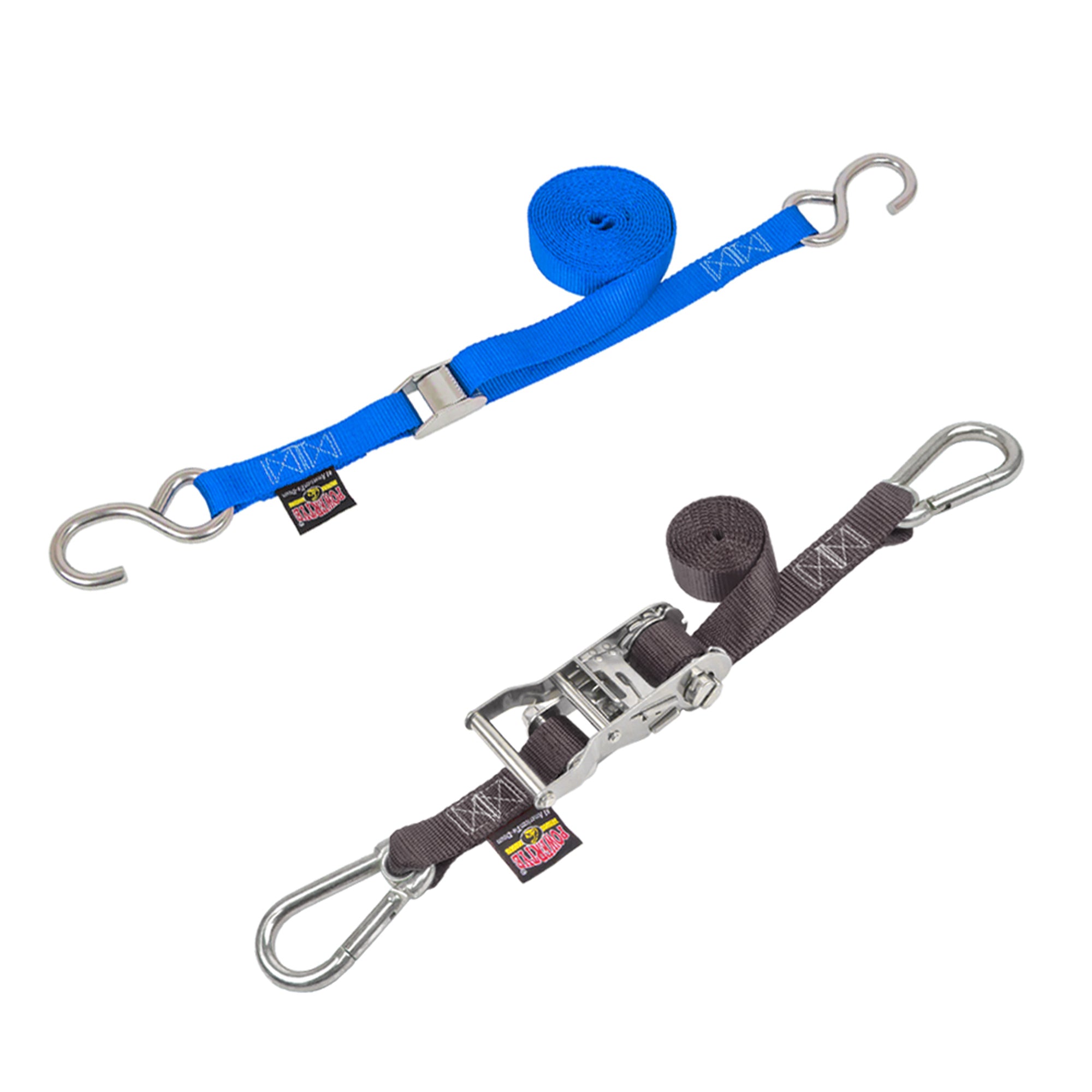
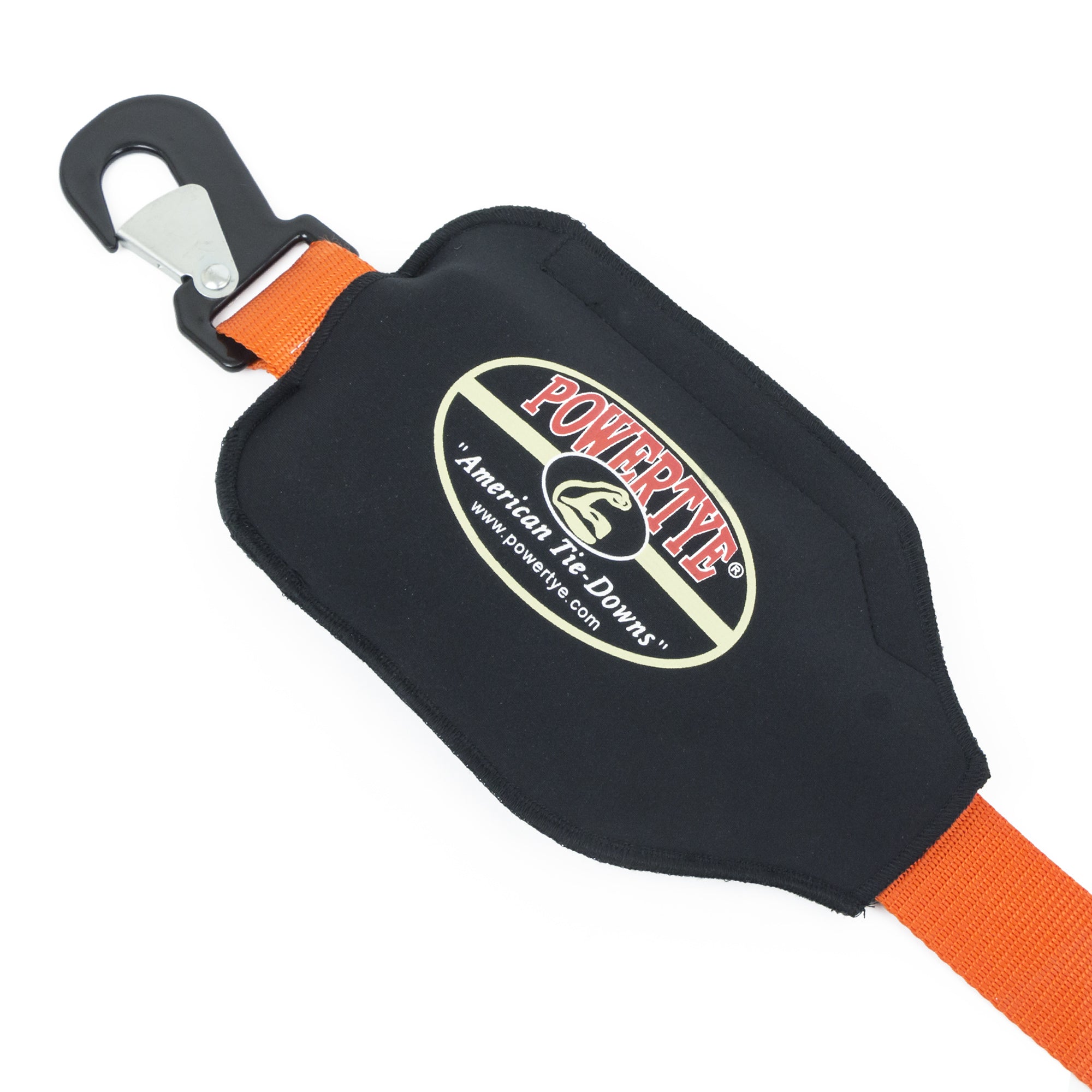
PowerTye offers ratchet straps designed specifically for powersports and transport use. Only products actually sold by PowerTye should be used.
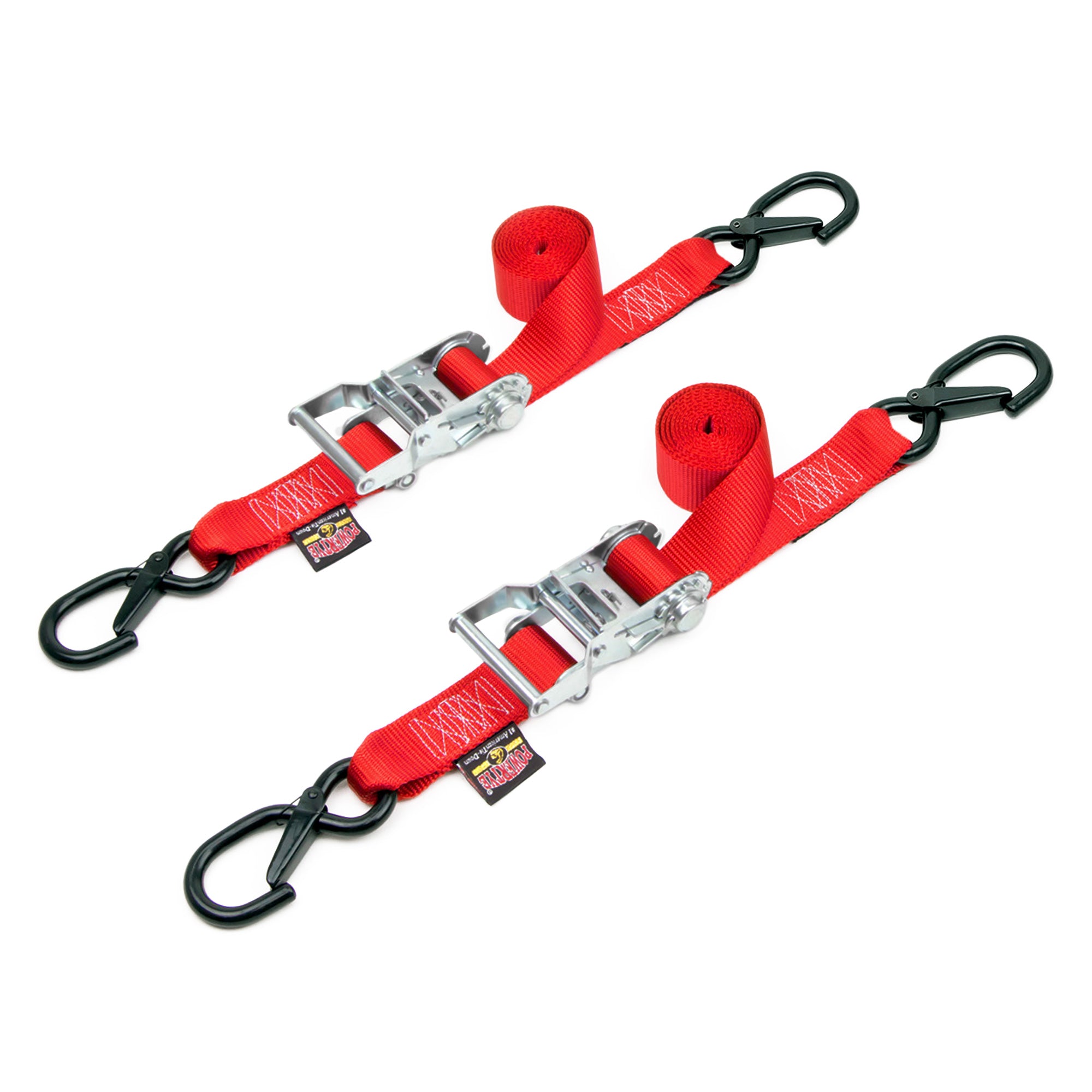
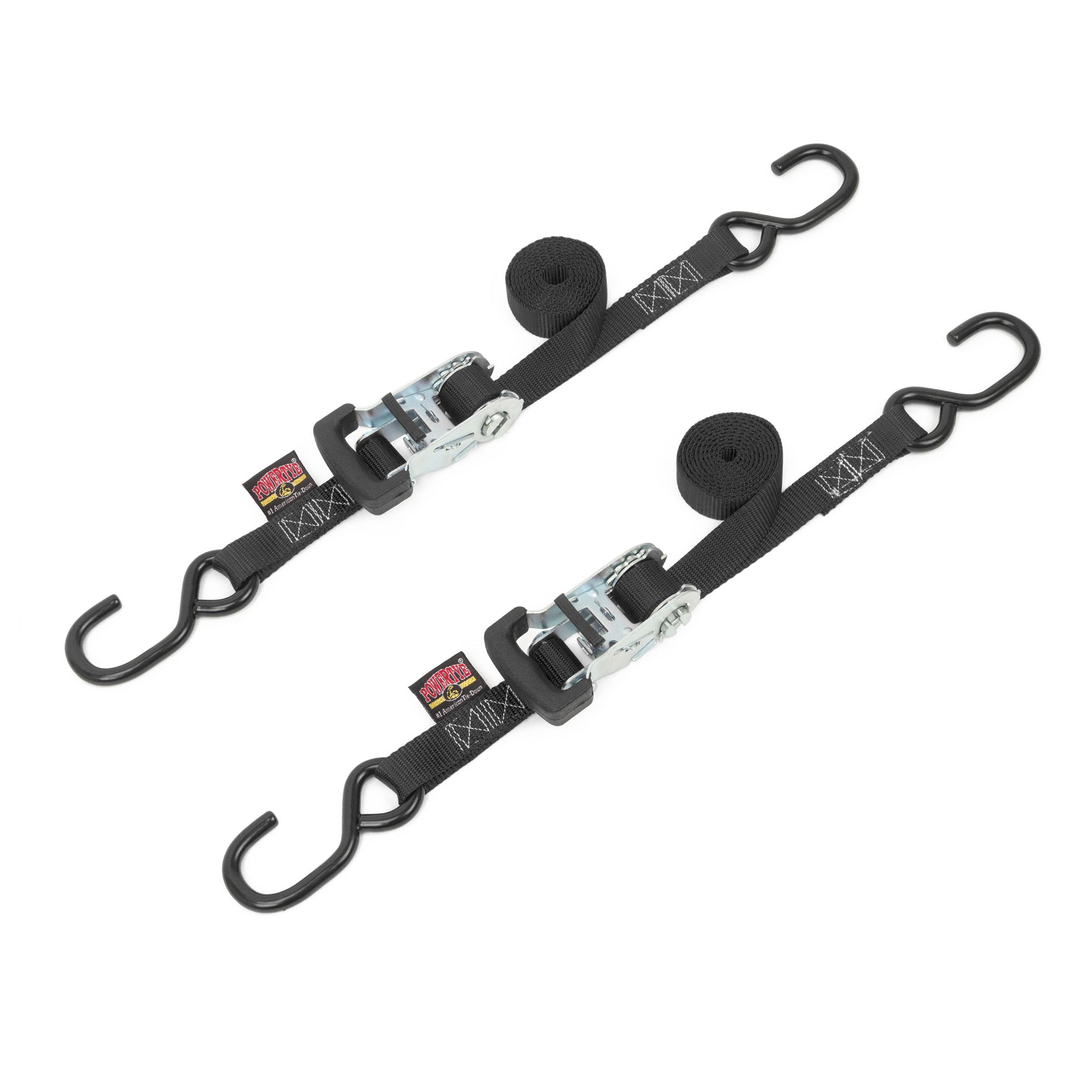
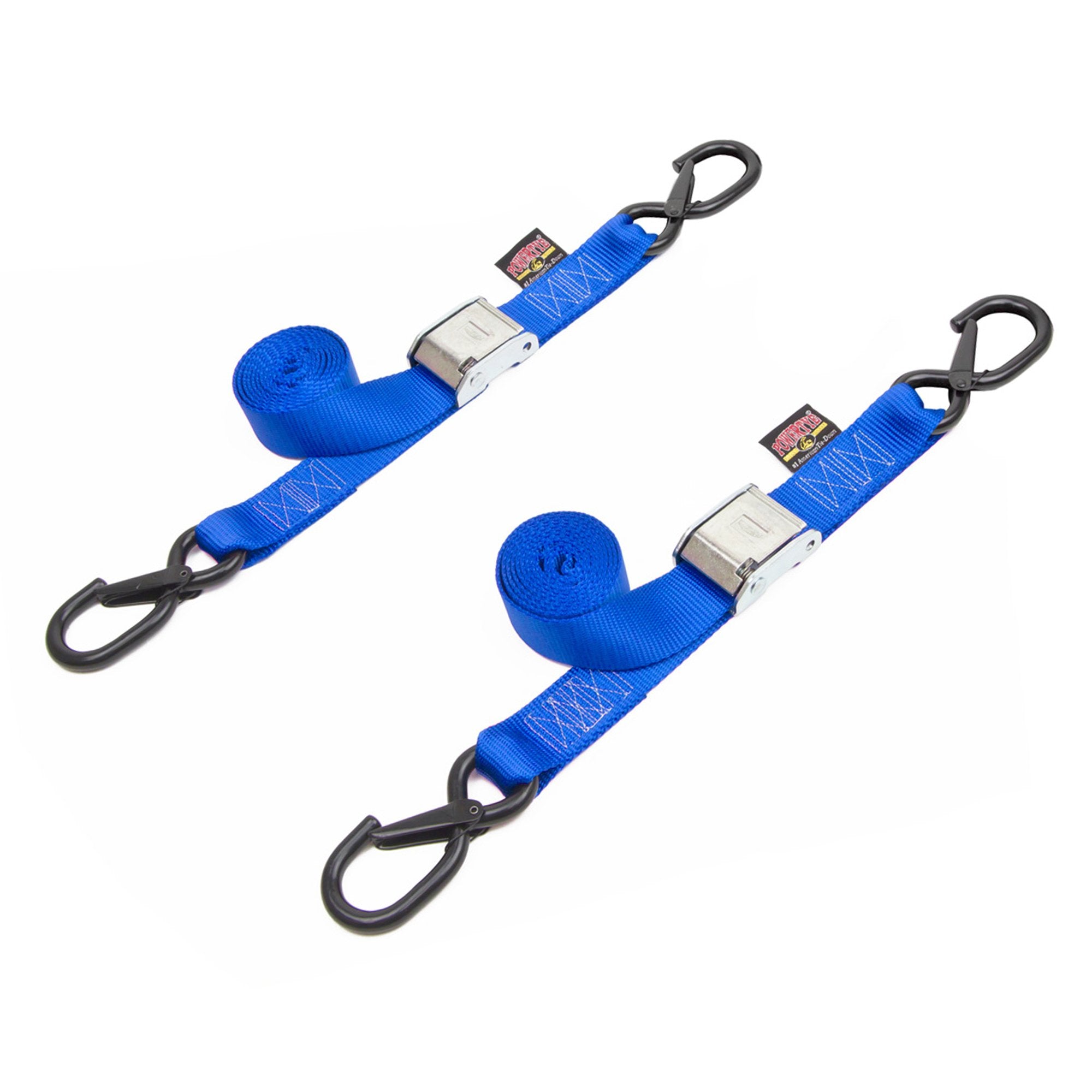
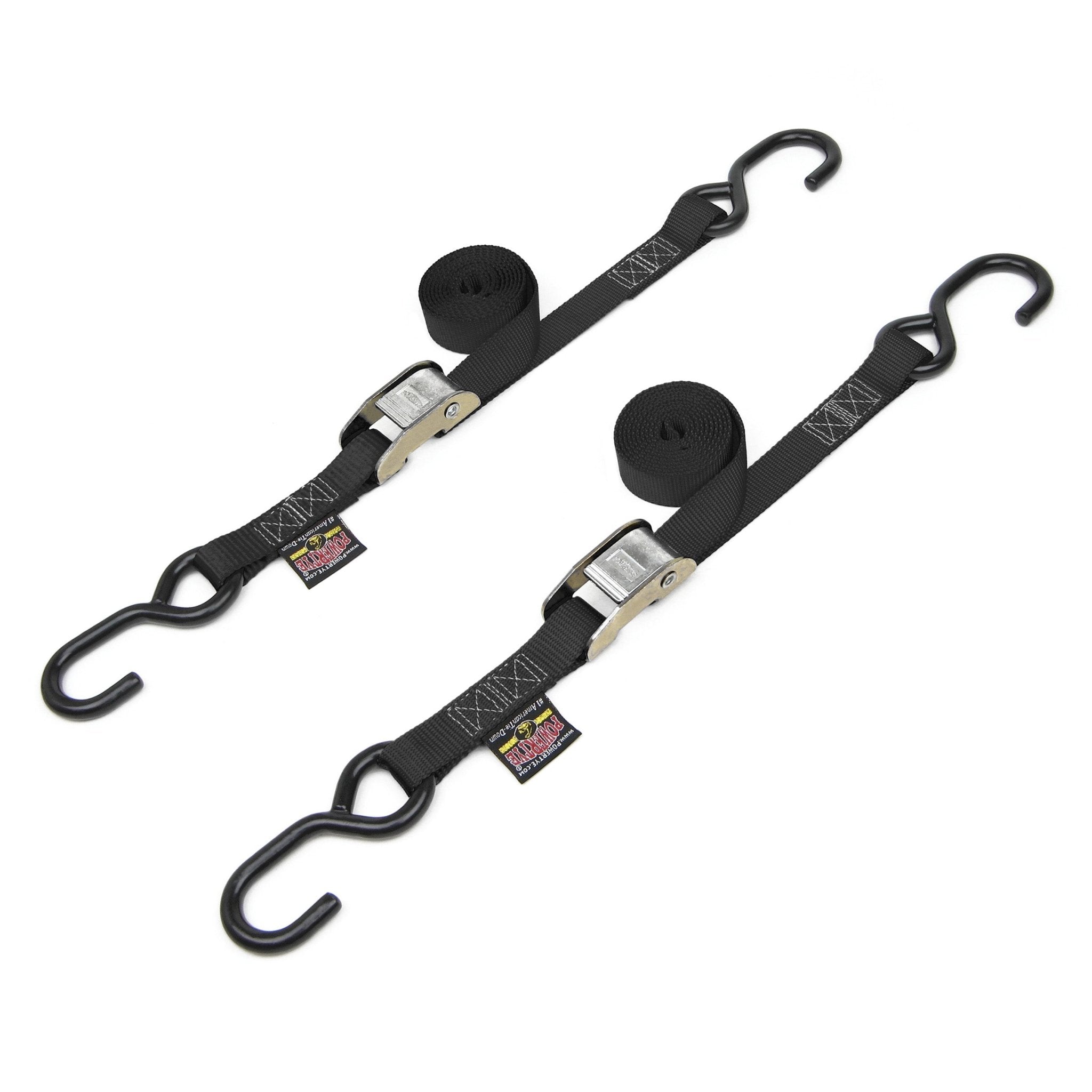
Standard Ratchet Tie-Down Straps
These straps are ideal for:
-
Motorcycles
-
Dirt bikes
-
ATVs
-
General trailer hauling
They provide reliable tension control and long-term durability.
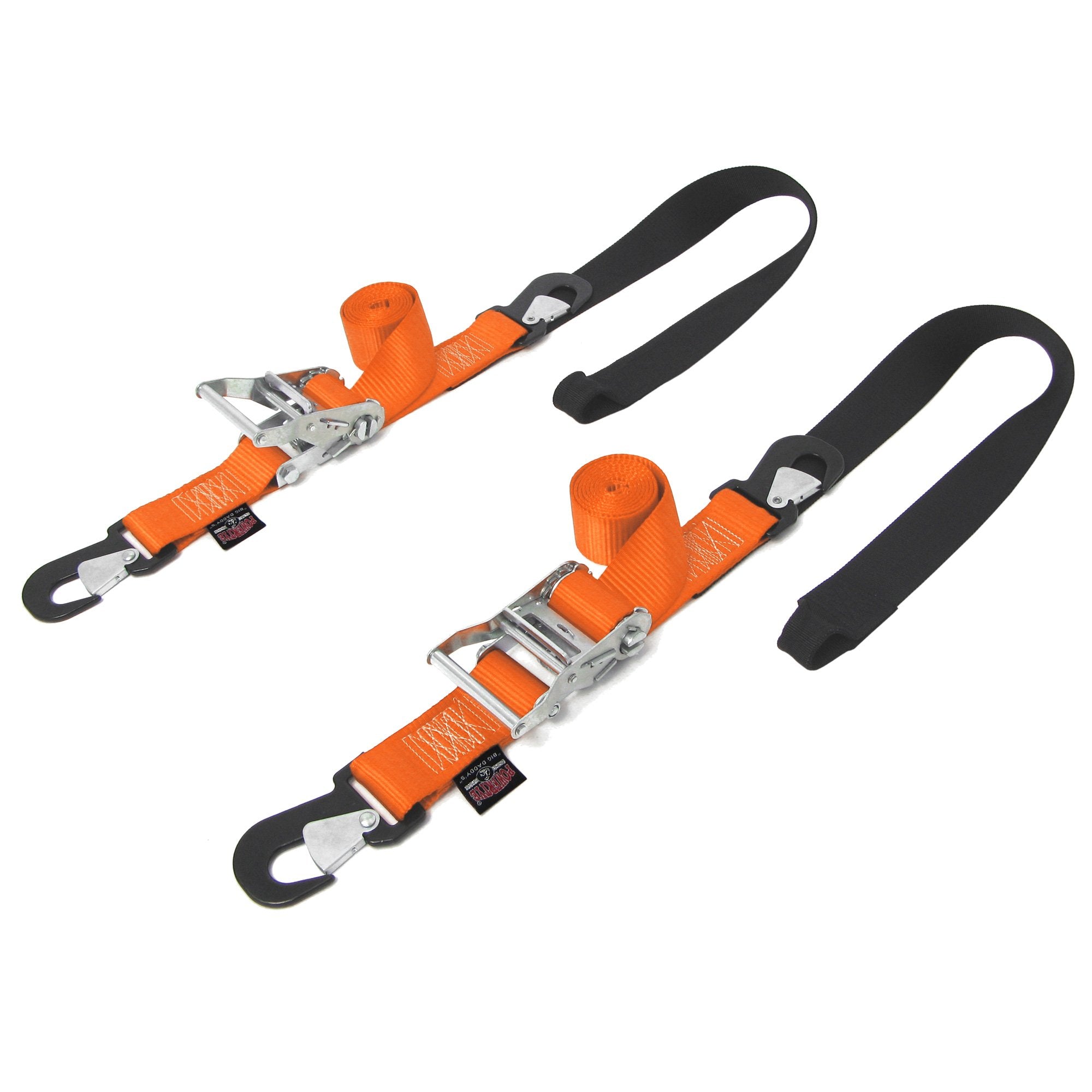
Heavy Duty Ratchet Straps
Heavy duty ratchet straps are best for:
-
Larger motorcycles
-
Side by sides
-
Personal watercraft
-
Long-distance highway travel
They offer increased strength for demanding loads.
Stainless Ratchet Tie-Downs
Stainless ratchet straps are designed for:
-
Marine environments
-
Frequent water exposure
-
Coastal or humid conditions
They resist corrosion and maintain smooth operation over time.
Soft Ties and Accessories
Soft ties are essential companions to ratchet straps. They protect equipment and improve strap placement.
Using Ratchet Straps for Different Applications
Motorcycles
Secure the front using handlebars or triple clamp areas with soft ties. Stabilize the rear to prevent lateral movement.
ATVs and UTVs
Use four-point restraint attached low on suspension components or factory tie-down points. Avoid fully compressing suspension.
Personal Watercraft
Ratchet straps hold watercraft firmly against trailer bunks and prevent bounce during transport.
Utility Cargo
Even outside powersports, ratchet straps provide superior control compared to ropes or bungees.
Maintenance and Care for Ratchet Straps
Cleaning
Wash straps with mild soap and water. Rinse thoroughly and allow them to air dry completely.
Inspection
Before each use, check for:
-
Frayed webbing
-
Loose stitching
-
Bent hooks
-
Ratchets that slip or bind
Replace damaged straps immediately.
Storage
Store ratchet straps in a dry area out of direct sunlight. UV exposure weakens webbing over time.
How Long Quality Ratchet Straps Last
High-quality ratchet straps can last for years when:
-
Used correctly
-
Cleaned regularly
-
Stored properly
-
Replaced at the first sign of damage
Cheap straps often fail early and without warning.

FAQ: Ratchet Straps
What are ratchet straps best used for
They are best for securing heavy or high-value loads during transport, especially at highway speeds.
How tight should ratchet straps be
Tight enough to prevent movement without crushing suspension or components.
Can ratchet straps damage equipment
Only if used incorrectly. Soft ties and proper tension prevent damage.
How many ratchet straps should I use
A minimum of four for most powersports equipment.
Are ratchet straps better than cam buckle straps
For heavy loads and long-distance travel, yes.
How often should I replace ratchet straps
Replace them at the first sign of fraying, stitching damage, or ratchet failure.
Can ratchet straps be used in wet conditions
Yes, but they should be inspected and dried after exposure.
Secure Your Load With Confidence
Ratchet straps are not just tools. They are the backbone of safe hauling. Using the right straps, placing them correctly, and maintaining them properly ensures your equipment arrives safely every time.
PowerTye ratchet straps are trusted by riders who haul motorcycles, ATVs, UTVs, and watercraft every week. Built for real-world conditions and proven performance, they deliver the confidence you need on every trip.
Shop PowerTye ratchet straps today and secure your load with control, reliability, and professional-grade performance.