



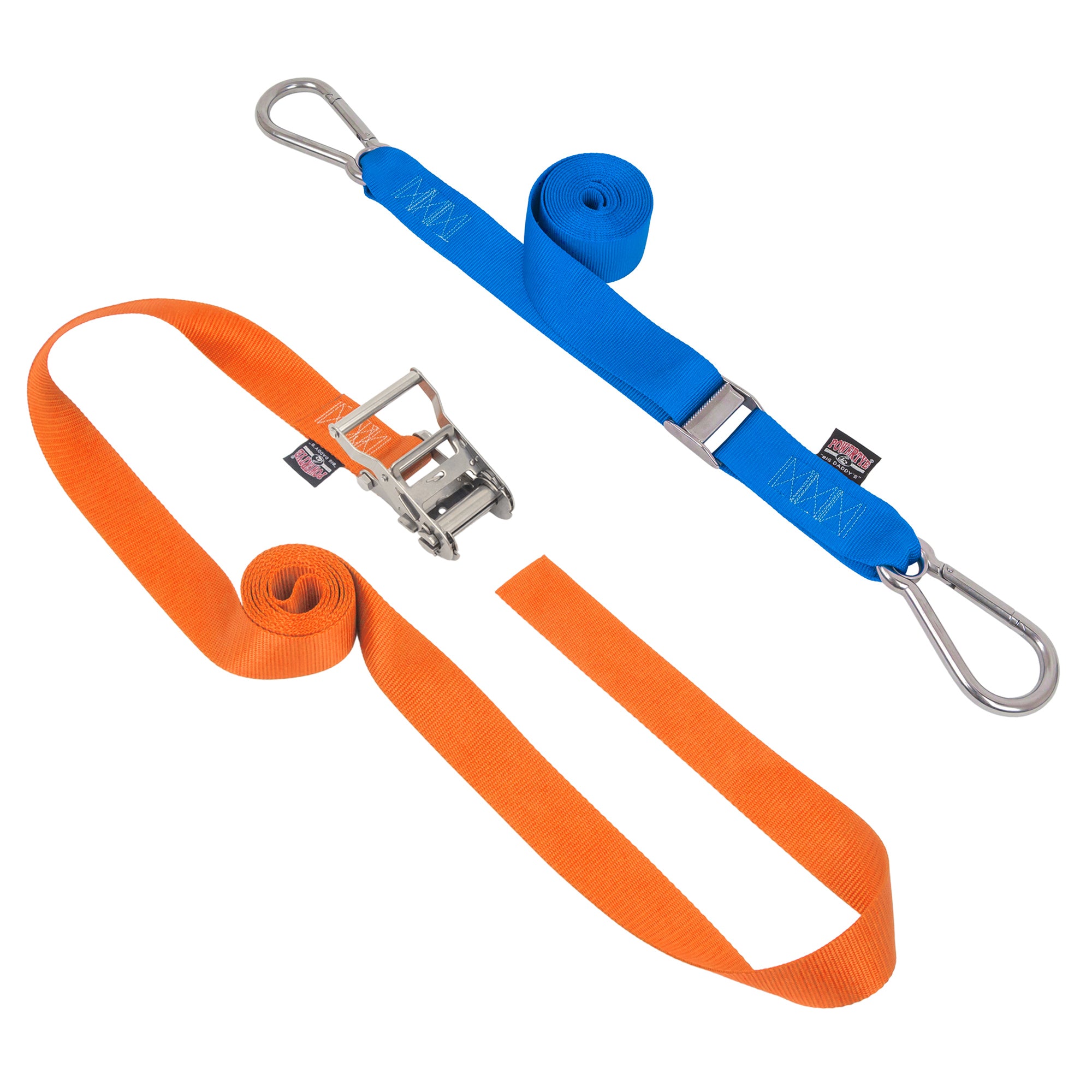
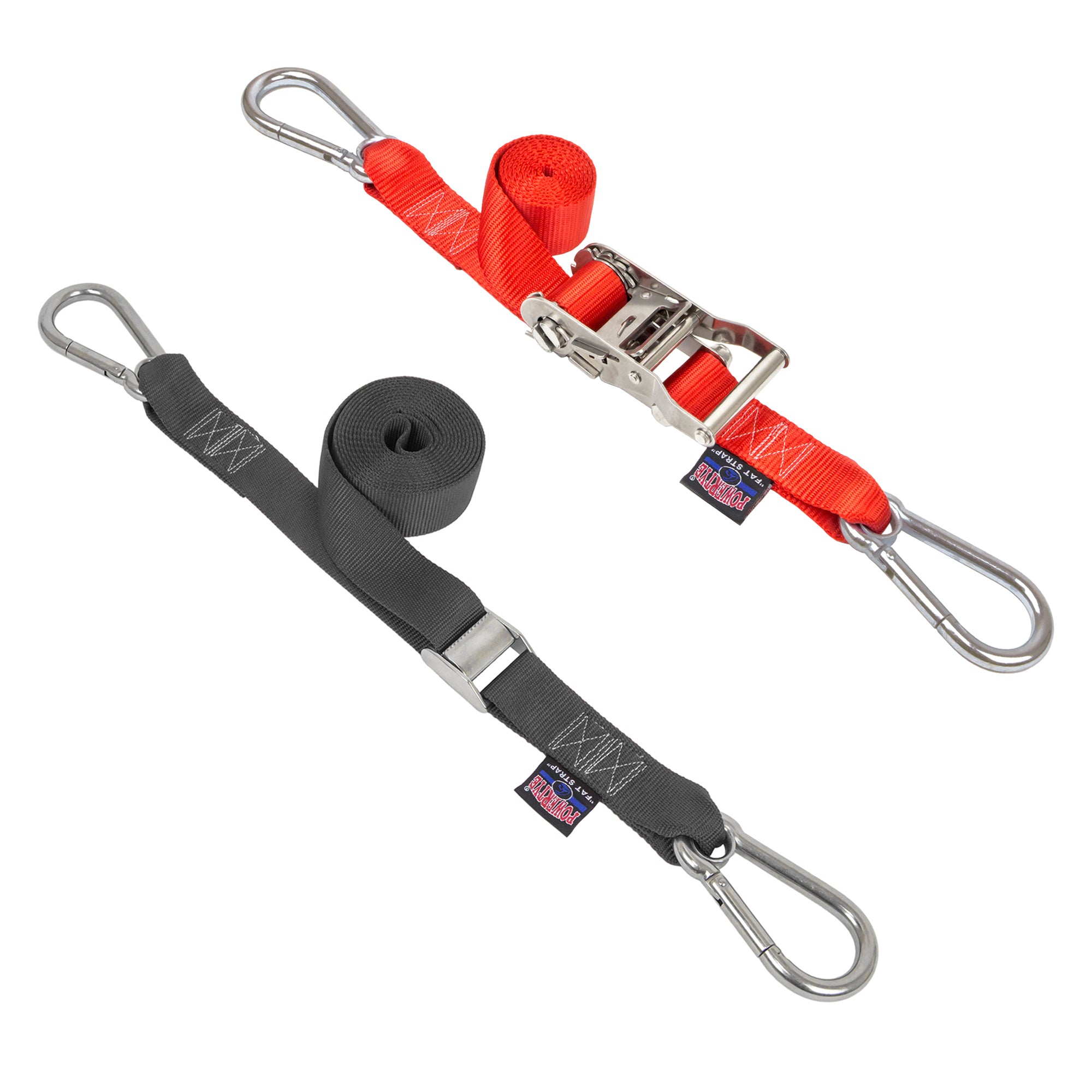
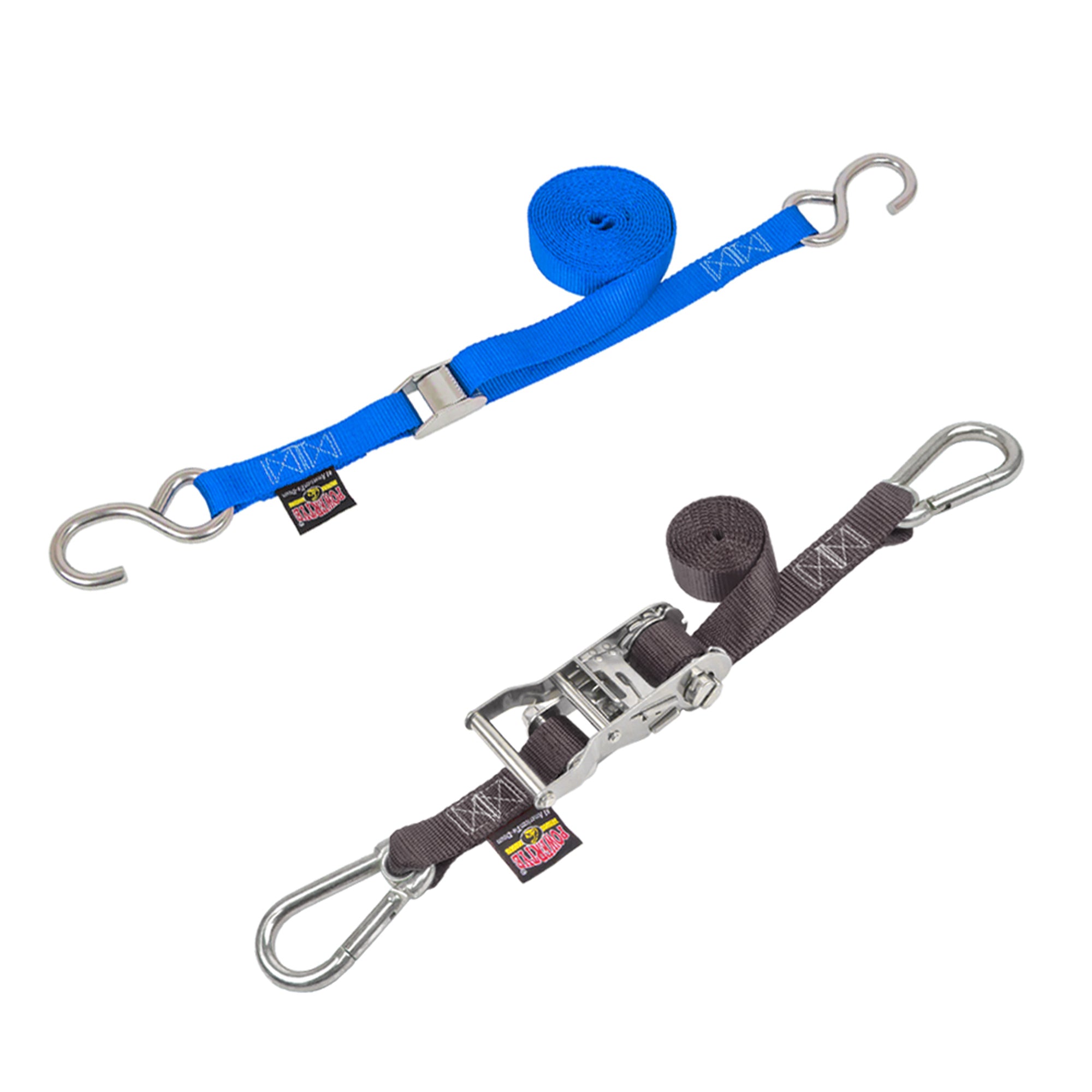
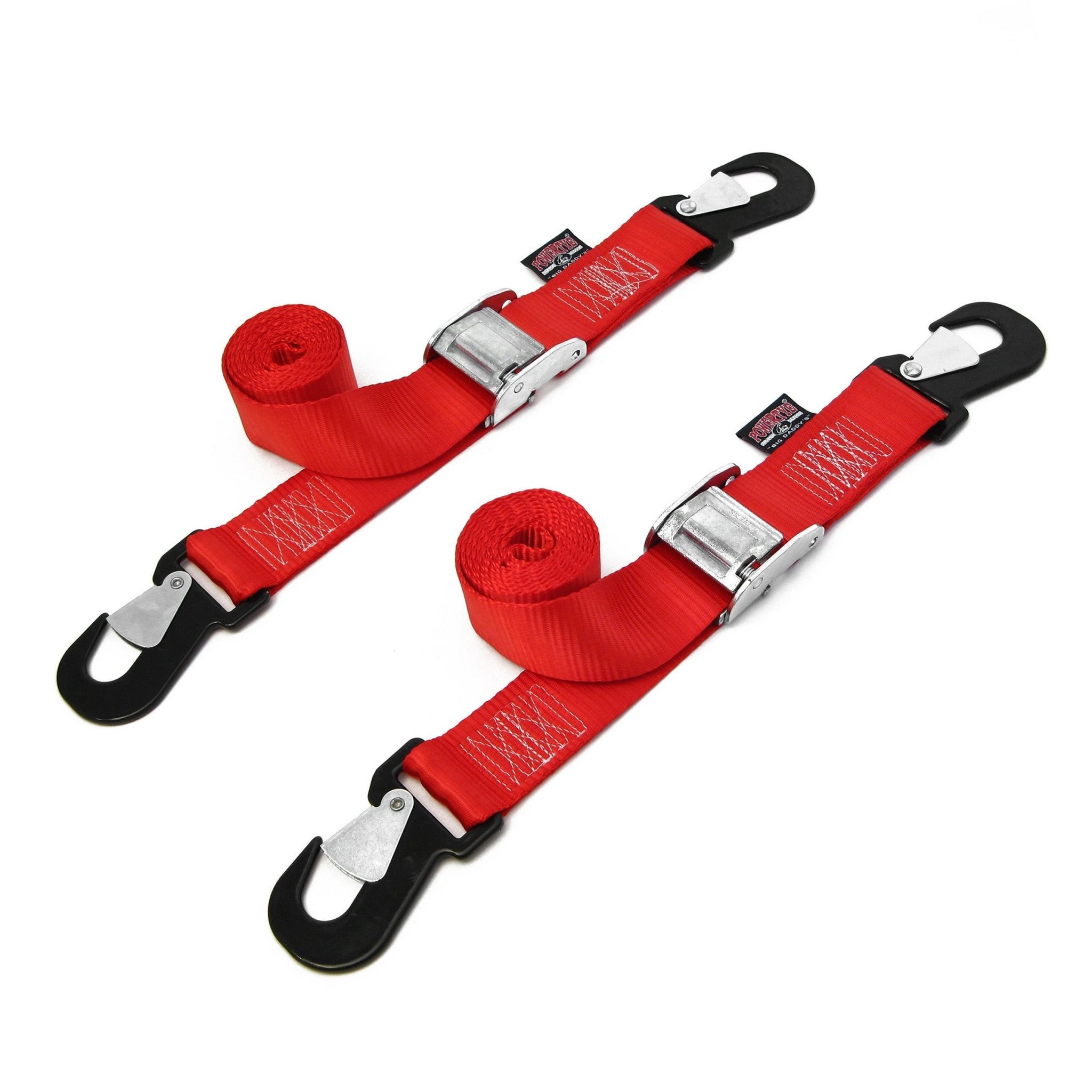
Stainless Steel Ratchet Straps: Built for Riders Who Demand More
If you trailer motorcycles, PWCs, ATVs, or other powersports equipment long enough, you eventually learn a hard lesson. Not all ratchet straps are built to survive real use. Rusted mechanisms, seized springs, and corroded hardware are common problems, especially if you ride near saltwater or store gear outdoors.
That is where stainless steel Ratchet straps earn their reputation.
As an experienced rider, I look for gear that lasts. I want straps that work the same way after hundreds of trips as they did on day one. Stainless steel ratchet straps are designed for exactly that kind of long-term reliability. They resist corrosion, maintain smooth operation, and hold up in harsh environments where standard steel hardware fails.
In this guide, you will learn how stainless steel Ratchet straps work, when they are worth the upgrade, how to use them correctly, and how to choose the right stainless steel ratchet straps from PowerTye. This is practical advice based on real trailering experience, not marketing fluff.
How Stainless Steel Ratchet Straps Work
At their core, stainless steel Ratchet straps function the same way as any ratchet strap. The difference is in the materials and long-term performance.
A ratchet strap consists of three main components:
-
Heavy-duty webbing
-
A ratcheting tension mechanism
-
End hardware such as hooks or loops
With stainless steel Ratchet straps, the ratchet mechanism and hardware are made from stainless steel instead of standard coated steel. This dramatically improves resistance to rust and corrosion.
When you pump the ratchet handle, the internal gears pull the webbing tighter in controlled increments. Once tension is applied, the ratchet locks in place and resists loosening from vibration or road shock.
The stainless steel construction ensures that the ratchet continues to operate smoothly even after exposure to water, salt, humidity, and temperature changes.
Why Stainless Steel Ratchet Straps Are Worth It
Many riders ask if stainless steel Ratchet straps are really necessary. The answer depends on how and where you ride.
Stainless steel ratchet straps are ideal if you:
-
Trailer near saltwater or brackish water
-
Wash equipment frequently
-
Store trailers outdoors
-
Ride year-round in wet or humid climates
-
Want maximum lifespan from your gear
Standard ratchets often start to rust internally, even if the exterior looks fine. Once corrosion sets in, the ratchet can bind, slip, or fail entirely.
Stainless steel Ratchet straps eliminate that weak point. They cost more upfront, but they save money and frustration over time.
Step-by-Step Guide: How to Use Stainless Steel Ratchet Straps Correctly
Step 1: Position the Load Properly
Before attaching any straps, make sure your motorcycle, PWC, or equipment is properly positioned on the trailer. Tires should be seated, hulls should rest flat, and nothing should be leaning or twisted.
Ratchet straps are for securing, not repositioning.
Step 2: Attach the Strap to a Solid Anchor Point
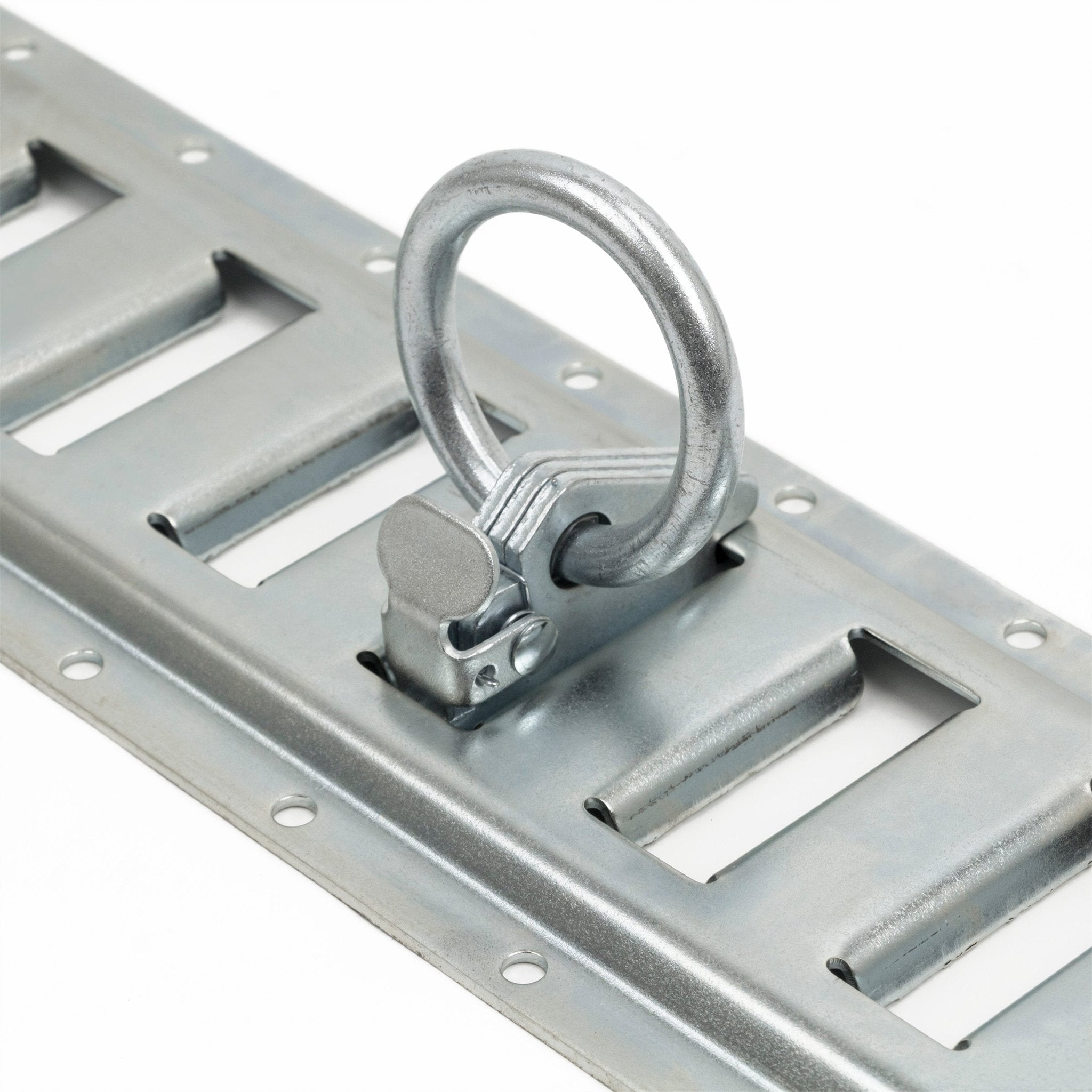
Hook one end of the stainless steel Ratchet strap to a strong anchor point on the trailer. Use designated tie-down points whenever possible.
Avoid thin rails, fenders, or non-structural components.
Step 3: Connect to the Load
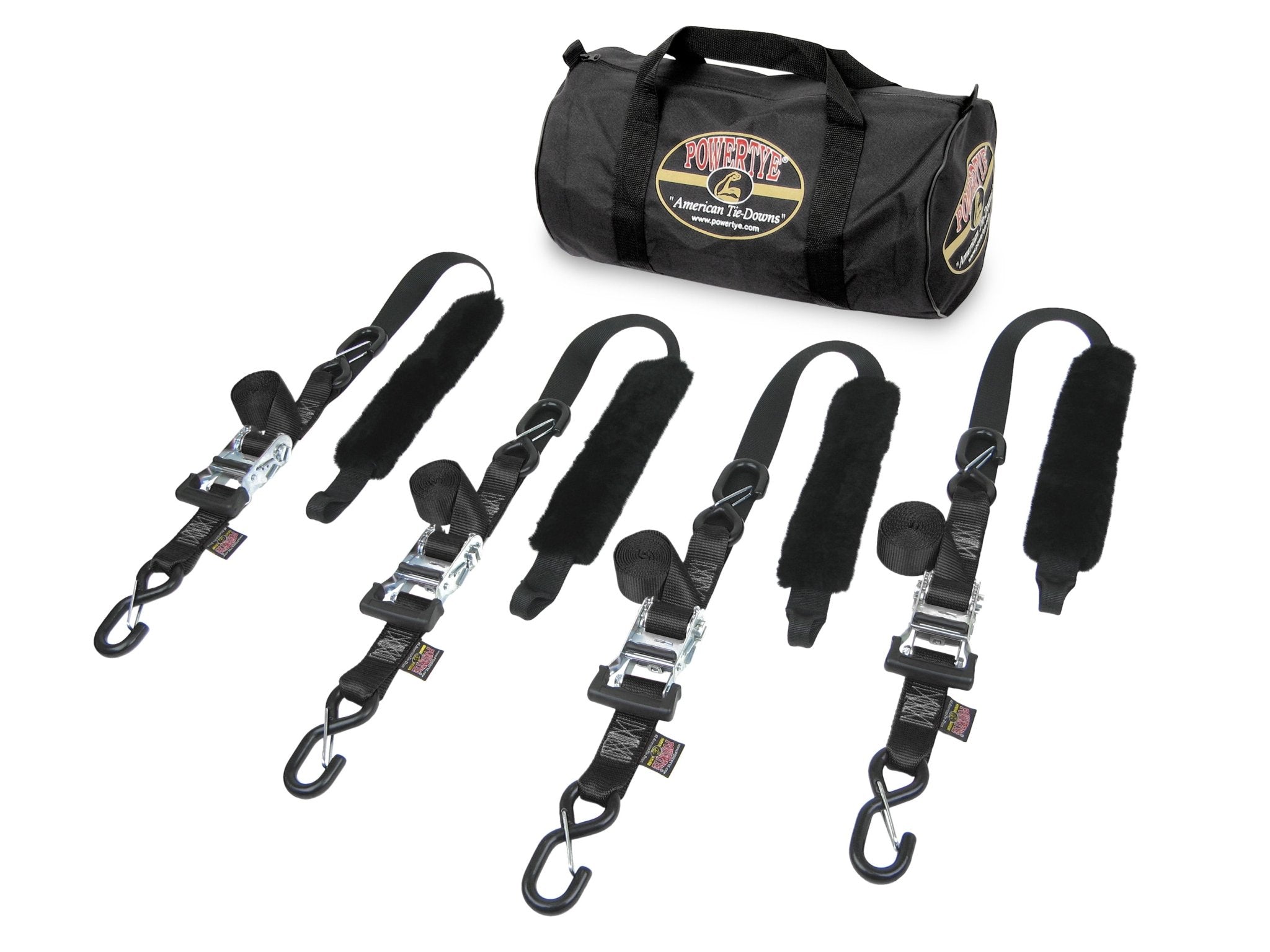
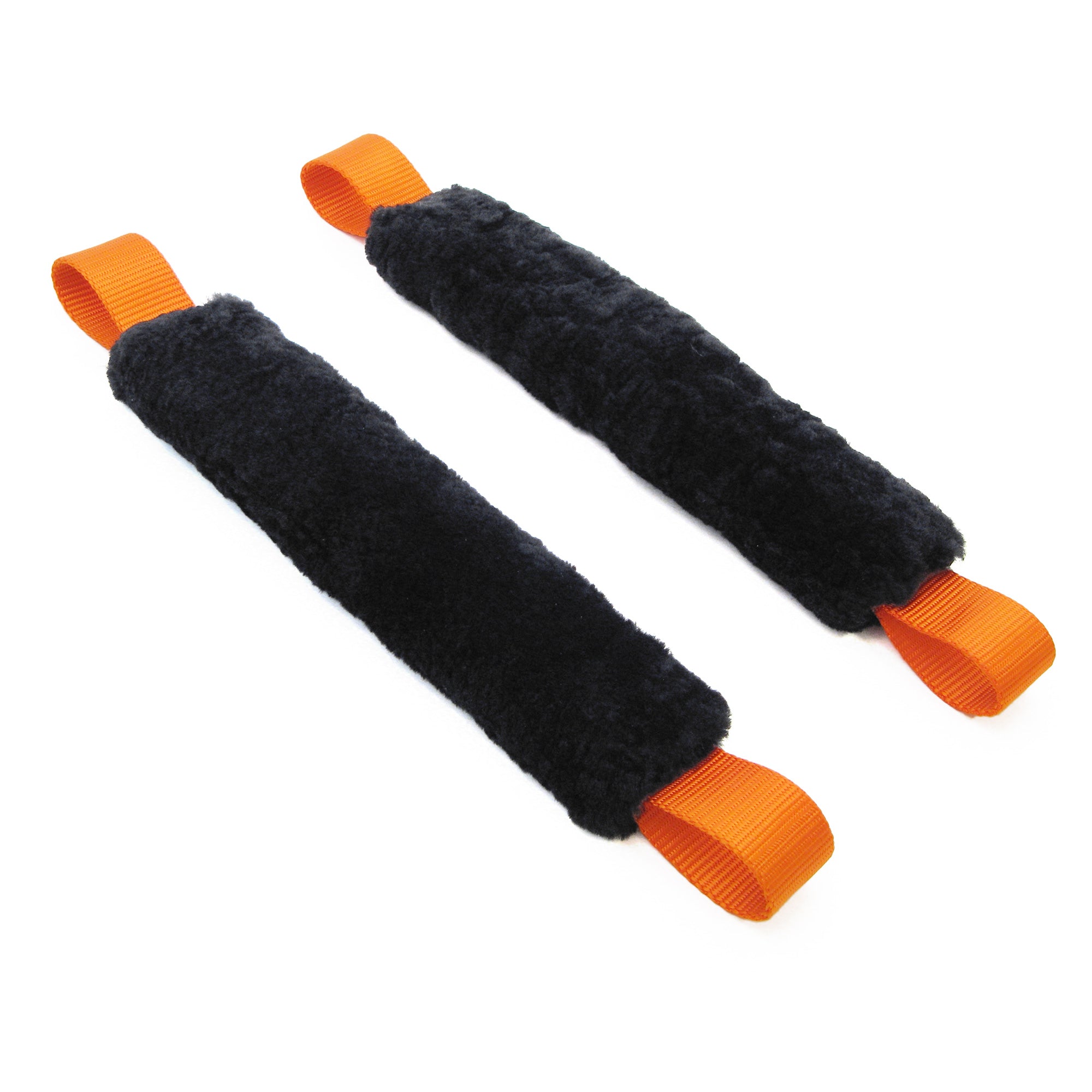
Attach the other end to a secure tie point on the vehicle or watercraft. For motorcycles and powersports equipment, soft loops are often used to protect handlebars, frames, or painted surfaces.
PowerTye stainless steel Ratchet straps are compatible with soft loop accessories for flexible attachment options.
Step 4: Remove Slack and Begin Ratcheting
Pull the webbing through the ratchet until most of the slack is removed. Then begin pumping the ratchet handle to apply tension.
Tighten gradually and evenly, especially if using multiple straps.
Step 5: Apply Proper Tension
Tighten until the load is secure and stable. The goal is to prevent movement, not to compress suspension or crush components.
Stainless steel Ratchet straps make it easy to apply smooth, controlled tension.
Step 6: Secure Excess Webbing
Secure any loose strap ends so they do not flap in the wind. Loose webbing wears out faster and can distract other drivers.
Step 7: Final Safety Check
Give the load a firm shake. It should feel solid with no independent movement. Double-check all hooks, ratchets, and anchor points before driving.
Common Mistakes to Avoid with Stainless Steel Ratchet Straps
Over-Tightening the Straps
The strength of stainless steel Ratchet straps makes it easy to apply too much force. Over-tightening can damage suspension components, hulls, or frames.
Tighten until secure, then stop.
Using Too Few Straps
Even the best straps cannot compensate for poor load distribution. Use enough straps to control forward, backward, and side-to-side movement.
Two straps are often the minimum, not the goal.
Attaching to Weak Points
Do not hook straps to parts that are not designed for load. Plastic components, thin brackets, and cosmetic parts can fail under tension.
Ignoring Strap Angles
Straps should pull in a direction that stabilizes the load. Straight down is not always ideal. Slight outward angles help control lateral movement.
Skipping Inspections
Stainless steel resists corrosion, but webbing still wears out. Inspect straps regularly and replace them when damaged.
Safety Tips for Using Stainless Steel Ratchet Straps
-
Always match strap rating to the weight of the load
-
Use at least two straps for stability
-
Check tension after the first few miles
-
Recheck straps during long trips
-
Replace damaged webbing immediately
Quality straps improve safety, but proper technique is just as important.
Choosing the Right PowerTye Stainless Steel Ratchet Straps
PowerTye offers stainless steel Ratchet straps designed for riders who want maximum durability and corrosion resistance. When selecting the right straps, consider how you trailer and where you ride.
Stainless Steel Ratchet Tie-Down Straps
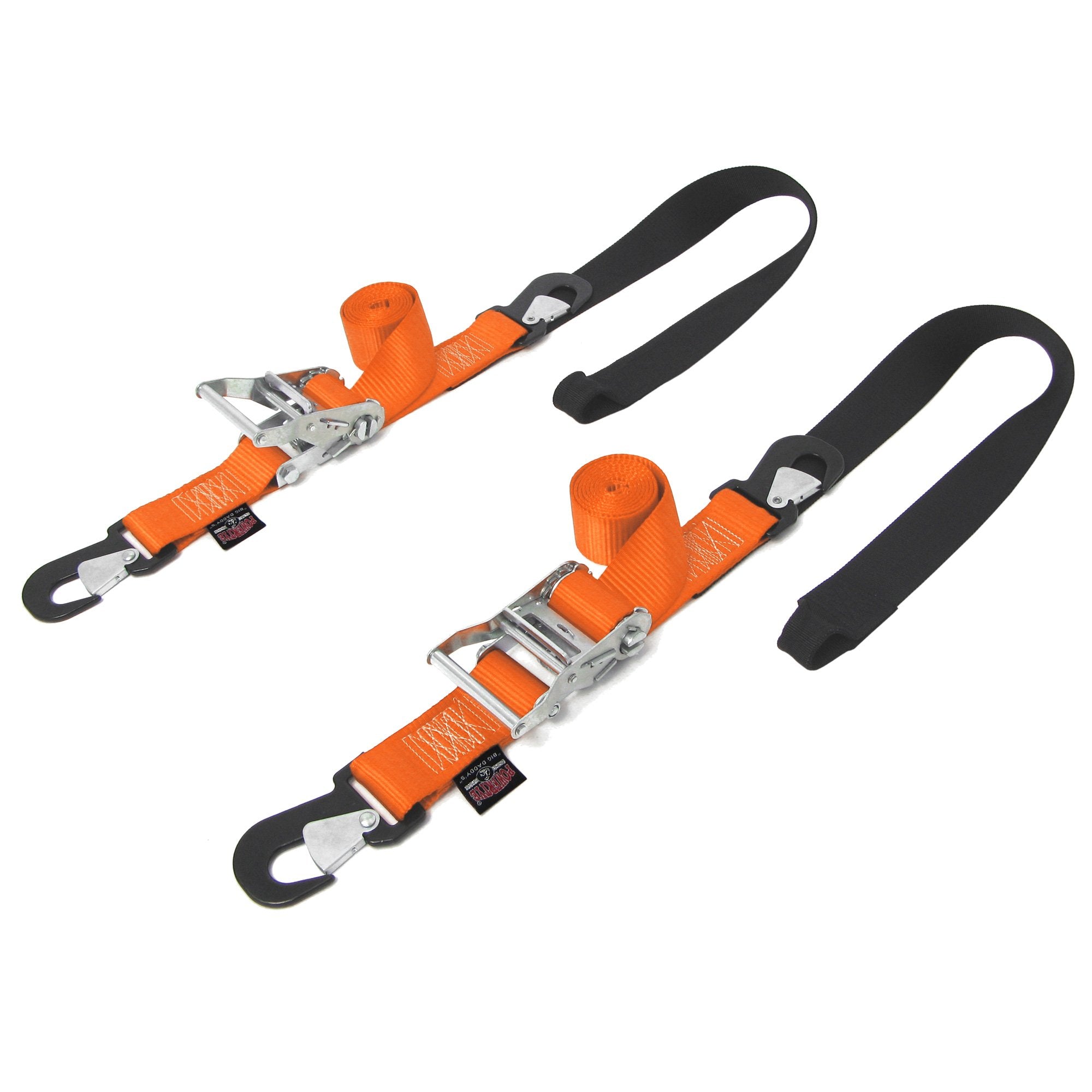
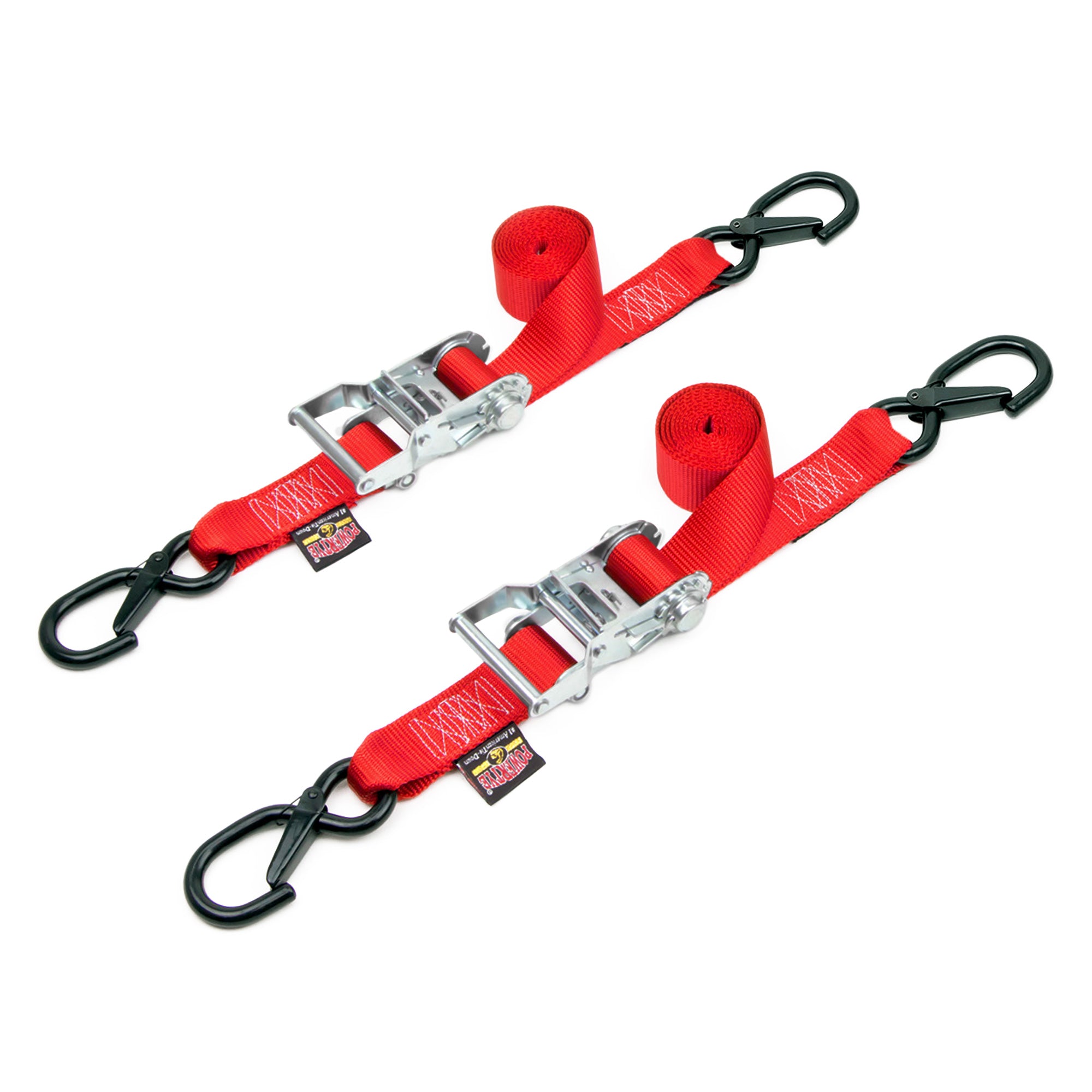
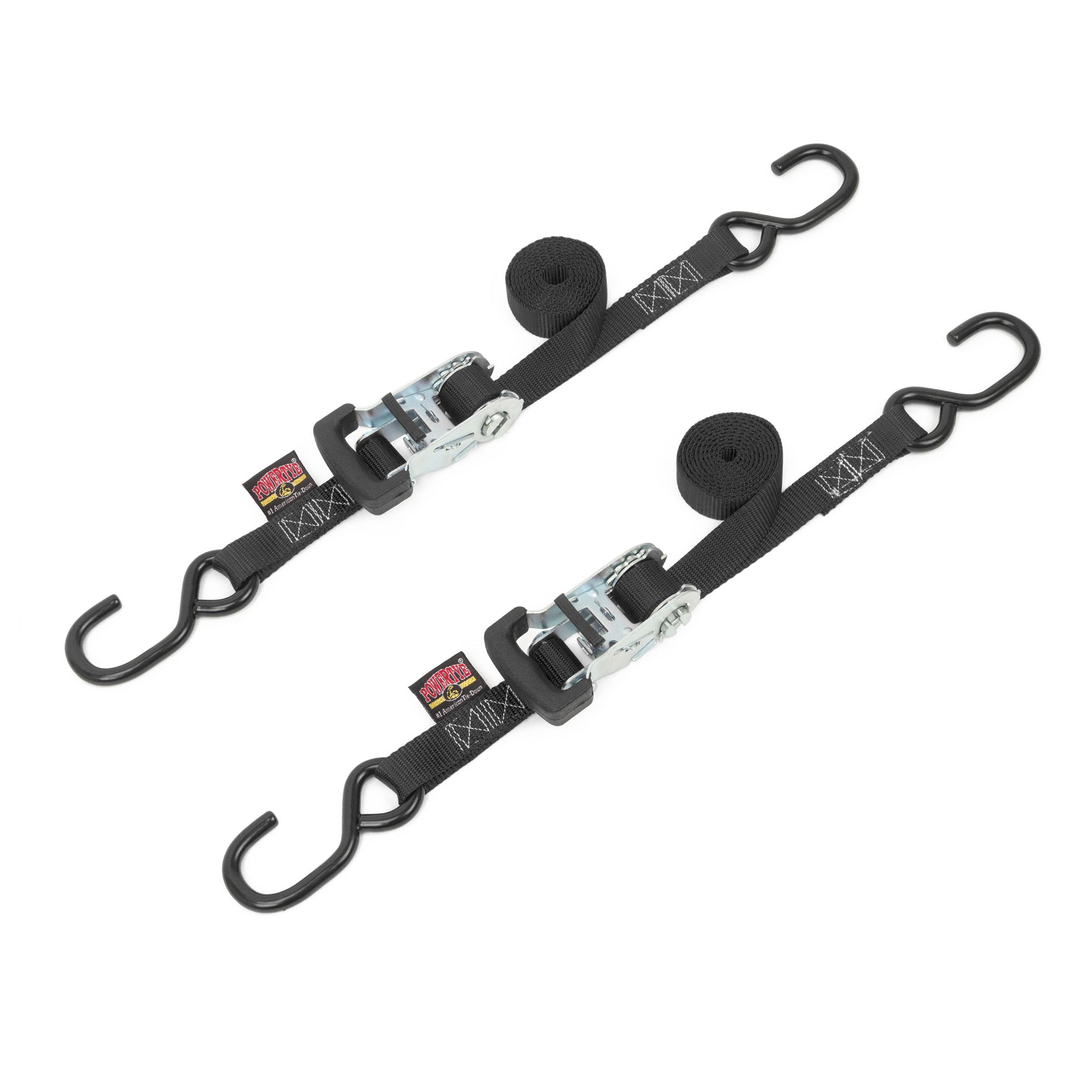
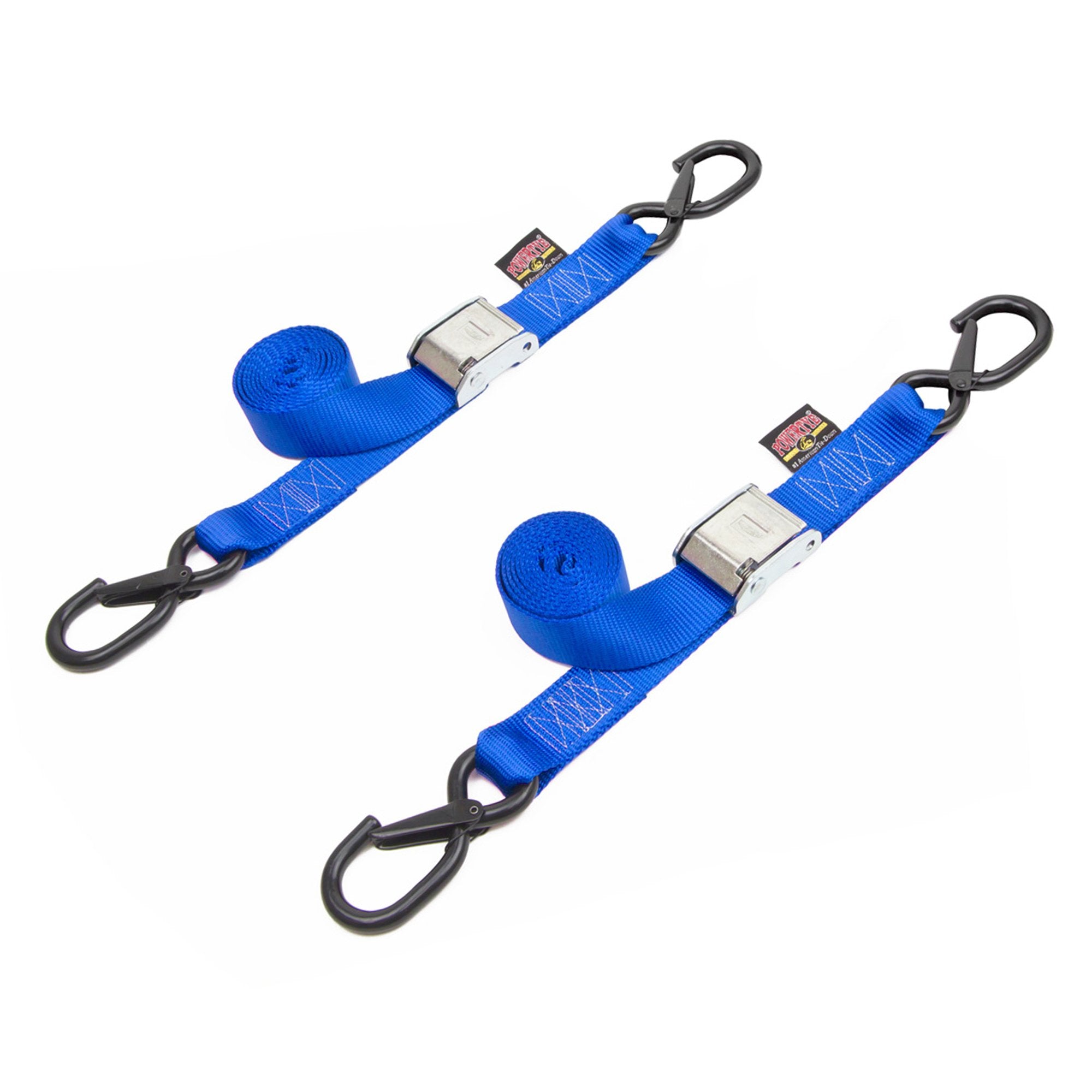
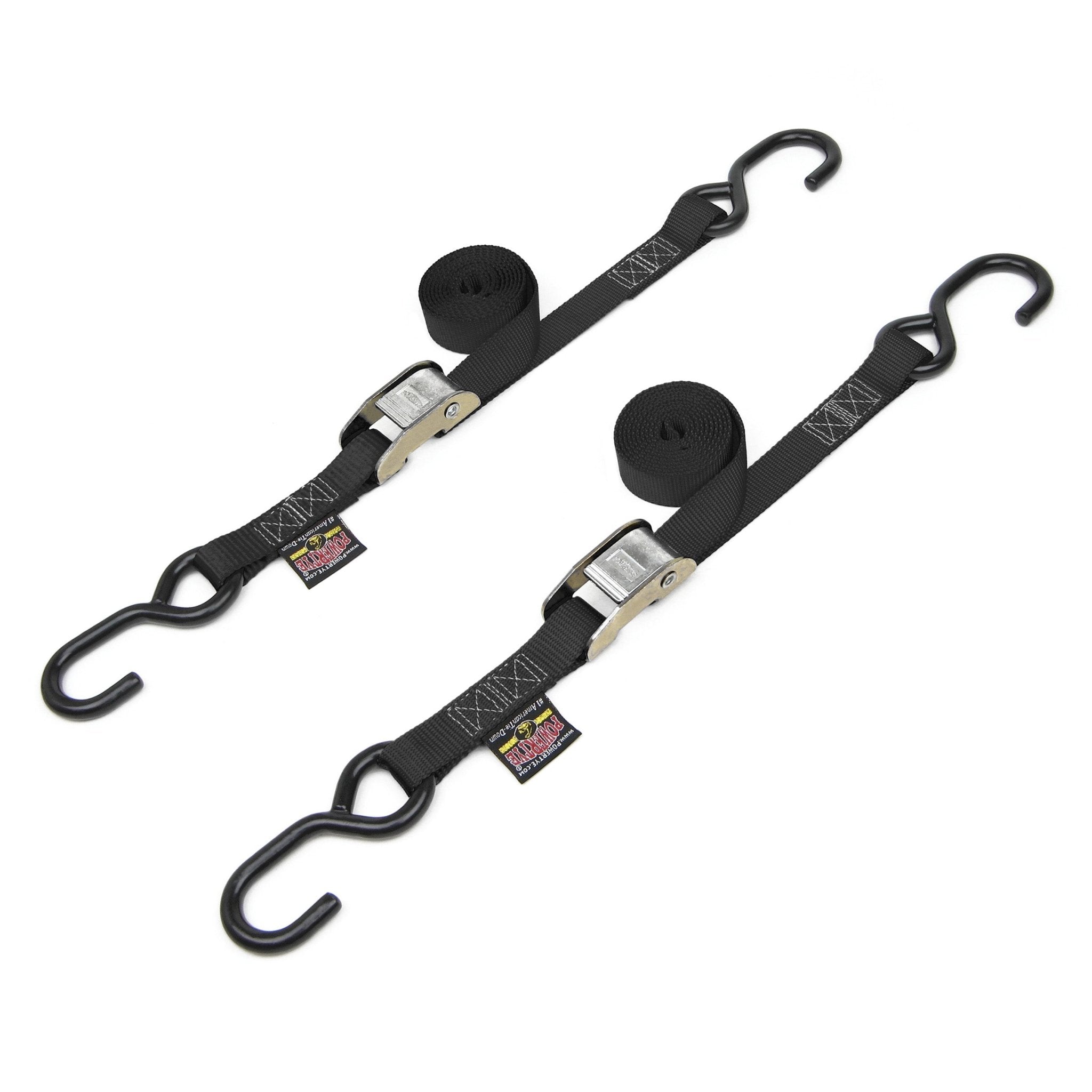
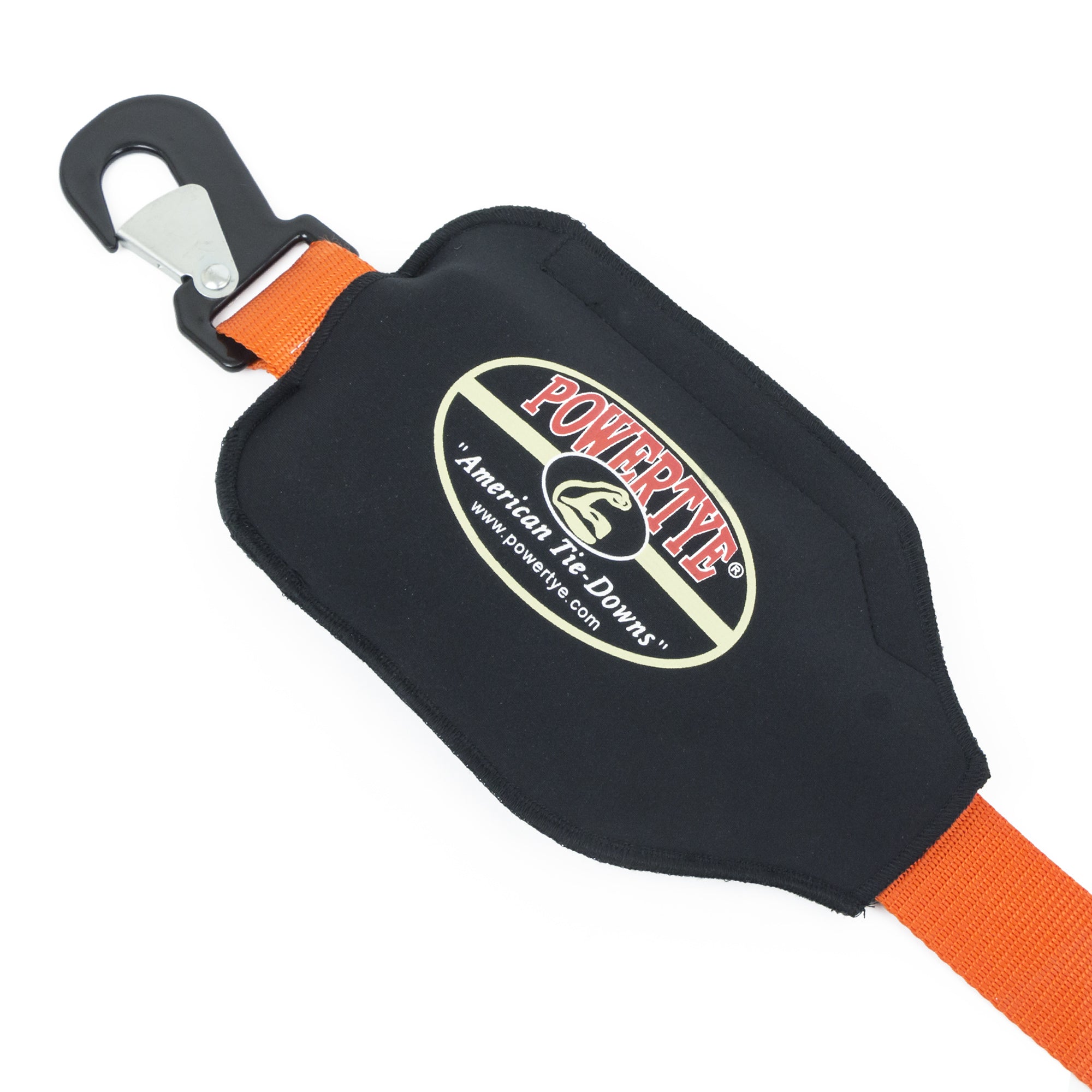
PowerTye stainless steel ratchet tie-down straps are built with stainless steel ratchet mechanisms and hardware for long-term reliability. They are ideal for marine environments, coastal riders, and anyone who wants gear that lasts.
These straps are well-suited for:
-
Motorcycles
-
Personal watercraft
-
ATVs and UTVs
-
Utility trailers
Pairing with Soft Loops
Soft loops are a smart addition when using stainless steel Ratchet straps. They allow you to create secure attachment points without metal-on-metal contact.
This helps protect finishes and gives you more flexibility when securing different loads.
Selecting the Right Length and Rating
Choose straps that are long enough for your trailer setup without excessive slack. Always select a working load rating that exceeds the weight of what you are securing.
More capacity means more margin for safety.
Maintenance and Care for Stainless Steel Ratchet Straps
One of the biggest advantages of stainless steel Ratchet straps is reduced maintenance, but they still benefit from proper care.
Cleaning After Use
Rinse straps with fresh water after exposure to salt, dirt, or grime. This keeps the webbing clean and the ratchet mechanism operating smoothly.
Allow straps to dry completely before storage.
Regular Inspection
Check the webbing for fraying, cuts, stiffness, or fading. Inspect stitching near the ratchet and hooks for wear.
Even stainless steel straps should be replaced if the webbing is compromised.
Storage Tips
Store straps in a dry place out of direct sunlight. UV exposure weakens webbing over time, regardless of hardware material.
Coiling straps neatly prevents tangles and unnecessary wear.
When to Replace Straps
If a strap shows visible damage or no longer tightens smoothly, replace it. Stainless steel Ratchet straps last longer, but nothing lasts forever.

Stainless Steel Ratchet Straps FAQ
What makes stainless steel Ratchet straps different?
They use stainless steel ratchet mechanisms and hardware, which resist rust and corrosion better than standard steel components.
Are stainless steel Ratchet straps stronger than regular straps?
Strength depends on rating, not material alone. Stainless steel improves durability and reliability, especially in wet environments.
Are stainless steel Ratchet straps worth the extra cost?
Yes, especially for marine use, coastal environments, or frequent trailering. They last longer and perform more consistently over time.
Can stainless steel Ratchet straps be used for motorcycles?
Yes. PowerTye stainless steel Ratchet straps are well-suited for motorcycles and other powersports equipment when used correctly.
Do stainless steel ratchets still need maintenance?
Less than standard ratchets, but regular inspection and cleaning are still important for the webbing.
Will stainless steel Ratchet straps rust at all?
Stainless steel resists rust far better than standard steel, but keeping them clean and dry maximizes lifespan.
How many straps should I use?
Use enough straps to fully stabilize the load. Two is the minimum for most applications, but more may be required depending on size and weight.
Final Thoughts and Why PowerTye Stainless Steel Ratchet Straps Stand Out
If you ride hard, trailer often, or spend time around water, stainless steel Ratchet straps are one of the smartest upgrades you can make. They eliminate common failure points, reduce maintenance, and provide peace of mind on every trip.
PowerTye stainless steel ratchet straps are built for riders who expect their gear to perform in real conditions, not just look good on the shelf. They are durable, dependable, and designed with the same attention to detail that serious riders demand.
If you are tired of replacing rusted straps or dealing with seized ratchets, it is time to upgrade.
Shop PowerTye stainless steel Ratchet straps and secure your gear with confidence on every mile.