



The Best Way to Strap a Car on a Trailer: A Complete PowerTye Guide for Safe, Professional Transport
Introduction
Strapping a car onto a trailer is not something you want to improvise. Anyone who has hauled a vehicle more than once knows that weight, momentum, and road conditions magnify even small mistakes. Understanding the best way to strap a car on a trailer is essential for protecting the vehicle, the trailer, and everyone sharing the road with you. Within the first hundred words it matters to clearly explain the best way to strap a car on a trailer because vehicle transport involves forces far greater than motorcycles or light equipment.
PowerTye has earned trust among riders, racers, and professional haulers by building tie down systems that work under real world stress. Their ratchet straps, over wheel ratchet straps, axle straps, soft ties, and TrackStar L Track systems are designed to secure vehicles without shortcuts or guesswork. In this guide you will learn how car tie downs work, how to strap a car step by step, what mistakes to avoid, safety habits that matter, how to choose the right PowerTye products, and how to maintain your gear for years of reliable service.
How Car Tie Down Systems Work
To understand the best way to strap a car on a trailer, you must first understand how a vehicle behaves during transport. A car on a trailer experiences forward force during braking, backward force during acceleration, lateral force during turns, and vertical movement from road vibration. A proper tie down system must control all of these forces at the same time.
There are two primary methods used to secure cars. One method secures the vehicle by the frame or axles. The other secures the vehicle by the tires using over wheel ratchet straps. Both methods can be effective when done correctly, but over wheel systems have become the preferred option for many haulers because they allow the suspension to move naturally while the tires remain locked to the trailer deck.
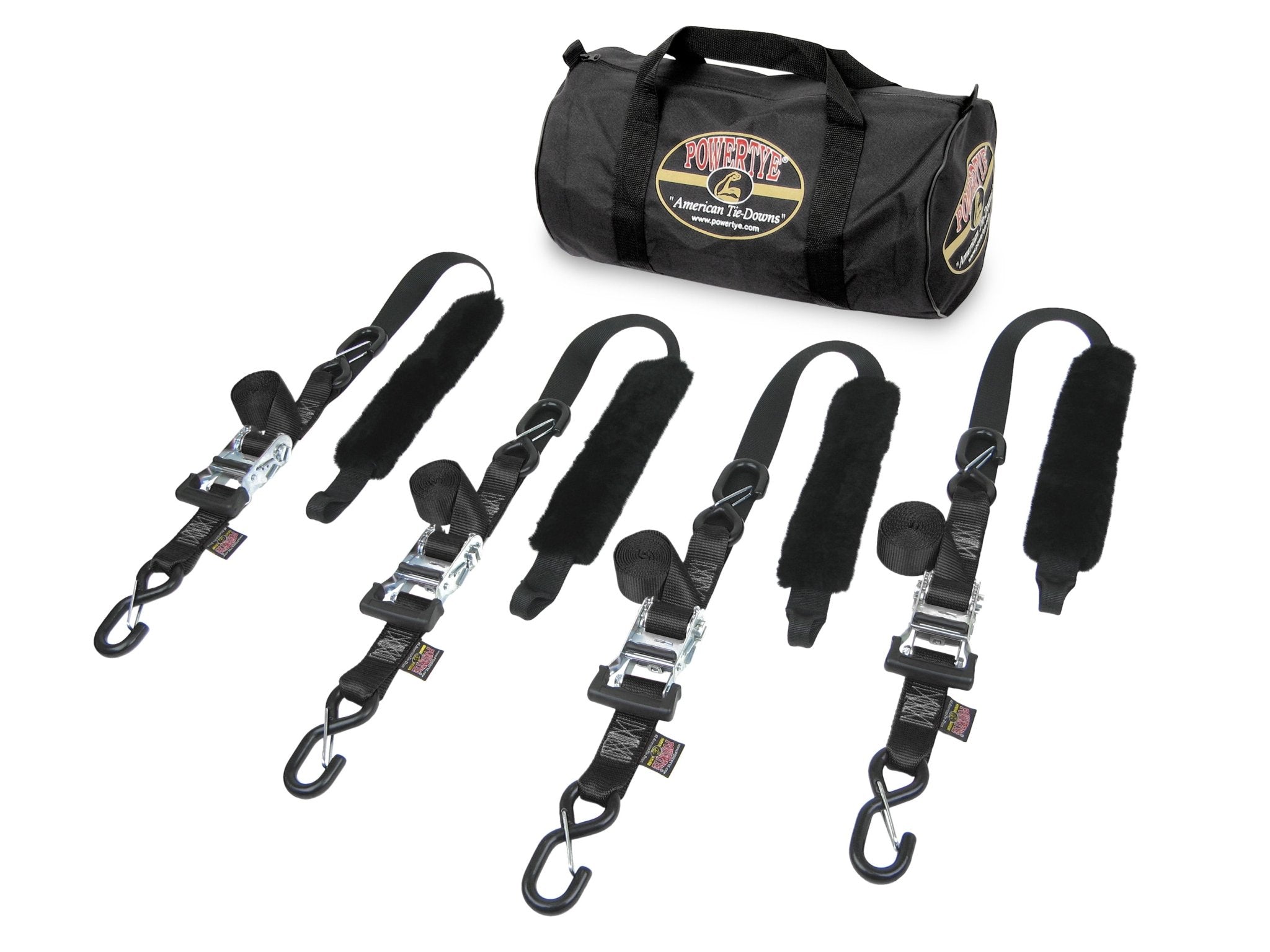
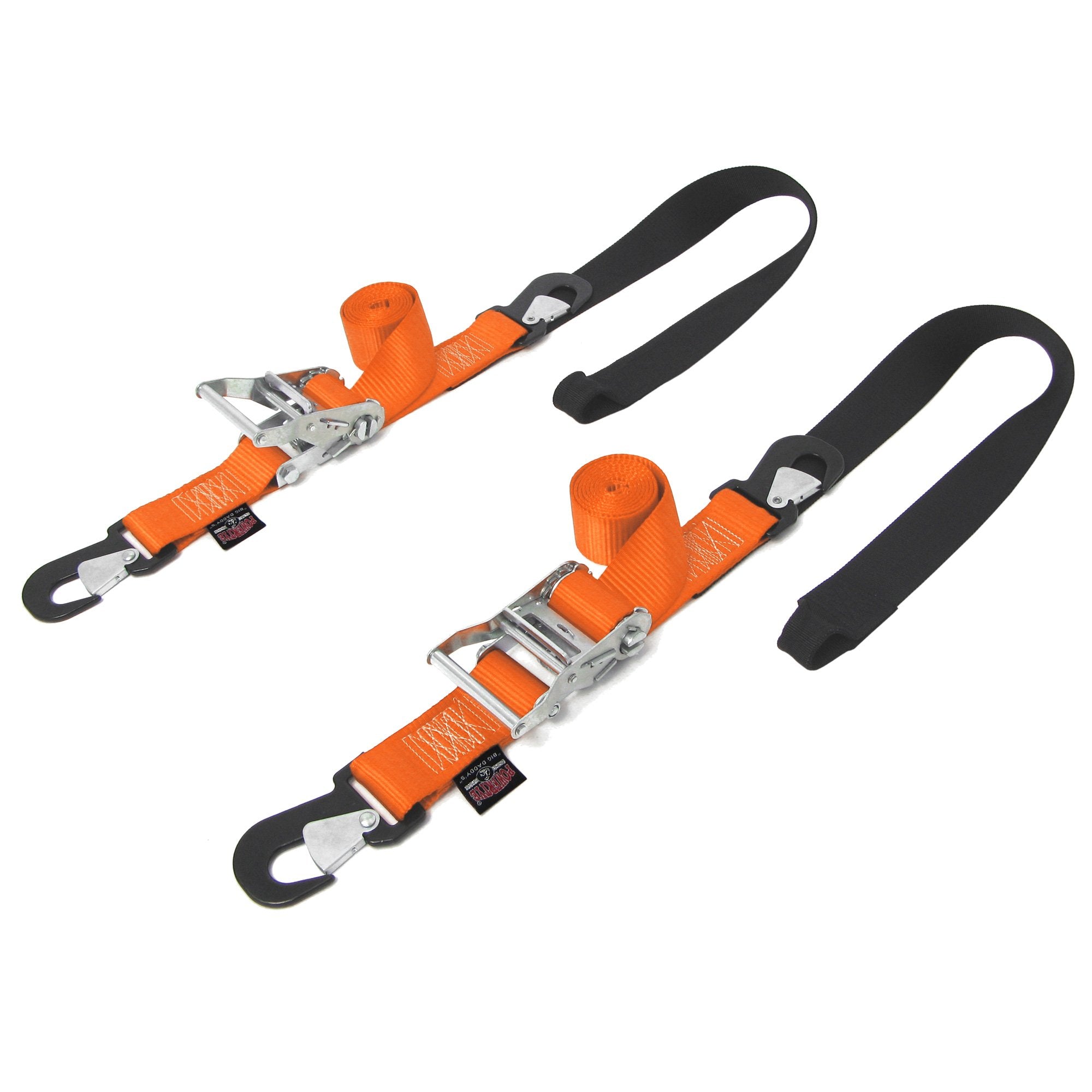
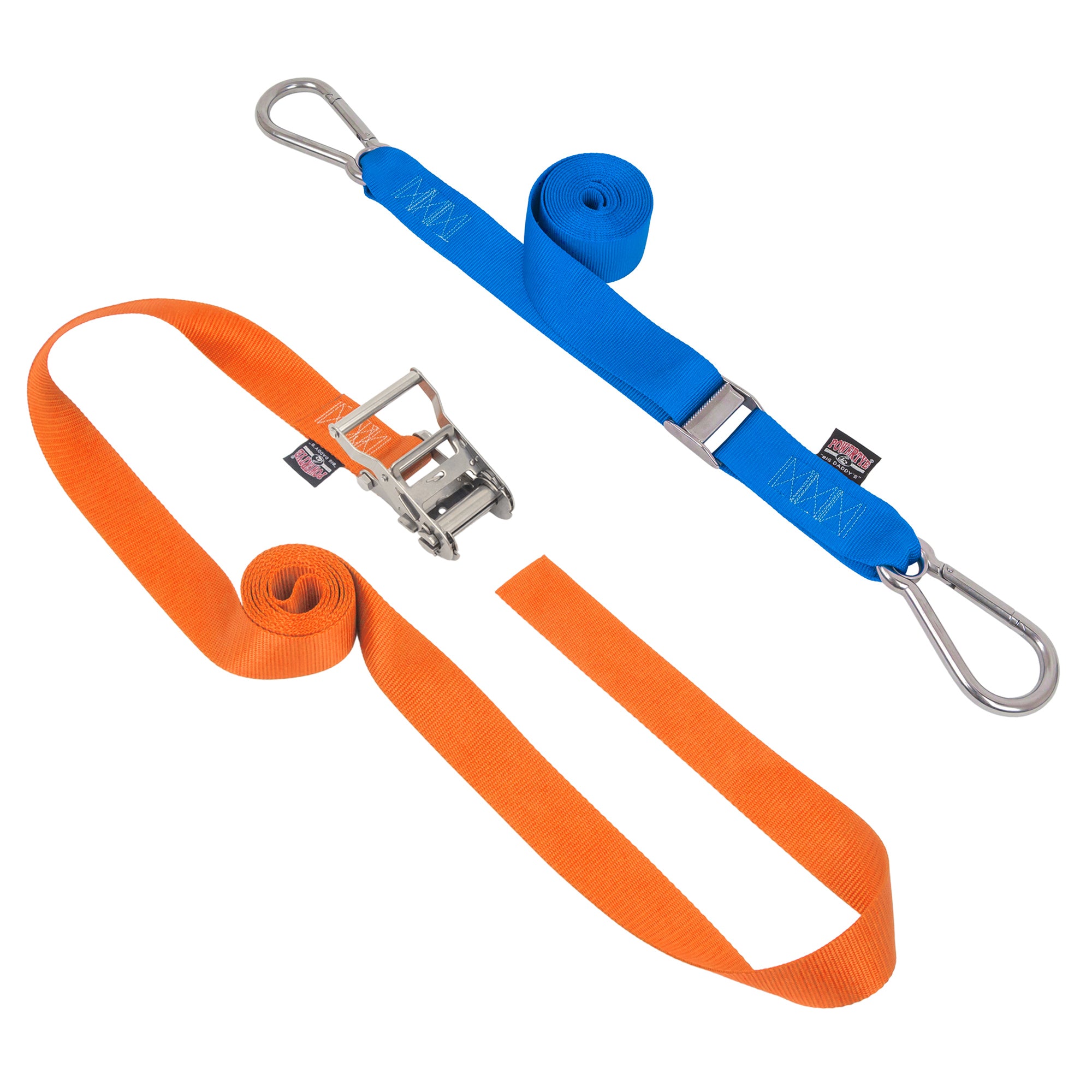
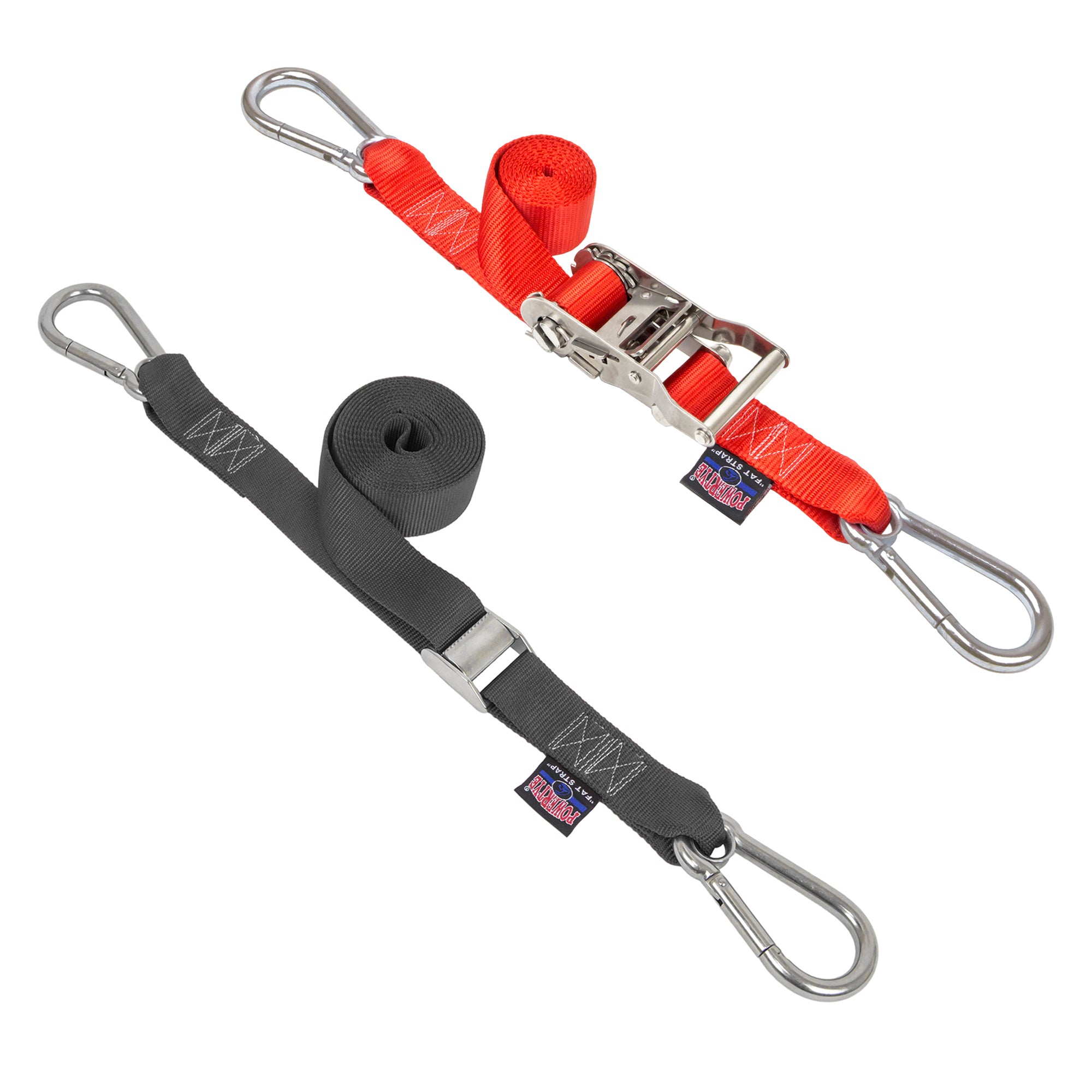
PowerTye over wheel ratchet straps work by cradling the tire and pulling it downward against the trailer. This keeps the car stable without compressing suspension components. PowerTye ratchet straps and axle straps are often used when the vehicle design or trailer setup requires frame based securement. In both cases, controlled tension and proper angles are the key to stability.
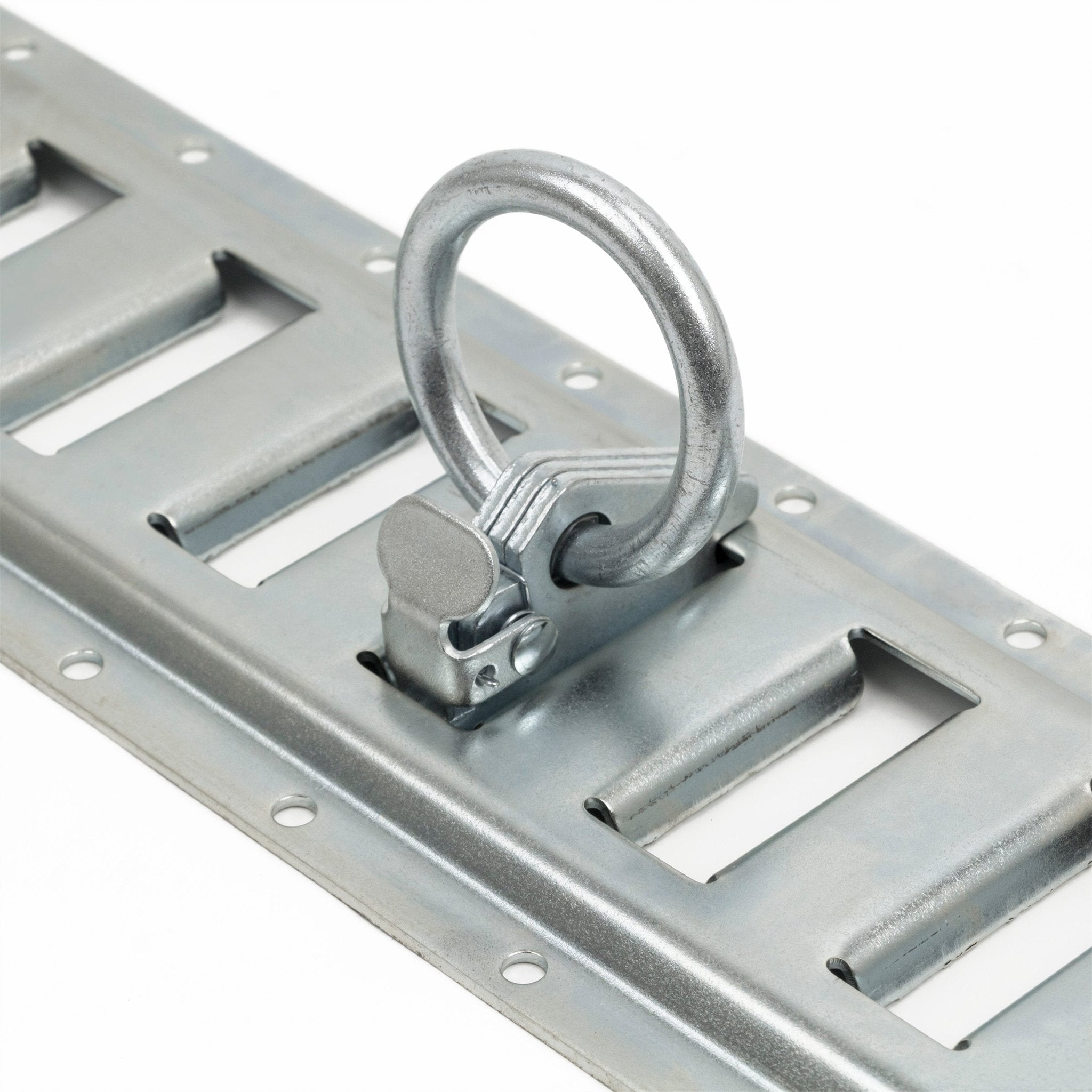
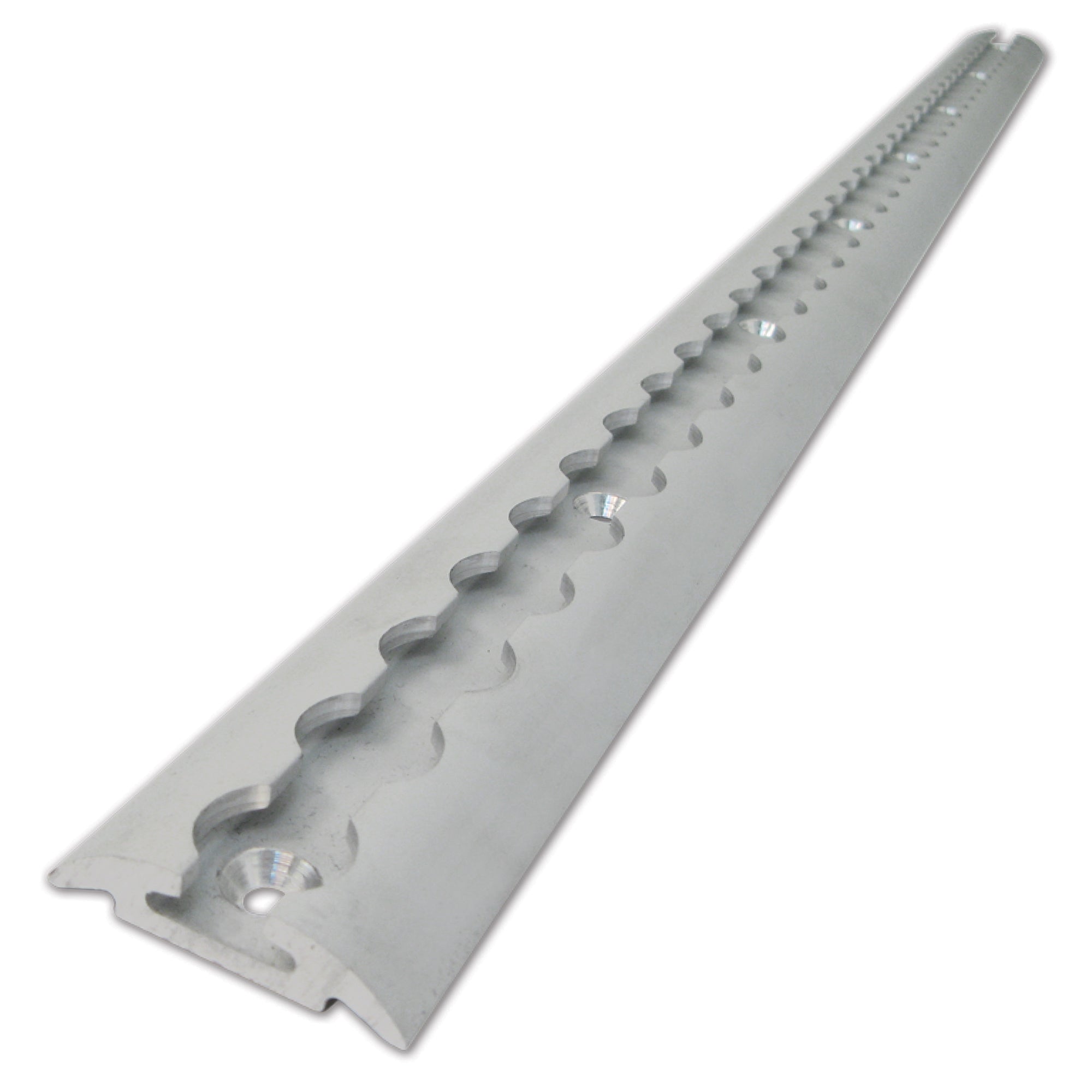
A strong anchor system is also critical. TrackStar L Track rails create adjustable anchor points that allow perfect strap placement for different vehicles. Fixed D rings work as well when properly rated and installed. The system only works when every component does its job.
Step by Step Guidance: The Best Way to Strap a Car on a Trailer
Following a consistent process removes uncertainty and keeps every haul predictable. The steps below outline the best way to strap a car on a trailer using PowerTye equipment.
1. Position the Car Correctly on the Trailer
Drive or winch the car onto the trailer slowly and center it left to right. Weight distribution matters. The car should sit slightly forward of the trailer axle to maintain proper tongue weight and prevent sway.
Straighten the wheels and engage the parking brake before beginning the tie down process.
2. Choose the Correct Tie Down Method
Decide whether you are securing by the tires or by the frame.
For most cars, over wheel ratchet straps offer the cleanest and safest solution. For vehicles with limited tire access or specialty setups, axle straps and ratchet straps may be required.
PowerTye offers both options so you can match the method to the vehicle.
3. Using Over Wheel Ratchet Straps
Place one PowerTye over wheel ratchet strap over each tire. The strap should sit flat across the tread and center itself over the wheel.
Attach the strap ends to solid anchor points on the trailer. TrackStar L Track fittings work especially well because they allow perfect alignment.
Tighten the ratchets evenly. The goal is to pull the tires firmly into the trailer deck without distorting the tire.
Repeat this process for all four wheels. A four point over wheel system creates excellent stability.
4. Using Axle Straps and Ratchet Straps
If securing by the frame or axles, wrap PowerTye axle straps around solid structural components. Avoid brake lines, suspension arms, exhaust components, or body panels.
Connect PowerTye ratchet straps from the axle straps to the trailer anchor points.
Front straps should pull downward and forward. Rear straps should pull downward and backward. Tighten gradually and evenly.
Do not over compress the suspension. The vehicle should settle but still retain normal suspension movement.
5. Check Strap Angles and Tension
Straps should lie flat with no twists. Twisting weakens webbing and reduces load capacity.
Make sure hooks are fully seated and not riding on the edge of anchor points.
The car should not move when pushed firmly from the side.
6. Perform a Final Walk Around
Inspect all straps, hooks, and anchor points. Look for contact with sharp edges or heat sources.
Release the parking brake briefly to confirm the car does not shift, then reengage it.
The best way to strap a car on a trailer always includes this final inspection.
Common Mistakes to Avoid
Even quality equipment cannot compensate for poor technique. These mistakes are responsible for most transport failures.
Using too few straps is a major error. A car requires a minimum of four securement points. Redundancy adds safety.
Over tightening is another common mistake. Crushing suspension components or distorting tires creates unnecessary stress. Controlled tension is the goal.
Under tightening allows movement. Any ability for the car to shift increases the chance of straps loosening mid transport.
Using worn straps is risky. Frayed webbing, faded material, bent hooks, or rusted ratchets should be replaced immediately. PowerTye straps are durable, but all equipment has a service life.
Improper anchor points cause failures. Always use load rated trailer anchors or TrackStar L Track systems.
Skipping early rechecks is dangerous. Straps settle during the first miles of travel. A short stop to retighten prevents most issues.
Safety Tips for Transporting a Car
Safe hauling comes from habits, not shortcuts.
Inspect all straps before every trip. Look for cuts, loose stitching, or damaged hardware.
Use even tension on all straps. One overly tight strap carries more load and wears faster.
Avoid sharp edges and hot components. Exhaust heat will destroy webbing quickly.
Check straps before highway speeds and again at fuel stops.
Load heavier vehicles forward to maintain proper trailer balance.
Never rely on the parking brake alone. Straps are the primary securement system.
Product Selection Guidance from PowerTye
PowerTye offers vehicle transport solutions designed for serious hauling.
PowerTye over wheel ratchet straps are ideal for most cars. They secure the vehicle by the tires and allow the suspension to move naturally.
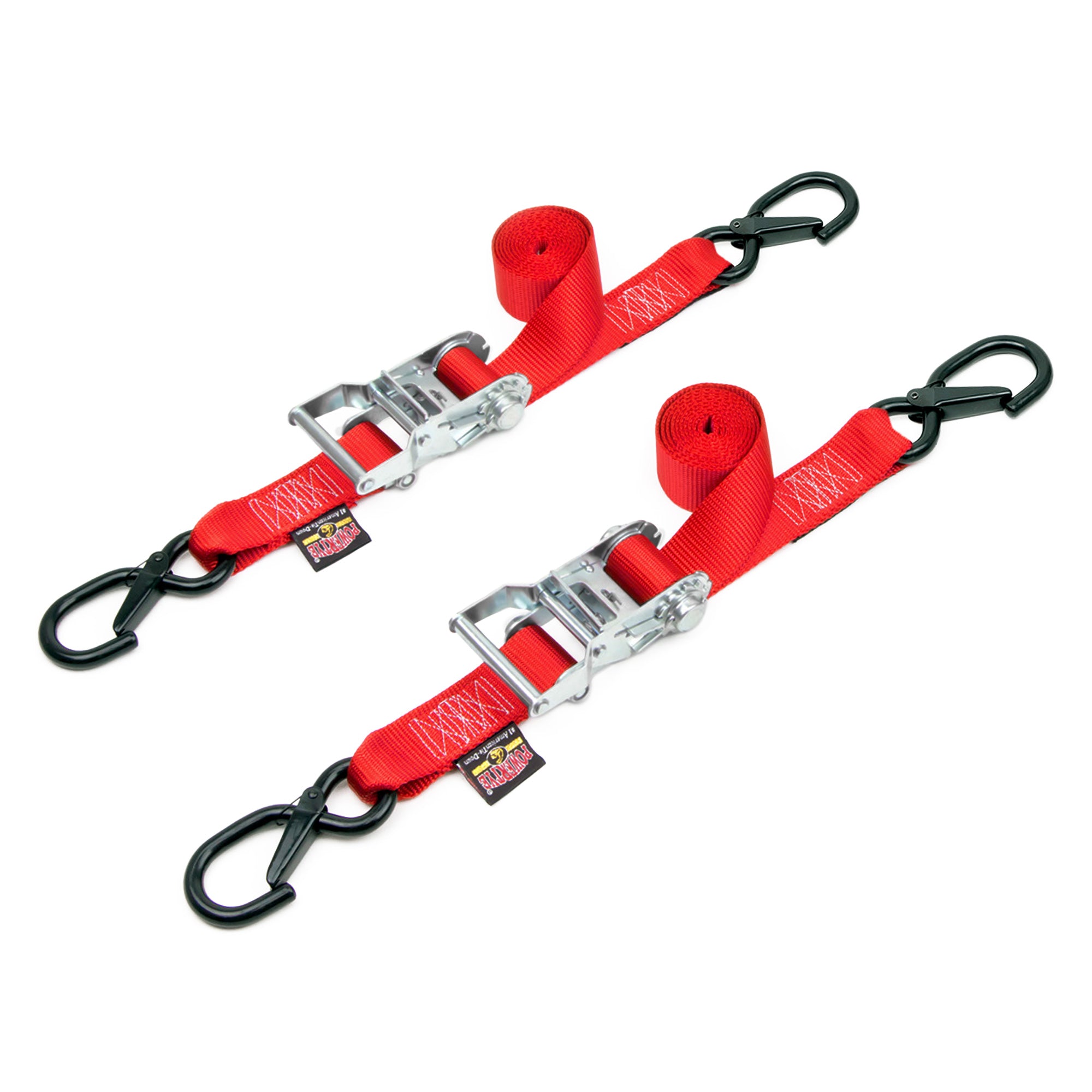
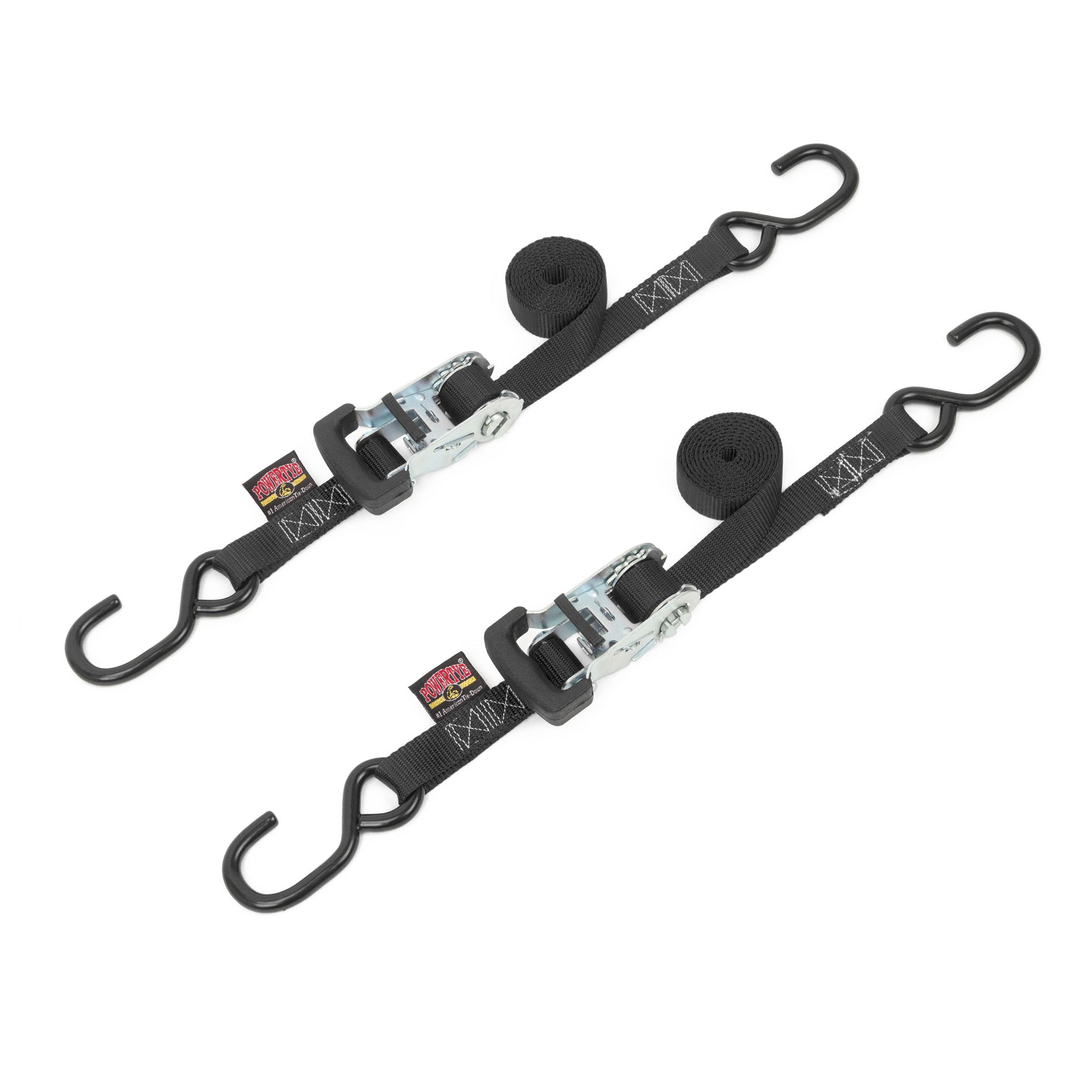
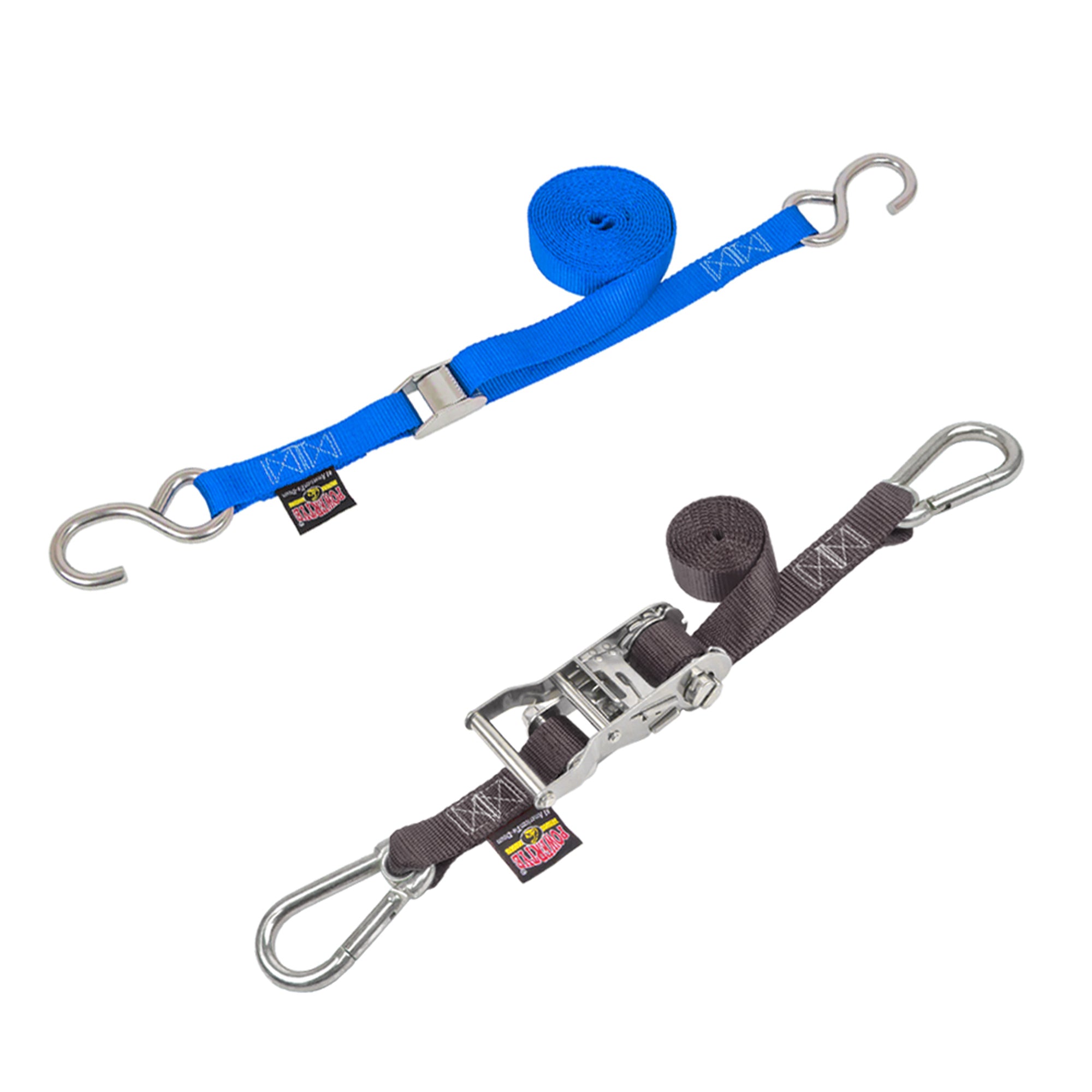
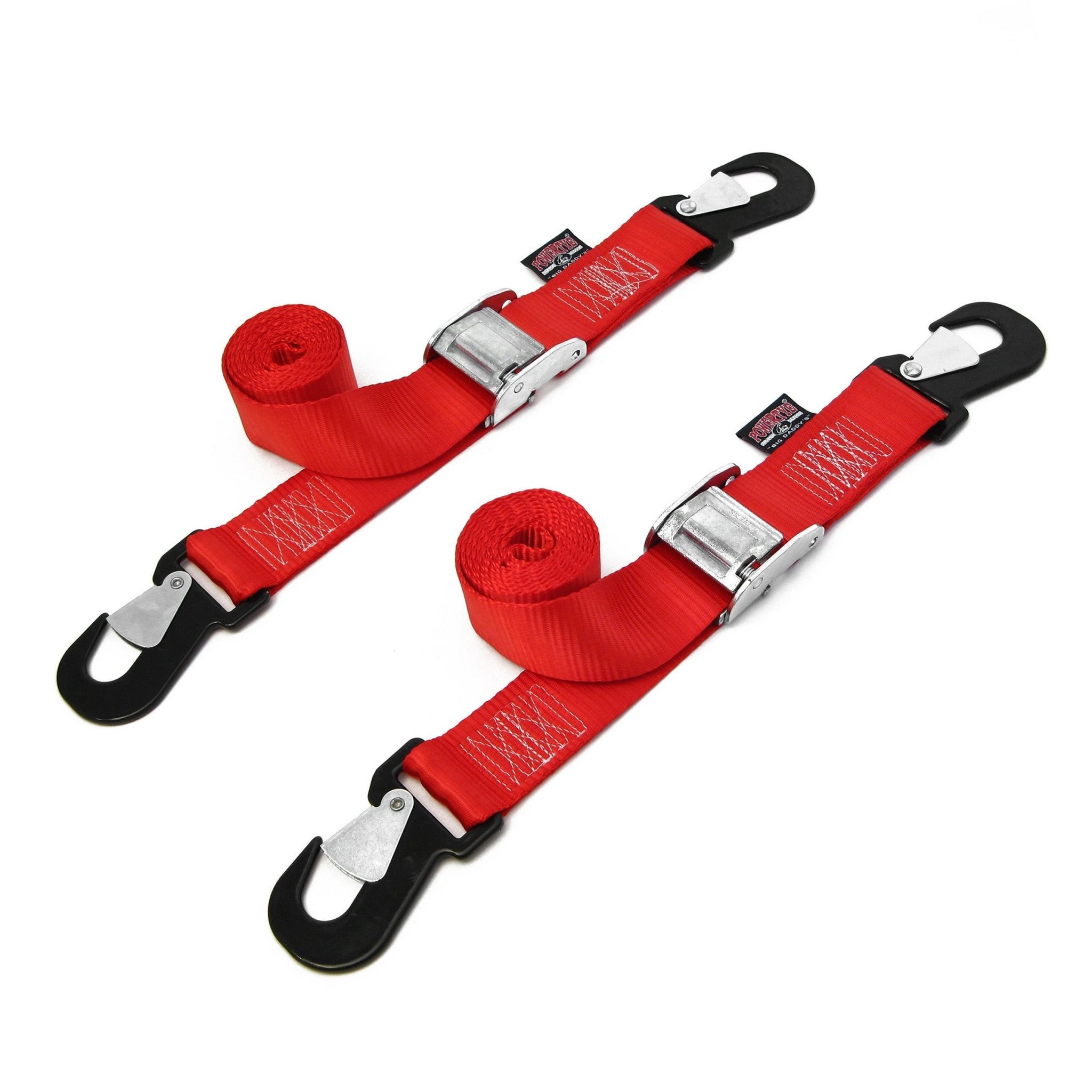
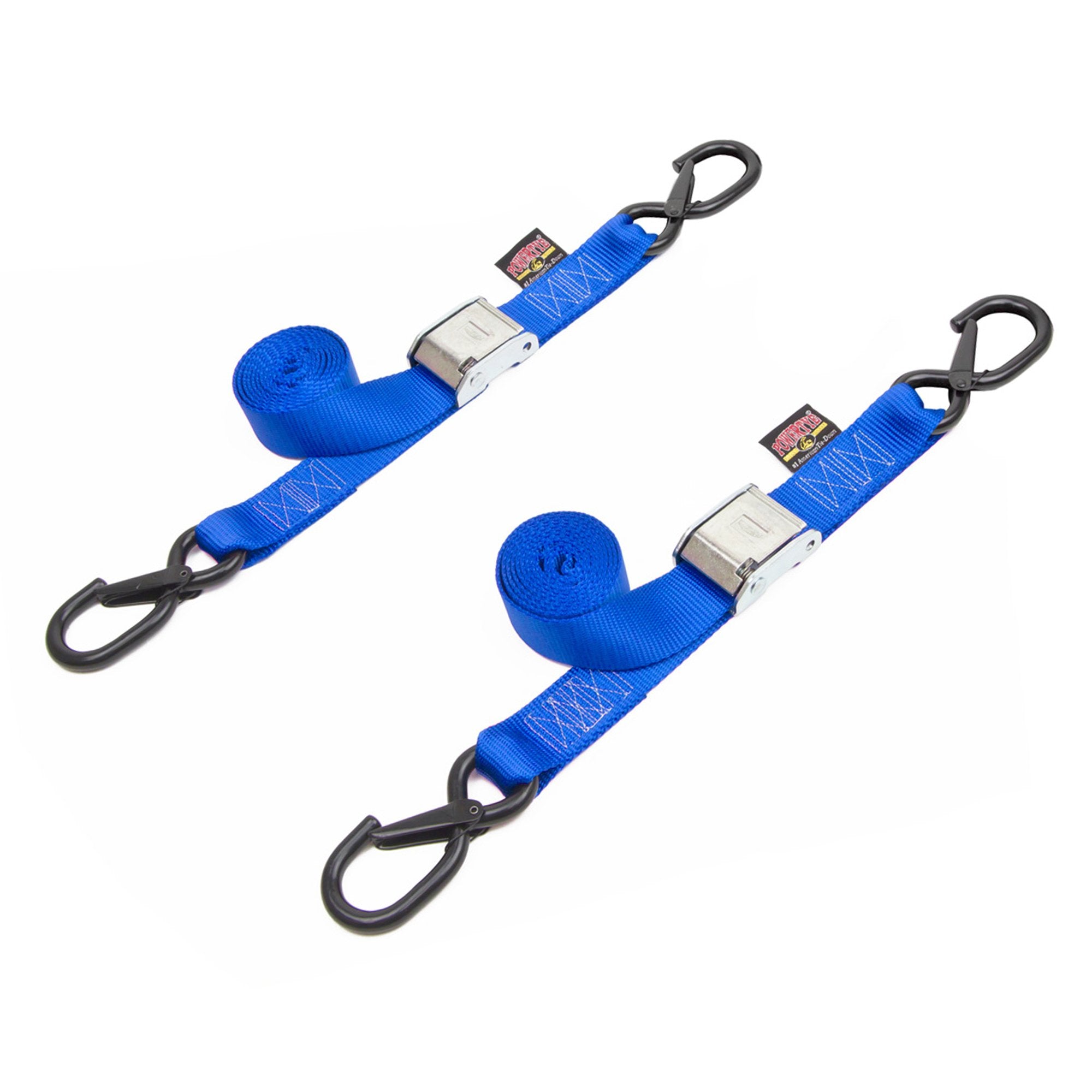
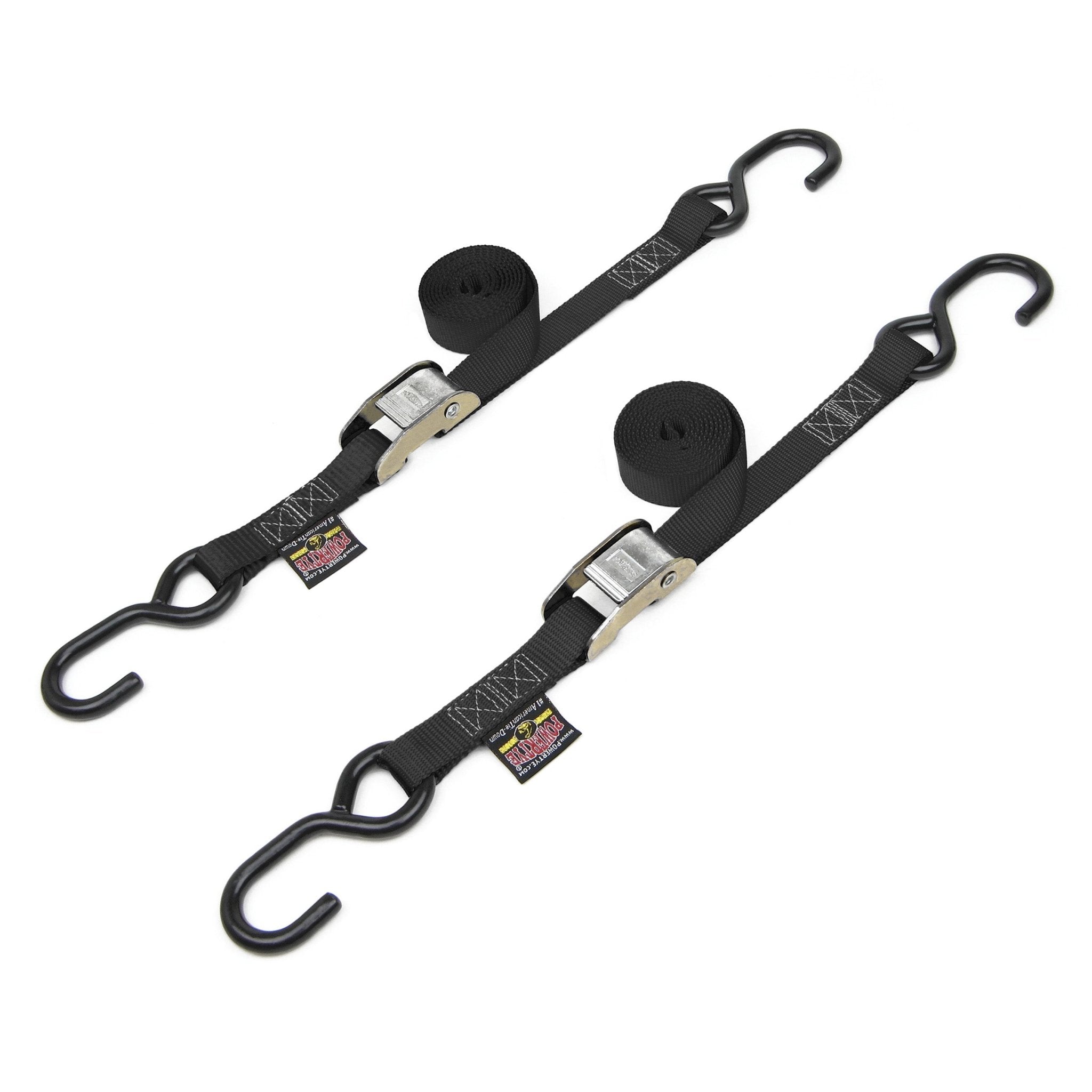
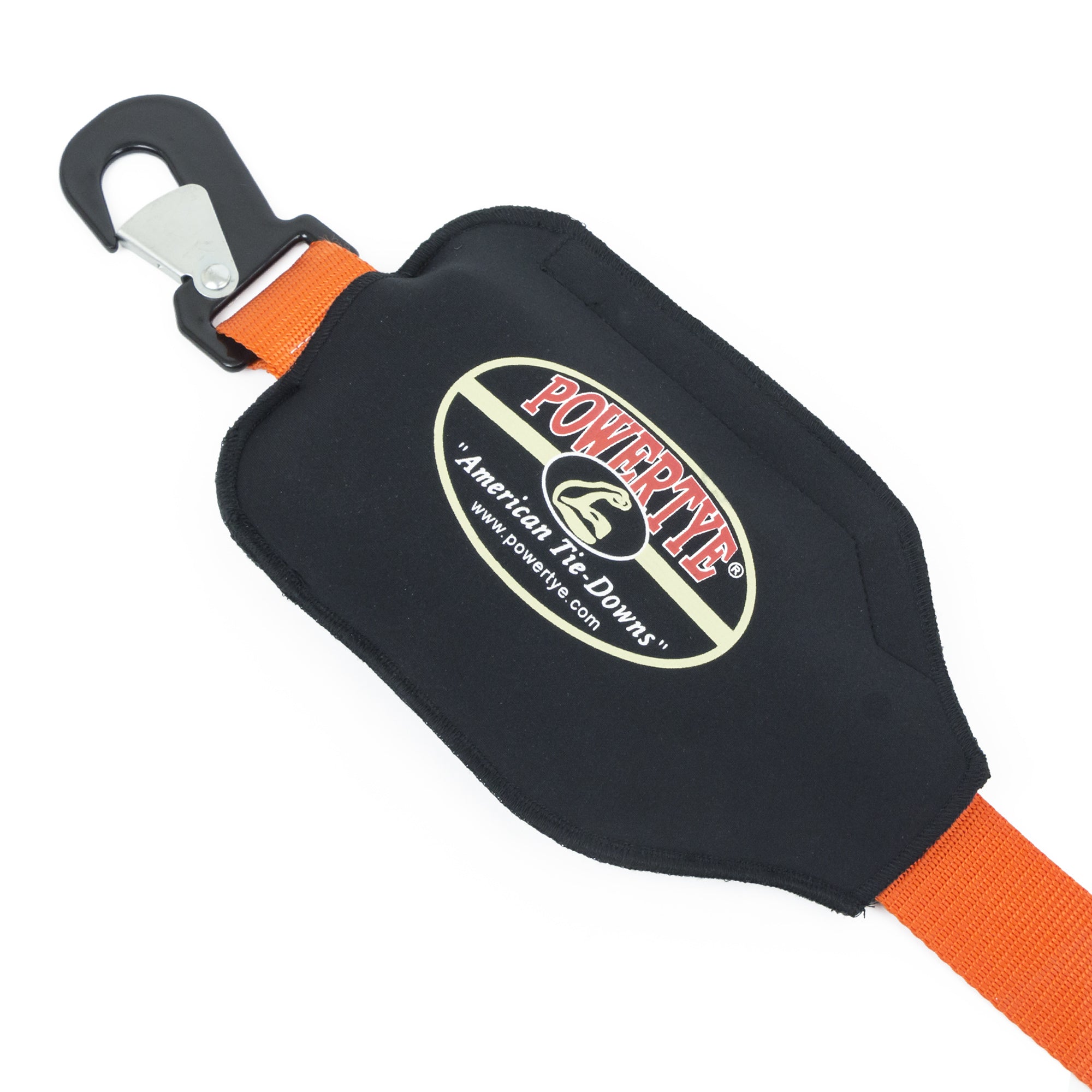
PowerTye ratchet straps provide high tension and precise control for frame based securement.
PowerTye axle straps create protected attachment points around solid components and prevent metal on metal contact.
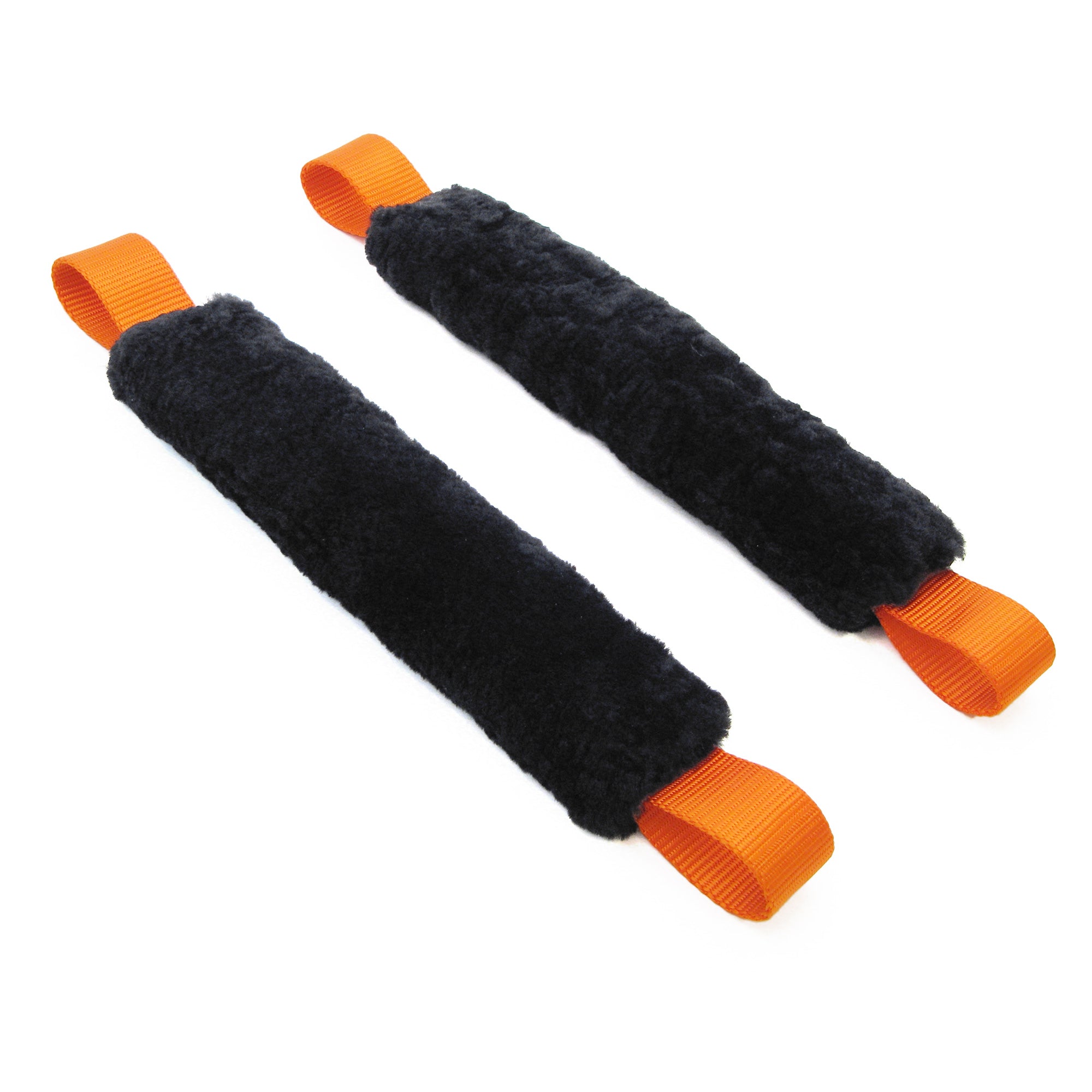
Soft ties help when routing straps near delicate areas or tight spaces.
TrackStar L Track rails and fittings create adjustable anchor points that adapt to different vehicles and trailer layouts.
Choose straps based on vehicle weight, tire size, and transport conditions. Always verify working load limits match the application.
Maintenance and Care of Car Tie Downs
Maintaining your tie down gear ensures reliability and longevity.
Clean straps after use to remove dirt, road grime, and debris. Mild soap and water are sufficient.
Allow webbing to dry completely before storage to prevent mildew.
Store straps away from sunlight and heat. UV exposure weakens fibers over time.
Lubricate ratchet mechanisms occasionally with a light spray lubricant. Avoid heavy grease.
Inspect hardware regularly and replace damaged components immediately.
Never tie knots in straps. Knots significantly reduce strength.

FAQ: Best Way to Strap a Car on a Trailer
1. What is the best way to strap a car on a trailer?
Using four PowerTye over wheel ratchet straps is one of the safest and most effective methods.
2. Can I strap a car by the frame instead of the wheels?
Yes, when using PowerTye axle straps and ratchet straps on solid structural components.
3. How many straps are required to secure a car?
A minimum of four straps is required. More may be used for added redundancy.
4. Should the suspension be compressed when hauling a car?
No. Over wheel systems allow suspension movement. Frame tie downs should use light compression only.
5. Do I need a TrackStar L Track system?
It is not required, but it provides flexible anchor placement and cleaner strap angles.
6. How tight should car tie down straps be?
Tight enough to prevent movement but not so tight that tires or suspension are distorted.
7. How often should straps be replaced?
Replace straps immediately if you see wear, damage, or weakened hardware.
Conclusion and Call to Action
Learning the best way to strap a car on a trailer removes uncertainty and protects your investment. A properly secured vehicle makes every mile calmer and safer. PowerTye products are built by people who understand hauling under real conditions. Their over wheel ratchet straps, axle straps, ratchet tie downs, and TrackStar systems provide the strength and reliability serious haulers demand.
If you want dependable, professional grade gear for vehicle transport, choose PowerTye.
Shop PowerTye car tie downs at www.powertye.com and haul with confidence on every trip.