


The Best Way to Strap Motorcycle to Trailer: A Complete PowerTye Guide for Safe, Confident Hauling
Introduction
Hauling a motorcycle is one of those tasks that looks simple until something goes wrong. Riders who have spent enough time trailering bikes know that the difference between a smooth trip and a stressful one often comes down to technique, not luck. Understanding the best way to strap a motorcycle to a trailer is essential whether you are hauling to the track, heading out for a weekend ride, or transporting a bike long distance. Within the first hundred words it matters to clearly explain the best way to strap a motorcycle to a trailer because riders need proven methods that protect their bike, their trailer, and everyone else on the road.
PowerTye has built its reputation by designing motorcycle specific tie down systems that work in real world conditions. Their ratchet straps, cam buckle straps, soft ties, handlebar harnesses, and TrackStar L Track systems are built by riders who understand how motorcycles move under load. In this guide you will learn exactly how motorcycle tie downs work, how to apply them step by step, what mistakes to avoid, how to stay safe, how to choose the right PowerTye products, and how to maintain your gear so it lasts for years.
How Motorcycle Tie Downs Work
Understanding how motorcycle tie downs work starts with understanding suspension. Motorcycles rely on suspension travel to absorb bumps while riding, but during transport that same suspension can become a liability if not controlled. The best way to strap a motorcycle to a trailer uses controlled suspension compression to stabilize the bike without crushing components.
When you tighten a tie down strap, you create downward force that slightly compresses the forks and rear suspension. This compression keeps the bike planted against the trailer floor. Too much compression stresses fork seals, springs, and bearings. Too little compression allows the bike to bounce and shift. The goal is balance.
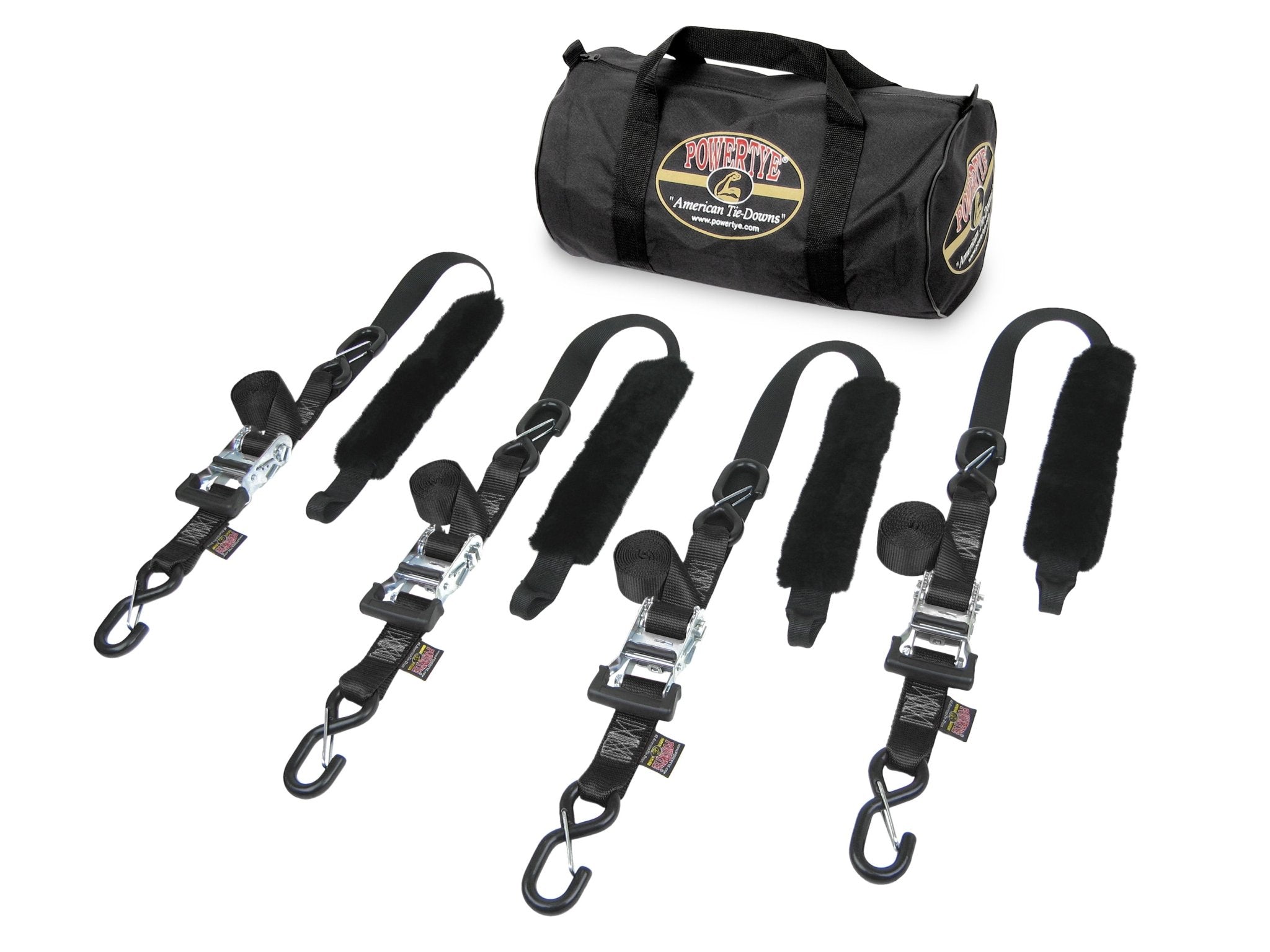
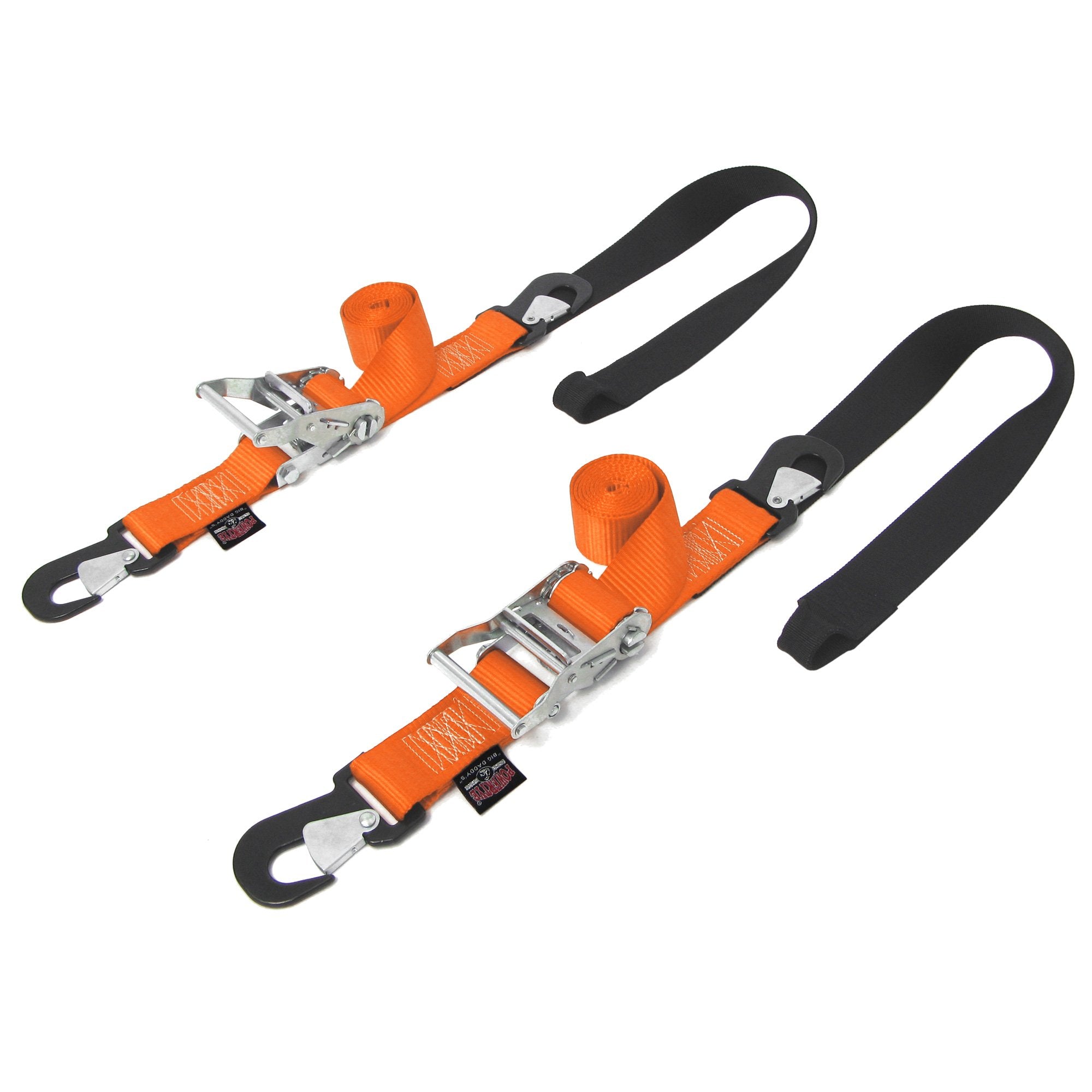
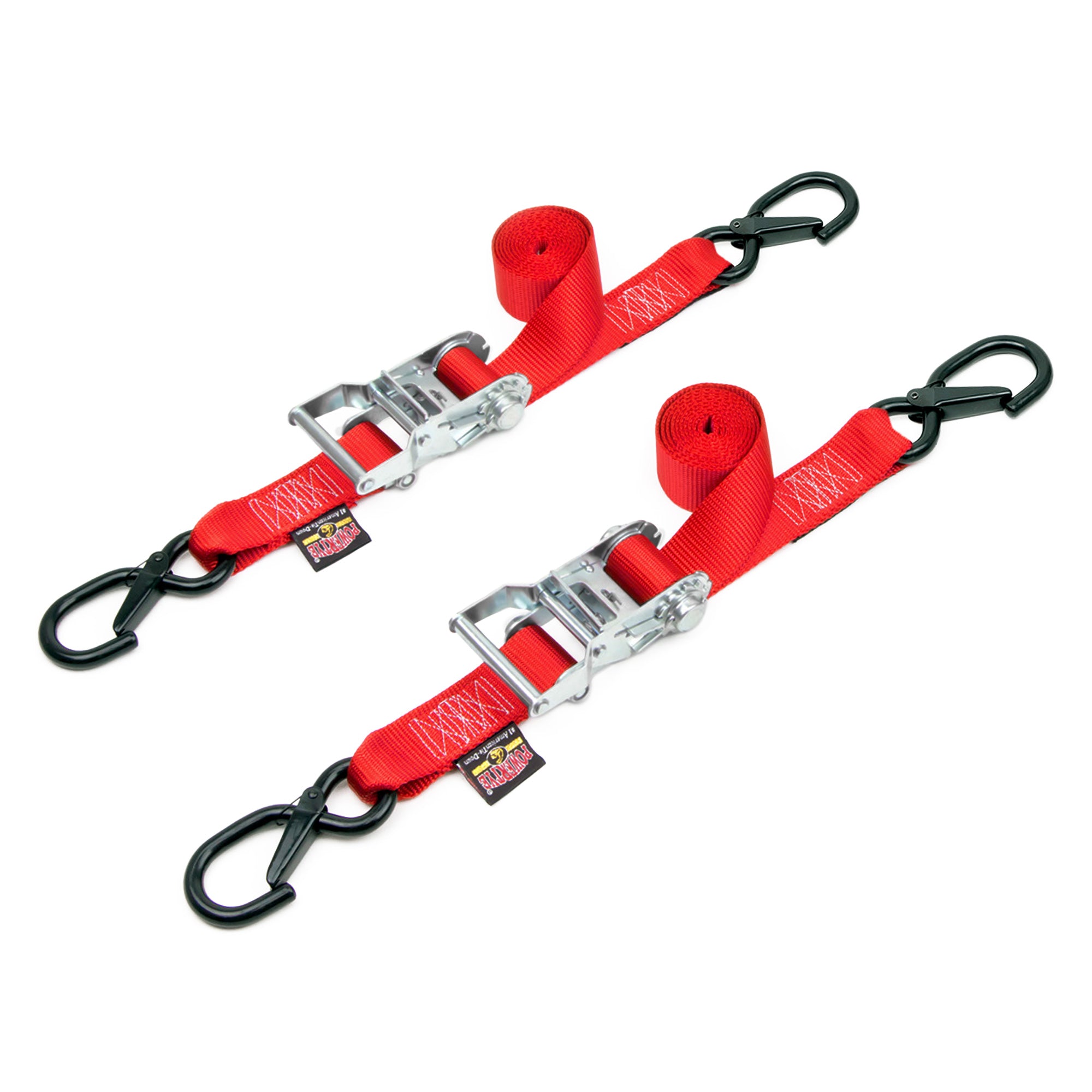
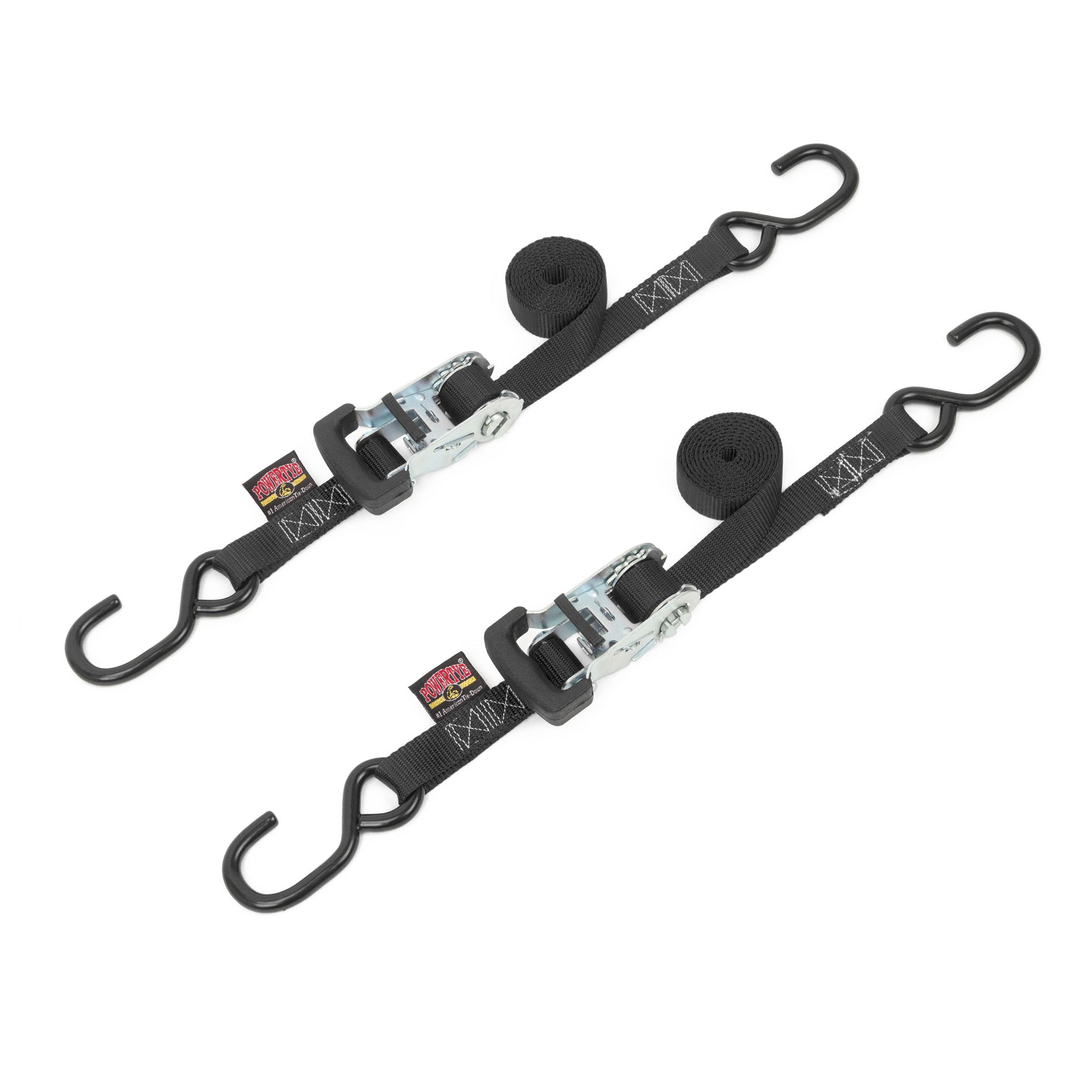
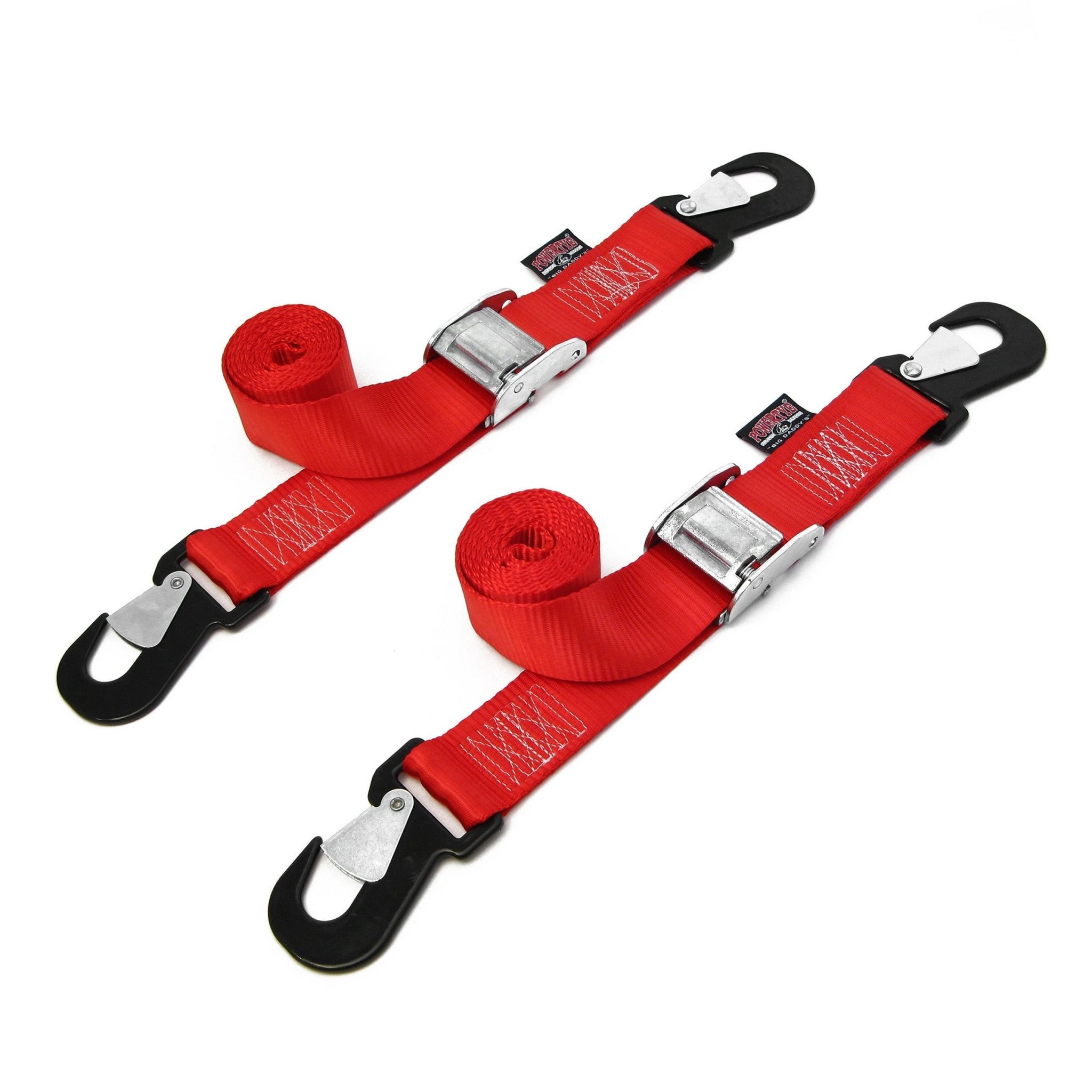
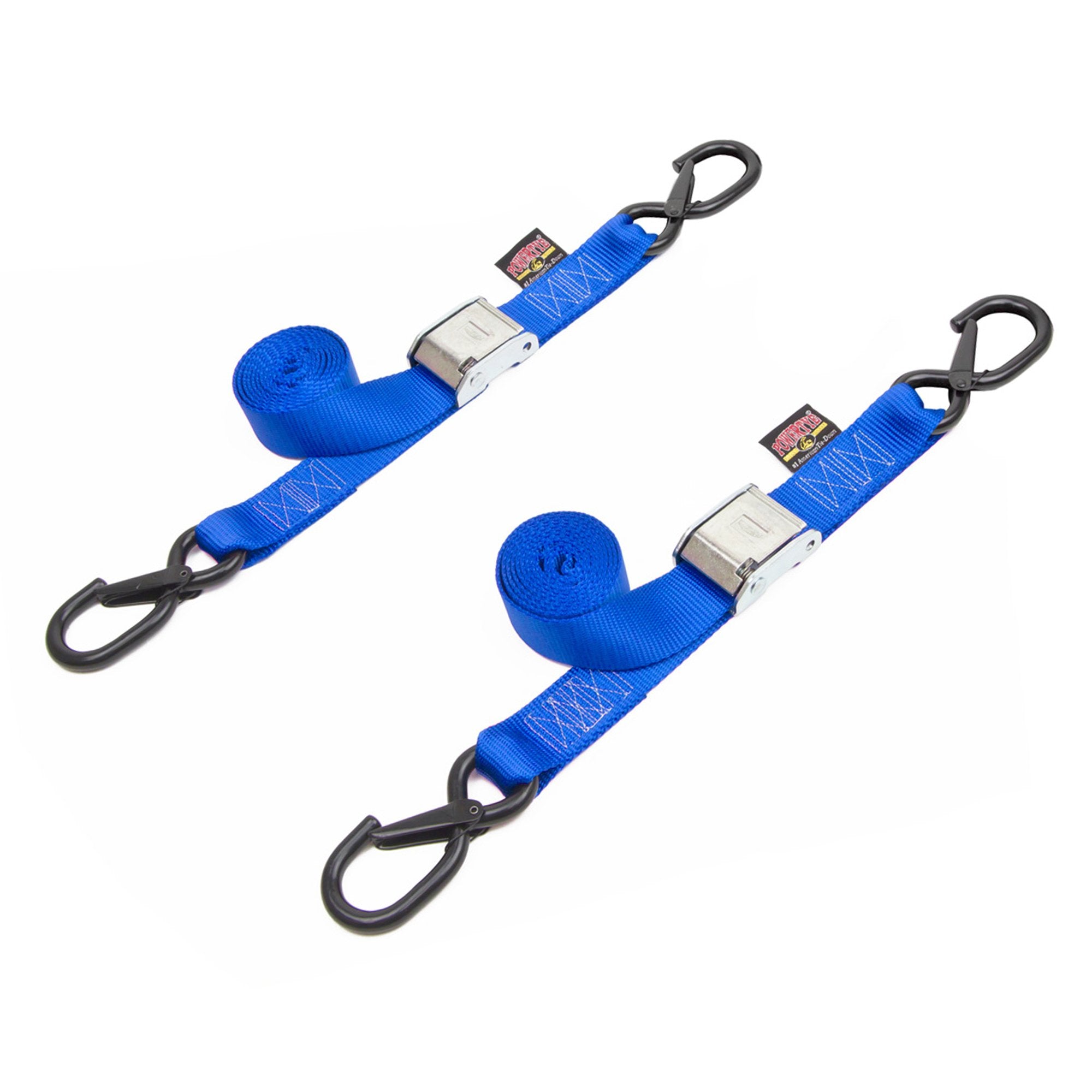
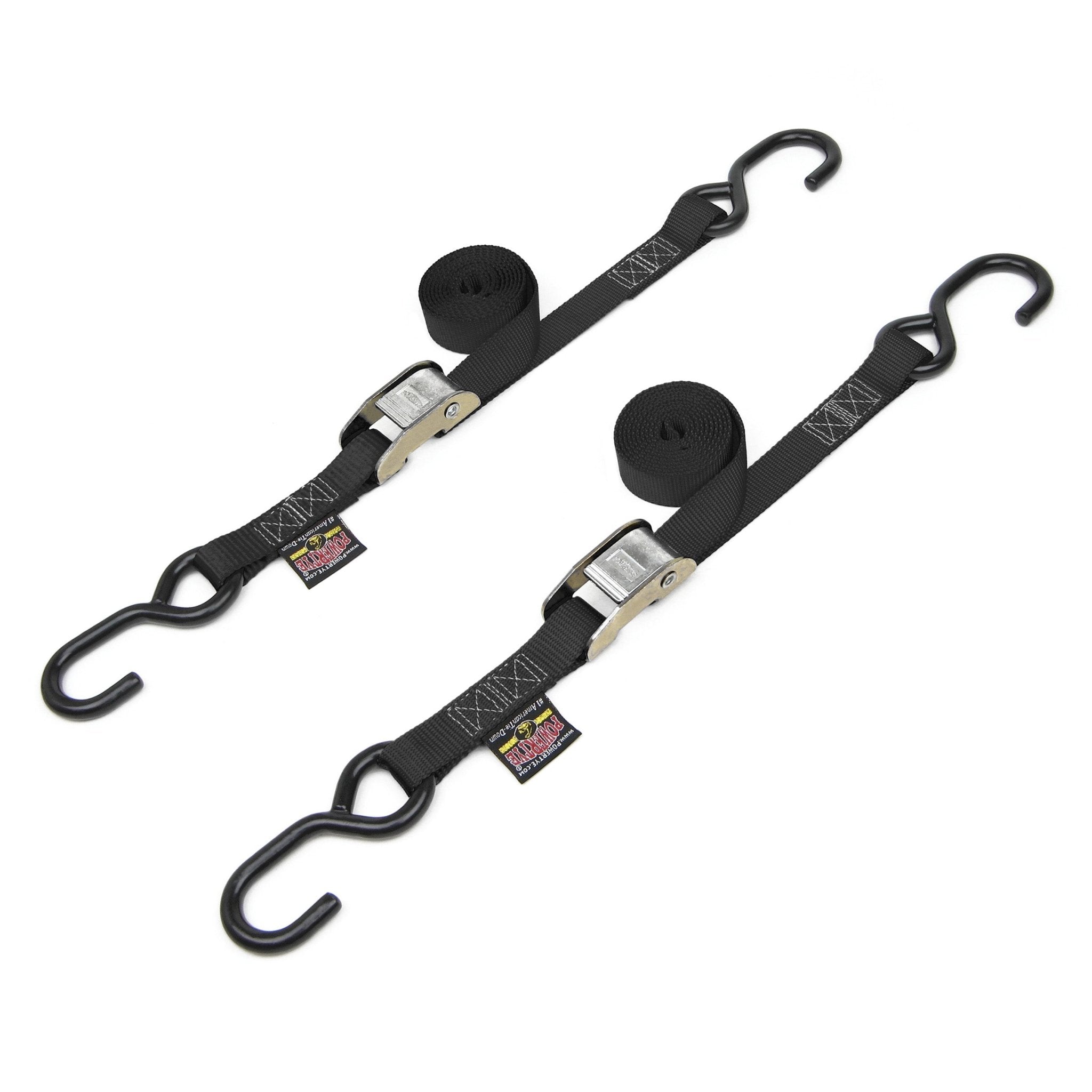
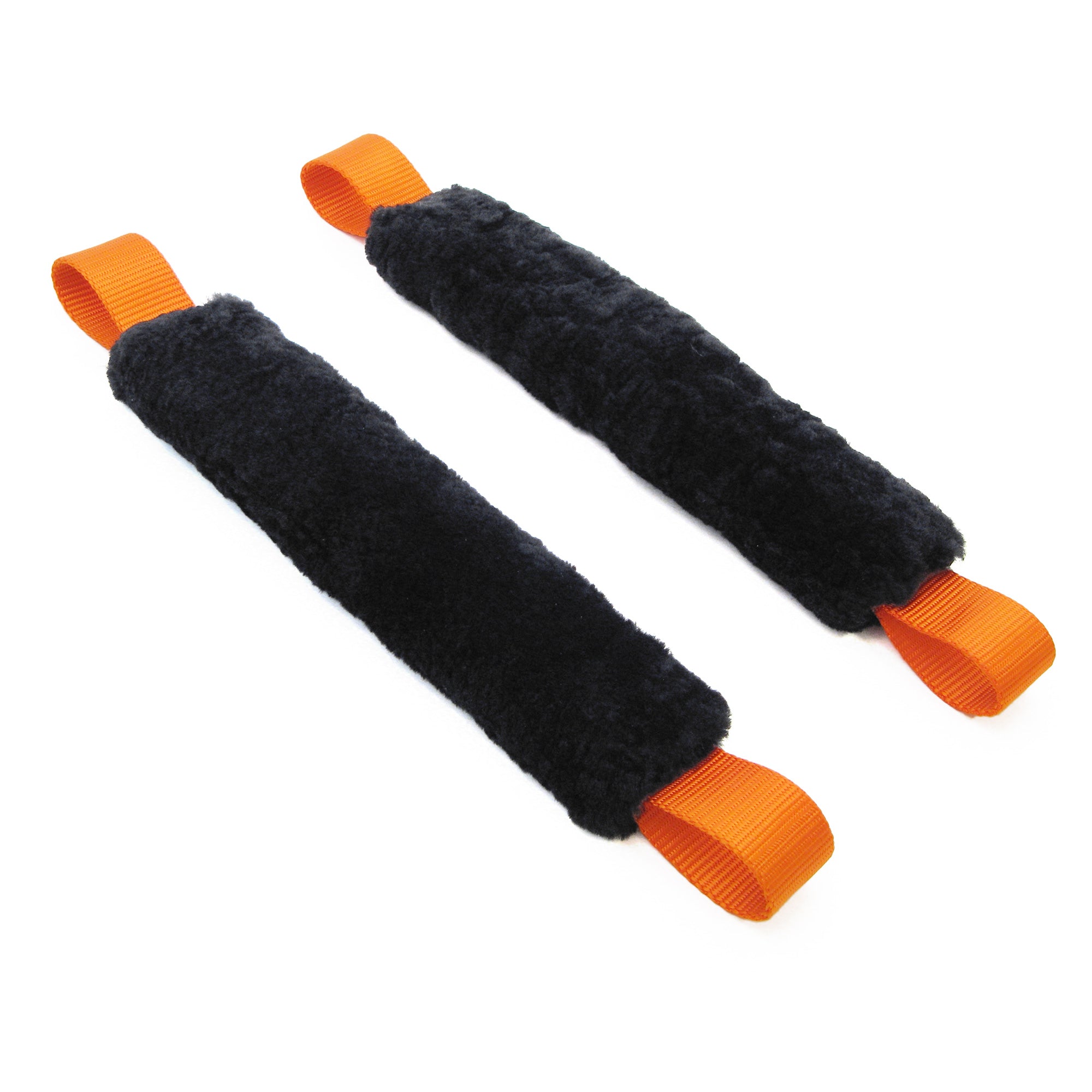
PowerTye ratchet straps provide precise tension control, allowing riders to dial in compression gradually. Cam buckle straps offer quicker adjustments for lighter bikes or shorter trips. Soft ties protect handlebars and triple clamps from metal contact and allow clean strap angles. When these components work together, the motorcycle becomes an extension of the trailer rather than a loose object.
A wheel chock adds another layer of stability by preventing forward movement during braking. While not required, it significantly reduces the amount of strap tension needed and makes loading easier.
Step by Step Guidance: The Best Way to Strap Motorcycle to Trailer
Learning the best way to strap motorcycle to trailer becomes easy once you follow a consistent process. The steps below work for dirt bikes, dual sports, and most street motorcycles when paired with appropriate PowerTye gear.
1. Position the Motorcycle Correctly
Roll the motorcycle into the trailer or truck bed and center it left to right. If using a wheel chock, roll the front tire fully into it. Keep the handlebars straight and the bike upright.
Engage the kickstand temporarily if needed, but do not rely on it once strapping begins.
2. Attach Soft Ties to the Bike
PowerTye soft ties should be looped around the handlebars near the grips or around the lower triple clamp, depending on bike design. These loops create a protected attachment point for the hooks and prevent scratching, denting, or crushing controls.
Avoid attaching straps directly to brake lines, throttle tubes, or wiring.
3. Connect Straps to Trailer Anchor Points
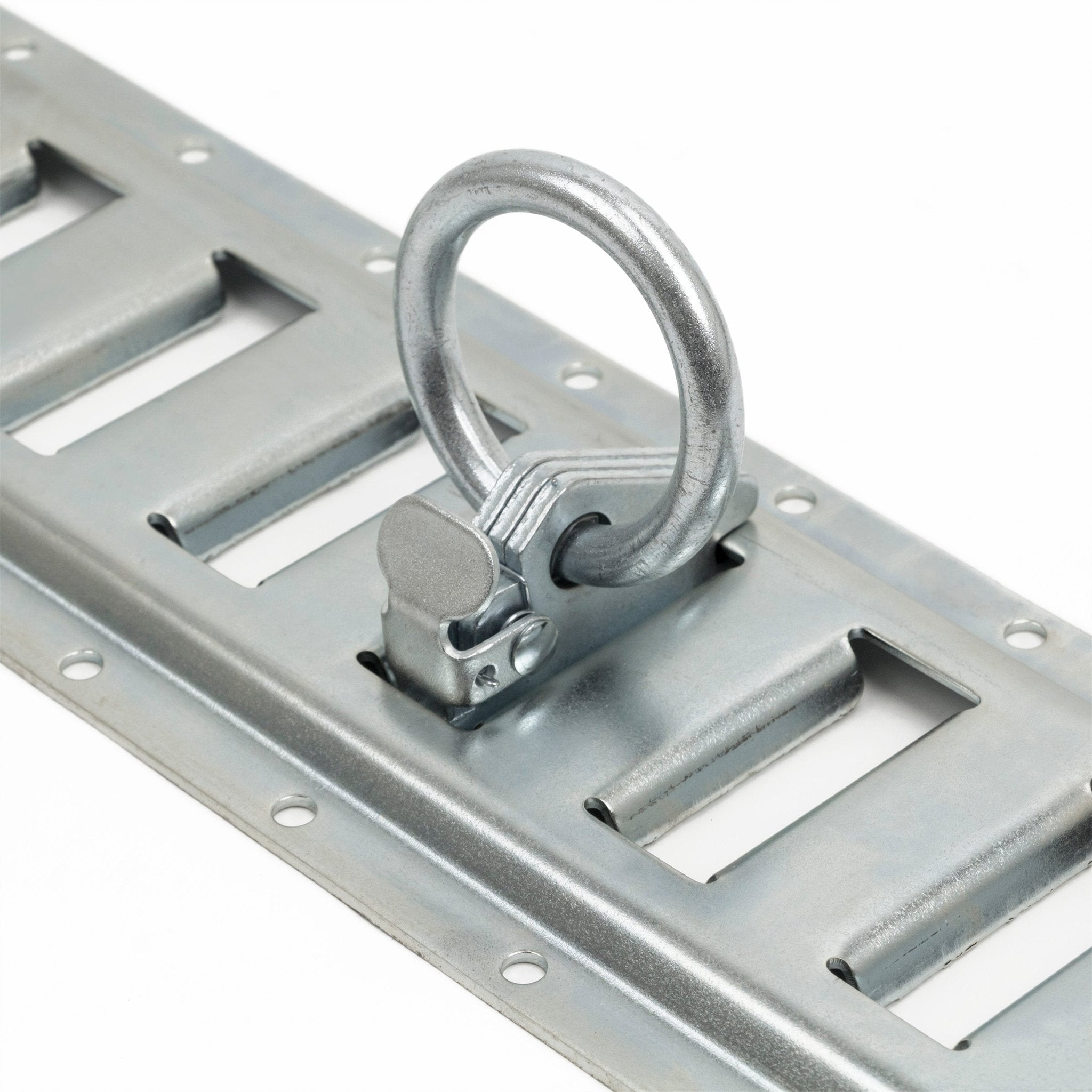
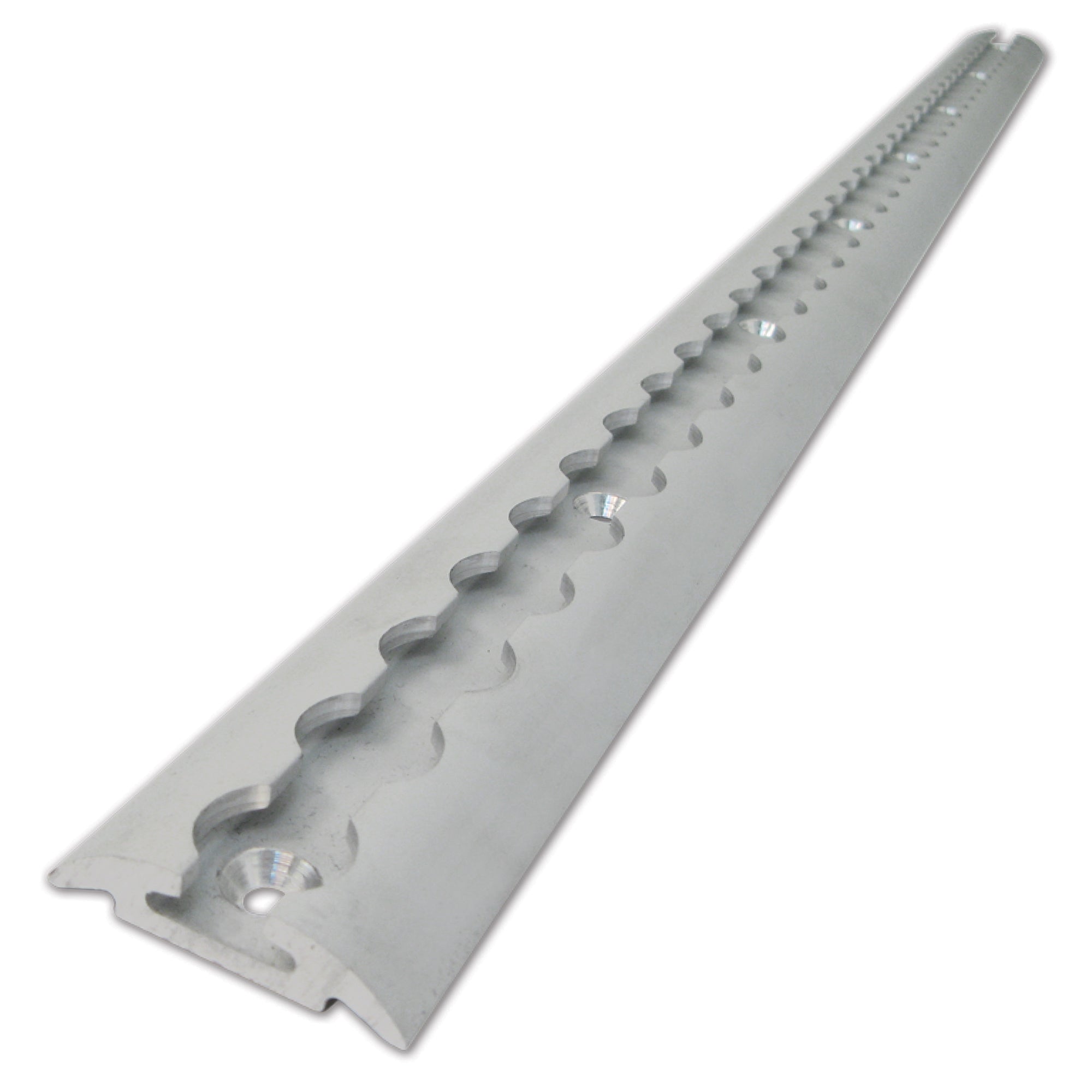
Attach the hooks of your PowerTye ratchet or cam buckle straps to secure, load rated anchor points on the trailer. TrackStar L Track systems offer adjustable anchor positioning, while traditional D rings work well when properly installed.
Straps should pull downward and slightly forward from the bike.
4. Tighten the First Front Strap
Begin tightening one front strap slowly. The fork will compress slightly. Keep the bike upright and handlebars straight during this process.
5. Tighten the Second Front Strap Evenly
Move to the opposite strap and tighten until the bike stands straight on its own. Alternate tightening between sides to keep compression even. The forks should compress enough to resist movement but should not bottom out.
6. Secure the Rear of the Motorcycle
Rear straps are not always mandatory but are highly recommended for long trips or rough roads. Attach PowerTye straps or soft ties to the rear frame or swingarm, avoiding exhaust heat and sharp edges.
Rear straps should pull downward and slightly backward to prevent fishtailing.
7. Perform a Final Inspection
Shake the bike gently to confirm stability. Check that hooks are fully seated, straps are not twisted, and webbing is not rubbing against sharp edges or hot surfaces.
The best way to strap a motorcycle to a trailer always includes this final check.
Common Mistakes to Avoid
Even experienced riders can make mistakes when strapping down motorcycles. Avoiding these errors protects your bike and your gear.
Over tightening is one of the most common problems. Crushing the suspension can damage fork seals and springs. The goal is controlled compression, not full collapse.
Using worn or damaged straps introduces unnecessary risk. Frayed webbing, faded straps, rusted hooks, or sticky ratchets should be replaced immediately. PowerTye straps are durable, but all textile gear has a lifespan.
Improper anchor points cause failures. Never attach straps to weak trailer components or non structural bike parts. Always confirm anchor strength.
Failing to use redundancy is another mistake. Two front straps are mandatory. Rear straps add security and should not be skipped for long hauls.
Allowing straps to rub against sharp edges or exhaust heat will destroy webbing quickly. Proper routing and soft ties prevent this damage.
Skipping early rechecks is risky. Suspension settles and straps stretch slightly. A short stop after ten miles keeps everything tight for the rest of the trip.
Safety Tips for Motorcycle Transport
Safe transport starts with discipline and good habits.
Inspect your straps before every trip. Look for cuts, loose stitching, bent hooks, or corrosion.
Use a wheel chock when possible. It improves stability and reduces required strap tension.
Maintain consistent strap angles. Downward and slightly forward angles stabilize the bike. Upward or sideways angles do not.
Protect controls and plastics. Soft ties and handlebar harnesses prevent contact with levers, shrouds, and graphics.
Avoid heat sources. Exhaust pipes can melt straps quickly. Route webbing well clear of hot components.
Check straps before entering the freeway and again at fuel stops. Peace of mind comes from knowing nothing has shifted.
Product Selection Guidance from PowerTye
PowerTye offers motorcycle specific tie down solutions designed for safe hauling.
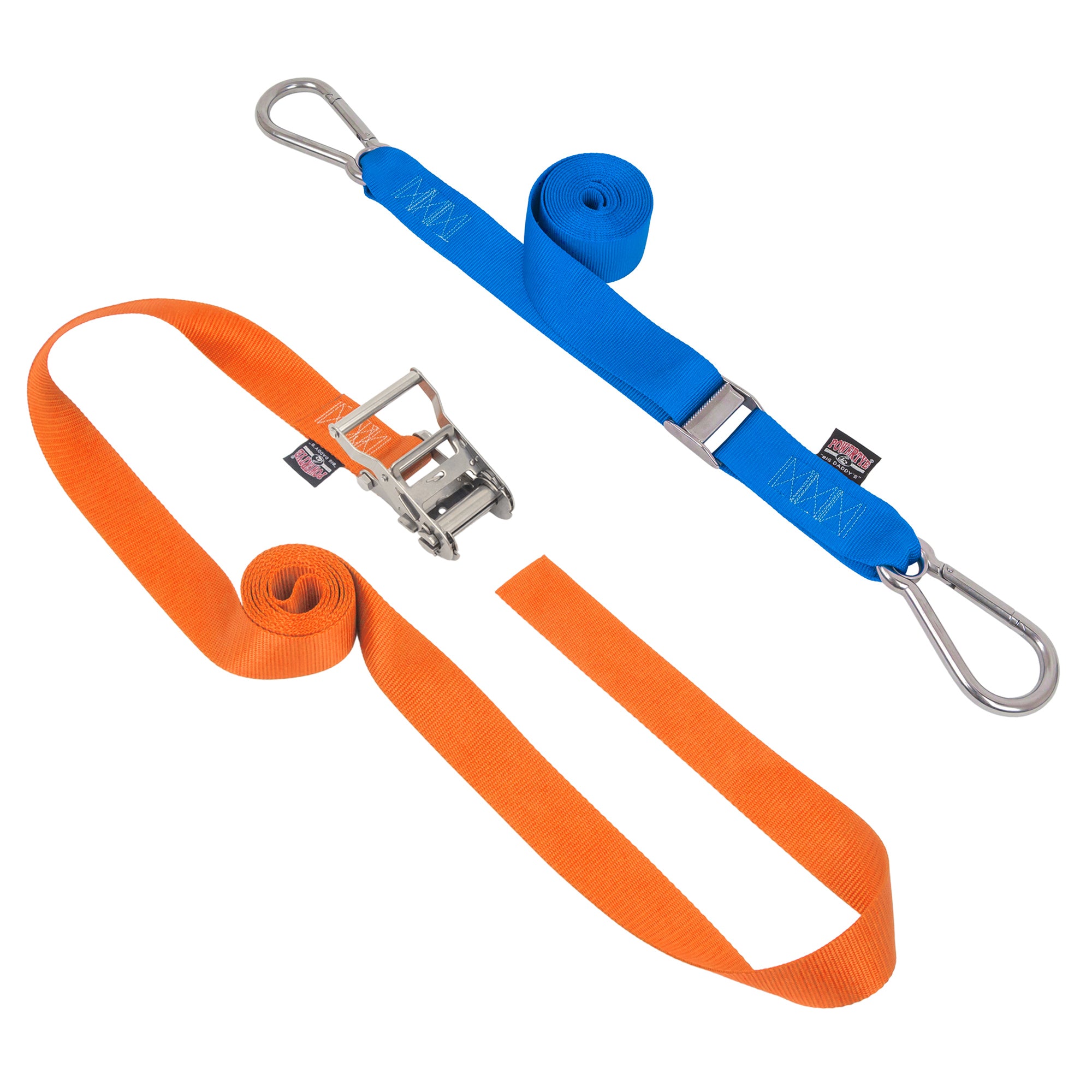
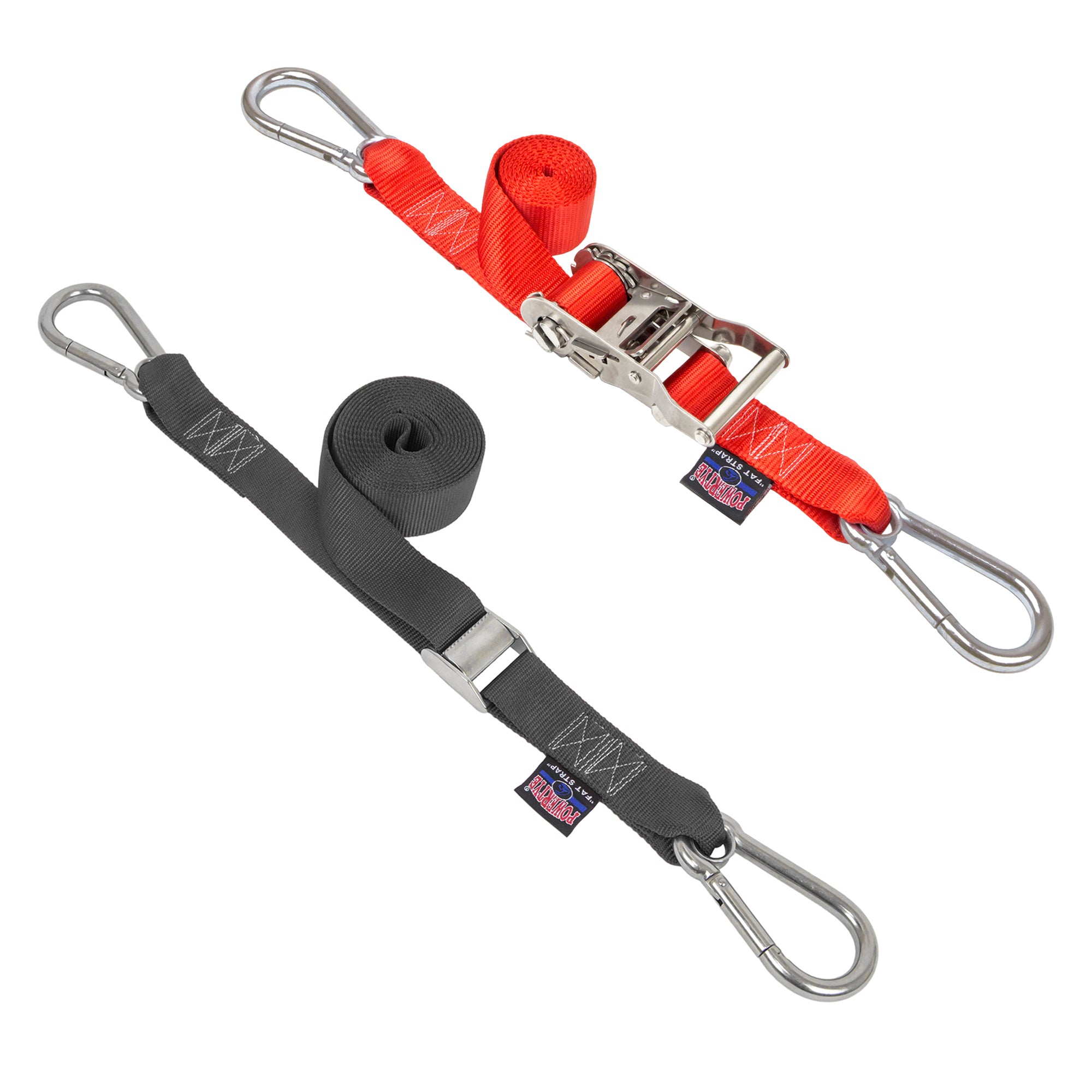
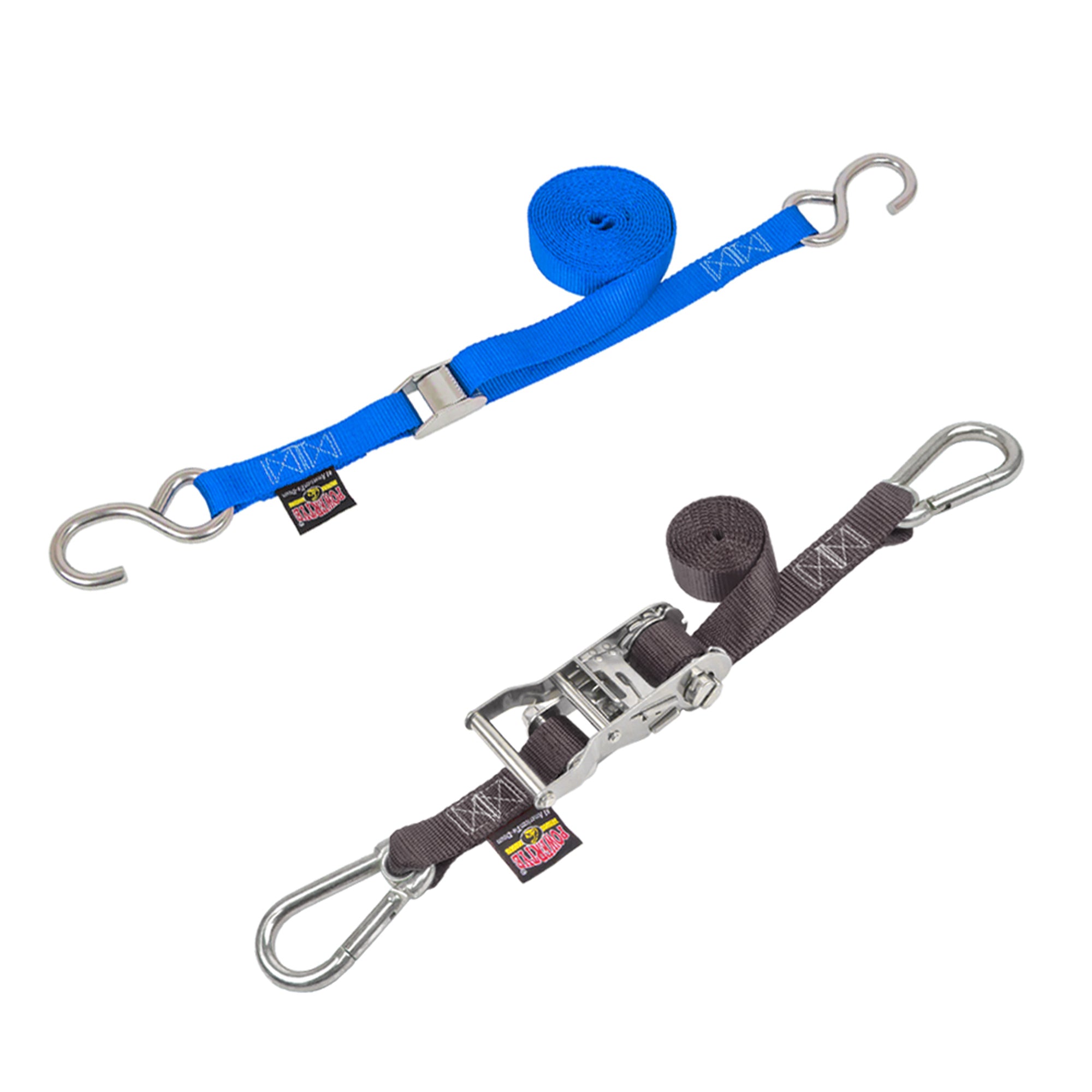
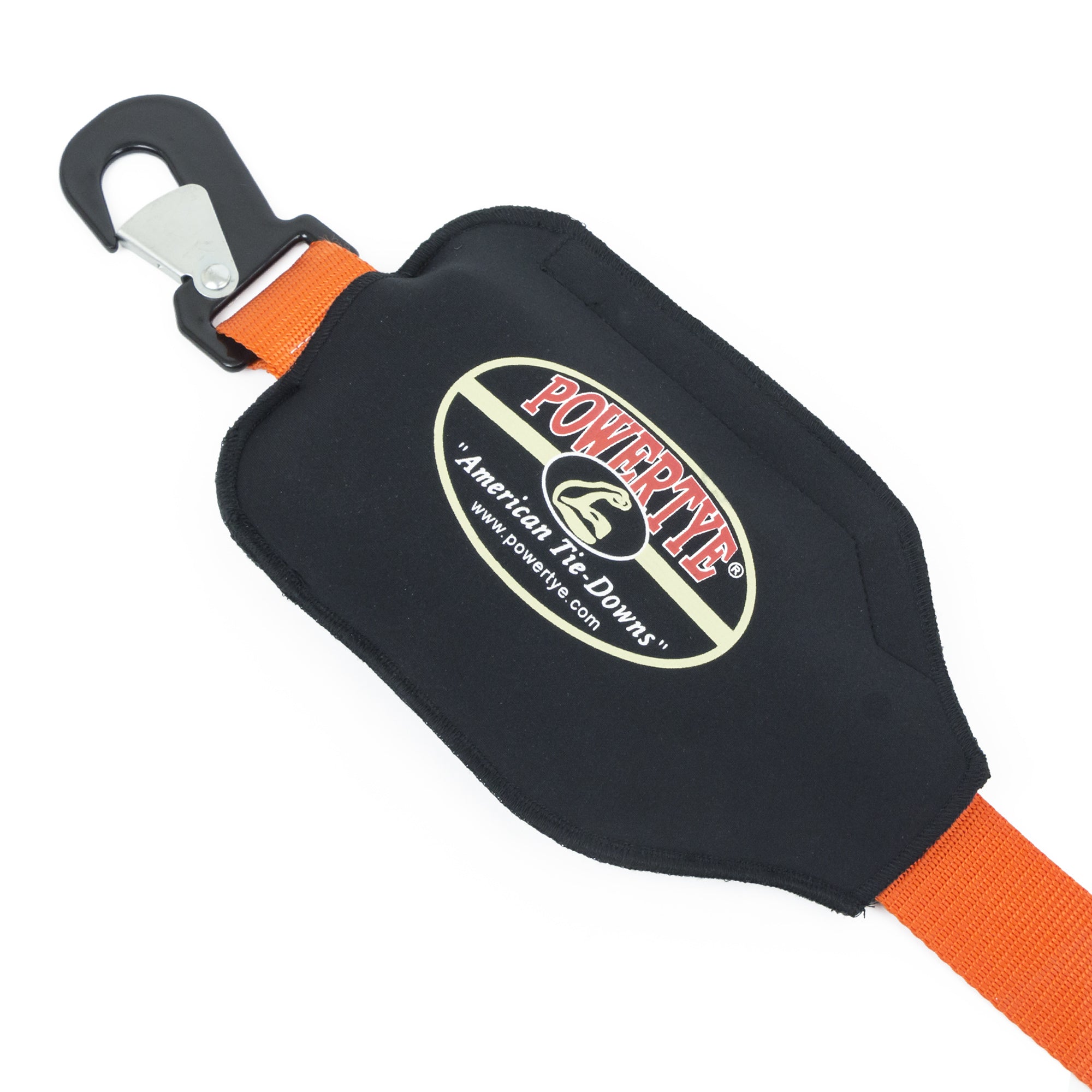
PowerTye ratchet straps provide the most controlled tension and are ideal for long distance transport. Their heavy duty webbing resists stretching and abrasion.
PowerTye cam buckle straps are faster to use and work well for lighter motorcycles or short trips where extreme tension is not required.
Soft ties are essential accessories. They protect handlebars and triple clamps while improving strap angles.
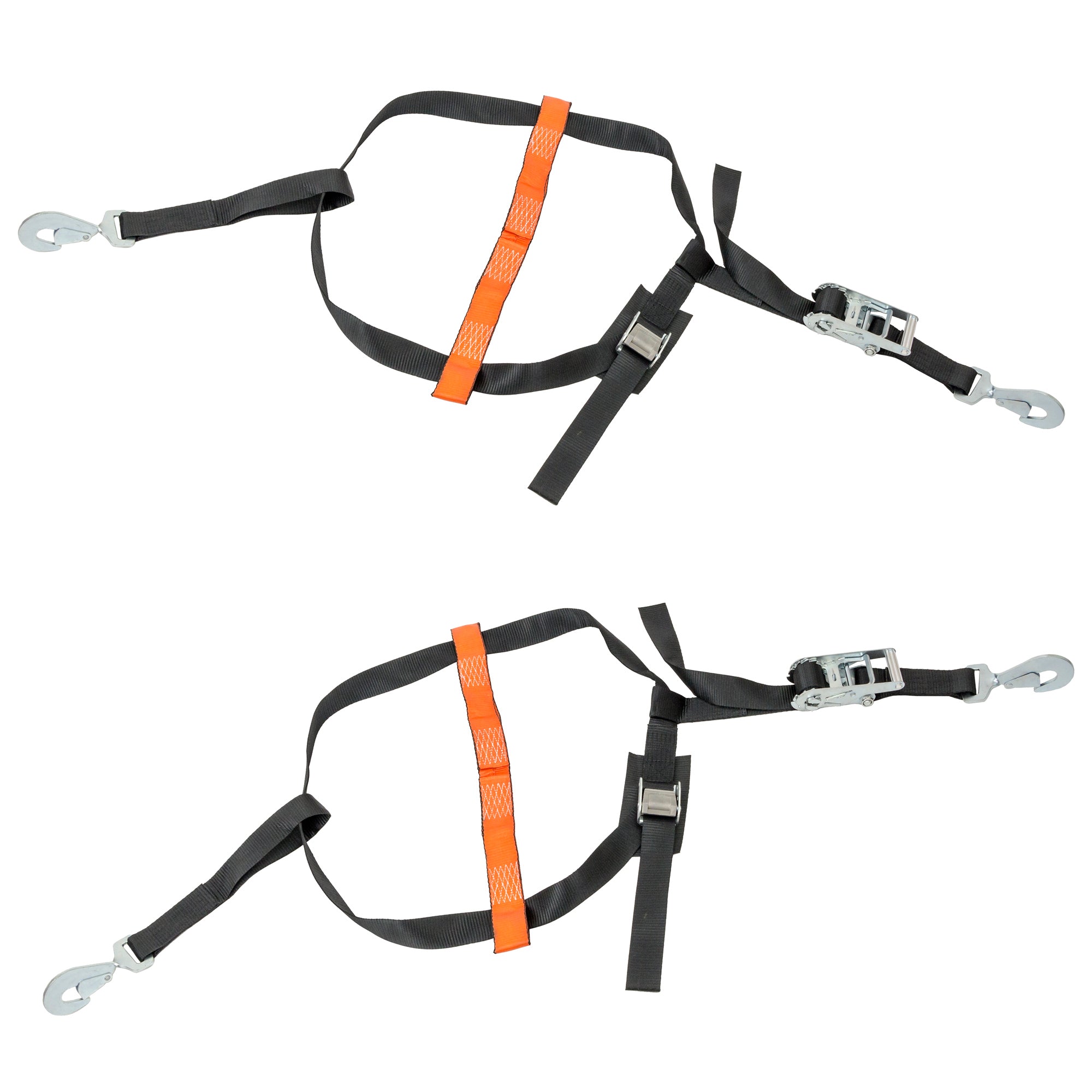
PowerTye handlebar harnesses distribute tension evenly across both sides of the bar, making them ideal for bikes with sensitive controls.
TrackStar L Track systems create adjustable anchor points inside trailers, allowing perfect strap placement for different bikes and loading situations.
Choose straps based on bike weight, trip length, and road conditions. When hauling multiple motorcycles, higher working load limits provide added security.
Maintenance and Care of Motorcycle Tie Downs
Proper maintenance extends the life of your PowerTye gear.
Clean straps after use to remove dirt, mud, and debris. Mild soap and water are sufficient.
Allow straps to dry completely before storage. Moisture weakens fibers and causes mildew.
Store straps in a cool, dry place away from sunlight. UV exposure degrades webbing over time.
Lubricate ratchet mechanisms occasionally with a light spray lubricant. Avoid heavy grease that attracts dirt.
Inspect hardware regularly and replace any damaged components immediately.
Never tie knots in straps. Knots significantly reduce strength.
FAQ: Best Way to Strap Motorcycle to Trailer
1. What is the best way to strap a motorcycle to a trailer?
Use soft ties on the handlebars or triple clamp, secure with PowerTye straps, compress the suspension slightly, and tighten evenly.
2. Do I need a wheel chock?
It is not required but strongly recommended for added stability.
3. Should I use ratchet or cam buckle straps?
Ratchet straps offer more precise tension control. Cam buckles are faster for lighter bikes.
4. How tight should motorcycle straps be?
Tight enough to prevent movement but not enough to crush suspension.
5. Can I strap to the handlebars?
Yes, when using PowerTye soft ties or a handlebar harness.
6. Should I strap the rear of the bike?
Rear straps add stability and are recommended for long trips.
7. How often should straps be replaced?
Replace them at the first sign of wear or damage.

Conclusion and Call to Action
Learning the best way to strap a motorcycle to a trailer gives riders confidence and protects their investment. A properly secured motorcycle means a calm drive and zero distractions. PowerTye products are designed by riders who understand the realities of hauling. Their straps, soft ties, and mounting systems give you reliable tools that work trip after trip.
If you want dependable, rider tested gear that makes hauling safer and easier, choose PowerTye.
Shop PowerTye motorcycle tie downs at www.powertye.com and secure your bike with confidence on every haul.