


The Complete Guide to Trailer Kits: Building a Safer, Smarter Hauling Setup with PowerTye
Why Trailer Kits Matter
Anyone who has spent time hauling motorcycles, UTVs, or equipment understands that a trailer setup is only as strong as the components you build it with. Trailer kits give riders the foundation for a smarter and more dependable hauling experience. Within the first hundred words, it is important to talk about trailer kits because these systems offer a flexible, customizable way to lock down bikes, gear, and heavy equipment in a way that feels stable on every mile of the road. Many riders start with a basic trailer and upgrade it over time, but starting with the right kit from the beginning saves time, money, and frustration. PowerTye has created trailer kits that help transform ordinary trailers into clean, organized, and safe hauling platforms using TrackStar L Track, heavy duty fittings, straps, and accessories. The strength of these components and the simplicity of the system make it one of the most efficient ways to build a reliable transport setup.
How Trailer Kits Work
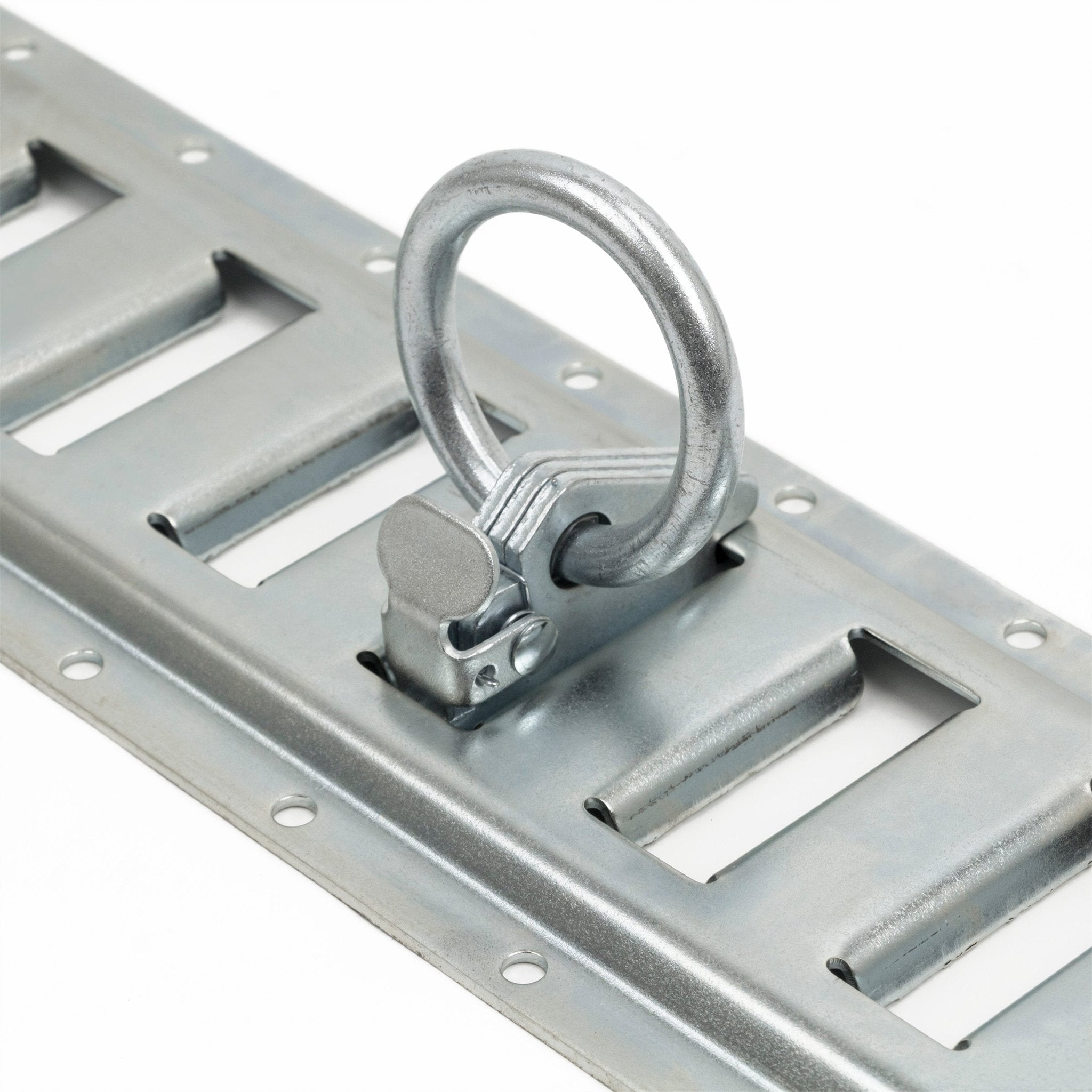
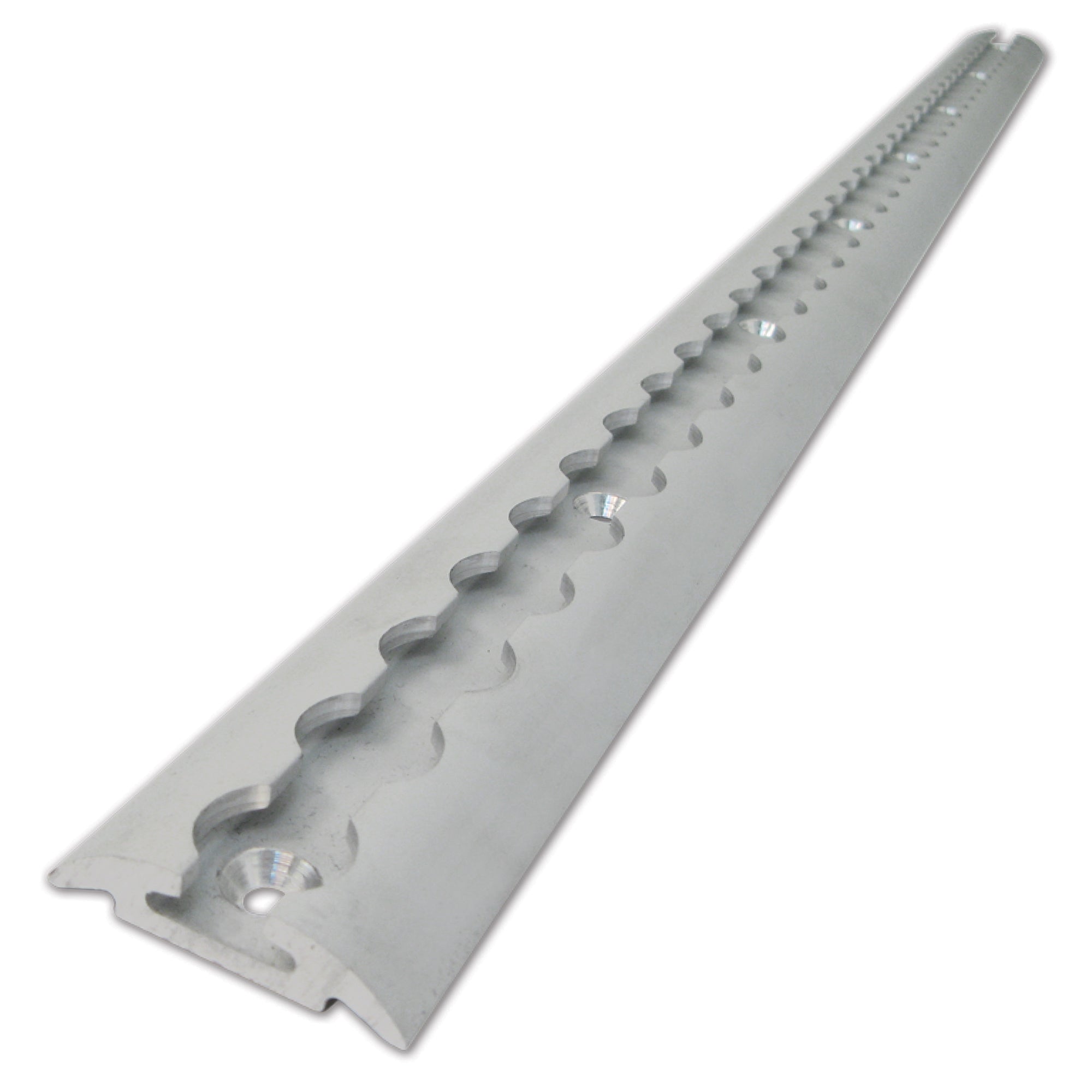
A trailer kit works by giving you mounting hardware and tie down options that adapt to each load. Instead of permanent anchor points that limit strap angles and force you into awkward positions, the TrackStar L Track system allows you to move your tie down points anywhere along the rails. This adaptability is what makes the kits so effective. PowerTye designed these rails to sit flush with your trailer floor or walls, offering a clean look and a stable structure for even the heaviest loads. Once the rails are bolted down, the fittings snap into place and provide instant anchor points. A rider loading two motorcycles one weekend and a UTV the next does not have to reconfigure the entire trailer. The flexible L Track system makes the setup feel custom every time without forcing permanent changes.
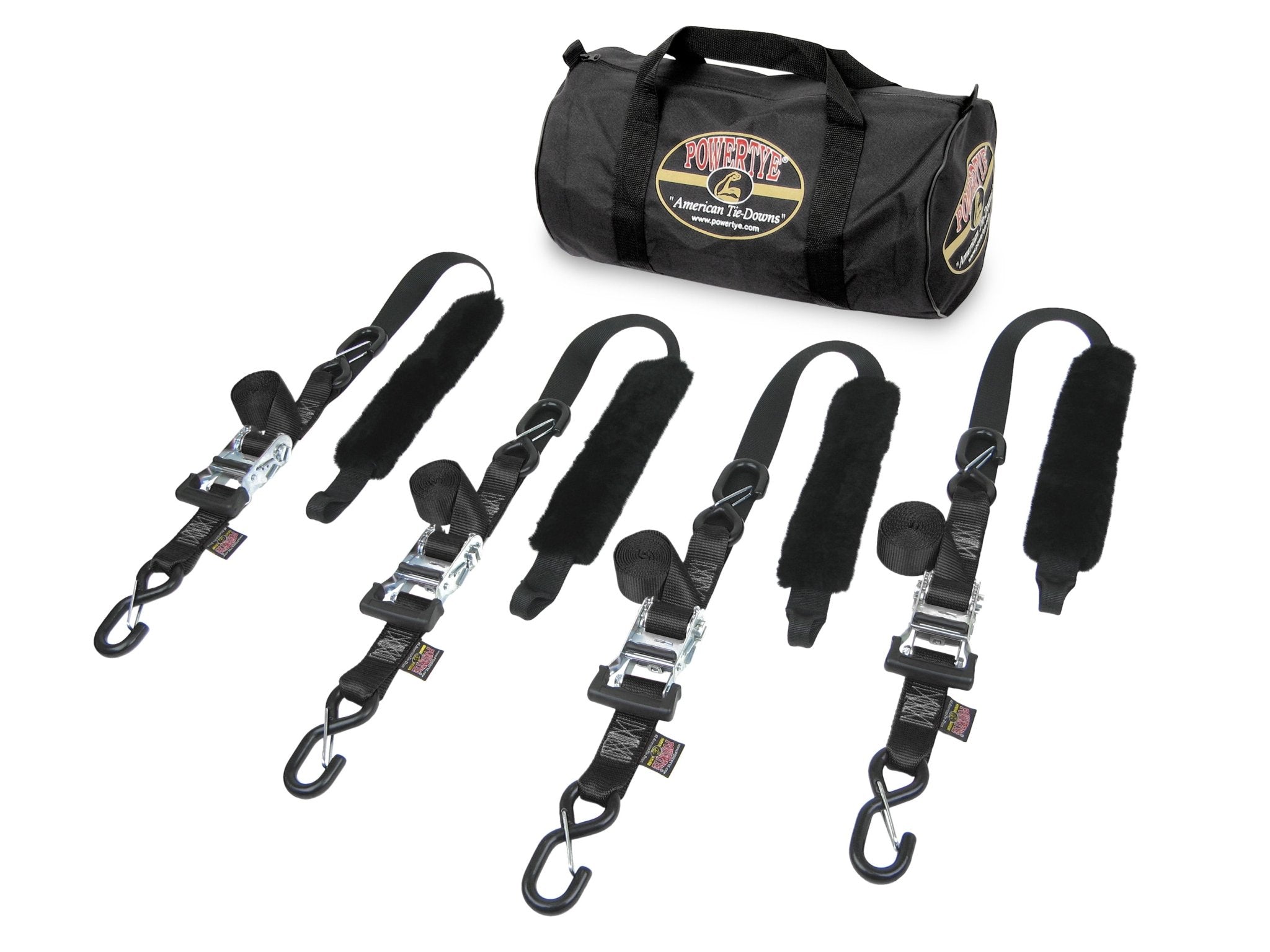
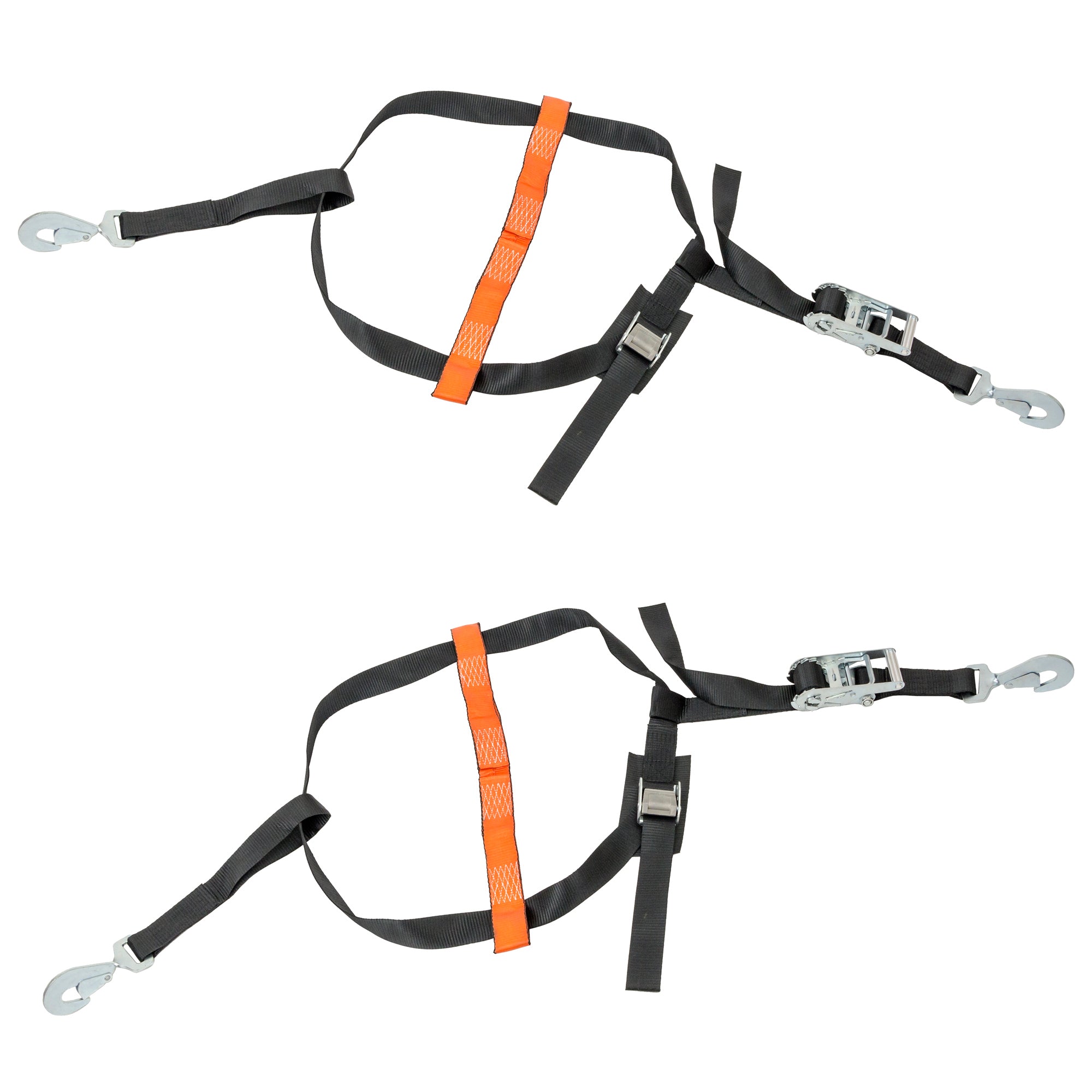
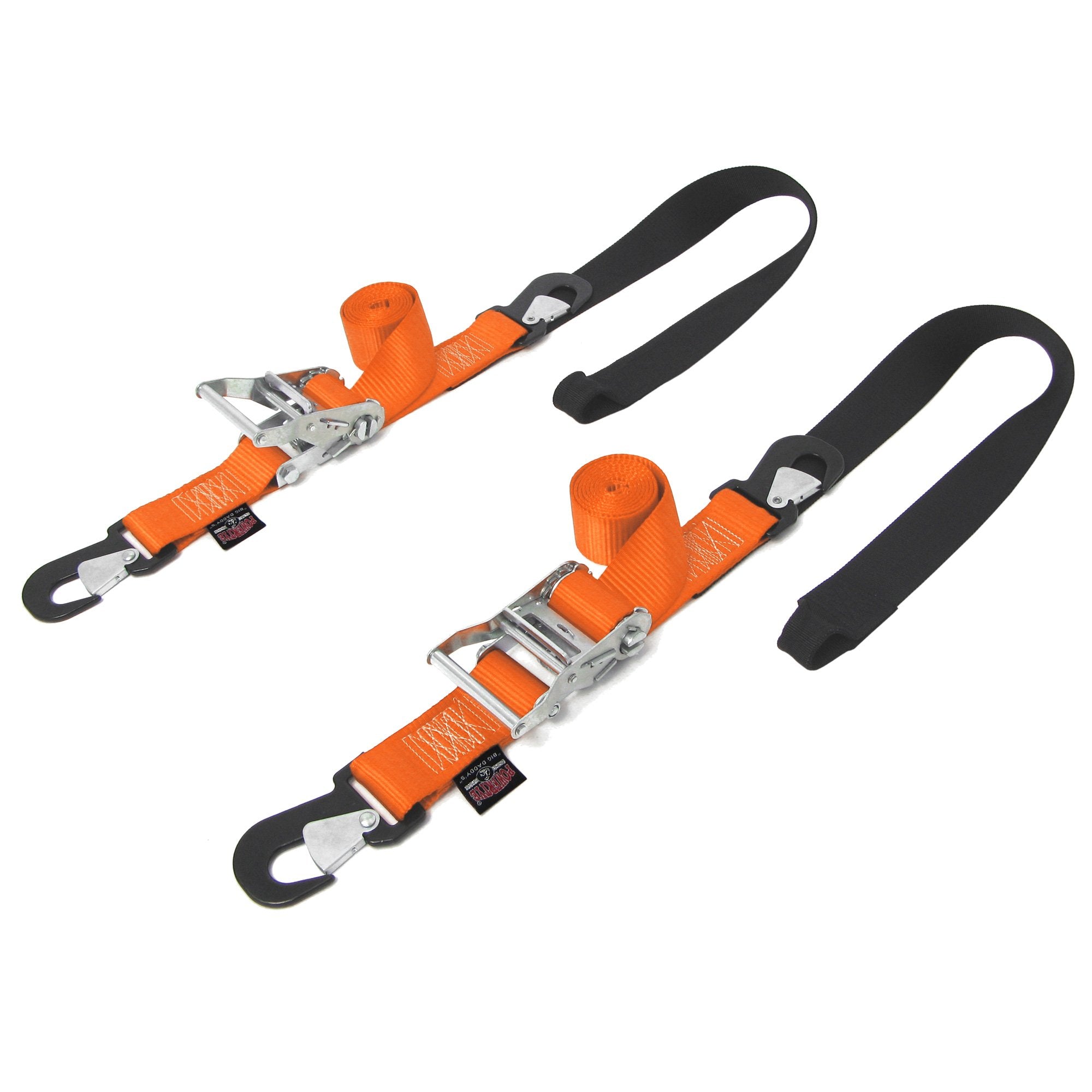
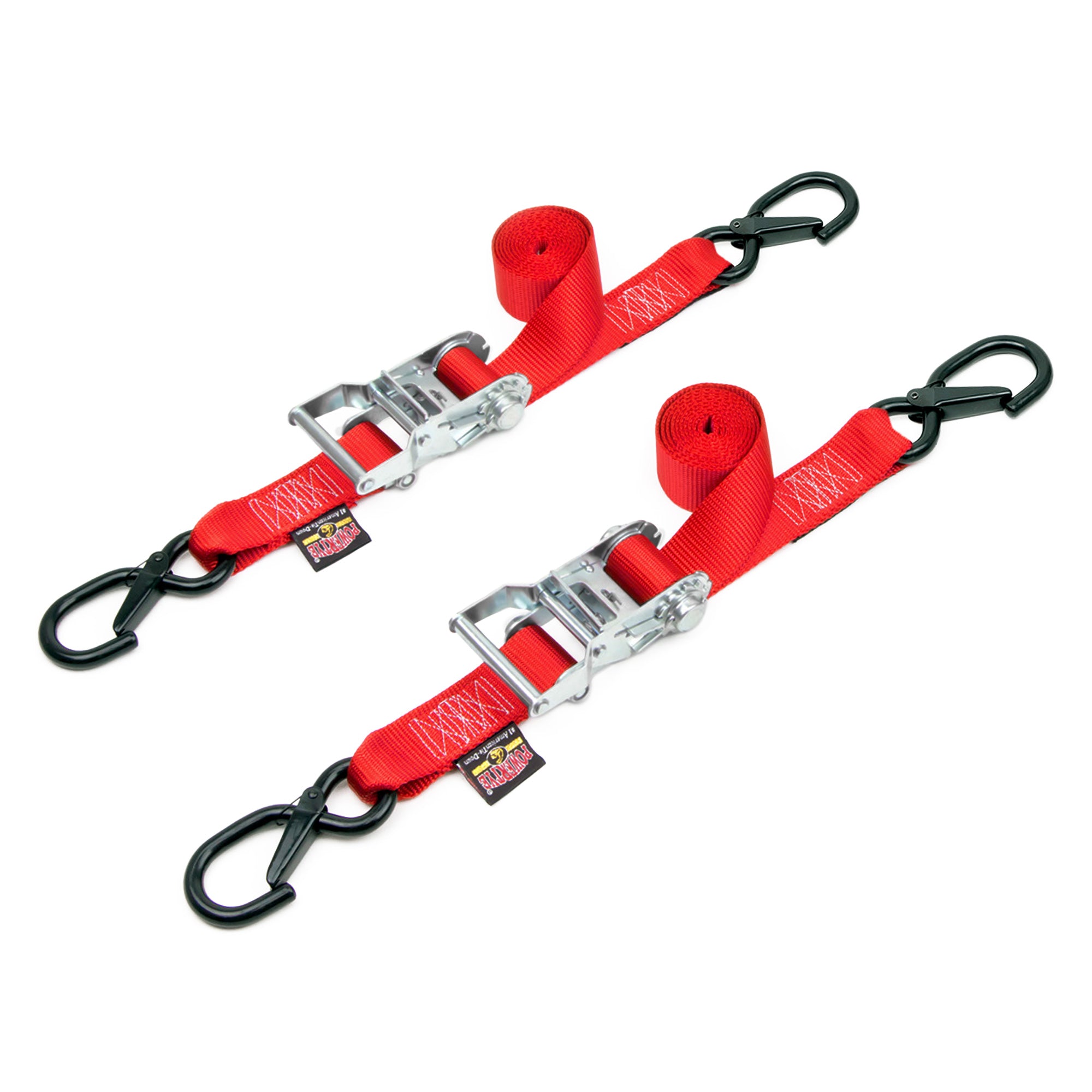
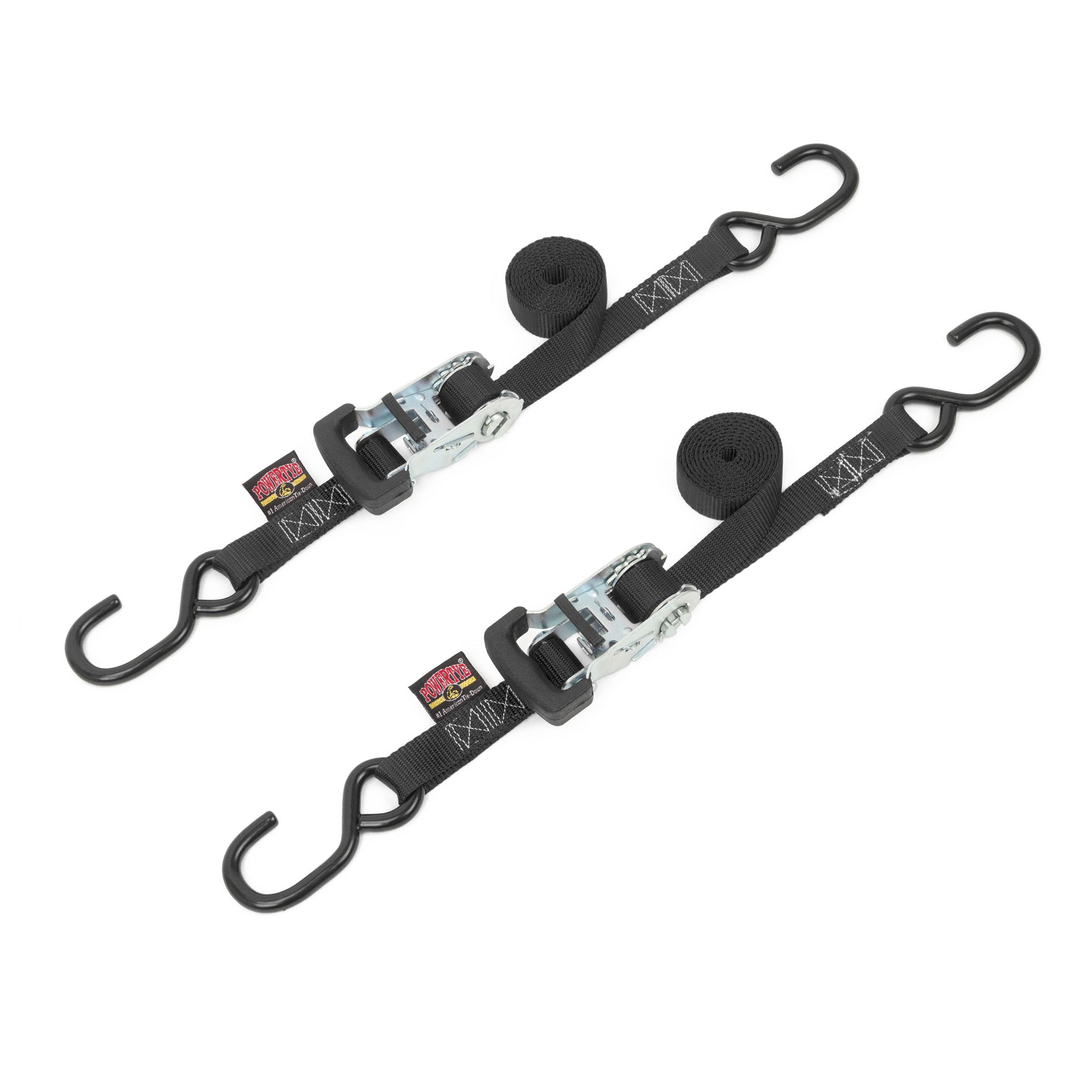
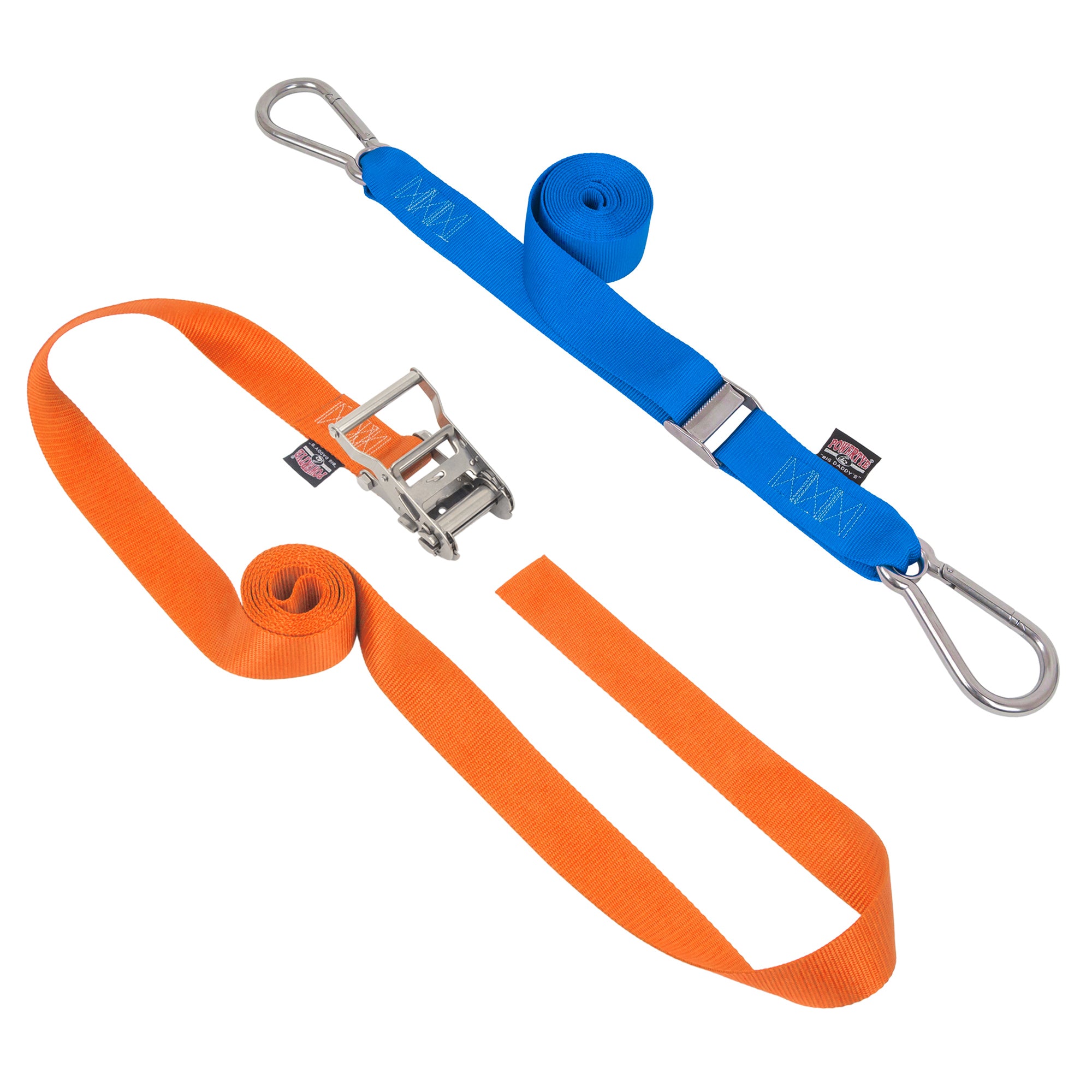
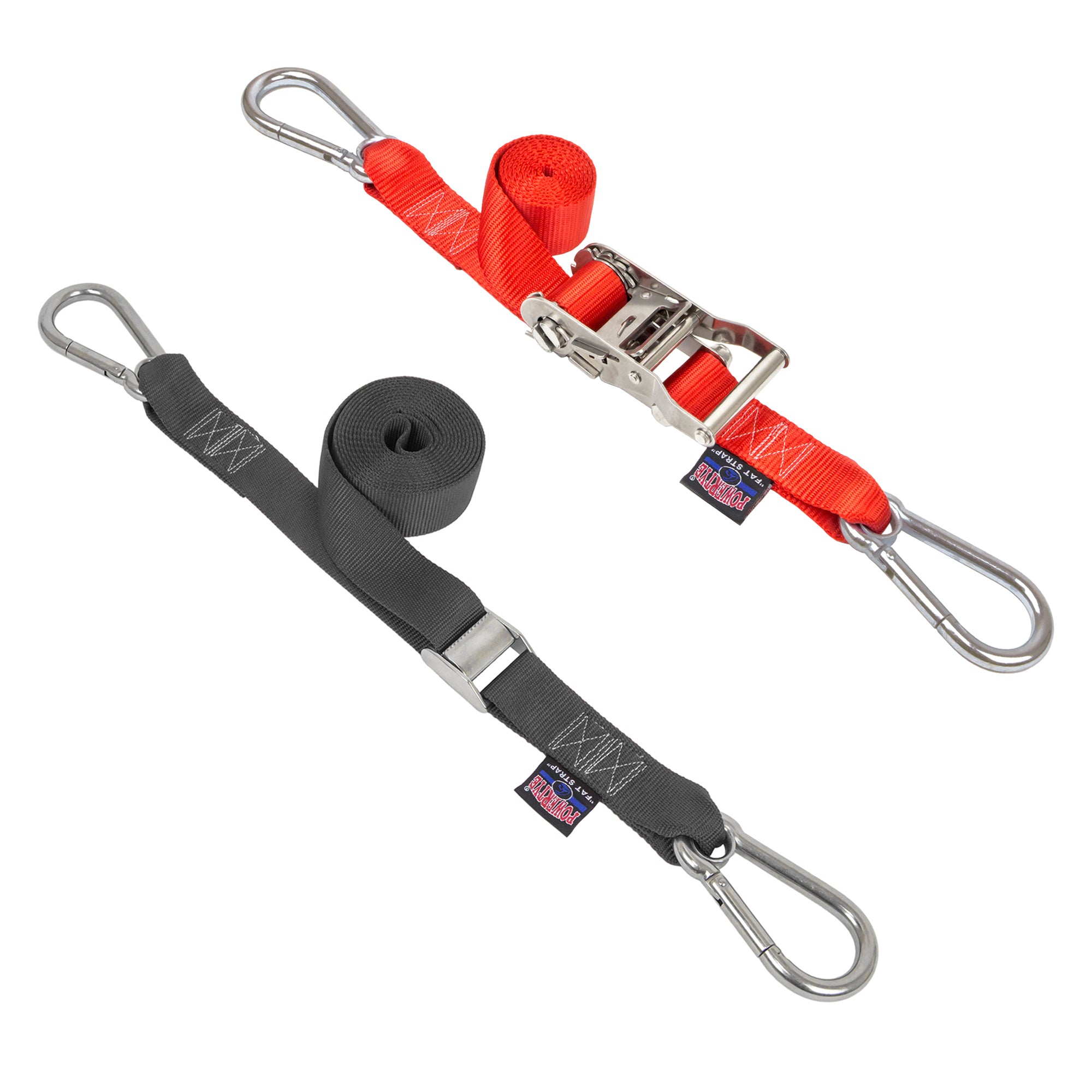
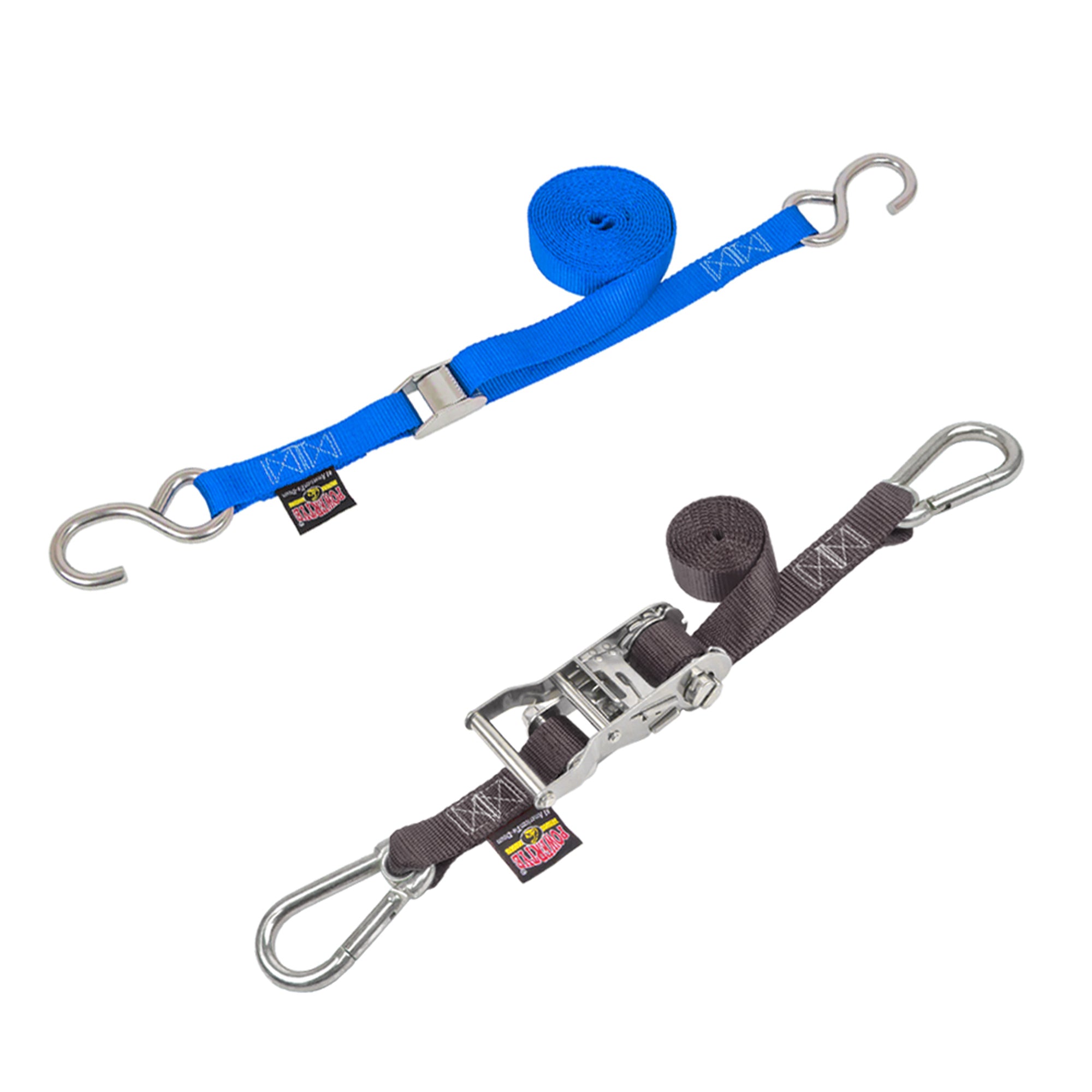
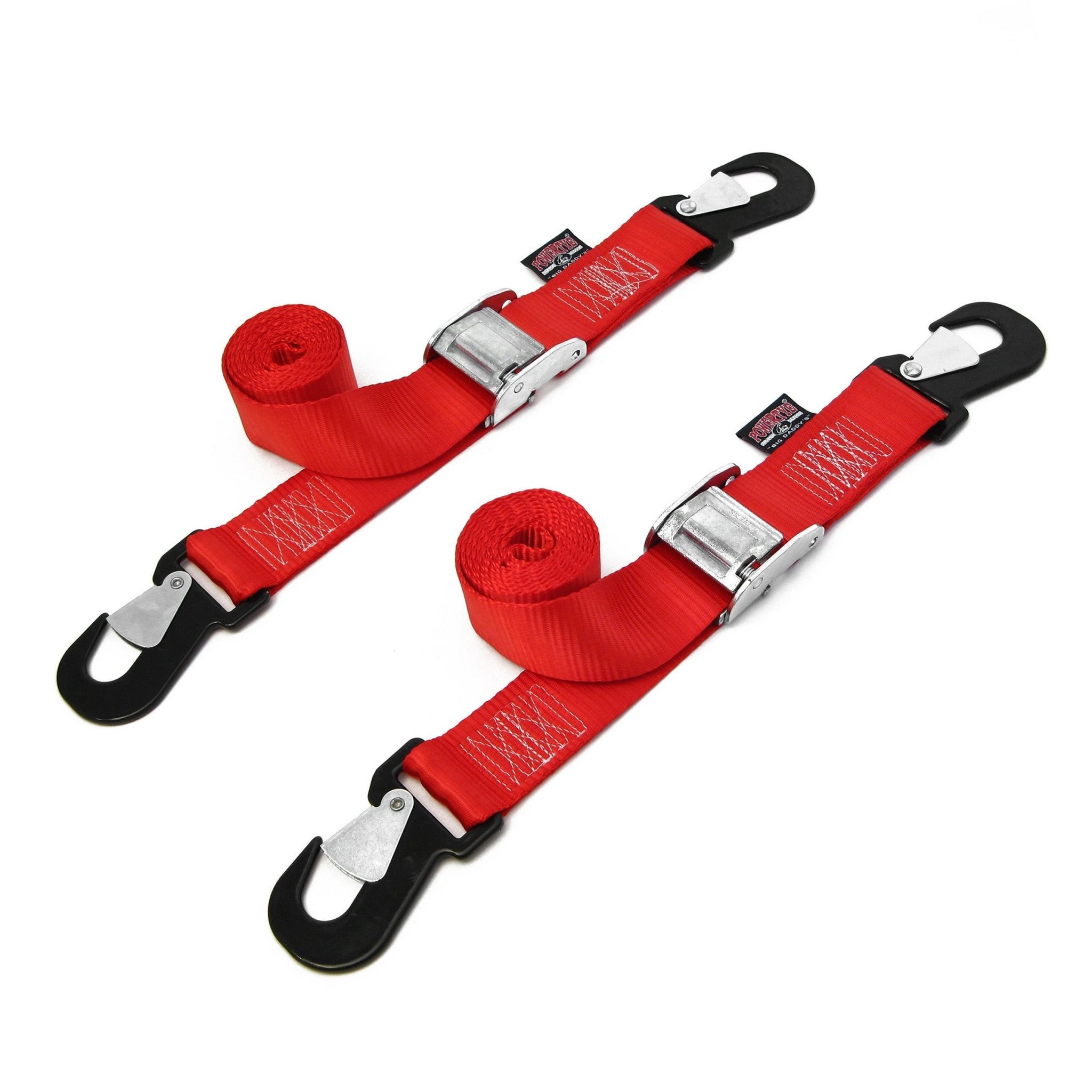
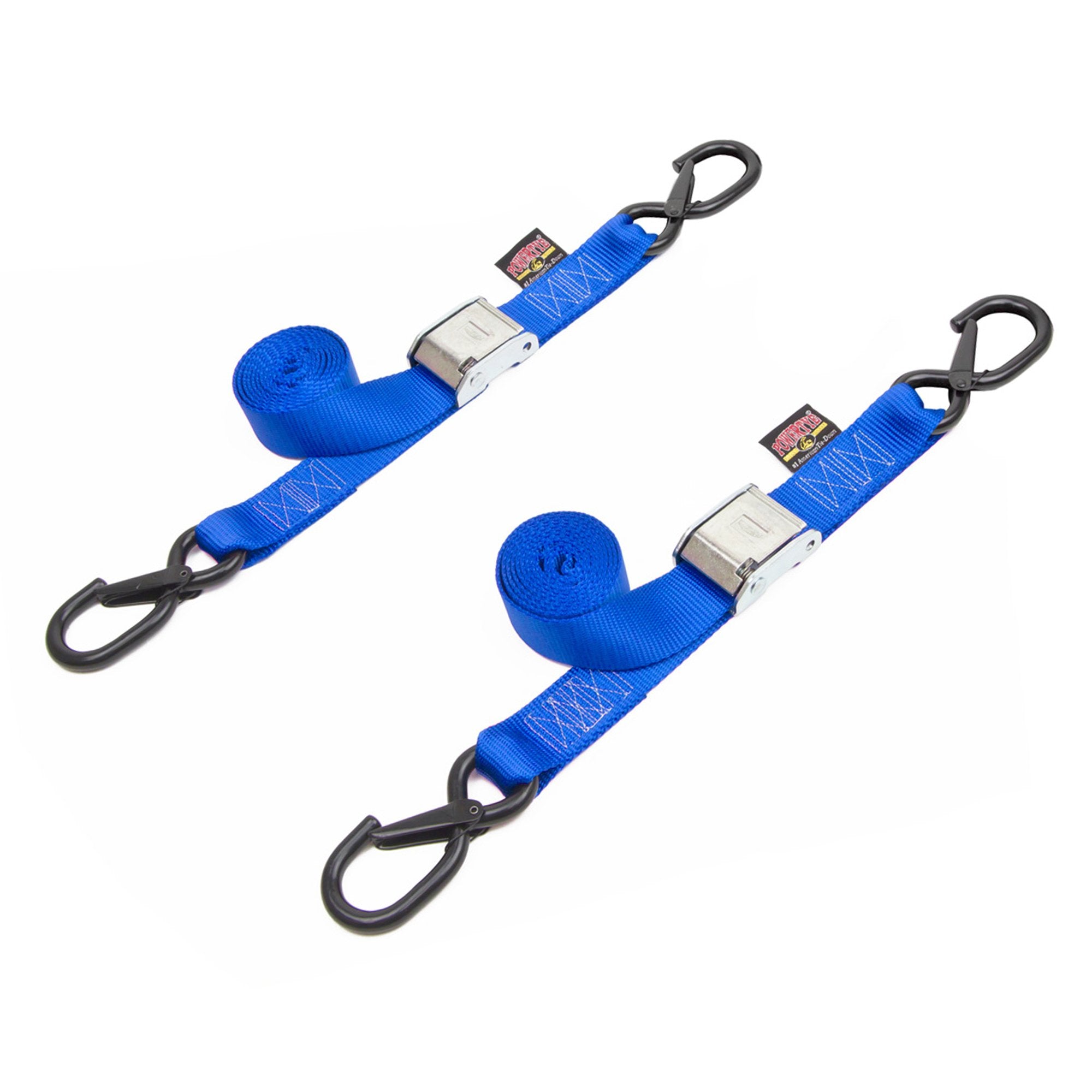
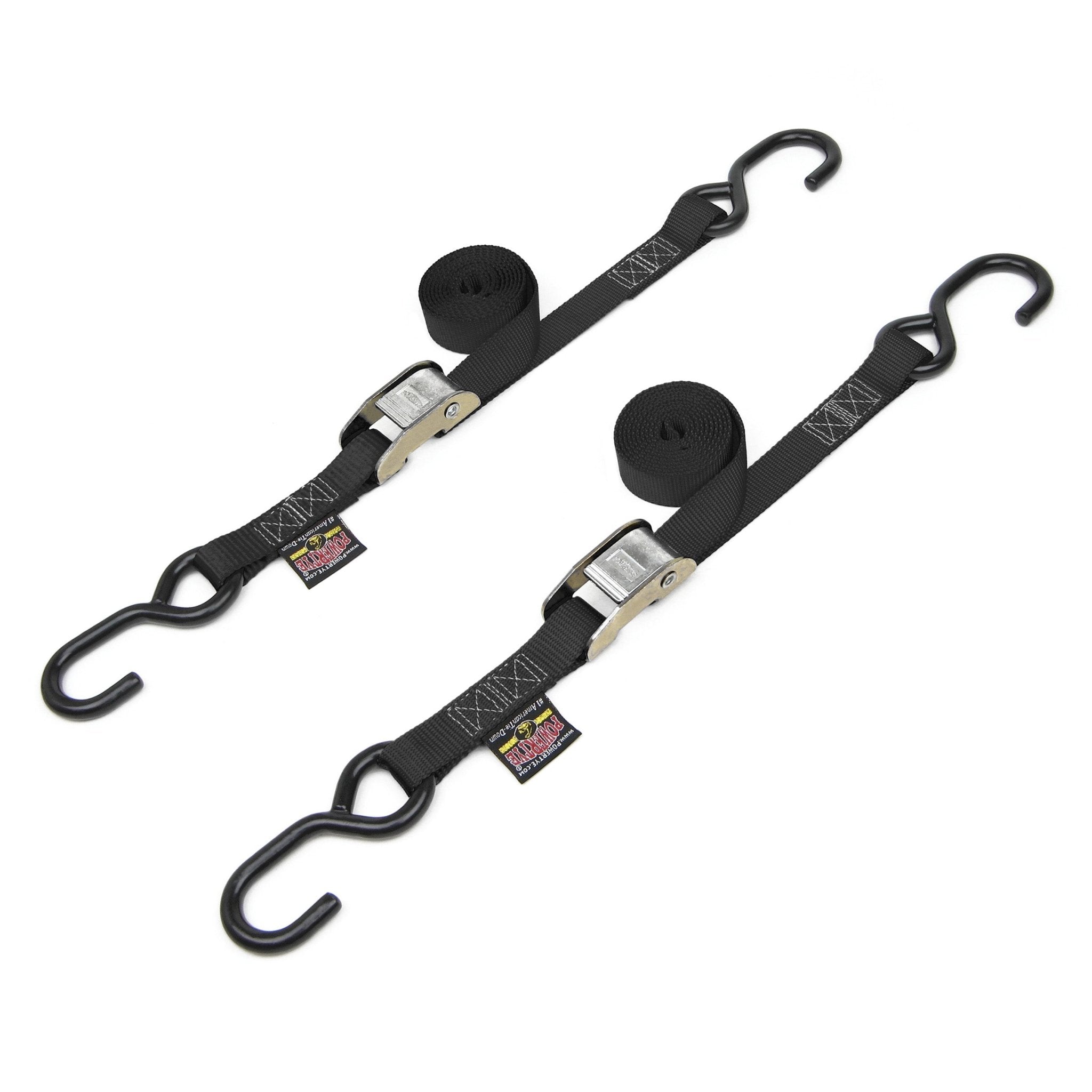
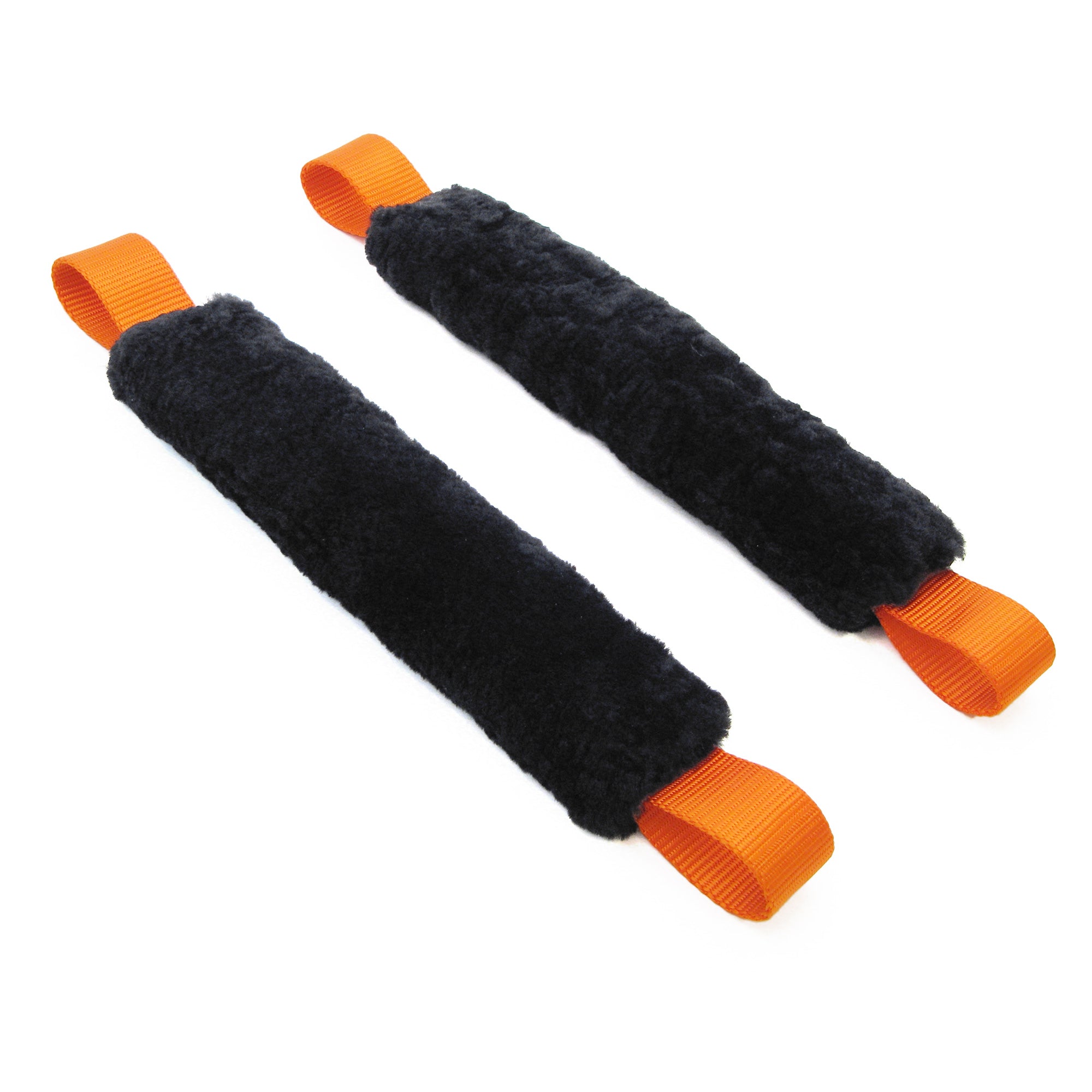
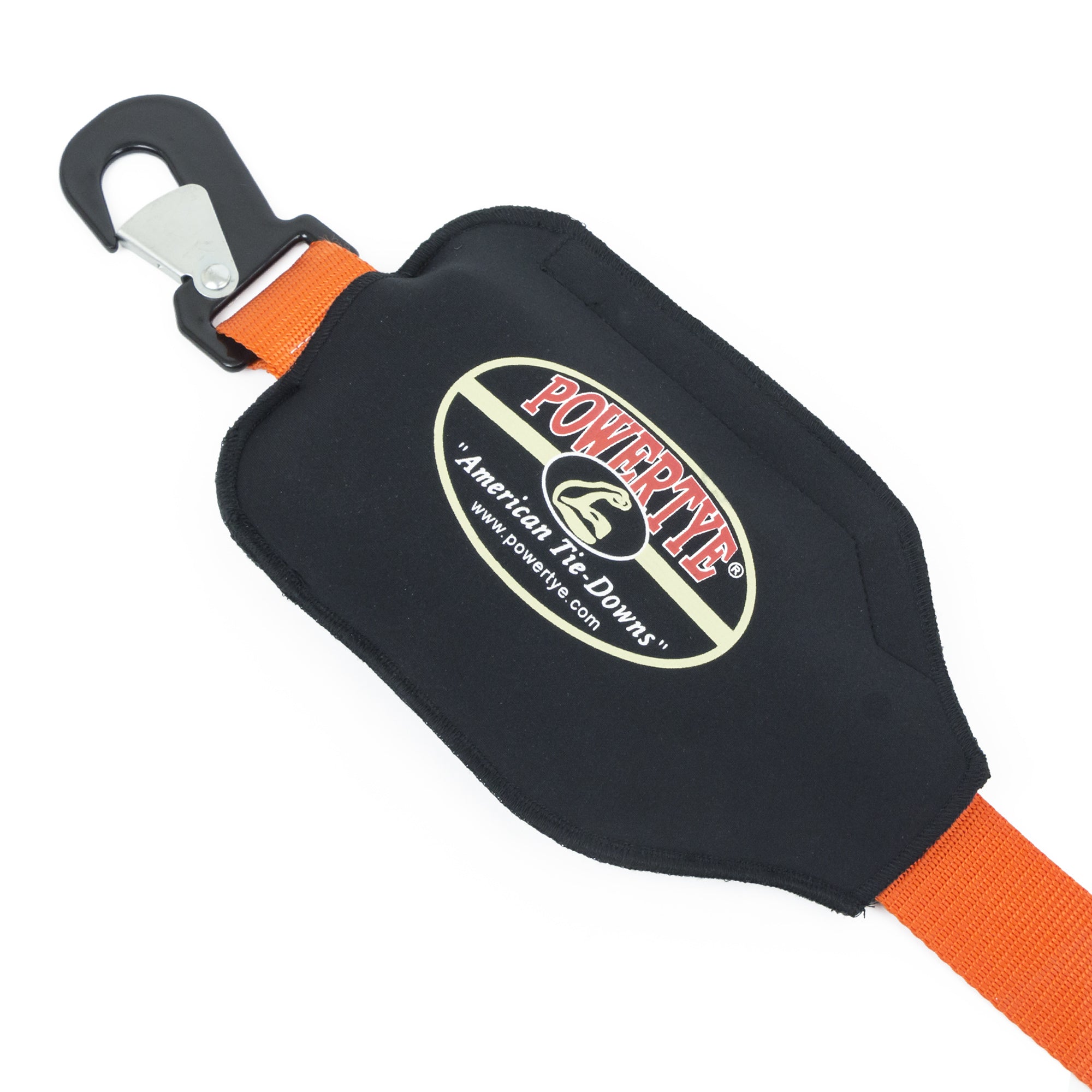
Understanding how trailer kits work also means understanding the role of the tie downs. The rails are only half the system. PowerTye’s ratchet straps, soft ties, and axle straps complete the setup by providing high quality webbing and hardware that latch securely to the L Track fittings. PowerTye ratchet straps use durable polyester webbing that resists stretching and damage, which is critical when transporting heavy machines. Their hooks and integrated soft ties protect handlebars, frame sections, and painted surfaces that might otherwise suffer during transport. When you combine a strong rail system with high quality tie downs, you get a hauling platform that feels much more dependable than an improvised setup with mismatched hardware.
Planning and Installing a Trailer Kit
Building a trailer kit starts with planning. A rider must measure their trailer and determine where the rails should be positioned to allow proper strap angles. For motorcycles, most riders choose rails that sit in front and behind the wheel chock positions so straps can pull downward and outward. For UTVs or larger equipment, rails spaced along the sides and front of the trailer give you the flexibility to anchor straps at different points depending on the frame layout. Once measurements are complete, drilling begins. Rails are attached with countersunk bolts that sit flush, which prevents tie downs from catching on hardware. Clean drilling is important because burrs and sharp edges can interfere with the fit or compromise strength. Riders installing rails on metal trailer floors often take their time to avoid overheating the bit or damaging the metal.
After drilling, reinforcement becomes an important step. While wooden trailer floors often accept bolts easily, heavier cargo sometimes requires backing plates or additional support under the trailer surface. PowerTye offers mounting hardware that pairs well with the TrackStar rails and gives riders the confidence they need when securing thousands of pounds of equipment. Once the rails are bolted and tightened, the system is ready for fittings. PowerTye’s single stud and double stud fittings snap into the L Track and lock with a satisfying click that lets riders know the anchor point is secure. These fittings also remove easily, which means you can reposition them anywhere along the rail. This is much different from traditional D rings that require a fixed location and cannot adapt when your cargo changes.
Using Your Trailer Kit Effectively
Once the trailer kit is installed, using it becomes second nature. A rider simply drops the fittings into the rails, attaches the soft ties or axle straps to the vehicle, and tightens the ratchet straps until the machine compresses slightly onto its suspension. This process keeps the load stable without crushing shocks or creating unnecessary tension. Even tightening is important because one overly tight strap can pull the vehicle to one side and reduce overall control. Experienced haulers always tighten straps gradually, alternating sides to maintain balance. A final walk around helps confirm that no webbing is twisted, no hooks are half engaged, and no surfaces are rubbing against metal edges.
Common Mistakes to Avoid
Mistakes can still happen if someone does not understand how trailer kits should be used. One of the most common mistakes is using worn or mismatched straps. A trailer kit may provide the best mounting system in the world, but if the straps are cracked, frayed, or rusted, the entire setup becomes unsafe. Riders sometimes underestimate how much force a strap must endure during sudden braking or sharp turns. An old or damaged strap may hold during the start of the trip only to fail later when the forces increase. PowerTye straps are durable, but inspection is still necessary to catch wear before it becomes a problem.
Improper strap angles also create issues. A trailer kit makes flexible mounting possible, but riders must still understand how to route straps for downward pressure. If straps pull horizontally or upward, the load can bounce or shift during transport. For motorcycles, the proper angle pulls the bike down and forward from the handlebars or fork area while the rear straps pull downward and slightly back. For UTVs, axle straps should connect to solid frame members while the ratchet straps anchor to rails positioned along the sides of the trailer. The shape of the vehicle determines the ideal angle, and a properly installed trailer kit makes achieving those angles much easier.
A major mistake riders make is failing to recheck strap tension after the first few miles. Road vibration causes straps to settle, especially when tied to suspension components. Experienced haulers always stop after ten or fifteen minutes to ensure the load is still secure. This quick check prevents shifting or loosening that could lead to dangerous instability later. Another oversight is forgetting weight distribution. Even the best trailer kit cannot compensate for improper loading. Heavy items should always be placed forward to keep tongue weight balanced and prevent fishtailing. A properly secured load still depends on the physics of trailer balance.

Safety Habits and Best Practices
Safety habits create consistency. Riders who use PowerTye trailer kits quickly learn the value of routine inspections. Before each trip, checking the rails for loosened bolts, cleaning debris from fittings, and inspecting straps for wear all contribute to a safe hauling experience. Strap routing must avoid sharp edges that can rub webbing during transport. Soft ties and axle straps act as protective buffers between the load and the webbing. Riders should also avoid over tightening because crushing the suspension leads to stress on shocks. A balanced amount of tension keeps the load stable without causing long term mechanical issues.
Choosing the Right PowerTye Trailer Kit
Choosing the right trailer kit from PowerTye depends on the type of equipment being hauled. TrackStar L Track rails come in different lengths, giving riders the freedom to create custom layouts. Some trailers benefit from long floor rails that allow multiple bikes to be tied down in different positions. Others benefit from shorter rail sections mounted on the walls or floor for additional tie down points. PowerTye fittings include both single stud and double stud options. Double stud fittings provide increased strength and are ideal for heavier vehicles like UTVs. PowerTye ratchet tie downs come in various lengths and strengths to match the working load requirements of different cargo. Their soft ties and axle straps ensure that straps connect safely to frame components or handlebars without causing damage.
Maintenance and Care for Trailer Kits
Maintaining trailer kits ensures long term reliability. Cleaning the L Track rails keeps mud, dust, and sand from interfering with the fittings. Riders who haul off road vehicles often end up with debris on their trailers, so wiping the rails down with a cloth keeps them performing smoothly. Straps should be washed with mild soap to remove dirt that can break down fibers. They should always dry completely before being stored. Moisture weakens webbing over time, and damaged straps reduce the effectiveness of the trailer kit. Ratchet mechanisms benefit from light lubrication to prevent sticking or rust. Heavy grease is unnecessary and may attract more dirt. Instead, a small amount of spray lubricant keeps the mechanism moving smoothly.
Fittings should also be inspected regularly. If a stud fitting becomes difficult to lock into the rail, debris may be obstructing the mechanism. Cleaning or replacing worn fittings prevents failure during transport. Hardware such as bolts and washers must remain tight. Over time, vibration can loosen components, especially if the trailer sees heavy use. A quick inspection routine solves most of these issues before they cause problems.
Frequently Asked Questions About Trailer Kits
The more a rider uses a trailer kit, the more natural the system becomes. Loading transitions from a chore into a predictable, almost automatic process. A good trailer kit removes uncertainty. Riders who once worried about whether their straps were placed correctly or whether their anchor points would hold find comfort in a system designed for flexibility and strength. PowerTye has built its reputation by designing products that solve hauling problems rather than complicating them. Their TrackStar systems feel intuitive because they adapt to real world situations that riders face every day.
Many riders have common questions about trailer kits. They often want to know what is included in a standard kit. PowerTye trailer kits typically include L Track rails, mounting bolts, and the fittings needed to connect tie downs. Some kits include straps while others allow riders to choose straps separately based on their needs. Riders also ask how many rails they should install. One rail may work for a single motorcycle, but multiple rails create better flexibility and safety. UTVs or heavier loads often require stronger fittings and additional tie down points. Riders want to know if they can move tie down points after installation, and the answer is yes. L Track fittings slide anywhere along the rail. Riders ask if trailer kits work for UTVs, and they absolutely do. The key is using heavy duty straps and double stud fittings for extra security. A common question is whether soft ties are necessary. They are not required, but they protect sensitive parts and make strap routing easier. Another question involves installation difficulty. Most riders can install L Track rails on their own with basic tools.
Conclusion and Call to Action
When all the components come together, a trailer kit becomes more than just hardware. It becomes a hauling system tailored to the rider’s needs. With PowerTye’s American made quality and real world durability, riders get equipment built to handle the demands of long distance travel, off road gear, multiple motorcycles, or heavy side by sides. Riders who upgrade their trailers with PowerTye components quickly see the difference in confidence and ease of use.
Trailer kits give haulers the ability to secure their vehicles safely, efficiently, and with complete control. PowerTye delivers the reliability, craftsmanship, and versatility needed to create a hauling setup that works for every kind of rider. If you want the strength and dependability that experienced haulers trust, a PowerTye trailer kit is the perfect way to transform your trailer into a safer, smarter, and more flexible hauling platform.
Shop PowerTye trailer kits at www.powertye.com and build a hauling setup you can rely on every trip.