



Trailer Kits: The Smart Way to Build a Safer, Faster, and More Reliable Tie-Down Setup
If you haul motorcycles, ATVs, UTVs, personal watercraft, or equipment regularly, you already know that individual straps alone do not always create an efficient or consistent setup. Mixing and matching straps, hooks, and accessories often leads to cluttered trailers, uneven tension, and wasted time every time you load up. That is exactly why trailer kits exist.
A trailer kit brings together the right straps and accessories into a single, purpose-built system designed to work together. Instead of guessing which straps to use or how many you need, trailer kits provide a proven foundation for safe, repeatable transport. For experienced riders and haulers, they are one of the easiest upgrades you can make to improve safety, speed, and confidence on every haul.
This guide breaks down everything you need to know about trailer kits. You will learn how they work, why they matter, how to use them step by step, common mistakes to avoid, essential safety tips, how to choose the right PowerTye trailer kits, how to maintain the components, and answers to the most common questions riders ask.
Why Trailer Kits Matter for Serious Hauling
Hauling powersports equipment is not just about holding something in place. It is about controlling movement under real-world forces like braking, wind, bumps, and vibration. A mismatched set of straps can work, but it often creates weak points in the system.
Trailer kits matter because they:
-
Provide a complete, balanced tie-down system
-
Eliminate guesswork when loading
-
Improve consistency across every haul
-
Reduce setup and breakdown time
-
Ensure compatible strap lengths and hardware
Instead of relying on whatever straps are closest, trailer kits give you a repeatable process that works the same way every time.
What Is a Trailer Kit
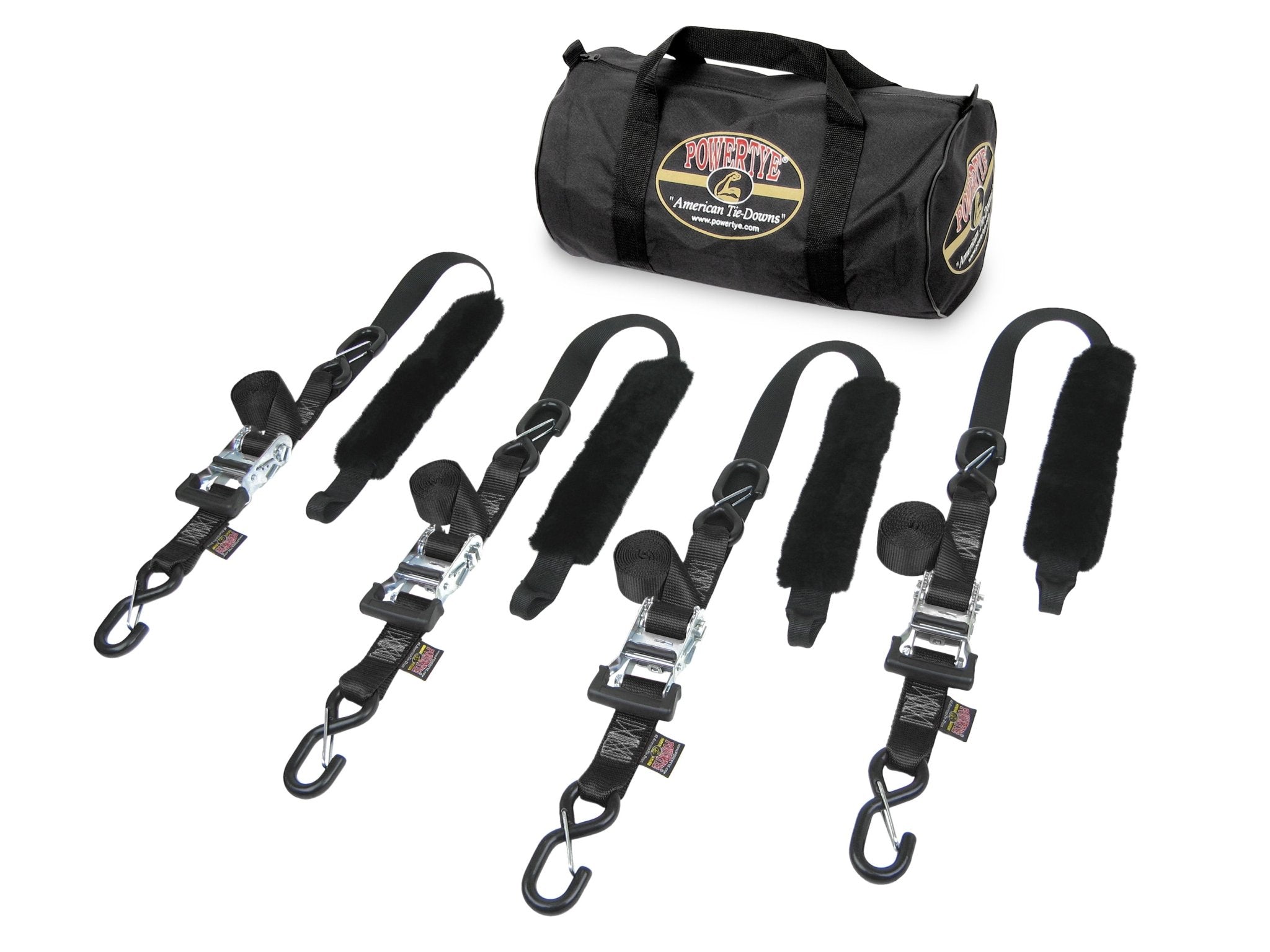
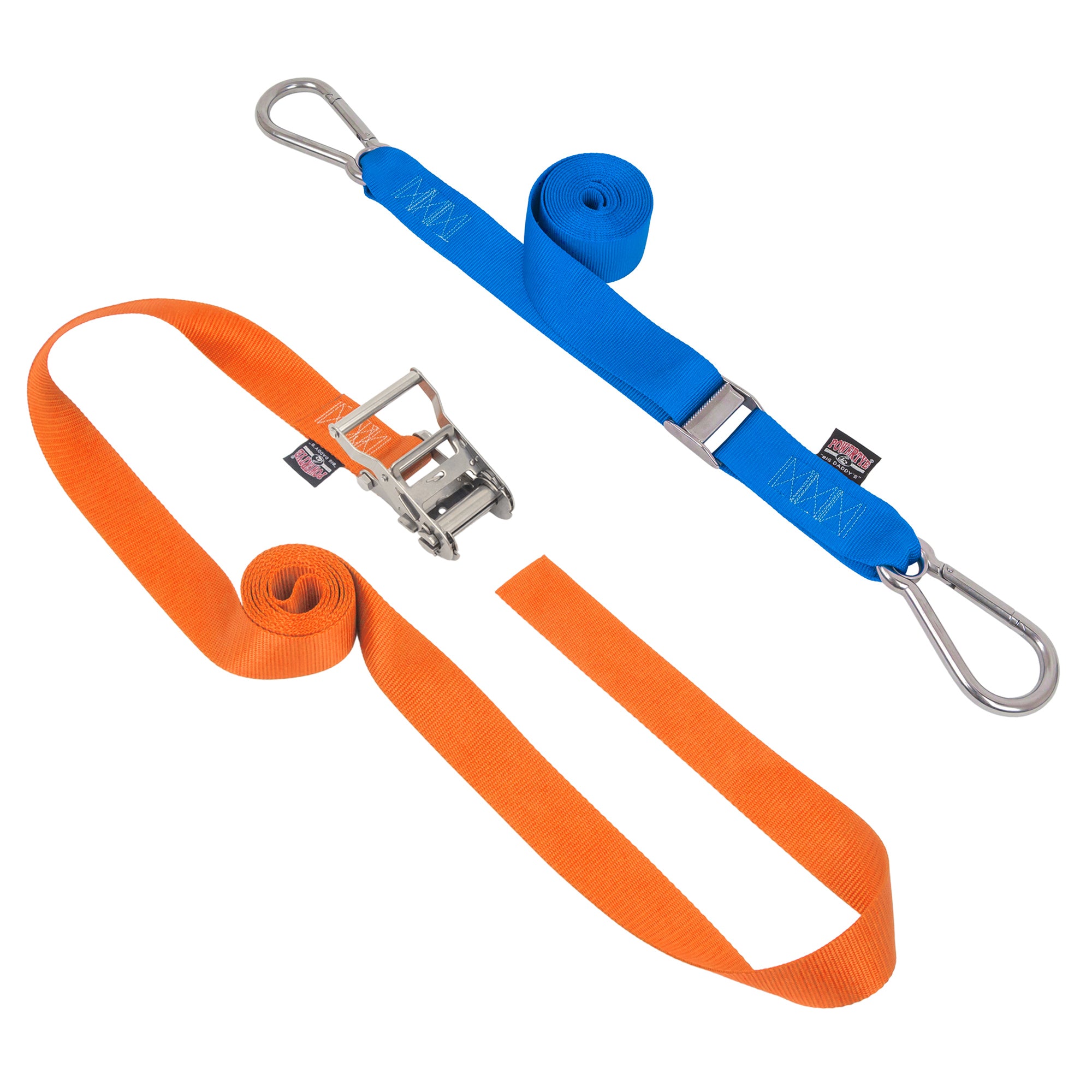
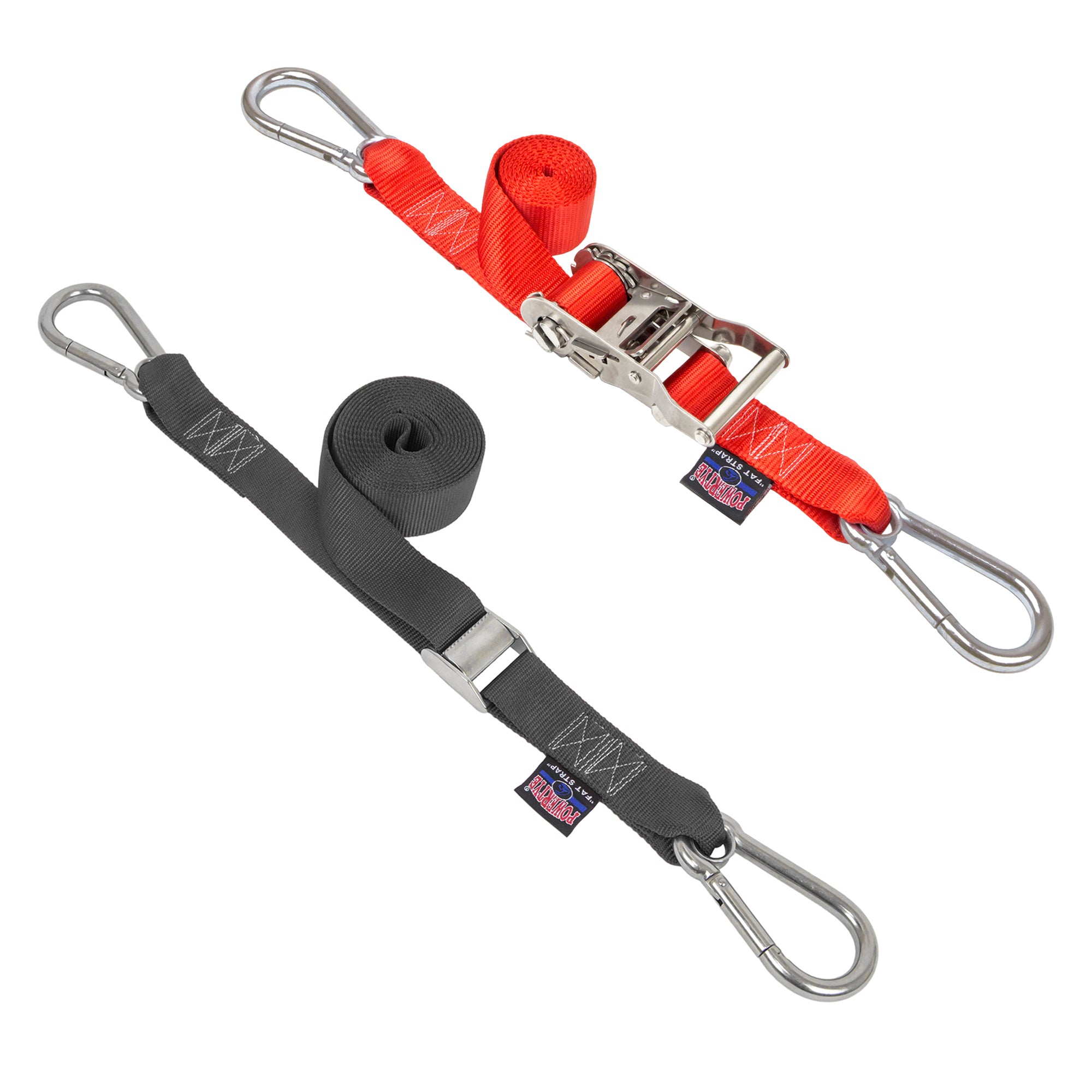
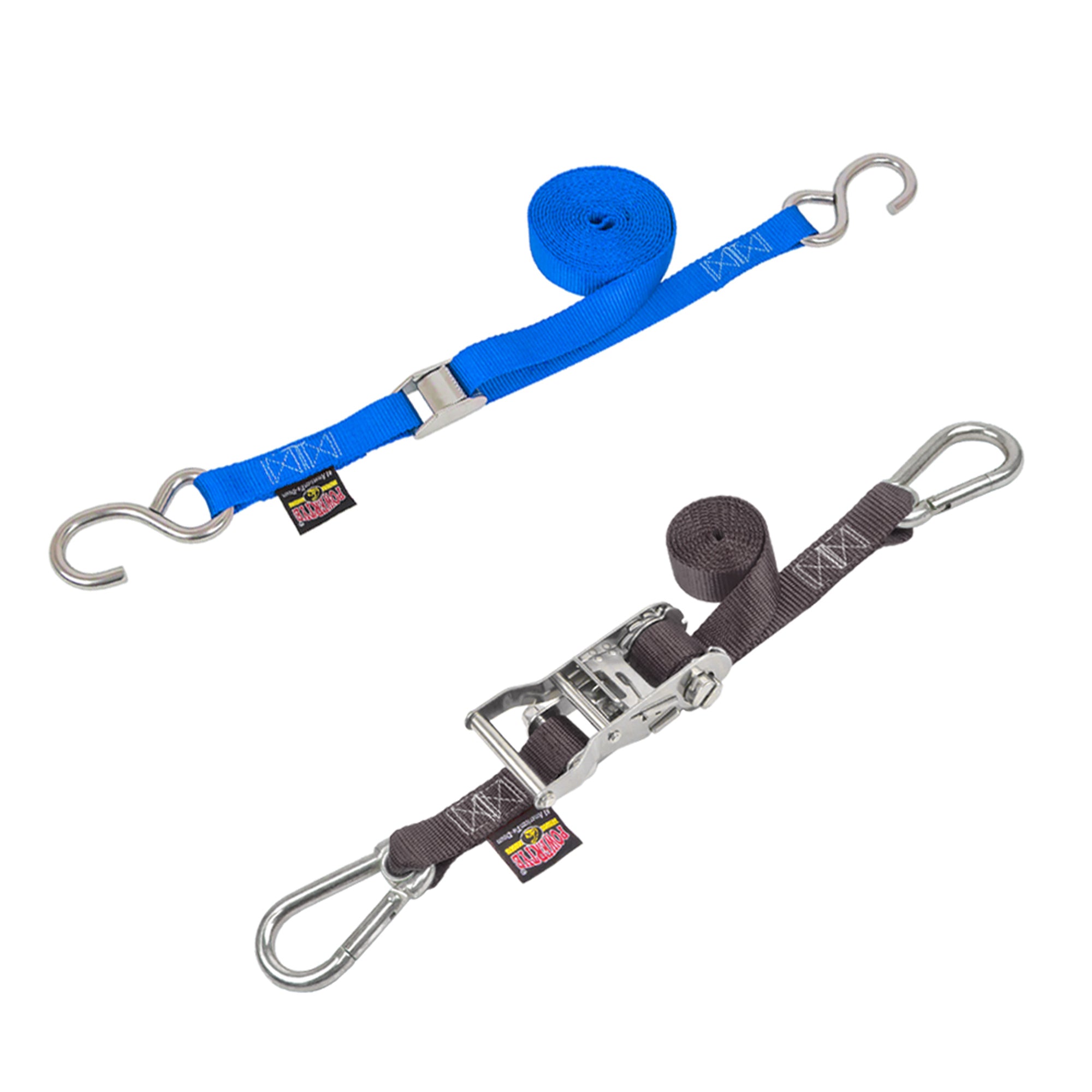
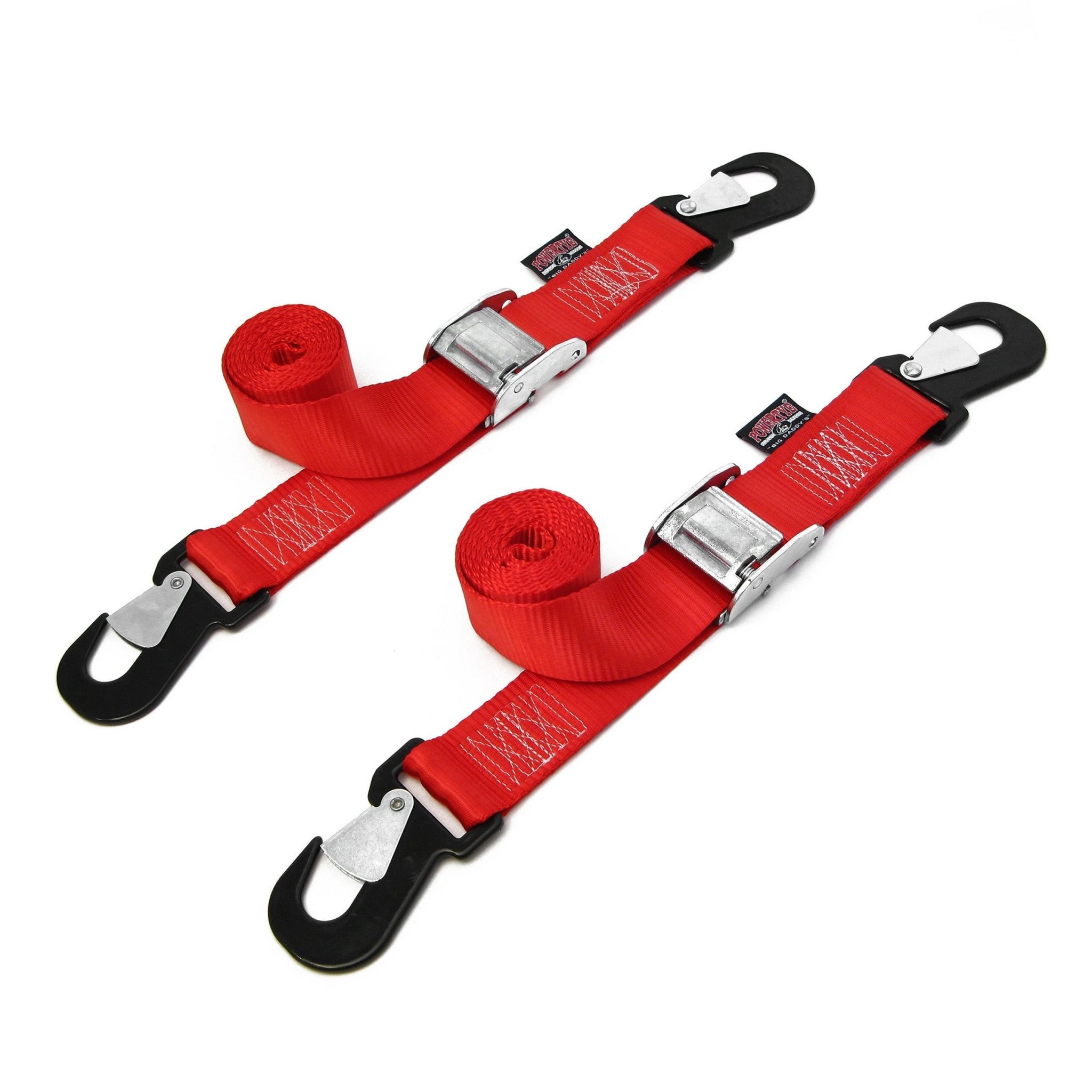
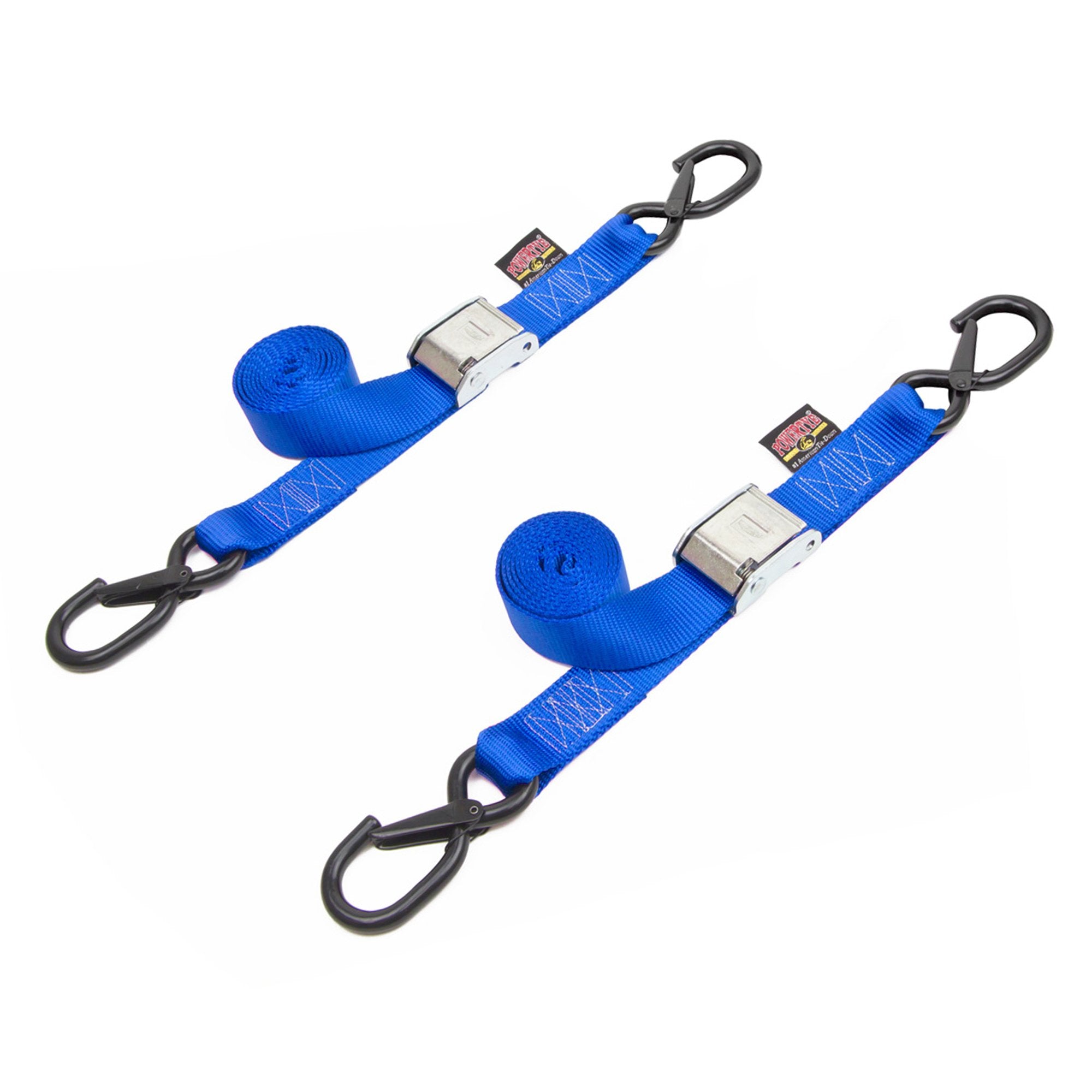
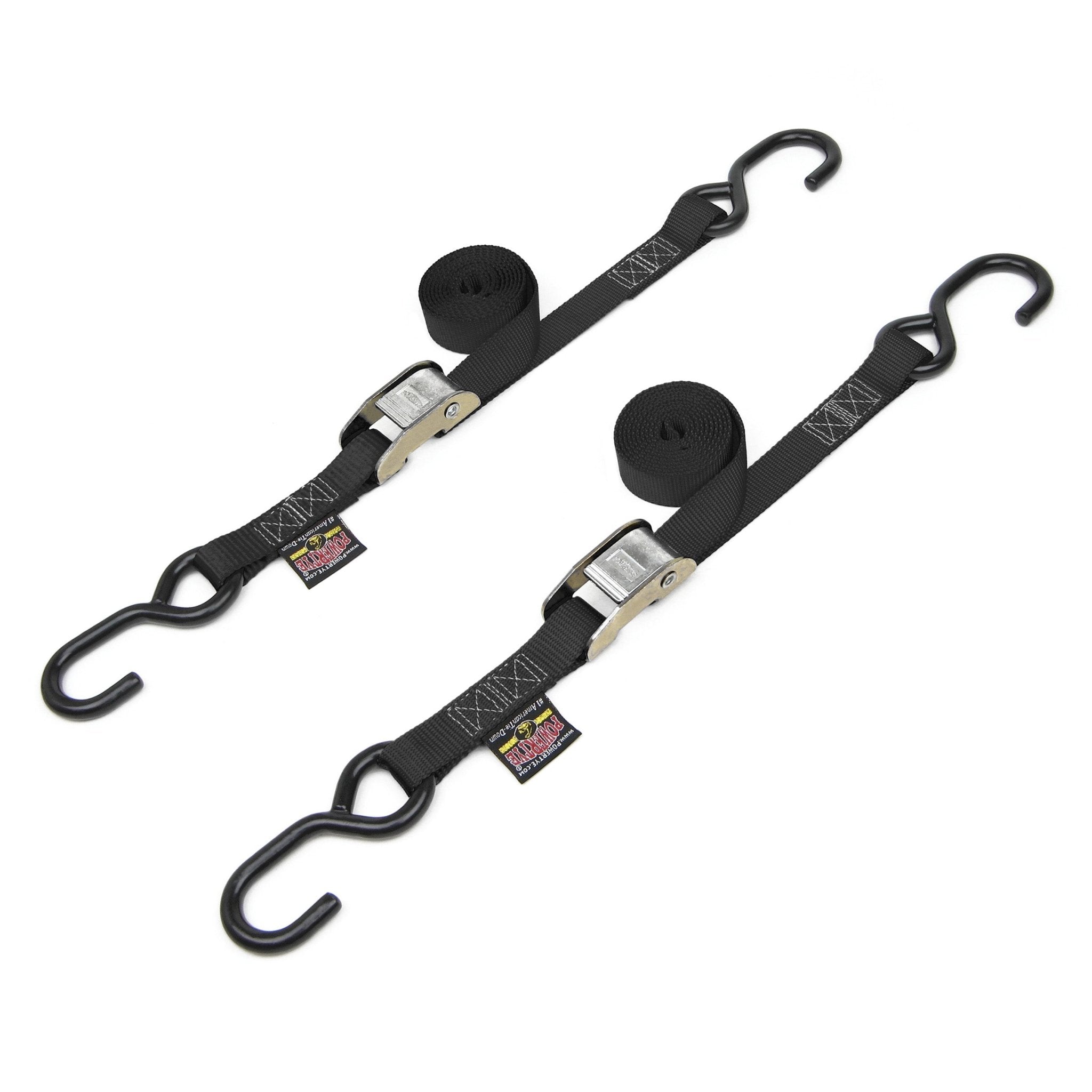
A trailer kit is a bundled set of tie-down equipment designed to secure specific types of loads. Rather than buying individual straps and accessories separately, a kit includes everything needed to properly secure a vehicle or machine.
Most PowerTye trailer kits include combinations of:
-
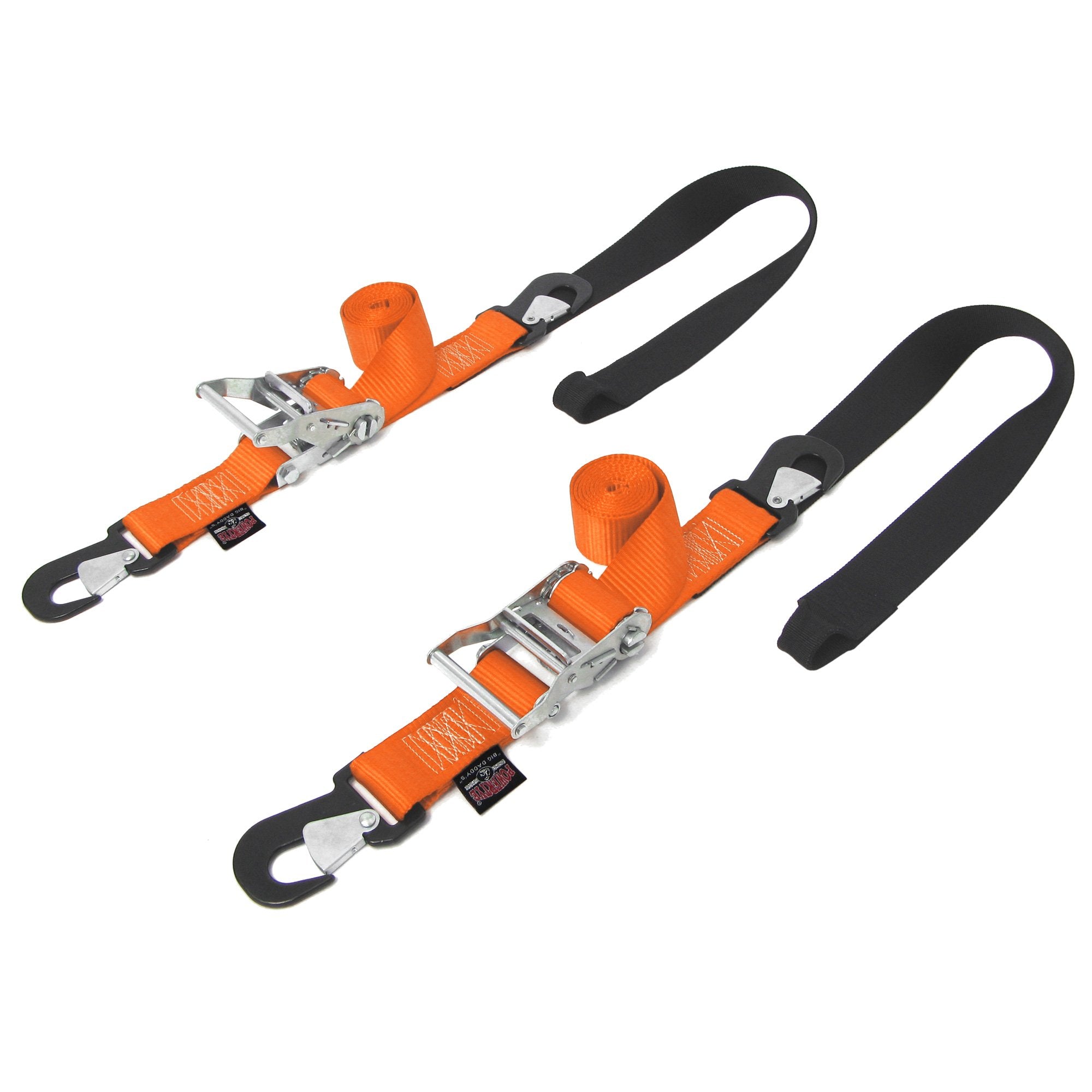
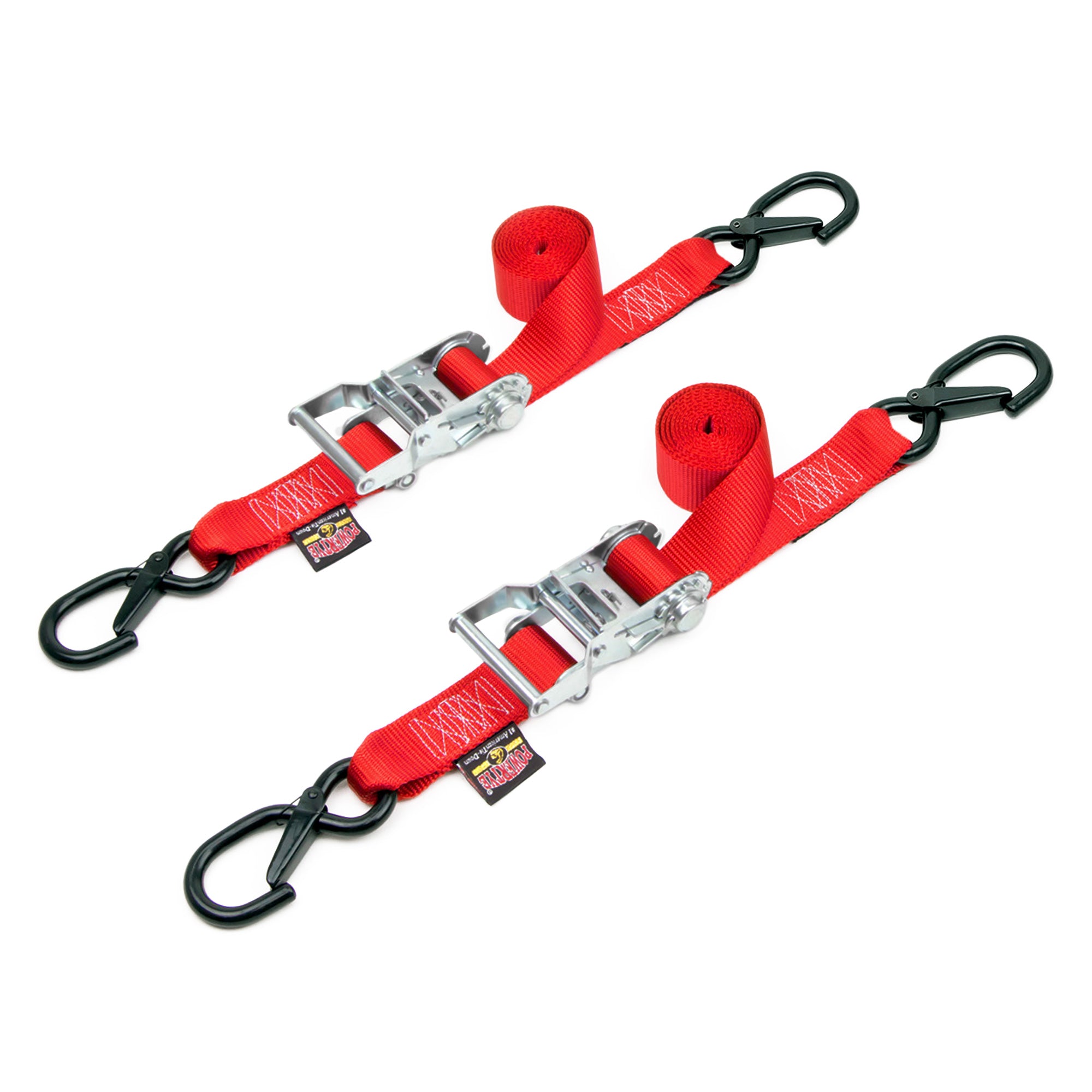
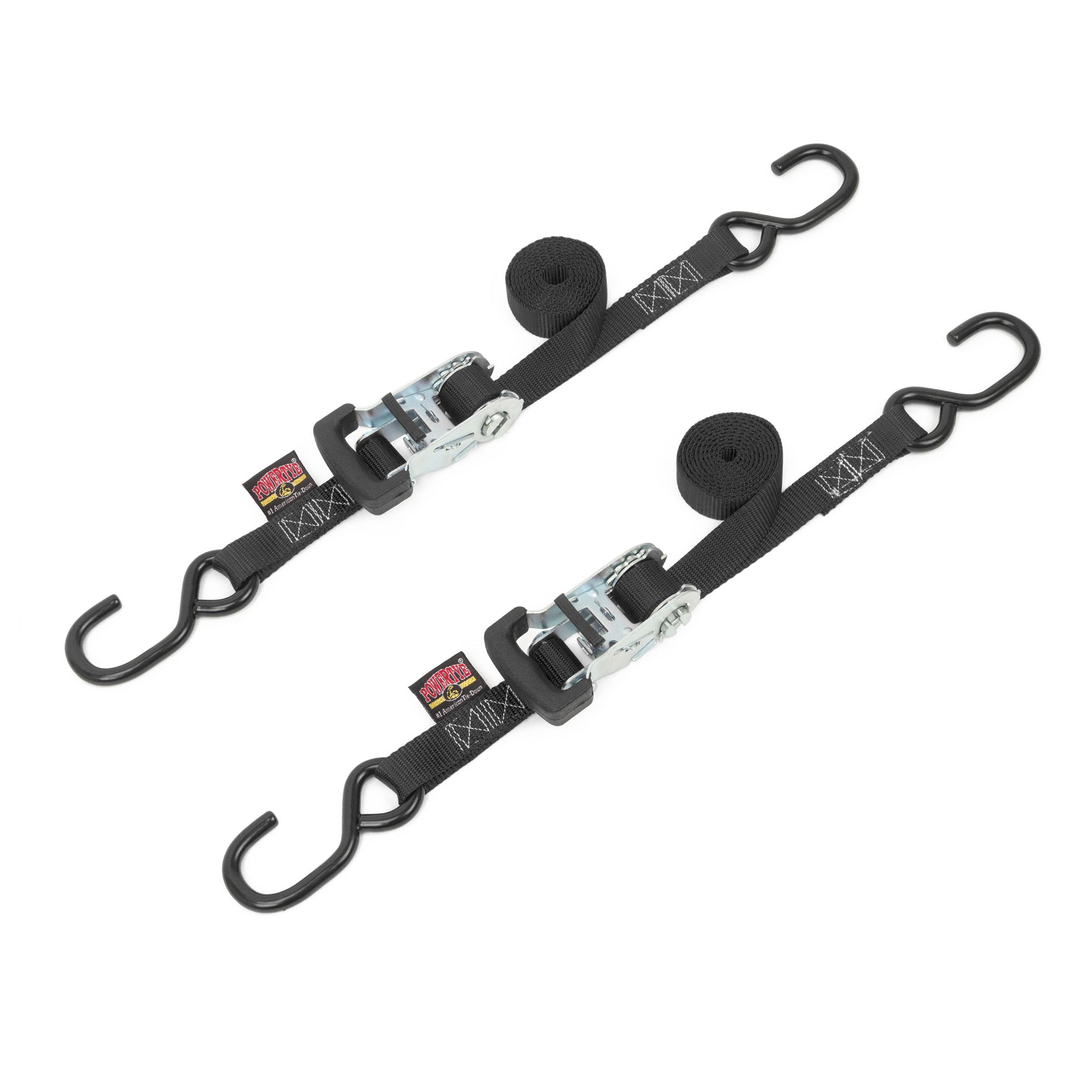
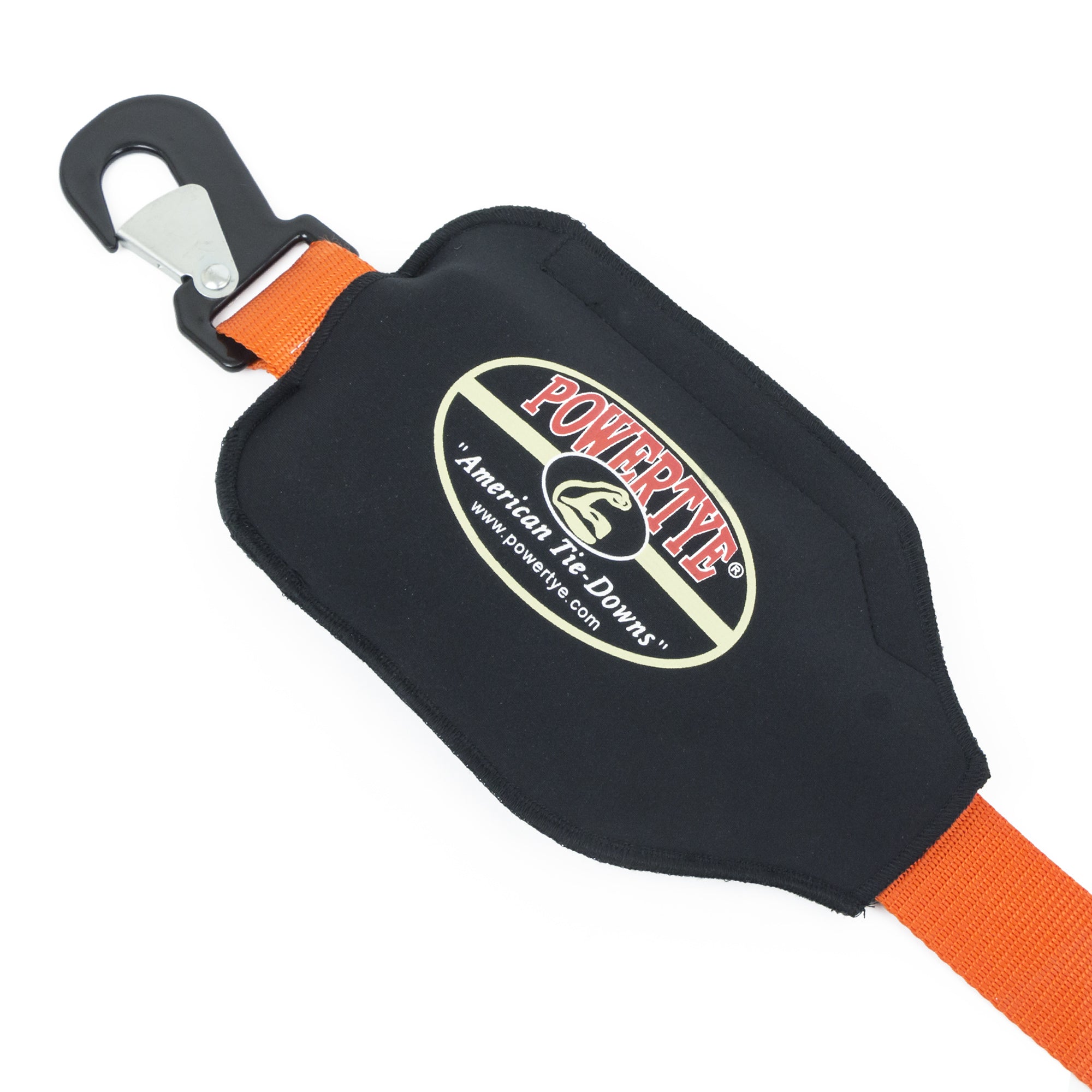
Ratchet tie-down straps
-
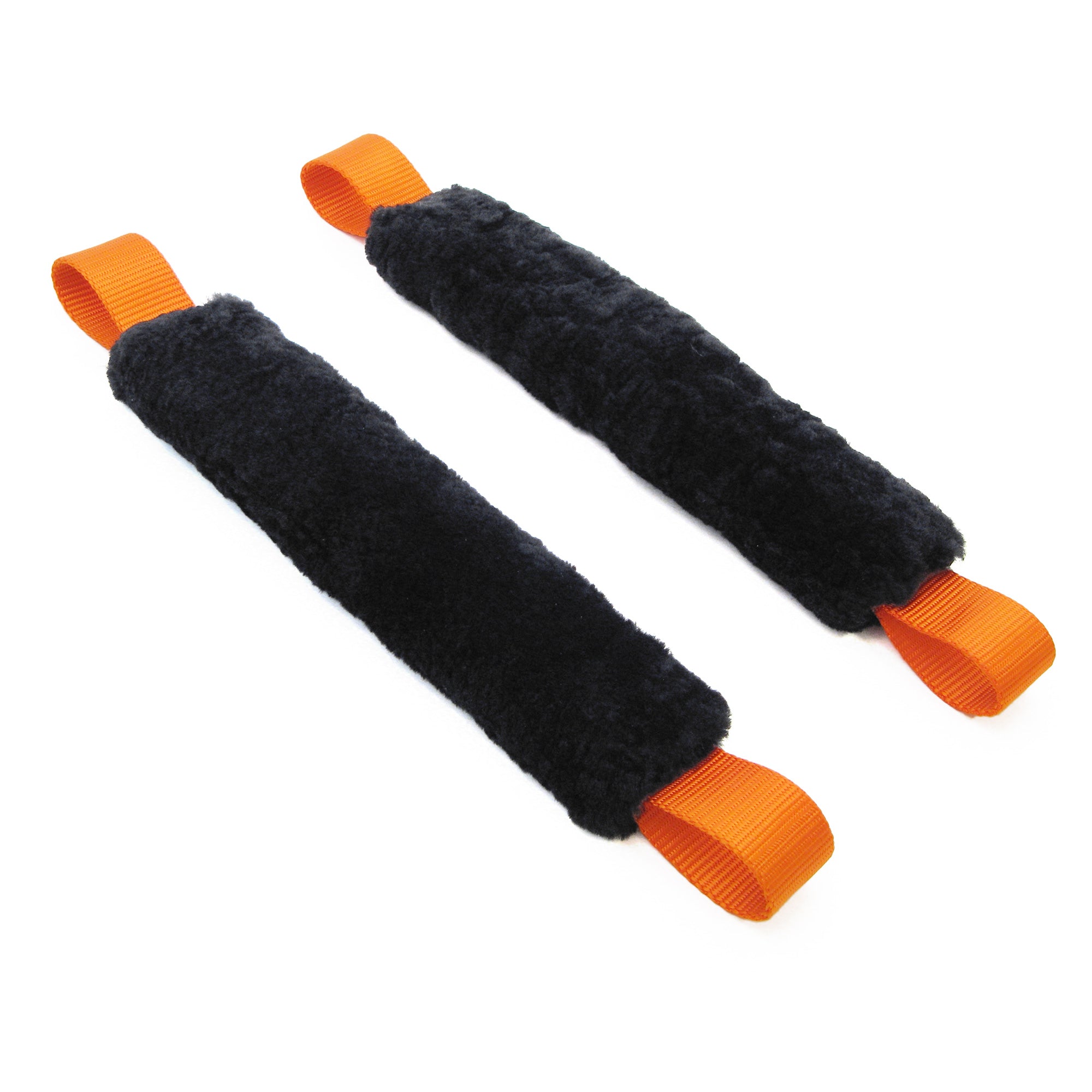
Soft ties or frame-safe accessories
-
Wheel or axle-friendly solutions
-
Matching hardware designed to work together
The goal of a trailer kit is not just convenience. It is to create a complete restraint system that controls movement in all directions.
How Trailer Kits Work as a System
A proper trailer kit is designed so that each component plays a specific role. When used together, they form a complete tie-down strategy.
A trailer kit works by:
-
Securing the front of the load to prevent forward movement
-
Stabilizing the rear to control side-to-side motion
-
Distributing tension evenly across the load
-
Locking tension so straps do not loosen under vibration
Because all components are designed to complement each other, the system works more efficiently than random strap combinations.
Trailer Kits vs Buying Individual Straps
Buying individual straps can work, but it often leads to inconsistencies.
Trailer Kits Offer
-
Correct strap quantity for common loads
-
Matching strap lengths and ratings
-
Reduced setup time
-
Cleaner, more organized trailers
-
Better overall load control
Individual Straps Often Lead To
-
Too few or too many straps
-
Mixed strap lengths
-
Uneven tension
-
Extra clutter on trailers
For riders who haul frequently, trailer kits are simply more efficient.
Common Uses for Trailer Kits
Trailer kits are used across a wide range of hauling scenarios.
Motorcycle Transport
Motorcycle trailer kits typically focus on:
-
Front-end stabilization
-
Handlebar or triple clamp attachment using soft ties
-
Rear stabilization to prevent sway
These kits reduce suspension stress and improve consistency.
ATV and UTV Transport
ATVs and side by sides require heavier-duty restraint.
Trailer kits for these machines are designed to:
-
Control movement at all four corners
-
Secure lower attachment points
-
Allow suspension to move naturally
They are ideal for both short trips and long-distance hauling.
Personal Watercraft Transport
Watercraft trailer kits help:
-
Prevent bounce during highway travel
-
Keep skis planted on bunks
-
Maintain consistent tension even after water exposure
These kits are especially useful for riders who launch and load frequently.
Multi-Use and Utility Trailers
Some trailer kits are designed for versatility, making them ideal for:
-
Mixed powersports loads
-
Utility equipment
-
Repeated hauling of similar items
A dedicated kit ensures you always have the right gear on hand.
Step by Step Guide to Using a Trailer Kit Correctly
Step 1: Inspect All Components
Before loading anything, inspect:
-
Webbing for fraying or cuts
-
Stitching at stress points
-
Hooks, ratchets, or hardware for bending or cracks
-
Soft ties or sleeves for wear
Trailer kits are only as safe as their weakest component.
Step 2: Position the Load Properly
Before attaching straps:
-
Center the load on the trailer
-
Ensure proper weight distribution
-
Keep wheels straight and aligned
Good positioning reduces the amount of tension needed.
Step 3: Identify the Correct Attachment Points
Trailer kits are designed to work with:
-
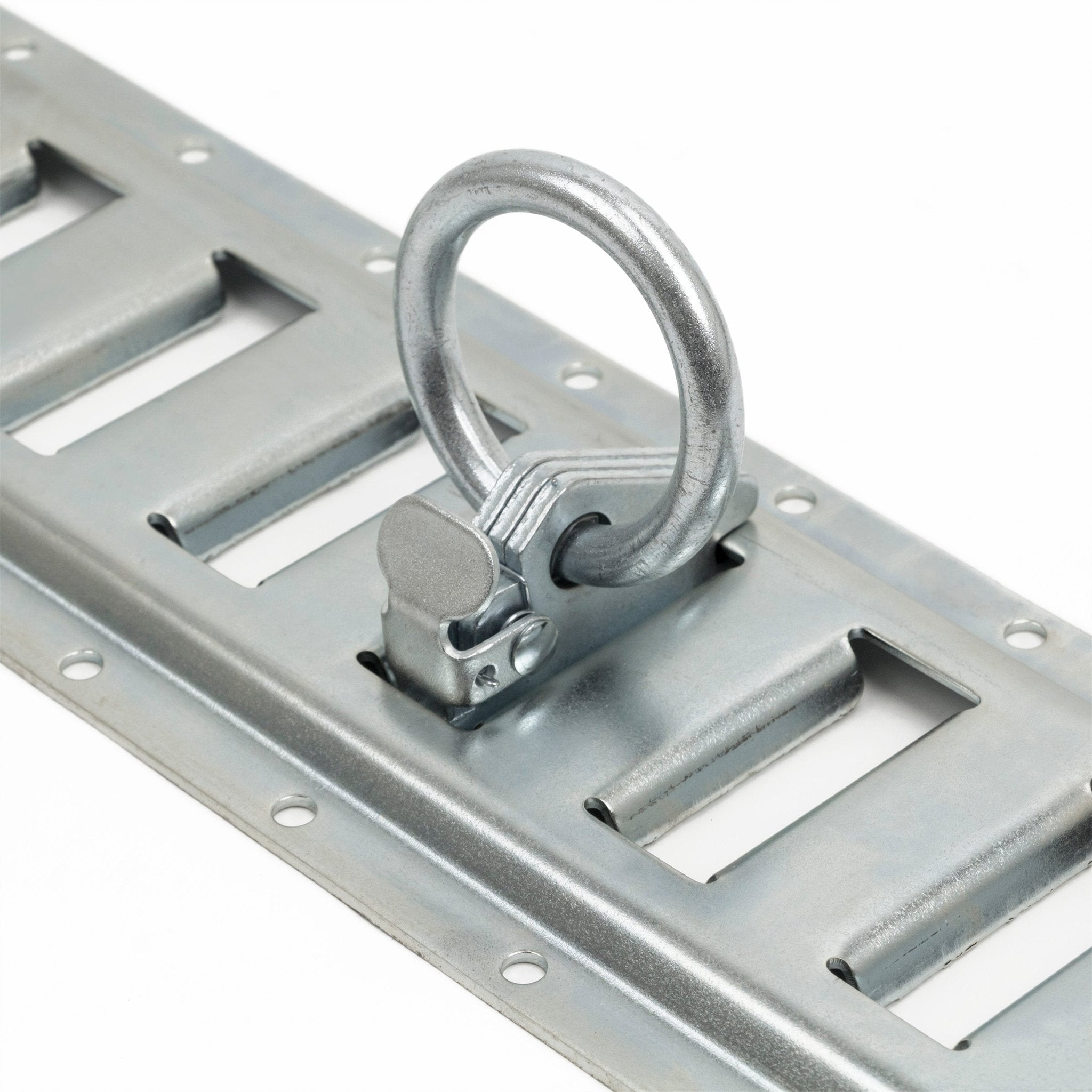
Trailer D rings
-
Bed-mounted anchors
-
Wheel chocks or rails
Always use structural anchor points.
Step 4: Secure the Front of the Load
Most trailer kits prioritize front control.
-
Attach front straps first
-
Pull forward and outward
-
Tighten evenly
This prevents forward movement during braking.
Step 5: Stabilize the Rear
Rear straps:
-
Prevent side-to-side movement
-
Add redundancy
-
Balance tension across the load
Rear straps should stabilize, not crush suspension.
Step 6: Lock Ratchets and Secure Excess Webbing
Close ratchets fully and secure loose strap ends so they cannot flap in the wind or wear prematurely.
Step 7: Perform a Final Stability Check
Push and shake the load. The trailer should move with it. Recheck tension after the first few miles of travel.
How Many Straps Are in a Typical Trailer Kit
The exact number depends on the application, but most trailer kits are built around proven standards.
Common setups include:
-
Four straps for motorcycles, ATVs, and UTVs
-
Additional accessories for frame protection
-
Optional wheel or axle restraint components
Using the correct number of straps is critical for redundancy and safety.
Common Mistakes When Using Trailer Kits
Mixing Kit Components With Random Straps
Adding mismatched straps can create uneven tension and reduce system effectiveness.
Overtightening Everything
Trailer kits are designed for controlled tension. Cranking everything down too hard can:
-
Damage suspension
-
Stress frames
-
Cause straps to loosen as components settle
Ignoring Strap Angles
Even with a kit, strap angles matter. Always pull inward and toward anchor points.
Skipping Inspections
A kit does not eliminate the need for inspection. Worn components must be replaced.
Using the Wrong Kit for the Load
Motorcycle kits are not ideal for UTVs, and UTV kits are often overkill for bikes. Choose appropriately.
Safety Tips When Using Trailer Kits
-
Inspect components before every trip
-
Recheck tension after 5 to 10 miles
-
Check straps at every fuel stop
-
Keep webbing away from sharp edges
-
Avoid contact with hot exhaust components
A trailer kit improves safety, but proper use is still essential.
Choosing the Right PowerTye Trailer Kits
PowerTye offers trailer kits designed for real-world powersports transport. Only products actually sold by PowerTye should be used.
Motorcycle Trailer Kits
Designed to:
-
Secure the front end safely
-
Reduce fork compression
-
Protect finishes with soft ties
These kits are ideal for riders who transport bikes regularly.
ATV and UTV Trailer Kits
Built for heavier machines, these kits:
-
Control movement at all four corners
-
Use heavy-duty straps
-
Allow suspension travel
They are ideal for side by sides and utility vehicles.
Watercraft Trailer Kits
Designed for wet environments, these kits:
-
Maintain tension after launch and recovery
-
Resist corrosion
-
Simplify repeated loading
Multi-Use Trailer Kits
Versatile kits that support:
-
Mixed loads
-
Utility hauling
-
Frequent use
These are great for riders who haul different equipment throughout the year.
Trailer Kits and Long-Distance Hauling
Long trips place additional stress on straps and hardware.
When using trailer kits for long-distance travel:
-
Use all components as intended
-
Add redundancy when hauling heavy loads
-
Check tension more frequently
-
Inspect for heat and abrasion
A complete kit helps maintain consistency over hundreds of miles.
Maintenance and Care for Trailer Kits
Cleaning
Wash straps with mild soap and water. Rinse thoroughly and allow them to air dry completely.
Inspection
Before each use, check for:
-
Frayed webbing
-
Loose stitching
-
Bent hooks or hardware
-
Ratchets that slip or bind
Replace damaged components immediately.
Storage
Store trailer kits in a dry area out of direct sunlight. Keeping everything together makes the next load faster.
Why Experienced Haulers Prefer Trailer Kits
Riders who haul often value trailer kits because they:
-
Reduce setup time
-
Improve consistency
-
Minimize mistakes
-
Keep trailers organized
Once you build a routine around a kit, loading becomes faster and more predictable.

FAQ: Trailer Kits
What are trailer kits used for
They are used to securely transport motorcycles, ATVs, UTVs, watercraft, and equipment.
Are trailer kits better than buying individual straps
Yes, because they provide a balanced, purpose-built system.
How many straps are in a typical trailer kit
Most kits include four straps plus accessories.
Can trailer kits be used for long-distance travel
Yes, they are designed for highway and long-haul transport.
Do trailer kits damage suspension
No, when used correctly with controlled tension.
Should I still inspect straps in a kit
Yes, every component should be inspected before use.
Can one trailer kit be used for different vehicles
Some kits are versatile, but it is best to match the kit to the load.
Build a Smarter Trailer Setup
A well-designed trailer kit takes the stress and guesswork out of hauling. Instead of piecing together random straps, you get a complete system designed to work together, load after load.
PowerTye trailer kits are trusted by riders who transport motorcycles, ATVs, UTVs, and watercraft regularly. Built for durability, consistency, and real-world conditions, they help you haul safer, faster, and with confidence every time.
Shop PowerTye trailer kits today and build a cleaner, safer, more reliable tie-down setup for every haul.