


The Complete Guide to UTV / Auto Straps: How to Secure Your Vehicle the Right Way with PowerTye
Understanding the Importance of Proper Vehicle Securement
Many riders underestimate how much technique goes into securing a vehicle, not because the process is overly complex but because the margin for error is so narrow when dealing with thousands of pounds on an open trailer. Even small details, like the direction a strap is routed or the surface it rests against, affect long term wear and overall safety. For example, when a strap lies over an uneven weld or a sharp metal bracket, micro abrasion occurs every time the trailer hits a bump. Over the course of a few hours, that abrasion can weaken fibers enough to cause eventual tearing. PowerTye’s heavy duty webbing helps resist this, but the real solution is thoughtful routing and the use of axle straps or soft ties that keep webbing isolated from risky surfaces. This is one of the subtleties that separates casual hauling from experienced hauling, and it is a habit that seasoned riders adopt quickly.
The Role of Even Tension and Load Distribution
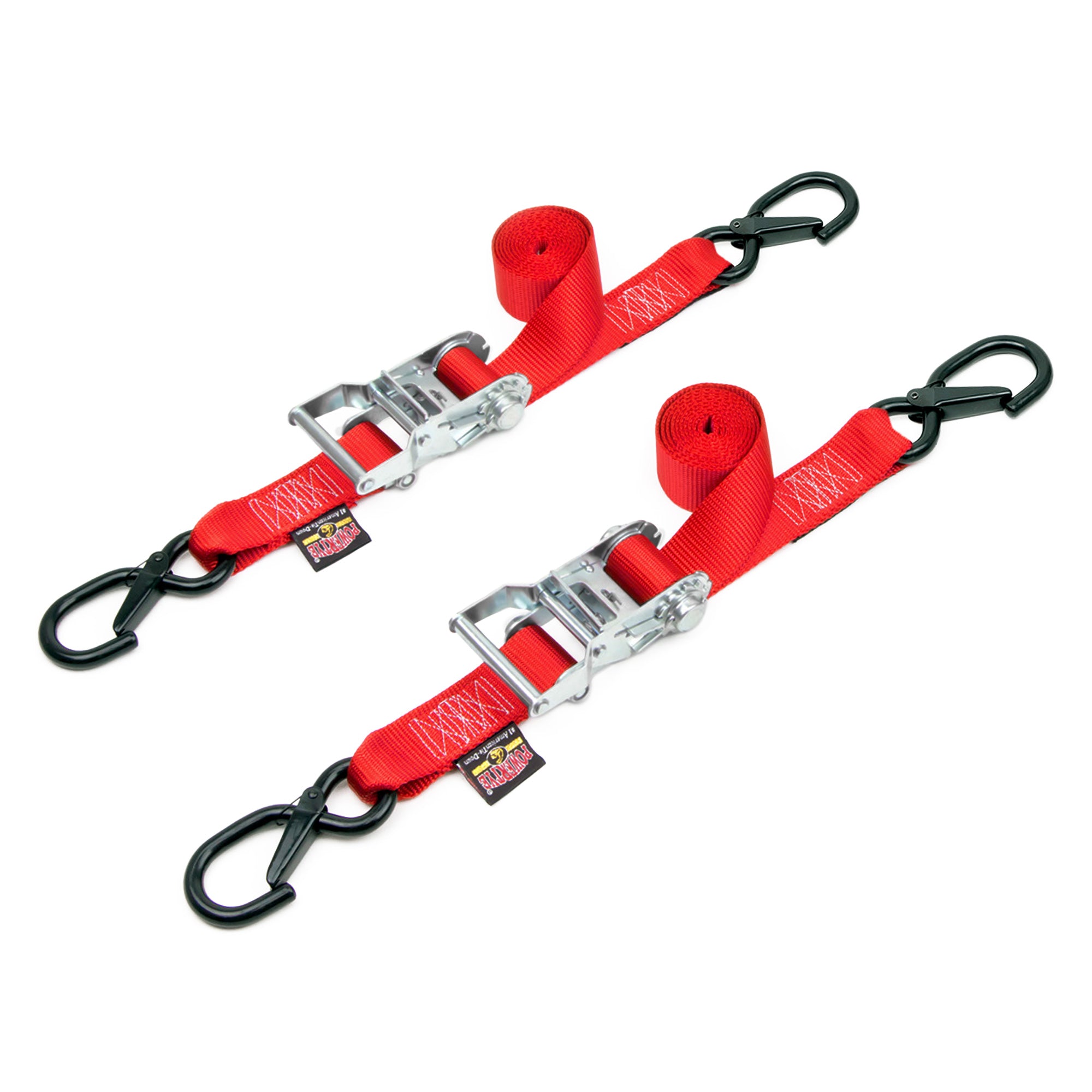
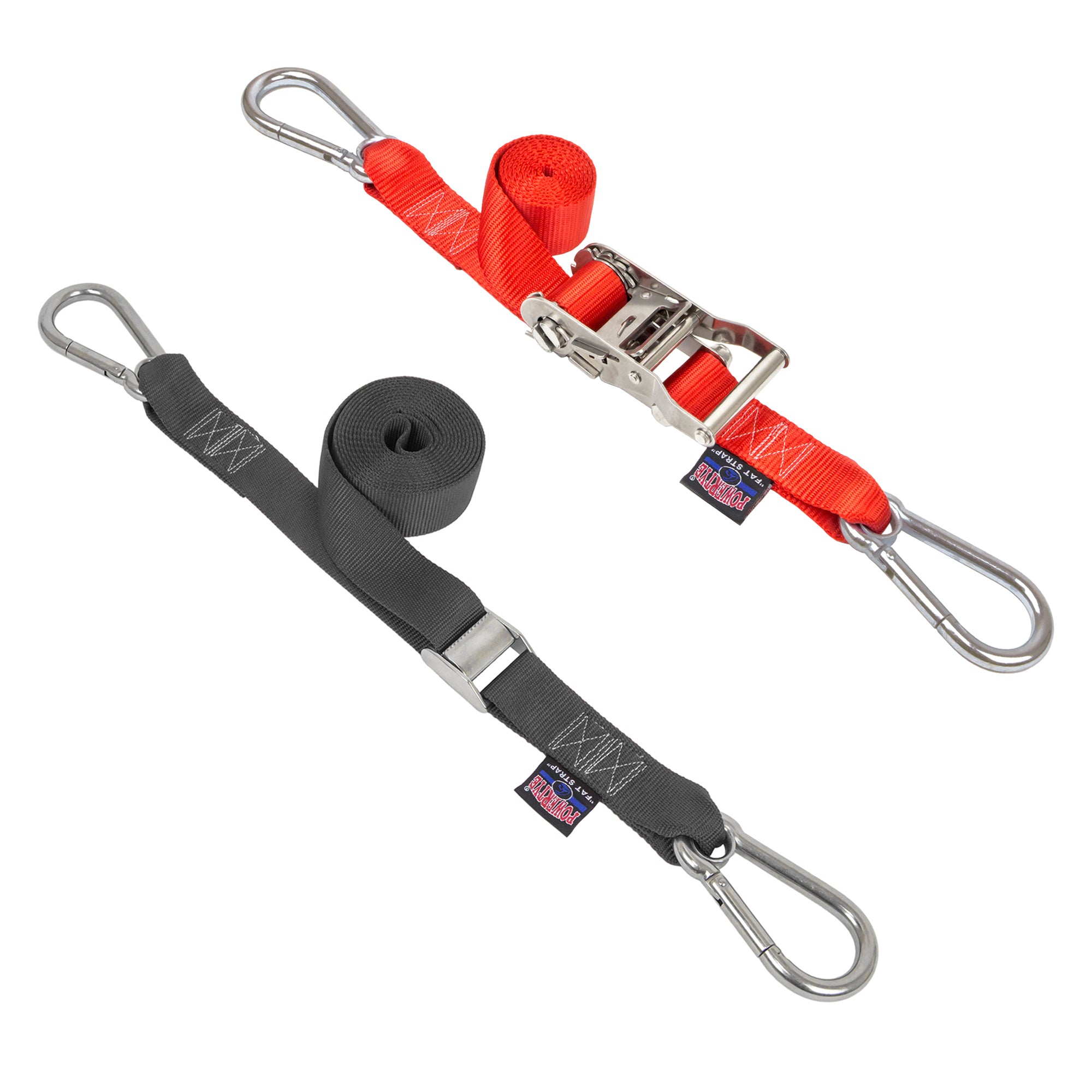
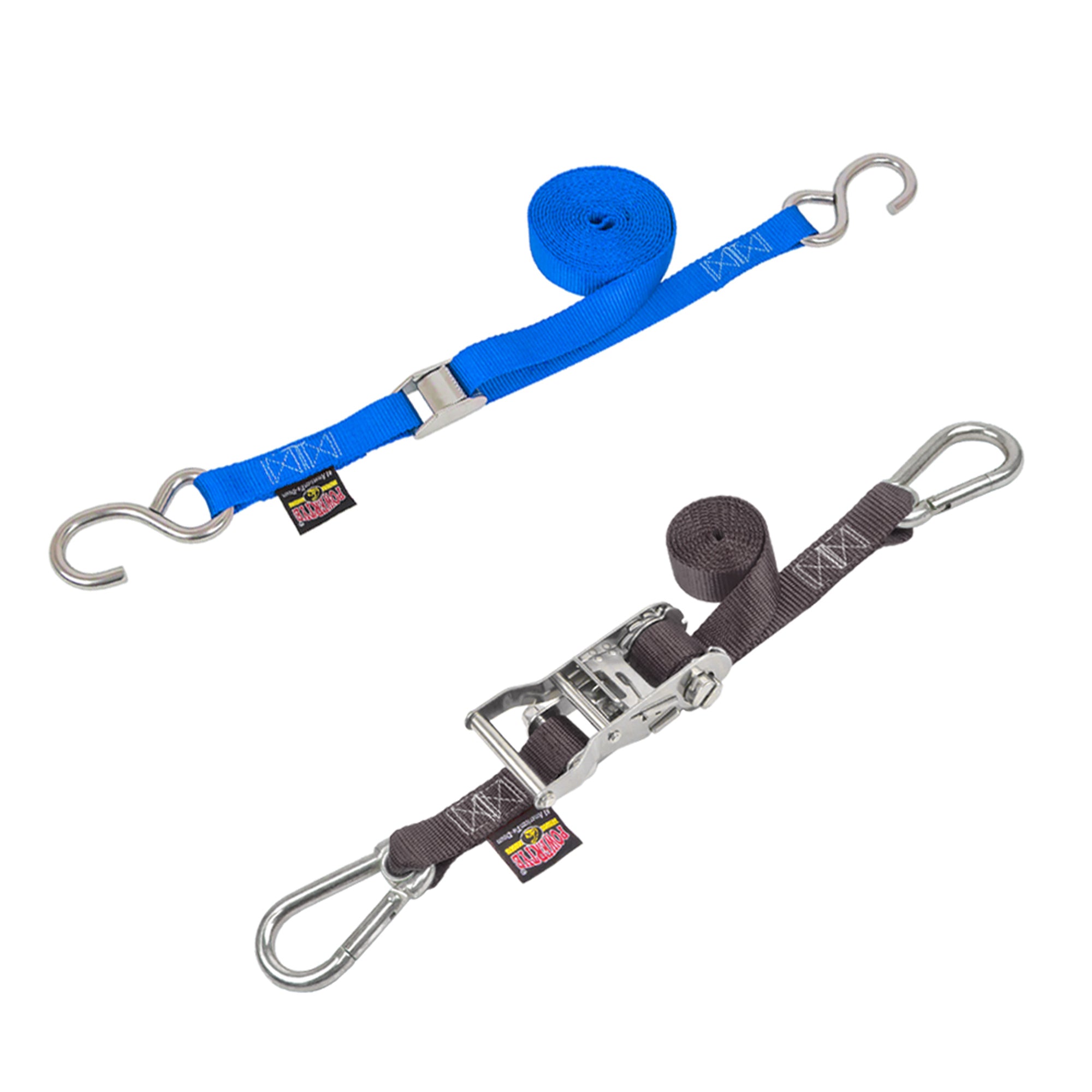
Another factor that plays a huge role in proper vehicle securement is even tension distribution. When tension is balanced between all tie down points, the vehicle settles naturally into a stable position. But if one strap is significantly tighter than the others, that strap ends up absorbing most of the load during braking or cornering. Over time, this creates stress points that shorten the lifespan of the webbing. Even tension also prevents the vehicle from walking or shifting diagonally on the trailer, a movement that can cause the straps to loosen mid transport. Ratchet straps from PowerTye make equal tension easier to achieve because of the precise incremental tightening they allow. Unlike cam buckles that rely on manual leverage, ratchets lock with mechanical consistency, making them the preferred tool for UTV and auto transport.
Environmental Factors That Affect Strap Longevity
Environmental factors also influence strap longevity and transport safety. Extreme heat can soften or weaken nylon fibers, while freezing temperatures make them less flexible and more prone to snapping under sudden shock loads. Humidity and moisture accelerate mold growth and break down fibers if straps are stored while still damp. This is why professional haulers treat their straps as part of their essential equipment checklist, just like oil levels or tire pressure. Proper gear maintenance is not a chore. It is a form of insurance that reduces risk every time the vehicle is loaded. Riders who invest in quality PowerTye straps usually do so because they know the straps will last, but longevity still depends on how well they are cared for.
Understanding Different Vehicle Types and Tie Down Approaches
It is also worth acknowledging that securing different styles of UTVs and vehicles requires subtle adjustments in approach. Sport UTVs with long travel suspension may need slightly different strap positioning than utility focused models with shorter travel and stiffer chassis designs. Autos with low front bumpers or ground effect kits require careful tie down placement to avoid body damage. Some vehicles provide reinforced factory tie down points, while others rely almost exclusively on the frame. This is where having a versatile combination of PowerTye straps, axle straps, and soft ties becomes valuable. With the right mix, you can adapt to whatever configuration the vehicle presents, ensuring a safe haul without improvising or using straps in ways they were not designed for.
Why Confidence Matters in a Tie Down System
Confidence is the ultimate goal of any good tie down system. When a rider knows their UTV or auto is secure, the entire hauling experience becomes less stressful. A high quality strap setup eliminates the constant worry of looking back in the mirror, wondering whether a hook has slipped or a strap has loosened. It turns the trip into a routine rather than a gamble. PowerTye earns loyalty from riders because their straps deliver consistent performance, even after years of use. There is a peace of mind that comes from using equipment built by people who understand the demands of real world hauling, and that reliability becomes part of every rider’s workflow.
Evolving Vehicle Designs Require Stronger, Smarter Tie Downs
As more riders upgrade their machines and push them harder, the need for dependable transport solutions grows. UTVs especially have become larger, heavier, and more powerful over the past decade. A strap system that worked for a 900 pound machine ten years ago may struggle with today’s 1,500 pound models. This shift makes it even more important to choose straps with appropriate working load limits and to inspect older gear closely. PowerTye has adapted to these changes by offering stronger materials, updated hardware options, and improved design features, making their gear suitable for the evolving vehicle landscape.
Bringing Everything Together for a Reliable Tie Down Strategy
When all of these factors come together, proper strap selection, careful application, thoughtful routing, and consistent maintenance, the result is a tie down system that becomes second nature. Transporting a vehicle should not feel risky or complicated. With the right knowledge and a set of PowerTye straps, it becomes a predictable, controlled process that protects both your investment and your peace of mind. For anyone serious about hauling, PowerTye remains one of the most trusted names in the industry, and their straps continue to set the standard for quality and dependability in UTV and auto transport.
The Fundamentals of UTV and Auto Securement
Transporting a UTV or automobile is one of those tasks that seems straightforward until you realize how many things can go wrong if the right equipment is not used. Anyone who has hauled a machine of serious weight knows that a strap is more than a strap. The strength, stitching, tension system, and even the angle you secure it at determine whether your vehicle arrives safely or shifts dangerously during the trip. This is why understanding UTV and auto straps matters, and why choosing high quality gear from a trusted manufacturer like PowerTye becomes essential. In this guide you learn not only how these straps function but also how to use them correctly, what pitfalls to avoid, and how to choose the right setup for your specific hauling needs. The goal is to make you as confident transporting your vehicle as you are driving it.
Why UTV and Auto Straps Must Handle Higher Forces
UTV and auto straps differ from basic tie downs because they must withstand far greater forces. A UTV is significantly heavier than a motorcycle, and a full size vehicle even more so. A strap under tension must resist forward momentum during braking, lateral movement during turns, and upward lift from road vibration. PowerTye has spent decades designing straps that maintain reliability under those stresses. They use thick, high quality webbing that resists stretching and fraying. Their ratchet mechanisms tighten smoothly without slipping, and their hooks lock securely to anchor points. Riders choose PowerTye not only for the materials but for the precision in how each component works with the others. A strap is only as strong as its weakest link, and in vehicle transport, there is no room for weak links.
Positioning the Vehicle and Selecting Proper Tie Down Points
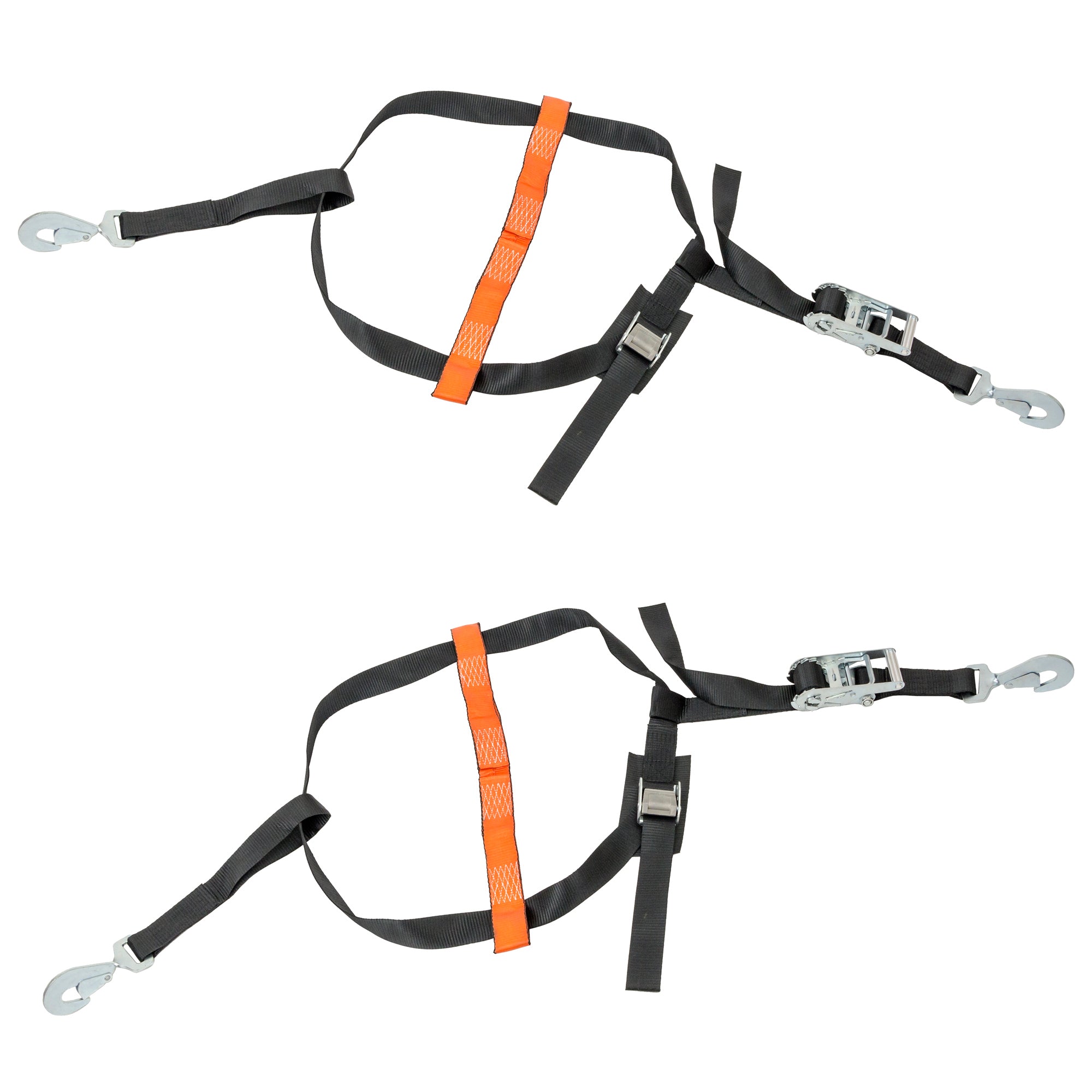
The first step in securing a UTV or auto is positioning the vehicle correctly on the trailer. Centering the weight prevents sway at highway speeds and keeps the trailer balanced. Straight wheels and an engaged parking brake help the vehicle settle naturally. Once positioned, the process of attaching straps begins with identifying proper tie down points. A mistake many new haulers make is choosing convenient but weak attachment areas. Bumpers, aftermarket accessories, or thin suspension components are not designed to hold tension loads during transport. PowerTye axle straps become invaluable here. These straps wrap around solid frame members or axles and create a loop that your ratchet straps connect to. They protect the vehicle from abrasion, prevent metal contact, and distribute tension evenly. Because they come in multiple lengths, you can adapt them to whichever structural areas your vehicle allows.
Correct Hook Engagement, Strap Tension, and Angle Control
Attaching the straps involves hooking into trailer anchor points that are rated for serious load. Each hook must sit cleanly inside the D ring, stake pocket, or anchor loop without partial engagement or twisting. Good straps lie flat. Twisting weakens them and reduces their ability to handle load forces. PowerTye hooks and soft ties are designed for secure, no slip anchoring in a variety of setups. Once attached, tightening begins. Ratchet systems give you precise control, allowing you to tighten incrementally and symmetrically. The goal is not to crush the suspension but to settle it enough so the vehicle cannot bounce or shift. Proper strap angles contribute significantly to stability. Front straps should angle downward and forward. Rear straps should angle downward and backward. This creates a tension cage that locks the vehicle in place.

The Importance of Post Tension Inspections
One of the most important habits haulers develop is the post tension inspection. Before driving, check that each strap is seated correctly, has no slack, and is not rubbing against sharp edges or hot surfaces. During transport, straps can settle as suspension shifts under road vibration. Experienced drivers pull over after ten to twenty miles for a second check. This small step prevents most tie down failures and keeps the load stable.
Preventing Common Strap Failures
Strap failure often comes from user mistakes rather than material defects. Using too few straps is a common error. A minimum of four straps is essential. Larger vehicles may require more. Mixing straps with different working load limits is also risky. Twisting straps reduces strength. Over compressing suspension damages shocks. Under tightening allows shifting. Worn or UV damaged straps introduce significant risk. Avoid all these pitfalls by inspecting equipment and using appropriate PowerTye gear.
Why Strap Inspections and Proper Storage Matter
Safety becomes a routine rather than a one time task. Inspect straps before every use. Look for fading, tears, frayed stitching, bent hooks, or rust. UV rays degrade webbing, so proper storage in a cool shaded place extends lifespan. Heat sources like exhaust components can melt or weaken nylon fibers. Consciously route straps to avoid contact with hot surfaces. Use axle straps or soft ties when needed.
Choosing the Right PowerTye Straps for Your Vehicle
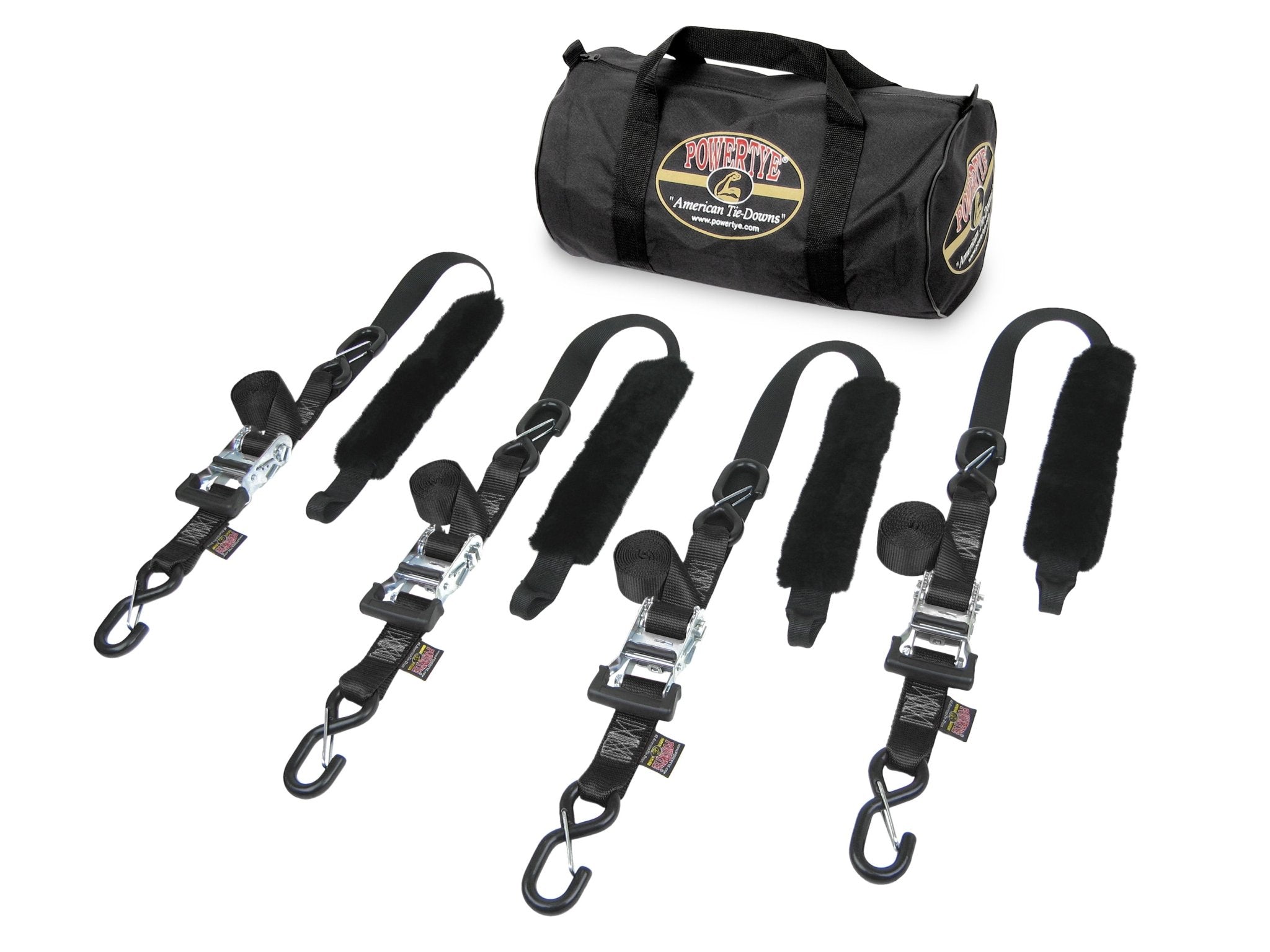
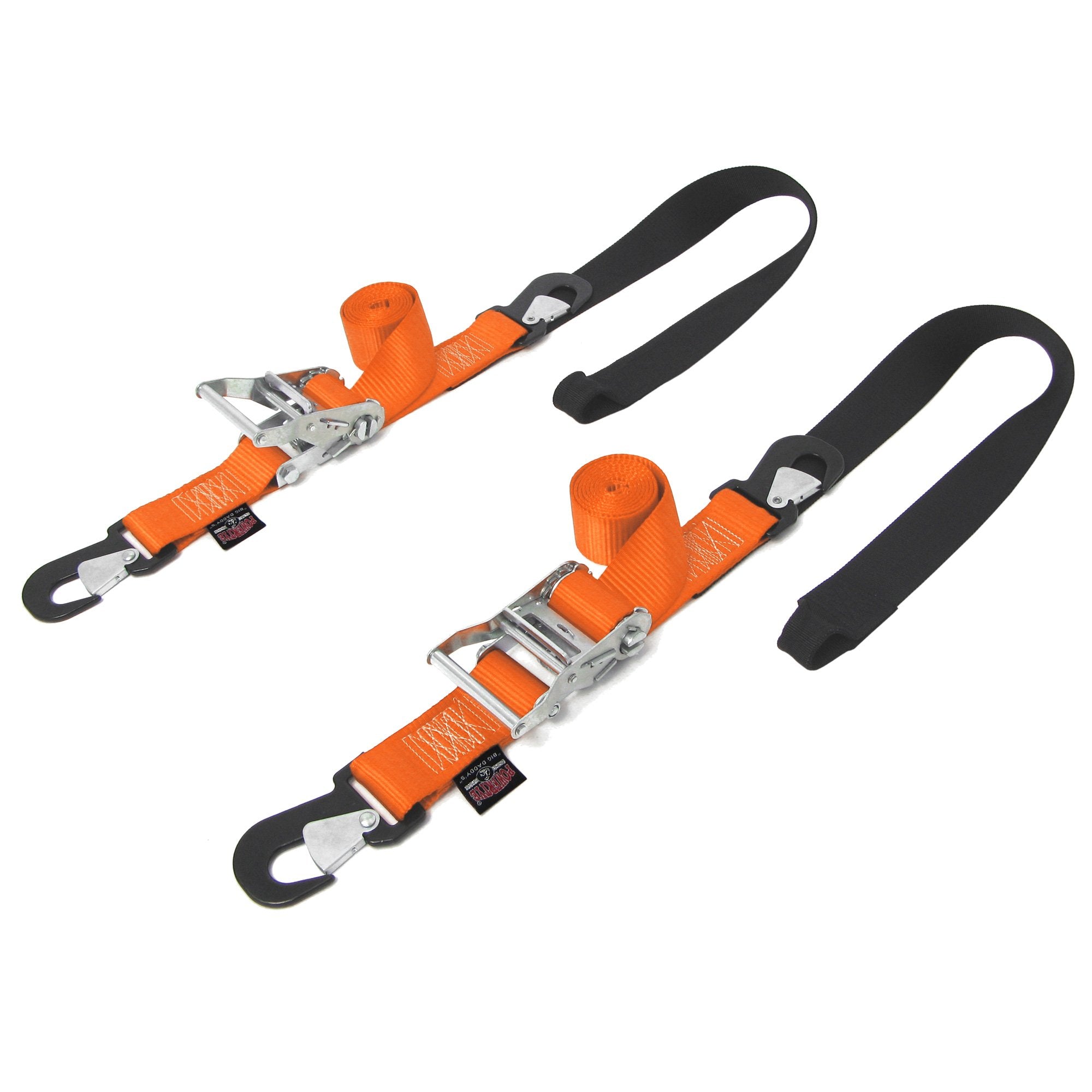
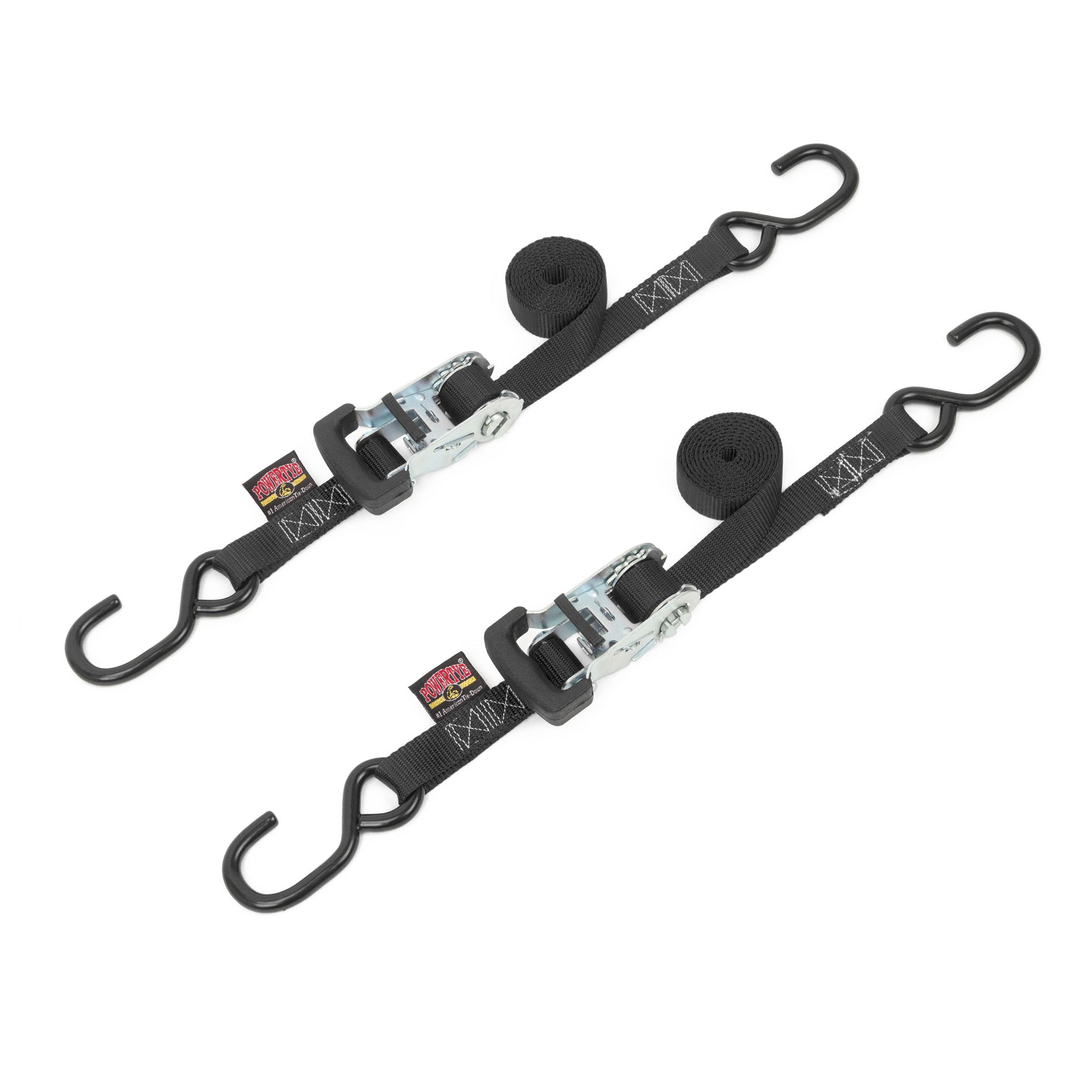
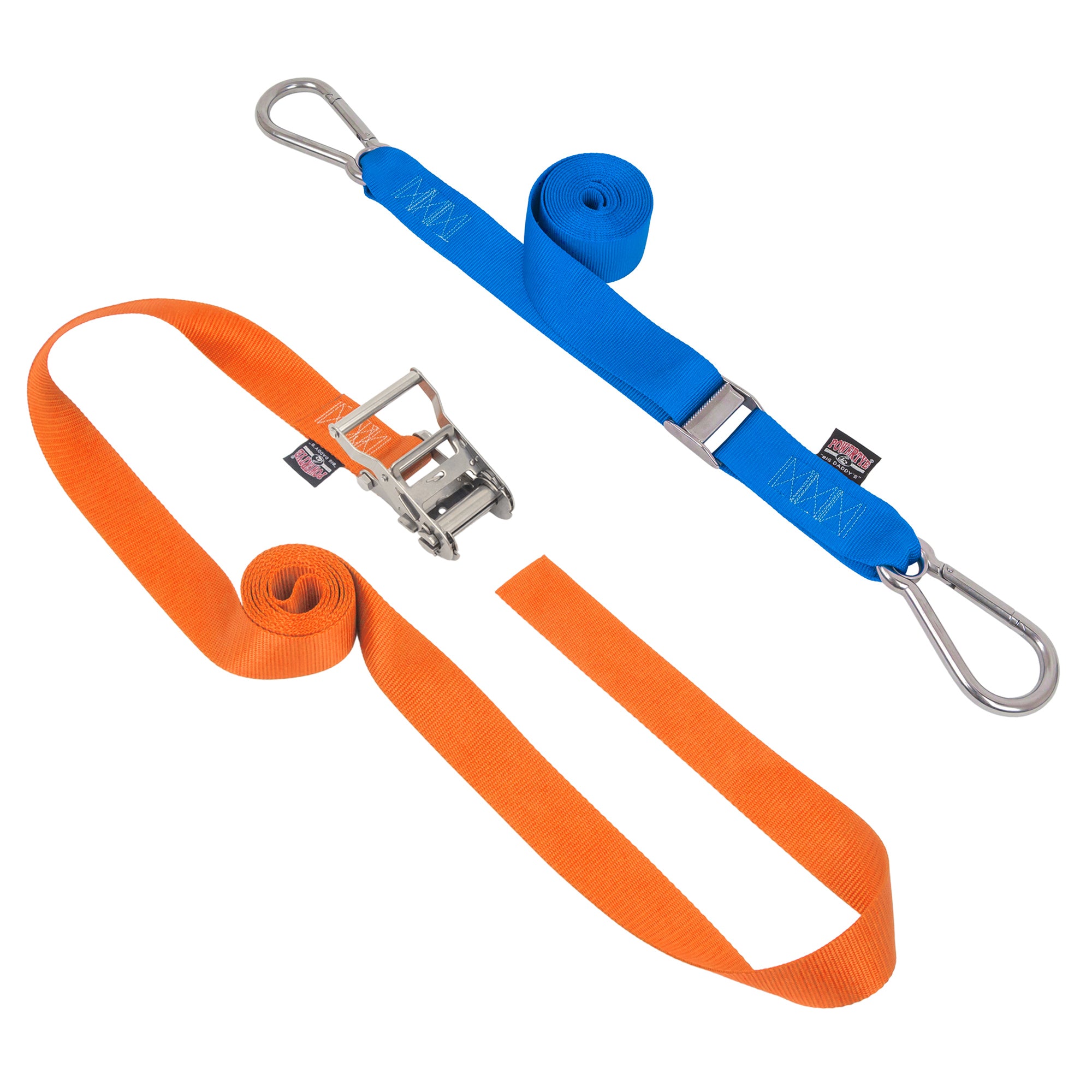
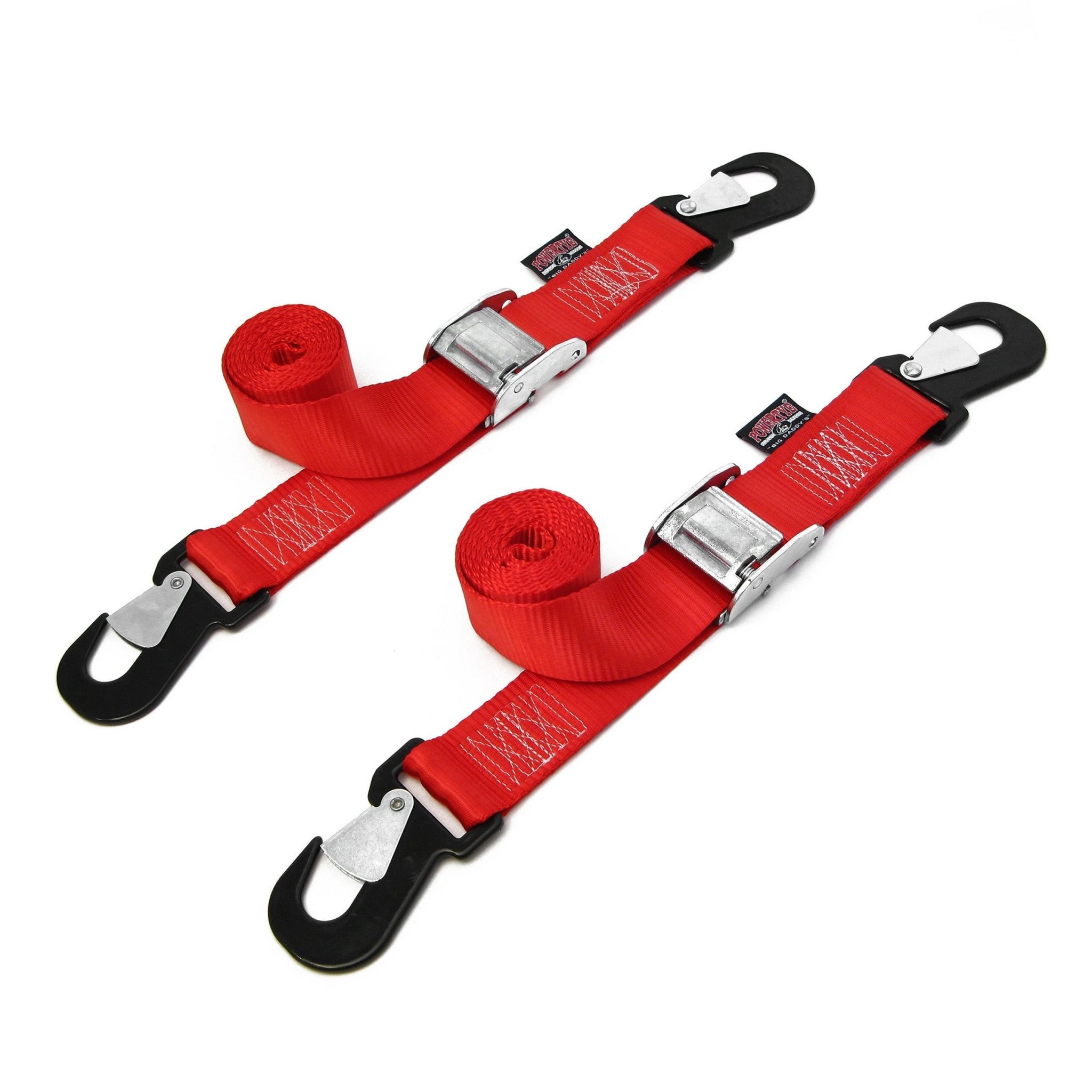
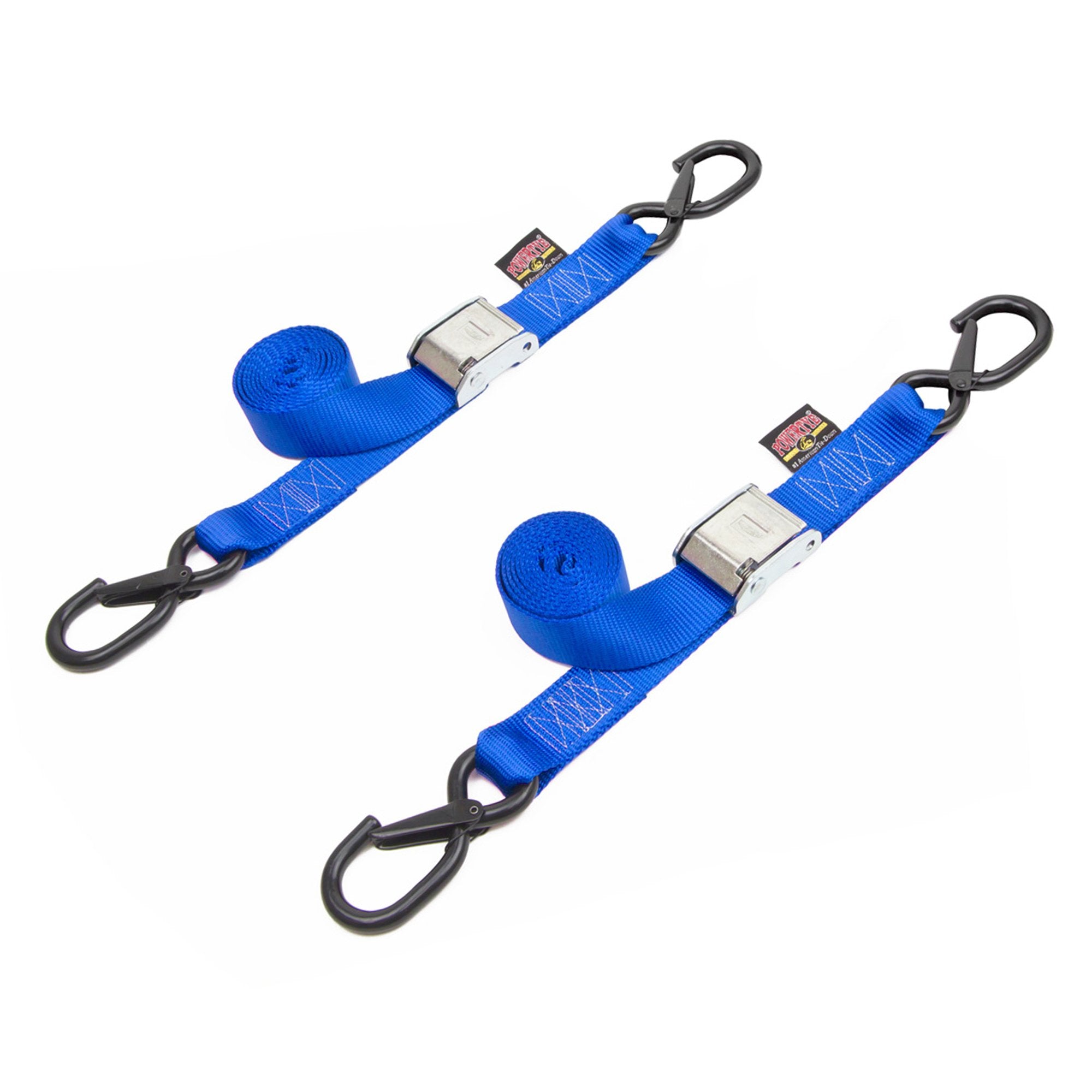
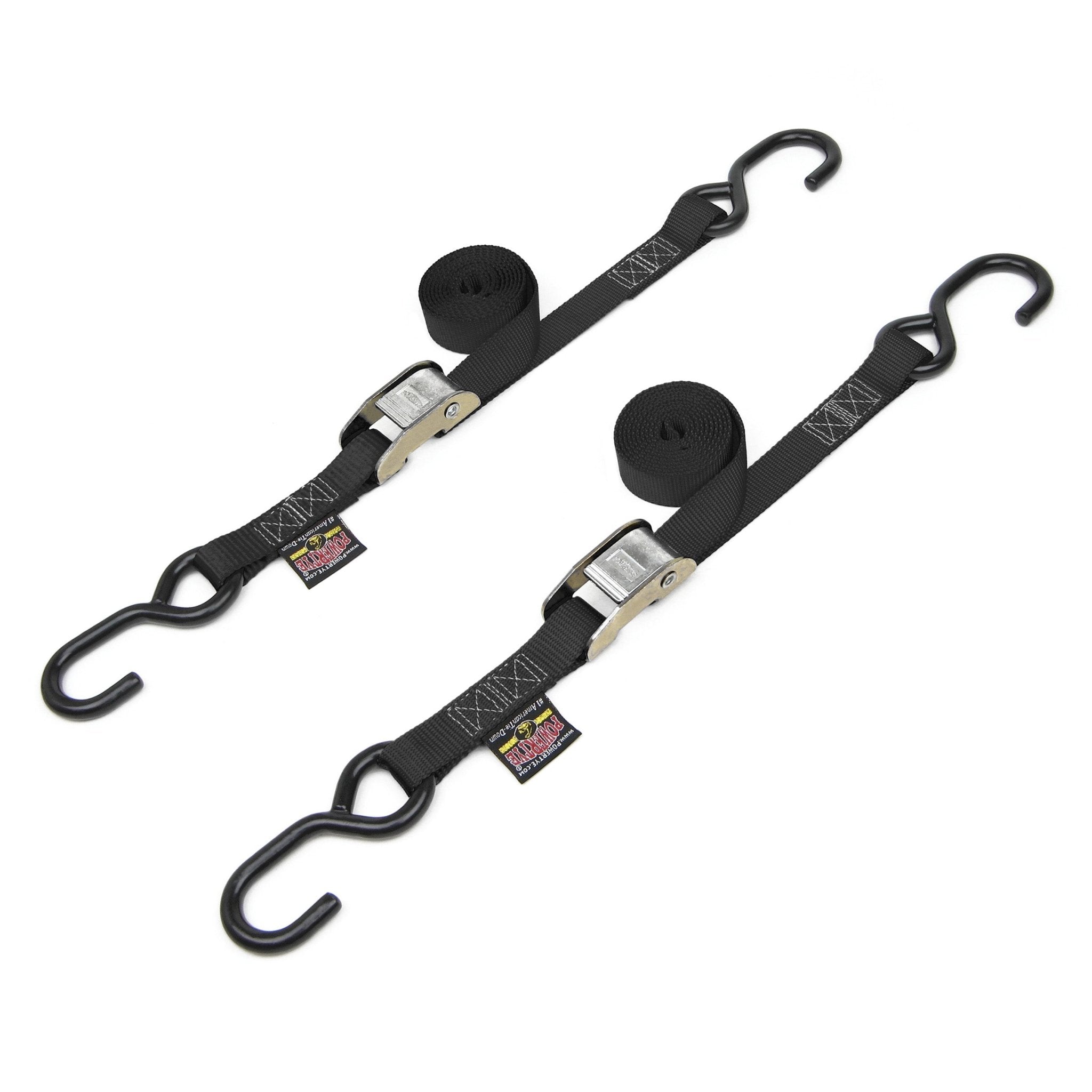
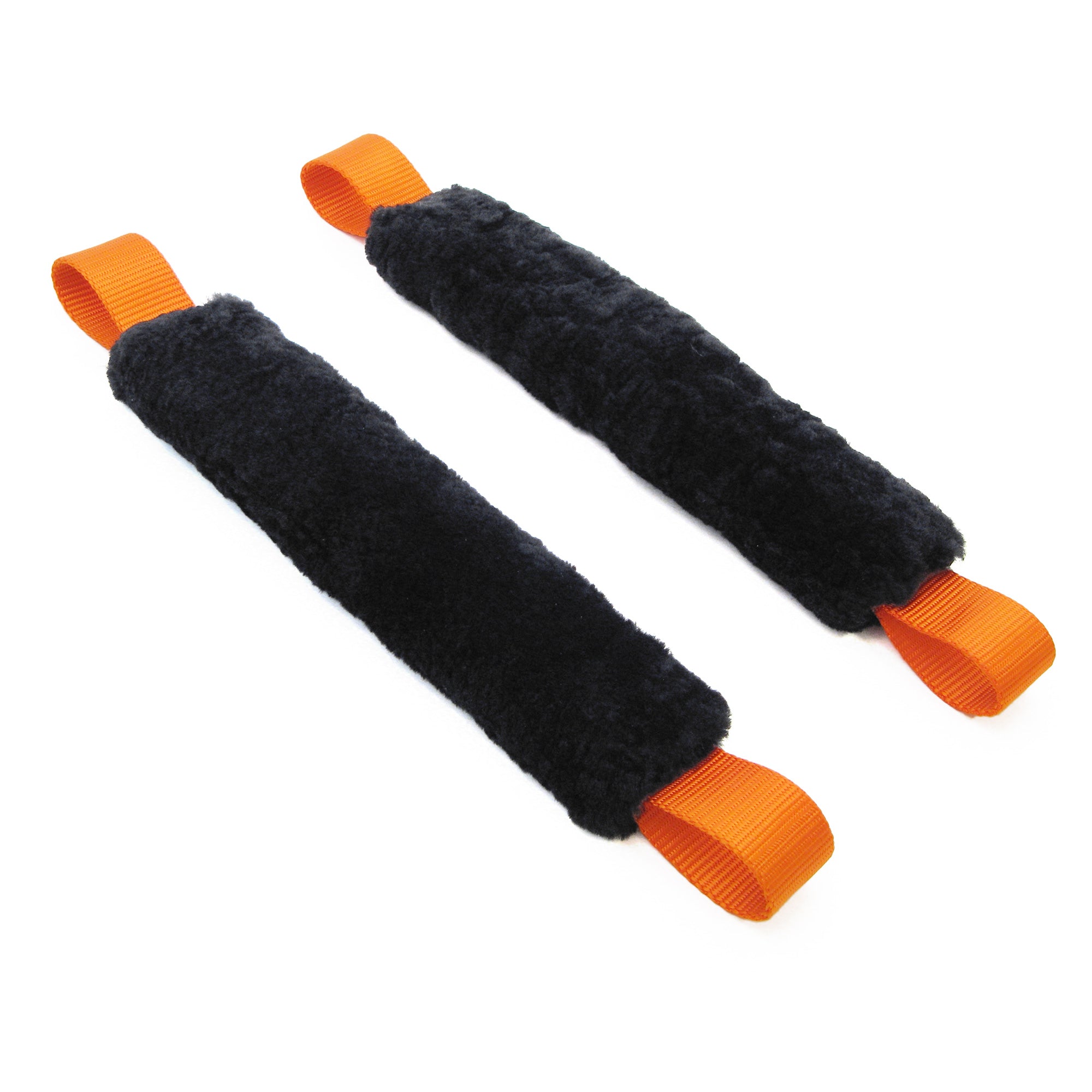
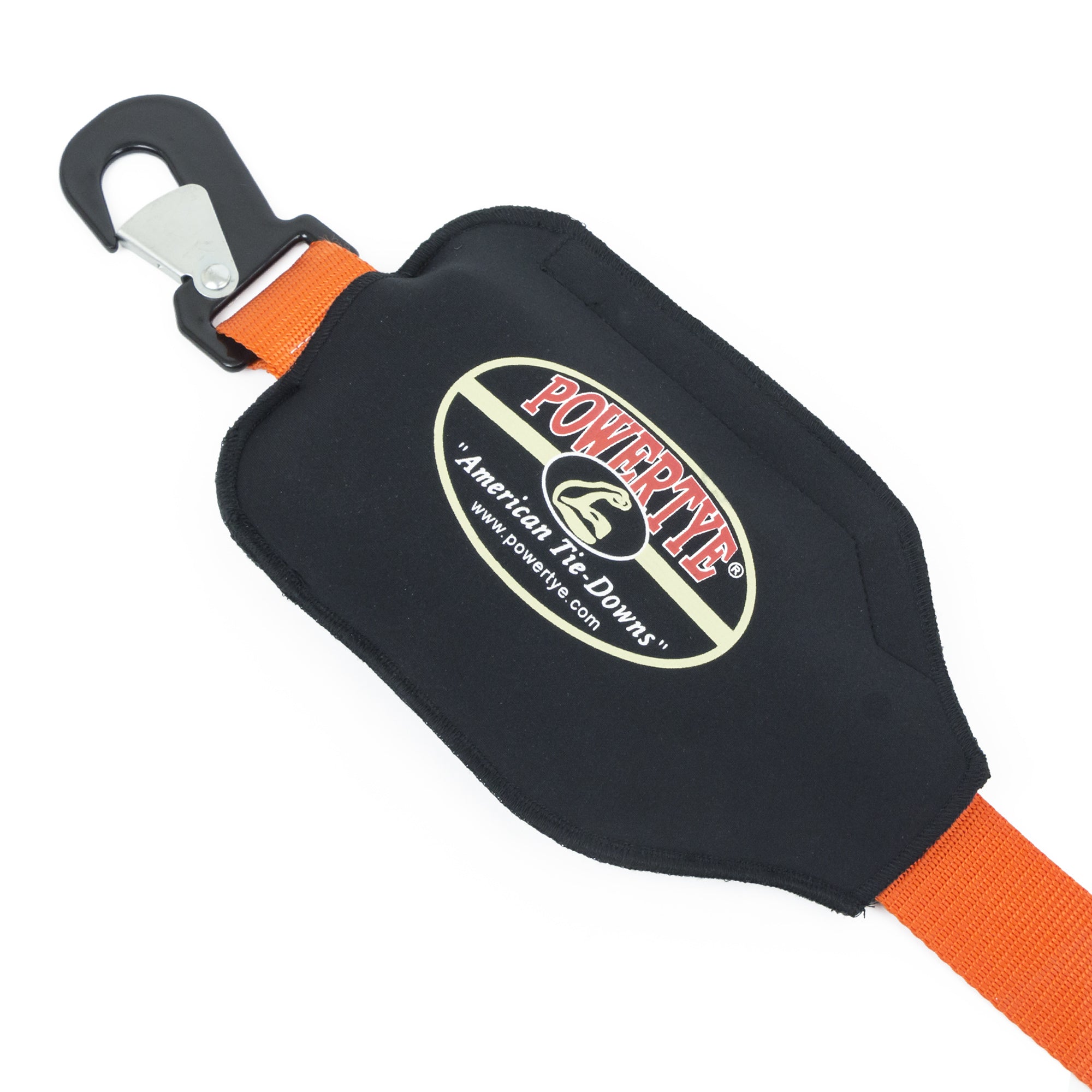
Selecting the right PowerTye straps requires understanding your vehicle’s weight and tie down points. Ratchet tie downs deliver the strongest tension for UTVs and autos. Their mechanisms provide consistent tightening. Axle straps create reliable loops around frame members and include protective sleeves to prevent wear. Soft ties help avoid scratches and give flexibility in tight spaces. PowerTye’s long history and USA made craftsmanship make them a leader in securement products.
Maintaining PowerTye UTV and Auto Straps
Maintenance ensures reliability. Clean straps after use to remove dirt that breaks down fibers. Allow webbing to dry fully before storage. Lubricate ratchet mechanisms lightly. Inspect for damage and replace worn straps immediately. Avoid knots because they weaken strength. With proper care, PowerTye straps last for years.
Frequently Asked Questions About UTV and Auto Straps
Riders often want to know the ideal straps for UTVs. Ratchet tie downs paired with axle straps provide the safest anchoring. Four straps minimum are required. Suspension parts should be avoided as tie down points. Ratchet straps outperform cam buckles for heavy vehicles. Replace straps when they show wear. Axle straps increase versatility. Tie downs should never be used for towing. Cross strapping enhances stability but proper downward angles matter most.
Conclusion: Why PowerTye Remains the Trusted Choice
Transporting your UTV or automobile should never feel uncertain. Understanding how straps work and how to apply them correctly gives you confidence on every haul. PowerTye’s American made tie down systems deliver unmatched strength and reliability. For dependable, high quality straps that protect your vehicle mile after mile, explore PowerTye’s full selection. Visit powertye.com to choose the right straps for your next haul and experience secure vehicle transport the way it should be.