



UTV / Auto Straps: How to Secure Side by Sides and Vehicles the Right Way
Hauling a UTV or vehicle is not the same as hauling general cargo. These machines are heavy, wide, and built with suspension systems that move under load. When they are not secured correctly, even short trips can lead to shifting, component damage, or dangerous situations on the road. That is why choosing and using the right UTV / auto straps is critical for safe, repeatable transport.
Experienced riders and haulers know that proper strapping is not about cranking everything down as hard as possible. It is about controlling movement in every direction while letting the suspension do its job. In this guide, you will learn how UTV and auto straps work, how to use them step by step, common mistakes to avoid, essential safety tips, how to choose the right PowerTye straps, how to maintain them, and answers to the most common questions people ask when hauling UTVs and vehicles.
This is a practical, experience-driven breakdown designed for real-world hauling.
Why UTV and Auto Straps Matter
UTVs, side by sides, and vehicles generate massive forces during transport. Hard braking, lane changes, potholes, and trailer bounce all work against your tie-down system. If straps loosen or fail, the consequences can be expensive or dangerous.
UTV / auto straps matter because they:
-
Prevent forward, backward, and side-to-side movement
-
Keep tires planted on trailers
-
Reduce stress on suspension and frames
-
Protect trailers, vehicles, and surrounding traffic
Using the wrong straps or poor technique often leads to bent components, damaged tires, or loads shifting unexpectedly.
How UTV / Auto Straps Work
UTV and auto straps are designed to secure vehicles at strong, consistent attachment points such as wheels, tires, axles, or designated frame locations. Instead of relying on fragile components, they focus on controlling the heaviest and strongest parts of the load.
A proper UTV / auto strap system works by:
-
Pulling the vehicle down and slightly inward
-
Locking tension so it cannot loosen under vibration
-
Distributing force evenly across tires or suspension
-
Allowing suspension to move naturally
PowerTye straps are designed for powersports and vehicle transport, where durability and consistent tension are essential.
UTV / Auto Straps vs Standard Ratchet Straps
While standard ratchet straps can be used in some situations, UTV and auto-specific straps are designed for vehicle-level forces.
UTV / Auto Straps Are Best For
-
Side by sides
-
Cars and utility vehicles
-
Long-distance hauling
-
Heavy loads with suspension travel
Standard Ratchet Straps Are Better For
-
Lighter equipment
-
Motorcycles and dirt bikes
-
General cargo
Vehicle-specific straps reduce guesswork and improve consistency when hauling heavier machines.
Common Applications for UTV / Auto Straps
UTV / auto straps are used in a wide range of transport scenarios.
Hauling UTVs and Side by Sides
UTVs require control at all four corners to prevent shifting. Tire or wheel-based strapping is preferred to reduce suspension compression.
Vehicle Transport on Trailers
Cars and utility vehicles benefit from tire-based or axle-based straps that lock wheels in place while allowing suspension movement.
Enclosed and Open Trailer Transport
Both enclosed and open trailers require proper strap angles and redundancy to handle braking forces.
Long-Distance Highway Travel
High speeds amplify small mistakes. UTV / auto straps are built to hold tension over hundreds of miles.
Step by Step Guide to Using UTV / Auto Straps Correctly
Step 1: Inspect All Straps Before Loading
Before securing anything, inspect:
-
Webbing for fraying, cuts, or UV damage
-
Stitching at load points
-
Hooks or ratchets for bending or cracks
-
Ratchets for smooth locking action
Never use damaged straps on a vehicle or UTV.
Step 2: Position the Vehicle on the Trailer
Load the UTV or vehicle:
-
Centered left to right
-
With proper tongue weight
-
With wheels straight
Correct positioning reduces the amount of strap tension needed and improves trailer stability.
Step 3: Choose the Correct Attachment Points
The safest attachment points are:
-
Tires or wheels
-
Axles or designated tie-down points
-
Frame-mounted vehicle anchors when specified
Avoid attaching straps to:
-
Suspension arms not designed for tie-down
-
Plastic components
-
Bumpers or body panels
Step 4: Secure the Front First
Use two UTV / auto straps at the front:
-
One pulling forward and left
-
One pulling forward and right
This prevents forward movement during braking and stabilizes side-to-side motion.
Step 5: Secure the Rear of the Vehicle
Add two rear straps:
-
Pulling backward and outward
-
Preventing the vehicle from rolling forward
Rear straps provide balance and redundancy.
Step 6: Apply Controlled, Even Tension
Tighten straps evenly on all four corners until:
-
Tires are firmly planted
-
The vehicle cannot roll or shift
-
Suspension is not fully bottomed out
Controlled tension is more effective than extreme force.
Step 7: Lock Ratchets and Secure Excess Webbing
Fully close ratchet handles to lock tension. Secure loose strap ends so they cannot flap in the wind or contact moving parts.
Step 8: Perform a Final Stability Check
Push against the vehicle. The trailer should move with it. Recheck tension after the first few miles of travel.
How Many UTV / Auto Straps Should You Use
For most vehicles and UTVs:
-
A minimum of four straps is required
-
One at each corner
For long-distance or heavy loads:
-
Additional redundancy may be added
Four properly placed straps are the standard for safe vehicle transport.
Common Mistakes When Using UTV / Auto Straps
Strapping Too High on the Vehicle
High attachment points increase leverage and allow more movement. Always strap low when possible.
Fully Compressing Suspension
Bottoming out suspension can:
-
Damage shocks
-
Cause straps to loosen as suspension rebounds
-
Stress mounting points
Allow some suspension movement whenever possible.
Using Lightweight or Worn Straps
UTVs and vehicles require heavy-duty straps. Hardware store straps often fail under real transport forces.
Ignoring Strap Angles
Straps pulling straight down do little to prevent forward or backward movement. Proper angles matter.
Skipping Redundancy
One failed strap should not mean total failure. Always use multiple straps.
Safety Tips for UTV and Vehicle Transport
-
Inspect straps before every trip
-
Recheck tension after 5 to 10 miles
-
Check straps at every fuel stop
-
Keep webbing away from sharp edges
-
Avoid contact with hot exhaust components
Treat straps as safety equipment, not accessories.
Choosing the Right PowerTye UTV / Auto Straps
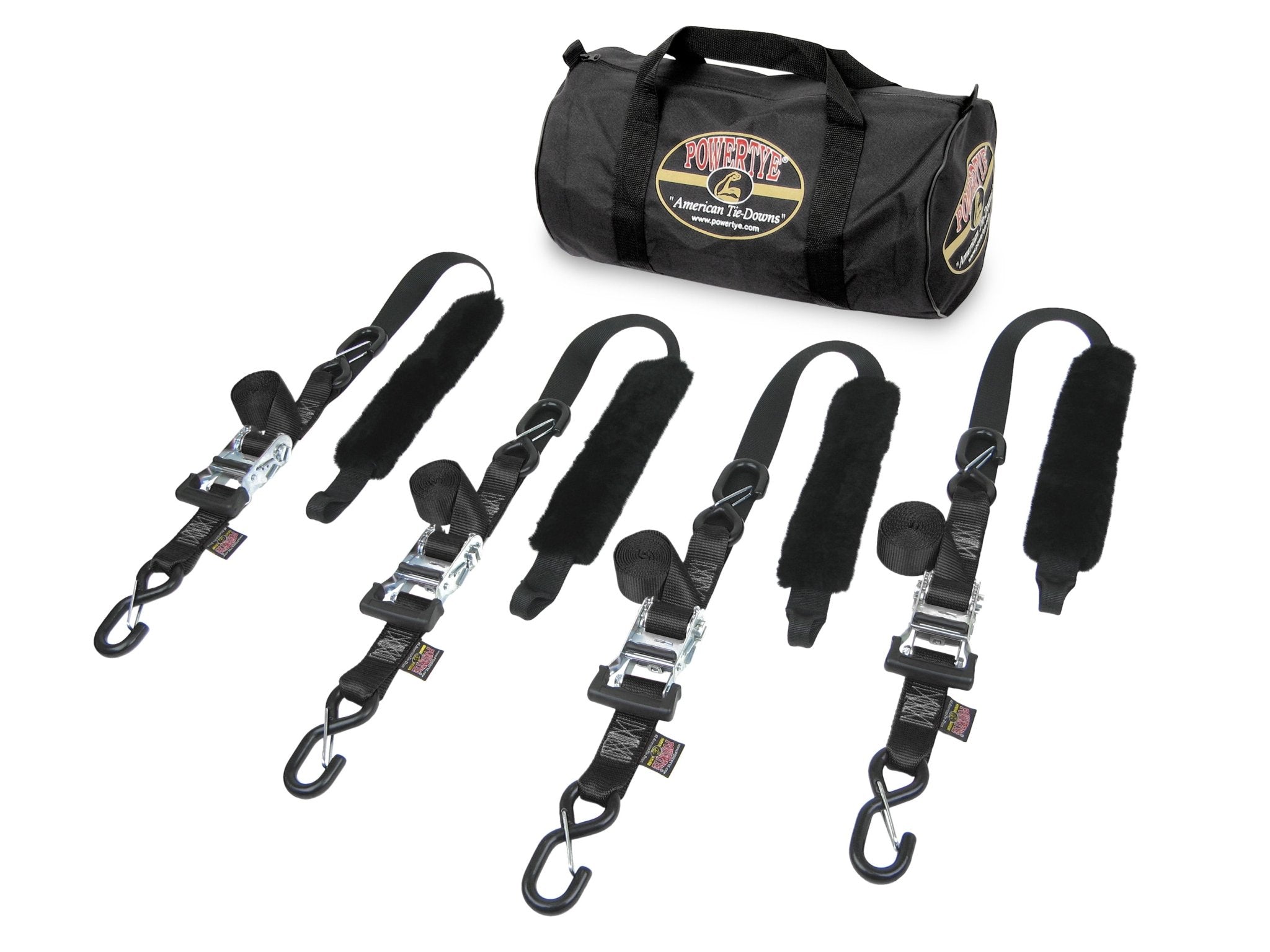
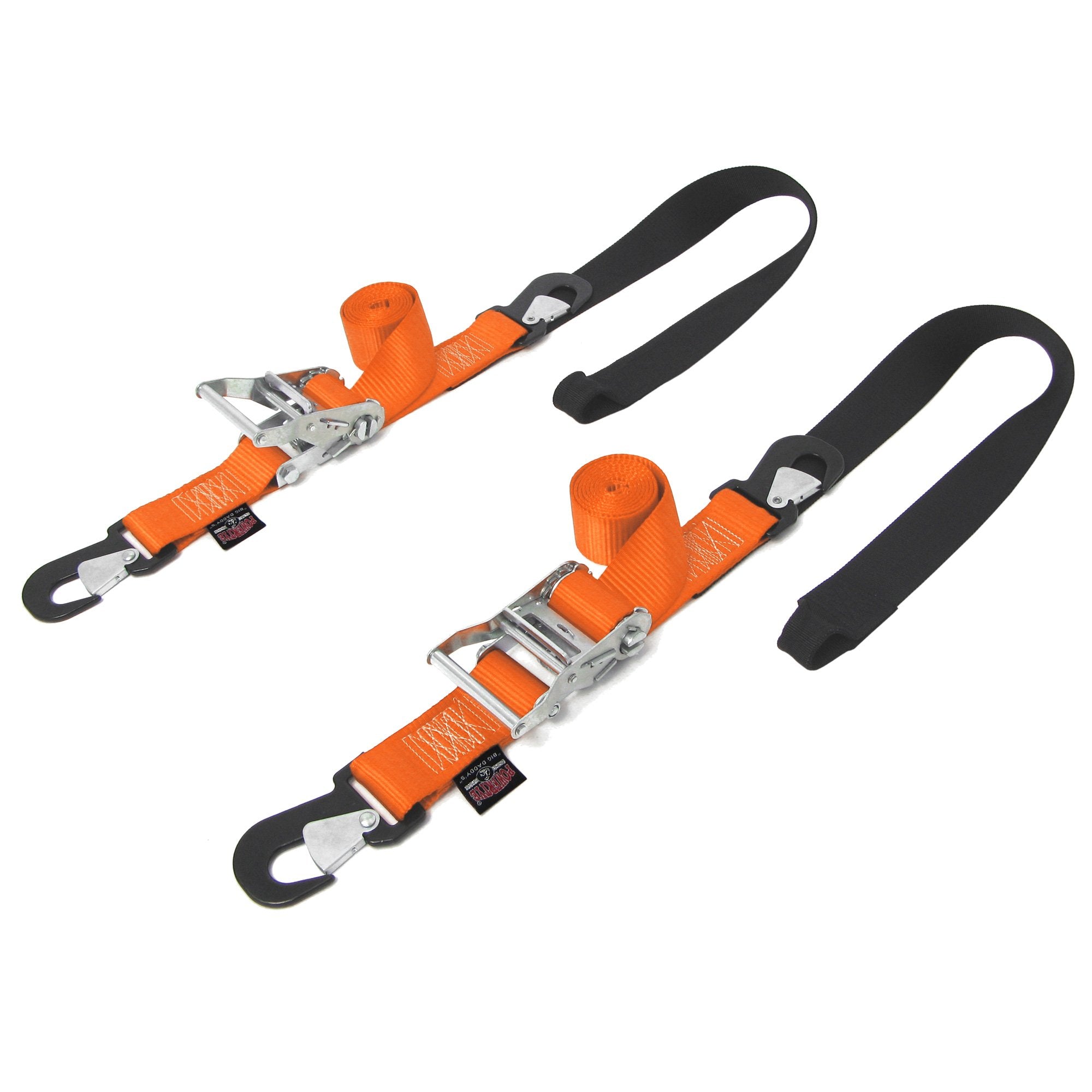
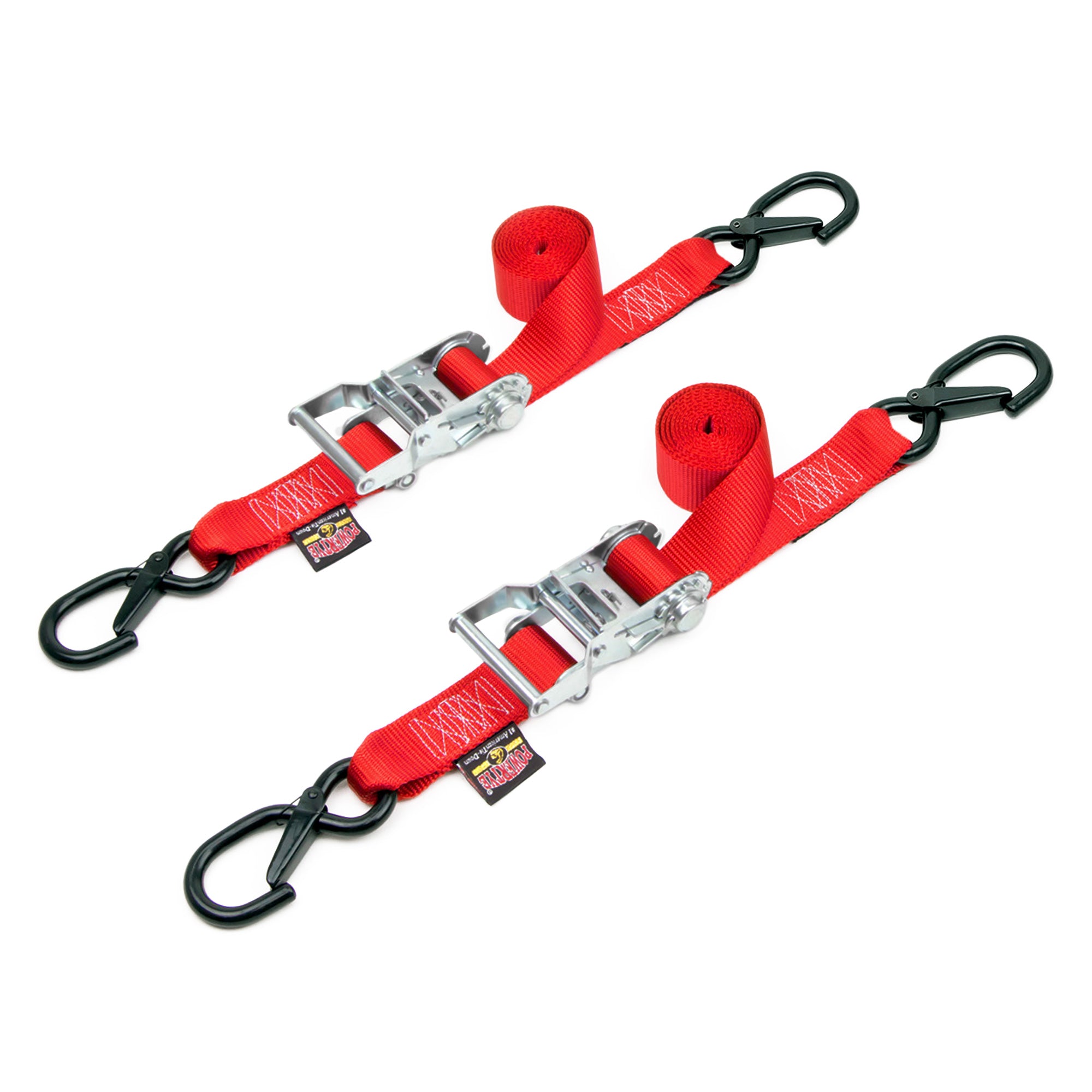
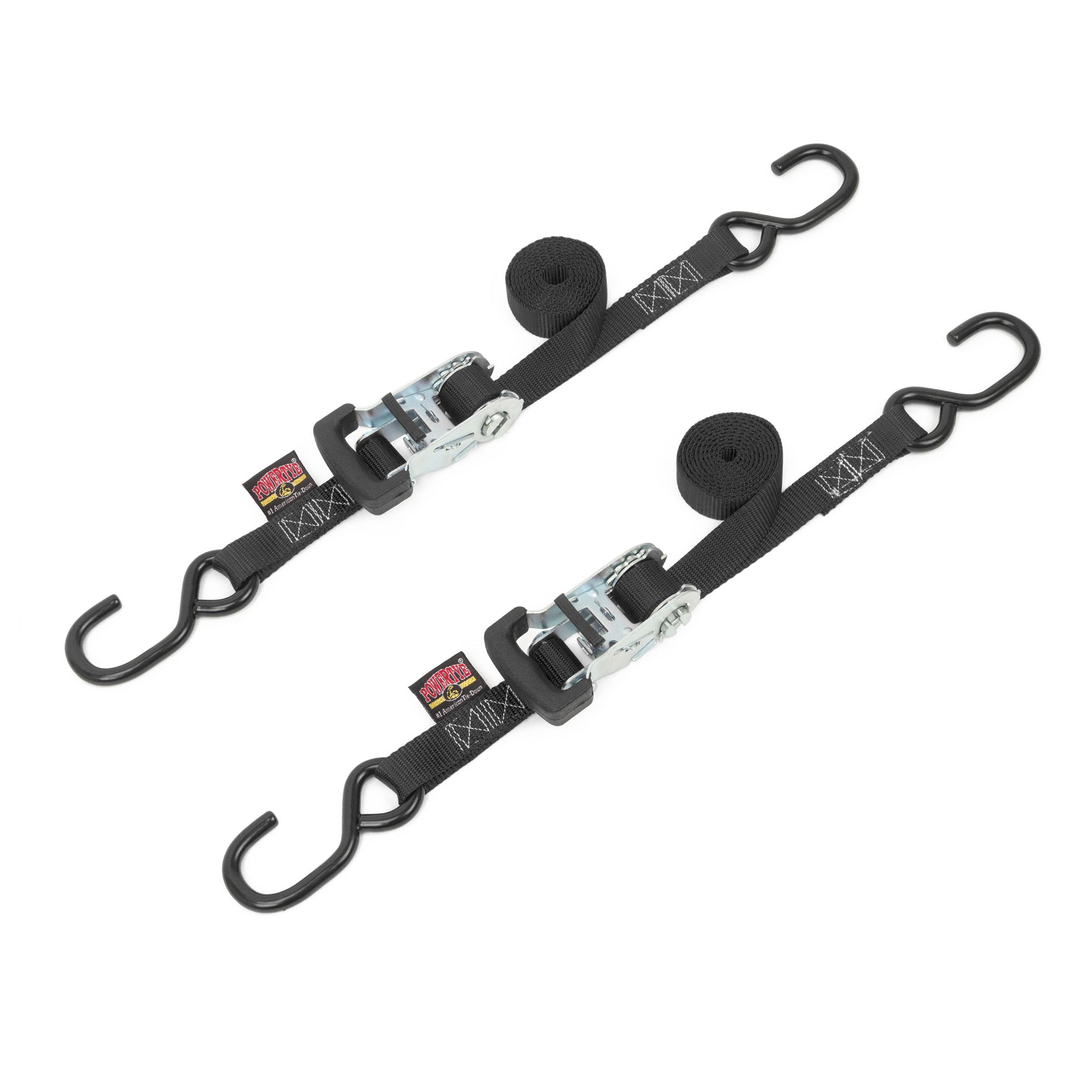
PowerTye offers strap solutions specifically designed for heavy powersports and vehicle transport. Only products actually sold by PowerTye should be used.
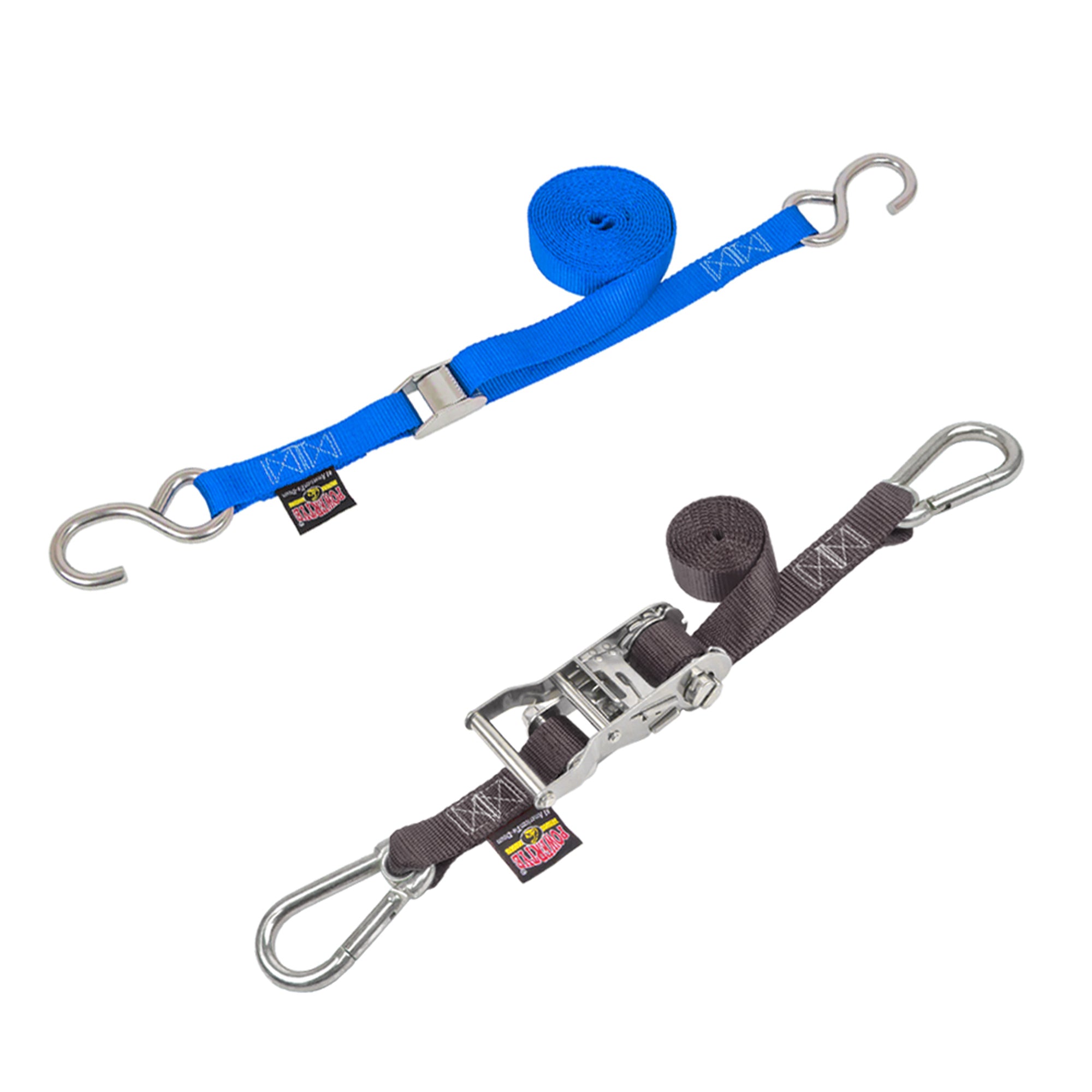
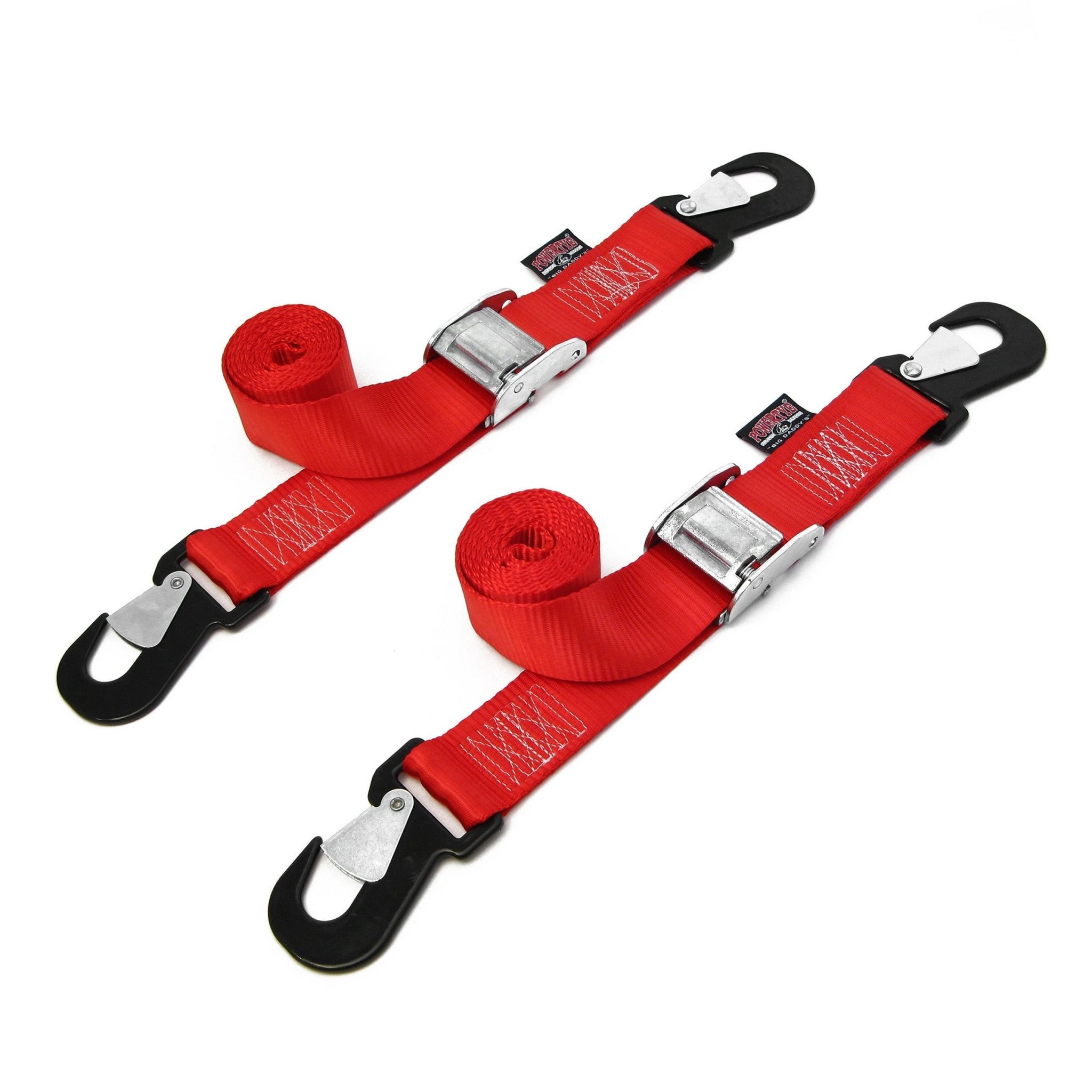
Tire and Wheel-Based Tie-Down Straps
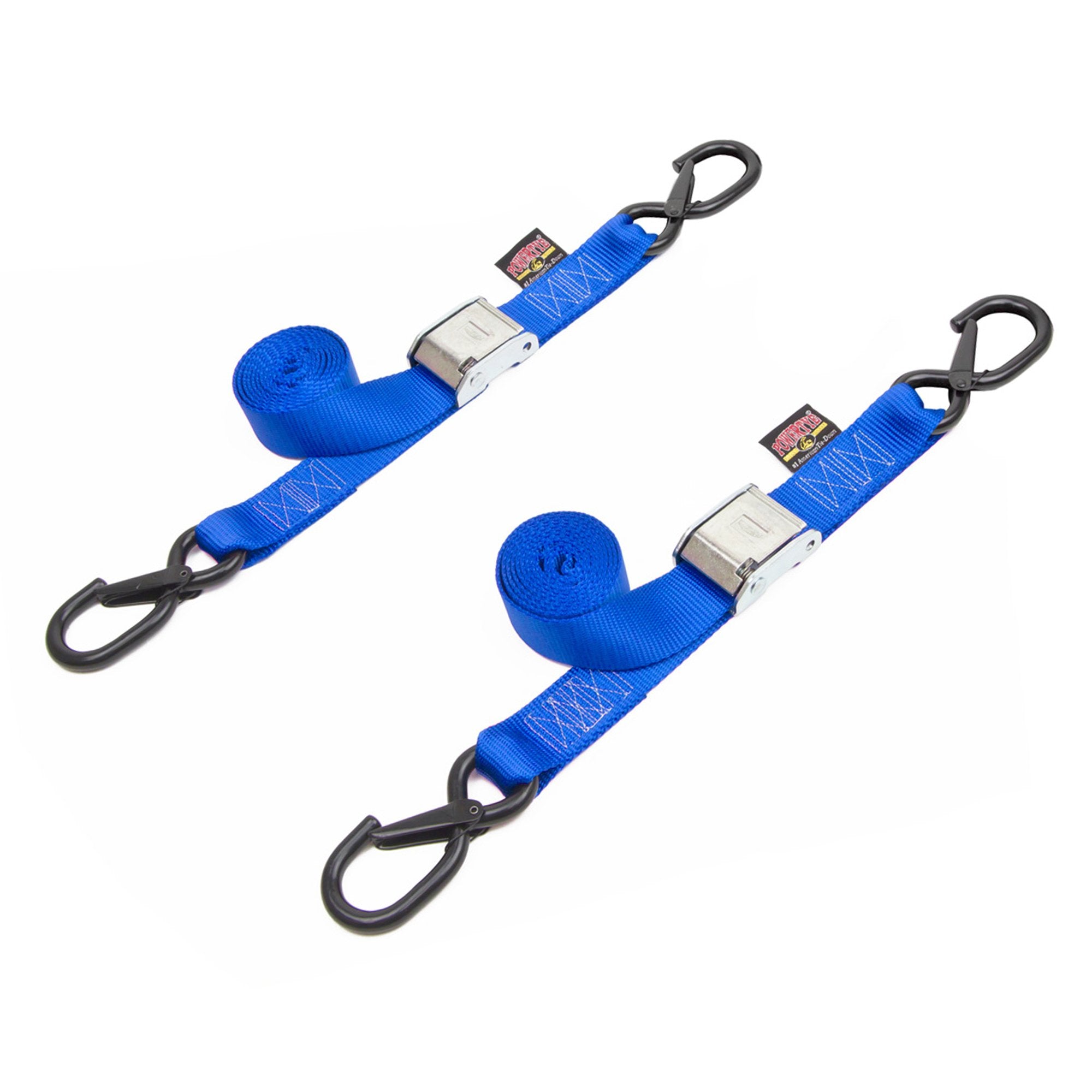
These straps secure vehicles by the tire or wheel, allowing suspension to move naturally while preventing rolling or shifting.
Best for:
-
UTVs
-
Cars
-
Long-distance hauling
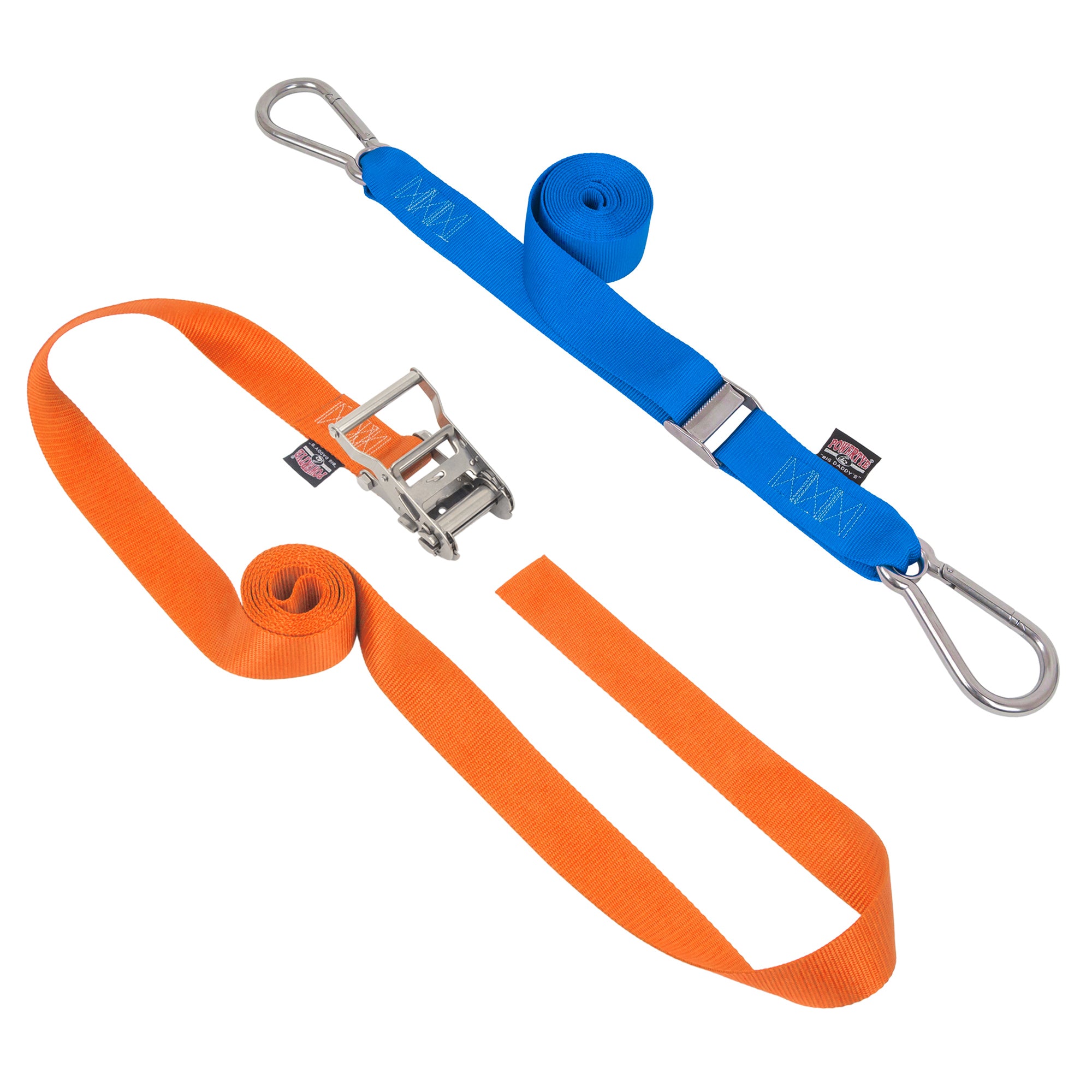
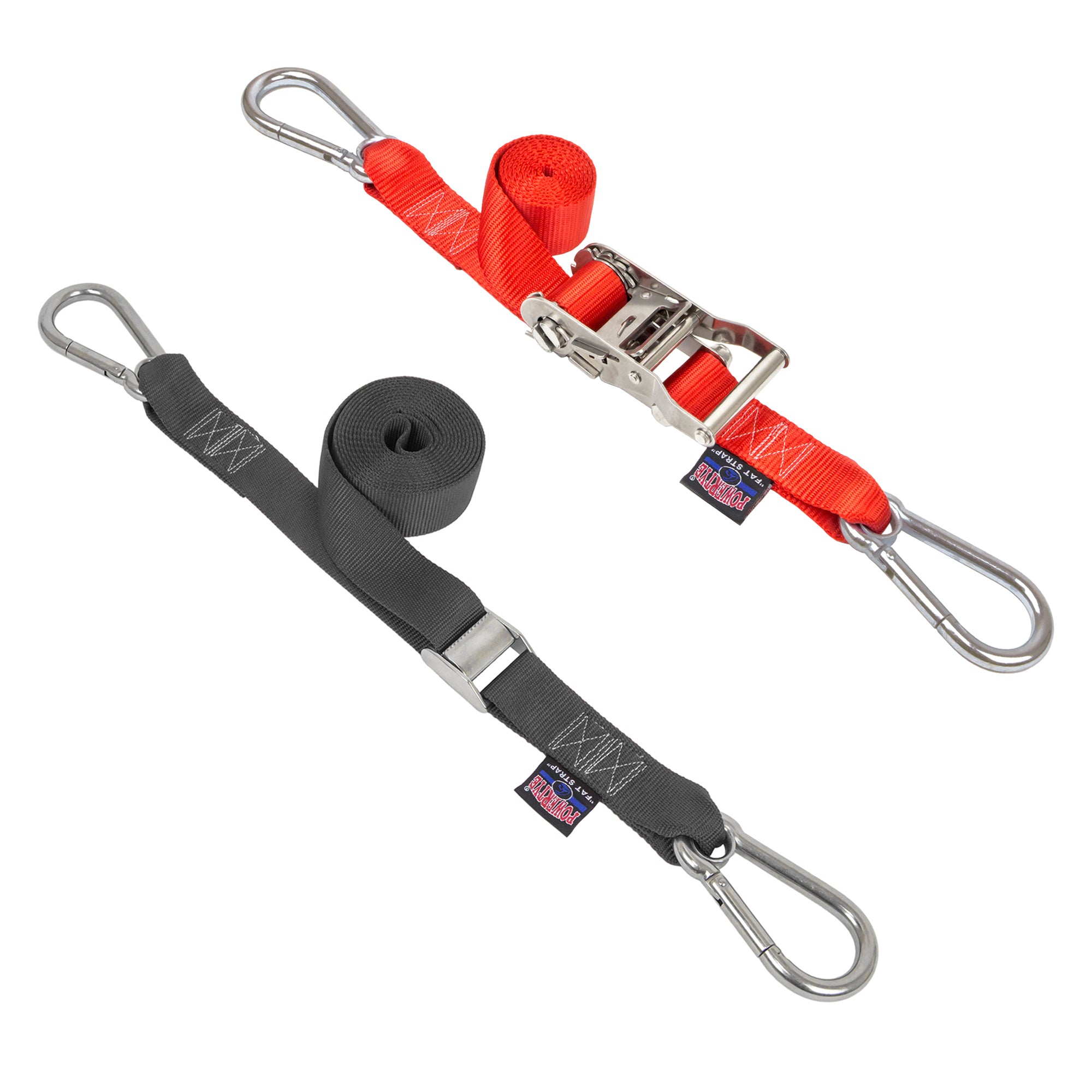
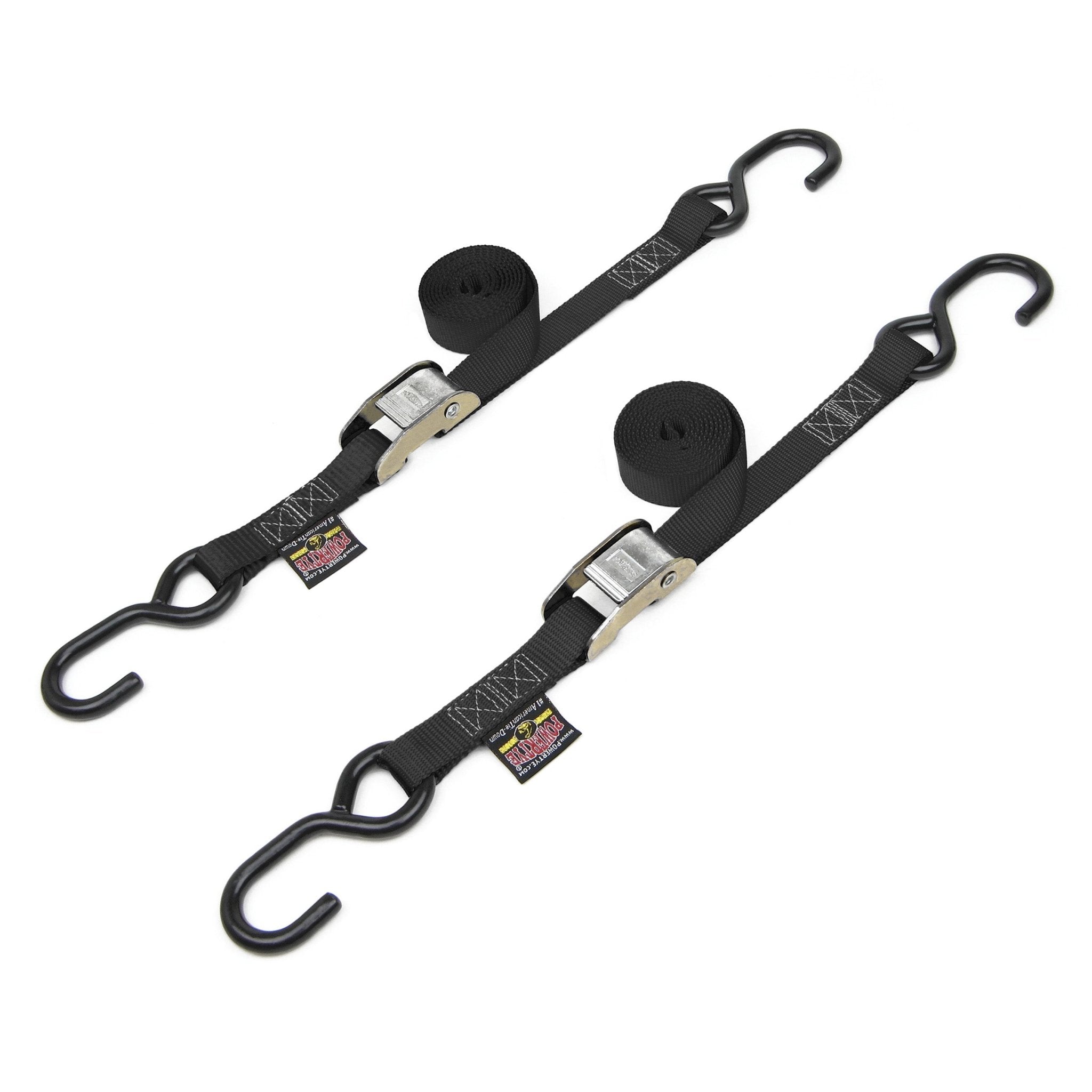
Heavy Duty Ratchet Straps
Heavy duty ratchet straps are ideal for:
-
Larger UTVs
-
Side by sides with accessories
-
Vehicles with higher curb weight
They provide increased strength and durability.
Axle and Frame-Friendly Strap Options
PowerTye offers solutions that protect components while providing secure attachment.
Stainless Hardware Options
For marine or wet environments, stainless hardware resists corrosion and maintains smooth operation.
Using UTV / Auto Straps in Different Scenarios
Open Trailer Transport
Use tire-based straps to prevent bounce and maintain stability in wind and uneven road conditions.
Enclosed Trailer Transport
Even in enclosed trailers, straps are required to prevent movement during braking or sudden stops.
Off-Road and Long-Haul Transport
Rough roads and long distances require frequent checks and high-quality straps.
Maintenance and Care for UTV / Auto Straps
Cleaning
Wash straps with mild soap and water. Rinse thoroughly and allow to air dry completely.
Inspection
Before each use, inspect for:
-
Frayed webbing
-
Loose stitching
-
Bent hooks or hardware
-
Ratchets that slip or bind
Replace damaged straps immediately.
Storage
Store straps in a dry area out of direct sunlight. UV exposure weakens webbing over time.
Why Quality UTV / Auto Straps Make a Difference
High-quality straps:
-
Hold tension under vibration
-
Resist stretching and abrasion
-
Last longer under heavy use
-
Protect expensive equipment
Cheap straps often fail without warning, especially under vehicle-level loads.

FAQ: UTV / Auto Straps
What are UTV / auto straps used for
They are used to secure UTVs, side by sides, and vehicles during transport.
How many straps are required for a UTV
A minimum of four straps, one at each corner.
Should I strap by the tires or suspension
Tire-based strapping is preferred because it allows suspension movement.
How tight should UTV straps be
Tight enough to prevent movement without fully compressing suspension.
Can I use regular ratchet straps for a UTV
Only heavy-duty, powersports-rated straps should be used.
How often should straps be checked during travel
After the first few miles and at every fuel or rest stop.
Are PowerTye straps safe for highway travel
Yes. They are designed for long-distance, high-speed transport.
Haul With Confidence Every Time
Transporting a UTV or vehicle is not the place to cut corners. The right UTV / auto straps, used correctly, protect your machine, your trailer, and everyone sharing the road.
PowerTye UTV and auto straps are trusted by riders, racers, and haulers who move heavy equipment regularly. Built for real-world conditions and proven performance, they deliver the control and reliability you need on every trip.
Shop PowerTye UTV / auto straps today and secure your load with confidence, control, and professional-grade durability.