


Watercraft Ratchet Straps: The Right Way to Secure Your Ride
If you trailer a boat or personal watercraft often, you already know this truth. The quality of your watercraft ratchet straps matters just as much as the trailer itself. Cheap straps, poor technique, or rushed tie-downs can turn a simple drive into a stressful experience or worse, a damaged watercraft.
I have trailered PWCs and small boats for years. Short trips, long highway runs, rough back roads, and everything in between. When riders ask me what gear I trust most, watercraft ratchet straps are always near the top of the list. They control movement, absorb shock, and keep your investment exactly where it belongs.
In this guide, you will learn how watercraft ratchet straps work, how to use them step by step, common mistakes to avoid, and how to choose the right PowerTye straps for your setup. This is real-world advice from an experienced rider who values gear that works every time.
How Watercraft Ratchet Straps Work
Watercraft ratchet straps use a geared ratcheting mechanism to apply controlled tension between your watercraft and trailer. The strap webbing connects two anchor points, usually the stern tie-down eyes on the watercraft and the trailer tie points.
As you pump the ratchet handle, the strap tightens incrementally. This allows you to dial in firm, consistent tension without relying on brute strength.
When used correctly, watercraft ratchet straps do three critical things:
-
Prevent vertical bounce over bumps
-
Control side-to-side movement during turns
-
Keep the stern firmly seated on the trailer
The ratchet mechanism locks tension in place so it does not loosen under vibration or road shock. This is why ratchet straps are preferred by experienced riders for longer trips or heavier watercraft.
Why Watercraft Ratchet Straps Are Essential for Trailering
Some riders rely too heavily on the bow winch strap alone. That is a mistake. The winch strap pulls the watercraft forward, but it does very little to control vertical lift or rear movement.
Watercraft ratchet straps at the stern handle the forces that matter most once you are rolling. Highway wind, sudden braking, uneven pavement, and sharp turns all work against your load.
Without proper stern straps, the rear of the watercraft can lift off the bunks. Over time, that movement causes hull wear, trailer damage, and strap failure.
Quality watercraft ratchet straps keep everything planted and stable, even when conditions are less than perfect.
Step-by-Step Guide: How to Use Watercraft Ratchet Straps Correctly
Step 1: Seat the Watercraft Properly on the Trailer
Before touching a strap, make sure the watercraft is positioned correctly. The hull should sit flat on the bunks or rollers. The bow should be snug against the bow stop.
Ratchet straps are not meant to pull a misaligned watercraft into place. Always position first, then secure.
Step 2: Secure the Bow with the Winch Strap
The bow winch strap should already be attached to the bow eye. Crank it tight until the watercraft is firmly seated against the bow stop. Lock the winch and engage the safety chain if equipped.
This strap handles forward force during braking.
Step 3: Attach the Watercraft Ratchet Straps at the Stern
Attach one ratchet strap to each rear tie-down point on the watercraft. Connect the other end to a solid trailer anchor point.
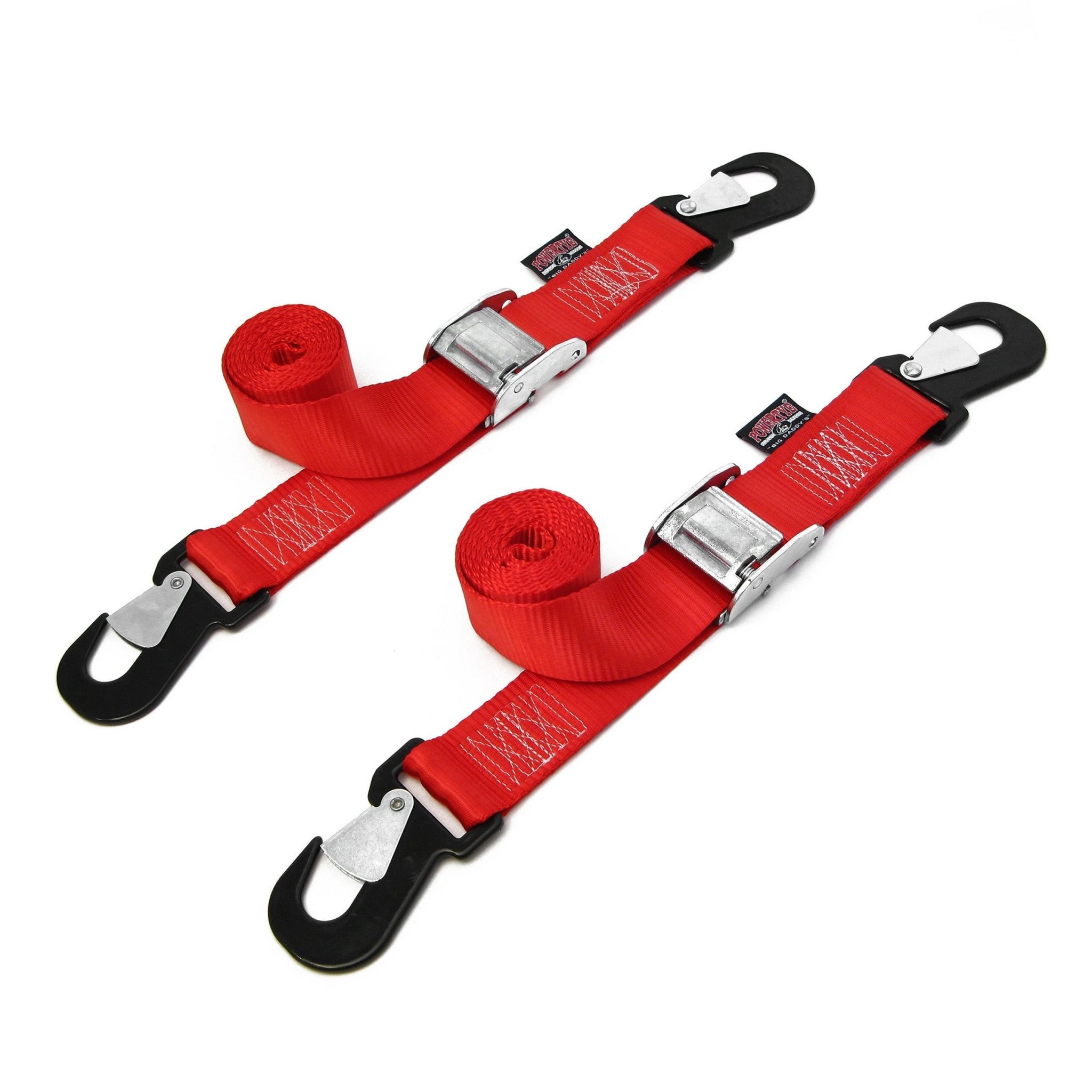
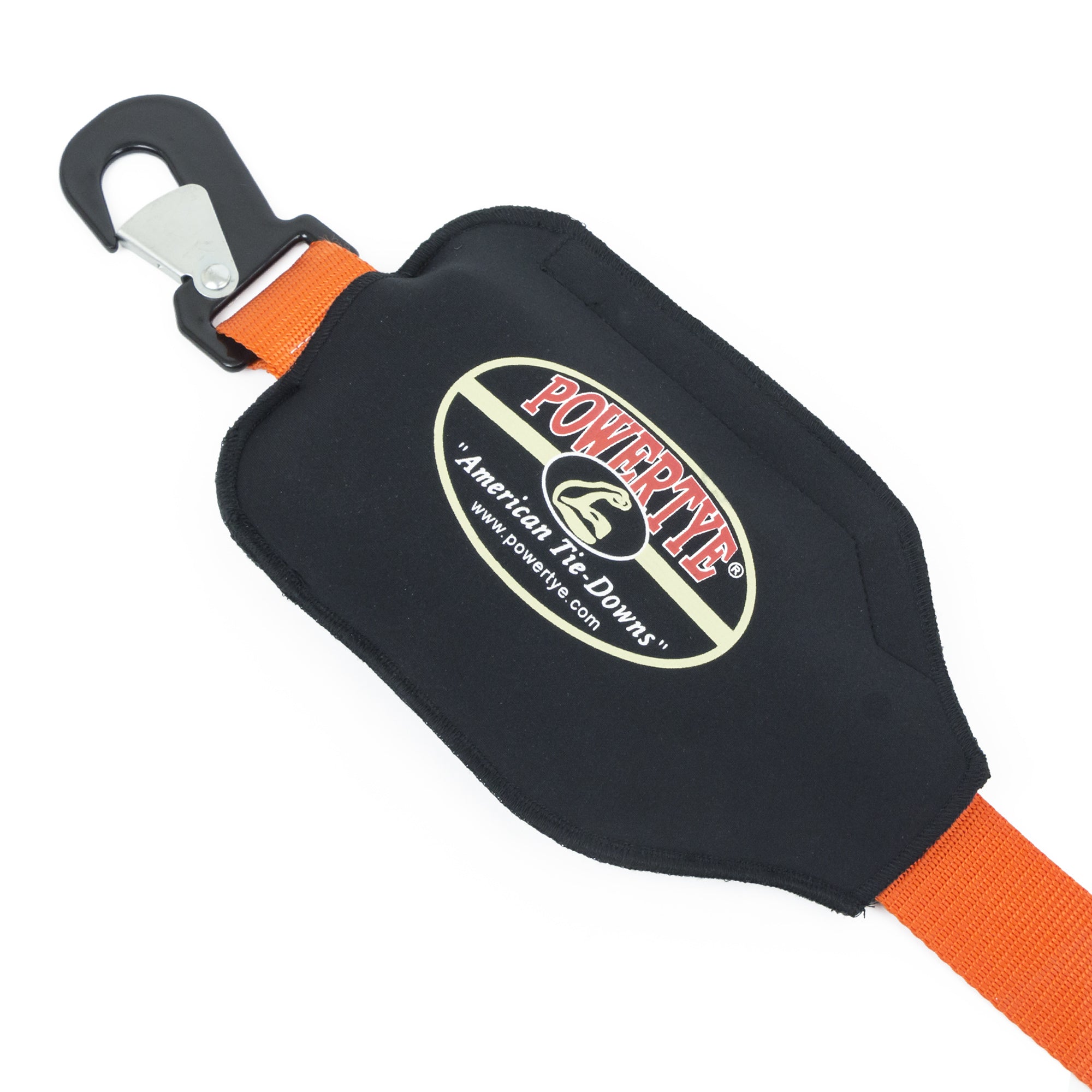
PowerTye watercraft ratchet straps are designed with durable hooks and strong webbing to handle repeated trailering.
Step 4: Tighten Evenly
Alternate between left and right straps as you tighten. This keeps tension balanced and prevents twisting the hull.
Tighten until the straps are snug and the watercraft feels firmly planted. Do not over-tighten.
Step 5: Check Strap Angle
The straps should pull slightly downward and outward. This angle helps control both vertical and lateral movement. Avoid straight-down angles when possible.
Step 6: Secure Excess Webbing
Loose strap ends flap in the wind and wear out quickly. Secure excess webbing with hook-and-loop or tie it neatly.
Step 7: Final Inspection
Give the watercraft a firm shake. It should not move independently of the trailer. Check hooks, ratchets, and anchor points one last time before driving.
After the first few miles, stop and recheck tension. Straps can settle as the load shifts.
Common Mistakes Riders Make with Watercraft Ratchet Straps
Over-Tightening the Straps
This is the most common mistake. Ratchets make it easy to apply too much force. Over-tightening can crack gelcoat, deform hulls, and stress trailer mounts.
Tighten until secure, then stop.
Using Low-Quality or Incorrect Straps
Not all ratchet straps are designed for marine use. Cheap hardware store straps often lack proper hooks, coatings, or webbing strength.
PowerTye watercraft ratchet straps are built for powersports and marine trailering, not general cargo.
Attaching to Weak Trailer Points
Always use designated trailer tie-down points. Thin rails, fenders, or non-structural components can bend or fail.
Forgetting to Check Tension During Long Trips
Road vibration and temperature changes can affect strap tension. Check straps at fuel stops or rest breaks.
Ignoring Strap Wear
UV exposure, saltwater, and dirt degrade webbing over time. If a strap looks questionable, replace it.
Safety Tips for Using Watercraft Ratchet Straps
-
Always use two stern straps, one on each side
-
Match strap rating to the size and weight of your watercraft
-
Inspect straps before every trip
-
Rinse straps with fresh water after saltwater use
-
Store straps out of direct sunlight when not in use
Safe trailering protects your watercraft and everyone sharing the road.
Choosing the Right PowerTye Watercraft Ratchet Straps
PowerTye offers several tie-down solutions that work well for securing boats and PWCs. Choosing the right option depends on how often you trailer and how much convenience you want.
Standard Ratchet Tie-Down Straps
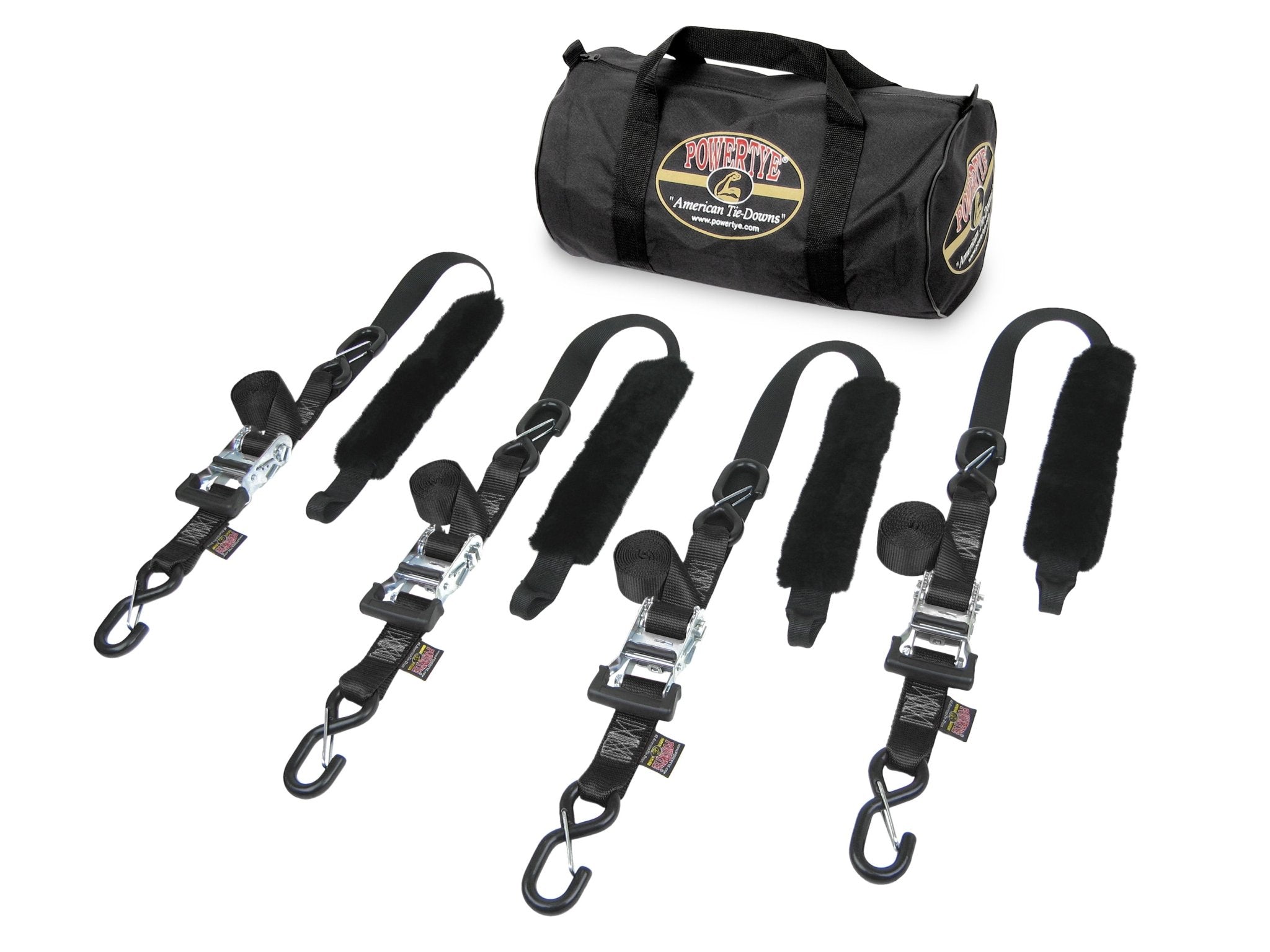
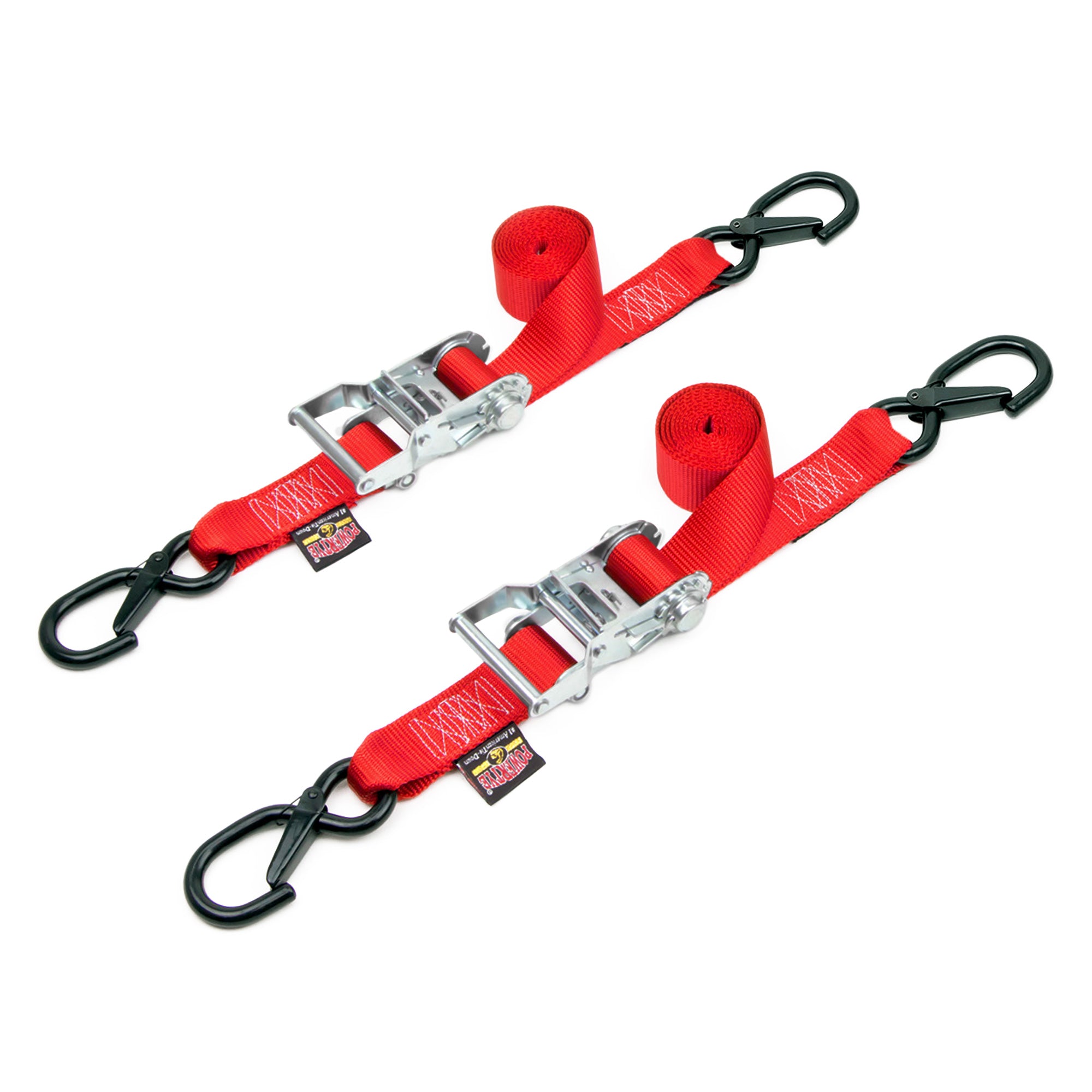
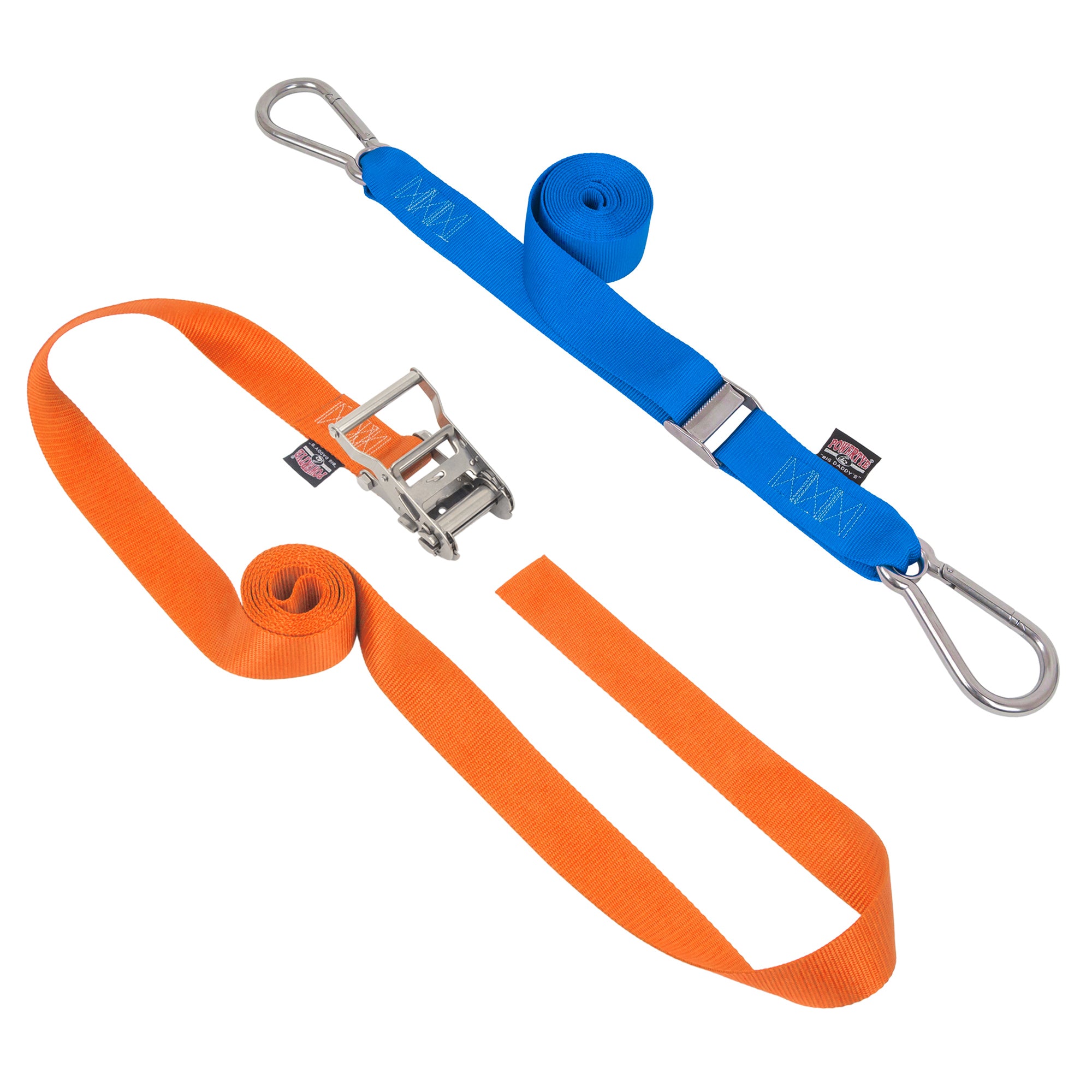
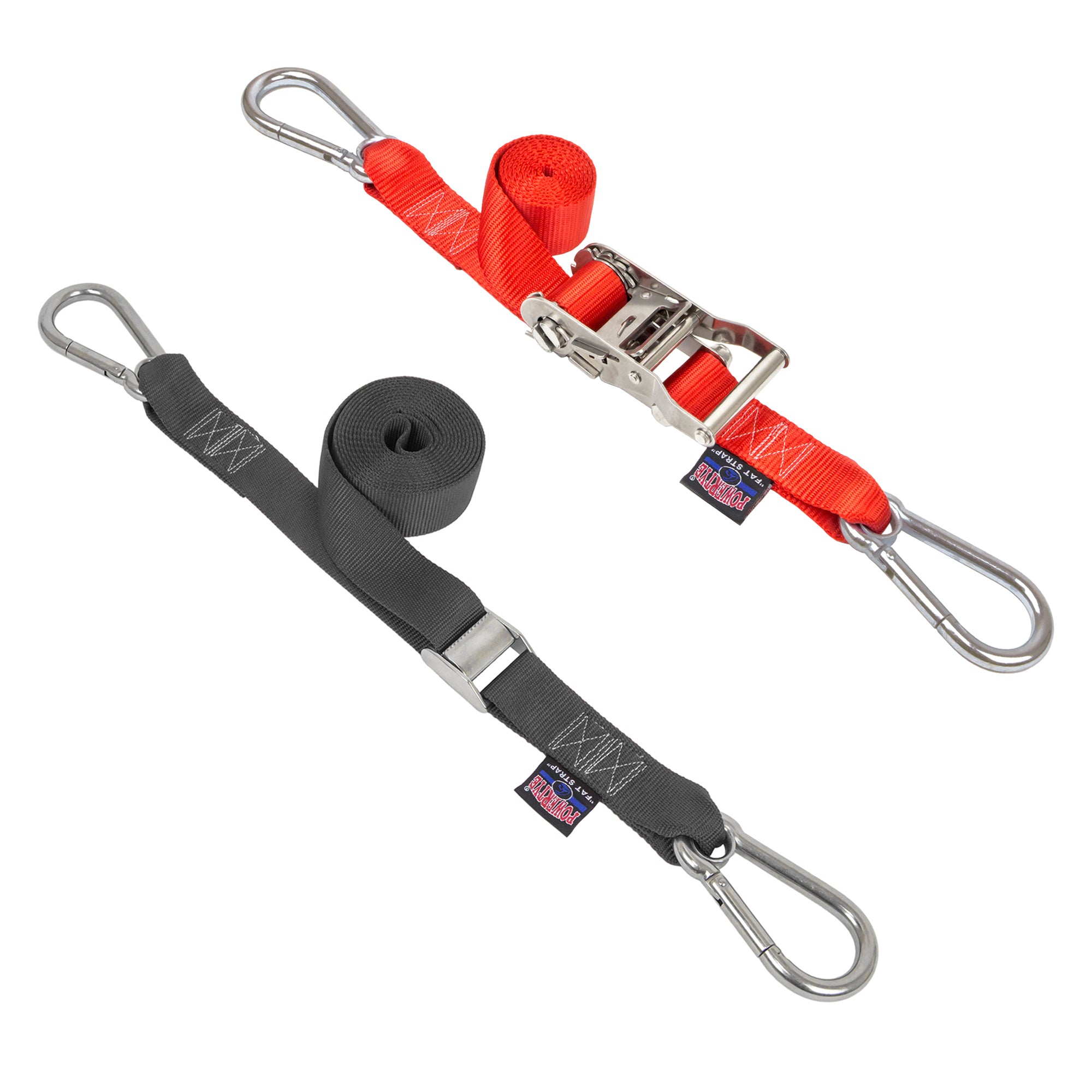
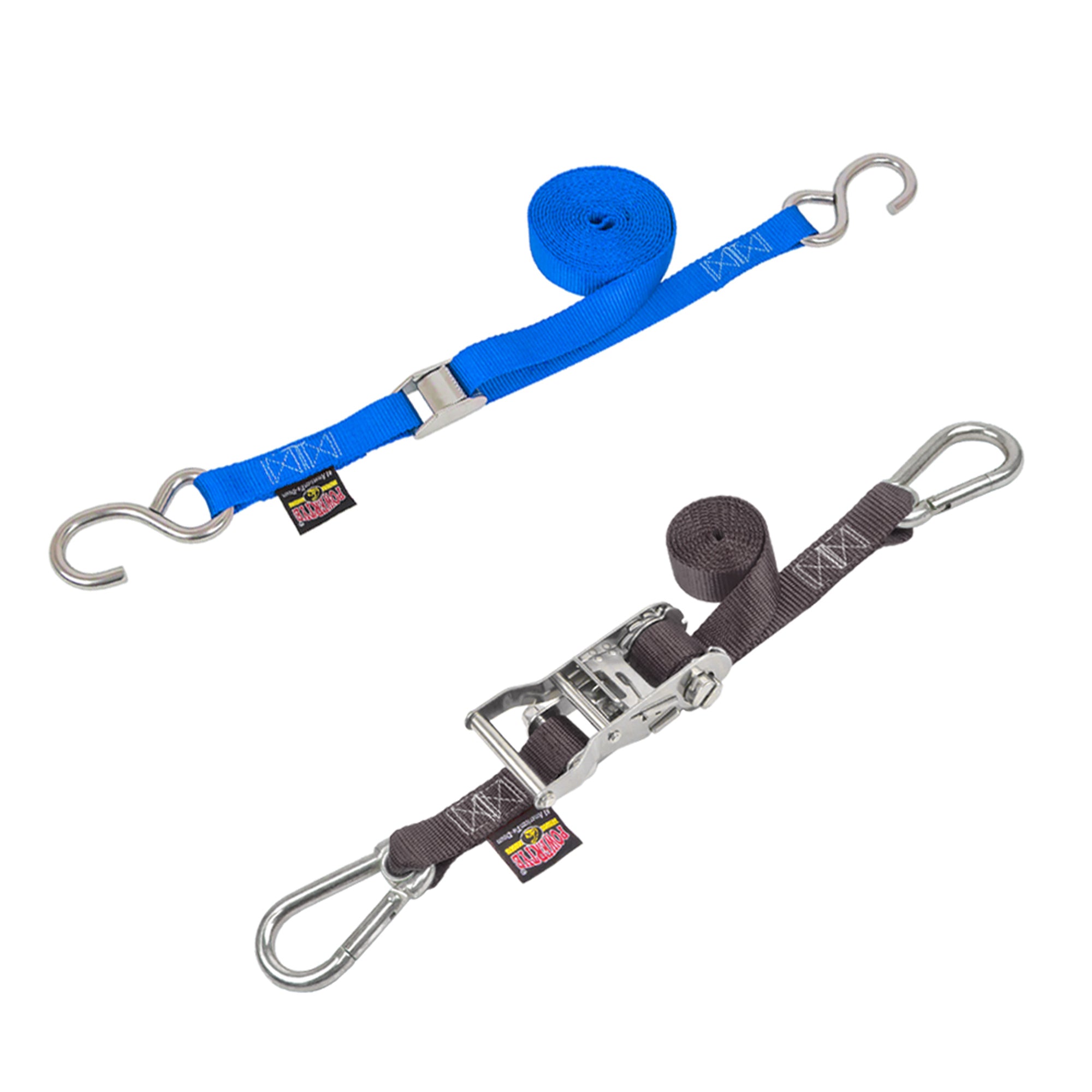
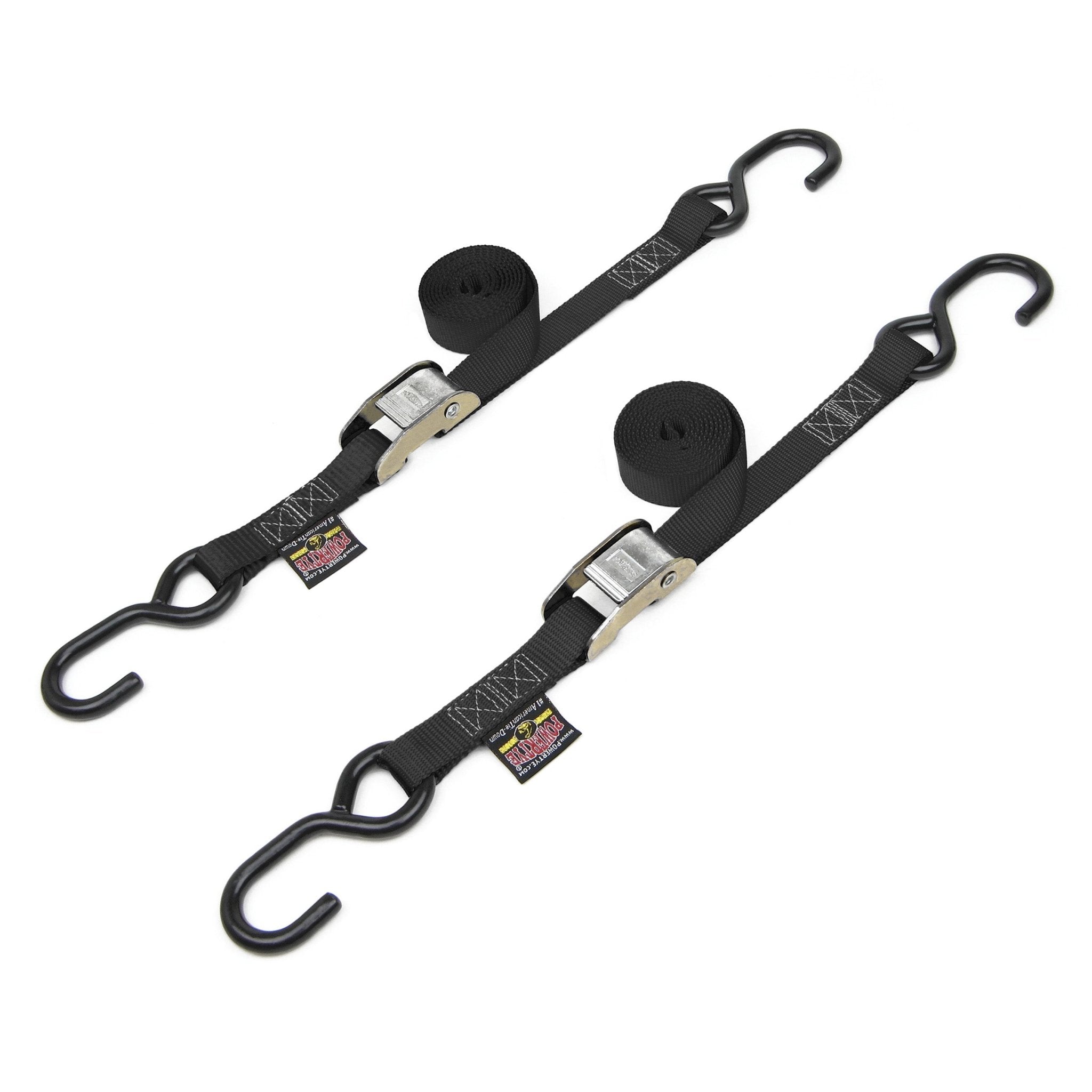
PowerTye standard ratchet tie-down straps are a go-to choice for riders who want strength and control. They allow precise tensioning and are ideal for heavier watercraft or long-distance trailering.
These are a solid option if you want maximum holding power and reliability.
Retractable Ratchet Tie-Down Straps
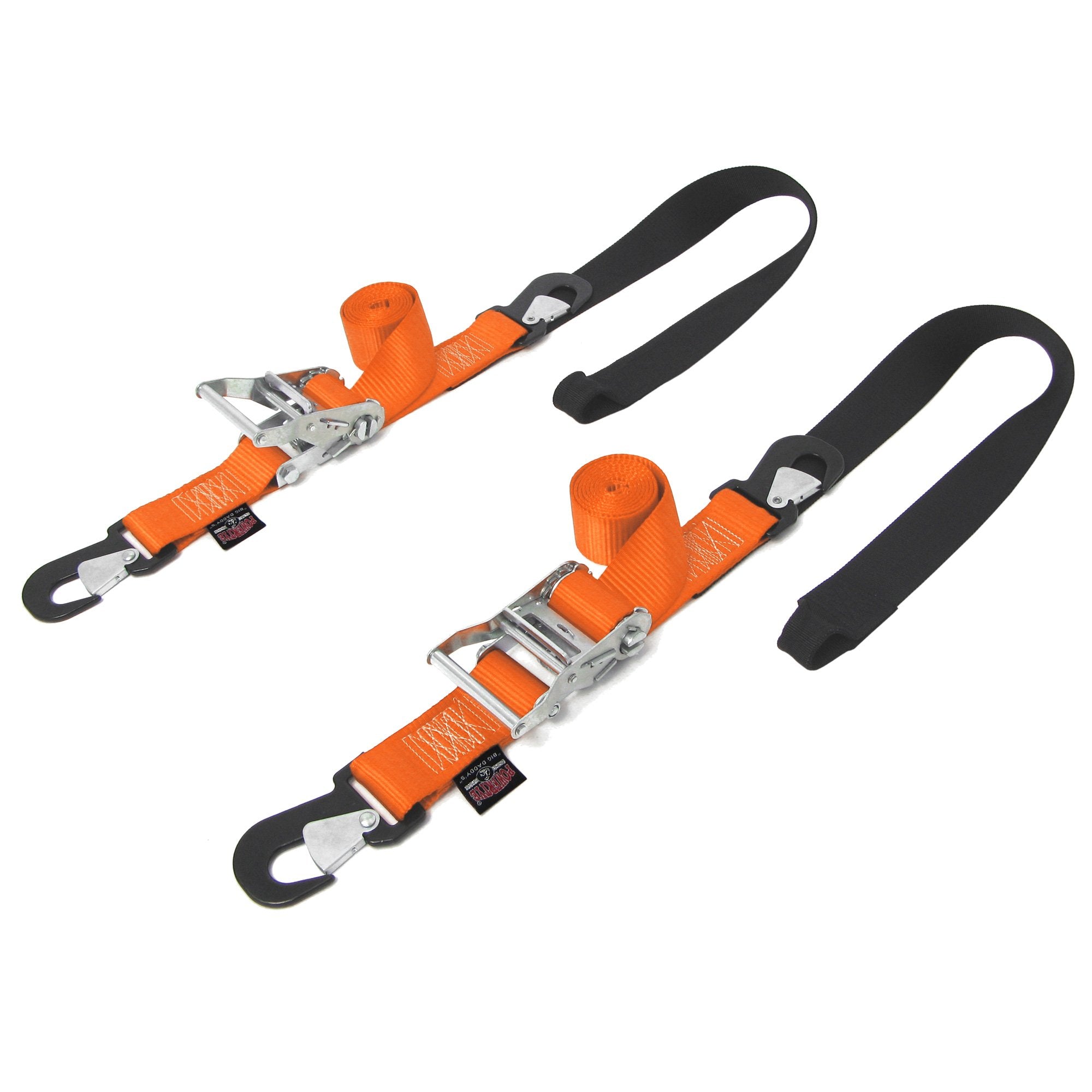
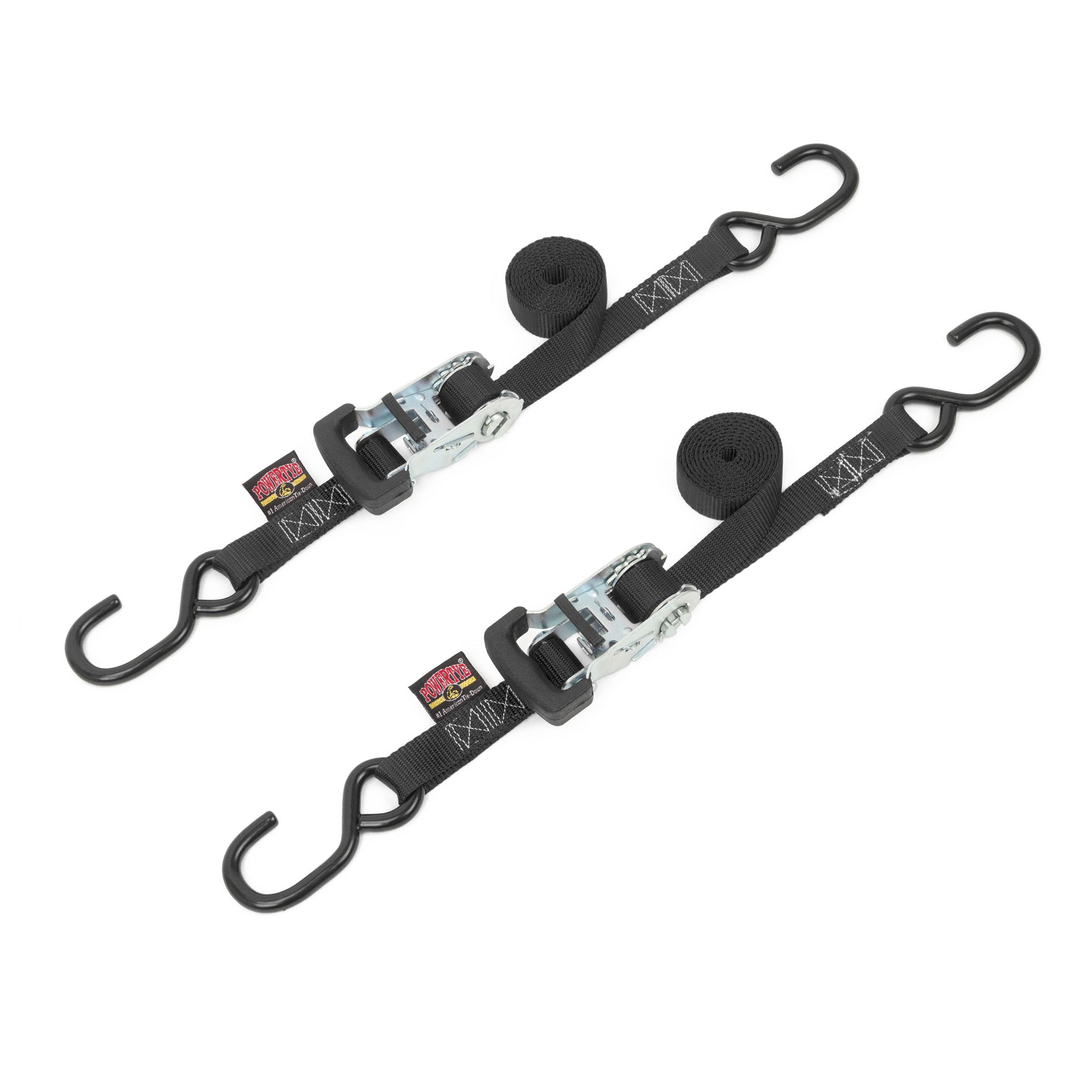
PowerTye retractable ratchet straps combine strength with convenience. The internal retraction system keeps excess webbing neatly stored, reducing wear and setup time.
These are ideal for riders who trailer frequently and want a clean, fast setup every time.
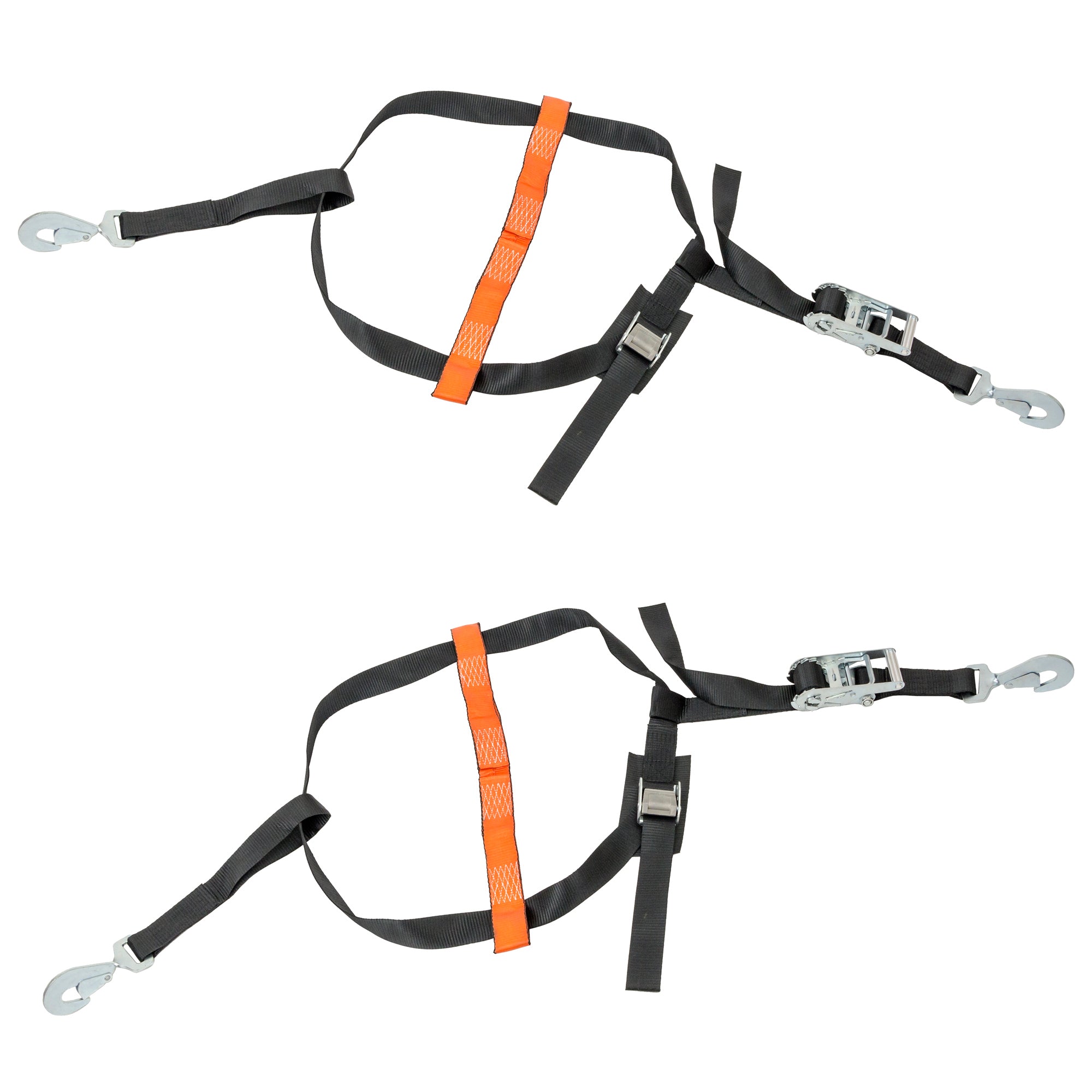
Cam Buckle Tie-Down Straps
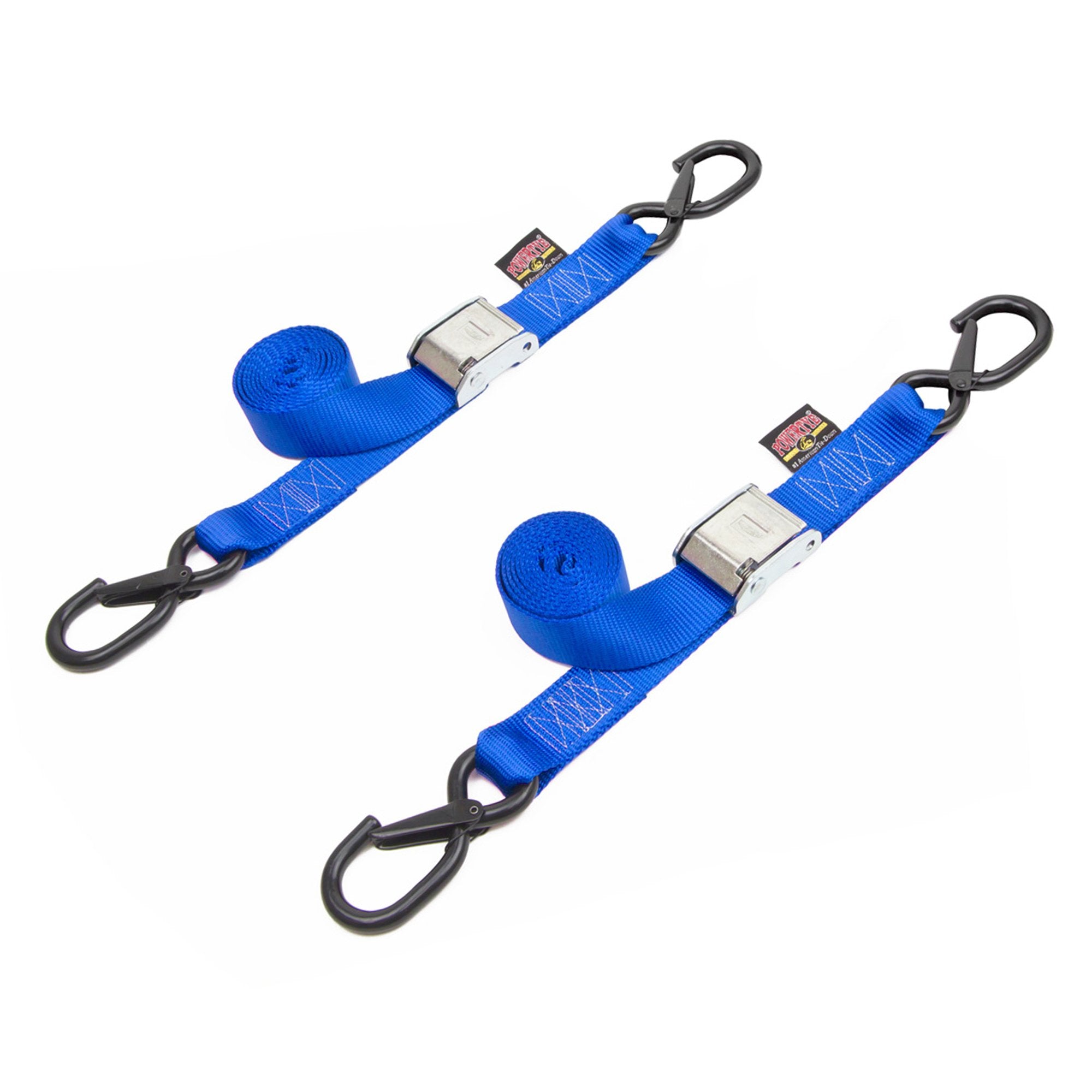
Cam buckle straps offer quick tightening without the leverage of a ratchet. They are less likely to over-tighten and work well for lighter PWCs or shorter trips.
Many experienced riders keep cam buckle straps as backups or for secondary securement.
Soft Loop Accessories
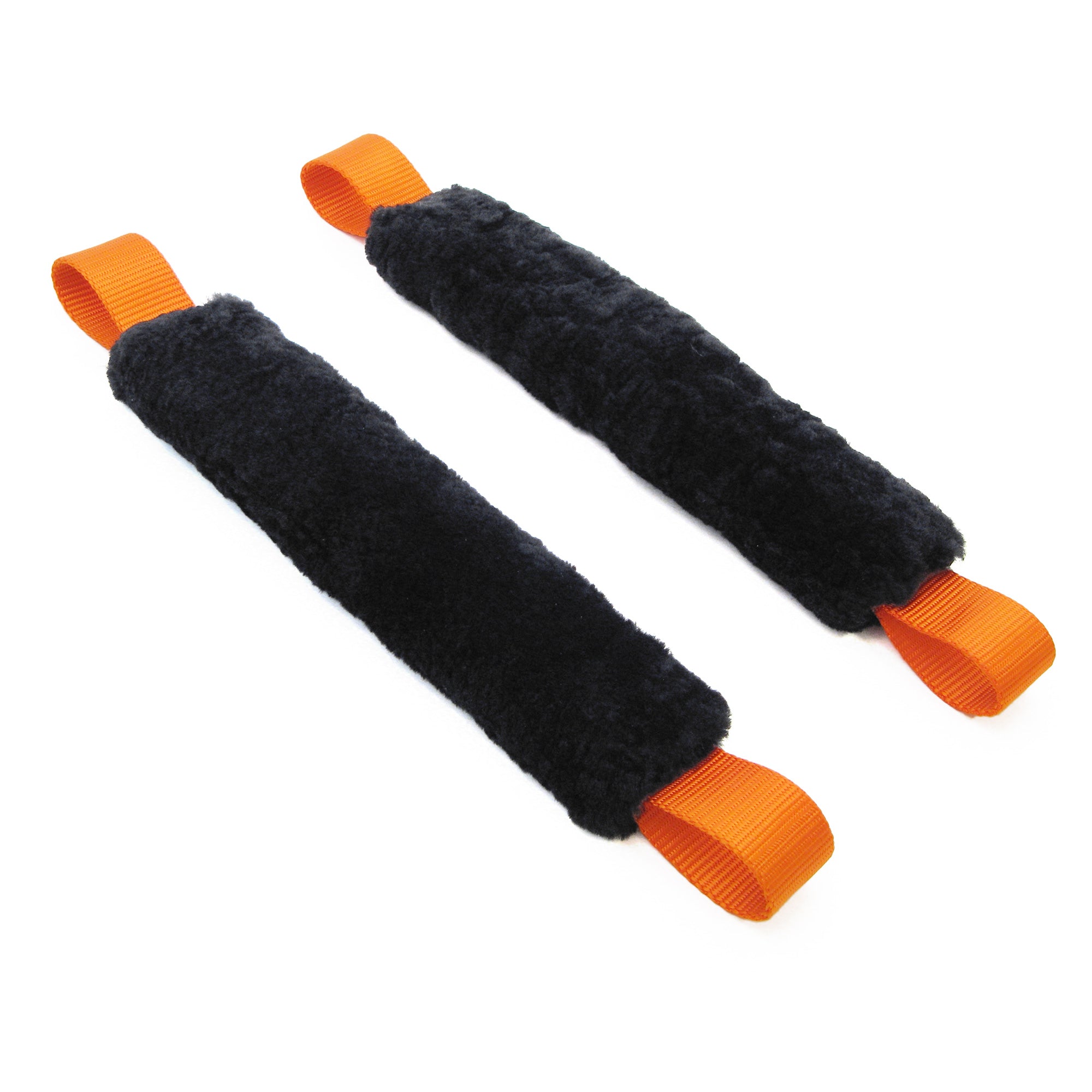
Soft loops provide flexibility when standard hooks do not fit well. They also help protect painted or polished tie-down points.
Adding soft loops to your setup gives you more options and reduces wear on both straps and hardware.
When selecting PowerTye products, always choose straps with a working load appropriate for your watercraft. More capacity means more margin for safety.
Maintenance and Care for Watercraft Ratchet Straps
Proper care extends the life of your straps and ensures they perform when you need them.
Cleaning After Use
After trailering, especially in saltwater environments, rinse straps with fresh water. Remove sand, salt, and grime from the webbing and ratchet mechanism.
Allow straps to dry fully before storage.
Regular Inspection
Look for fraying, cuts, stiffness, or fading in the webbing. Inspect hooks and ratchets for rust, cracks, or bent components.
If you notice any damage, replace the strap immediately.
Storage Best Practices
Store straps in a dry place out of direct sunlight. UV exposure weakens webbing faster than most riders realize.
Retractable ratchet straps help protect webbing when not in use.
Replacement Timing
Even well-maintained straps wear out over time. If you trailer often, inspect straps every season and replace them every few years as preventative maintenance.

Watercraft Ratchet Straps FAQ
How many watercraft ratchet straps do I need?
At minimum, you need two stern ratchet straps plus a bow winch strap. Larger boats may require additional securement depending on trailer design.
Are ratchet straps better than cam buckle straps for watercraft?
Ratchet straps provide greater tension and control, making them better for heavier watercraft or long trips. Cam buckle straps work well for lighter PWCs when used correctly.
Can you over-tighten watercraft ratchet straps?
Yes. Over-tightening can damage the hull or trailer. Tighten until secure, not until maximum force.
Should ratchet straps pull straight down or at an angle?
A slight downward and outward angle is ideal. This controls both vertical bounce and side-to-side movement.
Are retractable ratchet straps strong enough for trailering?
Yes, when properly rated. PowerTye retractable ratchet straps are designed for powersports and marine applications.
How often should I check my straps during a trip?
Check them after the first 10 to 20 miles and at every fuel or rest stop on long trips.
Can I leave ratchet straps on the trailer all the time?
You can, but exposure to sun and weather will shorten their lifespan. Store them properly when possible.
Final Thoughts and Why PowerTye Is the Right Choice
Trailering should be simple and stress-free. When you use quality watercraft ratchet straps, apply proper technique, and maintain your gear, you eliminate most of the risks that come with hauling a boat or PWC.
PowerTye has built a reputation for durable, rider-tested tie-downs that perform in real-world conditions. Whether you prefer standard ratchet straps or the convenience of retractable systems, choosing PowerTye means choosing confidence on the road.
If your current straps are worn, outdated, or unreliable, now is the time to upgrade.
Shop PowerTye watercraft ratchet straps and secure your ride the right way on every trip.