



Watercraft Tie-Downs: How Experienced Riders Secure Their Investment
If you have spent any real time hauling a jet ski or small boat, you already know one thing. Watercraft tie-downs are not optional gear. They are the difference between arriving at the ramp relaxed or pulling over every ten miles to check straps.
I have trailered personal watercraft and small boats for years. I have seen cracked hulls, bent trailers, and near-misses on the highway that all came down to poor tie-down choices or bad technique. The good news is that securing your watercraft is not complicated when you understand how it works and use the right equipment.
In this guide, you will learn exactly how watercraft tie-downs work, how to use them step by step, common mistakes riders make, and how to choose the right PowerTye products for your setup. By the end, you will be able to trailer with confidence and protect your watercraft every mile of the trip.
How Watercraft Tie-Downs Work
Watercraft tie-downs are designed to do one main job. They keep your boat or PWC firmly planted on the trailer so it cannot shift, bounce, or slide during transport.
A properly secured watercraft is held in three directions:
-
Downward to control vertical bounce
-
Forward to prevent movement under braking
-
Side-to-side to eliminate sway in turns
Most setups rely on a combination of winch strap at the bow and tie-down straps at the stern. The winch pulls the craft forward into the bow stop. The stern tie-downs apply downward and rearward tension to keep everything locked in place.
Quality tie-downs use strong webbing, reliable buckles or ratchets, and hardware designed to handle vibration and road shock. PowerTye watercraft tie-downs are built with that real-world trailering abuse in mind.
Why Proper Tie-Downs Matter More Than You Think
Many riders underestimate the forces at work when trailering. A single bump at highway speed can momentarily lift a watercraft off the bunks. Hard braking can shift thousands of pounds forward. Wind resistance can pull backward constantly for hours.
When tie-downs fail or are used incorrectly, damage happens fast. I have seen:
-
Gelcoat cracks from over-tightened straps
-
Torn trailer tie points from cheap hooks
-
Watercraft sliding sideways on corners
-
Complete strap failures from sun-damaged webbing
Using proper watercraft tie-downs and correct technique protects not just your investment, but everyone sharing the road.
Step-by-Step: How to Secure Your Watercraft on a Trailer
Step 1: Position the Watercraft Correctly
Before touching a strap, make sure the watercraft is properly seated on the trailer bunks or rollers. The hull should sit flat and centered. The bow should be snug against the bow stop.
Do not rely on straps to fix poor positioning. Tie-downs are for securing, not correcting.
Step 2: Attach the Bow Winch Strap
The winch strap or cable should already be connected to the bow eye. Crank it tight enough to pull the watercraft firmly into the bow stop. This strap handles forward motion under braking.
Once tight, lock the winch and engage the safety chain if your trailer has one.
Step 3: Install Stern Watercraft Tie-Downs
Stern tie-downs are where most riders go wrong.
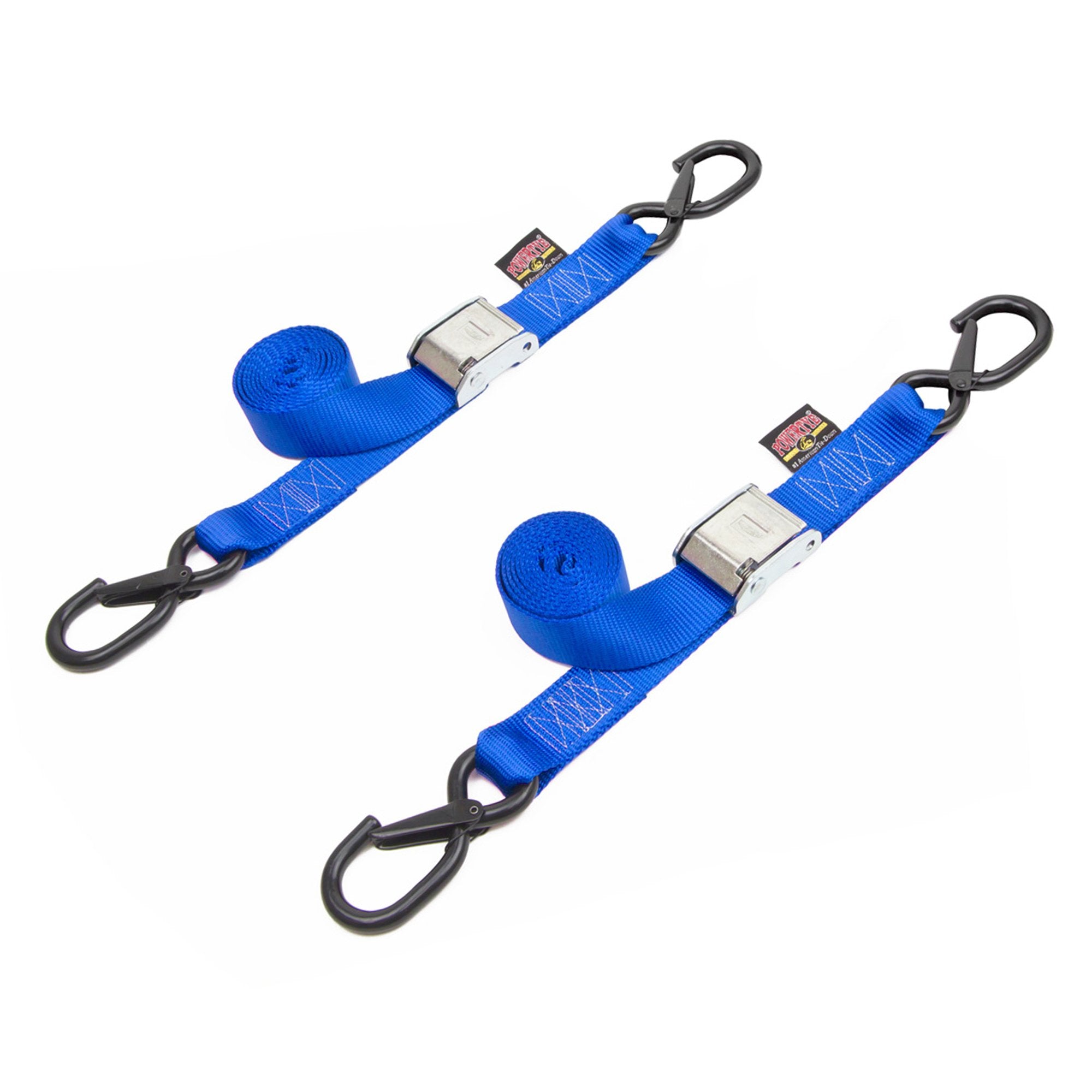
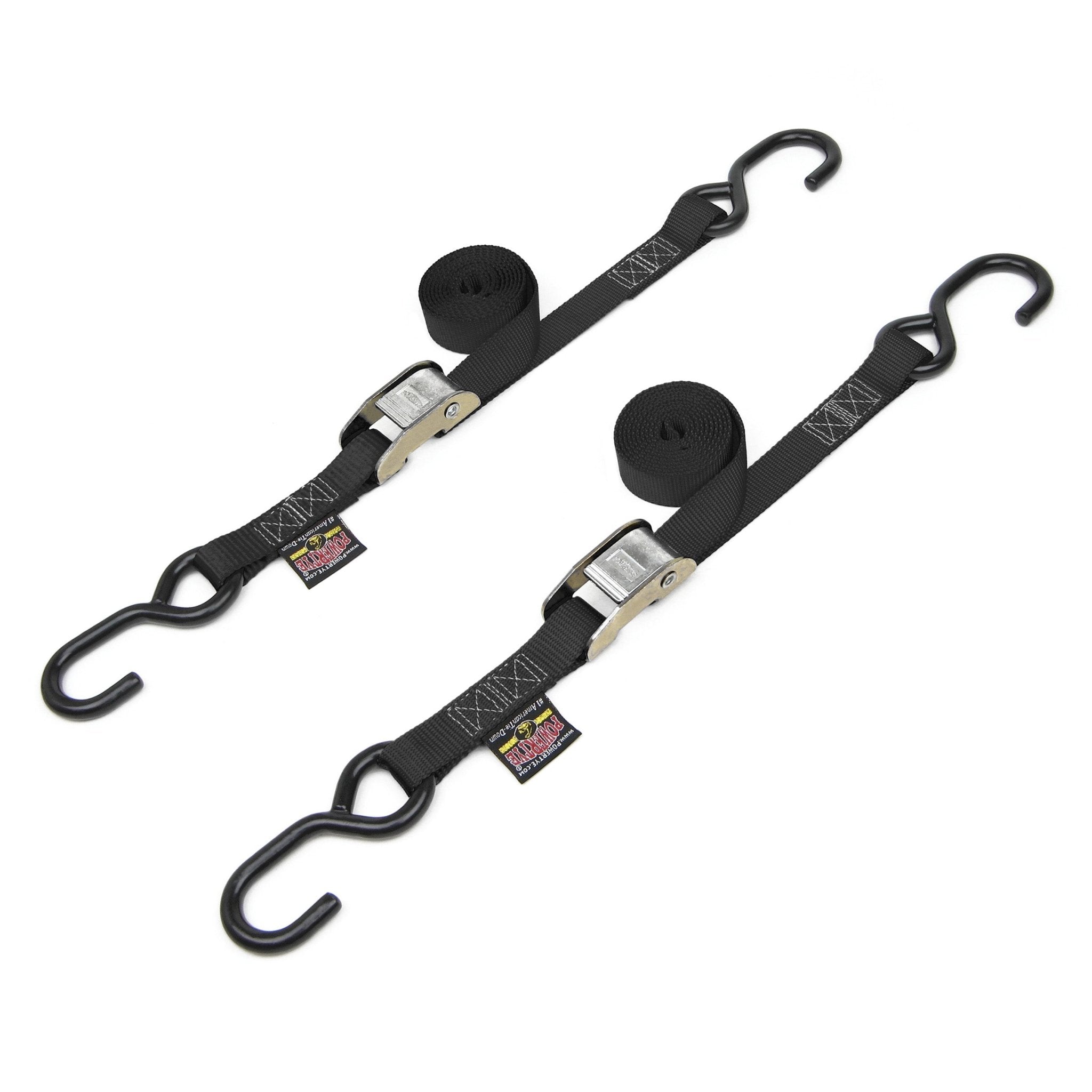
Attach each strap from the rear tie-down point on the watercraft to the corresponding trailer anchor point. PowerTye offers dedicated PWC and boat tie-down straps designed for this exact job.
Tighten each side evenly. You want firm downward pressure without crushing the hull. The straps should be snug, not guitar-string tight.
Step 4: Check Angle and Alignment
Straps should pull slightly downward and outward. If they are straight down or pulling at odd angles, reposition them. Proper angle helps control both bounce and sway.
Step 5: Secure Loose Strap Ends
Loose webbing flapping in the wind wears straps out fast. Secure excess strap with hook-and-loop or tie it off neatly.
Step 6: Final Walk-Around Check
Before hitting the road, shake the watercraft by hand. It should feel solid with minimal movement. Check hooks, buckles, and ratchets one last time.
After the first 10 to 20 miles, stop and recheck tension. Straps can settle once everything shifts into place.
Common Watercraft Tie-Down Mistakes to Avoid
Over-Tightening the Straps
More tension is not always better. Over-tightening can damage hulls, deform trailers, and weaken tie-down hardware over time. Tighten until secure, then stop.
Using the Wrong Type of Strap
Not all tie-downs are made for watercraft. Cheap ratchet straps from a hardware store may not have the right hooks, coatings, or webbing for marine use.
PowerTye watercraft tie-downs are designed specifically for trailering PWCs and boats.
Forgetting Stern Tie-Downs
Relying only on the winch strap is a major mistake. Without stern tie-downs, the rear of the watercraft can lift and shift under bumps.
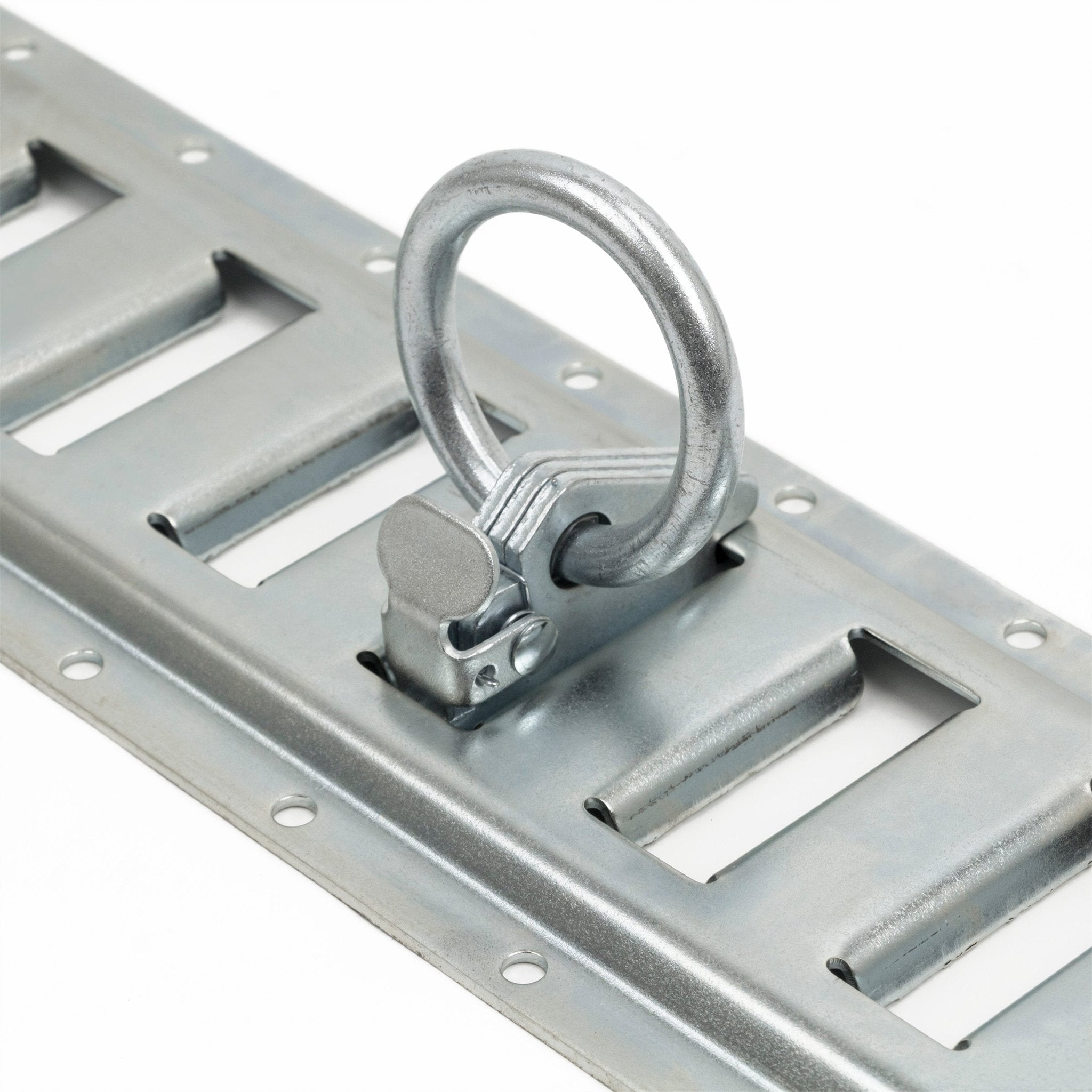
Attaching to Weak Trailer Points
Always use designated trailer tie points. Thin rails or fenders are not designed to handle load and can fail.
Ignoring Strap Wear
Sun exposure, saltwater, and road grime break down webbing over time. If you see fraying, fading, or cuts, replace the strap.
Safety Tips for Trailering Watercraft
-
Always use at least two stern tie-downs
-
Check straps at every fuel stop on long trips
-
Rinse straps with fresh water after saltwater use
-
Never rely on bungee cords or rope
-
Store straps out of direct sunlight when not in use
Good habits keep both your watercraft and your tie-downs in top condition.
Choosing the Right Watercraft Tie-Downs from PowerTye
PowerTye offers several tie-down solutions that work well for watercraft trailering. Choosing the right one depends on your trailer style, watercraft size, and personal preference.
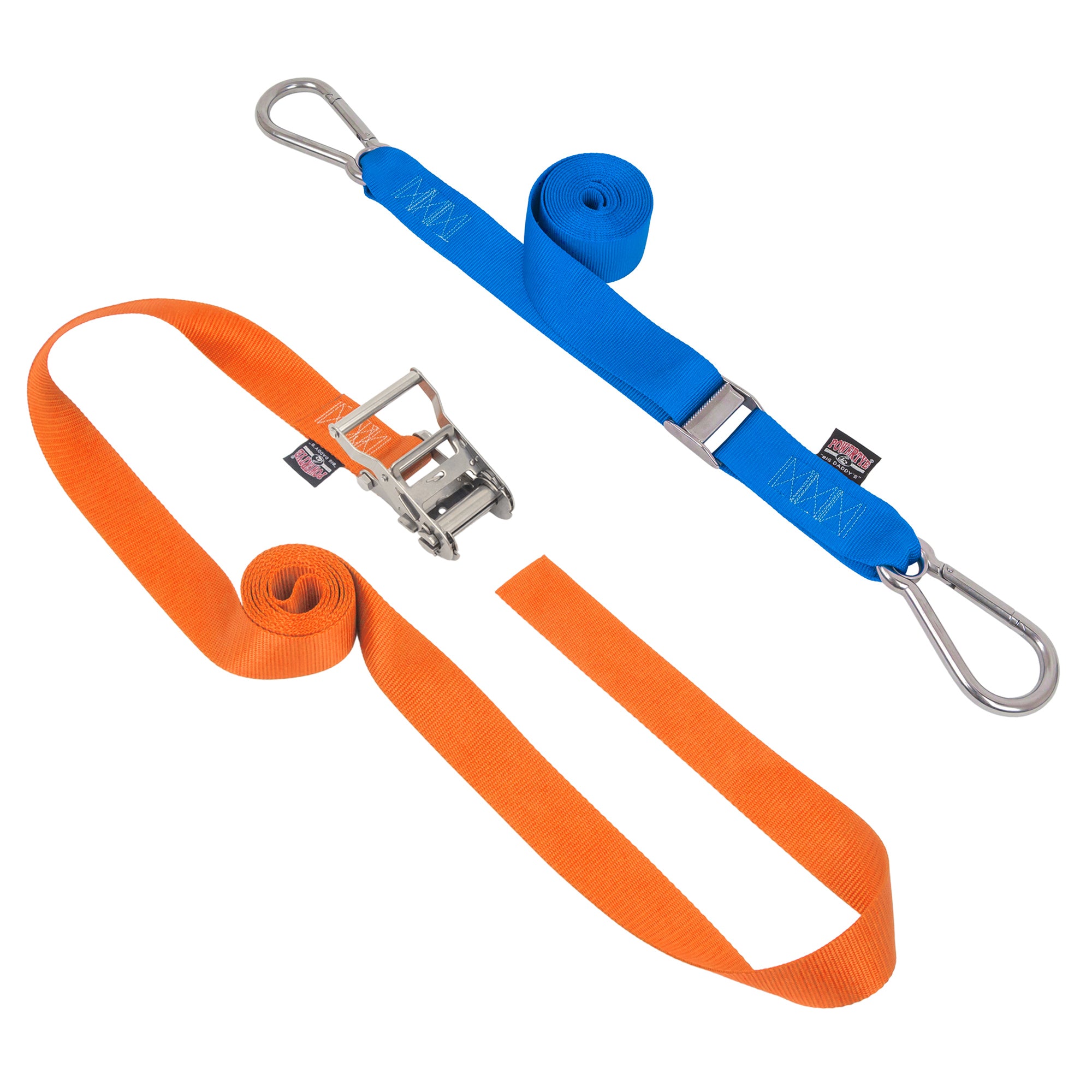
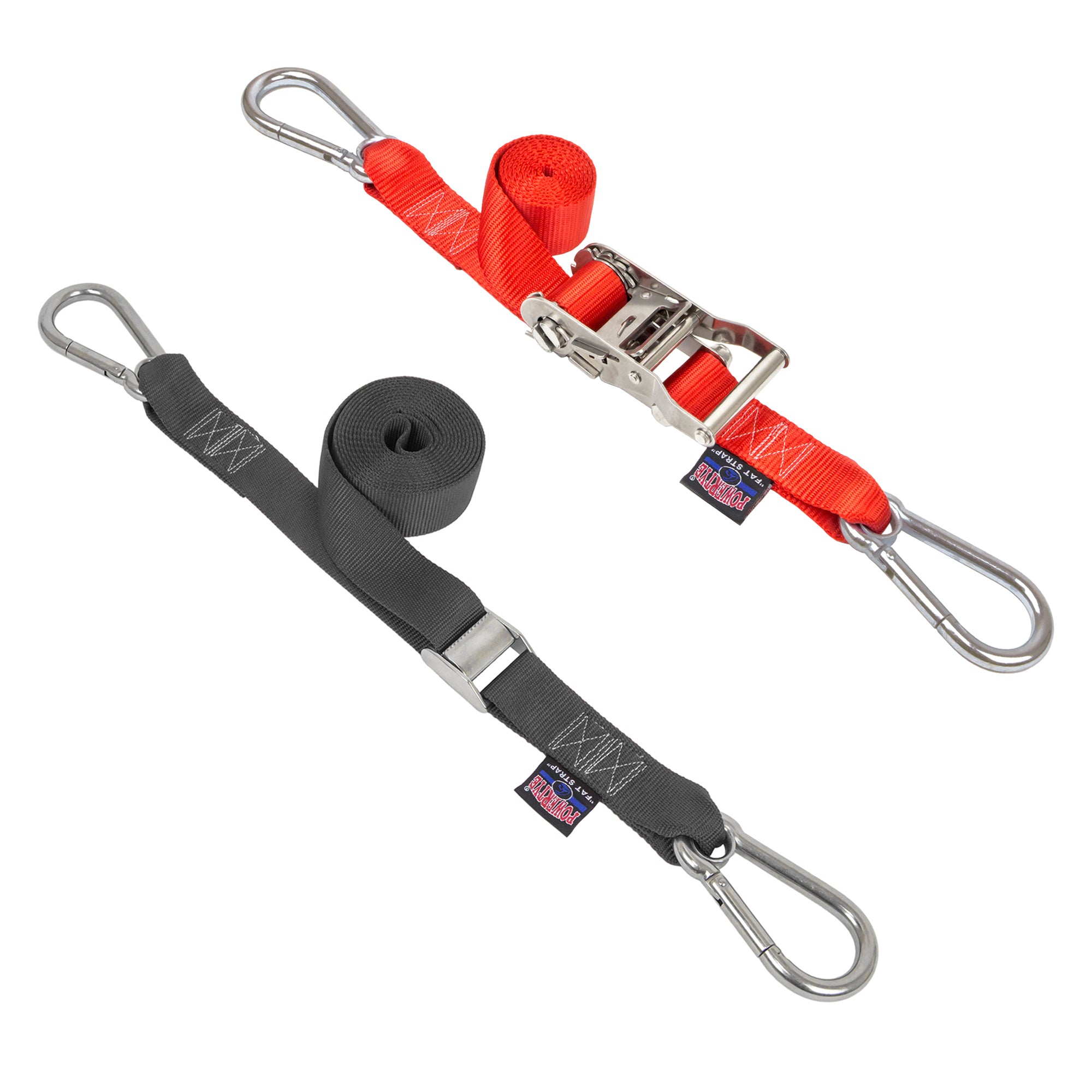
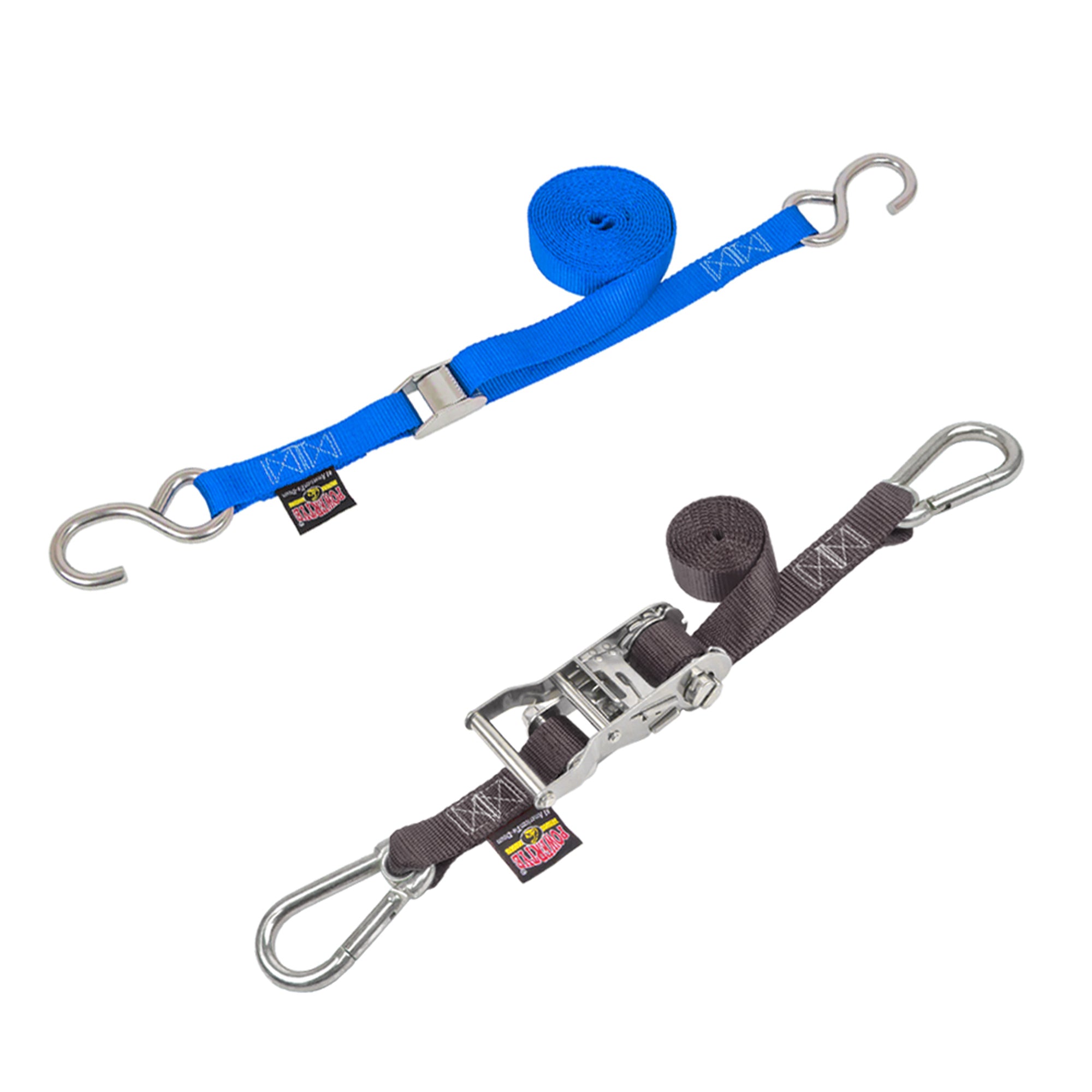
Retractable Ratchet Tie-Downs
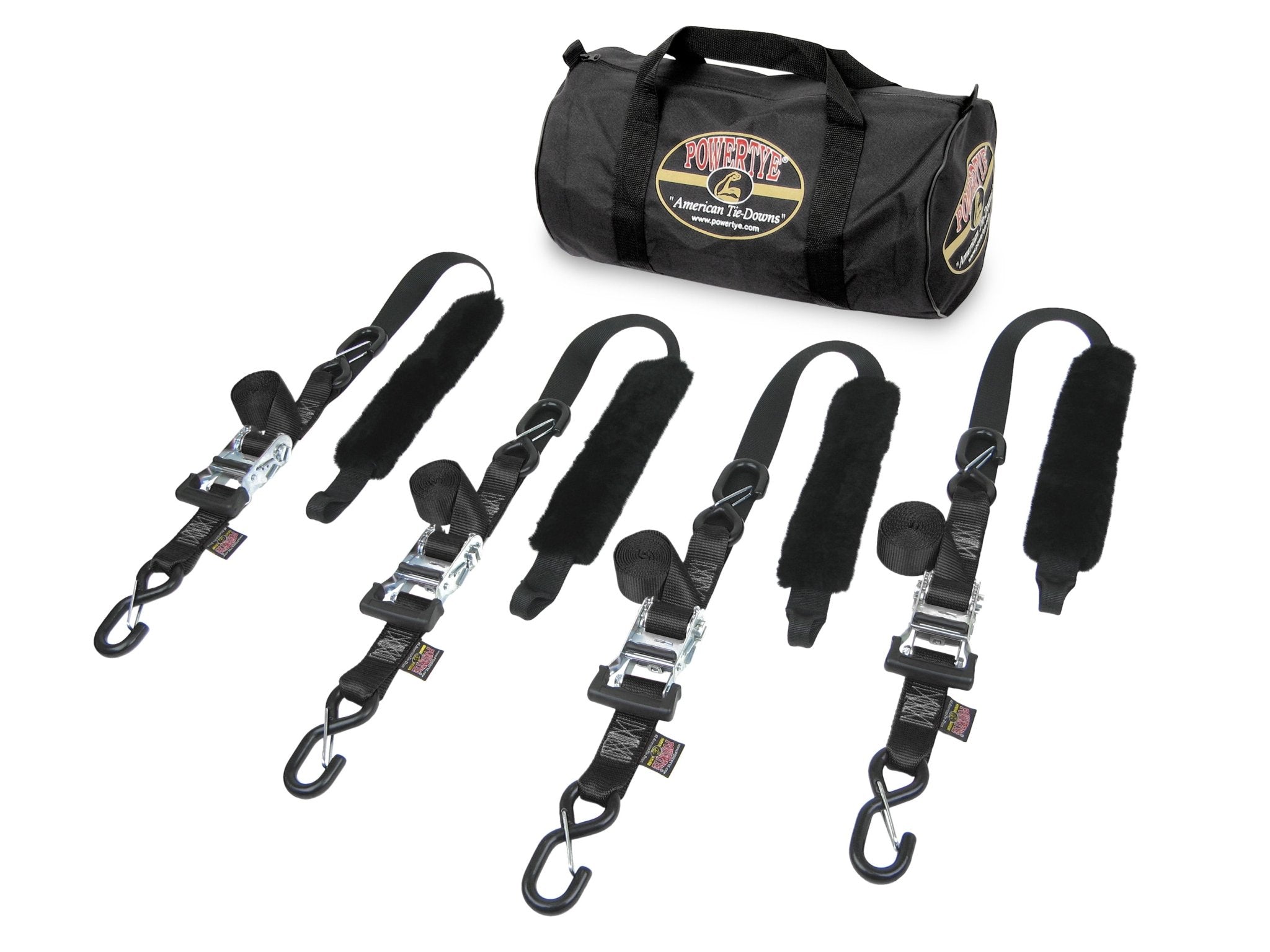
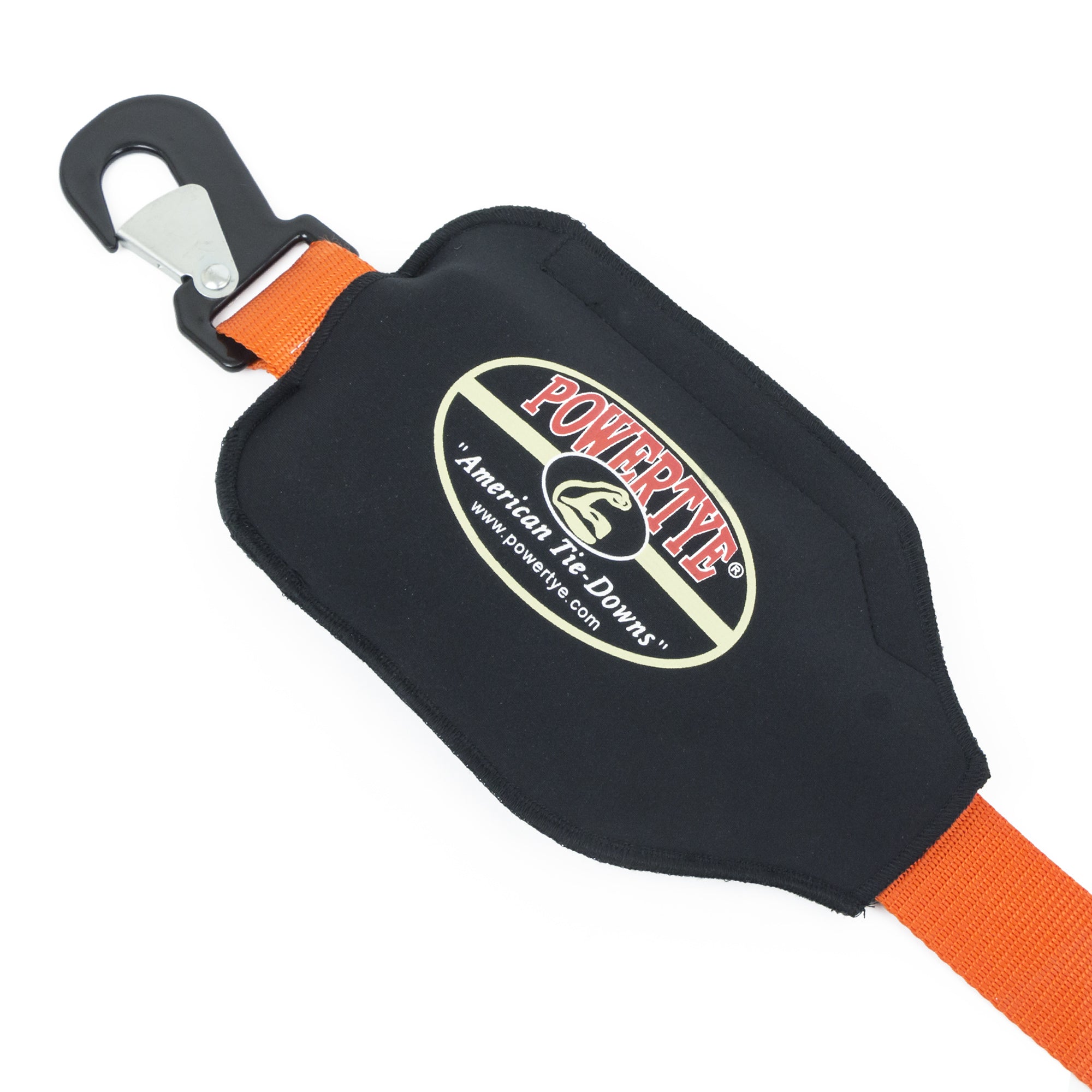
PowerTye retractable ratchet tie-downs are a favorite among experienced riders. The built-in retraction keeps straps tidy and prevents loose webbing from flapping in the wind.
These are ideal for:
-
Frequent trailering
-
Clean, fast setup
-
Riders who value convenience and consistency
Standard Ratchet Tie-Downs
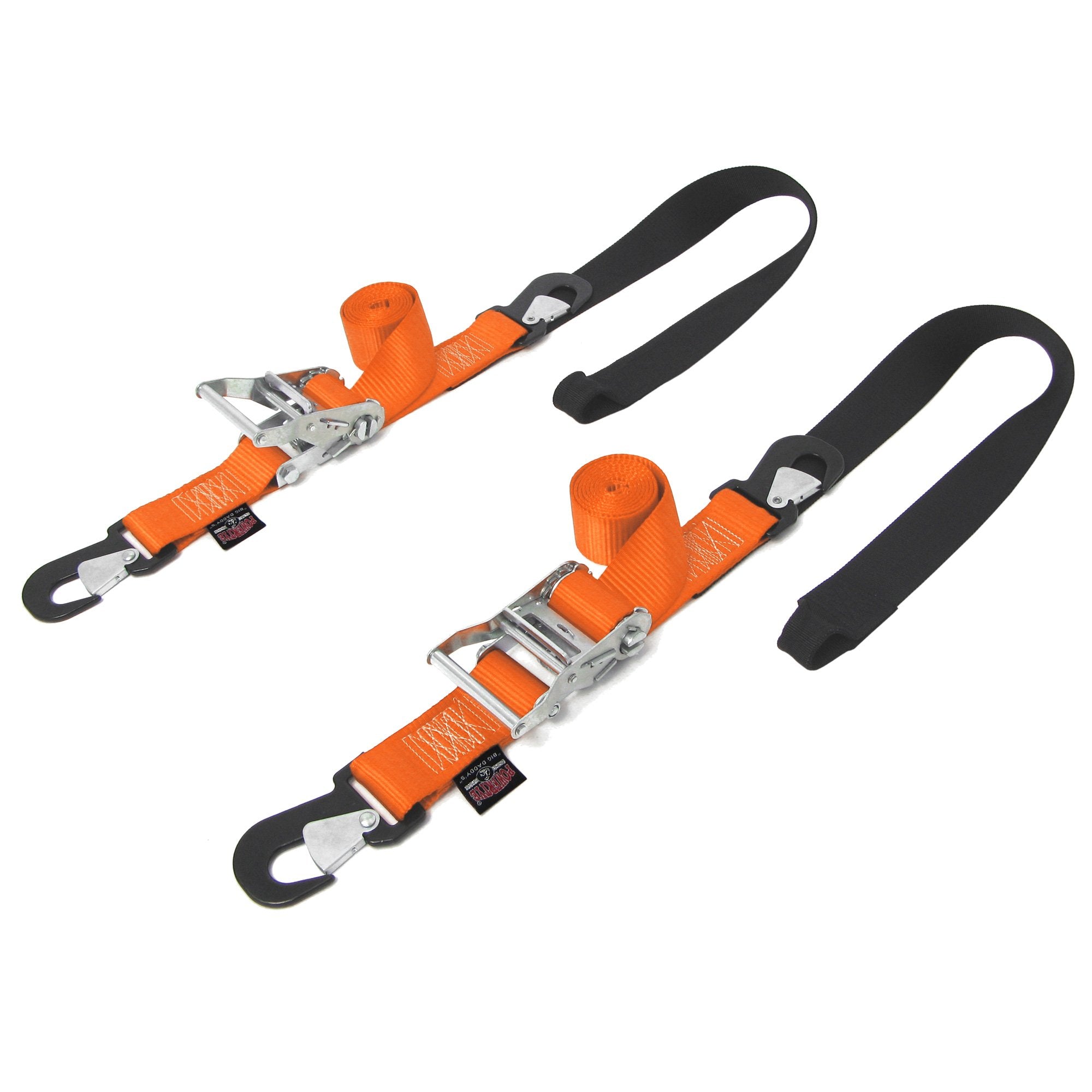
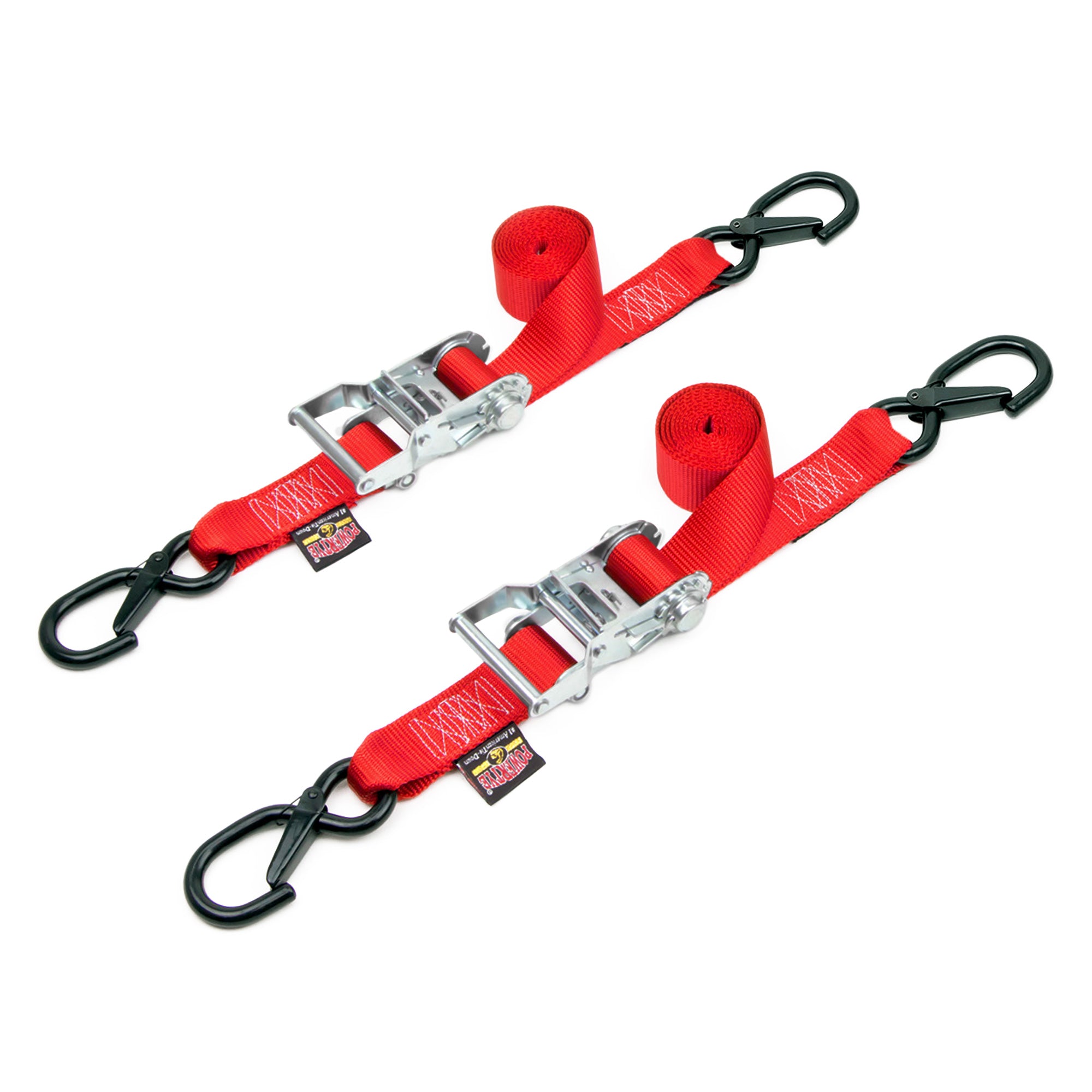
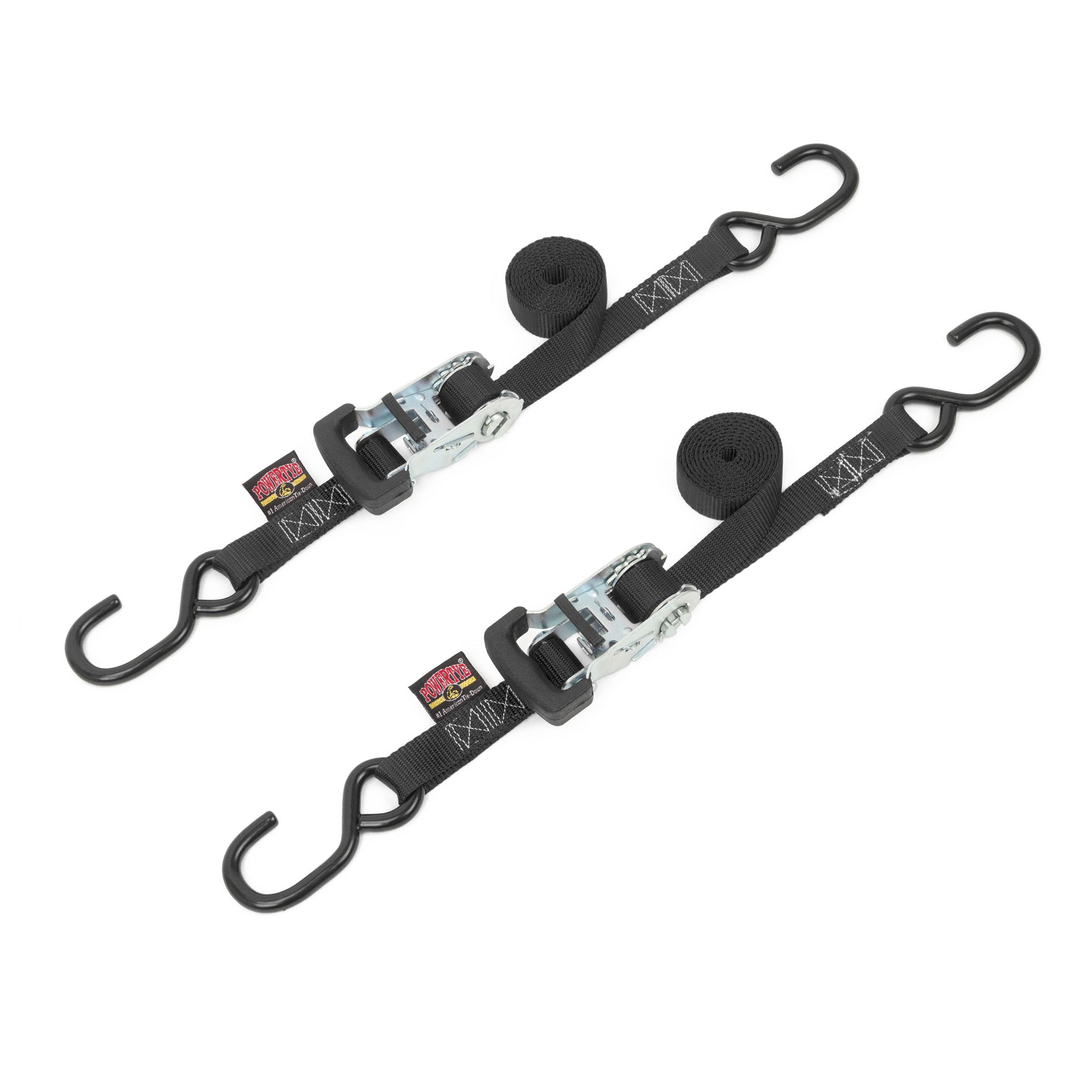
For riders who want maximum control over tension, standard ratchet tie-downs from PowerTye offer durability and strength. They are a solid choice for heavier watercraft or longer trips.
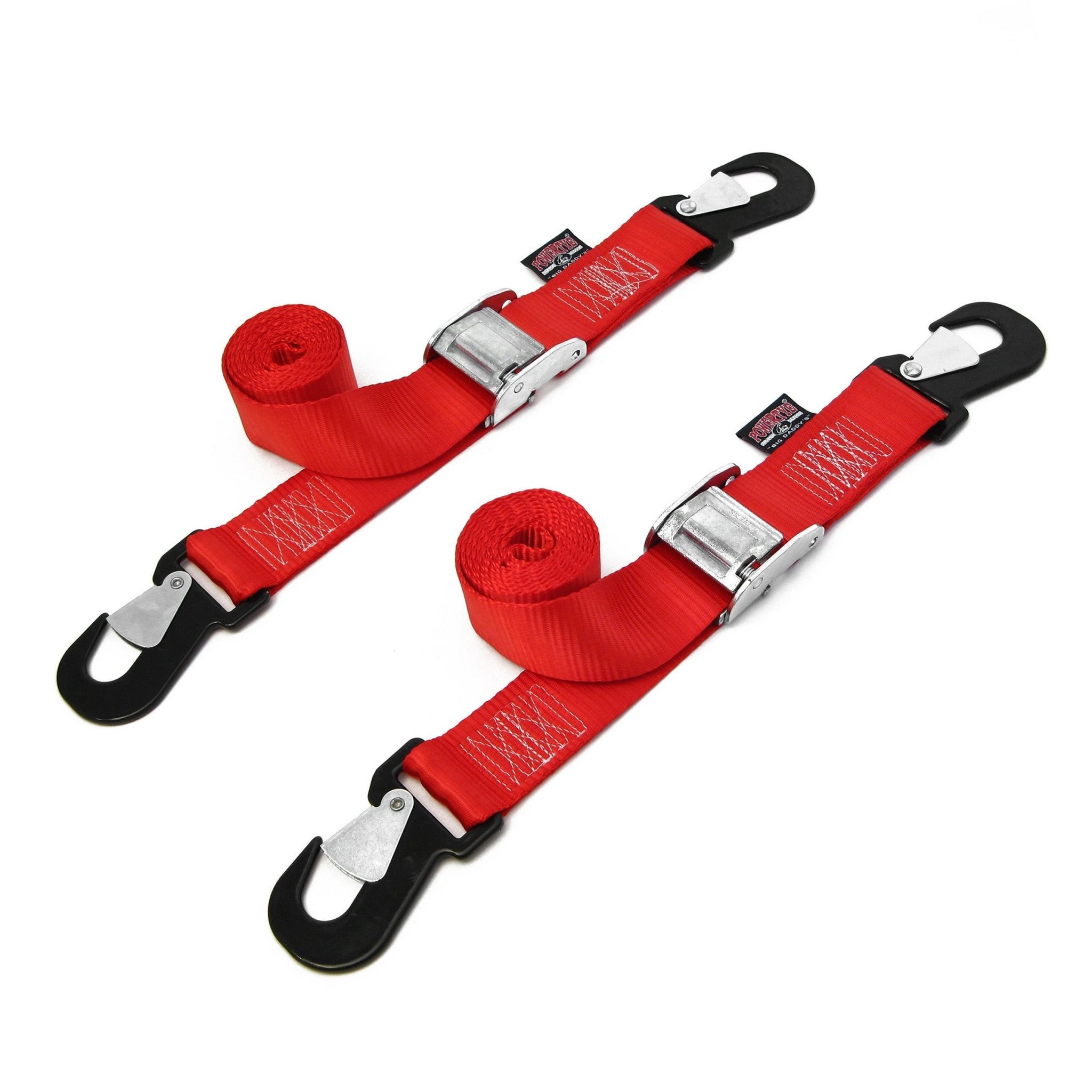
Cam Buckle Tie-Downs
Cam buckle straps are quicker to use and reduce the risk of over-tightening. They work well for lighter PWCs and shorter hauls when used correctly.
Soft Loop Accessories
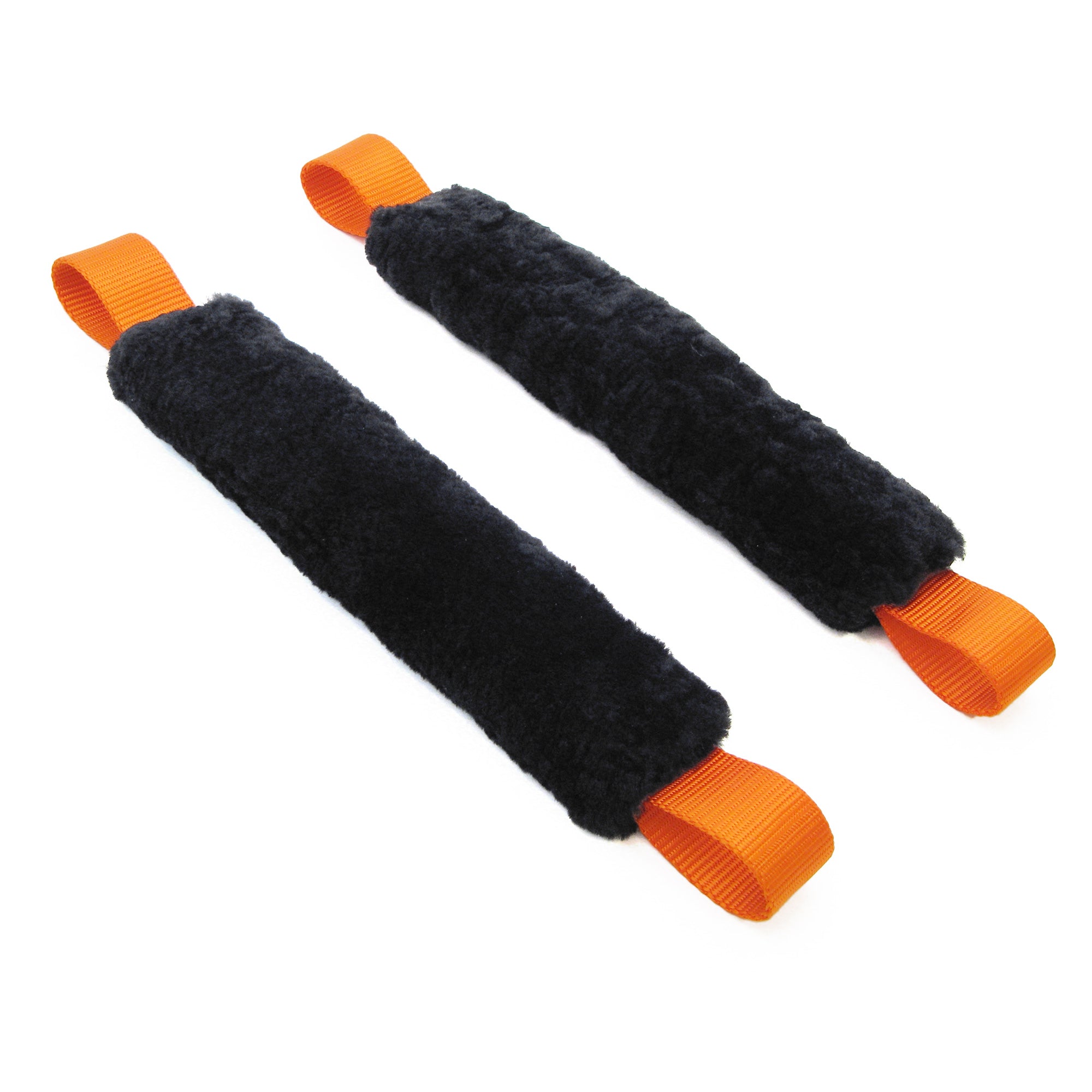
Soft loops help protect painted or polished tie points and provide flexibility when trailer anchor points are hard to reach. They are a smart addition to any watercraft tie-down setup.
When selecting PowerTye products, always match the strap rating to the weight and size of your watercraft. More capacity equals more margin for safety.
Maintenance and Care for Watercraft Tie-Downs
Good straps last longer when you take care of them.
Cleaning
Rinse tie-downs with fresh water after exposure to salt, sand, or grime. Let them dry fully before storage.
Inspection
Check webbing for frays, cuts, or stiffness. Inspect hooks and buckles for rust or deformation. Replace anything questionable.
Storage
Store tie-downs out of direct sunlight in a dry place. UV exposure is one of the fastest ways to weaken webbing.
Replacement Timing
If you trailer often, inspect straps every season. For frequent riders, replacing tie-downs every few years is cheap insurance.

Watercraft Tie-Downs FAQ
How many watercraft tie-downs do I need?
At minimum, you need two stern tie-downs plus a bow winch strap. Larger boats may require additional straps depending on trailer design.
Are retractable tie-downs strong enough for watercraft?
Yes, when properly rated. PowerTye retractable ratchet tie-downs are designed for powersports and marine trailering applications.
Should tie-downs be tight or slightly loose?
They should be snug and secure, not overly tight. The goal is to prevent movement without crushing the hull.
Can I leave tie-downs on the trailer all the time?
You can, but sun and weather exposure will shorten their lifespan. Retractable tie-downs help reduce wear when stored properly.
Do I need transom straps for a jet ski?
Yes. Stern watercraft tie-downs serve the same purpose as transom straps and are essential for safe trailering.
Can I use the same straps for boats and PWCs?
In many cases, yes, as long as the strap rating and length are appropriate. Always match capacity to load.
How often should I replace watercraft tie-downs?
Replace them immediately if damaged. Otherwise, inspect yearly and replace every few seasons depending on use.
Final Thoughts and Why PowerTye Is Worth It
Trailering should not be stressful. When you use proper watercraft tie-downs, follow good technique, and choose gear built for real-world riding, you can focus on the water instead of worrying about the drive.
PowerTye has earned its reputation by building durable, rider-tested tie-downs that make trailering easier and safer. If you are ready to upgrade your setup or replace worn straps, now is the time.
Shop PowerTye watercraft tie-downs and secure your ride with confidence on every trip.